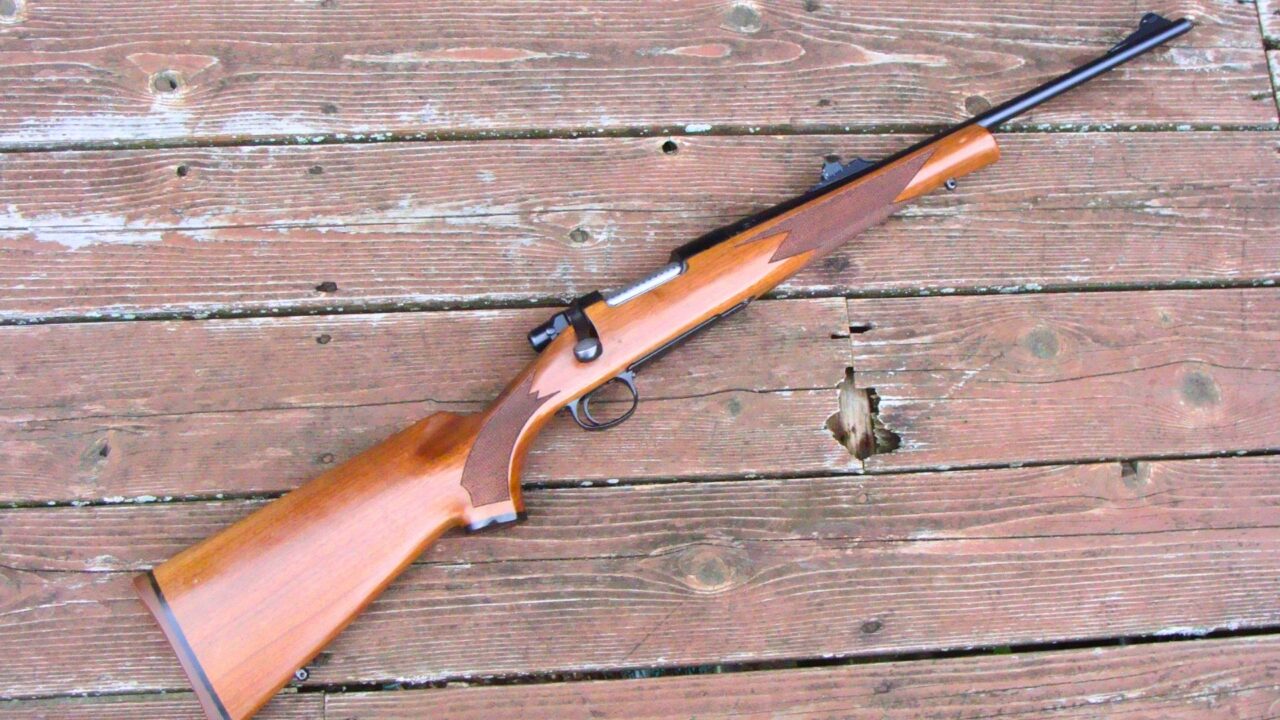
Photo credit: Guns International
A lot of rifles earn their reputation by being practical before they ever become exciting. They sit on racks as the sensible option, the one a hunter buys because it seems dependable, familiar, and easy to live with. Then a few years pass, prices shift, production changes, or the model quietly disappears, and that “safe” choice starts looking a whole lot harder to replace. That is usually when people realize they were holding something better than they gave it credit for.
The rifles here were not always bought with collector fever or bragging rights in mind. Most were picked because they seemed like smart, low-drama tools. Then real use, market changes, and time turned them into the kinds of rifles owners wish they had bought twice. Once one proves itself across seasons, ammo shortages, and changing trends, replacing it stops feeling simple in a hurry.
Winchester Model 70 Featherweight

The Winchester Model 70 Featherweight always had the look of a sensible deer rifle. It was trim, balanced, familiar, and backed by a name people already trusted. A lot of hunters bought one because it seemed like the kind of rifle you could carry all day and hand down later. That turned out to be exactly right, but maybe in a bigger way than they expected when they first brought one home.
The trouble now is that good ones are not so easy to replace with something that feels the same in your hands. The Featherweight has a kind of balance and field manners that newer rifles often miss while chasing either lower cost or more features. Once a hunter learns what that rifle does well, letting it go starts to feel like a mistake that gets more expensive every year.
Browning A-Bolt

The Browning A-Bolt was the sort of rifle plenty of buyers picked because it looked like a polished, dependable option from a company that usually did things right. It had a smooth action, solid accuracy, and the kind of finish that made it feel like a step above many ordinary hunting rifles without becoming fussy. For a long time, it just sat in that comfortable middle ground where people trusted it and moved on.
Then it became one of those rifles owners started missing the second they looked around for an equivalent replacement. Browning changed directions, the market moved, and suddenly the A-Bolt was not just a safe pick from the past. It was a reminder that some rifles nailed the right mix of handling, accuracy, and familiarity before the industry got too busy chasing the next thing.
Remington 700 Mountain Rifle

The Remington 700 Mountain Rifle looked like a safe buy for hunters who wanted a proven action in a lighter, easier-carrying package. It was never built to dominate benchrest talk or tactical conversations. It was a field rifle first, and that is exactly why so many hunters ended up loving them. They carried well, pointed naturally, and made sense in the kind of country where rifle weight starts to matter by midmorning.
That is also why they became hard to replace once people got used to them. A light rifle that still feels right in the hands is not as common as it should be. Plenty of newer rifles are lighter on paper, but not all of them carry or shoot with the same honest balance. For hunters who bonded with a good Mountain Rifle, finding another one that scratches the same itch is not easy.
Ruger M77 Mark II

The Ruger M77 Mark II was one of those rifles people bought because it felt sturdy, familiar, and built to last. It was not trying to look revolutionary. It was simply a controlled-feed hunting rifle with real steel, solid walnut or practical synthetic furniture, and the kind of toughness that made owners trust it in bad weather and rough country. That is the sort of rifle people used without feeling the need to talk it up much.
Then the years rolled on and hunters realized that replacing one was tougher than expected. New rifles might shoot just as well, but not many feel quite as overbuilt and settled as a good M77 Mark II. Once one proves itself across enough camps and seasons, it stops being just a smart purchase. It turns into the rifle you keep reaching for because the alternatives never feel quite right.
Tikka T3 Hunter
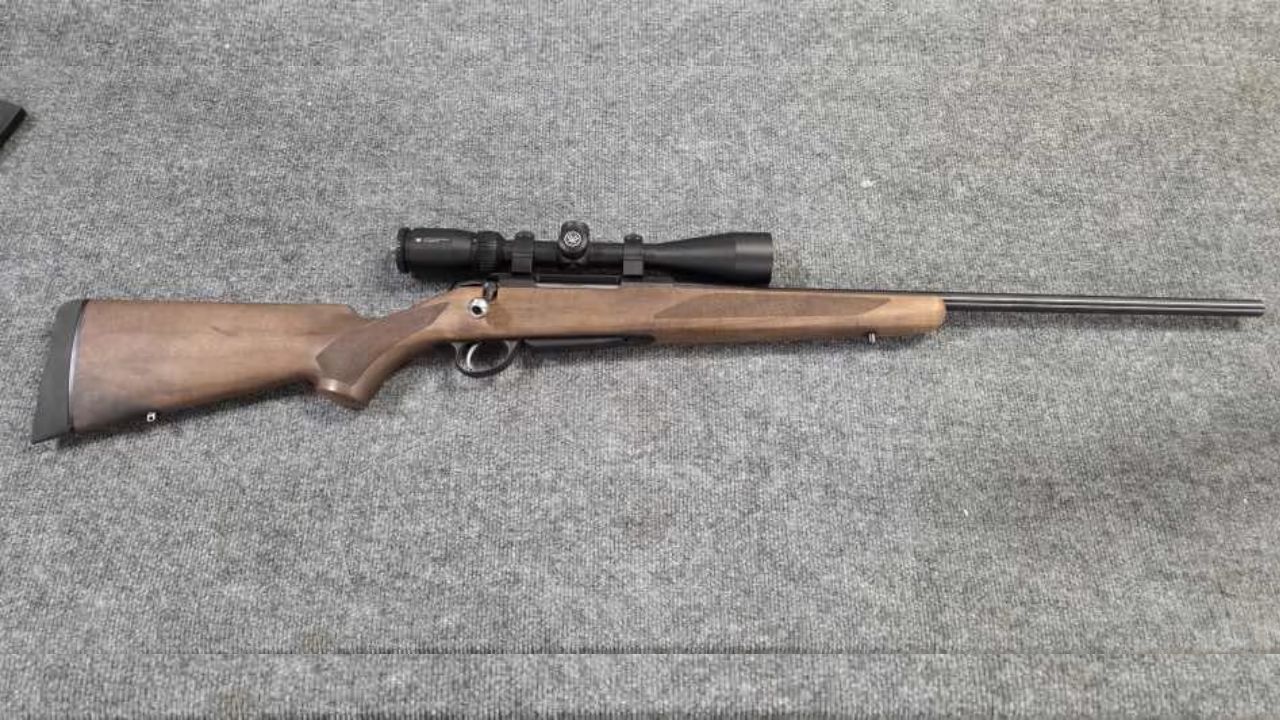
The Tikka T3 Hunter looked safe in the best possible way. It had clean lines, a reputation for accuracy, and a smooth bolt that immediately made sense to anyone who handled one. It was the kind of rifle a buyer chose when they wanted something proven instead of flashy. That practical appeal ended up doing more than sell rifles. It built a loyal following among hunters who realized just how easy these rifles were to shoot well.
That becomes a problem once you decide you need another one. Good wood-stocked Tikkas with that same feel are not everywhere, and plenty of current rifles still do not combine slick operation and dependable accuracy quite the same way. The T3 Hunter seemed like a safe choice at the time, but owners found out later it had become the kind of favorite you do not casually replace.
Savage 99
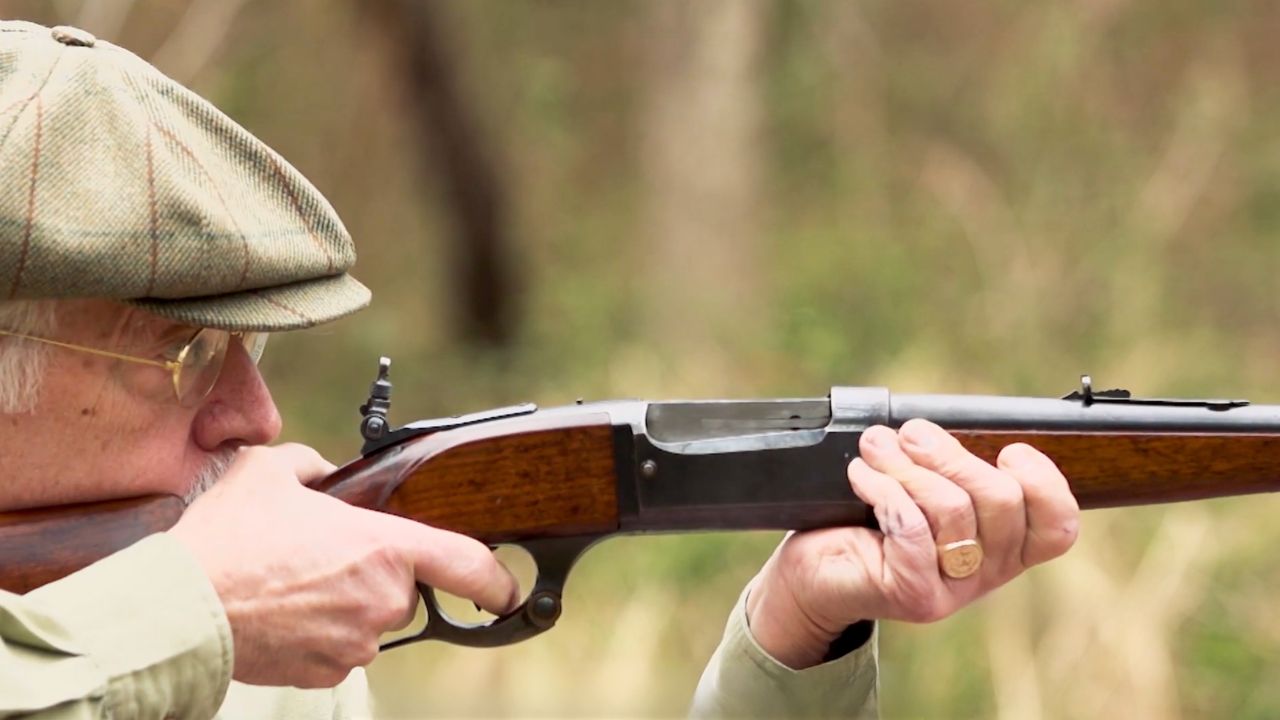
The Savage 99 looked safe mostly to hunters who appreciated tradition and wanted a rifle with a long track record. It was not flashy in the modern sense, but it had real usefulness, especially in classic deer cartridges. For generations, it filled that role of trusted camp rifle, the one that felt proven before you ever touched the trigger. That made it easy to buy without imagining it would someday feel scarce.
Now it feels like one of those rifles people understand better after they are gone from regular racks. A good Savage 99 has handling, character, and field usefulness that never really got replaced by newer designs. Once a hunter has one that shoots well and carries right, replacing it is more complicated than just finding another lever gun. It becomes about finding that same feel again, and that is where the trouble starts.
Kimber 84M Classic

The Kimber 84M Classic looked like the safe answer for hunters who wanted a trim bolt gun that still felt refined. It was light without being cheap, handsome without being overdone, and chambered in the kind of cartridges people actually carried into the woods. Buyers saw it as a practical upgrade, not some wild gamble. Then they started carrying it season after season and realized it had a way of sticking with them.
That is when it turned into a hard-to-replace favorite. Light rifles are easy to find on paper, but far fewer feel this lively and finished at the same time. The 84M Classic sits in that difficult space where once you own a good one, you stop wanting just any light hunting rifle. You want one that feels like that Kimber, and that narrows the field fast.
Winchester Model 88

The Winchester Model 88 made sense to a lot of buyers because it offered something familiar and practical without feeling too far outside the mainstream. It gave lever-gun fans a rifle that handled pointed bullets and modern hunting use more comfortably than many older designs. At the time, it probably felt like a smart, steady purchase rather than an emotional one. That was part of its appeal.
Then time did what time does. The Model 88 became the kind of rifle owners realized they had underestimated. It carries nicely, has real character, and fills a hunting niche that newer rifles rarely fill in the same way. Replacing one is not just about finding another .308 lever action. It is about finding a rifle with that mix of handling, utility, and old-school appeal, and that gets difficult in a hurry.
Sako 85 Hunter

The Sako 85 Hunter looked like a safe choice for the buyer who wanted a refined rifle and was willing to spend a little more for something that felt finished from the start. The action was smooth, the stock fit well, and the whole rifle carried itself like it had been put together by people who still cared about how a hunting rifle should feel. It was not loud about any of it, which helped its appeal.
That quiet competence is exactly why it became so hard to replace. Once you get used to a rifle that feeds smoothly, balances properly, and shoots without drama, your standards move. Plenty of rifles can cover one or two of those traits. Fewer give you the full package. The Sako 85 Hunter turned many practical buyers into long-term loyalists for that exact reason.
Ruger Hawkeye African
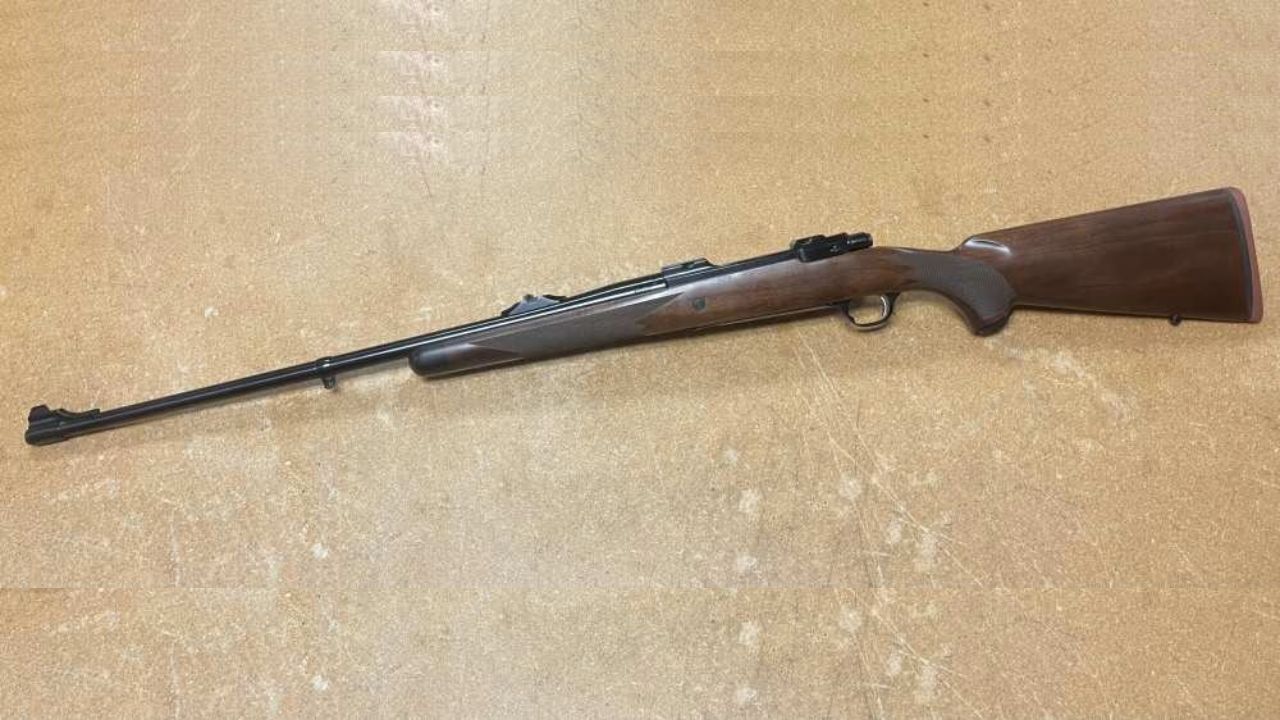
The Ruger Hawkeye African looked safe to hunters who wanted a sturdy controlled-feed rifle with real-world usefulness and a little more authority than a basic deer gun. Even buyers who never planned an African trip could see the appeal. It felt dependable, balanced, and built with enough substance to inspire confidence. That sort of rifle often gets bought as a practical specialty piece and then ends up doing more than expected.
Over time, many owners figured out it was one of those rifles that is easier to admire once you have actually used it. It has personality, but it also has function, and that combination is not always easy to replace once you sell one. A Hawkeye African is the kind of rifle that slowly stops feeling like an extra and starts feeling like one you should have held onto.
Remington Model Seven

The Remington Model Seven was easy to buy because it looked like a no-nonsense answer for hunters who wanted a compact, fast-handling rifle built on a proven idea. It did not need much explaining. It was lighter, handier, and generally easier to carry than full-size rifles without drifting into novelty territory. A lot of hunters grabbed one for thick cover, youth use, or general convenience and then found themselves using it far more than expected.
That is how it became hard to replace. The Model Seven hits a sweet spot that many compact rifles still struggle to find. Some feel too short, too light, or too compromised. A good Model Seven just feels useful. Once one earns a permanent place in a truck, blind, or mountain camp, replacing it with something equally natural starts looking less straightforward than it should.
Browning BLR
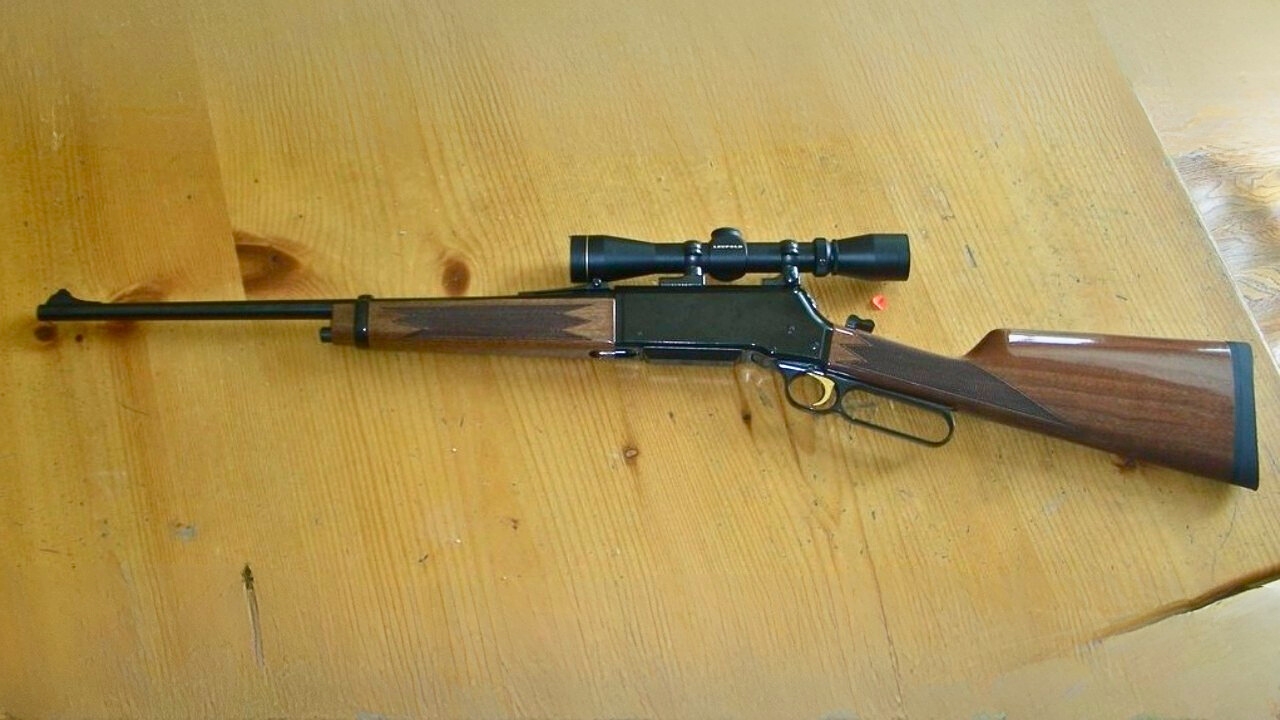
The Browning BLR often looked like the safe choice for hunters who wanted lever-gun handling without giving up modern cartridges. It was practical, polished, and backed by a company that inspired confidence. Buyers could step into it without feeling like they were gambling on something odd. It was simply a good answer for people who liked lever actions but still wanted the flexibility of cartridges more often seen in bolt guns.
Then the market reminded people that smart rifles do not always stay easy to find or cheap to replace. The BLR has a niche, but it fills that niche better than most alternatives. Once you have one that shoots well and carries right, there are not many rifles that do exactly the same job with the same feel. That makes parting with one a whole lot harder than expected.
CZ 550 American
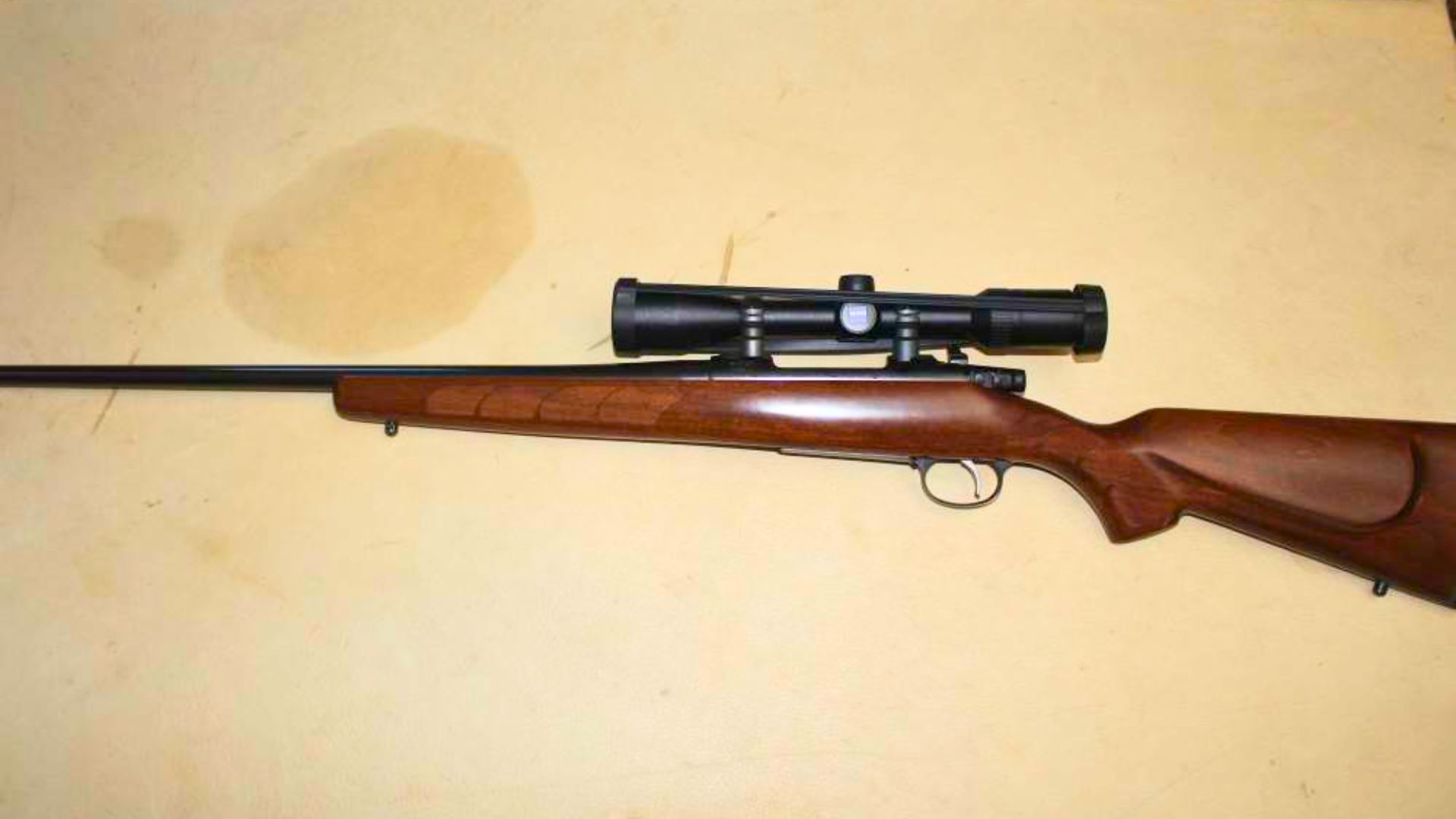
The CZ 550 American looked like a safe choice for the buyer who wanted a classic controlled-feed rifle with old-world flavor and serious hunting usefulness. It was not sold as a trend piece. It was bought by people who liked walnut, steel, and actions that felt substantial when you worked the bolt. That made it appealing to hunters who wanted something grounded rather than flashy or disposable.
That same grounded quality is why people miss them now. The 550 American had a way of feeling like a rifle you could settle into for years, not just a season or two. Once they disappeared from regular availability, owners started realizing just how few rifles deliver that same mix of heft, reliability, and traditional feel. Safe at the time, yes. Easy to replace now, not even close.
Weatherby Vanguard Series 2

The Weatherby Vanguard Series 2 looked safe because it was. It came from a known name, had a reputation for accuracy, and gave buyers a dependable hunting rifle without demanding premium Mark V money. For plenty of hunters, that was enough. It was the kind of rifle you bought to get to work, not to make a statement. Then it started stacking up seasons, tags, and range sessions without giving owners much reason to complain.
That consistency is what turns a simple purchase into a hard-to-replace favorite. The Vanguard Series 2 earned trust the boring way, which is usually the best way possible. Once a hunter has one that shoots well and never makes trouble, they stop thinking of it as a budget-friendly choice. They start thinking of it as their rifle, and that is when replacement gets personal.
Marlin X7

The Marlin X7 never came wrapped in a huge amount of prestige, which is exactly why many buyers saw it as a safe, sensible pickup. It was affordable, straightforward, and better than plenty of people expected once they actually got behind it. The adjustable trigger helped, the accuracy surprised people, and the rifle had a habit of doing everything a hunter needed without acting like it deserved a parade for it.
That sort of rifle becomes easier to miss after it is gone. Owners who bought them as practical tools later found out they had ended up with something tougher to replace than the price tag suggested. The X7 was not fancy, but it worked, and it often worked very well. Once a “cheap” rifle proves itself that honestly, finding another one with the same value and feel gets harder fast.
Savage 110 Classic

The Savage 110 Classic looked safe in the plainspoken, practical sense that has sold a lot of hunting rifles over the years. It was not trying to charm people with style alone. It gave them a dependable action, straightforward function, and the kind of accuracy that made hunters forgive a lot of cosmetic plainness. For many buyers, that was enough. It seemed like the obvious, low-risk choice when something dependable mattered more than showroom appeal.
Then it became one of those rifles people held onto because it kept backing up the decision. A good 110 Classic settles into your life quietly, and that makes it dangerous to sell. Replacing it means finding another rifle that shoots honestly, handles predictably, and feels just as trustworthy once weather and real use enter the picture. That sounds easy until you actually try to do it.
Like The Avid Outdoorsman’s content? Subscribe to our newsletter so you never miss an article.
Here’s more from us: