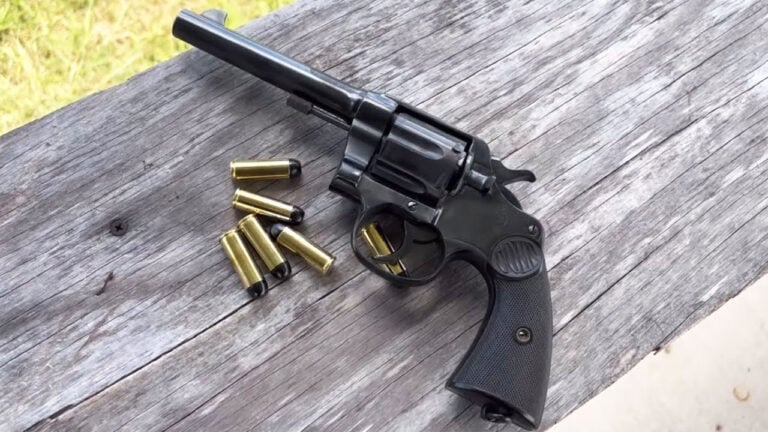
Photo credit: Nomad_Soul/Shutterstock.com
Getting into hunting is already overwhelming for new shooters, and the last thing they need is a cartridge that makes the learning curve steeper. Some rounds create more confusion than confidence, usually because they promise performance they don’t consistently deliver or because they behave differently than beginners expect. When you’re still figuring out ranges, shot placement, and recoil management, an unpredictable or misunderstood cartridge can make the entire process harder. These are the rounds that tend to slow new hunters down, not because they’re unusable, but because they introduce variables that experienced shooters know how to work around—and beginners usually don’t.
.243 Winchester

The .243 Winchester has filled more deer tags than most cartridges on this list, but it trips up new hunters with its sensitivity to bullet selection. Light varmint bullets explode on impact and create shallow wounds, while heavier hunting bullets behave like a completely different round. Beginners who grab whatever’s on the shelf can wind up with poor penetration or erratic terminal performance. Add in the fact that the .243 struggles with marginal shot angles, and new hunters often walk away feeling like they did something wrong when the problem was simply mismatched ammunition.
.30-06 Springfield Light Recoil Loads

Reduced-recoil .30-06 loads sound perfect for beginners—until they realize these rounds have drastically different trajectories than full-power hunting ammunition. A rifle zeroed with light loads will hit much higher or lower once a hunter switches to standard ammo for longer shots. Many beginners don’t understand why their zero shifted or why their groups suddenly opened up. The concept works in theory, but it adds layers of ballistic quirks that new shooters rarely want to sort out during their first season.
7mm Remington Magnum

New hunters see “magnum” and assume it means easier kills. What they actually get is a cartridge with a sharp recoil pulse and performance that demands precise shot placement. At close ranges, some bullets designed for long-distance expansion can behave unpredictably, while others may not open fast enough. Add serious muzzle blast and the tendency for magnums to encourage flinching, and beginners often end up shooting worse rather than better. It’s not the cartridge’s fault—it’s the mismatch between shooter experience and magnum behavior.
.25-06 Remington

The .25-06 is a fantastic round when paired with the right loads, but its high velocity can be unforgiving for newcomers. Lightweight bullets tend to fragment on impact, especially at close ranges, while heavier bullets require careful shot placement. New hunters often don’t realize how dramatically the cartridge’s performance changes with distance and bullet construction. Without that understanding, the .25-06 can feel inconsistent, even though experienced shooters know exactly how to make it shine.
.350 Legend

Marketed as a simple, straight-wall cartridge for beginners, the .350 Legend still creates headaches. Bullet performance varies widely between brands, and some loads don’t deliver the penetration hunters expect on bigger deer. It also drops faster than newcomers anticipate, which complicates shots past 150 yards. Many new hunters pick it up thinking it’s foolproof, only to discover that shot placement and ammo selection matter more than they were led to believe.
.30-30 Winchester Lever-Action Loads
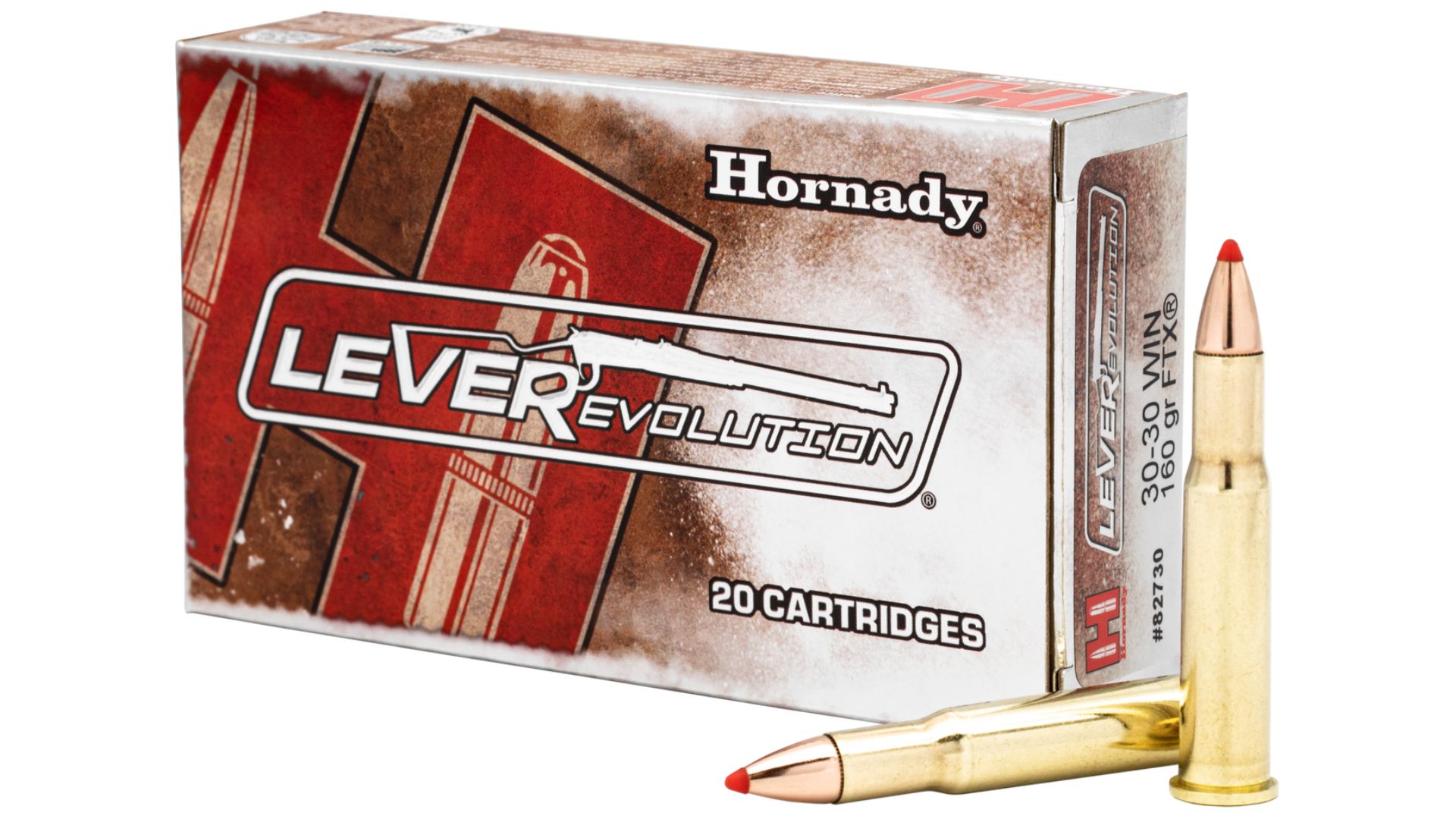
The .30-30 itself is straightforward, but the confusion begins when new hunters try mixing traditional flat-nose bullets with modern polymer-tipped designs. These rounds fly differently, hit differently, and require different zeroing distances. Beginners often assume all .30-30 ammo behaves the same because the rifle looks simple. In reality, switching between loads can completely change trajectory and impact performance, leading to missed shots and frustration in the field.
6.5 Creedmoor Lightweight Varmint Loads

The 6.5 Creedmoor is beginner-friendly when fed with proper hunting ammo. The problem is that lightweight target or varmint loads sit on shelves right beside the real hunting rounds, and newcomers often can’t tell the difference. These lighter bullets can fail to penetrate on deer-sized game, especially at steep angles. A new hunter who doesn’t understand bullet construction may blame themselves when the cartridge simply wasn’t designed for the job.
.300 Winchester Magnum

The .300 Win Mag offers reach and power, but it brings recoil and muzzle blast that can overwhelm a new hunter. Many beginners assume it’s a “do-everything” cartridge, only to realize they can’t shoot it accurately offhand or from field positions. If they flinch even slightly, accuracy falls apart, and confidence goes with it. The cartridge itself is excellent—new shooters just need time behind smaller rounds before they can handle it effectively.
.223 Remington for Deer

Some states allow .223 for deer, and that leads beginners to assume it behaves like a larger hunting round. In reality, .223 requires careful bullet selection, disciplined shot placement, and an understanding of how quickly lightweight bullets lose energy. New hunters often choose general-purpose FMJ or varmint loads by mistake, leading to poor penetration and a disappointing experience. The learning curve is simply too steep for many first-timers.
.45-70 Government Modern Loads

Traditional .45-70 loads are manageable, but modern “hot” loads can be punishing for new hunters. They kick hard, cost more, and require shooters to understand pressure differences between firearms. New hunters often buy the wrong ammo for their lever gun and end up with recoil they can’t control or ballistics they didn’t expect. It’s a classic cartridge, but it demands experience to use safely and effectively with modern loadings.
.280 Remington
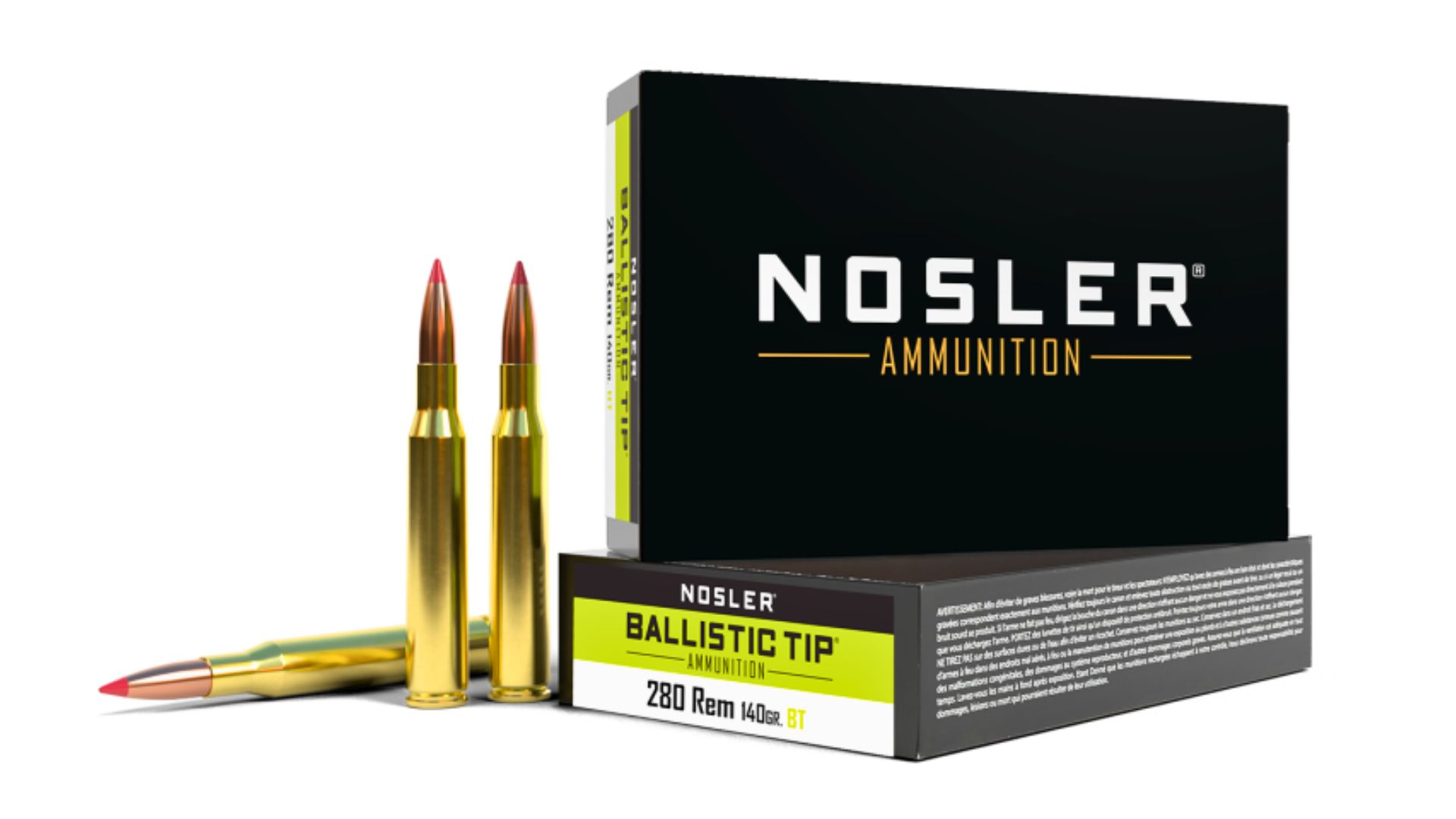
The .280 Remington has a loyal following, but its performance varies sharply between different factory loads. New hunters switching from one brand to another often see surprising changes in point of impact. Without a solid understanding of why these shifts occur, they assume something is wrong with their rifle. The cartridge rewards handloaders and seasoned shooters, but it can frustrate beginners who aren’t ready to track ballistic differences.
.22-250 Remington

The .22-250 is a tack driver for varmint and predator hunting, but some newcomers try stretching it into deer duty where allowed. Bullet performance becomes unpredictable, and shot placement becomes absolutely critical. Many beginners don’t realize that a tiny, high-velocity round can behave inconsistently on larger game, especially at odd angles. The result is confusion and a shaky first-season experience.
6.8 SPC

The 6.8 SPC looks straightforward, but factory loads vary dramatically, and accuracy differs widely between rifles. New hunters using AR-15 platforms often expect simplicity, only to discover that certain barrels, twist rates, and loads don’t play well together. Zeroing issues and inconsistent groups are common complaints. It’s a cartridge that requires a little technical know-how, and beginners usually don’t have that yet.
.257 Weatherby Magnum
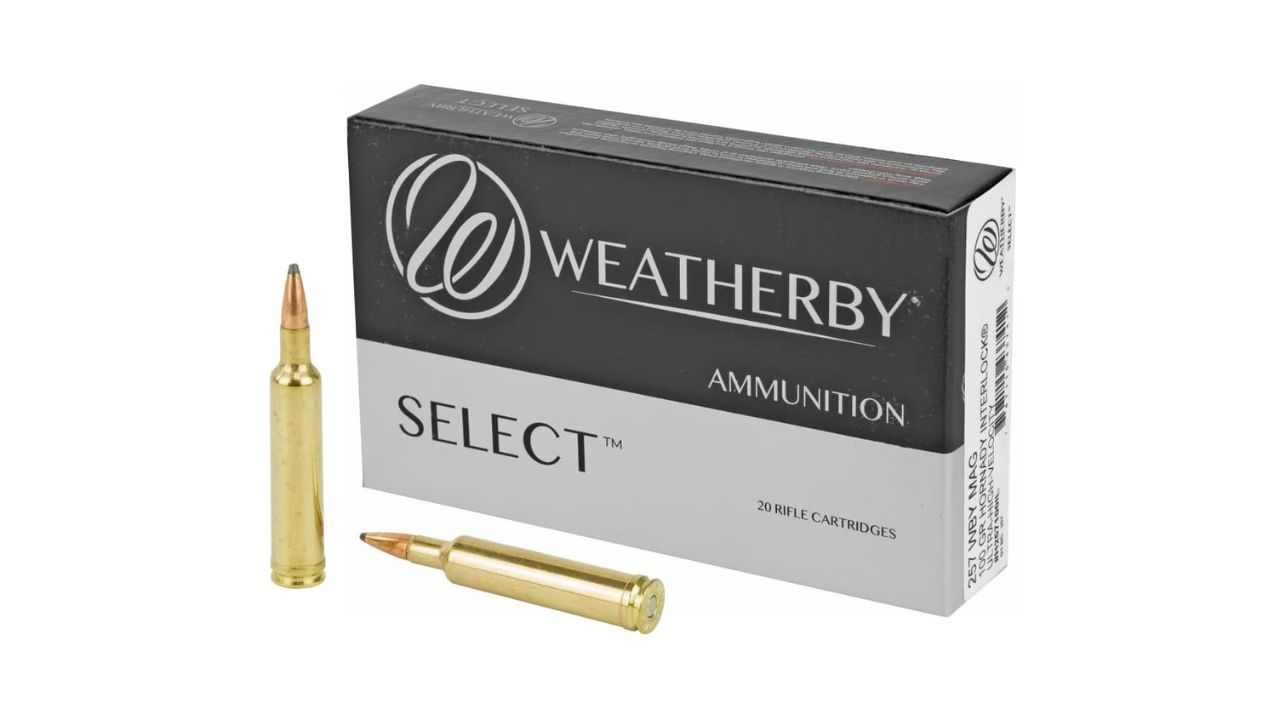
This cartridge is incredibly flat-shooting, but its speed creates problems for beginners who haven’t learned to judge distance. Close-range shots can lead to excessive fragmentation, while longer shots require very precise holds. It’s a round that magnifies mistakes rather than forgiving them. New hunters often misread what the cartridge is doing and end up confused about why terminal performance seems inconsistent.
7mm-08 Lightweight Youth Loads
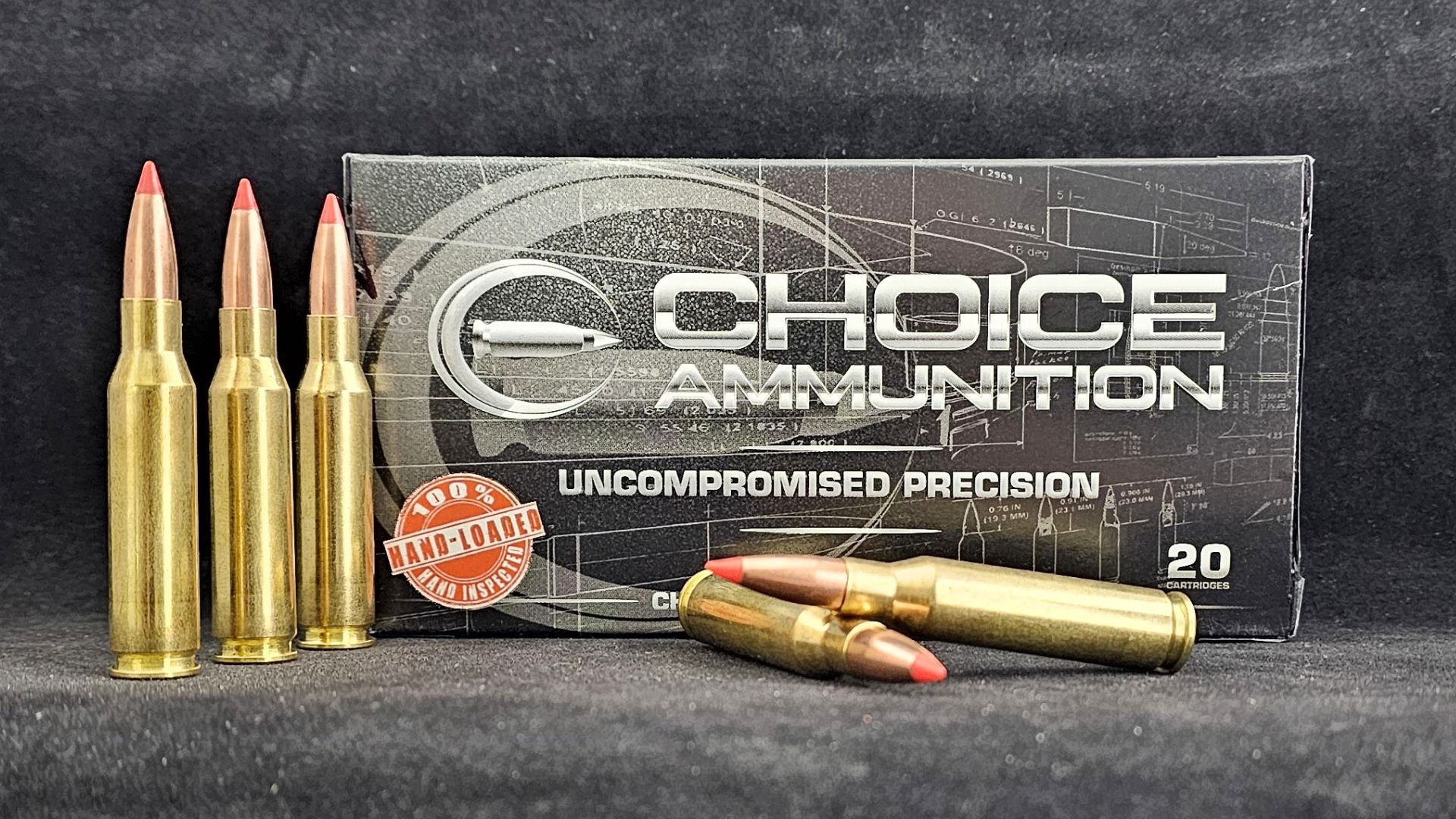
The 7mm-08 is excellent for beginners—until reduced-recoil youth loads enter the mix. These lighter loads ballistically differ enough from standard hunting ammo to create confusion when a hunter switches mid-season. A rifle zeroed for soft-shooting loads won’t hit where expected with full-power rounds. It’s a simple mistake, but it can derail a new hunter’s confidence faster than they expect.
Like The Avid Outdoorsman’s content? Subscribe to our newsletter so you never miss an article.
Here’s more from us: