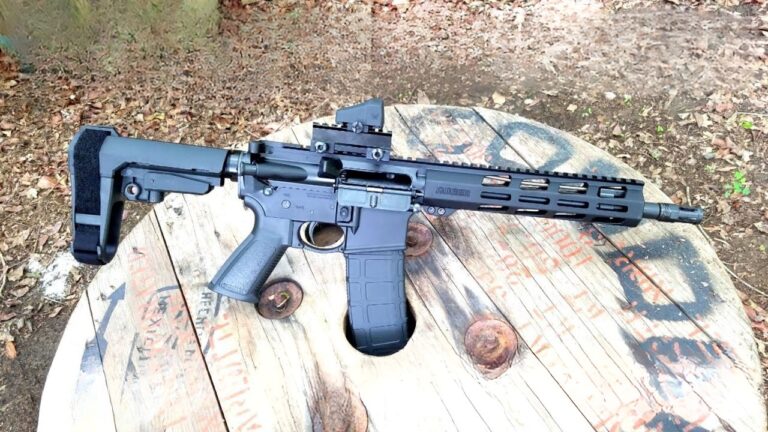
Photo credit: Harry's Holsters
Popularity in concealed carry isn’t about trends — it’s about what people actually trust enough to put on their body every day. Guns don’t stay popular in this space unless they balance size, reliability, shootability, and long-term comfort. Plenty of pistols launch with hype and disappear within a year. The ones below stick around because carriers keep choosing them again and again, even after the novelty wears off.
These are the concealed carry guns that consistently show up in holsters, training classes, range counters, and real conversations among people who actually carry.
Glock 19

The Glock 19 remains one of the most carried handguns in America because it sits in the exact middle of too big and too small. It’s compact enough to conceal under normal clothing, yet large enough to shoot well under stress. That balance is hard to replicate, which is why so many carriers circle back to it even after experimenting with smaller guns.
Reliability plays a huge role in its popularity. The Glock 19 isn’t picky about ammo, tolerates neglect better than most pistols, and keeps running across high round counts. Another reason it stays relevant is ecosystem support. Holsters, magazines, replacement parts, and optics solutions are everywhere. For many carriers, the Glock 19 isn’t exciting — it’s dependable — and that’s exactly why it remains so popular year after year.
Glock 43X

The Glock 43X gained popularity by solving a problem many carriers had with subcompact pistols: shootability. While slim and easy to conceal, the 43X still provides a grip that feels secure and controllable, especially for people with average to larger hands. That extra grip length makes a noticeable difference during recoil and follow-up shots.
Its popularity also comes from how easy it is to live with. It carries flat against the body, hides well under light clothing, and doesn’t feel overly snappy for its size. The MOS version expanded its appeal even further by allowing modern optics without custom work. For people who want a slimmer carry gun without jumping all the way down to micro size, the 43X consistently lands in the “just right” category.
SIG Sauer P365

The P365 reshaped the concealed carry market almost overnight by proving that high capacity didn’t have to mean bulky. When it launched, it offered capacity numbers people weren’t used to seeing in a pistol that small, and that immediately grabbed attention. What kept it popular, though, was how manageable it was to shoot.
Carriers gravitated to the P365 because it concealed easily while still feeling like a serious defensive tool. It fits smaller hands well, disappears inside the waistband, and remains controllable with practice. Over time, the platform matured, reliability improved, and accessory support exploded. That combination turned initial curiosity into long-term adoption, which is why the P365 remains one of the most recognized carry pistols today.
SIG Sauer P365 XL

The P365 XL took everything people liked about the original and made it easier to shoot. The longer slide and grip help tame recoil and improve control, which matters when training regularly. Many carriers find they shoot the XL noticeably better than the standard P365 without giving up much concealability.
Its popularity comes from that trade-off. You get improved shootability while still carrying something that hides easily under everyday clothing. The XL also accommodates optics more naturally, making it attractive to carriers transitioning to red dots. For people who found micro pistols too jumpy but still wanted something compact, the P365 XL became an easy upgrade.
Smith & Wesson M&P Shield Plus

The Shield series has been a concealed carry staple for years, and the Shield Plus kept it relevant by addressing capacity concerns without changing what people already trusted. It retains the slim profile carriers liked while offering more rounds in the magazine, which removed one of the biggest reasons people looked elsewhere.
Its popularity also stems from familiarity. Many carriers trained on earlier Shield models, and the Plus felt like a natural evolution rather than a new system to learn. It carries comfortably, shoots predictably, and runs reliably with common defensive ammo. For a lot of people, the Shield Plus represents continuity — a carry gun that evolves without forcing a reset.
Springfield Armory Hellcat

The Hellcat entered the carry market aggressively and stayed popular because it delivered on its promises. High capacity in a compact frame was the headline, but shootability is what kept it in rotation. While small, it remains controllable enough that practice doesn’t feel like punishment.
Carriers appreciate how the Hellcat balances concealment with confidence. It’s easy to carry all day, works well with modern optics, and has strong aftermarket support. Its grip texture and ergonomics aren’t for everyone, but for those it fits, the Hellcat becomes a daily companion quickly. Popularity here is driven by performance, not novelty.
Glock 26
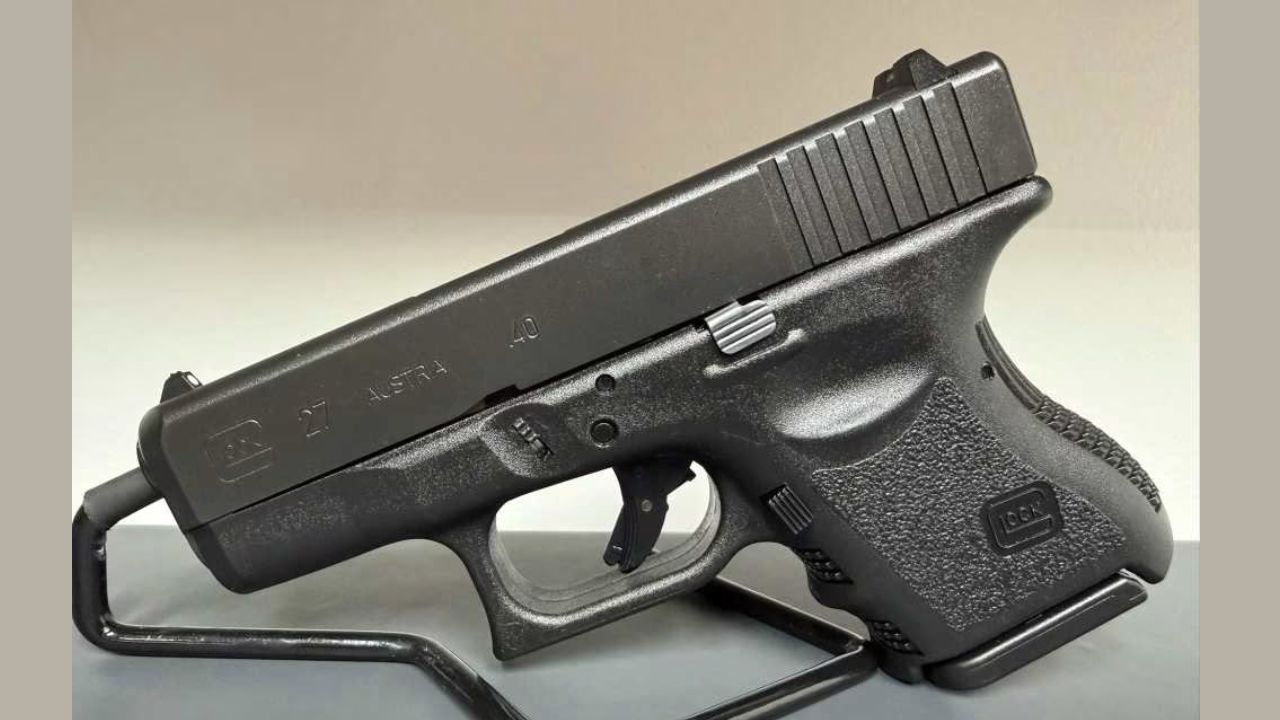
The Glock 26 has been around long enough to feel almost old-school, but its popularity refuses to fade. Often called the “baby Glock,” it offers the same reliability reputation as larger Glock models while remaining compact enough for concealment. Its slightly thicker frame doesn’t bother carriers who prioritize shootability.
One reason it stays popular is flexibility. It accepts larger Glock magazines, allowing carriers to train or carry with higher capacity when needed. It also tends to handle recoil better than slimmer micro pistols. For carriers who value control and reliability over ultra-thin profiles, the Glock 26 remains a trusted choice.
Ruger LCP Max

The LCP Max is popular for one simple reason: convenience. It’s small enough to disappear in places larger guns can’t go, making it a favorite for deep concealment and backup carry. Despite its size, it offers better capacity and shootability than earlier pocket pistols.
Its popularity reflects reality — not every situation allows for a belt-mounted holster. The LCP Max fills that gap. It’s not a range gun, and no one pretends it is, but it gives carriers a reliable option when minimal footprint matters most. That niche keeps it relevant.
Walther PDP Compact

The PDP Compact gained traction quickly among carriers who value shootability. Walther’s ergonomics and trigger design make the pistol easy to run accurately, even during faster strings. That confidence translates into popularity, especially among experienced shooters.
While slightly larger than some carry-focused pistols, it conceals well with proper setup. Its popularity reflects a trend toward carrying guns that shoot well rather than just hide well. For people who train seriously, the PDP Compact strikes a balance that keeps it in daily carry conversations.
CZ P-10 C
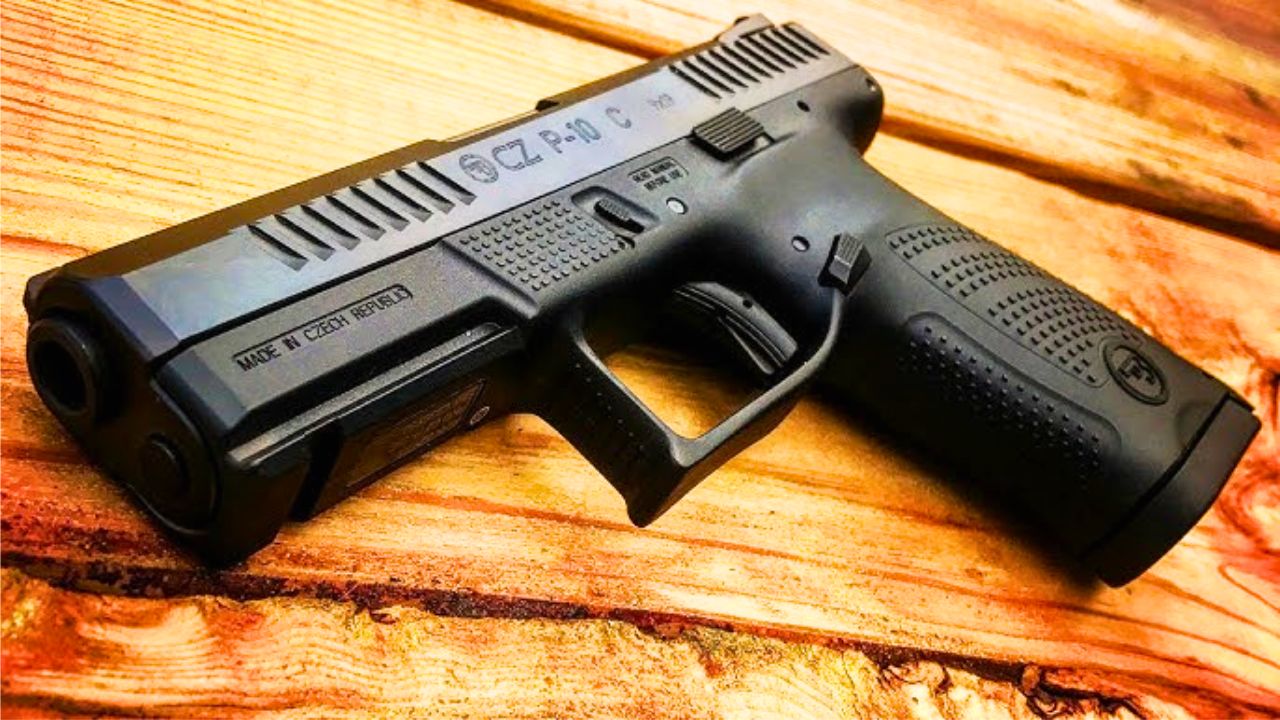
The CZ P-10 C remains popular because it offers solid performance without drama. It shoots flat, feels stable in the hand, and tends to run reliably across different ammo types. Carriers who prefer a more traditional grip angle often gravitate toward it naturally.
Its popularity is quieter than flashier brands, but consistent. People who carry it tend to keep carrying it. That kind of loyalty only happens when a pistol proves itself over time. The P-10 C doesn’t try to be trendy — it just works.
FN Reflex
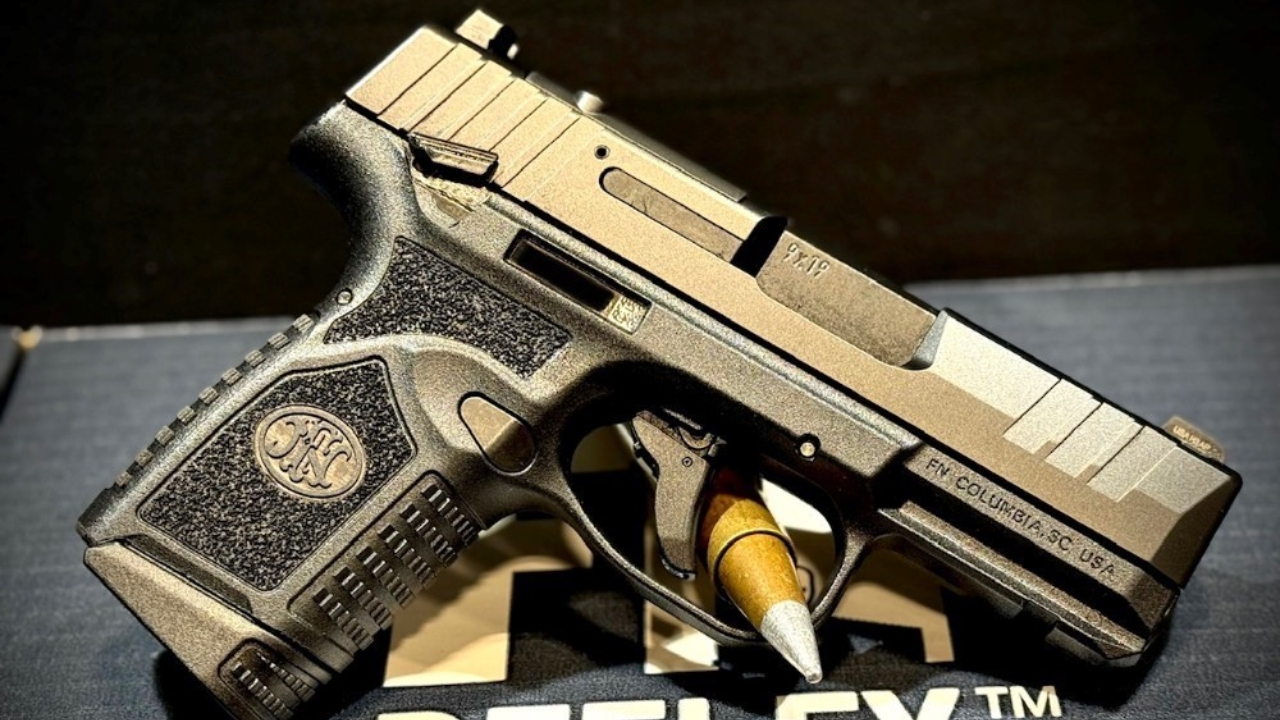
The FN Reflex carved out space in the carry market by focusing on modern features and slim design. It appeals to carriers who want something compact without feeling fragile. FN’s reputation for durability adds confidence, especially for people hard on gear.
Its popularity is tied to trust. Carriers choosing FN often do so because they value reliability above all else. The Reflex fits that mindset by offering a carry-sized pistol built with service-grade expectations.
Taurus G3c
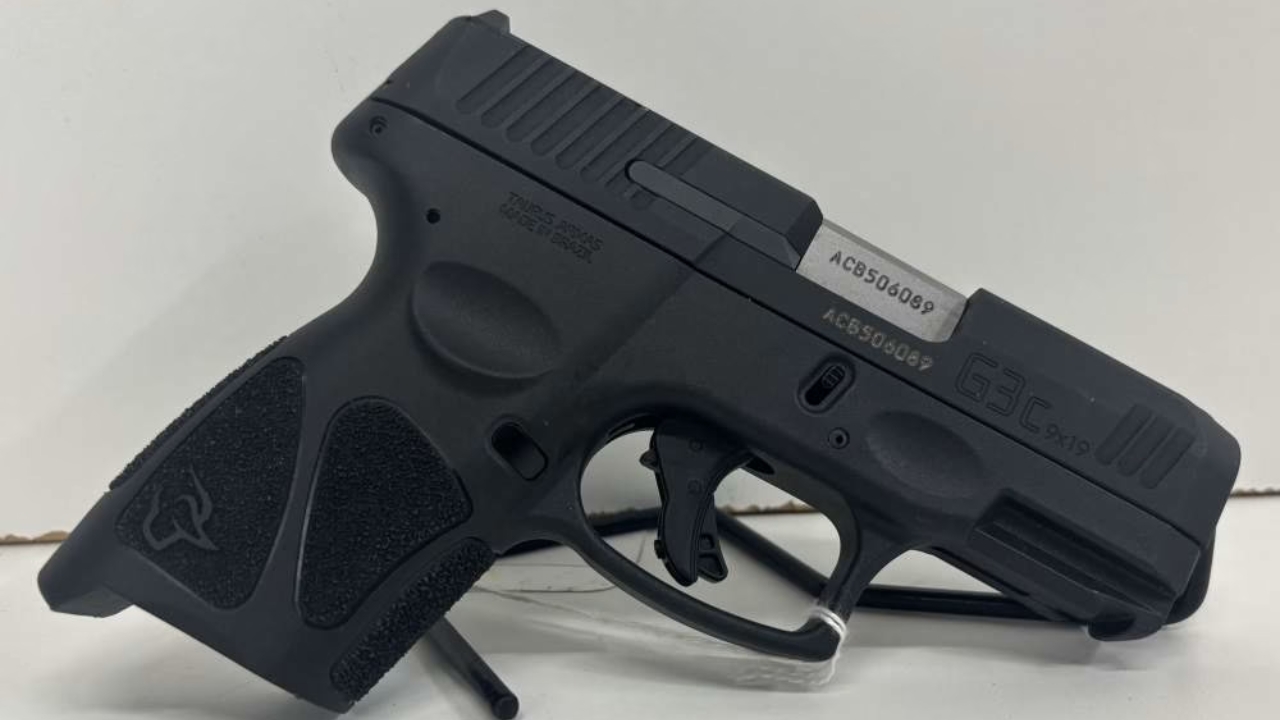
The G3c remains popular because it’s accessible. It offers compact dimensions, decent capacity, and reliable performance at a price point many people can afford. That matters, because a carry gun you can train with is better than a perfect gun you rarely shoot.
Its popularity reflects real-world economics. Not everyone wants to spend premium money on a carry pistol, and the G3c fills that space. For many carriers, it’s a practical entry point into everyday carry.
Heckler & Koch VP9SK
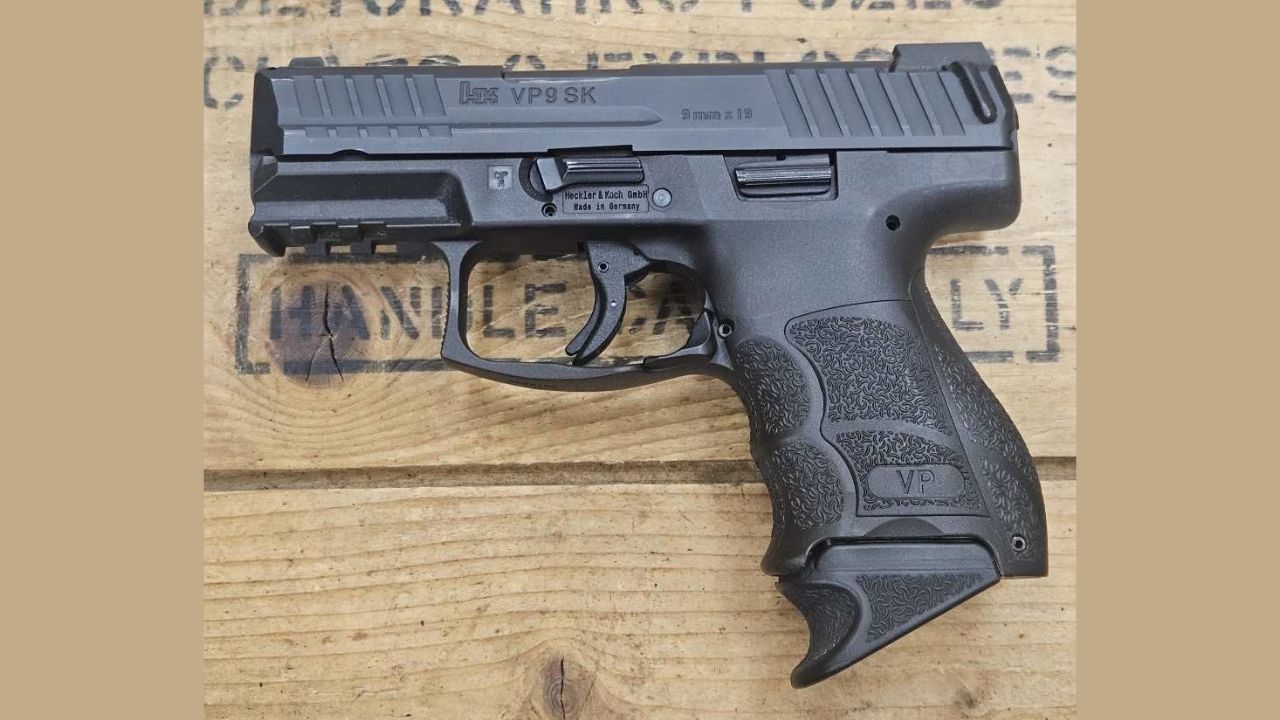
The VP9SK stays popular with shooters who prioritize ergonomics. It’s one of the most comfortable subcompact pistols to shoot, especially for people with different hand sizes. That comfort encourages practice, which builds confidence.
While not the smallest option, its shootability keeps it relevant. Carriers who struggle with recoil in smaller guns often find the VP9SK easier to manage. That balance keeps it in steady rotation.
Beretta APX A1 Compact

The APX A1 Compact appeals to carriers who want something rugged and predictable. Its grip shape, recoil behavior, and durability-oriented design make it a solid everyday option without unnecessary complexity.
Its popularity is growing quietly. Beretta loyalists appreciate its reliability, and new carriers discover it as an alternative to more common picks. It’s a pistol that earns trust through use, not marketing.
Shadow Systems MR920

The MR920 gained popularity by refining an already familiar platform. Built around Glock compatibility but with carry-focused improvements, it appeals to carriers who want modern features without abandoning proven reliability.
Its popularity reflects a desire for “better out of the box.” Improved ergonomics, optics readiness, and quality control make it attractive to people who carry daily and train often. It’s a premium option that still feels practical, which keeps it in demand.
Like The Avid Outdoorsman’s content? Subscribe to our newsletter so you never miss an article.
Here’s more from us: