Photo credit: The Avid Outdoorsman
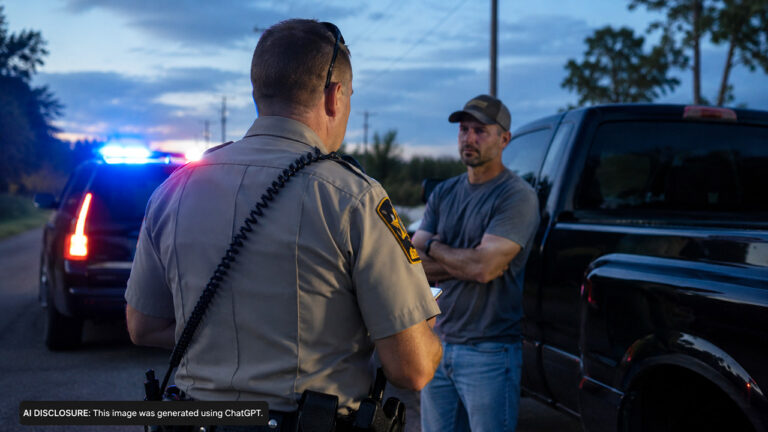
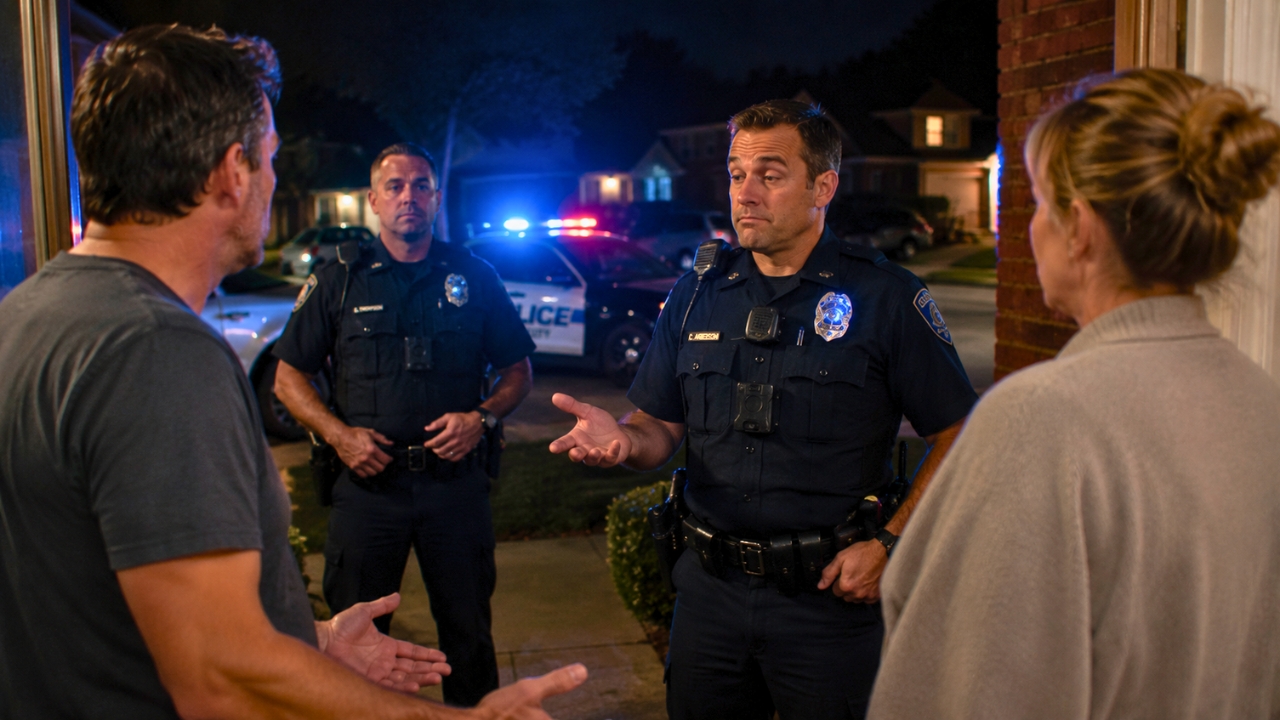
The homeowner said the knock at the door was not the kind you ignore. Police were outside, and they were there for a reason that did not seem to have anything to do with the people who actually lived in the house.
According to the Reddit post, officers came to the wrong address. That kind of mistake can sound minor after the fact if nobody gets hurt, but for the person opening the door, it can feel very different. Police showing up at your house unexpectedly is stressful even when they are calm. When they are there because of someone else’s situation, the confusion can turn tense fast.
The original Reddit post can be found here: https://www.reddit.com/r/legaladvice/comments/1n9jbym/police_came_to_the_wrong_house/
The homeowner’s frustration seemed to come from what happened after the mistake was realized. They felt police treated it like it was not a big deal. From the homeowner’s side, though, it was a big deal. The wrong address could have led to a far more dangerous encounter, especially if someone inside the home had been startled, asleep, armed, or unsure whether the people outside were actually officers.
That fear is not hard to understand. A late-night or unexpected police presence can cause panic. A homeowner may be worried about a break-in, a scam, or someone impersonating law enforcement. Officers may be worried about the call they think they are responding to. When both sides are operating on bad information, the room for misunderstanding gets small fast.
The poster wanted to know what could be done about it. They were not necessarily saying every officer involved had bad intentions. The issue was the mistake itself and the casual way it was allegedly handled afterward. A wrong-house response is not like delivering mail to the wrong mailbox. It involves people with authority, weapons, and the ability to detain or search if things go badly.
The homeowner also had to think about whether it could happen again. If the address was wrong in a report, database, dispatch note, or mapping system, then this might not be a one-time accident. They may have wanted the record corrected so police would not return to the wrong home on a future call.
That is the unsettling part. Once police realize they are at the wrong house, they can leave. The homeowner is the one left wondering how close the encounter came to turning ugly and whether the system that sent them there has actually been fixed.
Commenters told the homeowner to document the encounter while it was fresh. That included the date, time, agency, names or badge numbers if known, what officers said, and why they believed they were at the right address. If there was doorbell or security camera footage, commenters suggested saving it.
Several people recommended contacting the police department through a non-emergency line and asking how to file a formal complaint or request a review. The goal was not just to vent. It was to make sure the wrong address issue was corrected and that there was a record of the mistake.
Others suggested asking for the incident number or report tied to the call. If the department had a record showing the wrong address, the homeowner might be able to find out whether the error came from dispatch, the caller, mapping software, or officer interpretation.
Some commenters were careful about expectations. A wrong address by itself may not lead to a lawsuit or major discipline if nobody was injured and officers left after realizing the mistake. But they still said it was worth reporting because the same error could be more serious next time.
A few people focused on safety if it ever happened again. They suggested speaking through the door or a camera first, keeping hands visible, asking officers to confirm the address, and avoiding sudden movements. That advice may feel unfair to someone who did nothing wrong, but commenters understood how quickly confusion can escalate when police believe they are responding to a call.
The post ended with the homeowner looking for accountability over a mistake that could have gone much worse. Police came to the wrong house, left after the confusion, and may have seen it as over. For the homeowner, the worry stayed behind: what if the same mistake happens again when everyone is more scared, more tired, or less calm?
Like The Avid Outdoorsman’s content? Subscribe to our newsletter so you never miss an article.
Here’s more from us: