Photo credit: Ambrosia Studios/Shutterstock.com
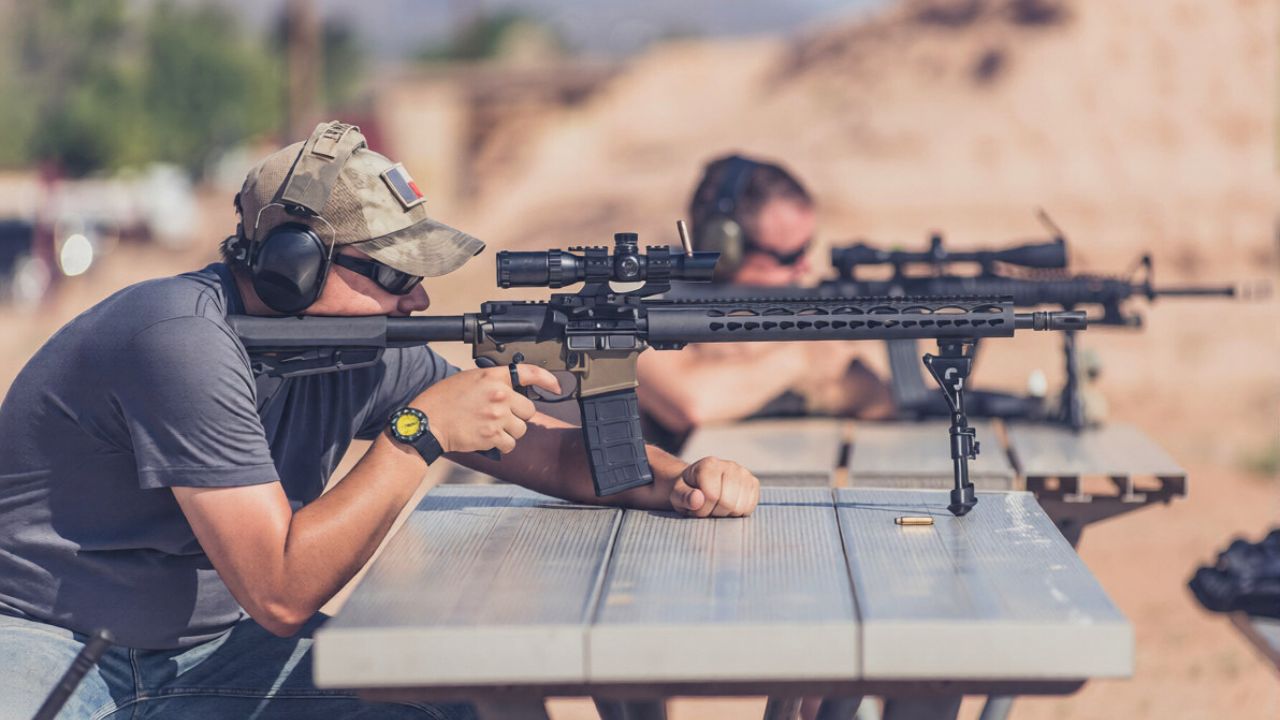
I spent more time than I care to admit trying to make that rifle shoot better than it actually could. At first, I assumed it was me. I adjusted my position, changed how I was holding the rifle, and worked on my breathing. When that didn’t fix it, I started looking at everything else. Different ammo, different rests, even slight changes to my setup at the bench. I kept telling myself it would come together if I just figured out the right combination. The problem was, it never really did. The groups stayed inconsistent, and the frustration kept building.
It’s easy to blame yourself longer than you should
That’s one of the toughest parts of dealing with a rifle that doesn’t perform. You want to believe it’s something you can fix. Shooting is a skill, and there’s always room to improve, so it feels natural to assume the issue is on your end. I went down that road for a while. I kept working at it, trying to tighten things up, and hoping the results would follow. There’s nothing wrong with putting in that effort, but there’s a point where it stops being productive. If the rifle isn’t capable of consistent performance, no amount of adjustment on your part is going to fully solve the problem.
Changing ammo showed the limits quickly
One of the things that made it clear was how little the rifle responded to different ammo. I tried a range of options, expecting to find something it preferred. There were small differences, but nothing that brought the consistency I was looking for. That’s usually a sign you’re dealing with a limitation in the rifle itself. A well-performing rifle tends to show clear preferences and reward you when you find the right match. This one didn’t. It was inconsistent across the board, which made it harder to justify continuing to chase a solution that wasn’t there.
Not every rifle lives up to expectations
It’s easy to assume that any decent rifle should be capable of solid performance, but that’s not always the case. Manufacturing tolerances, barrel quality, and overall build all play a role. Most rifles will shoot well enough for general use, but if you’re looking for consistency at the bench, the differences become more noticeable. I had expected more out of this one, and that expectation kept me working at it longer than I should have. Once I stepped back and looked at the results objectively, it was clear the rifle wasn’t meeting the standard I needed.
Good support gear can’t fix a bad foundation
I also learned that there’s only so much your setup can do. A stable rest, quality bags, and consistent technique all help, but they can’t overcome a rifle that isn’t grouping well to begin with. I had solid support at the bench, and my process was consistent. That removed a lot of variables and made the issue easier to see. When everything else is steady and the results still don’t come together, the rifle becomes the most likely factor.
Knowing when to move on matters
Eventually, I had to admit what was going on. The rifle wasn’t going to give me what I wanted, no matter how much time I put into it. That’s not an easy conclusion to reach, especially after investing time and money. But it’s an important one. Holding onto something that isn’t performing just because you want it to work doesn’t help anything. Once I moved on, the difference was clear. A better rifle produced better results with the same effort.
It changed how I judge performance
Now, I’m more realistic about what I expect from a rifle. I still put in the work to make sure I’m doing my part, but I also pay attention to what the rifle is telling me. If it’s not grouping consistently after trying reasonable adjustments, I don’t keep forcing it. That approach has saved me time and frustration, and it’s helped me focus on setups that actually deliver what I’m looking for.
Like The Avid Outdoorsman’s content? Subscribe to our newsletter so you never miss an article.
Here’s more from us: