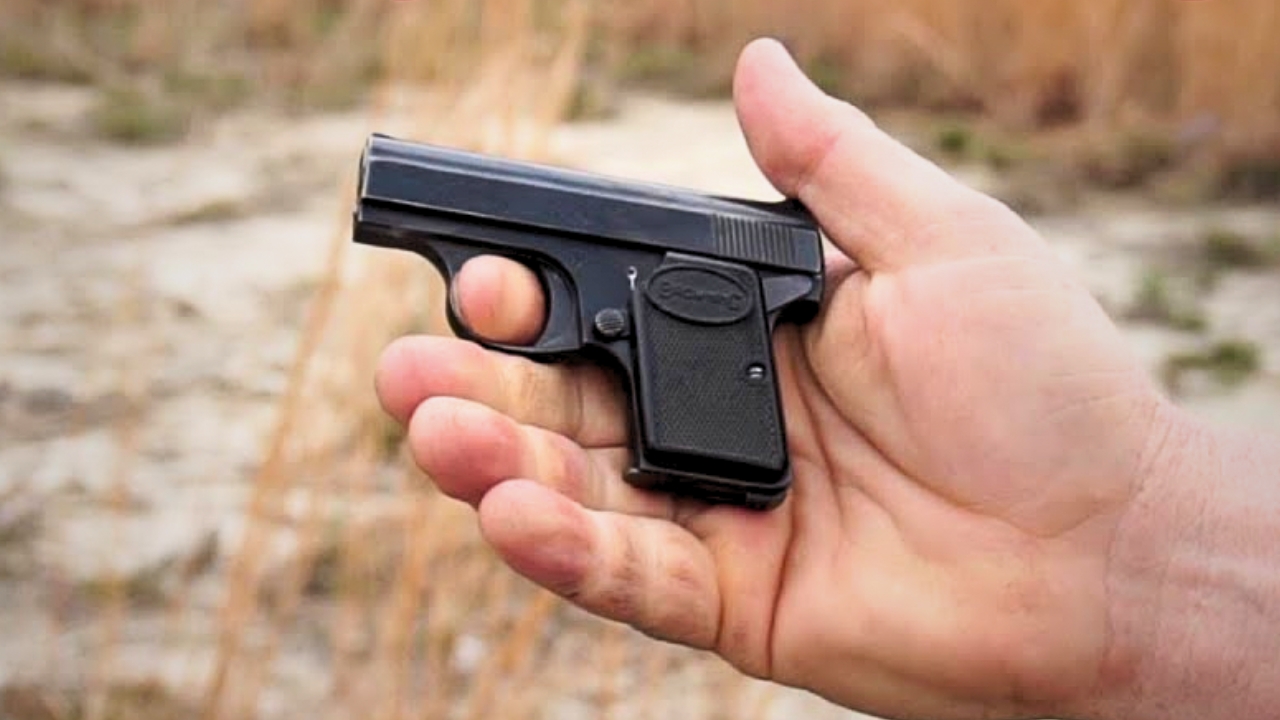
Photo credit: Vintage Arsenal/YouTube
Long before today’s micro-compacts, folks were slipping small handguns into coats, boots, and belts for defense, backup, or just peace of mind. From riverboat gamblers to resistance fighters in occupied Europe, pocket pistols had a job to do—and they often did it quietly. They weren’t made for long-range shots or heavy firefights. These were close-up tools built for convenience and concealment. Here are ten notable pocket pistols that earned their place in the hands—and pockets—of people who needed them most.
Colt 1849 Pocket

The Colt 1849 Pocket was the sidearm of choice for travelers, shopkeepers, and folks who didn’t want to carry a full-sized revolver. Chambered in .31 caliber, it was easy to conceal and surprisingly common. It wasn’t meant for duels or battlefields—it was more for close encounters in back alleys or dark saloons. Despite its small size, it carried Colt’s trademark reliability, and plenty of them saw hard use during westward expansion and the Civil War era.
Remington Model 95 Derringer

If any gun screams “Old West backup,” it’s the Remington Model 95. This two-shot over-under derringer was tiny enough to fit in a vest pocket but packed enough punch with .41 rimfire to get someone’s attention up close. Gamblers, barkeeps, and ladies of the saloon often kept one handy. The break-action design made it easy to load, and it earned its place as a classic last-ditch pistol. You won’t win a shootout with one, but it might save your hide in a pinch.
Smith & Wesson Model 1

Introduced right after the Civil War, the Smith & Wesson Model 1 was the first successful American cartridge revolver. Chambered in .22 Short, it wasn’t powerful—but it was compact and easy to use. The tip-up barrel design made reloading simple, and it gave folks a reliable alternative to black powder percussion pistols. It wasn’t made for combat, but it was perfect for everyday carry in an era when personal protection didn’t mean carrying a heavy iron on your hip.
Colt Model 1908 Vest Pocket
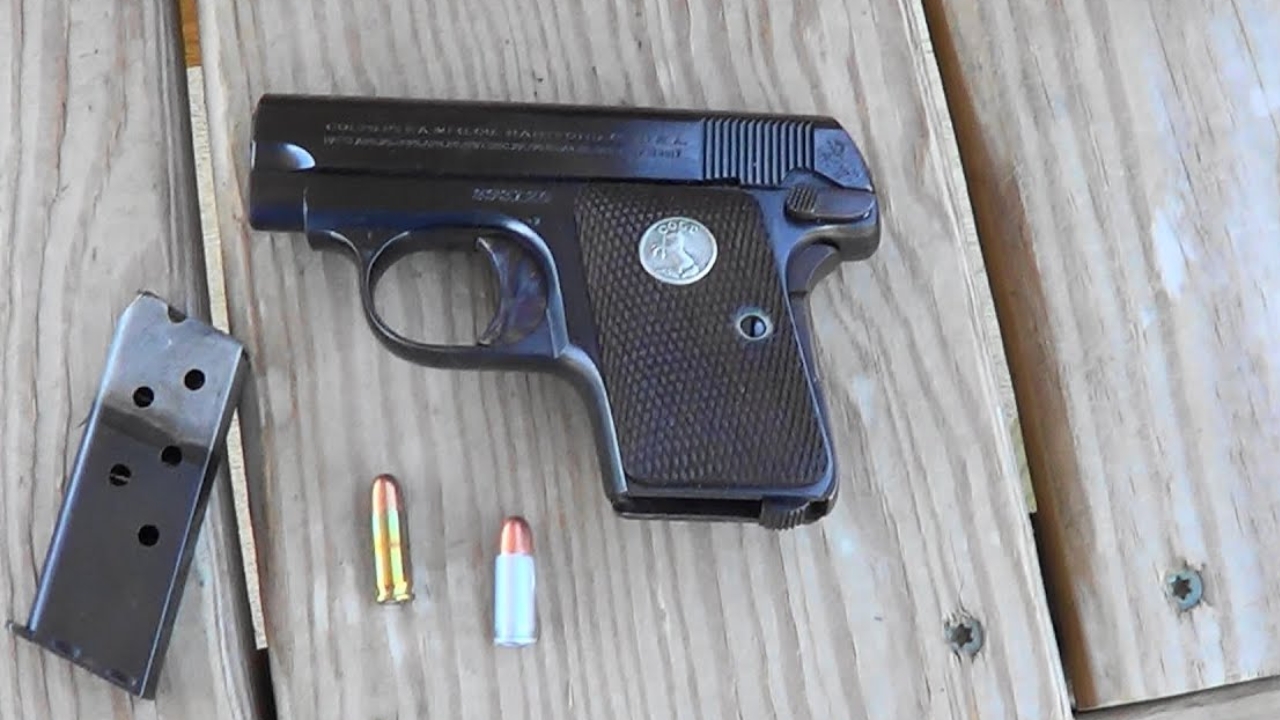
As the name implies, this little .25 ACP pistol was designed to disappear into small places. It was slick, smooth, and surprisingly well-made for its size. The 1908 Vest Pocket became popular with detectives, businessmen, and anyone who wanted a small, concealable firearm. It wasn’t a powerhouse, but it was easy to carry and quick to bring into play. Colt sold a ton of them between the wars, and they still show up in collections and family heirloom boxes today.
FN 1910

The FN 1910 might not look like much, but it played a big role in history—it was the pistol used in the assassination of Archduke Franz Ferdinand, which helped spark World War I. Chambered in .32 or .380, it had a compact frame and simple blowback action. It was popular across Europe for both civilians and police. Despite its small size, the 1910 was reliable and easy to conceal, which made it a go-to for anyone who wanted to carry discreetly.
Colt Pocket Hammerless (1903/1908)

These sleek little Colts were anything but clunky. Chambered in .32 ACP and .380 ACP, they were reliable, smooth shooters and popular among military officers, police, and gangsters alike. The “hammerless” name is a bit misleading—it actually has a hammer, it’s just concealed. These pistols carried well in a pocket or coat and offered more firepower than many other small guns of the day. Even General Patton reportedly carried one as a backup. Not a bad endorsement.
Mauser Model 1914

The Mauser 1914 in .32 ACP was a well-built, compact German pistol that saw use with officers and police before and during WWII. Its fixed barrel and direct blowback system made it a solid shooter. While not flashy, it was known for being rugged and easy to maintain. It had a bit more heft than some pocket pistols, but still fit easily under a tunic or in a coat pocket. It wasn’t glamorous, but it worked—and sometimes, that’s all that matters.
Baby Browning

If you needed a pistol that was small enough to literally hide in the palm of your hand, the Baby Browning was the answer. Introduced in the 1930s, this tiny .25 ACP pistol was simple, reliable, and built with surprisingly tight tolerances. It became a favorite among spies, undercover agents, and anyone who needed a true hideout gun. It doesn’t have stopping power, but it’s fast into action—and you’ll barely notice it’s there until you need it.
Walther Model 9

Even smaller than the PPK, the Walther Model 9 was one of the most compact .25 ACP pistols ever made. It was designed purely for deep concealment and backup. The build quality was impressive for such a small package, and the little pistol was surprisingly accurate at close range. You weren’t going to stop a charge with it, but it gave folks peace of mind when space was limited. Think of it as the deep cover option before that phrase was even coined.
Savage Model 1907
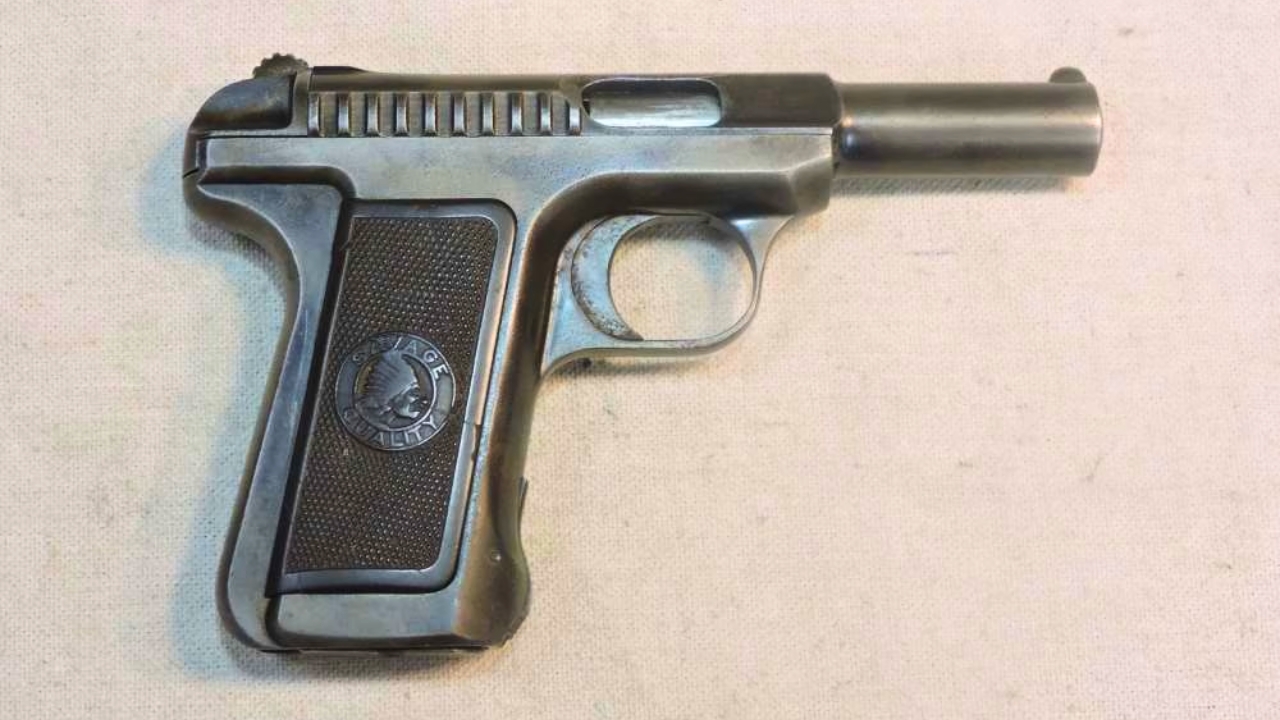
The Savage 1907 was ahead of its time in a few ways. It held ten rounds of .32 ACP in a compact frame and had a unique look that stood out. Savage even marketed it with the slogan, “Ten shots quick,” and it really could deliver. The grip felt good in the hand, and the fixed barrel design made it accurate for its size. It wasn’t quite as tiny as some others, but for those who wanted both capacity and concealment, it was a solid choice.
*This article was developed with AI-powered tools and has been carefully reviewed by our editors.