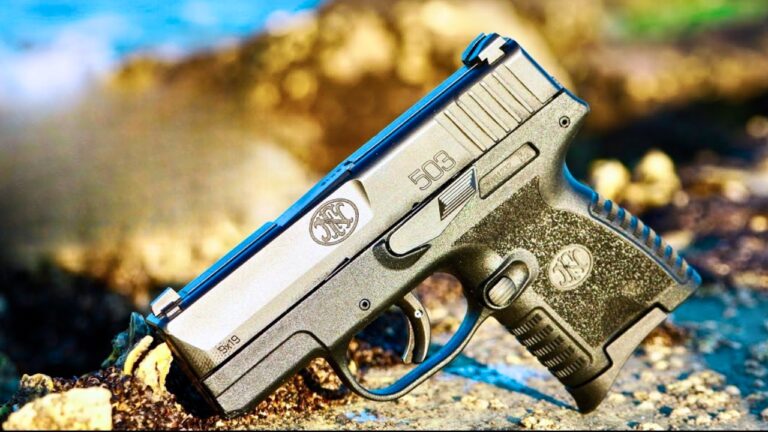
Photo credit: Alexey Spehalski/Shutterstock.com
Every shooter’s had that moment—you pick up a gun that looks promising, shoulder it, squeeze off a few rounds, and instantly regret the decision. Some firearms seem perfect on paper but fail to impress once they hit the range. Whether it’s a clunky trigger, poor balance, or accuracy that feels like guesswork, these guns remind you that first impressions in shooting sports can turn sour fast. They’re not necessarily unsafe or useless, but they sure don’t make you want to shoot a second box of ammo.
Remington R51

When the Remington R51 hit the market, it was billed as a modern update to a classic design. The first time you handle one, it feels sleek and compact, but the moment you start shooting, the problems pile up. Feeding issues, uncomfortable recoil impulse, and misaligned internals plagued early models.
Many buyers sent theirs back before finishing a magazine. Even after a redesign, the R51 never recovered its reputation. It’s a textbook case of a gun that looked like progress but shot like a prototype. For a firearm carrying Remington’s name, that initial disappointment stung all the more.
Ruger American Pistol
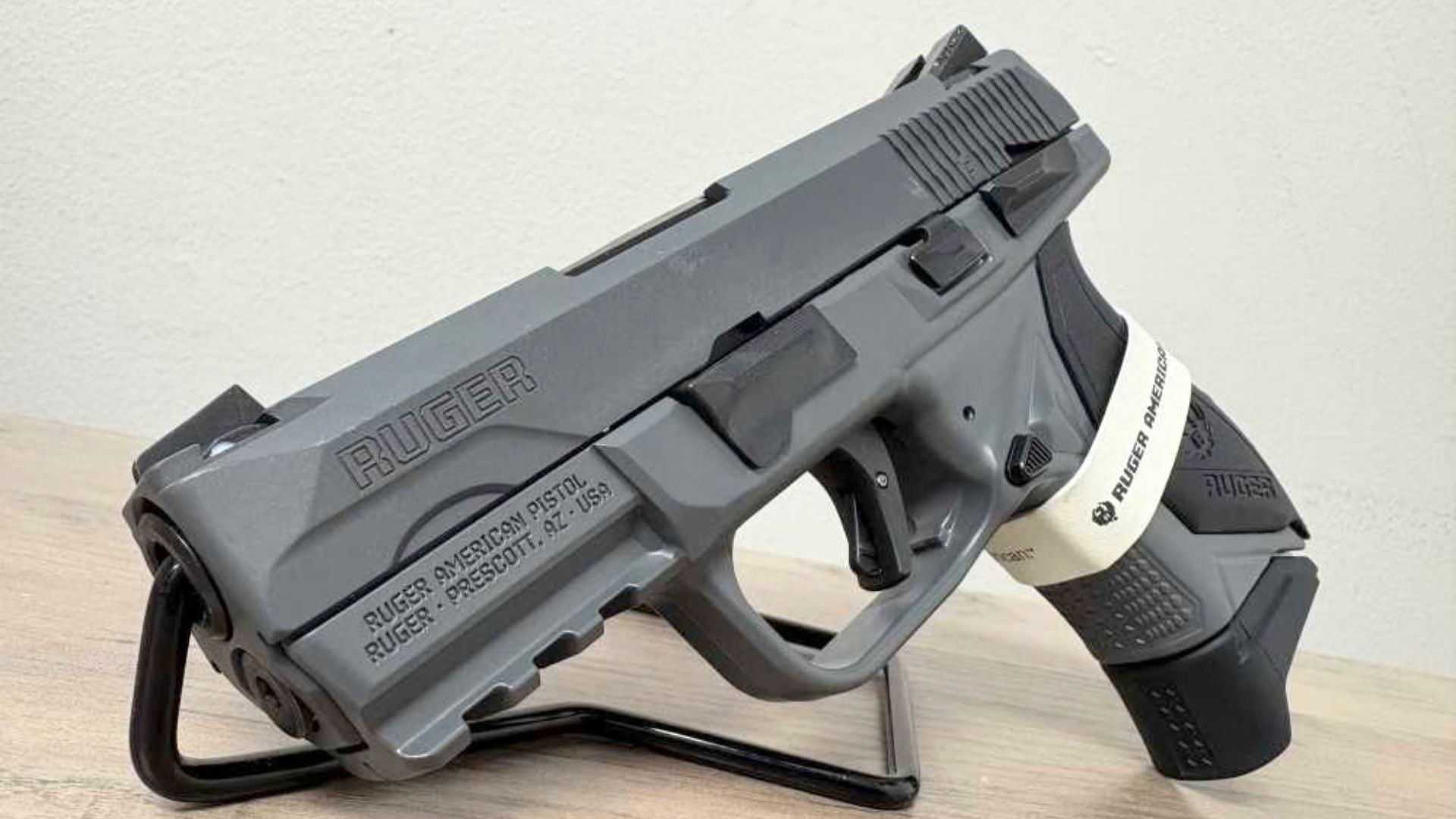
Ruger wanted the American Pistol to compete with Glock and Smith & Wesson’s M&P. It had the right features—interchangeable backstraps, modern styling, and a solid price tag. But once you shoot it, you understand why it never took off. The trigger felt mushy, recoil management was average at best, and accuracy didn’t inspire much confidence.
Ruger fans expected that clean, reliable feel their rifles and revolvers are known for. Instead, they got a sidearm that felt rushed to market. The gun wasn’t terrible, but it left shooters thinking, “Ruger can do better,” and that’s not the kind of first impression you want from a new line.
Remington Model 770
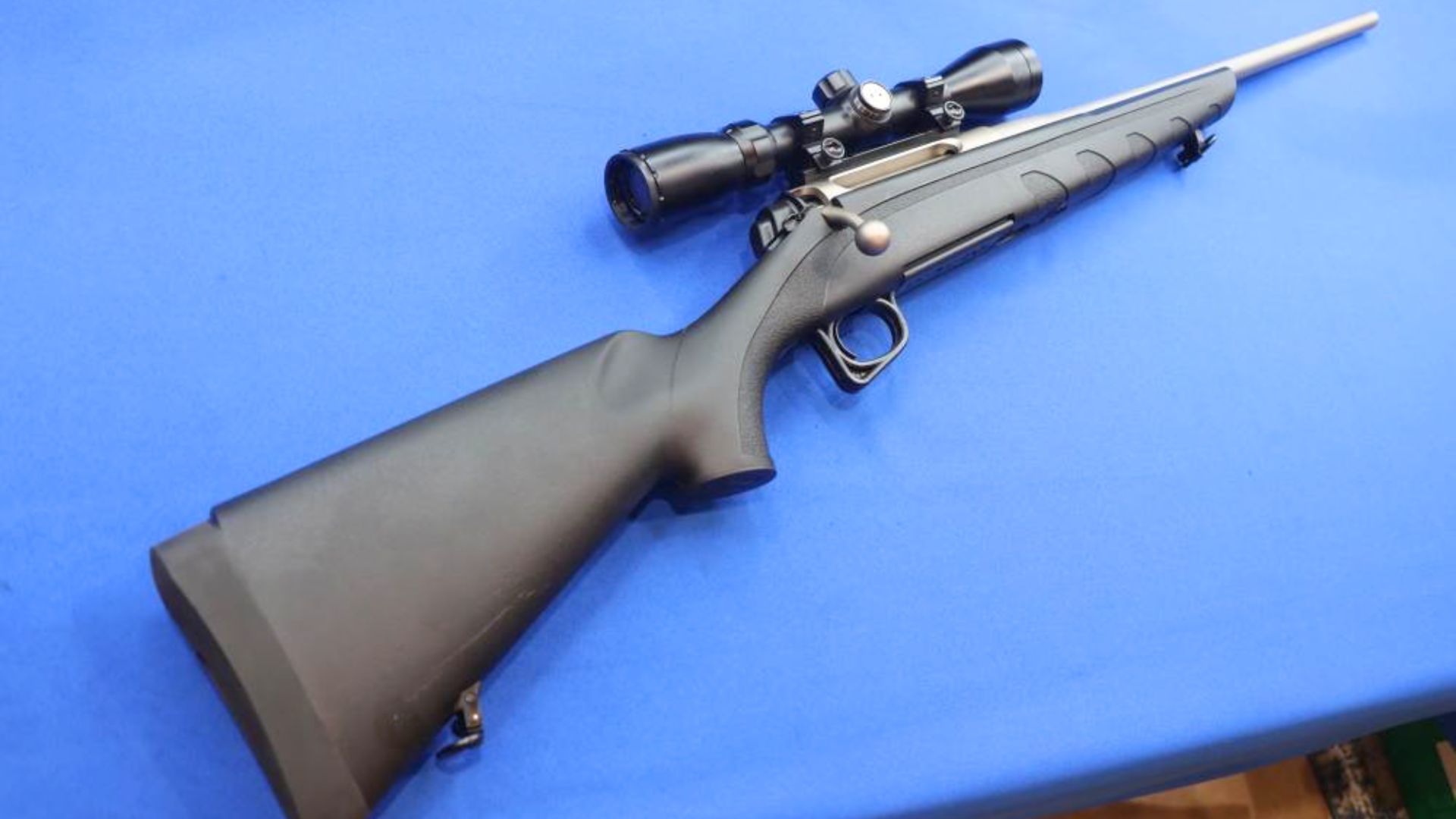
The Remington 770 looks like a budget-friendly bolt gun that can hang with the big names. The reality hits as soon as you cycle the bolt—it feels rough, cheap, and mechanical in all the wrong ways. The pressed-in barrel and plastic components didn’t help its cause.
Most hunters gave up on it after a few range trips, realizing accuracy and smooth operation weren’t its strengths. The rifle could shoot, but it never inspired trust. It’s one of those guns that feels like it was built for price tags, not performance, and you can tell that the first time you pick it up.
Taurus Spectrum

The Taurus Spectrum aimed to bring a touch of style to pocket pistols, with smooth lines and colorful polymer panels. But once you fire it, all that design polish fades. The trigger is long and spongy, and the slide can be hard to manipulate. Early models had reliability issues that made many shooters swear off the brand entirely.
The Spectrum tried to lure in new gun owners with aesthetics and comfort, but it failed at the one thing that matters most—consistent function. For many, their first impression was also their last experience with one.
Savage Axis (First Generation)

Savage built its reputation on accuracy, but the early Axis rifles didn’t live up to it. The light, flexible stock made it nearly impossible to maintain consistency, especially off a rest. The trigger was heavy, and the action felt gritty. For many hunters, their first few shots were enough to decide the rifle wasn’t worth tuning.
Savage eventually improved the line with better stocks and the AccuTrigger system, but those early Axis rifles soured plenty of buyers. It’s hard to shake off that first impression when the gun groups like a shotgun at 100 yards.
Mossberg Patriot

The Mossberg Patriot was marketed as an affordable, dependable deer rifle. It certainly looks the part—with its checkered stock and classic lines—but the experience behind the trigger can be disappointing. Some rifles shot tight groups, others couldn’t hold zero. The inconsistency made buyers wary.
The Patriot’s light construction and questionable bedding didn’t help, either. For every happy owner, there were two frustrated ones wondering why their rifle scattered shots across the target. It’s a rifle that fooled many with looks before showing its true colors on paper.
Remington 597
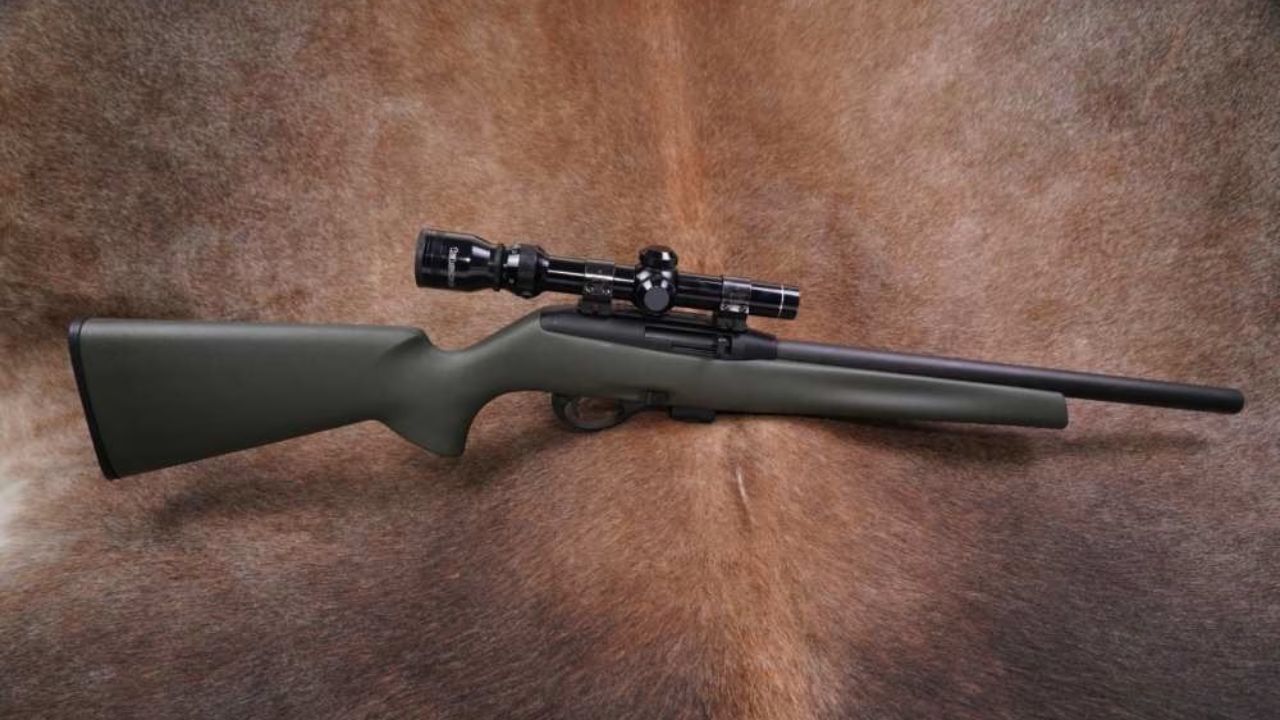
The Remington 597 was supposed to challenge the Ruger 10/22 with its modern design and sleek feel. But once you start shooting, the shortcomings show fast. Feeding issues, inconsistent magazines, and extraction failures made it unreliable for plinking or small game.
It’s one of those guns that feels right in your hands—until it doesn’t. Shooters spent more time clearing jams than shooting. Remington’s spotty quality control made matters worse, and the 597 became another rifle people remembered for frustration rather than fun.
Winchester Wildcat

When Winchester announced the Wildcat .22, it seemed like a worthy 10/22 competitor. It’s light, compact, and easy to clean—but accuracy and reliability left plenty to be desired. Some rifles shoot fine, others struggle to cycle even decent ammo. That kind of inconsistency kills a first impression fast.
The rifle’s futuristic polymer construction also turned off traditionalists. Many buyers expecting a solid field gun ended up with something that felt more like a toy. It’s not a total failure, but it sure didn’t live up to the Winchester name on the receiver.
Browning A-Bolt III

The Browning A-Bolt III tried to offer a lower-cost version of the company’s legendary hunting rifles. It looks sharp and wears the Browning name proudly, but the moment you run the bolt, you feel where corners were cut. The action lacks the buttery smoothness Browning fans expect, and the polymer magazine feels fragile.
The A-Bolt III shoots fine, but it doesn’t feel like a Browning. For many hunters, that’s enough to sour their opinion right out of the box. It’s one of those rifles that seems like a deal until you handle it next to the real thing.
Remington 710

Few rifles ruin first impressions faster than the Remington 710. The plastic bolt sleeve, rough cycling, and mediocre accuracy make it feel unfinished. Even before firing, the bolt’s sloppy feel turns off most shooters.
Once on the range, extraction problems and wandering groups seal the deal. It’s the kind of rifle that feels like it skipped testing altogether. The 710’s short lifespan says everything you need to know—most hunters who tried one never wanted to again.
KelTec Sub2000
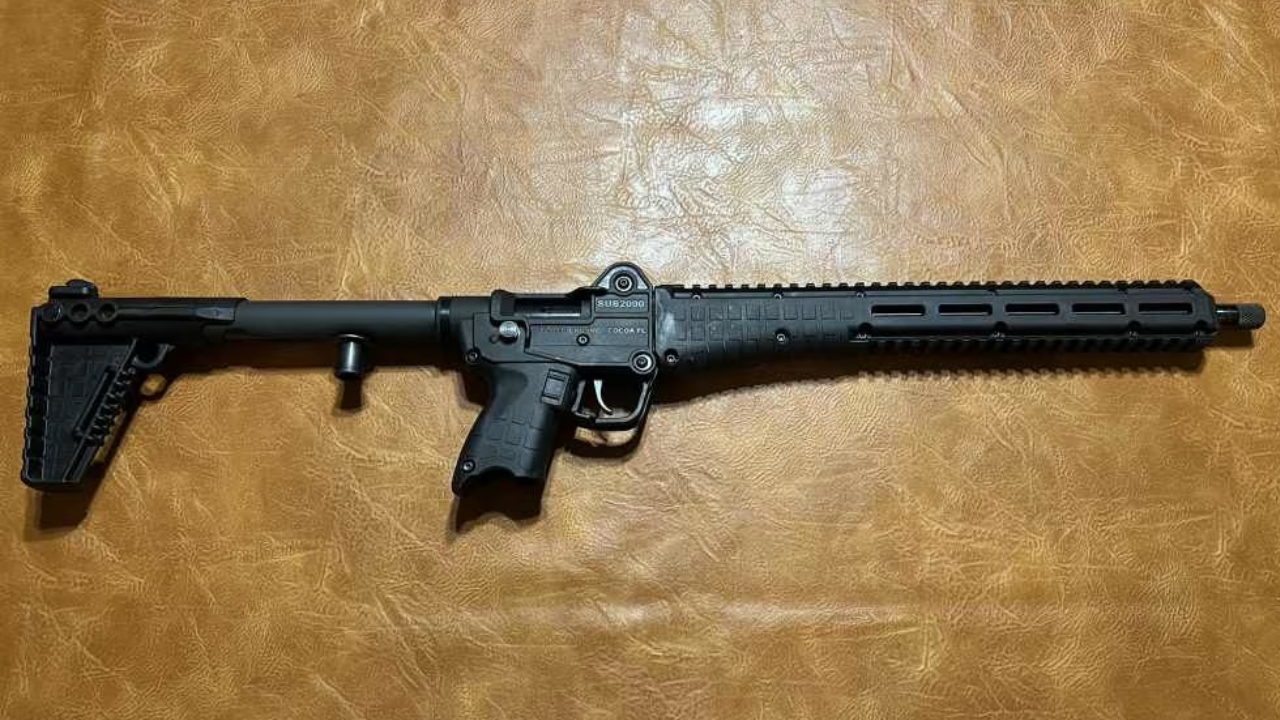
The KelTec Sub2000’s folding design catches your attention immediately. It’s clever, compact, and unconventional. But after the novelty wears off, the rough trigger, heavy recoil impulse, and awkward ergonomics start to show. The cheek weld alone can make you rethink shooting it for long sessions.
It’s reliable enough for what it is, but it feels more like a gadget than a rifle. Many shooters walk away impressed by the design—and disappointed by how it shoots. It’s one of those guns that wows on the table but disappoints on the range.
Marlin Model 995
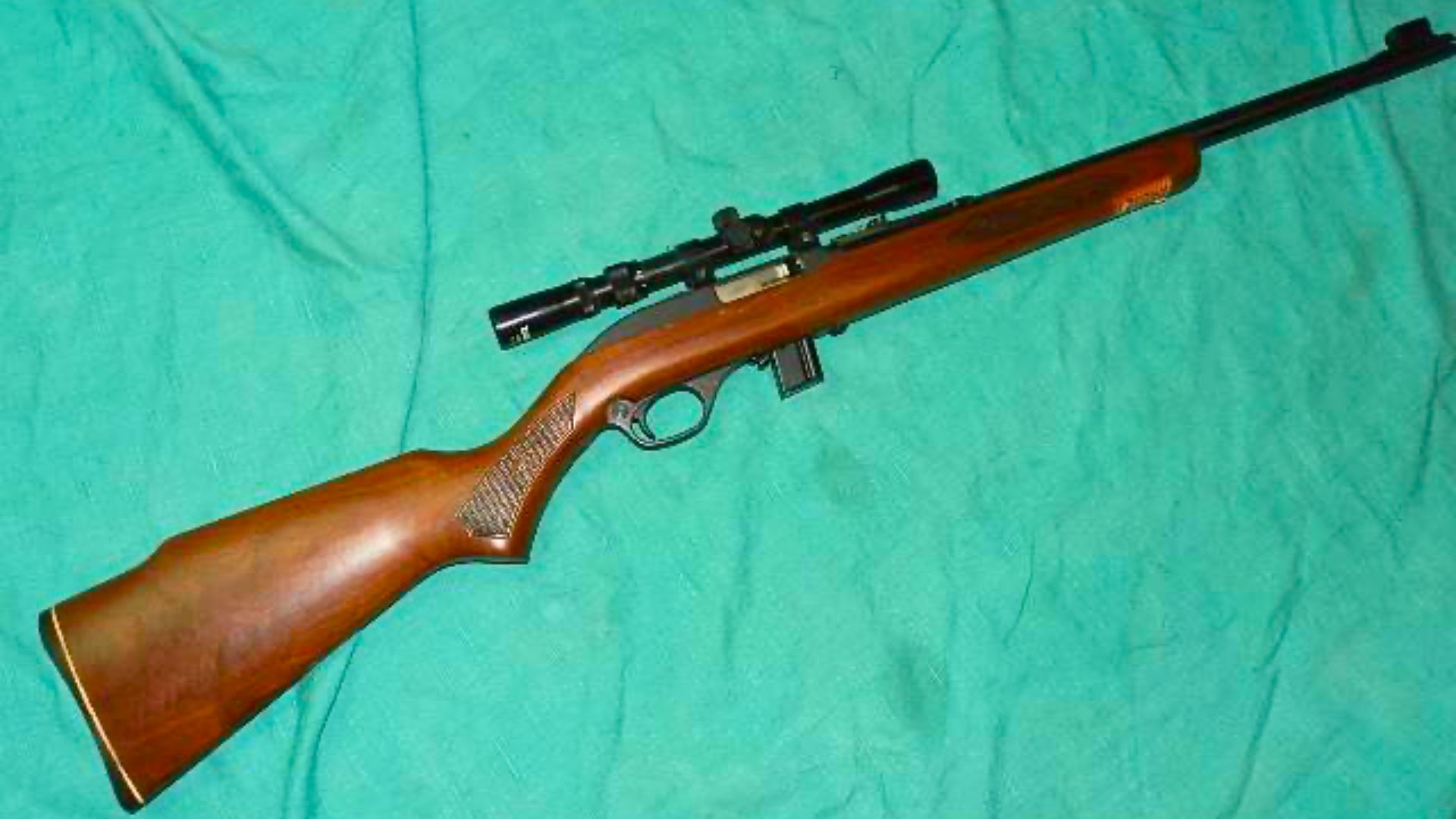
The Marlin 995, a .22 semi-auto from the ’90s, looked like a sleek alternative to older tube-fed designs. But handling one quickly revealed its shortcomings. The stock felt hollow, the trigger was rough, and magazines were notoriously unreliable.
Most shooters gave up after a few jams, realizing that accuracy didn’t make up for the constant malfunctions. The 995 could have been a solid plinker, but its poor execution ruined its chance at being remembered fondly. It’s a gun that promised modern function and delivered a headache instead.
Like The Avid Outdoorsman’s content? Be sure to follow us.
Here’s more from us:
The worst deer rifles money can buy
Sidearms That Belong in the Safe — Not Your Belt
*This article was developed with AI-powered tools and has been carefully reviewed by our editors.