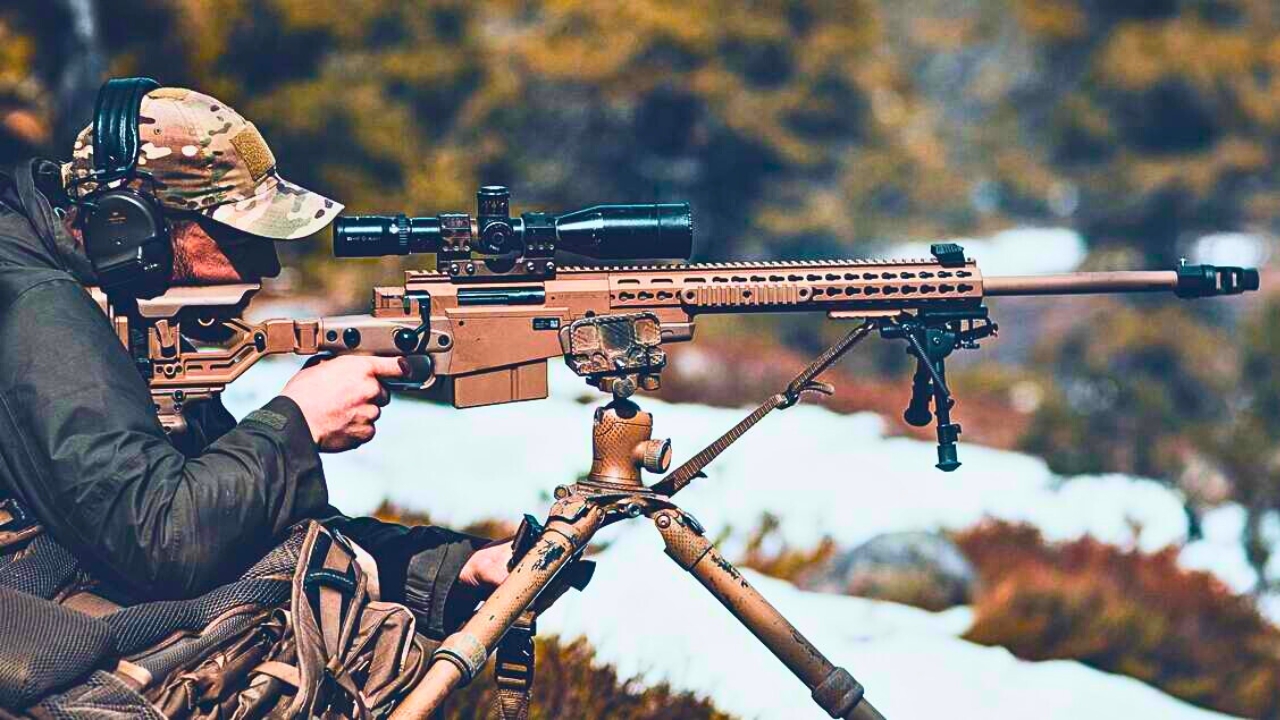
Photo credit: Defensie Nederlands – CC BY-SA 4.0/Wiki Commons
You ever sit behind a rifle and wonder if you are the problem—only to swap ammo and magically start stacking rounds? Yeah, I’ve been there too. It’s a humbling moment, especially when the rifle has a solid track record and your form hasn’t changed. The truth is, some factory loads are so inconsistent or mismatched to certain guns that they’ll make even seasoned shooters question everything. It’s not always you. It’s not always the rifle. Sometimes it’s the ammo—and bad loads can sink your groups faster than a shaky trigger pull. Here’s a rundown of common culprits that turn otherwise accurate rigs into scatterguns. If you’ve ever chased zero all afternoon or watched flyers ruin your confidence, these are the kinds of loads that may have been to blame.
Remington Core-Lokt in .30-06 (newer production)

There’s a reason old timers swear by the older green-and-yellow box. The newer Remington Core-Lokt loads in .30-06 haven’t held the same consistency after Remington’s ownership changes. Accuracy is all over the place—some rifles eat it up, others spit it sideways. I’ve seen groups double in size with the newer stuff, even from rifles that used to punch cloverleafs with the same label years ago. It’s not that the bullet design changed much—it’s the powder, primers, or quality control. If your ‘06 suddenly went from tack driver to shotgun pattern, don’t blame your scope. Try a different box.
Winchester Super-X in .243 Winchester
The Super-X line isn’t known for tight tolerances, but it gets especially dicey in .243. You’d think a flat-shooting round like this would be easy to load for accuracy, but something about the Super-X formula leads to flyers, weird pressure signs, and wide groups. I’ve watched solid-shooting rifles throw 4-inch groups at 100 yards with this stuff, and then shrink them in half with Hornady or Federal. It’s cheap and available, but if you’re trying to zero your rifle with it before deer season, it’ll have you second-guessing your setup the whole time.
Federal Non-Typical Whitetail in .308
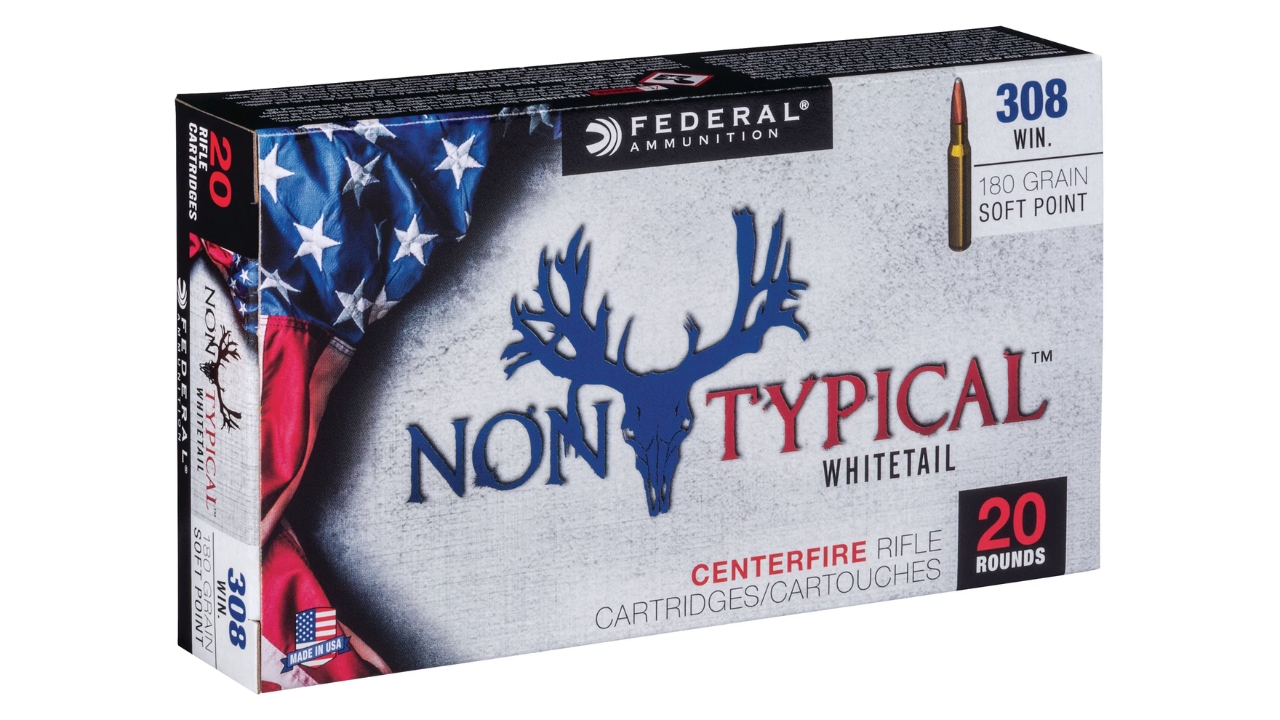
This one looks like a solid deal on paper. Reasonable price, big brand name, and it’s marketed for the most common game animal in North America. But a lot of .308s simply don’t like this load. I’ve shot it through half a dozen different rifles and never seen a group under 2 inches. Sometimes it’s stringing, sometimes it’s a single round flying two inches high, but it rarely settles down. For something labeled “Non-Typical,” the erratic accuracy fits the name. If you’re shooting a bolt-action and not seeing the accuracy you expect, this might be why.
Hornady American Whitetail in 6.5 Creedmoor
This one gets people riled up because it should shoot well. Hornady makes good bullets, and 6.5 Creedmoor is known for precision. But this particular load tends to run too hot and inconsistent in some rifles. I’ve seen pressure signs on factory barrels and vertical stringing that suggests the powder charge just isn’t stable in certain conditions. It’ll fool you too—first three shots might look fine, and then one goes high-left without explanation. I’ve had better luck with Hornady’s ELD-M match loads, even for hunting. The American Whitetail box looks good on the shelf but doesn’t always show up on paper.
Cheap steel-case 7.62×39 in bolt guns
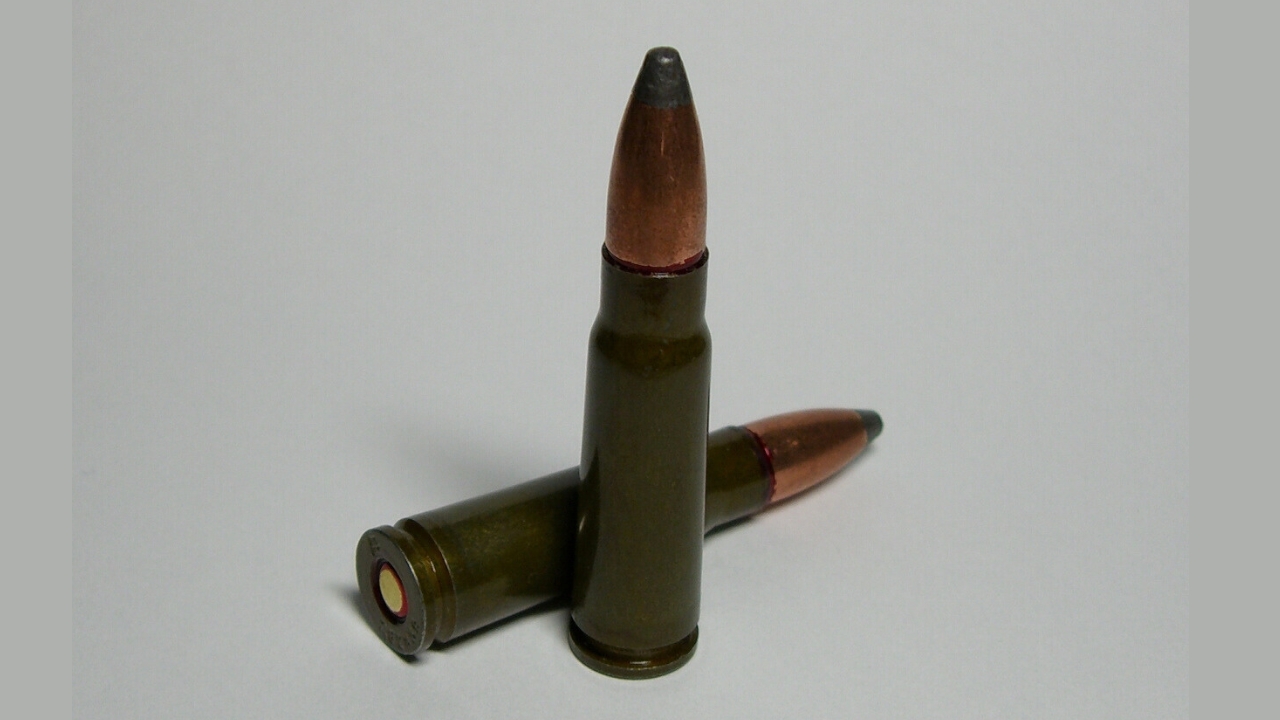
You drop steel-cased 7.62×39 into an AK or SKS and it runs like a champ. Try it in a bolt gun like the Ruger American Ranch, and things get ugly quick. The chamber fit isn’t always great, and steel doesn’t expand like brass. That means dirty cases, inconsistent pressure, and oddball groups that wander with barrel heat. You can’t expect sub-MOA from surplus ammo, but this stuff is so unpredictable it makes even reliable rifles look broken. Spend a little more on brass-cased loads if you’re actually trying to hit anything smaller than a pumpkin.
Nosler Ballistic Tip factory loads in .270 Winchester
Nosler Ballistic Tips have a great reputation for terminal performance—but their factory ammo in .270 Winchester isn’t exactly winning any accuracy contests. Some rifles tolerate it, but others shoot groups that look more like buckshot than rifle fire. I’ve seen it first-hand with a Model 70 that groups nearly every other load under 1.5 MOA, but spits these out like it’s offended. Could be the seating depth, could be the powder burn rate, but something about this combo just doesn’t click. Don’t let the Nosler name fool you—this load won’t flatter your rifle.
Sellier & Bellot in 6.5×55 Swedish

The old Swede is a classic round that’s capable of serious accuracy, but it needs good ammo to shine. Sellier & Bellot’s offering looks appealing because it’s affordable and easy to find. Problem is, it’s rarely consistent. You’ll see shifts in point of impact between boxes, soft primers, and erratic velocities. I’ve had groups walk an inch with every shot out of a clean barrel. That’s not what you want when you’re trying to squeeze accuracy out of a vintage Mauser or modern Tikka. The 6.5×55 deserves better—and so do you.
Like The Avid Outdoorsman’s content? Be sure to follow us.
Here’s more from us:
The worst deer rifles money can buy
Sidearms That Belong in the Safe — Not Your Belt
*This article was developed with AI-powered tools and has been carefully reviewed by our editors.