Photo credit: rockchalk130/GunBroker
It’s hard to believe how fast the Springfield XD went from praised to passed over. For a while, it was the handgun everyone talked about—touted as the “next big thing” in polymer pistols. You saw them on forums, in holsters at the range, and they were flying off shelves thanks to aggressive marketing and attractive pricing. But as the years rolled on and other platforms evolved, the XD line started slipping off shooters’ radar. It wasn’t one single issue that did it in. It was a stack of small problems that added up, especially when compared to how much better competitors kept getting. If you’ve ever owned one, you know it wasn’t a terrible gun—but that wasn’t enough to keep it in the spotlight.
The grip safety wore thin on shooters
At first, the grip safety seemed like a smart feature. It added an extra layer of security without requiring a manual safety, which some folks found reassuring. But the more people shot XDs, the more they realized it was an unnecessary hurdle. Plenty of shooters found themselves frustrated when they had an imperfect grip and the pistol wouldn’t fire. It became a liability in real-world use, especially in defensive scenarios. While it worked on a 1911 where your hand naturally depresses it, on a striker-fired carry gun, it started to feel clunky. In a world of Glock clones and refined ergonomics, the XD’s grip safety became a sticking point rather than a selling one.
The trigger never really improved
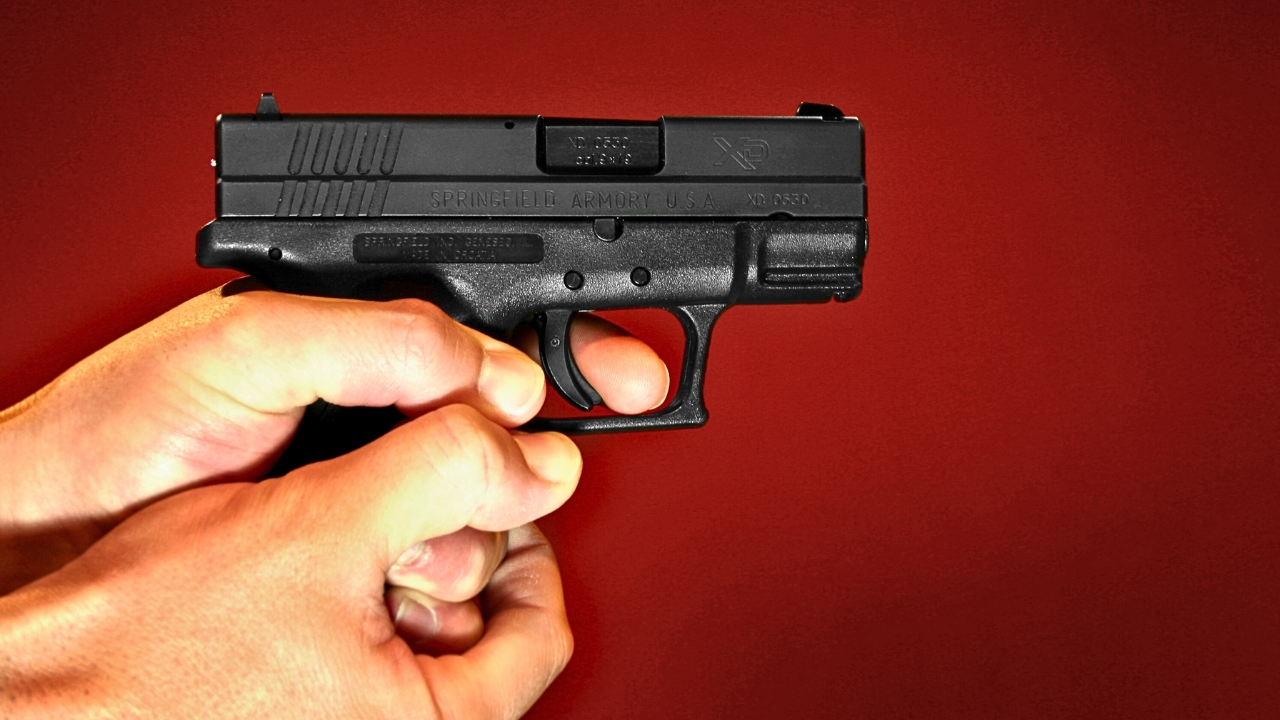
Let’s be honest—the XD’s trigger always felt a little off. It was serviceable, but never crisp. Shooters tolerated it when the market was thinner, but as options expanded, that tolerance wore down. The reset felt vague, the break was mushy, and aftermarket support was limited. Meanwhile, Glock improved its feel slightly, Sig gave us the P320, and Walther pushed ahead with excellent triggers in the PPQ and PDP. The XD never kept pace. You can train through a mediocre trigger, sure—but when better options are on the shelf at the same price or less, folks don’t want to make excuses for a gun that should’ve been updated years ago.
It was never as modular as competitors
The market moved toward modularity fast—and the XD lagged. You couldn’t swap frames, barrels, or grip modules the way you could with a P320 or even a Glock. While Springfield finally got into the modular game with the Echelon, it came long after the XD line had already faded. For guys who like to tinker, build, and personalize their carry gun, the XD felt like a dead end. You got what you got. That might’ve worked in 2005, but by 2020, shooters expected more. Guns are tools, but they’re also platforms now—and the XD never caught up to that shift.
The magazines were chunky and expensive
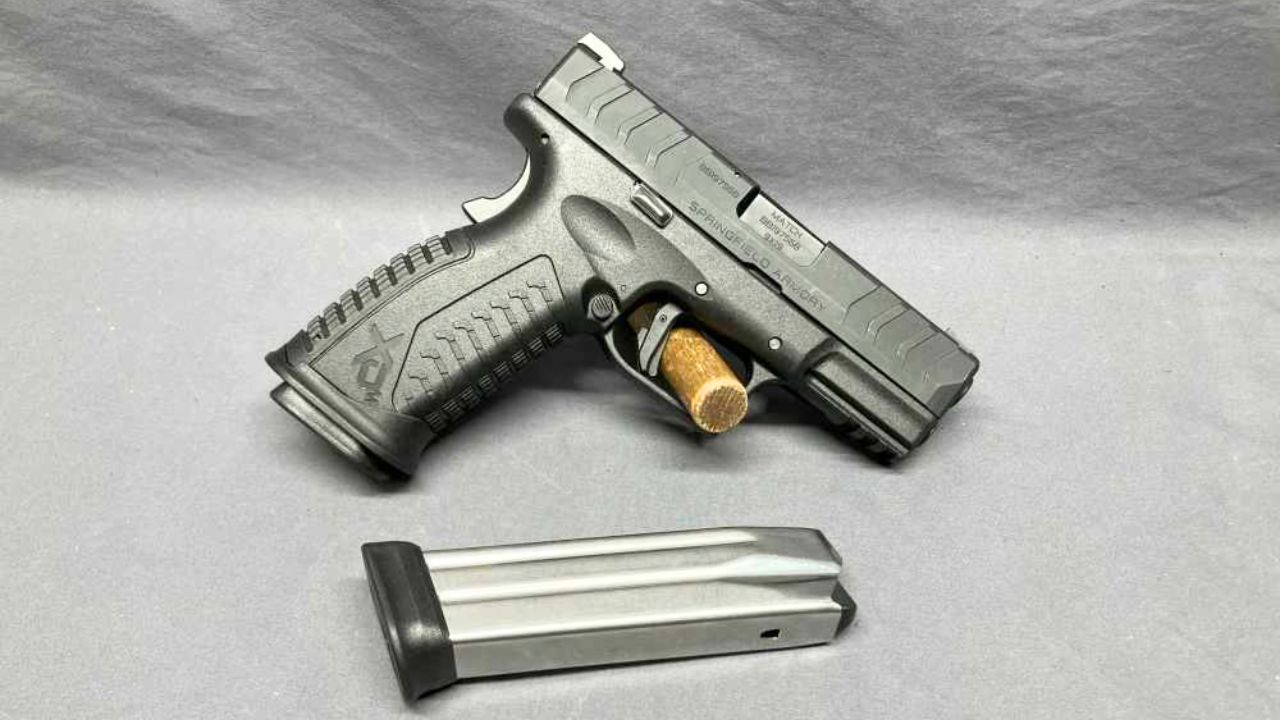
One of the most common gripes about the XD was its magazine size—not capacity, but bulk. XD mags were thick, sometimes too thick to fit comfortably in standard pouches or mag holders. And they weren’t cheap. Compared to Glock mags that you could find anywhere for under $30, XD mags felt overpriced and underwhelming. Spare parts availability also didn’t help. Walk into any rural gun shop and you’ll see Glock mags on the wall. You won’t find XD mags nearly as often. For anyone stocking up or carrying extra mags, that became a deciding factor.
Springfield’s reputation didn’t help
Springfield Armory, the company, stirred up its share of controversy in recent years. Between political missteps and perception issues among the 2A crowd, plenty of shooters started looking elsewhere out of principle. That frustration bled into product sentiment, whether fair or not. When people are already lukewarm on a platform, bad press can seal the deal. The XD didn’t have enough hardcore fans to weather that storm. If folks were on the fence about buying one, this gave them one more reason to skip it—and go for something with less baggage.
Newer Springfield models pushed it aside

Springfield themselves shifted their own focus. The Hellcat stole the spotlight in the micro 9mm market. The Echelon now wears the flagship badge. Even the XD-M Elite, meant to revive the line, couldn’t really reignite interest. Springfield didn’t do the XD any favors by introducing overlapping models without a clear upgrade path. Shooters who already owned an XD were left wondering whether to stick with it or start fresh. Most chose the latter. As Springfield leaned into newer designs, the old XD lineup started to feel like yesterday’s news—even from the folks who built it.
Competition moved faster—and smarter
Glock stayed steady. Sig surged forward. Walther and HK kept refining. Canik came in hot with value-packed options. The XD stayed mostly the same. That lack of meaningful evolution cost it dearly. In a field where every ounce, every trigger pull, every bit of accessory compatibility matters, the XD was stuck in place. Shooters noticed. In gun stores, on YouTube, and at the range, the momentum clearly moved elsewhere. And once a platform loses ground like that, it’s hard to earn it back—especially when others are setting the pace and you’re just trying to catch up.
Like The Avid Outdoorsman’s content? Be sure to follow us.
Here’s more from us:
The worst deer rifles money can buy
Sidearms That Belong in the Safe — Not Your Belt
*This article was developed with AI-powered tools and has been carefully reviewed by our editors.