Photo credit: Jason Campbell/Youtube
Every gun guy has a couple that got away. Not the safe queens you barely shot, either. I’m talking about the revolvers that rode in a truck console for a decade, sat in a deer camp nightstand, or quietly punched ragged holes in paper while the new hotness struggled to keep up.
I’ve bought, traded, and sold my share, and I get why it happens. Life changes, bills show up, a buddy waves cash, or you convince yourself you “need” something more modern. Then six months later you’re standing at a gun show staring at the same model with a higher price tag and a rougher trigger. That one hurts.
Here are 20 revolvers I’d scoop up again tomorrow if I ran across the right one. Not because they’re all rare or fancy, but because they’re the kind you end up trusting.
1. Smith & Wesson Model 19 (Combat Magnum)

The Model 19 is what a working .357 should feel like in the hand. K-frame size, points quick, carries easier than the big N-frames, and it balances like it was designed by someone who actually shot double-action.
Yes, you can beat them up with a steady diet of hot 125-grain magnums and eventually pay for it. But with sane ammo, it’s a do-everything revolver that still makes sense for woods carry, range work, and the nightstand.
2. Smith & Wesson Model 66 (stainless K-frame .357)
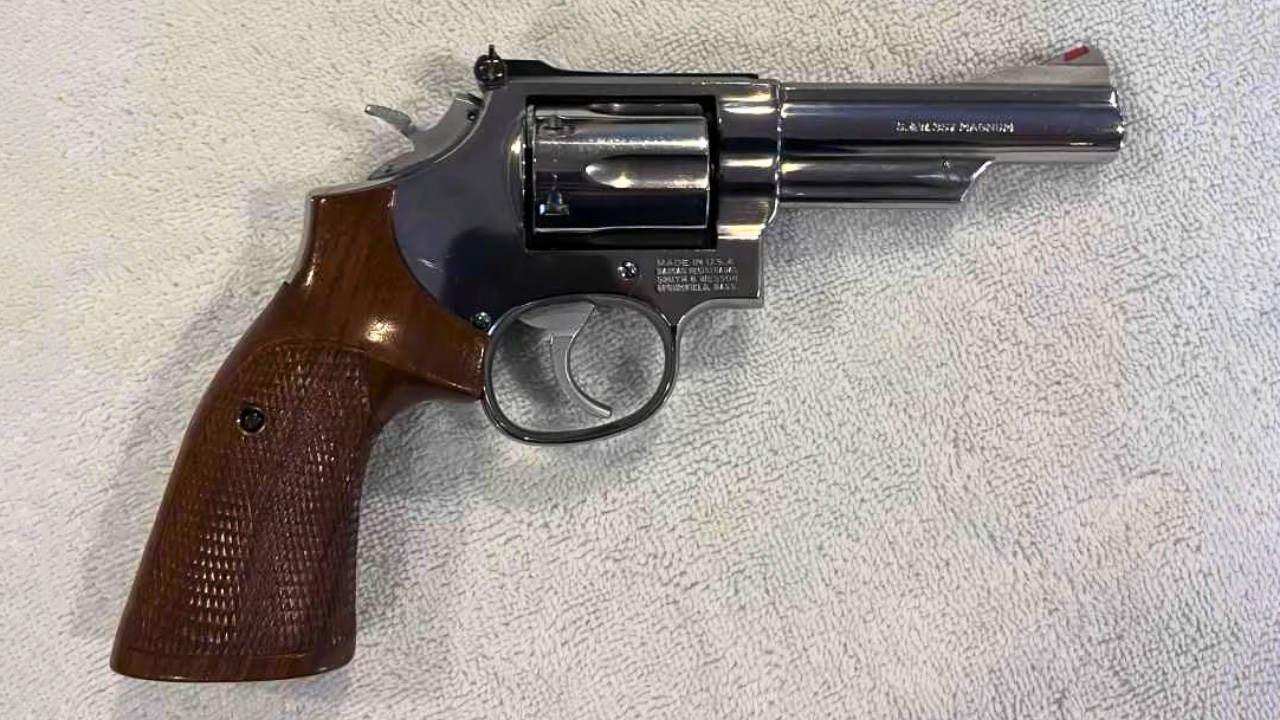
If the Model 19 is the blued classic, the 66 is the one you don’t baby. Stainless is forgiving when it lives in a damp truck or gets sweated on in July while you’re fixing fence.
They’re slick, accurate, and practical. A good 66 with honest holster wear tells you it was used, not just talked about, and those are usually the ones with the best actions.
3. Smith & Wesson Model 27 (Registered Magnum lineage)
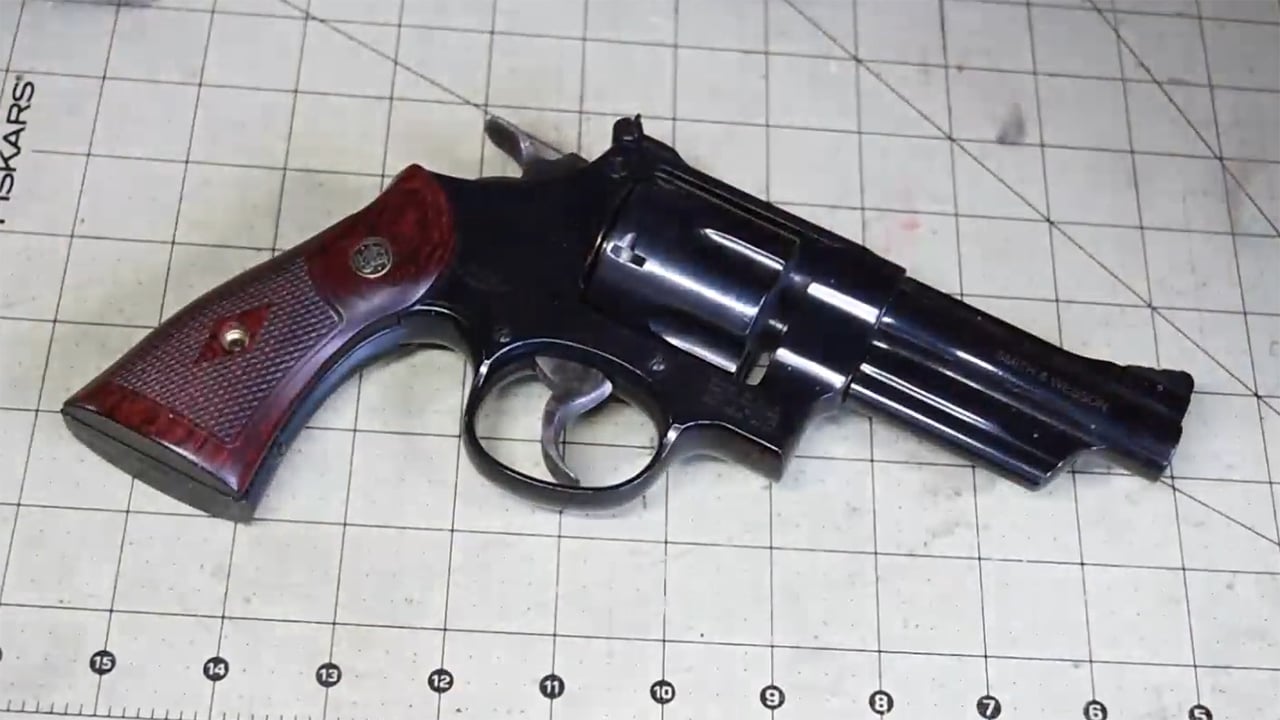
Heavy, proud, and built like it expects to be shot for the next hundred years. The Model 27 is not subtle. It’s also one of the smoothest double-action revolvers you’ll ever run if you find a clean older one.
I don’t carry one all day unless I have a reason. But for a house gun, range revolver, or “I want a .357 that feels like a bank vault” pick, it’s hard to top.
4. Smith & Wesson Model 28 (Highway Patrolman)
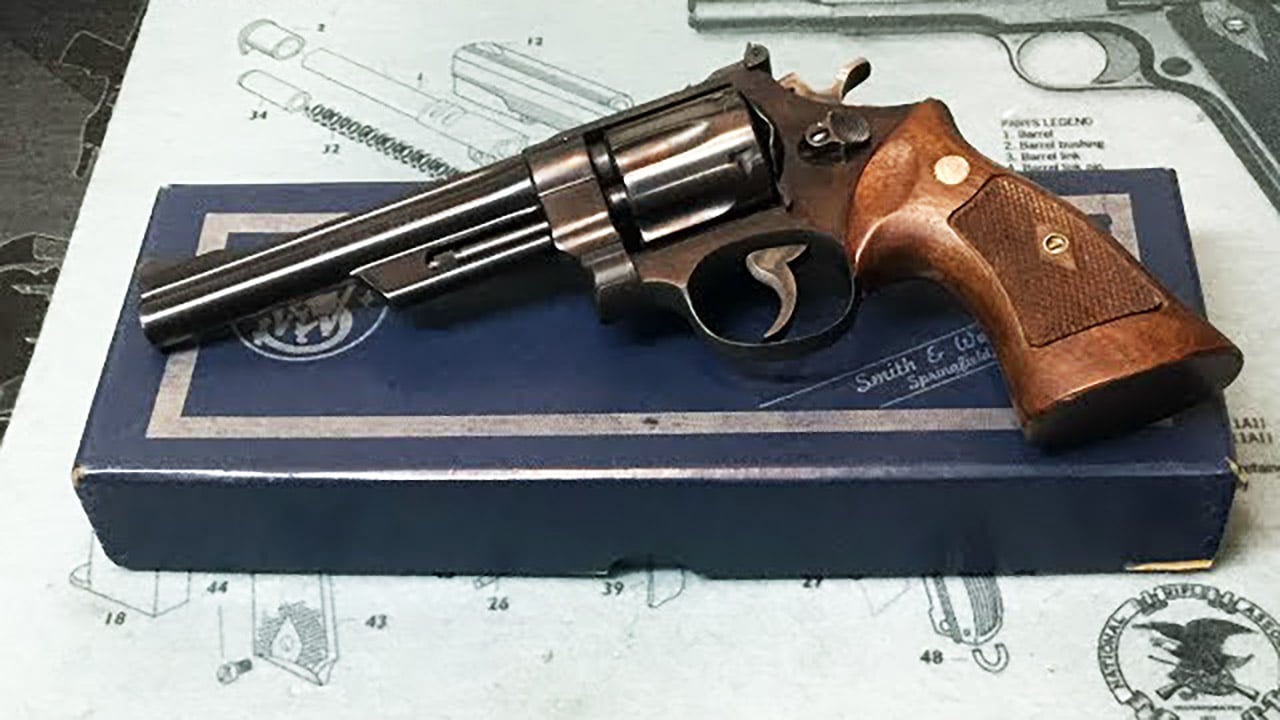
This is the Model 27’s no-nonsense cousin. Less polish, more attitude, usually a little more affordable—though “affordable” keeps drifting.
It’s a real shooter. If you want an N-frame that you don’t feel guilty about holstering up and dragging through the woods, the 28 is a smart kind of boring.
5. Smith & Wesson Model 29 (classic .44 Magnum)
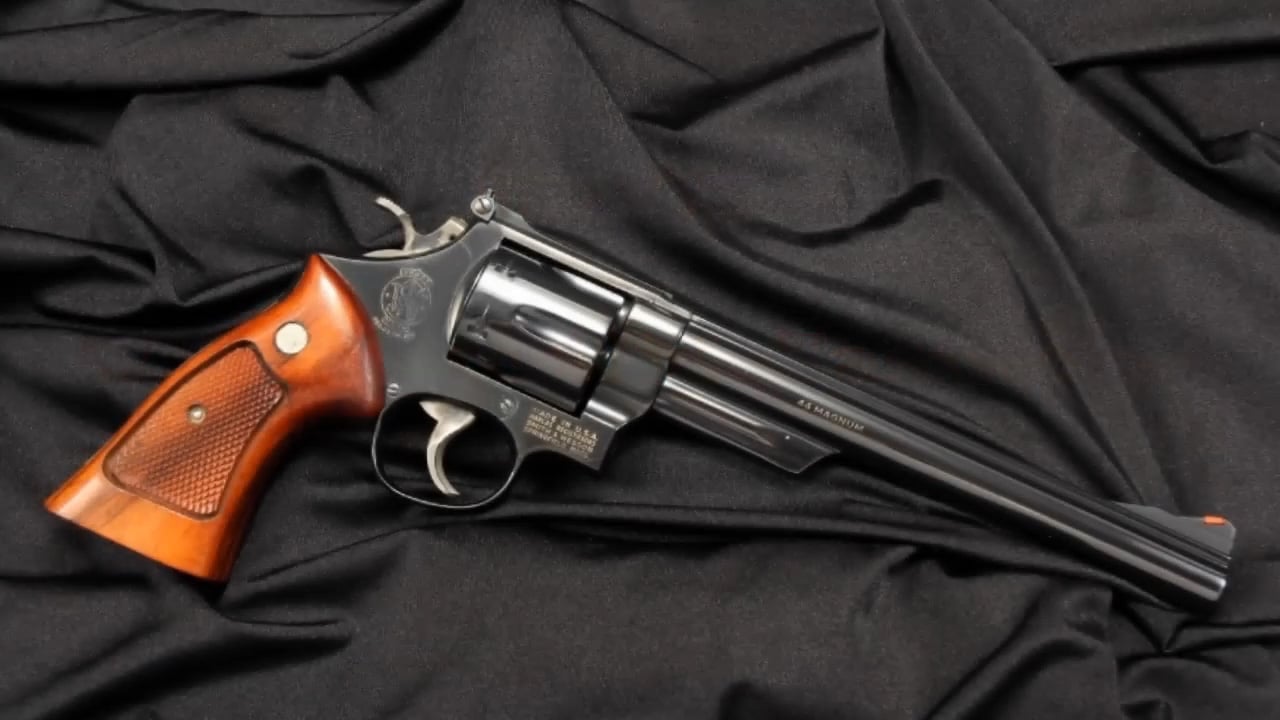
Everybody knows the line, but the real appeal isn’t a movie. It’s that big-frame S&W .44 that somehow feels nicer than it has any right to feel under recoil when you feed it sensible loads.
Full-house .44 Magnum is still full-house .44 Magnum, and it will remind you. But for a revolver hunter or a woods sidearm with real authority, a good Model 29 is hard not to miss once it’s gone.
6. Smith & Wesson Model 629 (stainless .44 Magnum)

The 629 is the one that ends up riding in a chest rig during bear season or living in a tackle bag on the river. Stainless and big-bore is a practical combination when the weather turns ugly.
It’s not light, and it’s not cheap to shoot. Still, if you’ve ever needed a revolver you can run with gloves on, in the cold, after getting rained on for three days, you understand the appeal.
7. Smith & Wesson Model 17 (K-22 Masterpiece)
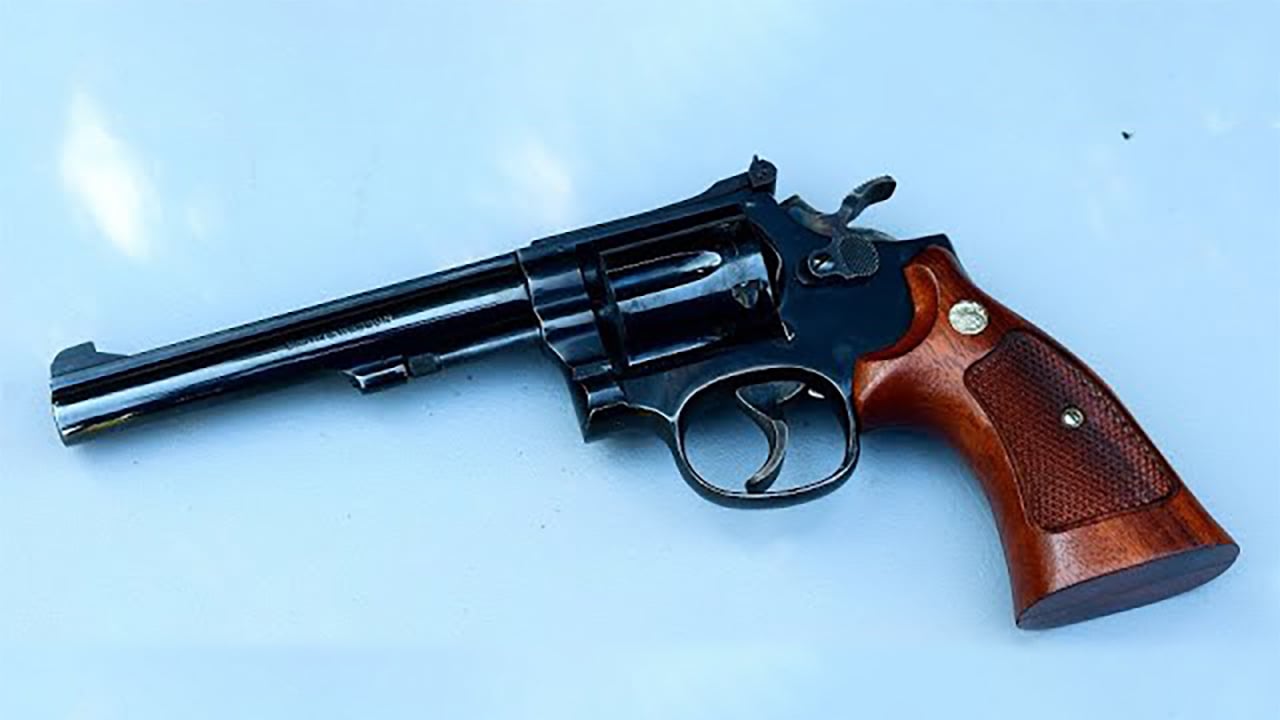
A good .22 revolver is like owning a good pocketknife. It doesn’t look exciting on paper, but it’s what you grab the most. The Model 17 is pure trigger time, pure fundamentals, and pure grin factor.
They’re accurate, the sights are right, and they’ll make you a better shooter without punishing your wallet. Selling one is easy to justify until you try to replace it.
8. Smith & Wesson Model 18 (Combat Masterpiece .22)
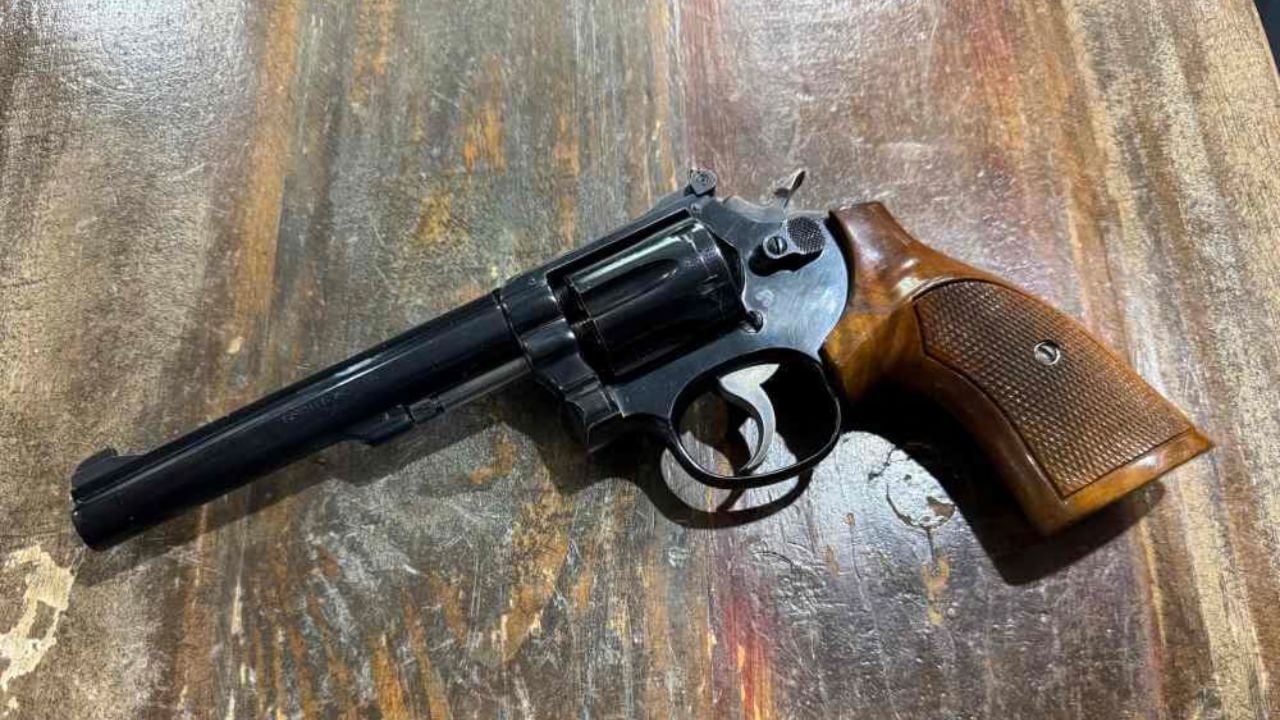
The Model 18 is the handy version of the K-22 idea—still a K-frame, but more “carryable” and quick. It’s the kind of revolver you take to the range when you just want to shoot, not troubleshoot.
Field use matters too. It’s a small-game, camp, and trail companion that makes a lot of sense if you spend time outdoors and like simple tools.
9. Smith & Wesson Model 36 (Chief’s Special)
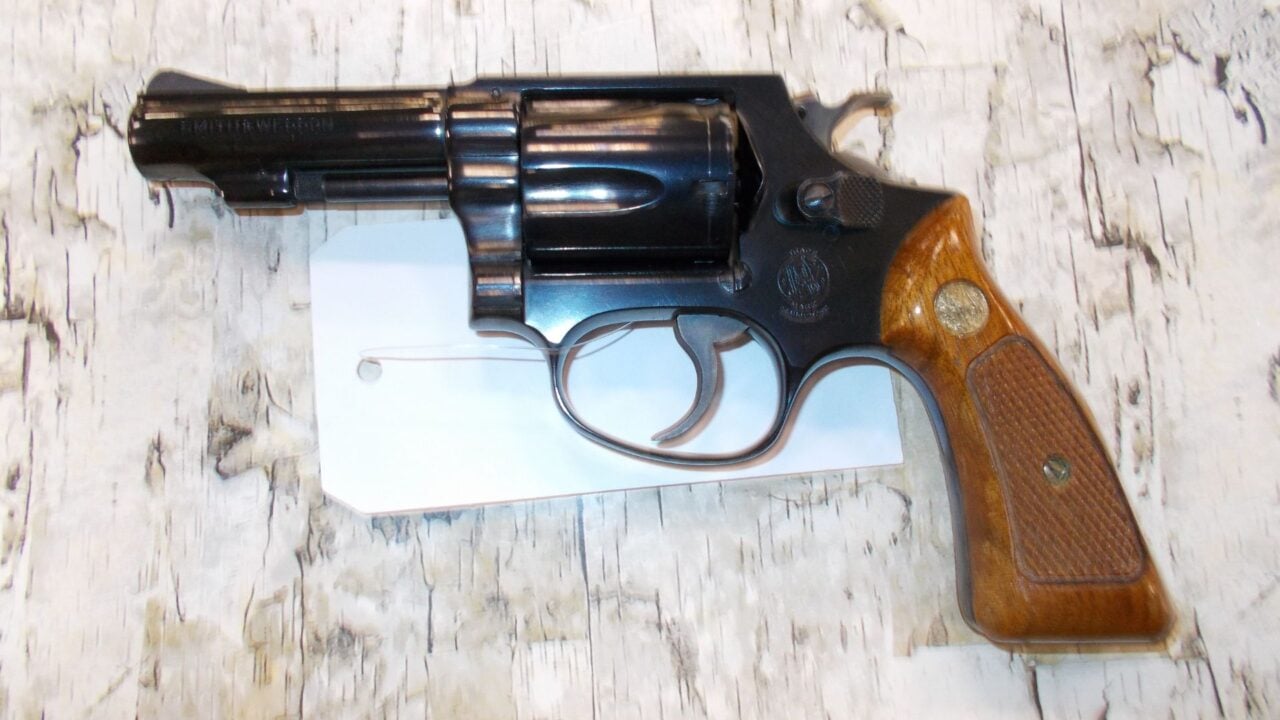
A J-frame that actually feels like a J-frame should. The Model 36 isn’t fancy, and it doesn’t need to be. It disappears in a pocket holster, rides easy on the belt, and it’s a “grab and go” revolver in the truest sense.
I’m not pretending snub-nose shooting is easy. But for a small revolver that’ll be there when you need it, the old Chiefs Specials have a way of earning trust.
10. Smith & Wesson Model 642 (Airweight Centennial)
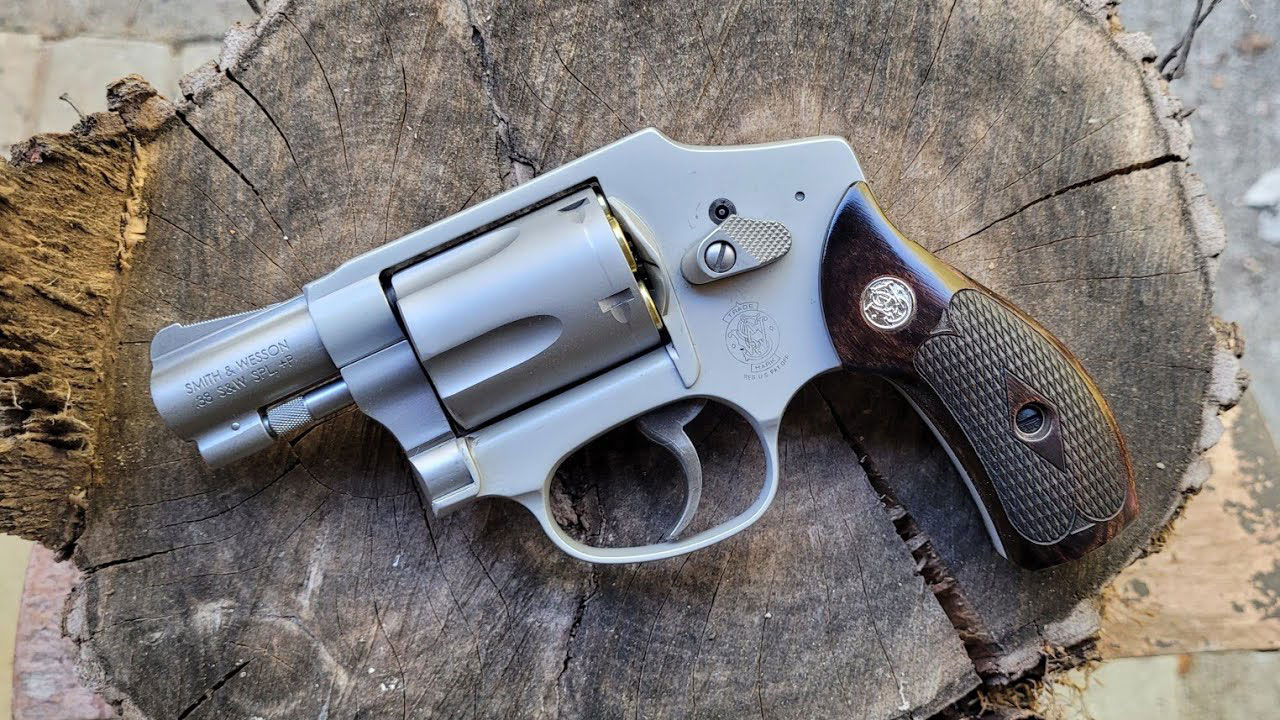
This is the revolver that turns into a habit. It’s light enough that you actually carry it, and simple enough that there’s not much to snag or fiddle with when you’re in a hurry.
It’s not a range toy. It’s a tool. If you ever sold one because it was “boring,” you probably figured out later that boring is exactly what you want in a carry gun.
11. Colt Python (older production)
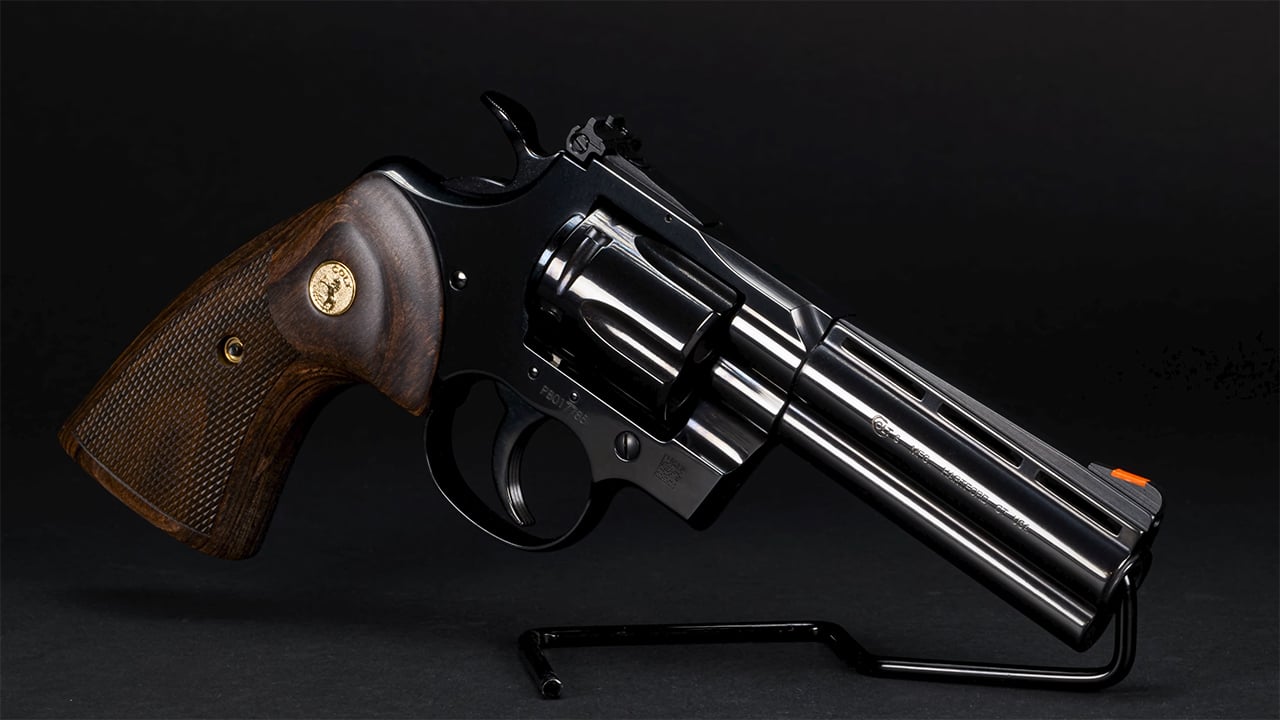
I’m not going to pretend the Python isn’t part pride of ownership. It is. But the bigger deal is that a good one feels like glass and gears inside, and the way the sights settle on target is just different.
They’re expensive, and they always were, even before the market went sideways. Still, if you owned one and let it go, you’ve replayed that decision in your head more than once.
12. Colt Detective Special (classic snub)

Six shots in a snub-nose package is a nice thing, and the Detective Special did it with real-world ergonomics. They point naturally, and the extra round isn’t just a statistic when you’re talking about a small revolver.
Parts and service aren’t as straightforward as they used to be, and that spooks some folks. I get it. But a good Detective Special is a serious little revolver with old-school charm that’s hard to duplicate.
13. Colt Official Police (.38 workhorse)
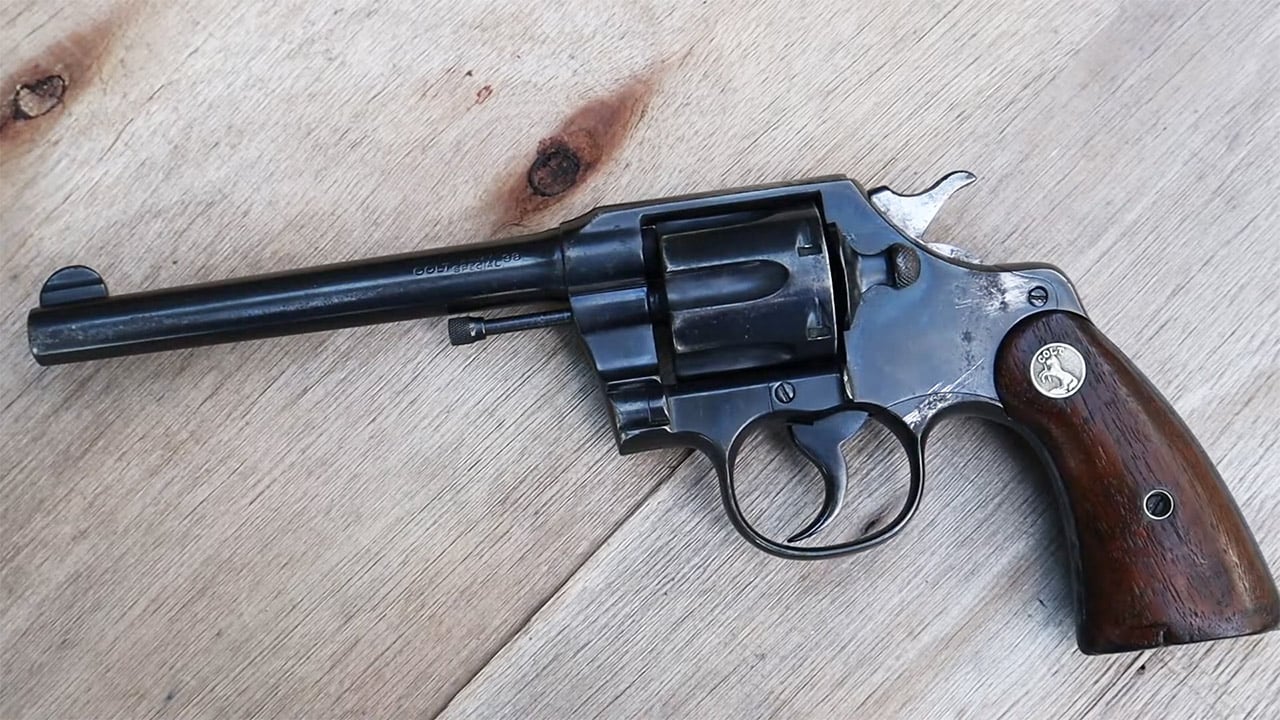
These are the revolvers that actually rode duty belts and sat in desk drawers for decades. They’re not glamorous, but they’re honest.
When you find one that hasn’t been abused, you get a big, steady frame with a surprisingly friendly feel. For a range revolver or a piece of American gun history that still does the job, it belongs on the “buy back” list.
14. Ruger Security-Six (and Speed-Six)

The Six-series Rugers are what I call “truck tough.” They aren’t as refined as a slick old Smith, but they’ll take a lot of use and keep their timing in check.
They also carry better than the bigger GP100, especially the Speed-Six. If you ever had one as a first .357 and traded it off chasing something shinier, you probably learned that reliable and handy is the whole point.
15. Ruger GP100 (4-inch .357)
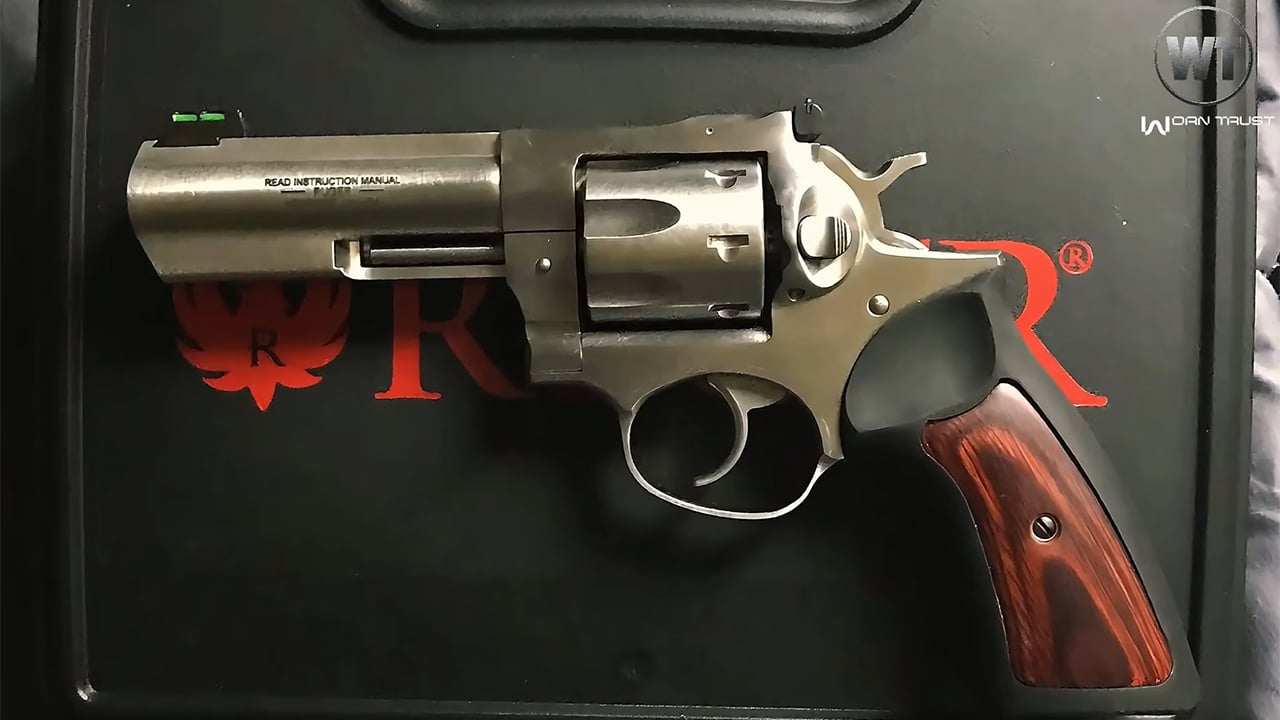
It’s chunky. It’s not trying to be pretty. But when you want a .357 that you can shoot a lot without worrying, the GP100 is the one.
The grips are easy to swap, the gun soaks up recoil, and it tends to stay tight. I’ve seen more than one guy sell a GP100 because it felt “heavy,” then circle right back after they shot lighter guns and got tired of getting slapped around.
16. Ruger SP101 (2.25-inch or 3-inch)
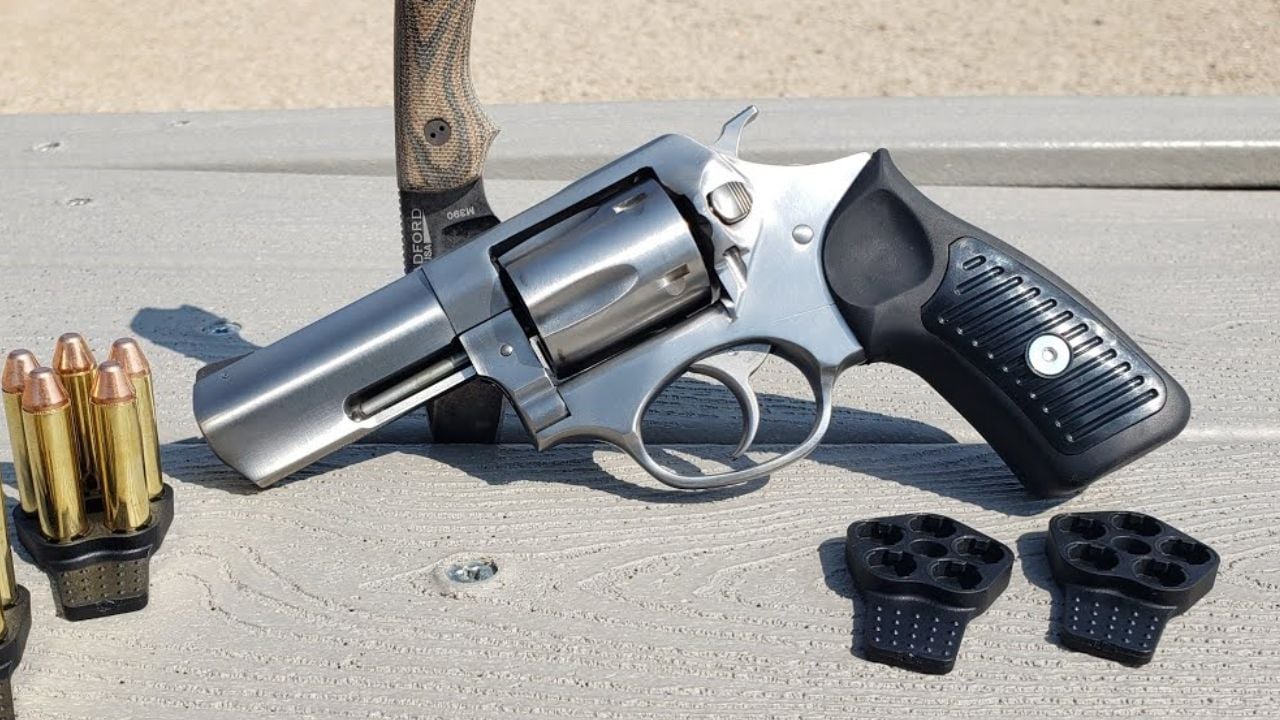
The SP101 is the small revolver for folks who don’t like how small revolvers feel. It has enough weight to shoot real .357s if you must, though .38 +P is where it’s pleasant.
The 3-inch version, especially, is a sweet spot for belt carry in the woods. It’s the one you throw on for checking trail cams or walking the property line when you don’t want anything complicated.
17. Ruger Blackhawk (.357 or .45 Colt)

Single-actions aren’t for everybody, and I’m not going to argue they’re faster. But they carry flat, they handle heavy loads well, and they’re ridiculously durable.
A Blackhawk in .45 Colt with sensible loads is a great woods gun, and in .357 it’s a do-it-all plinker and small-game rig. There’s nothing fancy about it, and that is kind of the point.
18. Ruger Redhawk (.44 Magnum)
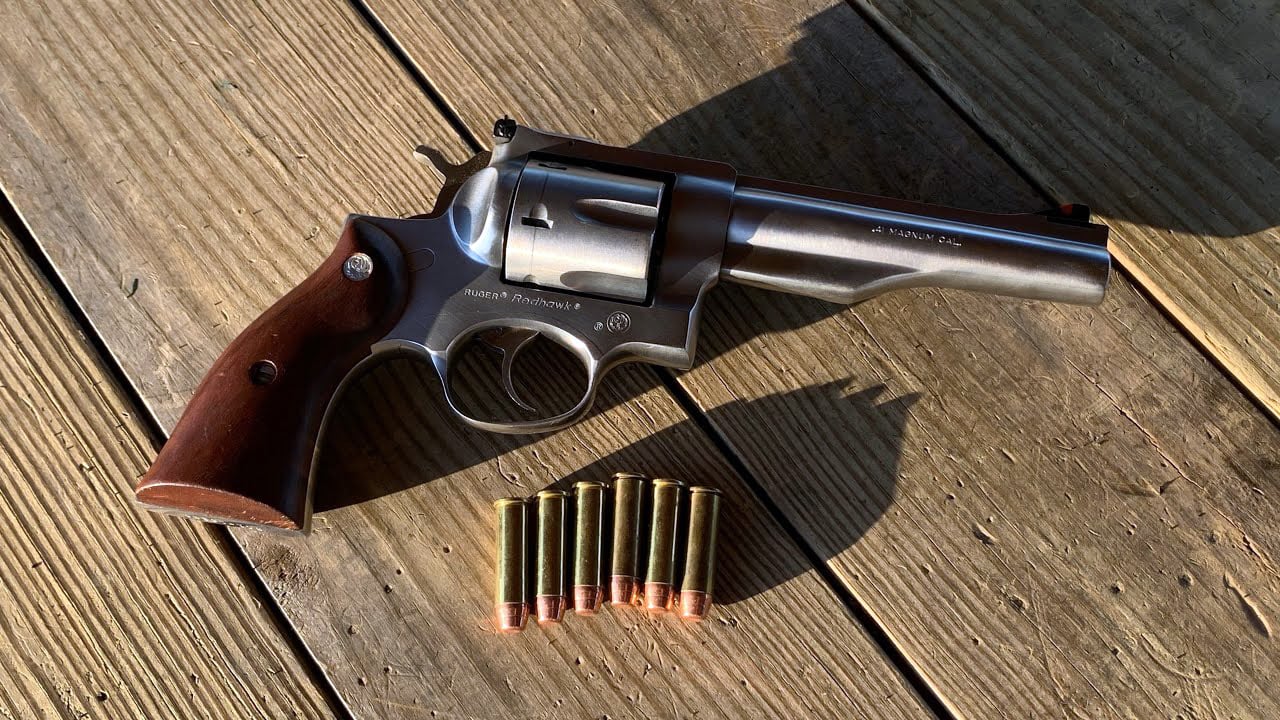
If you’ve ever watched a Redhawk digest stout ammo like it’s bored, you understand why it’s here. It’s not dainty. The double-action can be heavy, and it’s a big hunk of steel.
But it’s the revolver you buy when you want strength first. For handgun hunting, heavy backcountry use, and long-term durability, the Redhawk has earned its reputation.
19. Dan Wesson Model 15 (.357 with interchangeable barrels)
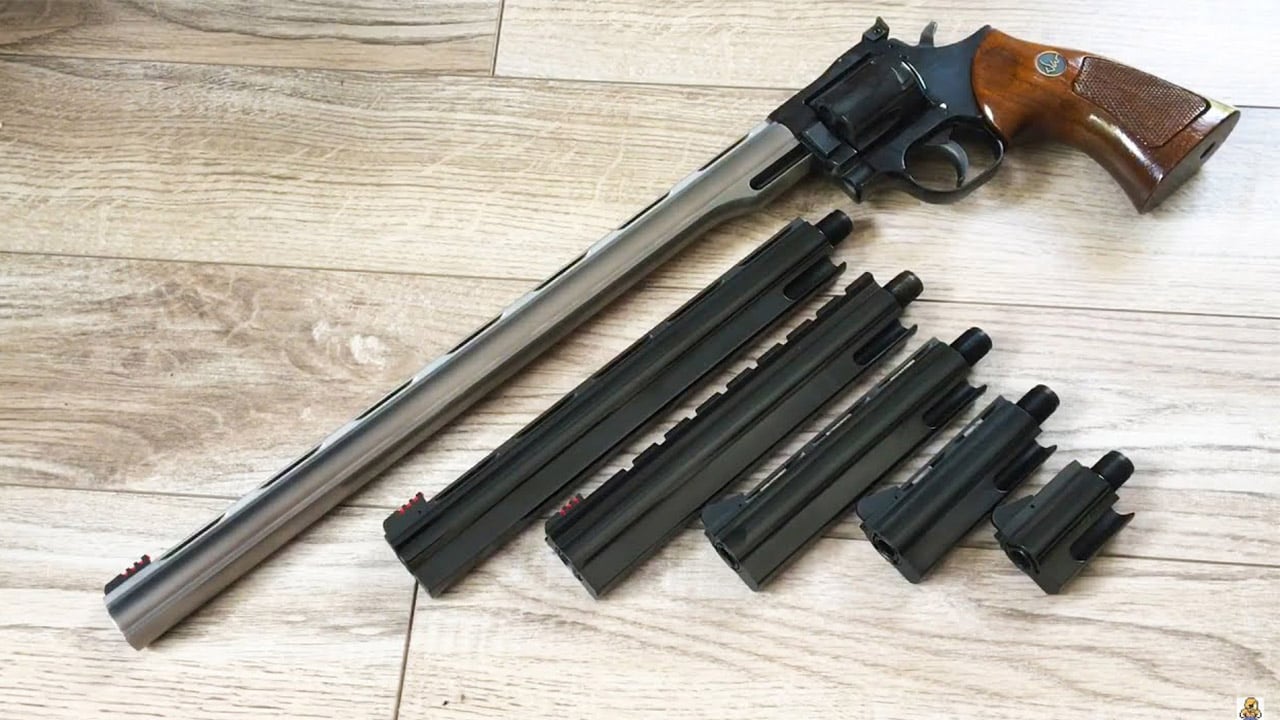
This one’s for the guy who likes to tinker, but in a useful way. The Dan Wessons are accurate, and the barrel system actually lets you tailor the gun to the job—shorter for carry, longer for hunting or target work.
They aren’t as common on shelves anymore, and that’s what makes selling one sting. When you want one back, you can’t always just walk into a shop and grab the exact setup you had.
20. Smith & Wesson Model 586 (L-frame blued .357)
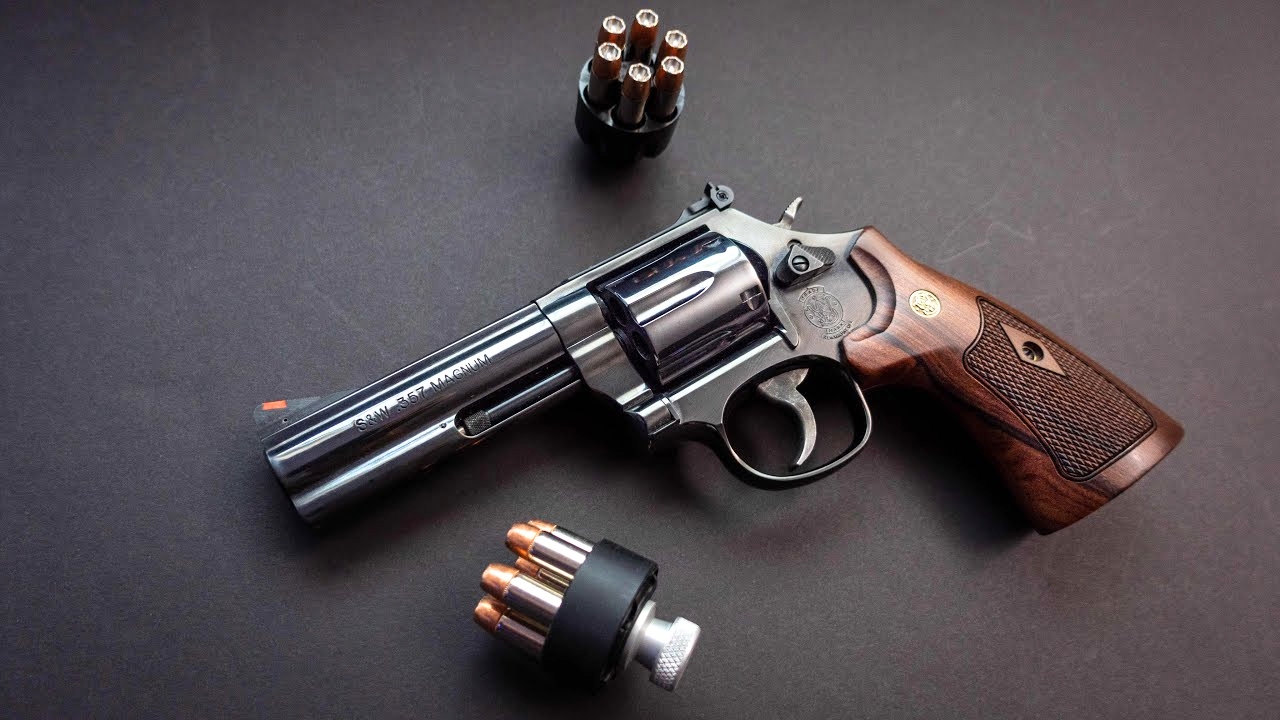
The L-frame is what happens when you want K-frame handling but a little more muscle for steady magnum use. The 586 is the blued version that looks right, feels right, and tends to shoot better than most folks can hold.
It’s not as easy to carry as a smaller frame, but it’s still a practical size for the belt, the nightstand, and the range. If you’re the kind of shooter who actually trains with a revolver, this is one you don’t forget.
I’m not saying every one of these is perfect, or that everybody needs to chase old steel. But I am saying this: the revolvers you regret selling are usually the ones that quietly did what you asked, year after year. If you’ve got one of those sitting in the safe right now, think hard before you let it walk out the door.
Like The Avid Outdoorsman’s content? Subscribe to our newsletter so you never miss an article.
Here’s more from us: