Photo credit: Winchester International/YouTube
When the weather gets nasty, some rifles fall apart fast. Cold, wet, and grit-filled conditions have a way of showing you what a gun’s really made of. A rifle that cycles like a dream on a sunny day can turn into a bolt-action wannabe once the temps drop or the mud starts flying. Freezing rain, snowmelt, and prairie dust get into every moving part. Semi-autos with tight tolerances can seize. Cheap coatings can gum up with frost. Poor gas systems start short-stroking or binding. It’s not about pampering your gear—it’s about knowing what works and what doesn’t when things get wet, cold, and unforgiving. If your rifle can’t cycle in those moments, it’s not worth carrying.
Remington R-15
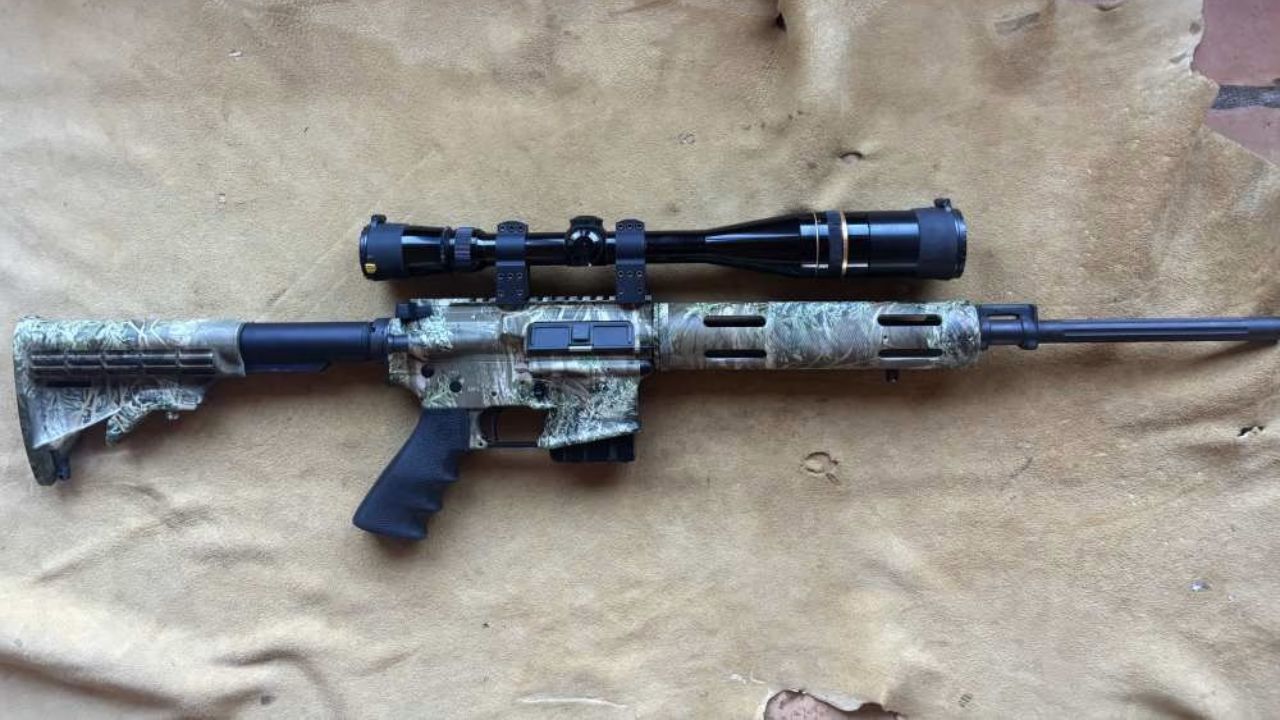
The R-15 looks great on paper for predator hunters, but it struggles when conditions go south. The tight-fitting upper and lower can trap moisture and grime, which leads to sluggish cycling or stuck bolts when the temps fall.
Freezing sleet or snow will gum up the action fast, and the gas system doesn’t do well when carbon starts building in cold weather. A few hours in a blind during a wet snowstorm can turn this rifle into a single-shot real quick. If you’re running an R-15, you’ll need to keep it squeaky clean and lightly lubed, but even then, it’s a gamble once the mercury drops below freezing.
Ruger Mini-14
The Mini-14 has fans, and it does have some rugged features, but in deep cold or wet environments, it starts to hiccup. Its Garand-style action is generally reliable, but once dirt or ice gets in, it starts binding.
Snow in the receiver, water in the bolt path, or sub-zero grease can lock it up. Add that to a mag design that doesn’t like being dropped in sand or snow, and you’ve got problems. If you’re hunting coyotes in the Dakotas or hogs in cold rain, you’ll feel that slow-down. Even with proper oiling, it can struggle to keep up once the weather turns ugly.
Remington 7400

This old-school semi-auto has been a staple in whitetail woods, but wet or freezing conditions push it to its limit. It’s a finicky gun in the best weather, and once things turn cold, the action can gum up or fail entirely.
It doesn’t take much frost or grime to mess with the cycling. The bolt and carrier are prone to dragging when the lube thickens, and the magazine fit isn’t exactly forgiving. A little mud in the wrong place can keep it from locking up right. A lot of hunters carried one because it looked good on paper—but those who sat in frozen blinds long enough started bringing backups.
Browning BAR Safari
The BAR is a classic hunting rifle with great ergonomics, but it’s never been fond of freezing temperatures. The long gas system and heavy bolt group get sluggish with cold fouling or even lightly frozen condensation.
The tolerances are fairly tight, and once moisture gets in and freezes up, you’ll feel it in the trigger pull and see it in the inconsistent cycling. The safety and bolt handle also get sticky in icy conditions. Even though it’s built for the field, the BAR needs regular cleaning and dry lube if you’re taking it into freezing rain or deep snow. Otherwise, you’re gambling with a click instead of a bang.
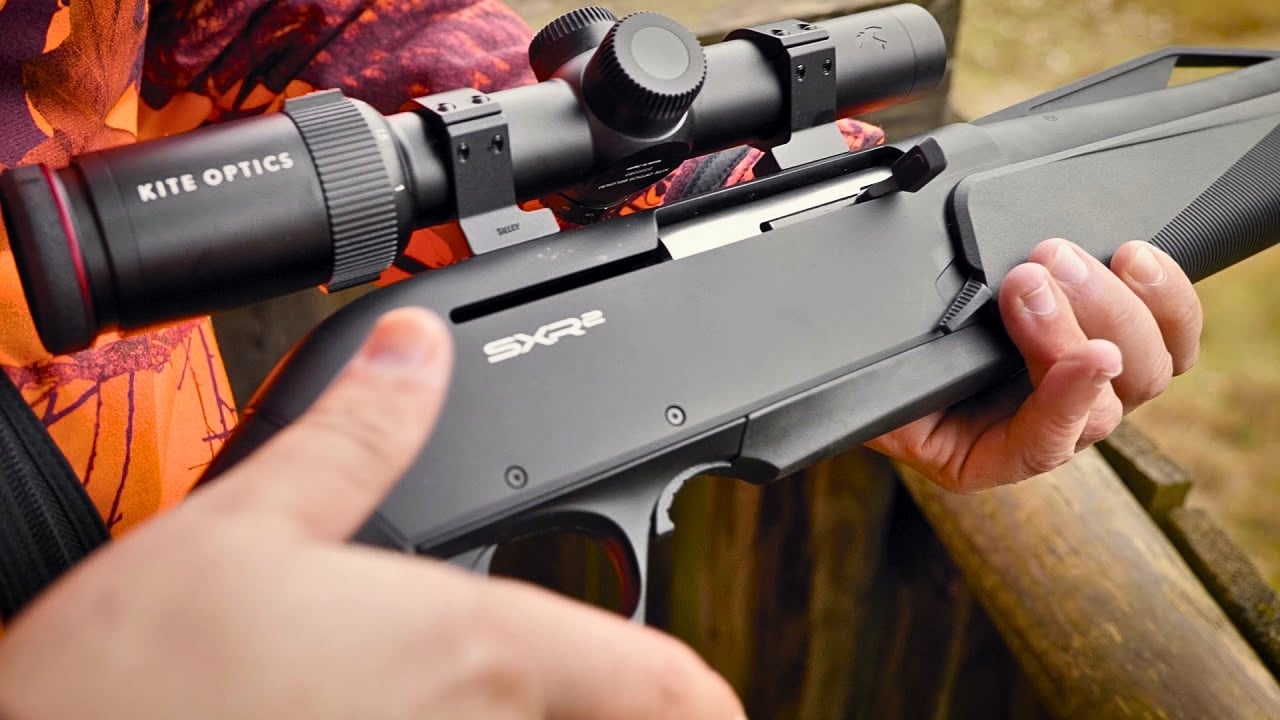
Winchester SXR
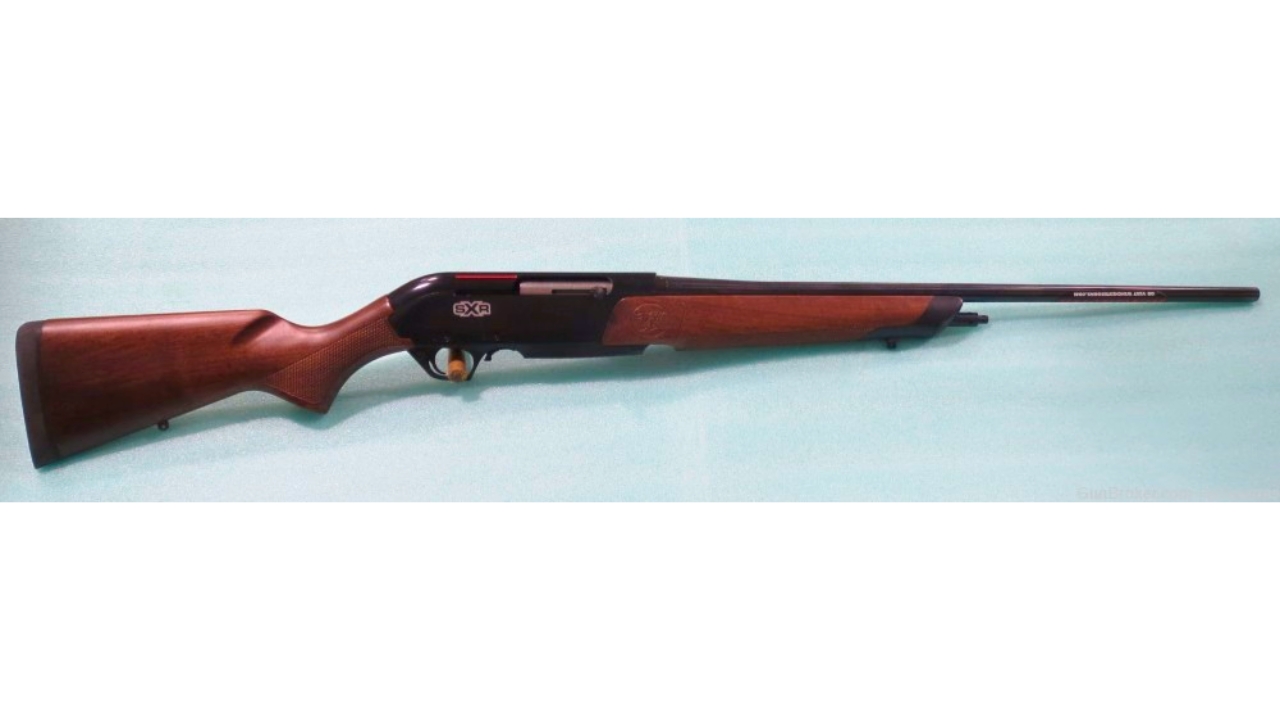
This Euro-style semi-auto had a short run, and for good reason. While it handled well in moderate conditions, cold weather exposed its weak points fast. The action becomes sluggish when temps drop, and the gas system doesn’t vent moisture well.
Even light frost in the gas tube or receiver can lead to short-strokes or failure to feed. Add in mag issues when wet and you’re left with a rifle that’s not cut out for real winter work. Hunters who took the SXR into northern woods or high-country elk hunts learned quick—it might cycle fine at the bench, but out in a snowstorm, it’s a different story.
CZ 512
CZ’s 512 is a fun .22 LR semi-auto that feels built solid, but it doesn’t handle cold or grit well. If you’re using it on small game hunts in chilly weather, expect it to start dragging after a few mags if you’re not careful.
The internal rails and bolt don’t like cold gunked-up fouling. Even waxy ammo residue mixed with moisture will slow things down. The trigger can also stiffen in the cold, and the bolt return gets noticeably weaker when dirty. You’ll get light strikes or stuck cases if it’s not spotless. It’s not a bad rifle, but it’s better left to fair-weather squirrel woods.
FN SCAR 17S

You’d think the SCAR 17S could handle anything, and it does in many ways. But in sub-zero weather or prolonged wet conditions, it has quirks. The reciprocating charging handle can freeze up, and the bolt carrier can slow down with cold carbon fouling.
The polymer lower doesn’t help either—it gets slick and hard to handle when wet. If water or ice gets into the upper assembly and then temps drop, you’ll feel resistance during charging. Gas settings can also be sensitive in bitter cold, leading to soft cycling. The SCAR’s no junker, but it’s not the king of bad weather, either.
Like The Avid Outdoorsman’s content? Be sure to follow us.
Here’s more from us:
The worst deer rifles money can buy
Sidearms That Belong in the Safe — Not Your Belt
*This article was developed with AI-powered tools and has been carefully reviewed by our editors.