Photo credit: Tenacious Trilobite/YouTube
Some cartridges earned a place in history, and others hung around long after the world moved on. By 2025, we’ve reached a point where certain calibers simply don’t have a practical purpose anymore. They’re either overshadowed by modern rounds, impossible to find, or too limited to justify the space they take on a shelf.
You’ve probably seen a few of these hanging on in tiny corners of ammo racks, usually overpriced and gathering dust. And while they may still spark nostalgia, they’re cartridges you wouldn’t reach for if you’re serious about accuracy, performance, or clean kills in the field.
.25 ACP
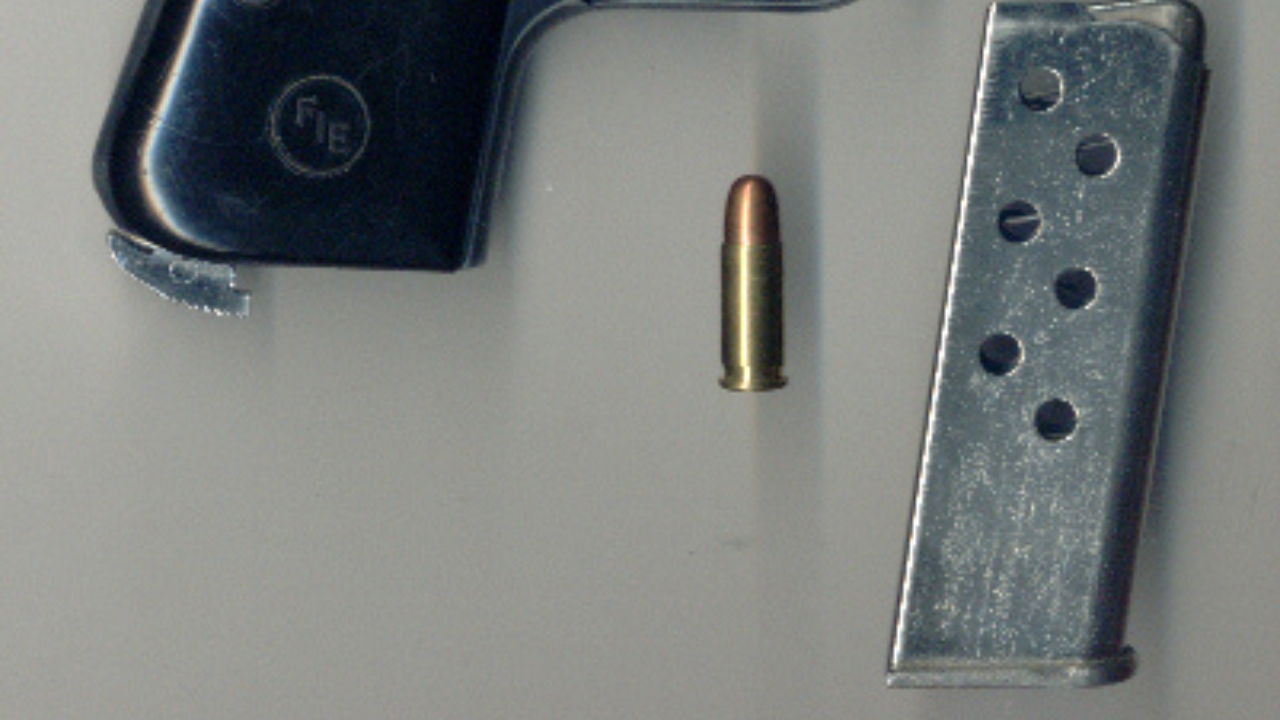
The .25 ACP hasn’t had a legitimate role for decades. Once popular in tiny pocket pistols, it’s now completely overshadowed by modern micro 9mms and .380s that are smaller, lighter, and dramatically more effective. Ammunition is expensive, underpowered, and hard to justify when even .22 LR outperforms it in many cases.
If you’re carrying a handgun for real protection, the .25 ACP doesn’t offer enough penetration or reliability to matter. It lingers purely out of habit and nostalgia, and by 2025, there’s no realistic scenario where it makes sense to buy or stock.
.32 S&W Long
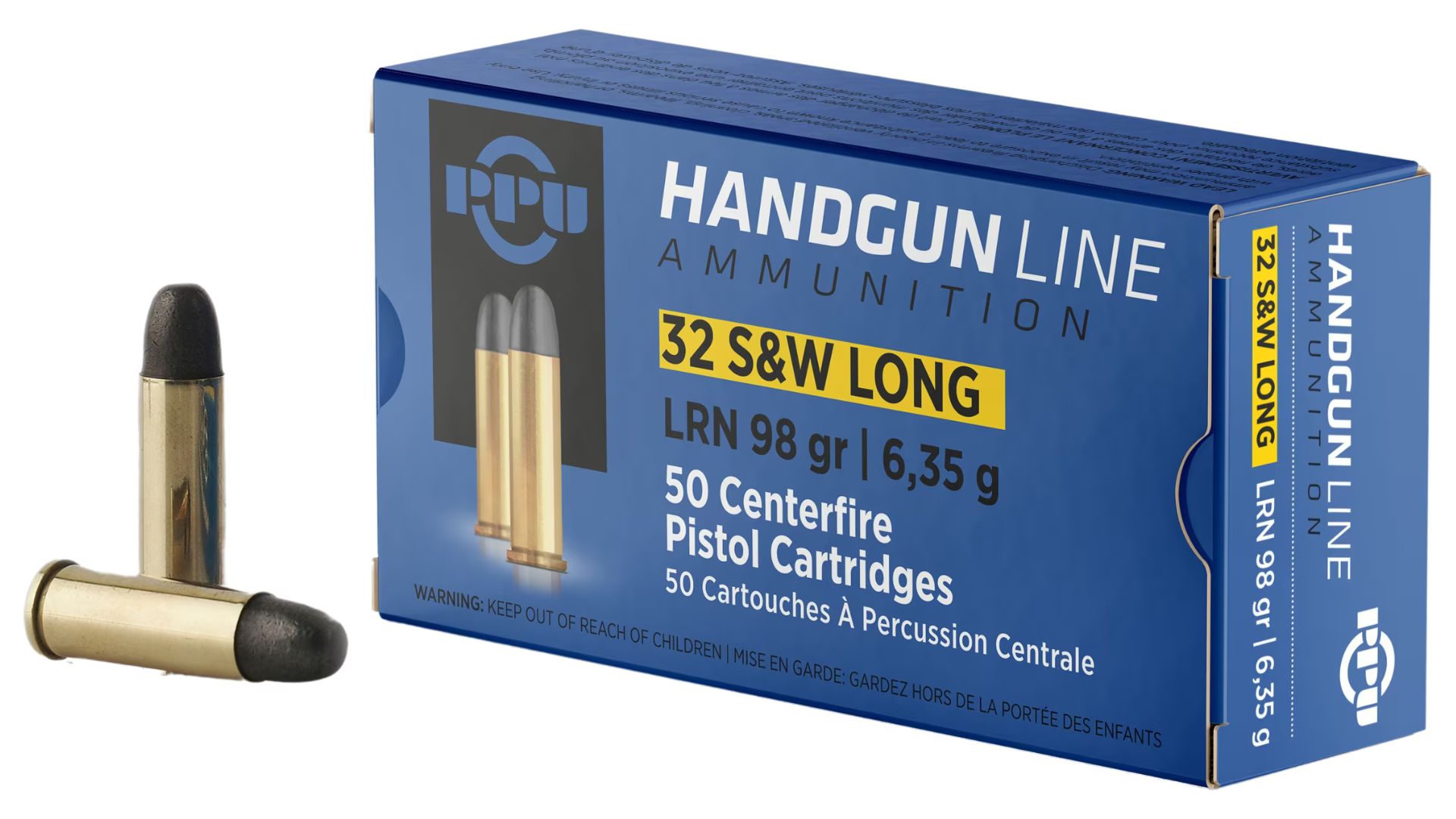
The .32 S&W Long once made sense for small revolvers, but modern defensive calibers have pushed it into irrelevance. Its mild recoil is nice, but the performance is far below what shooters expect today—especially when compact 9mm pistols offer far more punch in guns the same size.
Ammo availability is poor, cost is high, and terminal performance is marginal. If you love older revolvers, it’s fine for casual shooting. But as a functioning caliber in 2025, it serves no practical role outside of keeping heirloom guns alive.
.41 Action Express
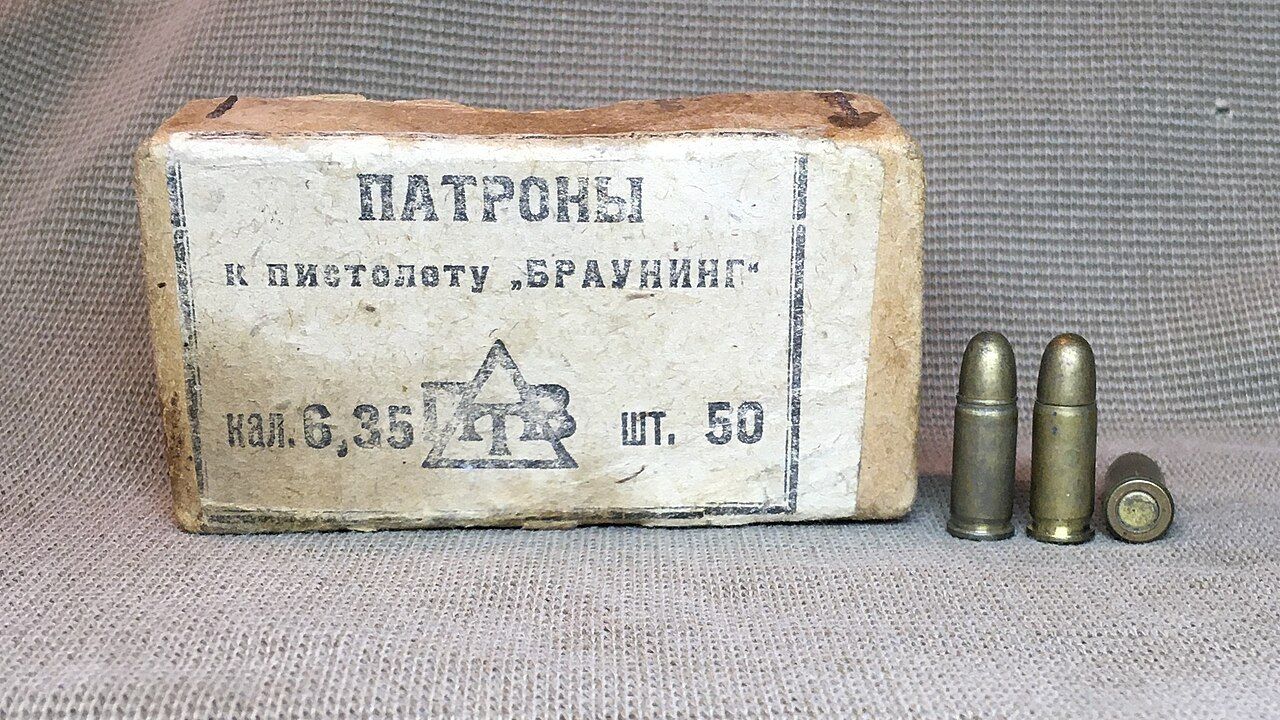
The .41 AE was supposed to bridge the gap between 9mm and .45 ACP, but it never gained traction. Its limited adoption meant ammo companies quickly stopped supporting it, and finding ammunition today is almost impossible.
With 10mm and .40 S&W already covering the middle ground, there’s no reason for the .41 AE to exist in the modern world. It’s a caliber stuck in the ’80s, and unless you’re collecting obscure pistols, it offers nothing that other, widely available cartridges don’t already do better.
.280 Ross
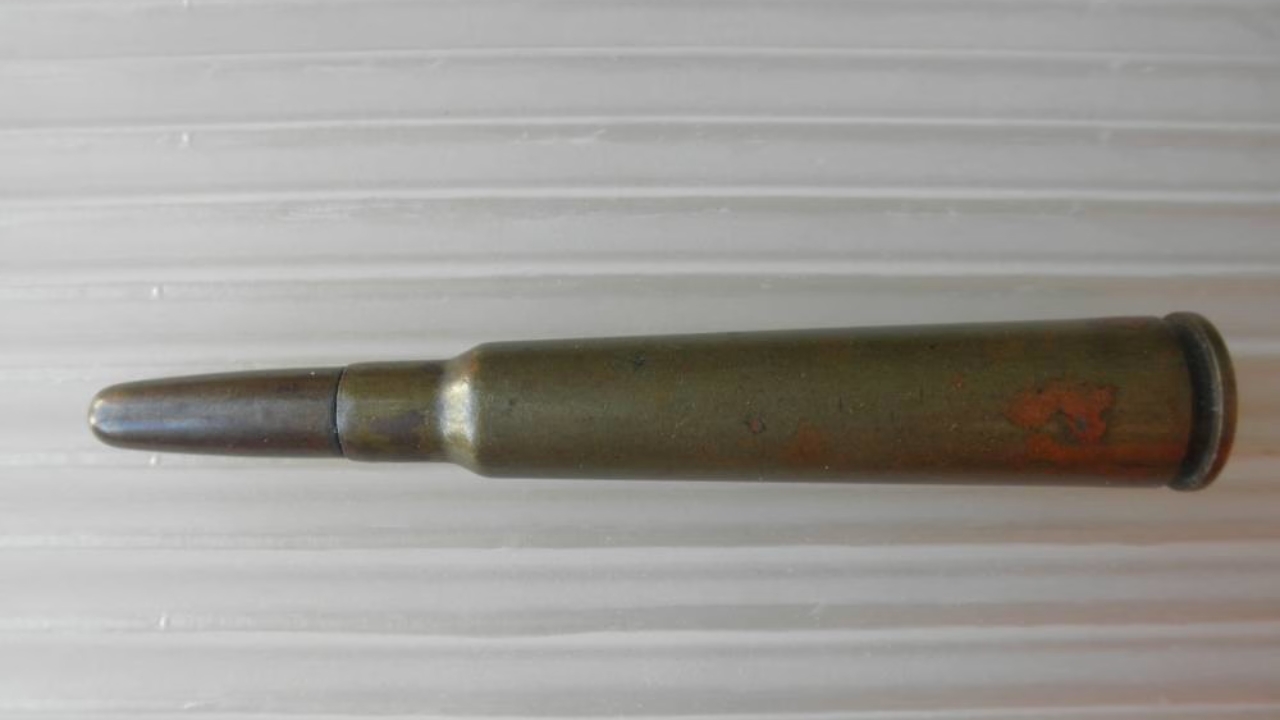
The .280 Ross was once considered fast and powerful, but it’s completely obsolete today. Its rifles require careful handloading, and the cartridge has a reputation for dangerous over-pressure issues when pushed too hard. Modern long-range rounds like the 6.5 Creedmoor and 7mm PRC outperform it in every way.
There’s no factory ammo support, no modern rifles chambered for it, and no real reason to revive it. Unless you’re restoring an antique, the .280 Ross has no place in a 2025 hunting camp or range bag.
.225 Winchester

The .225 Winchester never managed to outshine the .22-250, and it fell behind completely the moment shooters embraced faster, more efficient varmint rounds. Today, you’ll struggle to find brass, bullets, or factory ammunition, and accuracy varies widely depending on rifle condition.
With so many modern .22-caliber cartridges offering better velocity and consistency, the .225 Winchester simply doesn’t have a role anymore. It’s a caliber that slipped into the past and never found a way back.
.30 Remington
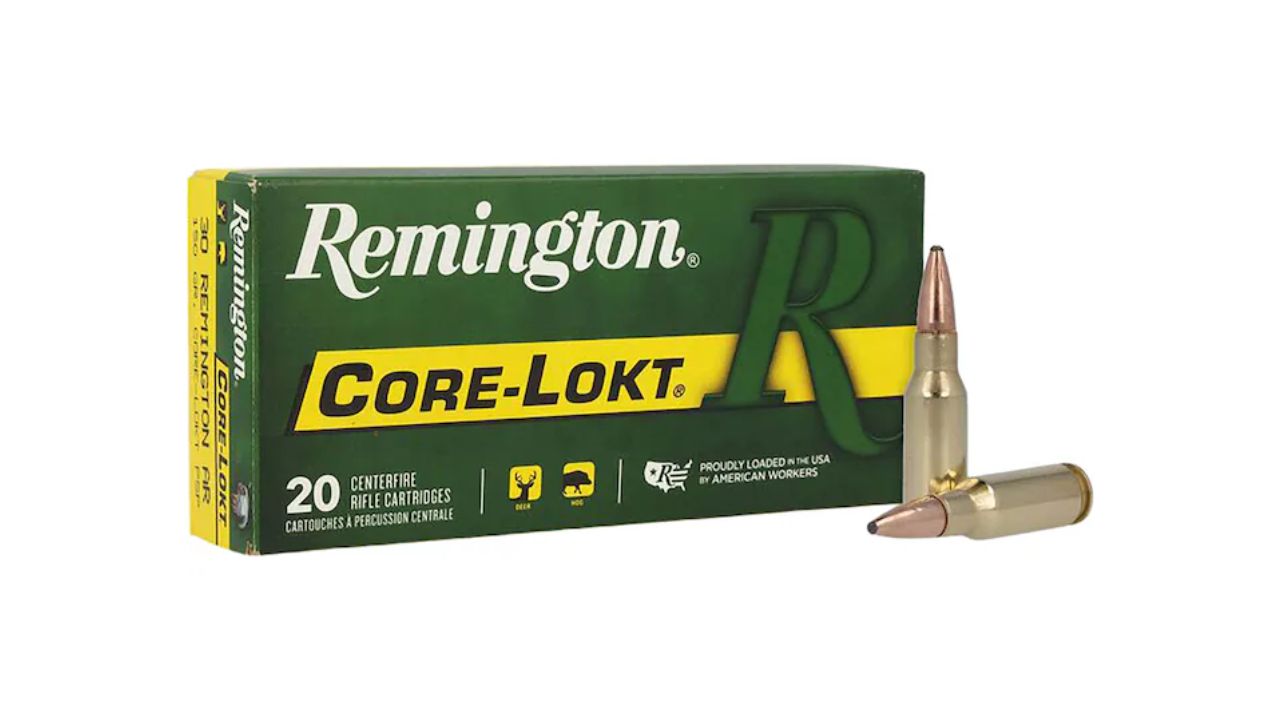
The .30 Remington was once the competitor to the .30-30, but it didn’t survive the shift toward lever guns and more adaptable platforms. Its rimless design never delivered enough of an advantage to justify its existence, and ammo availability dried up decades ago.
No modern rifle uses it, no major company produces ammunition, and its ballistics don’t bring anything useful to the table today. Keeping it alive requires handloading and nostalgia—and not much else.
.32 H&R Magnum
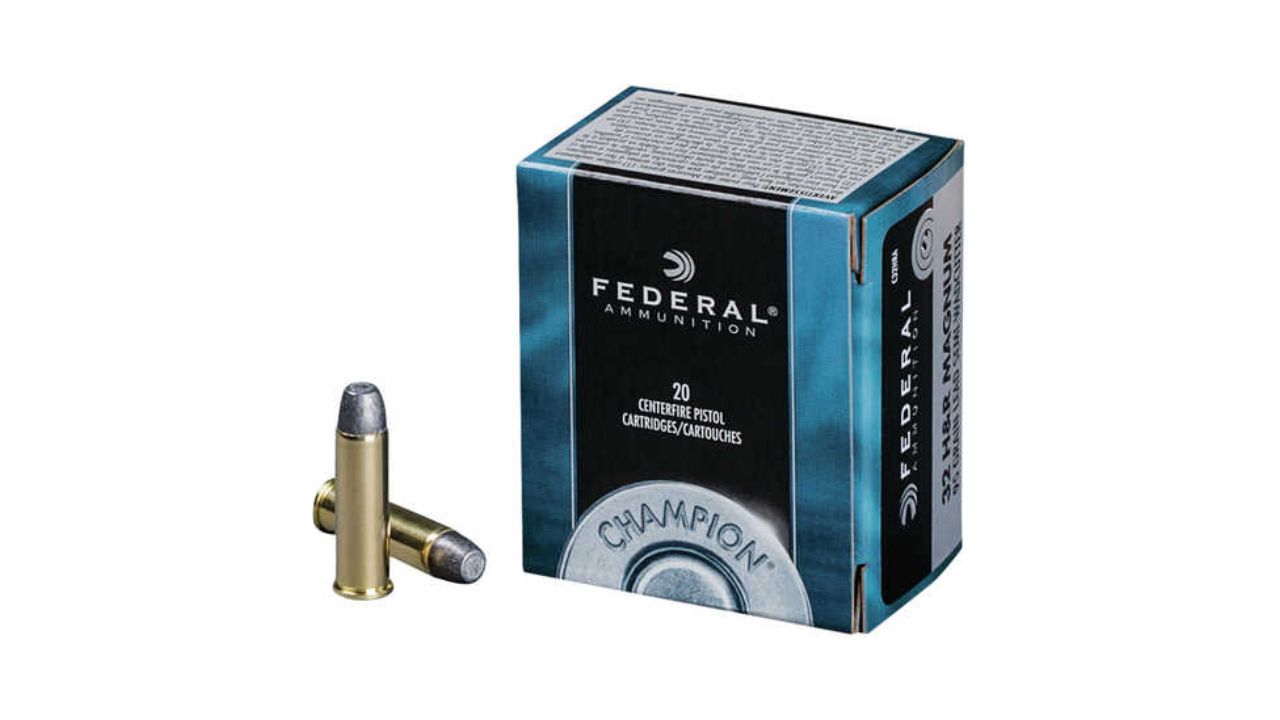
While the .327 Federal gave this family a boost, the .32 H&R Magnum itself has no reason to stick around. The .327 overshadows it in performance, and shooters wanting mild recoil can simply download .327 or use .32 S&W Long.
With limited revolver options and poor ammo availability, the .32 H&R becomes an unnecessary middle step. It once filled a niche, but today it’s a cartridge that’s been completely outclassed by its own successor.
.284 Winchester

The .284 Winchester was ahead of its time, but modern 7mm cartridges have buried it. While handloaders still appreciate the case design, the mainstream has moved to rounds that deliver better factory support and more consistent accuracy.
Finding rifles chambered for it is a challenge, and ammunition availability is even worse. By 2025, there’s simply no reason for the .284 Winchester to stay on the radar unless you’re a collector or a dedicated reloader hunting for nostalgia.
.50 Beowulf

The .50 Beowulf looks impressive, but in real-world use it’s too specialized. Recoil is heavy, ammunition is expensive, and the ballistics don’t justify its size. It’s a niche round with limited practical application outside of novelty or very specific hunting setups.
With better big-bore AR options and more efficient cartridges available, the Beowulf’s appeal has faded. Most shooters who try it quickly realize it’s more trouble than it’s worth in 2025.
.17 Remington

The .17 Remington promised blazing speed, but it never handled real-world conditions well. Barrel fouling, wind drift, and inconsistent terminal performance made it a tough sell. And with newer .17-caliber options like the .17 HMR and .17 Hornady Hornet taking over, the original .17 Remington has nowhere left to go.
Its best days were decades ago. Today, it survives mostly in handloading circles and nowhere else.
.356 Winchester
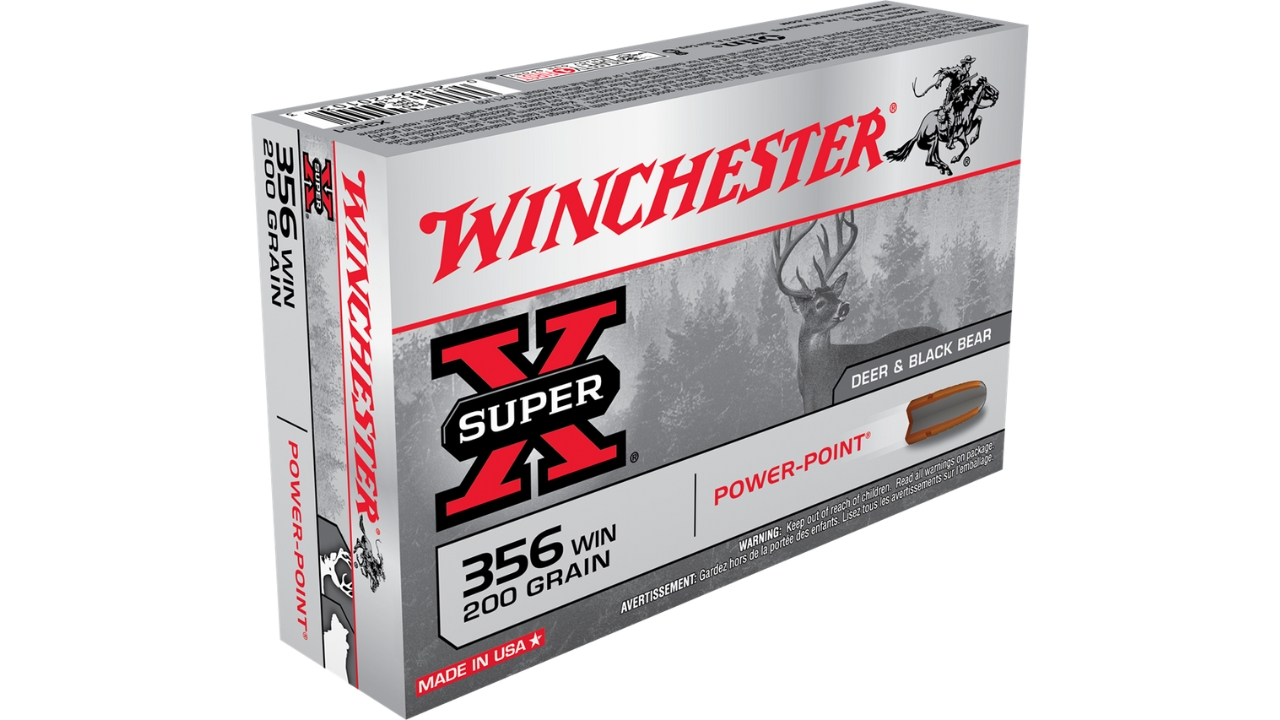
The .356 Winchester was built for lever guns, but it never gained the support it needed. Ammo was always rare, rifles were limited, and the performance didn’t offer a meaningful step up from more established rounds like .35 Remington or .444 Marlin.
In 2025, there’s no justification for keeping it alive. Factory ammo is scarce, rifles are aging, and modern hunters have significantly better options in the same role.
.450 Marlin

The .450 Marlin once promised big performance in a modern package, but it was overshadowed almost immediately by improved .45-70 loads and stronger lever-action rifles. Today, the .45-70 does everything the .450 Marlin can do with far more support and availability.
The belt design also limits compatibility and flexibility. It’s a specialized round that never really found its place, and the modern market has left it behind completely.
.35 Whelen (Factory Loads)

While handloaders keep the .35 Whelen alive, the factory-loaded version is disappearing. Slow ammo development, limited rifle options, and the rise of versatile magnum and mid-magnum cartridges have squeezed it out.
The performance is solid, but the market has moved on, leaving the Whelen in an awkward spot where it’s too niche for major manufacturers and too limited for new shooters.
.300 RUM
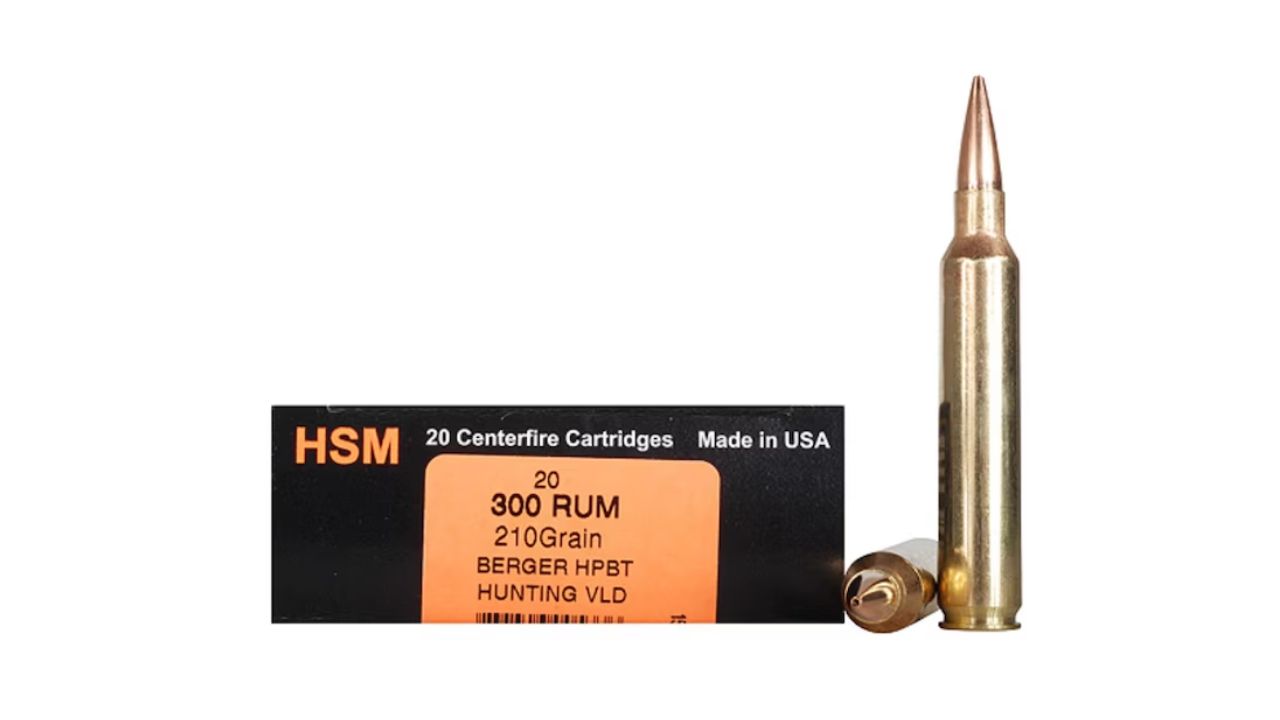
The .300 RUM was once popular for long-range hunting, but modern cartridges now deliver the same performance with less recoil, less powder, and better barrel life. Cartridges like the .28 Nosler and 7mm PRC have simply surpassed what the RUM offered.
It’s overbore, hard on barrels, and expensive to shoot. In 2025, there’s no strong reason to run it unless you already own one and reload.
.32-20 Winchester

The .32-20 had its place in small-game hunting and early revolvers, but that era is long gone. Today, it’s slow, hard to find, and overshadowed by everything from .22 LR to .357 Magnum.
Collectors still appreciate it, but the practical role vanished long ago. In 2025, it’s a caliber that survives purely out of historical interest—not because shooters actually need it.
Like The Avid Outdoorsman’s content? Subscribe to our newsletter so you never miss an article.
Here’s more from us: