Photo credit: Foothills Adventures/YouTube
A lot of newer shooters get introduced to handguns through whatever is trending at the moment. One week it is a micro-compact everybody swears changed carry forever. The next week it is some pricey metal-frame pistol people act like they discovered all on their own. But long before clips, influencers, and comment-section experts started shaping opinions, there were handguns that had already earned real trust the hard way.
These pistols built their reputations on carry use, duty use, military service, police work, competition, and plain old range time. They stayed relevant because they worked, not because somebody made them look good in a ten-second video. Here are 15 handguns that had already proven what they were long before social media showed up to tell people what to like.
Colt Government Model 1911
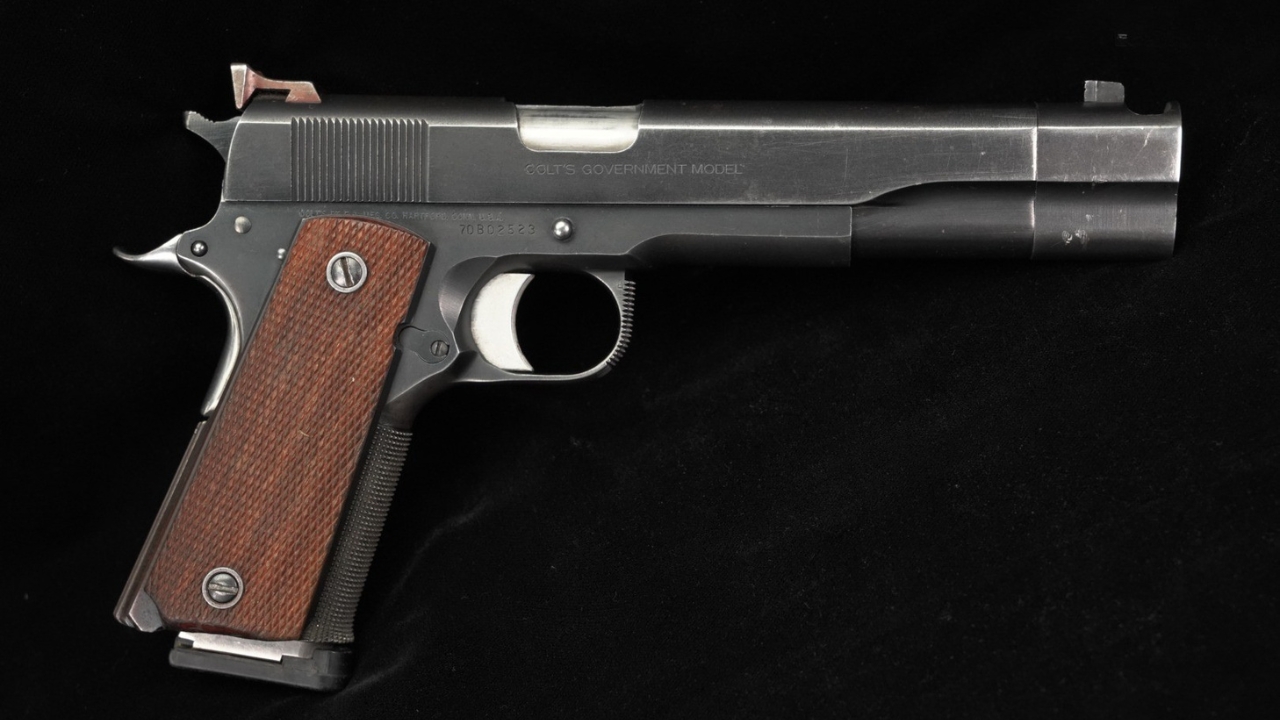
The full-size 1911 has been around so long that people sometimes forget how much real-world credibility sits behind it. This pistol earned its name through military service, law enforcement use, competition, and decades of hard shooting by people who expected a sidearm to do serious work. It did not need internet praise to build a following. It got there because it pointed naturally, hit hard, and gave good shooters a trigger they could do real work with.
That does not mean every 1911 is perfect, and it definitely does not mean every modern version lives up to the platform. But the original Government Model proved the basic design had staying power before most people had ever touched a keyboard. Even now, when people talk about pistols with real history behind them, the 1911 still belongs near the front of that conversation.
Browning Hi-Power
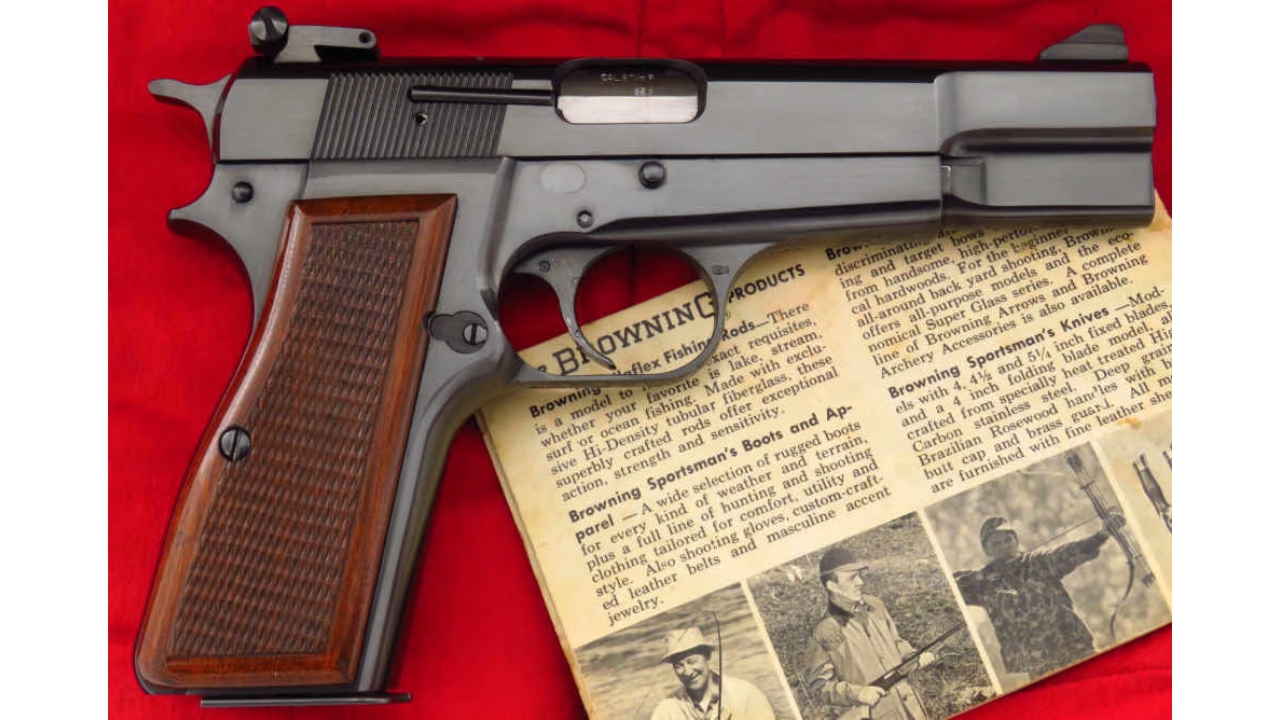
The Browning Hi-Power had street cred long before people started arguing about capacity and ergonomics online. It gave shooters a high-capacity 9mm in an era when that still meant something, and it did it in a package that felt slim, balanced, and easy to shoot well. Military forces, police units, and armed professionals around the world trusted it for a reason.
Part of the Hi-Power’s appeal was always how natural it felt in the hand. It was not built to be flashy. It was built to work, and it built a reputation through actual use instead of hype. Even with more modern designs all over the market now, the Hi-Power still gets respect because it earned it the old-fashioned way, one holster and one range session at a time.
Smith & Wesson Model 10

The Model 10 is one of those revolvers that younger shooters sometimes overlook because it seems too plain to be interesting. That is a mistake. For generations, this was a real working gun carried by police officers, security professionals, and armed citizens who wanted a revolver they could trust. It was not bought for style points. It was bought because it kept doing its job.
That kind of long-term use matters more than any burst of online attention ever could. The Model 10 proved that good sights, solid handling, manageable recoil, and dependable function would keep a handgun relevant for decades. It may not be the kind of revolver people brag about on camera now, but it built a reputation in a time when your sidearm had to answer to real life.
Colt Detective Special
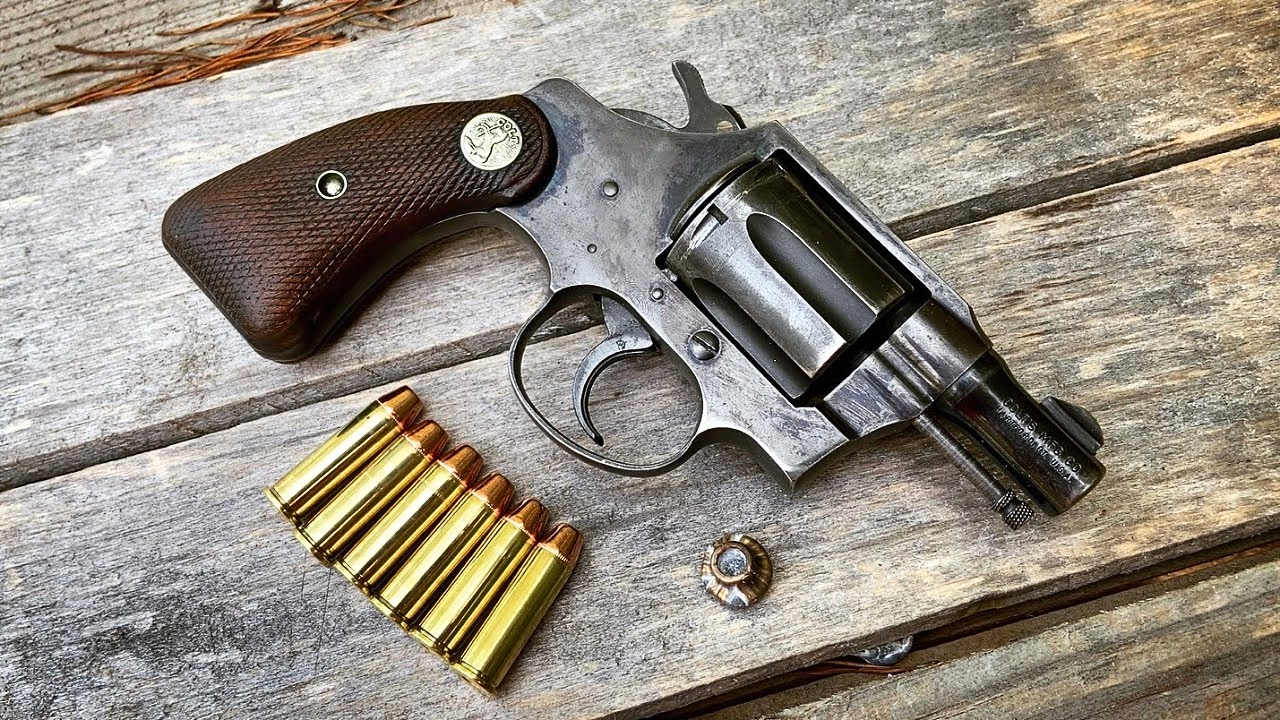
The Detective Special helped define what a serious snub-nose revolver could be. Before concealed carry became its own giant market category, this little Colt was already showing people that a compact revolver did not have to be a compromise piece. Six rounds in a small frame was a real selling point, and the gun built a following with detectives, plainclothes officers, and everyday carriers who valued that extra capacity.
It also proved something else that still matters now: a handgun does not have to be large to earn deep trust. The Detective Special rode in pockets, ankle holsters, and coat linings long before anyone called that “EDC culture.” It built its standing by being easy to carry and dependable when it counted. That is a much stronger foundation than getting popular because people think it looks good on a screen.
SIG Sauer P226

The P226 became respected because it performed in serious circles before the average buyer ever heard much about it. Military testing, law enforcement use, and hard professional use helped build its reputation as a pistol that could take abuse and keep running. It was accurate, durable, and well mannered enough to make shooters feel confident with it from the start.
That old-school credibility still matters. The P226 was already a trusted name back when people judged a pistol more by round count and service life than by brand aura online. Yes, it is bigger than many of today’s carry guns, and yes, it comes from a different era of handgun design. But it earned real respect before internet trends had a chance to distort what quality looked like.
Beretta 92FS

The Beretta 92FS was getting used, tested, carried, and argued over in the real world long before social media turned every handgun discussion into a brand war. Its military service alone gave it a level of visibility most pistols never reach, but that does not explain why so many shooters stuck with it afterward. They stayed with it because it shot softly, held plenty of ammunition, and proved itself reliable in a well-maintained setup.
A lot of people today focus too much on the size or the double-action system and miss what made the gun important. For many shooters, the 92FS was their first real example of a duty pistol that felt smooth, controllable, and trustworthy. It was already a known quantity before internet gun culture ever got loud. That kind of earned reputation does not disappear just because trends change.
Glock 17
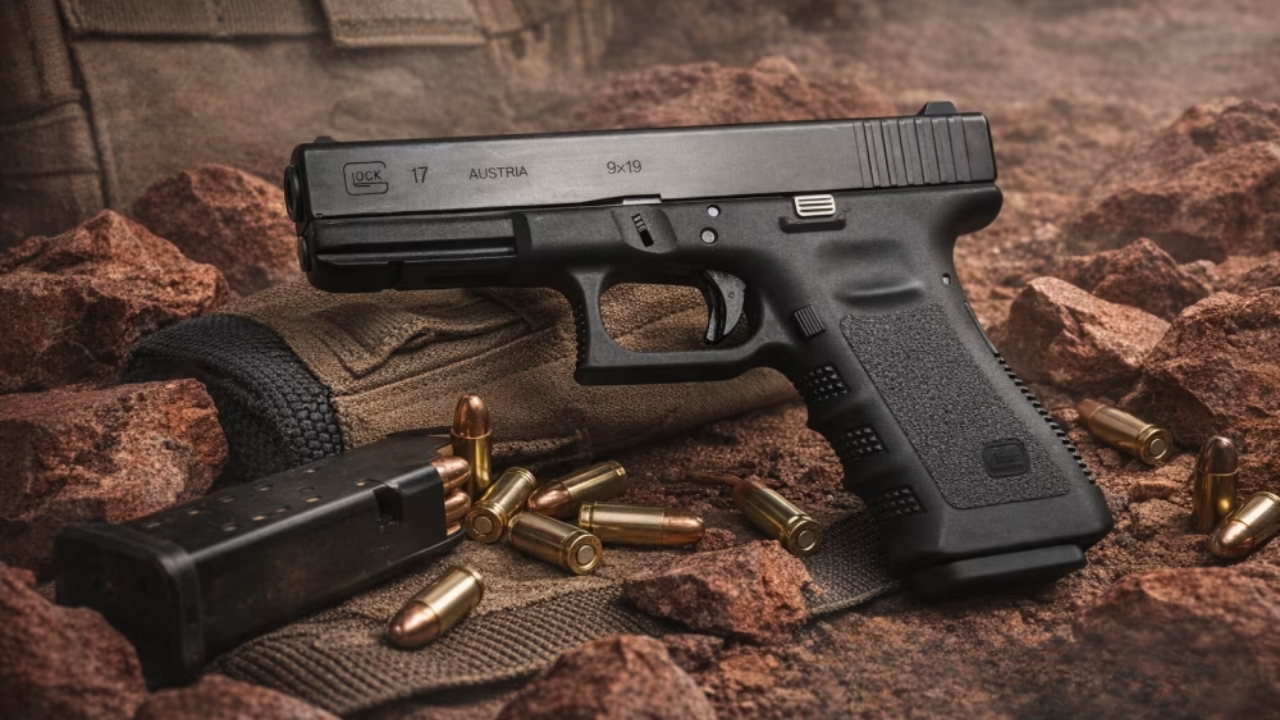
It is easy to forget now, but the Glock 17 was once the new thing people doubted. Before it became the most copied striker-fired formula in the handgun world, it had to prove that a polymer frame, simple internals, and a different feel could survive hard use. It did exactly that. Law enforcement adoption, range performance, and sheer durability built this pistol’s reputation long before it became fashionable to praise or hate it online.
What made the Glock 17 matter was that it changed expectations by actually working, not by promising to. It was simple to maintain, easy to shoot acceptably well, and dependable enough to win over people who were not looking for novelty. You can love it or be tired of hearing about it, but it absolutely earned its standing before social media ever turned Glock opinions into personality traits.
Smith & Wesson Model 19
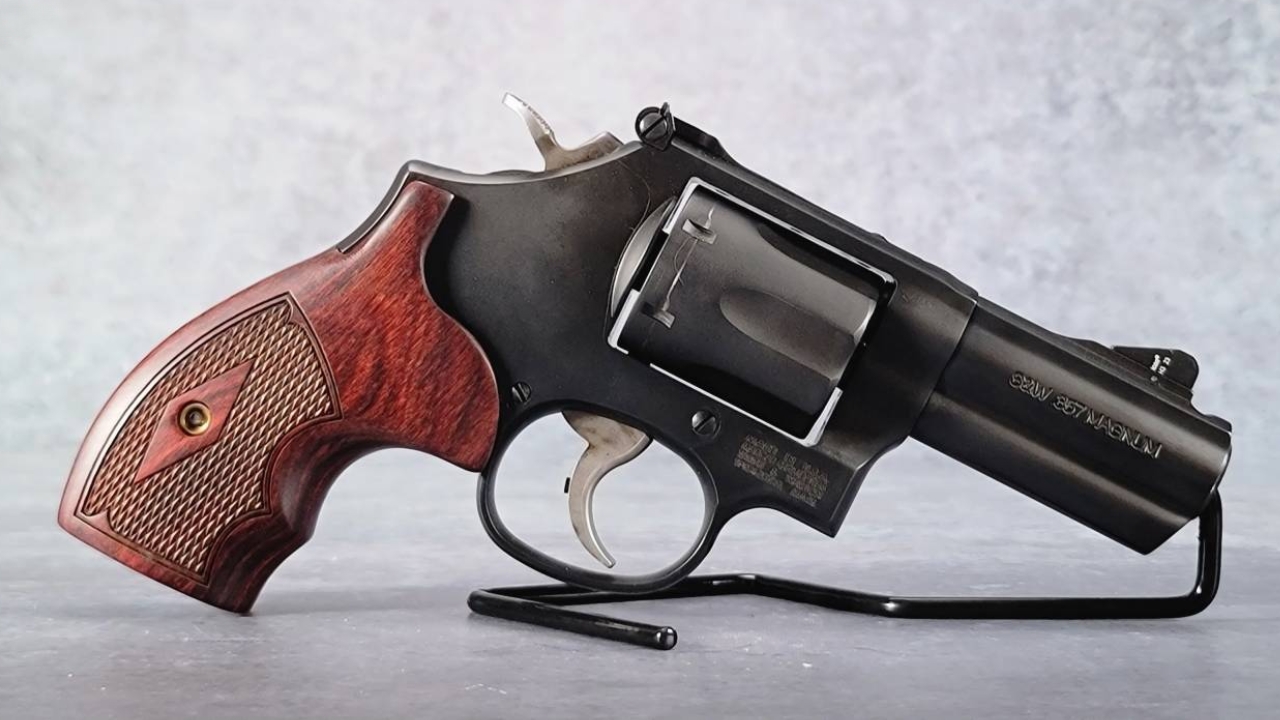
The Model 19 proved that a fighting revolver could still have some refinement to it. This was a .357 Magnum that balanced power and portability better than many bigger revolvers, and that balance made it a favorite with lawmen, outdoorsmen, and experienced shooters who wanted a serious sidearm without carrying a brick on their hip. It got its reputation from people who actually depended on handguns, not from trend-chasing.
There is also something to be said for how well the Model 19 fit real-world use. With .38 Special loads it was manageable and pleasant. With .357 Magnum loads it had real authority. That flexibility made it more than a one-note revolver. Long before internet debates made every caliber and platform feel like a tribe, the Model 19 was already proving that a smartly chosen handgun could do a whole lot well.
Ruger GP100

The GP100 built its reputation through toughness, plain and simple. It was never the revolver people bought because it was delicate or elegant. They bought it because it felt like it could take a beating and still ask for more. That mattered to shooters who ran heavy magnum loads, spent real time on the range, or wanted a sidearm for trail use without worrying about babying it.
That kind of trust does not come from hype. It comes from seeing a gun hold up year after year while other options start showing wear or shaking loose. The GP100 became one of those revolvers people recommended because they had actually used it, not because they wanted to sound informed. Even now, when people talk about durable working revolvers, the GP100 still comes up because it earned that place honestly.
CZ 75

The CZ 75 had a loyal following before a lot of American shooters even knew what they were missing. Once people got real trigger time with one, the appeal made sense fast. It pointed well, held a good amount of ammunition, handled recoil nicely, and gave shooters a steel-frame 9mm that felt steady and confidence-inspiring. It built a serious reputation through actual performance, not marketing noise.
Part of what made the CZ 75 stand out was that it felt like a pistol made by people who understood shooting. It was practical, but it also had personality. Shooters who found one often stayed loyal because the gun kept backing up first impressions with solid results. By the time social media started helping pistols go viral, the CZ 75 had already spent years being one of the handguns knowledgeable shooters quietly respected.
Smith & Wesson Model 686

The 686 became a trusted revolver because it did exactly what people needed a magnum revolver to do without making excuses. It handled .357 Magnum well, balanced nicely for a full-lug gun, and gave shooters a sidearm that could work for range use, defense, or field carry. A lot of revolvers got admired. The 686 got used, and that is a different level of approval.
Shooters trusted it because it felt substantial without being clumsy, and because Smith & Wesson’s L-frame idea solved real problems for people who wanted magnum durability with good shootability. That matters more than any internet wave ever could. The 686 was already a serious answer before anybody was making “top five wheelgun” posts. It earned its place the hard way, through repetition, confidence, and years of practical use.
Ruger Mark II

The Ruger Mark II is one of those pistols that does not need flashy praise because its track record already says enough. For years, it was one of the rimfire pistols people bought when they wanted something that could actually stay in the collection instead of becoming a range-bag regret. It was accurate, sturdy, and built for a kind of long-term ownership that a lot of newer guns never quite deliver.
That matters because rimfire pistols often reveal how a company really approaches quality. The Mark II earned loyal owners by being more than a casual plinker. It was a trainer, a small-game pistol, a bullseye option, and a dependable range companion all at once. Long before online gun culture started acting like every new .22 was a breakthrough, the Mark II had already proven what a good rimfire handgun should feel like.
Walther PPK
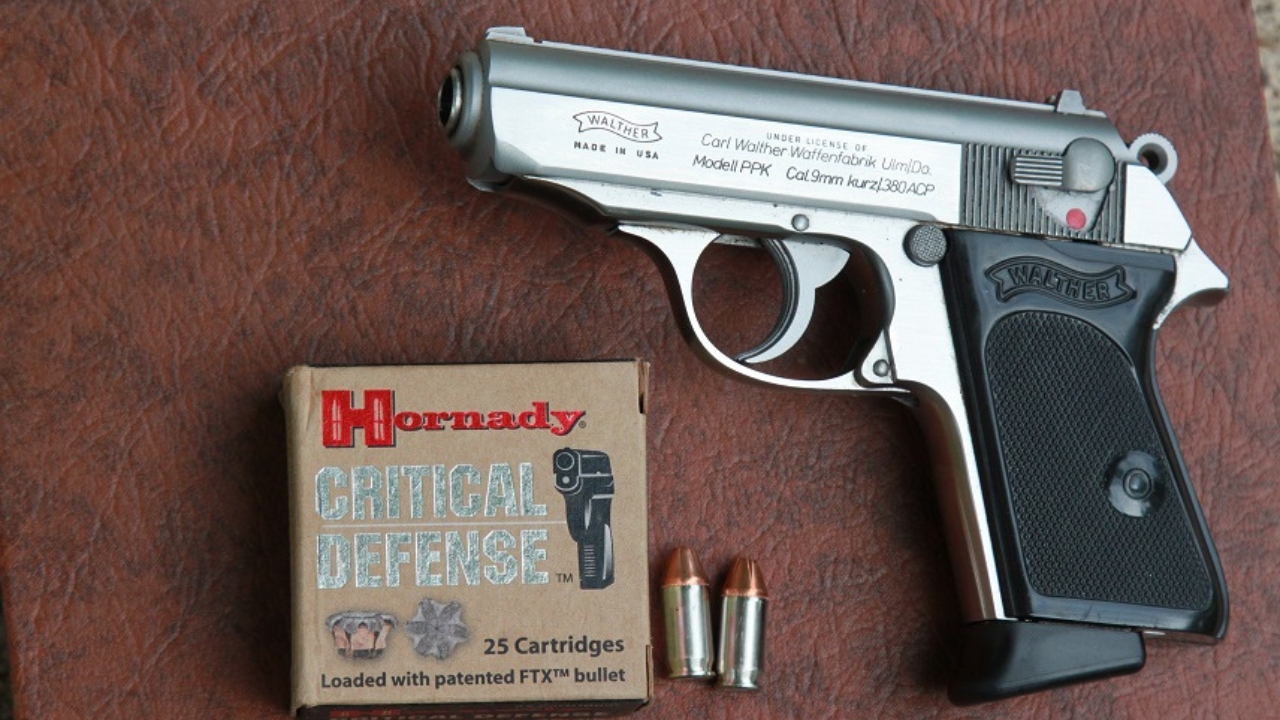
The Walther PPK gets remembered for its style, but that should not overshadow the fact that it built real credibility as a compact defensive pistol long before modern concealed-carry trends took over. It was slim, easy to hide, and serious enough in its day to be carried by people who wanted a sidearm that disappeared well without feeling flimsy. That gave it standing beyond the pop-culture image.
Of course, the PPK is also a good reminder that proven does not always mean perfect by modern standards. Even so, it deserves respect for what it did in its own time. It helped show that a compact handgun could still feel serious and trustworthy. Its reputation was built through real carry appeal and long-term familiarity, not because somebody online decided retro pistols were suddenly cool again.
Colt Python

Before the Python became a flex piece for collectors and online gun photos, it had already established itself as one of the revolvers people admired for real reasons. The fit, the finish, the smooth action, and the accuracy all helped it stand out in a market that was full of capable wheelguns. Shooters did not respect it because it was expensive. They respected it because it performed like a top-tier revolver.
That reputation came from range use and ownership experience, not from people repeating old myths. The Python had the kind of feel that made shooters notice immediately, but it backed that first impression up with performance. Yes, today it gets caught up in collector talk and price arguments. Still, long before that noise took over, the Python had already done the hard part of proving it was more than a pretty face.
Browning Buck Mark

The Buck Mark is one of those handguns that quietly built a strong reputation while louder, more fashionable guns grabbed attention. Shooters liked it because it was accurate, comfortable, and easy to spend time with. That may sound basic, but basic things matter when you are talking about a rimfire pistol that needs to keep people coming back to the range instead of annoying them into buying something else.
That steady usefulness is exactly why the Buck Mark deserves a place here. It proved itself in the hands of shooters who cared about results more than trends. It trained beginners, entertained experienced shooters, and gave people a dependable .22 that felt like a real handgun instead of a throwaway range toy. Long before people started chasing whatever pistol had momentum online, the Buck Mark had already built a reputation that lasted.
Like The Avid Outdoorsman’s content? Subscribe to our newsletter so you never miss an article.
Here’s more from us: