Photo credit: HF Firearms/YouTube
There’s nothing worse than buyer’s remorse when it comes to handguns. Maybe it looked good on the shelf or racked smooth at the gun store. Maybe the price tag made it seem like a smart deal. But after a few range trips or one rough day carrying it, some pistols leave you staring at the case and thinking, “Why did I bring this thing home?” They’re the guns that promise more than they deliver—whether it’s performance, comfort, or reliability. You don’t need gimmicks or flashy marketing. You need a pistol that runs, points well, and doesn’t make you second-guess your decision every time you lace up your boots.
Kimber Micro 9

The Kimber Micro 9 has the looks, but it doesn’t hold up in the field. For a pistol that’s supposed to be carry-ready, it’s surprisingly snappy and unforgiving. The short sight radius and slick grip panels make fast follow-ups feel like a chore.
You’ll also run into feeding issues depending on the ammo. Some shooters report problems even with quality ball rounds. The trigger isn’t terrible, but it’s not what you’d expect for the price. It’s one of those guns you wanted to like—until you spent enough time trying to make it run consistently. It ends up being more of a safe queen than a reliable sidearm.
Taurus Spectrum

The Taurus Spectrum seems like a decent option if you’re on a budget, but once you put a few boxes through it, the flaws become hard to ignore. The ergonomics feel off, and the mushy trigger doesn’t help anything.
It has a tendency to choke on hollow points, and the slick frame doesn’t inspire much confidence when you’re trying to get a solid grip under pressure. Controls feel underbuilt, and some users deal with mag drop issues. You might’ve picked it up as a backup or tackle box gun, but even in that role, it’ll leave you frustrated more often than not. It’s a pistol that wears out its welcome fast.
Remington R51
The R51 was supposed to be Remington’s modern throwback to the old Pedersen design. Instead, it turned into one of the more regrettable handgun purchases in recent memory. The initial batch had serious functional issues, and even later versions weren’t great.
The delayed blowback system sounds good until you realize it adds complexity without much benefit. Ergonomics are odd, the slide racks weird, and malfunctions pop up often enough that it becomes hard to trust. It’s not a fun gun to shoot, and it’s even less fun when you’re clearing failures every few mags. Most folks who bought one probably don’t admit it anymore.
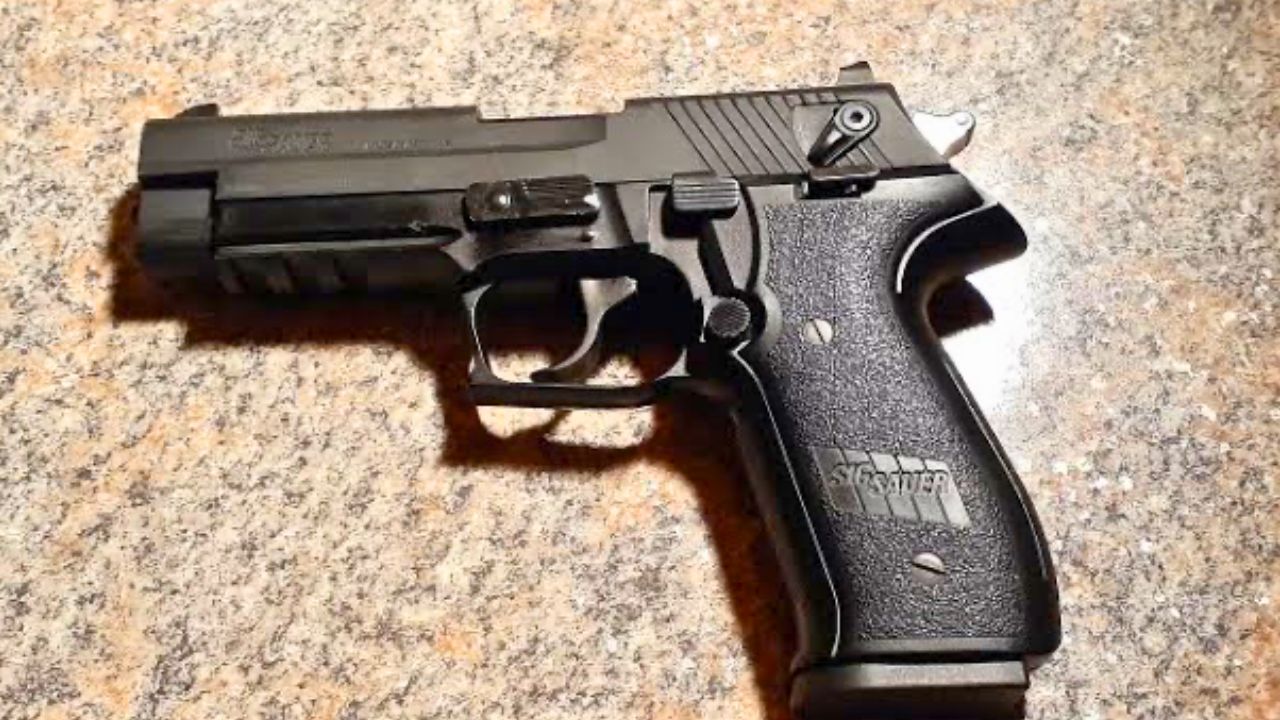
Sig Sauer Mosquito

On paper, a .22 LR from Sig Sauer should be a winner. But the Mosquito has been plagued with cycling issues since day one. It’s ammo picky to the extreme, and unless you feed it high-velocity stuff, it’s going to jam or short-stroke.
The trigger’s heavy, the controls feel dated, and accuracy isn’t anything to brag about. A .22 should be easy and fun, but the Mosquito feels like a chore. You spend more time diagnosing failures than you do actually shooting. It’s a pistol that seemed like a smart addition to the safe—until it proved it wasn’t even good for plinking.
KelTec P3AT
If you’ve ever shot the P3AT, you know exactly why it makes this list. It’s tiny and lightweight, sure—but that comes at a cost. The trigger is long and gritty, recoil is surprisingly unpleasant, and the lack of sights doesn’t help at all.
It was never meant to be a range gun, but even in its intended role, it leaves you wondering if there are better options. And there are. Lots of them. Reliability is hit or miss, and the finish wears fast. If you needed something for deep concealment in a pinch, maybe it served a purpose. But long-term? Most folks end up replacing it.
SCCY CPX-2

The SCCY CPX-2 offers a lot for the price, but once you actually use it, you’ll probably understand why it sits untouched in so many safes. The double-action trigger is long and heavy, which makes precision difficult even at close range.
It’s bulky for what it is, and the takedown process isn’t the most intuitive. While some examples run fine, others have feeding or extractor issues that seem to come out of nowhere. The finish doesn’t hold up well, especially if you carry it regularly. It’s a pistol that tries to punch above its weight—and ends up reminding you why cheap doesn’t always mean good value.
Walther CCP
The CCP looked like a promising option for shooters wanting low recoil and an ergonomic grip. But the gas-delayed blowback system ended up causing more problems than it solved. It’s a weird system to clean, and the disassembly process is clunky.
Trigger feel is mediocre, and some shooters deal with reliability problems when the gun starts to foul up. While it does shoot softer than other compacts, it doesn’t bring enough to the table to make it worth the trouble. Between awkward controls, odd takedown, and inconsistent cycling, it’s not the carry gun you thought it would be when you first picked it up.
Like The Avid Outdoorsman’s content? Be sure to follow us.
Here’s more from us:
The worst deer rifles money can buy
Sidearms That Belong in the Safe — Not Your Belt
*This article was developed with AI-powered tools and has been carefully reviewed by our editors.