Photo credit: RKY Photo/Shutterstock.com
You ever mount a good optic on a rifle, shoot a couple boxes through it, and suddenly your zero’s wandering or your reticle looks like it got dropped down the stairs? It’s not always the scope’s fault. Some rifles are just optic killers. Between heavy recoil, sloppy harmonics, poor threading, or violent bolt operation, they chew through scopes faster than you can file a warranty claim.
You expect this from big boomers with steel buttplates, but I’ve seen mid-tier hunting rifles with no muzzle brake do just as much damage. The worst part? They’re usually the ones folks don’t expect trouble from. So let’s get into the ones that’ll wreck your glass and leave you holding the bag when it matters most.
Remington 770
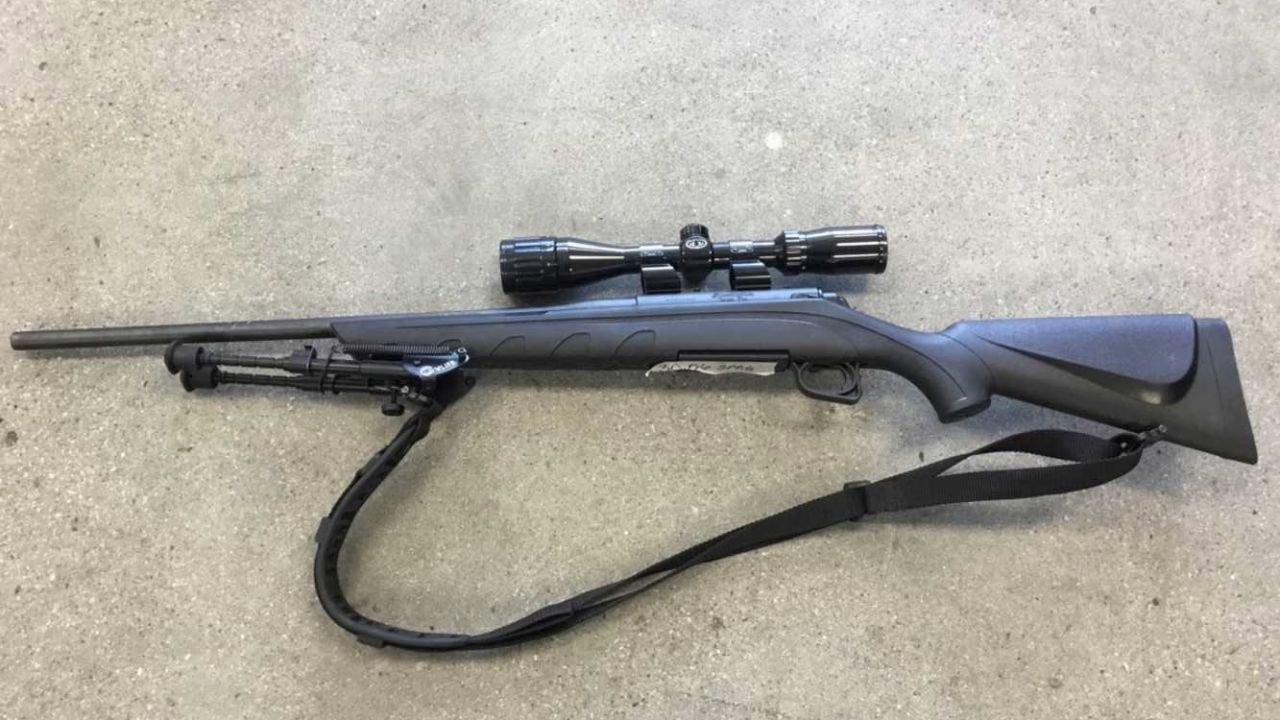
You might think a .30-06 bolt gun wouldn’t be too hard on optics, but the Remington 770 proves otherwise. The action is rough, the bolt slams with force, and recoil impulse feels sharp and unrefined. All of that adds up to jarring shot cycles that beat on budget scopes. Even mid-priced optics tend to lose zero after a season on this one.
Part of the issue is the synthetic stock, which flexes and transfers energy unpredictably. It also doesn’t help that most 770s came with low-end factory scopes already mounted. If you’ve got one and wonder why your crosshairs don’t hold still, it might be the rifle—not the scope’s fault alone.
Savage Axis II in .308

The Axis II in .308 can feel like it bucks harder than it should, especially in the lightweight configuration. It’s not uncontrollable, but the recoil hits in a way that rattles scopes that aren’t built to take a beating. The rifle’s budget-friendly build leaves little to dampen that jolt, and if your rings aren’t torqued just right, expect to chase your zero.
The issue isn’t that it’s a bad rifle—it’s that the platform doesn’t offer much forgiveness. Add in some factory-loaded hunting ammo with hot loads, and it can shake internal scope components loose faster than you’d expect. It’s a common combo you see in the field—and a common one you see in the warranty line too.
Mosin-Nagant M44
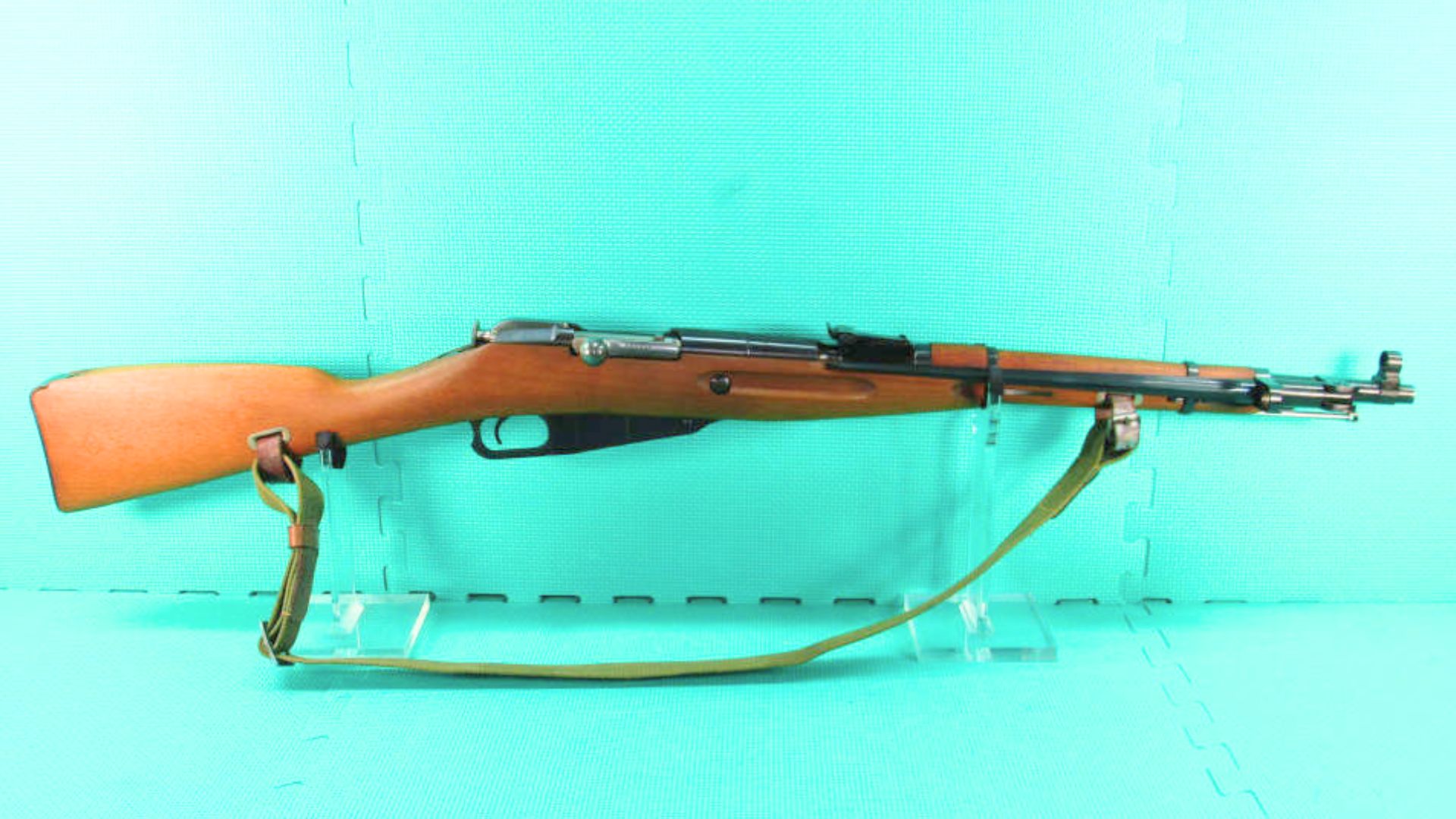
The M44 kicks like a mule and throws a fireball big enough to roast a squirrel. When folks slap a cheap scout scope on the rear sight or mount one on the receiver, it usually doesn’t last long. This rifle doesn’t have a reputation for playing nice with optics, especially when paired with surplus ammo that slams back harder than expected.
The steel buttplate, short barrel, and front-heavy balance make it a scope-shaker. Even when you mount decent glass with quality rings, you’ve got to check your zero constantly. It’s fun to shoot, no doubt, but if you’re expecting consistency out of an optic mounted to a battered old M44, you might be asking too much.
Marlin 1895 GBL in .45-70

Big-bore lever guns like the 1895 GBL are notorious for breaking scopes. That .45-70 recoil doesn’t come with a sharp jab—it comes with a full-body shove. Even with a thick pad, the recoil impulse jars the entire rifle and sends a whole lot of force right up into your glass.
Many hunters run these with compact optics or scout-style setups, which tend to take more abuse. Add in the fact that many shooters use hot Buffalo Bore-style ammo, and you’ve got a recipe for a wandering zero or busted reticle. You need heavy-duty mounts and top-tier glass if you plan to scope one of these and keep it together.
Howa 1500 in .300 Win Mag

The Howa 1500 is generally a solid platform, but in magnum calibers like .300 Win Mag, it can be a bit harsh on optics—especially when housed in a lightweight hunting stock. There’s a snappy recoil pulse and not a lot of dampening, which leads to a violent shake that mid-range scopes don’t always handle well.
The problem usually isn’t noticeable until you hit the 40–50 round mark. That’s when POI starts shifting, or your windage knob doesn’t click like it used to. If you plan on running magnum rounds through a Howa, skip the budget optics and lock down your mounts like your zero depends on it—because it does.
Zastava M70 in 7.62×39
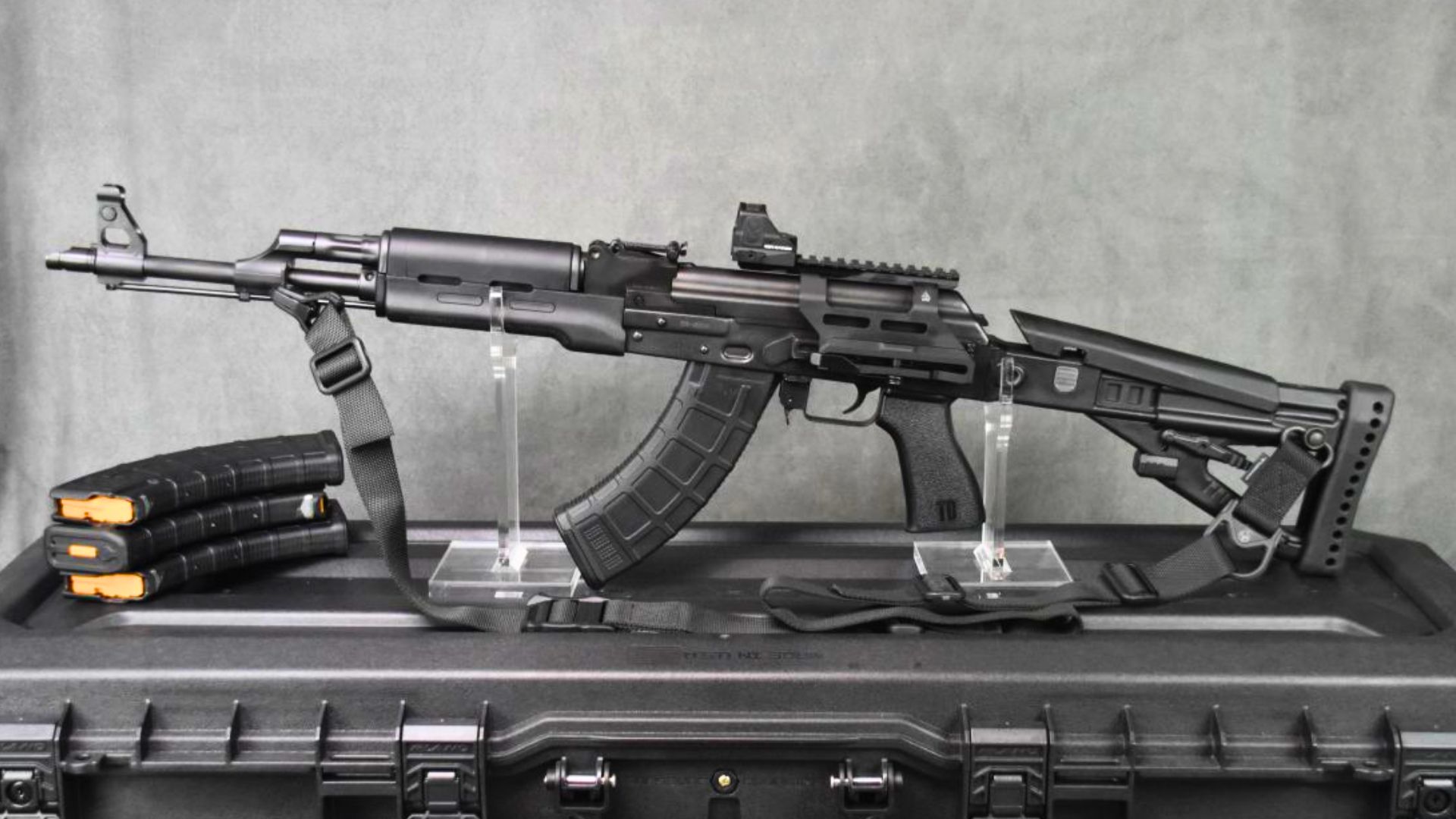
This rifle might not seem like a scope killer at first glance. It’s not high recoil, and the 7.62×39 is a mild round. But the issue lies in the uneven bolt throw and loose tolerances, which combine with cheap side-rail mounts that don’t hold zero. If you’re using a dust cover mount? Good luck.
These rifles love iron sights but aren’t friendly to glass—especially when folks try to modernize them on the cheap. The vibration and side-to-side wobble from the action slap scopes around, especially lower-end red dots or LPVOs. If you’re dead-set on scoping one, invest in solid hardware and check your zero often.
Remington 742 Woodsmaster
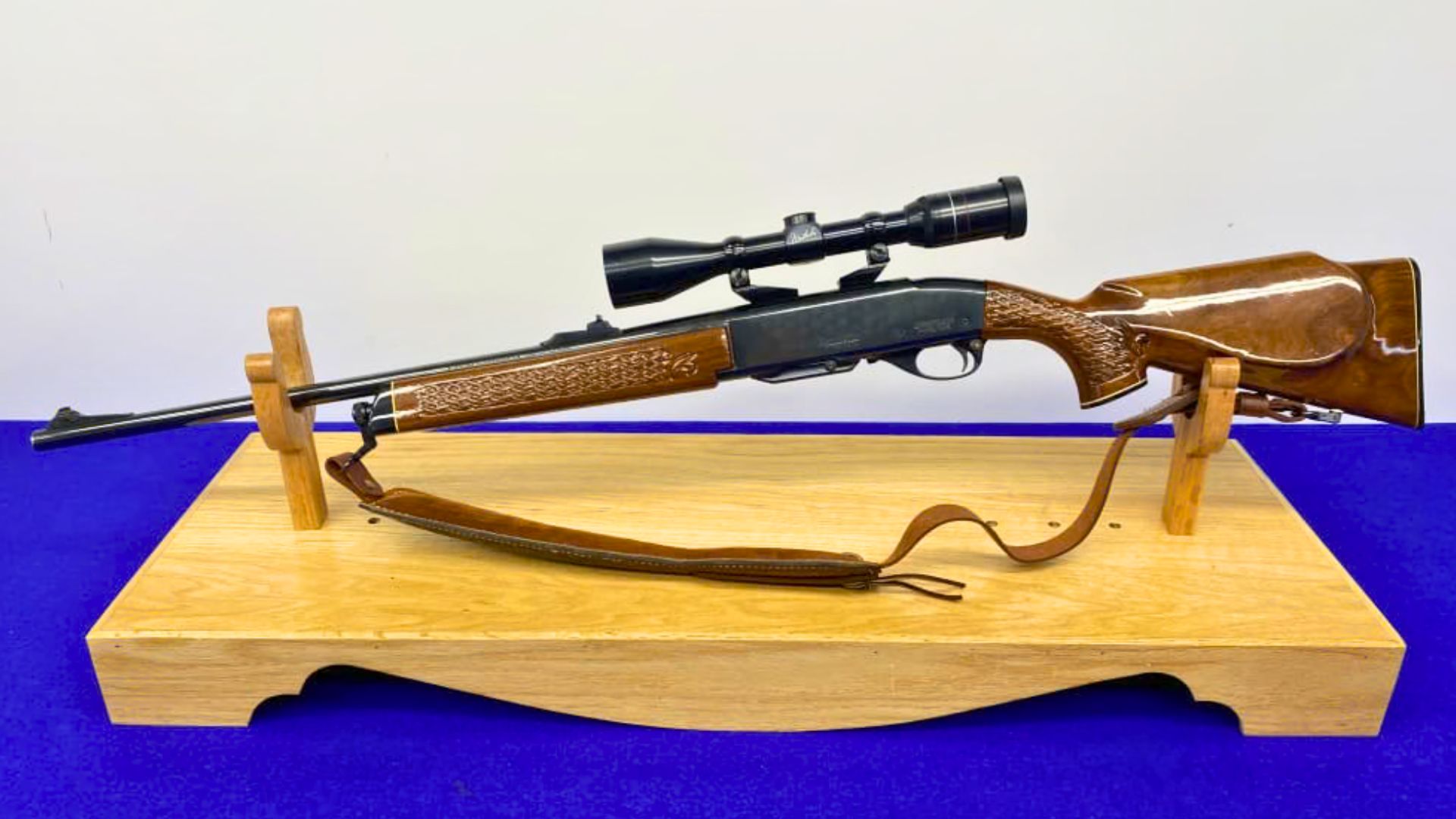
The old Woodsmaster has a following, but when it comes to optics, it’s far from gentle. The semi-auto cycling system is jarring, and every round rattles the whole platform in a way bolt actions don’t. Scope rings mounted to the receiver often shift slightly with time, especially if they’re not torqued right.
Add in the fact that these rifles were rarely babied, and you’ve got worn threads and uneven mounting surfaces making things worse. A lot of hunters over the years have blamed their scope, when really the rifle’s sloppy gas operation was beating it to death. It’s a classic rifle, but you’ve got to babysit your setup.
Ruger American Ranch in 7.62×39
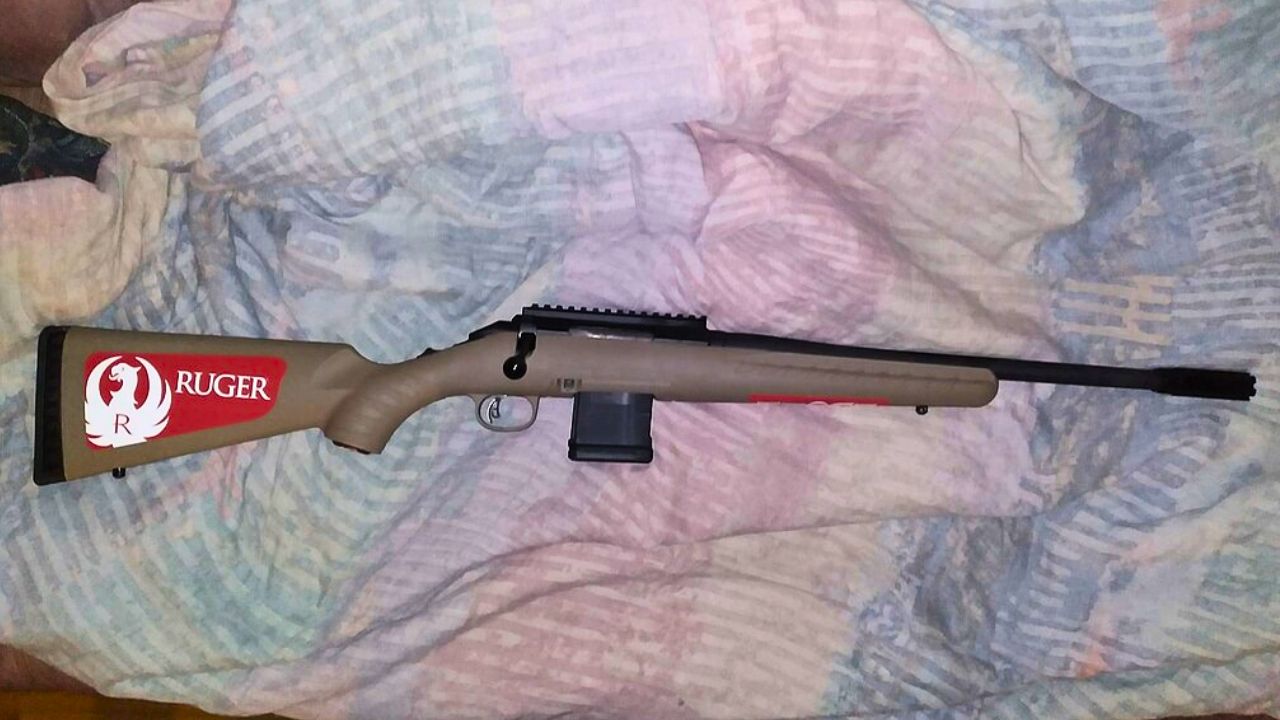
Lightweight, handy, and surprisingly accurate—but the Ranch in 7.62×39 is harder on optics than most people expect. The short bolt throw and abrupt lock-up give it a weird impulse, especially with steel-cased ammo. If you pair it with cheap rings or low-end glass, you’ll likely end up chasing groups that never settle.
Part of the problem is shooter expectations. Folks think a mild caliber like 7.62×39 won’t need a sturdy optic. But this rifle’s ultralight build means more of that recoil is hitting your glass instead of being absorbed. If you’re running anything other than iron sights or a tough red dot, don’t skimp on the mount or the optic.
Norinco SKS with Scope Mount

Slap a scope on an SKS, and you’re inviting trouble. The rifle wasn’t designed for optics, and most mounts—especially those that replace the dust cover—are inherently unstable. Add in the violent cycling and you’ve got an optic that’s constantly shifting even if you Loctite the screws.
The 7.62×39 recoil isn’t bad, but the shock from the bolt carrier slamming around is what does the damage. Most scopes on these end up getting re-zeroed every trip or develop issues with reticle shift. If you absolutely have to scope an SKS, do yourself a favor and invest in a bolt-on rail system that anchors solidly to the receiver.
Winchester Model 70 in .338 Win Mag

The .338 Win Mag isn’t gentle on anything, and if your Model 70 isn’t bedded properly or doesn’t have a brake, your optic’s going to feel every ounce of it. It’s not the rifle’s fault so much as the raw energy that round produces. Scope rings can walk, screws back out, and cheaper scopes give up fast.
Hunters love the Model 70, and for good reason, but most glass isn’t built for that level of recoil. Unless you’re running a high-end optic designed for dangerous game, you’re going to have problems. Check torque, check zero, and don’t assume your glass is fine until you see the groups.
Tikka T3x Lite in .300 Win Mag

This is a lightweight rifle with magnum recoil, which is already a red flag for optics. The T3x Lite bucks hard and fast, and even with a brake, the shot impulse hits like a hammer. If your scope has any weak point—turrets, tube, internal spring—it’s going to find it.
A lot of folks try to pair this rifle with mid-tier scopes and get burned. The recoil isn’t abusive to the shooter, but it’s abusive to optics. It doesn’t take many rounds before something shifts. If you’re thinking about scoping one of these, treat it like a big-game rifle and overbuild your setup.
Remington 7600 in .30-06

Pump-action rifles in centerfire calibers don’t get enough attention when we talk about scope abuse. The 7600 slams hard when you shoot and again when you rack the pump. That dual shockwave shakes mounts and internals in ways bolt actions don’t.
The real issue is the sudden stop of the pump—it’s like hitting a speed bump with your scope. Many of these rifles see field use year after year, and over time, that beating shows. Turrets stop tracking, reticles shift, and eye relief mysteriously changes. It’s a handy brush gun, but treat your scope like it’s riding in a dump truck.
Like The Avid Outdoorsman’s content? Be sure to follow us.
Here’s more from us:
The worst deer rifles money can buy
Sidearms That Belong in the Safe — Not Your Belt
*This article was developed with AI-powered tools and has been carefully reviewed by our editors.