Photo credit: Andrew Magill – CC BY 2.0/Wiki Commons
It doesn’t take long to realize that not every pistol is worth the money. Some promise more than they deliver, whether it’s through flashy marketing, inflated price tags, or unreliable performance. Shooters figure out quick when something isn’t worth keeping—and those guns either end up sold at a loss or collecting dust in the back of a safe. These are the pistols folks look back on and admit were a bad buy. They might’ve looked good at first, but the regret didn’t take long to show up.
Kimber Micro 9

The Micro 9 had the looks and the price tag, but the reliability wasn’t there for a lot of folks. Feeding issues, weak extraction, and erratic performance with common ammo made it hard to trust. Some owners spent more time troubleshooting than shooting.
Even after break-in periods and cleaning, malfunctions were too common to overlook. For a carry pistol, that’s not something you want to gamble on. A lot of shooters ended up moving on to something more dependable—and losing money in the process.
Remington RP9
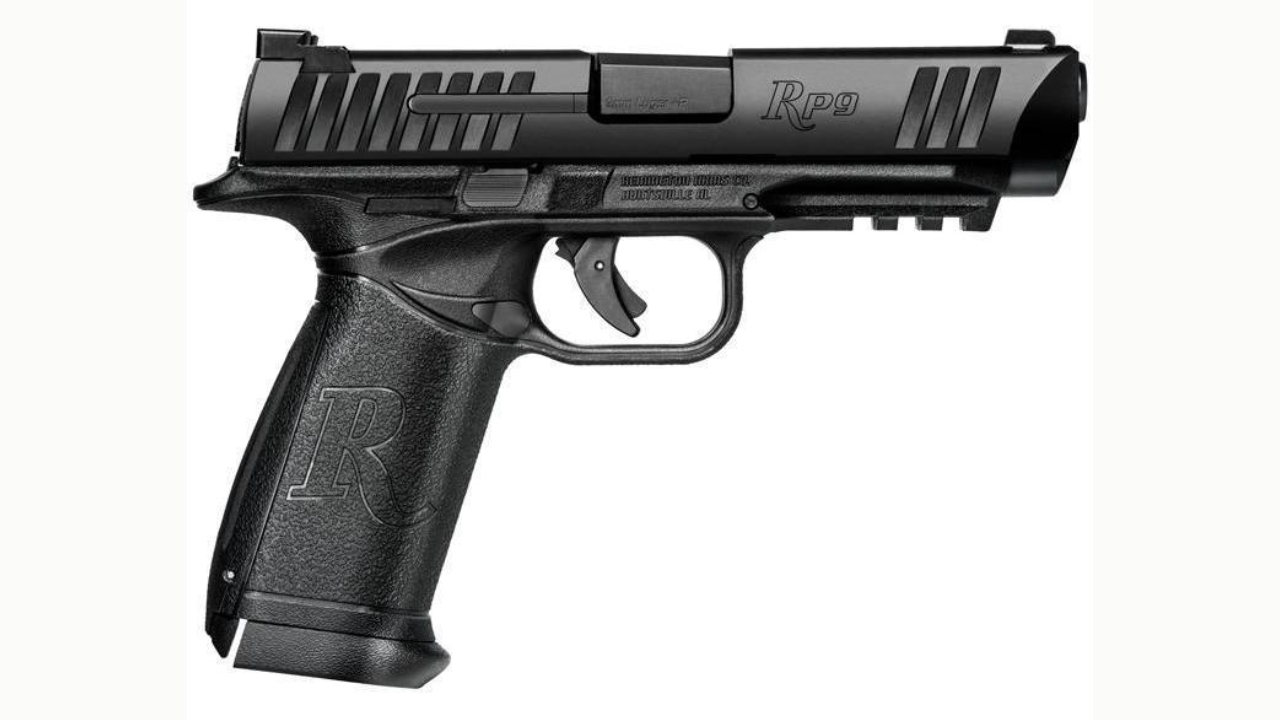
The RP9 looked like a budget-friendly full-size option, but the execution fell short. It had a bulky grip, a mushy trigger, and inconsistent reliability across ammo types. Some shooters couldn’t get through a full mag without an issue.
It didn’t feel refined, and accuracy was average at best. Even those who picked it up on sale often ended up offloading it quickly, realizing there were better options in the same price range. It’s one of those guns that looked like a deal and turned out to be a dud.
Desert Eagle .44 Magnum

The Desert Eagle definitely has cool factor, but once the novelty wears off, reality kicks in. Ammo is expensive, recoil is sharp, and the thing weighs a ton. Most folks shoot it a few times and then shelve it—or try to sell it off.
For the price, you’re not getting much practicality. It’s too big for carry, overkill for most ranges, and way too heavy to enjoy for extended sessions. A lot of buyers end up admitting they should’ve spent the money on something they’d actually use.
SIG Sauer Mosquito
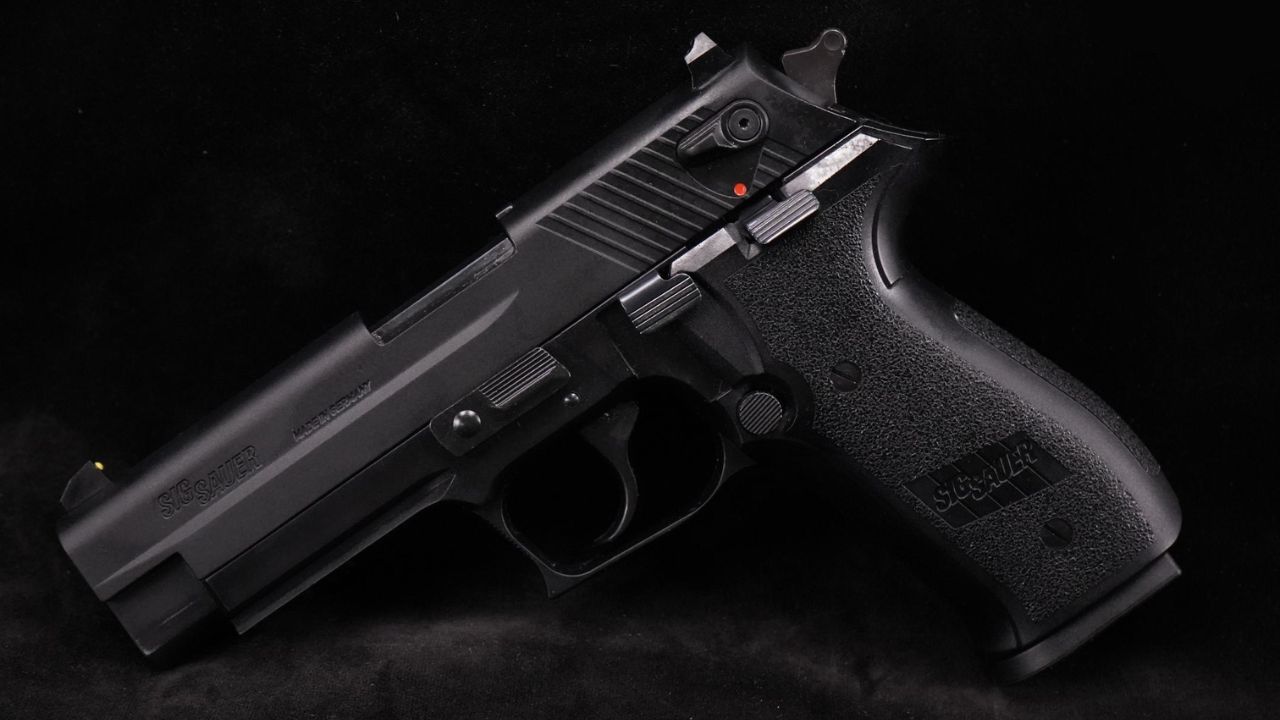
The Mosquito has disappointed a lot of shooters looking for a reliable .22 trainer. It’s known for being picky with ammo, prone to light strikes, and generally inconsistent in function—even when cleaned and lubed.
Most folks expected SIG-level reliability and didn’t get it. High-velocity rounds work better, but even then, it’s hit or miss. For the price, it underperforms compared to other rimfire pistols. Many owners regret the purchase and end up switching to a Ruger or Browning instead.
Taurus Curve
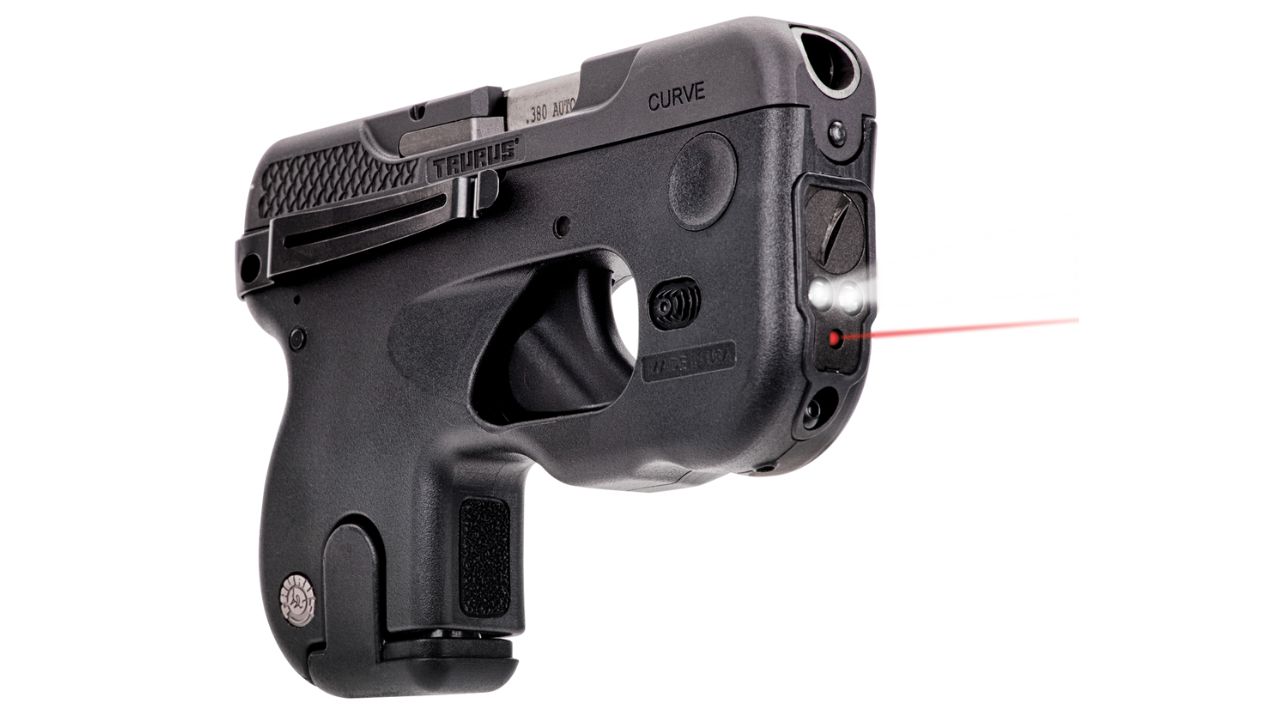
The Curve was supposed to be revolutionary with its contoured design and built-in clip—but it ended up being more gimmick than tool. The trigger’s bad, the accuracy is worse, and the lack of traditional sights makes aiming a guessing game.
Plenty of owners reported issues with reliability, feeding, and ergonomics. The idea sounded clever, but in practice it didn’t hold up. Most shooters who bought one moved on quick, realizing it wasn’t a platform they could trust or train with effectively.
Walther CCP (Original Version)

The original CCP came with a unique gas-delayed blowback system that added complexity without much benefit. Disassembly was awkward, and reassembly even worse. Malfunctions weren’t rare, and heat buildup caused more issues.
Even though the ergonomics felt good, too many shooters found the experience frustrating. Walther later improved things with the M2 version, but the damage was done. Many owners of the original CCP felt burned and ended up replacing it with something easier to live with.
Hi-Point C9
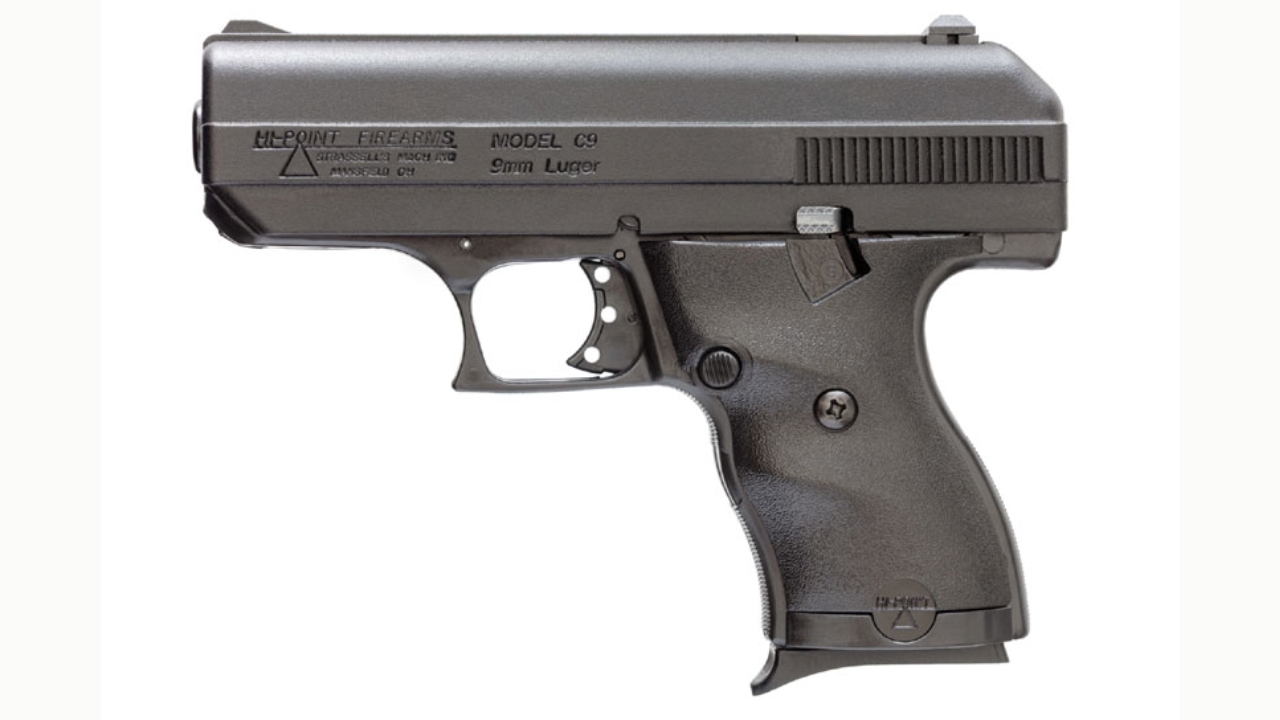
The C9 technically works, but a lot of buyers end up regretting the purchase after a few range trips. It’s bulky, top-heavy, and has one of the worst triggers you’ll find on a handgun. Accuracy is decent—but that’s about where the praise ends.
The recoil feels off for a 9mm, and the ergonomics are awkward. While some buy it as a beater or backup, most agree it’s not something they enjoy shooting. For a few bucks more, there are better-built options that don’t feel like a brick.
Beretta Pico

The Pico was compact and easy to carry—but painful to shoot and annoying to operate. The slide is stiff, the magazine release is awkward, and the trigger feels more like a chore than a break. It’s not exactly range-friendly.
Plenty of owners found it snappy, slow to reload, and hard to love. While it might disappear well in a pocket, the trade-offs in shootability and comfort pushed a lot of people away. It’s one of those guns that looked good in theory and disappointed in the real world.
Springfield XD-E

The XD-E was meant to bring a hammer-fired DA/SA option into the slim 9mm carry world, but it never quite took off. The trigger reset is long, the recoil feels sharper than expected, and the controls don’t feel natural to most shooters.
It didn’t bring enough to the table to compete with more established compact pistols. While it functioned fine, many buyers found it underwhelming—and resale wasn’t great either. You’re left with a pistol that shoots okay but rarely gets taken to the range again.
Colt All American 2000
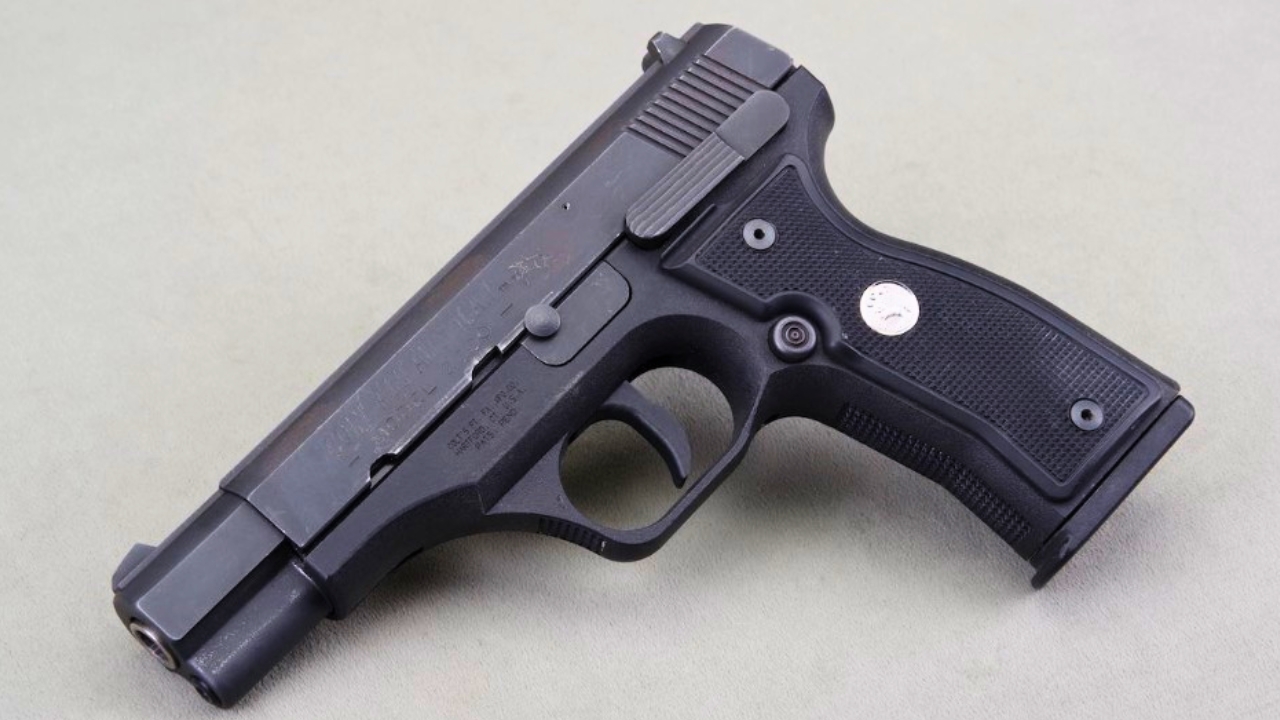
The All American 2000 was Colt’s attempt to modernize, but it was plagued with problems from the start. Accuracy was inconsistent, the trigger was heavy and long, and reliability was all over the place. It never earned much trust.
Collectors might keep them now for curiosity’s sake, but actual shooters who bought it back when it launched were left disappointed. Colt shelved it quickly, and most who owned one were glad to move on—even if they lost money doing it.
*This article was developed with AI-powered tools and has been carefully reviewed by our editors.