Photo credit: Roman Kosolapov/Shutterstock.com
A rifle that won’t hold impact after riding in the truck is the kind of problem you don’t discover until it costs you a shot you should’ve made. Some rifles drift because of thin barrels heating unevenly, others because the stock flexes when it’s bumped against a door frame or tossed in the back seat. You also see rifles lose their zero when the action isn’t bedded well or the optic rail isn’t aligned perfectly.
If you’ve spent any time bouncing around gravel roads during deer season, you learn quickly which rifles can take abuse and which ones wander after every bump. These are the rifles that simply don’t stay put once the terrain—or the truck—gets rough.
Remington 770

The Remington 770 has always struggled with impact shift because of its flimsy synthetic stock. Even small pressure changes near the fore-end can push the barrel enough to alter point of impact. When it’s riding in a truck, that flex becomes a problem fast. A hard bump against a door panel or seat frame can change how the fore-end presses against the barrel channel.
On top of that, the scope mounts on these rifles often need constant attention. Many hunters notice that even after tightening everything down, the rifle won’t keep a stable zero if it’s moved around too much. It’s a rifle that’s fine until the road gets rough.
Savage Axis (first generation)

Early Axis rifles had stocks that were notoriously flexible. When you set one in the truck and it leans slightly against gear or a rubber floor mat, the stock can flex enough to change barrel harmonics. That’s the kind of shift you don’t see until you fire another group.
The action screws also need to be monitored closely. A long day of vibration in a side-by-side or pickup can loosen them just enough to cause vertical stringing. The rifle shoots acceptable groups on the bench, but once it’s bounced around, the point of impact is rarely where you left it.
Mossberg ATR

The Mossberg ATR was affordable, but the synthetic stock didn’t offer much stability. If the rifle rests against anything with pressure on the fore-end, even mild contact can push the barrel slightly off center. In a truck, where bumps and shifting gear are constant, that becomes a recurring issue.
The bedding system is another weak point. The action sits in a molded recess without enough rigidity to stop micro-movements after vibration. Over time, even a few hours in a rutted pasture can have you chasing your zero again. It’s a rifle that never felt settled in real-world handling.
Ruger American Ranch (first generation stock)

The early Ruger American Ranch rifles shot well at the bench, but their flexible stocks could cause accuracy changes after being bumped around. When the forend twists under light side pressure, the barrel makes inconsistent contact, and that can move your impact more than you’d expect.
The bedding block system helps, but truck vibration still introduces small shifts. Hunters often report that their zero drifts slightly after long drives on washboard roads. Once you understand the stock’s limitations, you see why some people replace it before trusting the rifle off pavement.
Winchester XPR (early production)

The Winchester XPR has had batches where the stocks weren’t as rigid as they needed to be. This leads to changes in point of impact whenever the rifle takes a side load while being transported. The barrel channel can also contact the stock if anything bumps it inward.
The rail screws need periodic checks, especially if you drive gravel roads. The vibration puts enough stress on them to cause loosening over time. On the bench, the rifle behaves well, but that performance disappears once it’s bounced around for a full day.
Thompson/Center Compass

The T/C Compass is known for good accuracy in controlled conditions, but the injection-molded stock is easily flexed. If it sits crooked in the truck or shifts under gear, the pressure changes just enough to alter impact. That’s something you’ll notice especially with lightweight barrels.
The recoil lug bedding area can also settle over time, which makes the rifle sensitive to vibration. If you drive in rough terrain often, the Compass tends to show point-of-impact movement you didn’t expect when you first sighted it in.
Remington 710

The Remington 710 has long been known for inconsistent bedding and lightweight construction. When the rifle is exposed to vibration or minor bumps, the action can shift slightly within the stock. That alone can walk your impact several inches at hunting ranges.
The package scopes included with many 710s also struggled to hold zero. Even with better optics, the rifle’s flexing forend and inconsistent barrel channel make it unreliable in a truck. It’s a rifle that simply doesn’t handle rough handling well.
Howa 1500 “Hogue stock” models

The Howa 1500 action is excellent, but the Hogue overmolded stock allows enough flex to create issues when it’s squeezed against something in a truck cab. If the forend twists even slightly, accuracy suffers, and the point of impact can shift more than people expect.
The rubber exterior also grabs onto surfaces instead of sliding, which means it’s more likely to get wedged or pressured when bouncing around. Many shooters upgrade to a stiffer stock for that exact reason.
CVA Cascade (synthetic models)

The CVA Cascade shoots well for its price, but the flexible synthetic stocks don’t always stay consistent under rough transport. A rifle that sits wedged between a seat and a duffel bag can slowly warp toward one side of the barrel channel.
Repeated bumps on ranch roads are enough to change how the action settles into the stock. Even small seating shifts can affect impact. Most hunters who carry them in trucks learn to re-check zero more often than they would with a stiffer rifle.
Marlin X7

The Marlin X7 had a strong reputation for accuracy but a weak one for stock rigidity. The synthetic stocks flex noticeably at the fore-end, and pressure against the barrel causes wandering point of impact. In a truck, that pressure is practically guaranteed.
The bedding system also isn’t strong enough to resist movement from vibration. After a day of bouncing around, many shooters see horizontal drift they didn’t have on the bench. The rifle can be accurate, but it doesn’t handle rough storage well.
Savage 110 Hunter (AccuFit stock flex)

The AccuFit stock on some Savage 110 Hunter models can flex more than expected, especially in the forend. When the rifle gets bumped sideways or pressed against interior panels, the barrel contact changes, and so does the impact.
Even though the AccuStock system helps stability, it doesn’t fully eliminate the issue for those who carry the rifle in a truck daily. Many hunters notice that accuracy is excellent in calm settings but inconsistent after transport on rough roads.
Weatherby Vanguard Synthetic

The Vanguard action is excellent, but the basic synthetic stocks are easily flexed. When the rifle rides in a truck, the contact points along the fore-end change constantly. That affects barrel harmonics and shifts the impact slightly every time it’s bumped.
The factory bedding isn’t loose, but it isn’t rigid enough to resist vibration from hours of rough driving. If you rely on a Vanguard for hard-use, a stiffer aftermarket stock usually solves the problem.
Remington 783

The Remington 783’s synthetic stock has a narrow forend that flexes under moderate pressure. Even resting it unevenly in a truck rack or letting it lean against a toolbox can cause the barrel to shift enough to affect point of impact.
Vibration also takes a toll on the bedding area, which can compress slightly. That leads to rifles that group well initially but wander after real-world handling. It’s accurate with good ammo, but unpredictable after being bounced around.
Rossi RB series
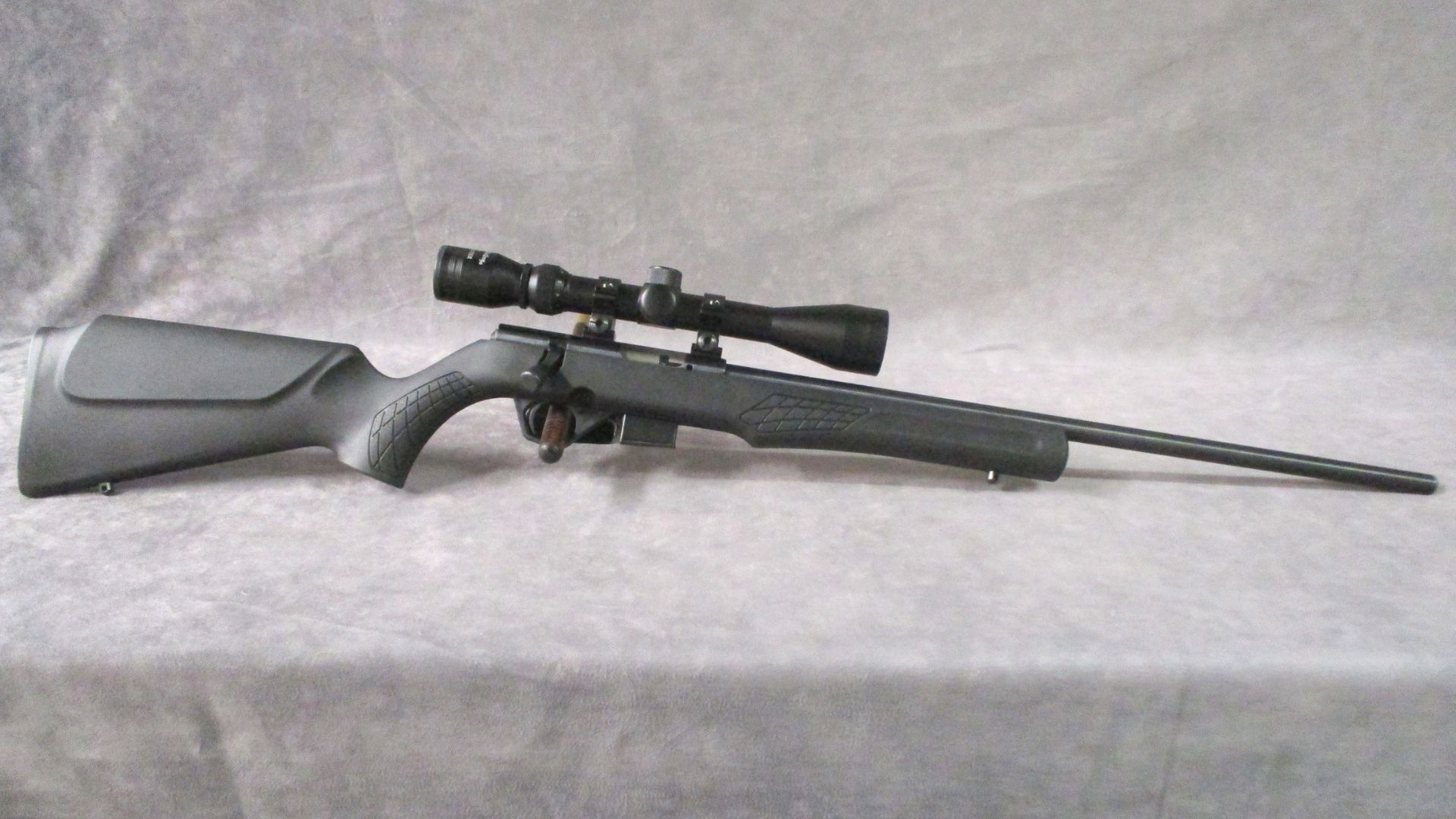
Rossi’s budget bolt guns can be surprisingly accurate, but the lightweight frames and flexible stocks are very sensitive to pressure. When you set one down in a truck, the stock can twist enough to affect your next shot.
The rail screws also need frequent checking. Rough terrain creates just enough movement to loosen them over time. These rifles simply aren’t built for the kind of treatment they get during day-to-day hunting seasons.
Mossberg Patriot Synthetic

The Mossberg Patriot shoots acceptable groups, but the stock flexes noticeably if it’s pressed against something. That makes it prone to shifts whenever it’s riding loose in a truck or bouncing around behind the seat. The narrow fore-end doesn’t help.
The action bedding area also settles more than it should. After long drives or rough trips, many shooters see their zero move without realizing anything changed. It’s a rifle that needs careful handling, especially during long seasons on rough ground.
Like The Avid Outdoorsman’s content? Be sure to follow us.
Here’s more from us: