Photo credit: Dmitri T/Shutterstock.com
Every instructor has a few handguns they can spot from across the range and instantly know what kind of day they’re in for. It’s not that these pistols never work—some do—but they tend to bring headaches that show up during drills, reloads, and accuracy checks. You see the same stoppages, the same bad triggers, and the same shooters trying to force a gun to do something it was never built to do.
When a handgun fights you more than it helps you, instructors notice. And when they see certain models walk out of the case or unzip from a soft pouch, the eye-roll is automatic.
Taurus G2C

The Taurus G2C is affordable and easy to carry, but instructors know it often brings accuracy and reliability frustrations. The long trigger pull makes clean breaks difficult, and many shooters struggle to keep rounds centered once the recoil starts bouncing the muzzle around. Even basic drills can feel slow and choppy as students fight the gun instead of focusing on fundamentals.
Inconsistent lockup is another issue. Some examples run fine, but others throw flyers or choke on common hollow points. Instructors have seen enough of them on the line to expect a few stoppages and a handful of wide groups before the session is over. It’s a pistol that usually requires more coaching than most learners expect.
SCCY CPX-2

The SCCY CPX-2 has a loyal following, but its long, heavy trigger stands out for all the wrong reasons during classes. New shooters often yank shots low or drag the muzzle sideways trying to get through the pull. The result is a scattered pattern on paper that’s tough to diagnose because the gun itself exaggerates every mistake.
Instructors also see cycling issues with certain ammunition. Lightweight frames combined with snappy recoil make the pistol less forgiving when grip pressure isn’t consistent. A range session with a CPX-2 usually means more malfunctions to clear and more time spent explaining that the gun, not the shooter, is contributing to the frustration.
KelTec PF9
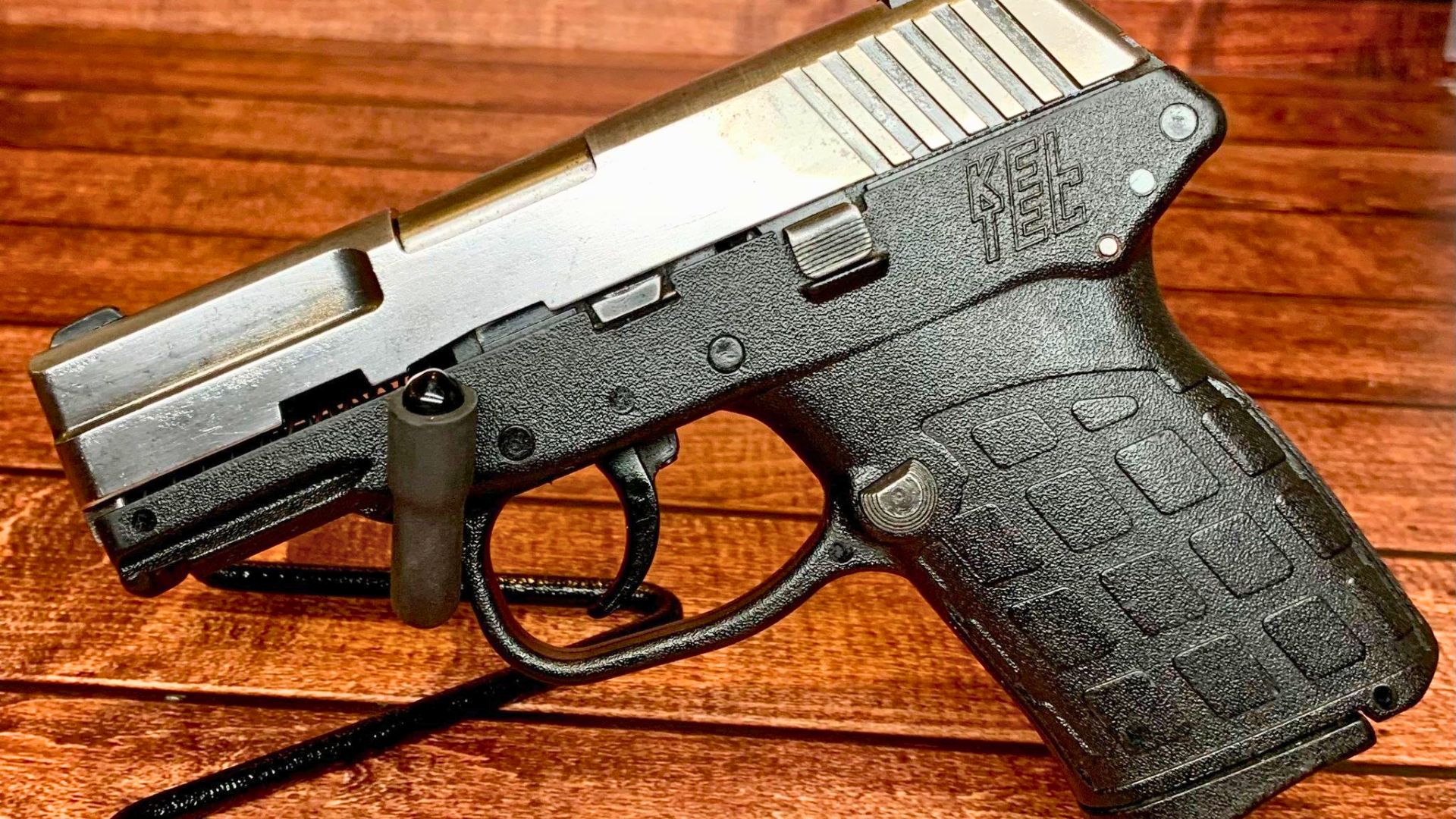
The PF9 is one of the lightest 9mm pistols around, and it shoots exactly like that. Instructors know the recoil can be downright punishing for beginners. The muzzle flips hard, the grip is narrow, and follow-up shots feel like a battle to keep the gun steady. That makes accuracy drills slow and discouraging.
The PF9 also has a reputation for spotty reliability with defensive loads. Students often struggle to keep a firm enough grip to avoid stovepipes and feed issues. When a pistol amplifies mistakes instead of helping someone learn, instructors instinctively brace themselves the second they see one come out of a case.
Hi-Point C9

The Hi-Point C9 is bulky, heavy, and awkward, but plenty of people buy it because of the price. Instructors understand that, but they also know the gun makes fundamentals harder to teach. The trigger is mushy, the sights can be inconsistent, and the overall ergonomics slow down drills that should be simple.
Stoppages pop up more than most students expect, especially once magazines start wearing in odd ways. The C9 can get through a course, but it rarely does so gracefully. When an entry-level shooter shows up with one, instructors usually prepare for slower progress and a lot of questions about why the gun feels so cumbersome.
Smith & Wesson SD9VE
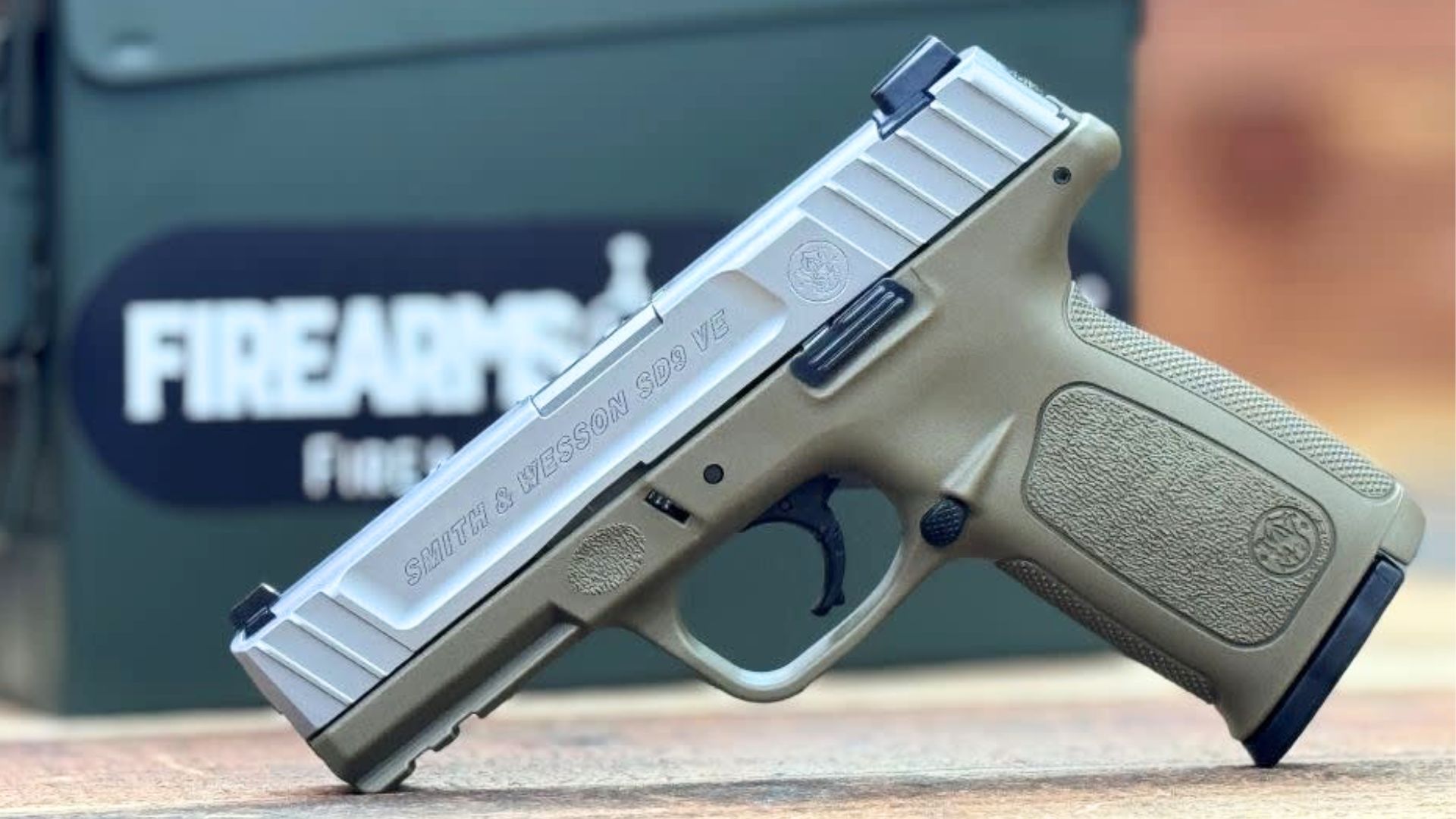
The SD9VE is known for reliability, but the trigger is a stumbling block in every class. It’s heavy, long, and gritty, which causes students to jerk or push shots. Instructors spend more time addressing trigger mechanics with this pistol than almost any other common model. Even steady shooters have trouble getting consistent groups.
The sight picture also trips people up. Some SD9VEs tend to shoot low unless the shooter compensates in ways that feel unnatural for beginners. When you’re trying to build confidence, it’s tough to do that with a gun that makes every correction feel like trial and error.
Beretta Nano

The Nano is small and slick, but instructors have watched it frustrate more new shooters than it helps. The trigger is smoother than some, yet still long enough to cause wandering groups. Combined with the short sight radius, it punishes even tiny inconsistencies in grip and alignment.
The recoil impulse is another weak spot. It’s sharp for such a small pistol, and new shooters often don’t hold it firmly enough to keep it running smoothly. You end up with cycling issues that slow drills and create unnecessary stress. Instructors rarely recommend it because they’ve seen how difficult it is to master.
Taurus PT111 Millennium
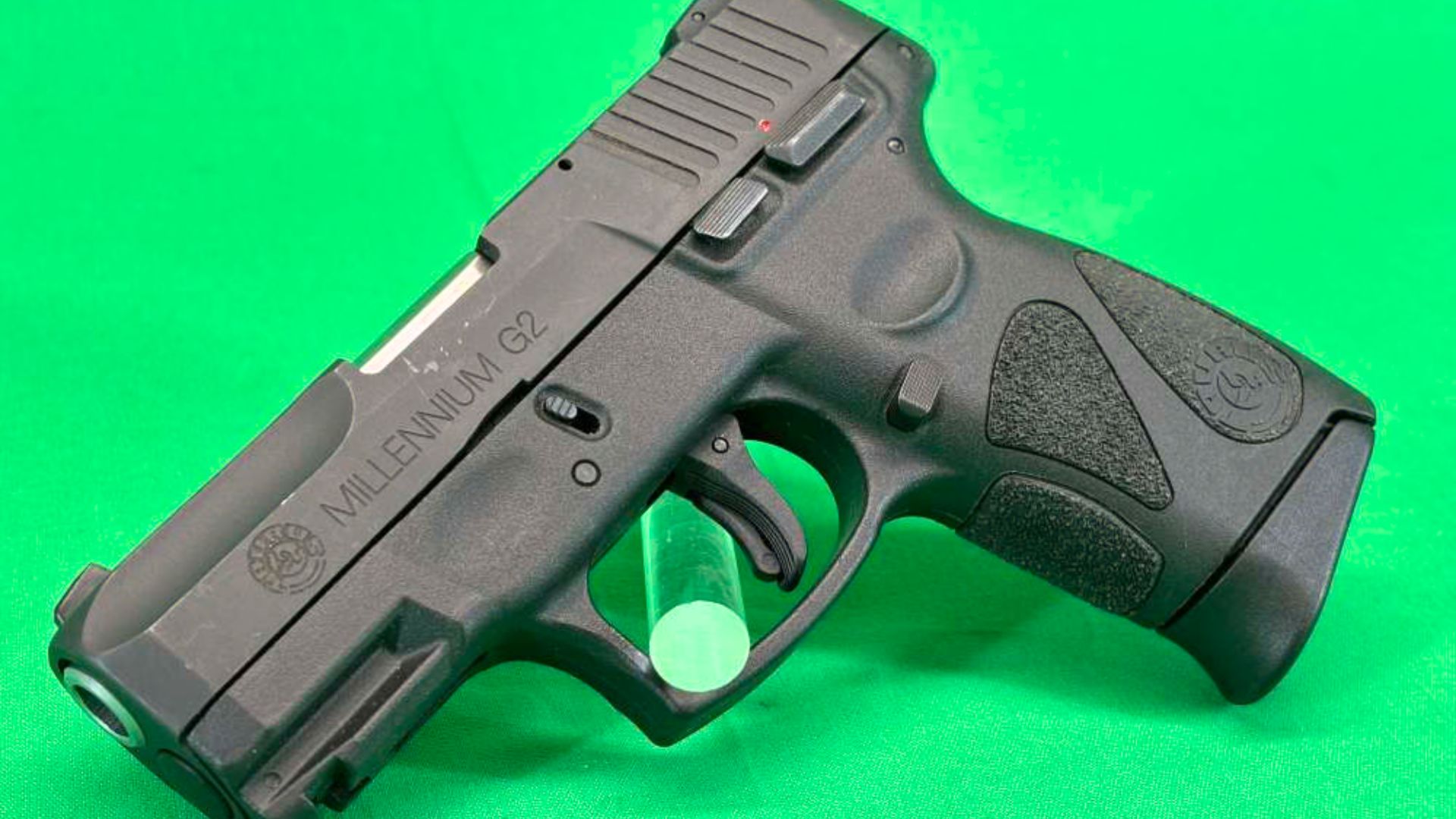
The PT111 Millennium line has been popular, but instructors know its quirks. The trigger feels long and unpredictable, causing shooters to press unevenly and drag rounds off target. Even when someone is doing everything right, the pistol doesn’t always reward them with a clean group.
Reliability issues also come up, especially with older examples. Light strikes, erratic feeding, and inconsistent lockup have all shown up during classes. These problems pull attention away from learning and toward troubleshooting. When instructors see a PT111, they usually expect at least a few mid-session pauses to sort things out.
Remington R51
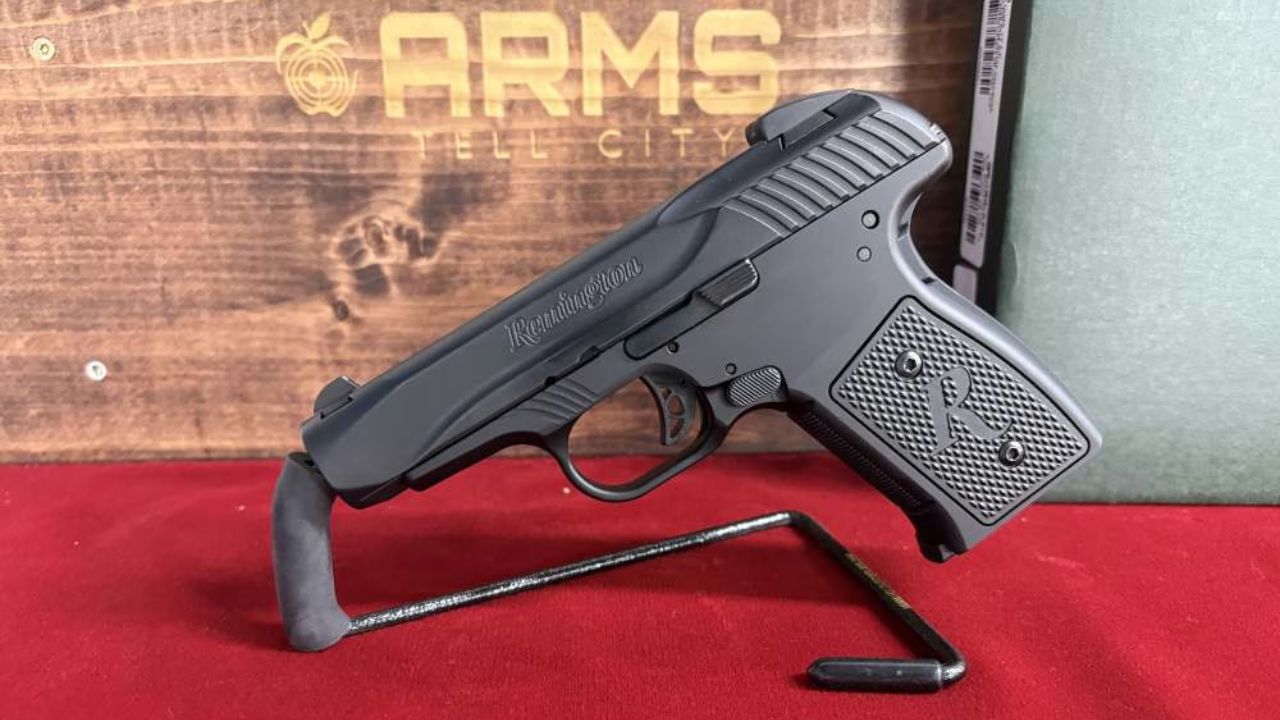
The R51 was marketed hard, but it remains one of the most troublesome pistols instructors encounter. The odd action and inconsistent build quality translate into cycling issues that show up early and often. New shooters have a tough time managing the recoil and timing, which makes failures more likely.
Accuracy isn’t much better. Many R51s print oddly shaped groups that drift across the target even when shot from a rest. When students bring one to class, instructors know they’ll spend more time diagnosing the pistol than teaching the shooter. It’s gained a reputation as a gun that complicates everything.
Glock 43 (in certain hands)

The Glock 43 isn’t a bad pistol, but instructors know it can be unforgiving. The narrow grip and brisk recoil make small mistakes look bigger on target. New shooters often struggle to control muzzle flip, causing rounds to land low or slide sideways during rapid fire.
Because the 43 is so popular, instructors see it constantly—and they see the same issues repeat. Students who assume it will shoot like larger Glocks often get discouraged quickly. It takes more technique than most expect, which is why instructors approach it with a little caution when someone brings it to class.
Kimber Solo

The Solo was meant to be a premium pocket 9mm, but instructors know it’s picky and unpredictable. It requires specific ammunition for reliable cycling, and most students don’t know that until the gun starts jamming during drills. Once the malfunctions start, they rarely stop.
The trigger and sight setup also make it tough for beginners to run cleanly. Shots wander, follow-ups feel delayed, and grouping at distance becomes frustrating. Instructors often encourage students to try a different pistol because the Solo creates hurdles that don’t need to exist.
Ruger LC9
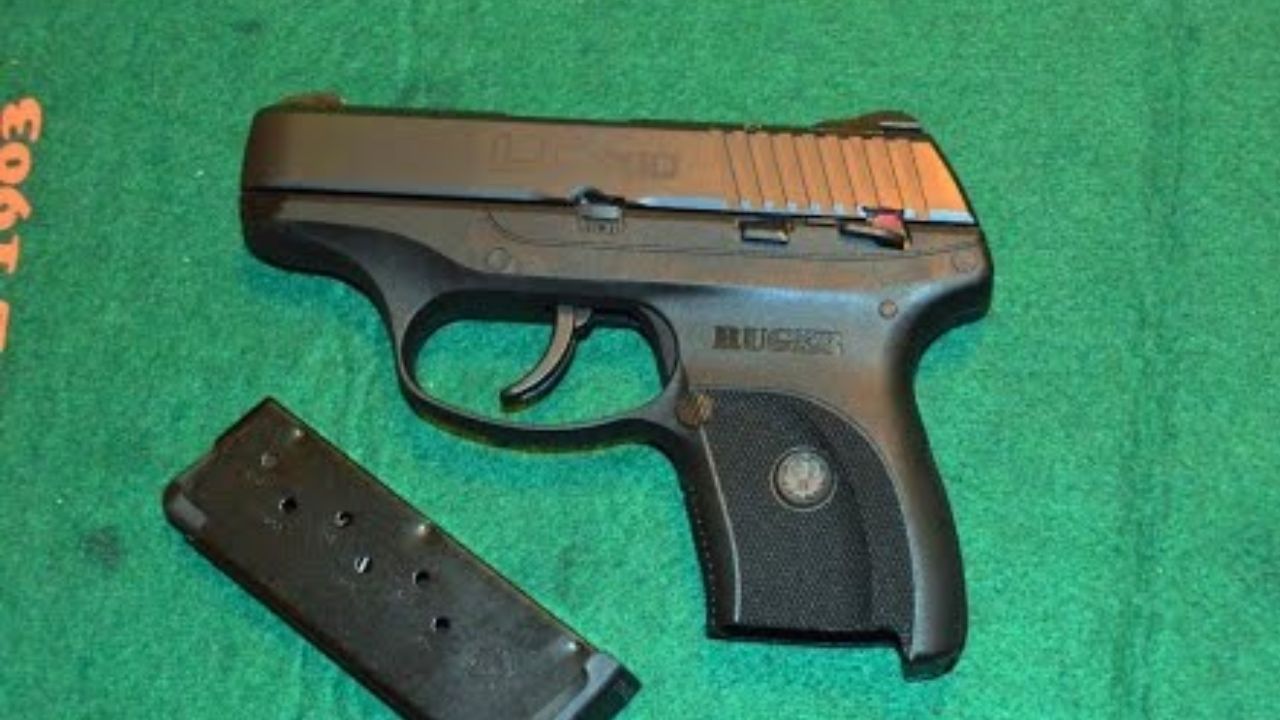
The LC9 is easy to conceal but challenging to master. Its long trigger demands a steady hand, which many new shooters are still developing. Instructors frequently see groups dipping low or spreading wide when someone is learning on an LC9.
The recoil impulse also feels sharper than expected for a Ruger. That leads to cycling issues when shooters fail to maintain consistent grip pressure. For training, the LC9 tends to slow things down and frustrate people who would shoot better with almost anything else in its size class.
KelTec P11
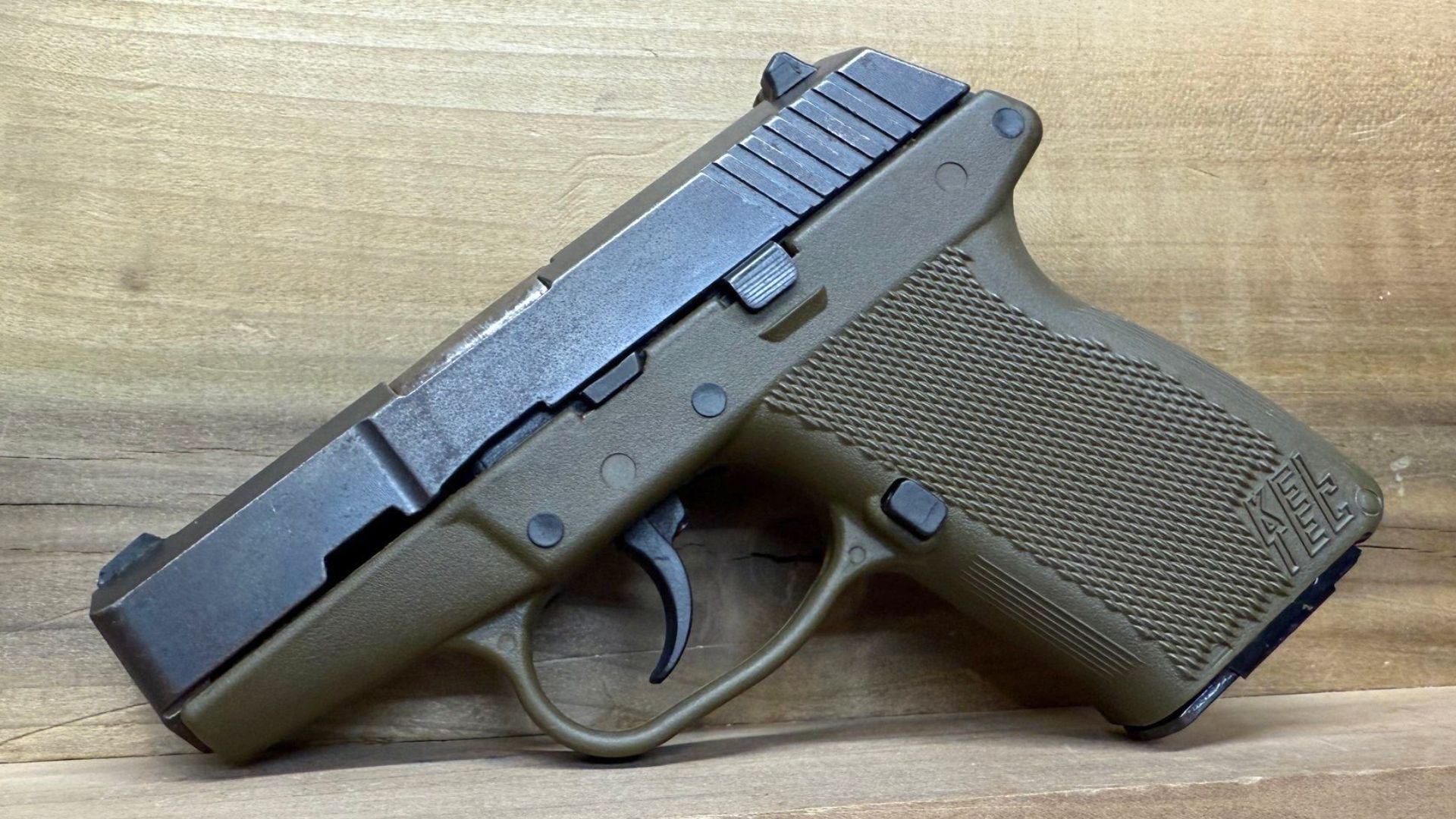
The P11 is compact and lightweight, but instructors know how much effort it takes to shoot it well. The double-action trigger is long and heavy, creating constant pulling and pushing issues on the target. Even experienced shooters sometimes struggle to stack rounds consistently.
The P11 also has a history of odd feeding habits. Students often limp-wrist it without realizing, and the gun doesn’t forgive that at all. As soon as someone pulls a P11 from their range bag, instructors understand they’ll spend extra time trying to keep the gun running smoothly.
Honor Defense Honor Guard
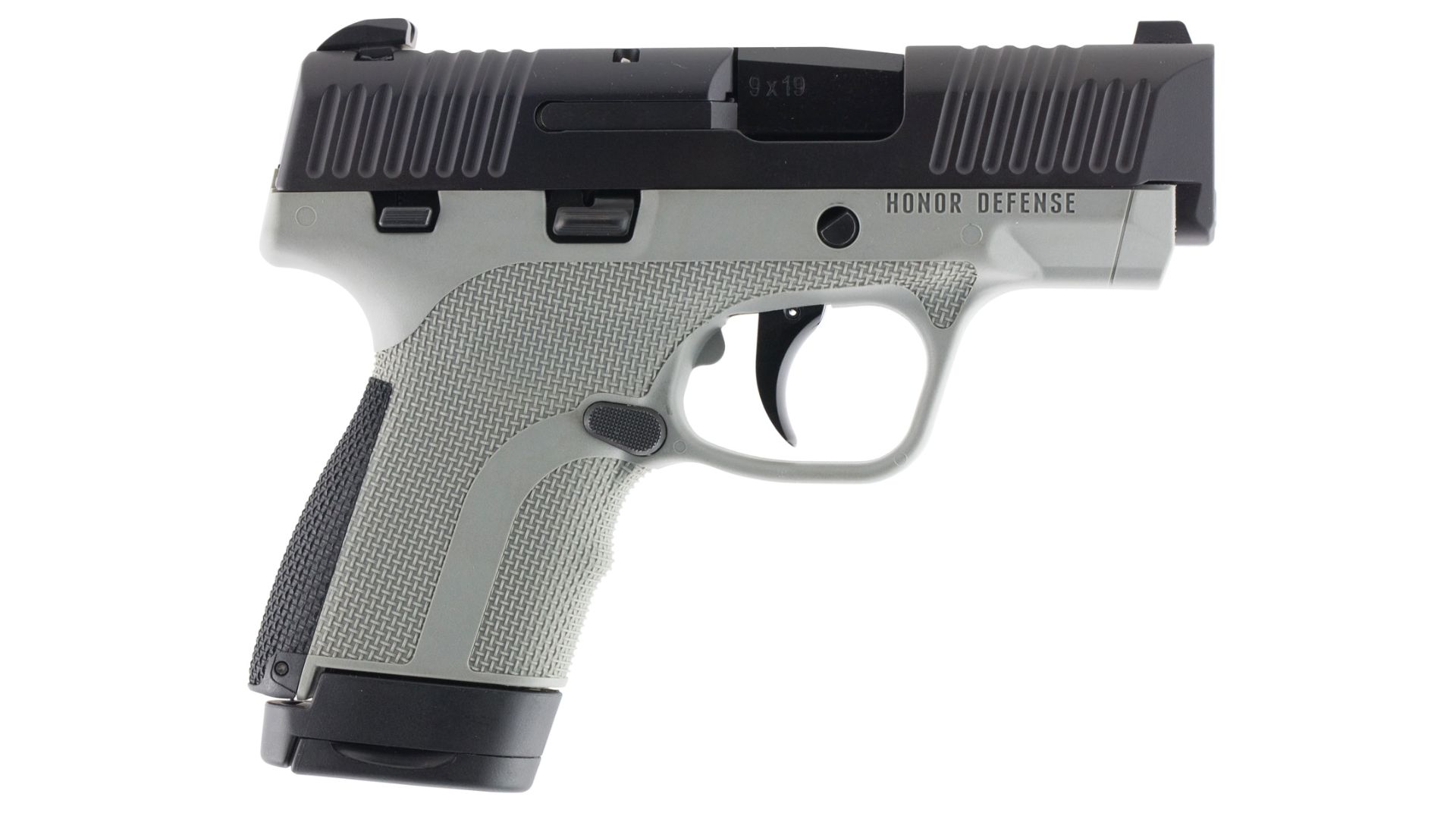
The Honor Guard has good intentions behind its design, but instructors see the same issues show up over and over—wandering groups, sluggish triggers, and inconsistent point of impact. The pistol demands very clean fundamentals, which isn’t ideal for someone still learning.
It’s also sensitive to grip pressure. Lighten up even a little and accuracy opens up immediately. Instructors have watched new shooters get discouraged quickly because the gun makes progress feel slow. It’s not the worst pistol out there, but it requires more skill than most beginners bring to the line.
SIG P290RS
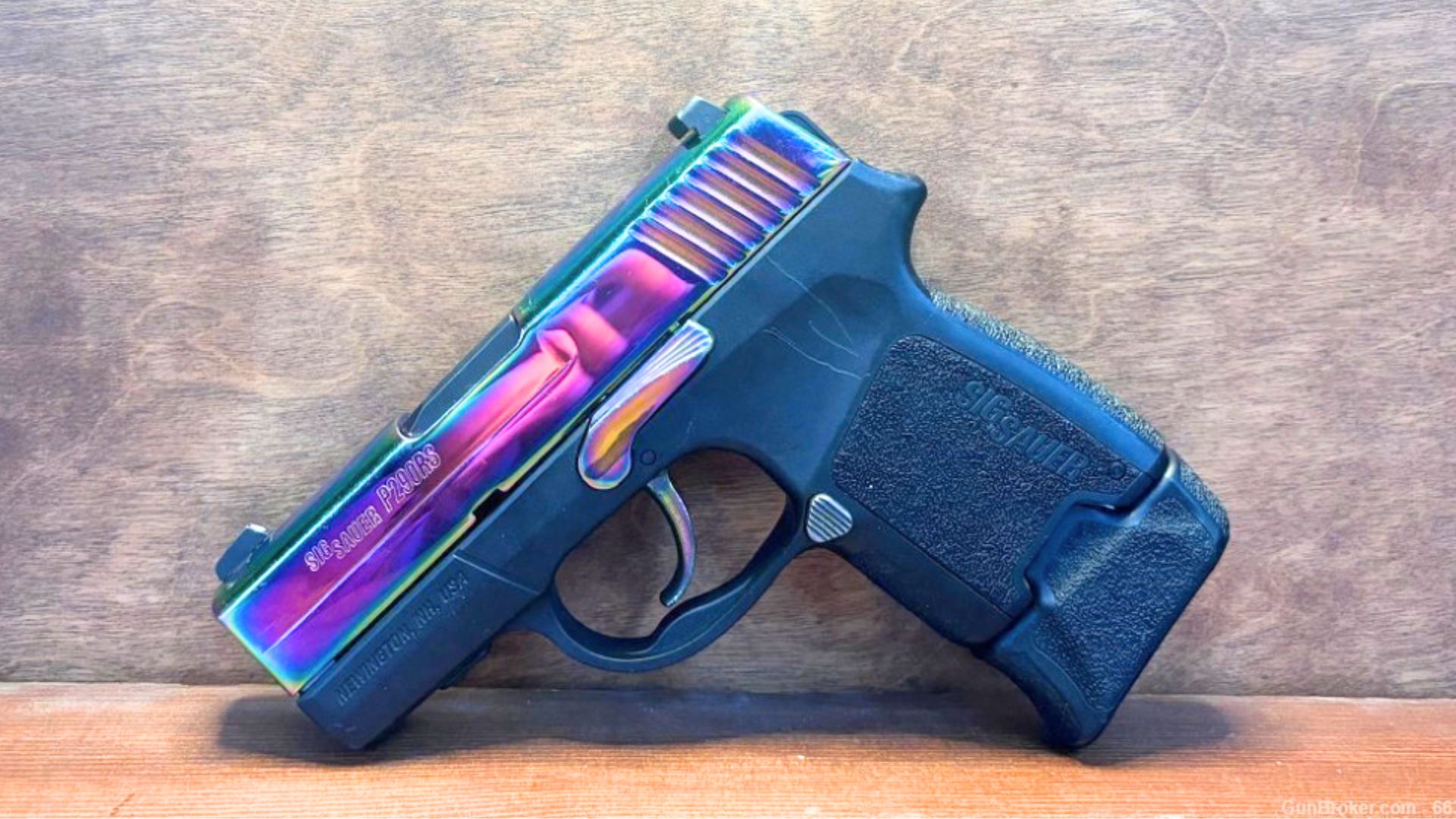
The P290RS is built well, but its long double-action trigger makes early training sessions difficult. Instructors see students fight the pull, causing shots to drift low or sideways. Follow-ups feel slow because the shooter has to reset their grip after every break.
The gun’s small size doesn’t help. It’s snappy, and the grip doesn’t give new shooters much to hold onto. When you combine tough recoil with a tough trigger, instructors know they’re in for a slower class full of repeated corrections.
Springfield XD Sub-Compact

The XD Sub-Compact is ergonomic, but instructors know its short sight radius and lively recoil can overwhelm beginners. Shots often rise or drift as shooters try to time the trigger with the muzzle movement. It’s a pistol that punishes even small technique gaps.
Accuracy varies between examples, and the trigger feel isn’t always consistent. During a class, that means troubleshooting instead of progressing. When an XD Sub-Compact comes out of a bag, most instructors know exactly what kind of challenges they’re about to work through.
Like The Avid Outdoorsman’s content? Be sure to follow us.
Here’s more from us: