Image Credit: Kaspars Grinvalds/YouTube.
If you’ve ever scratched your head over the difference between a rifle and a carbine, you’re not alone. I had the same questions years ago when I started getting serious about firearms.
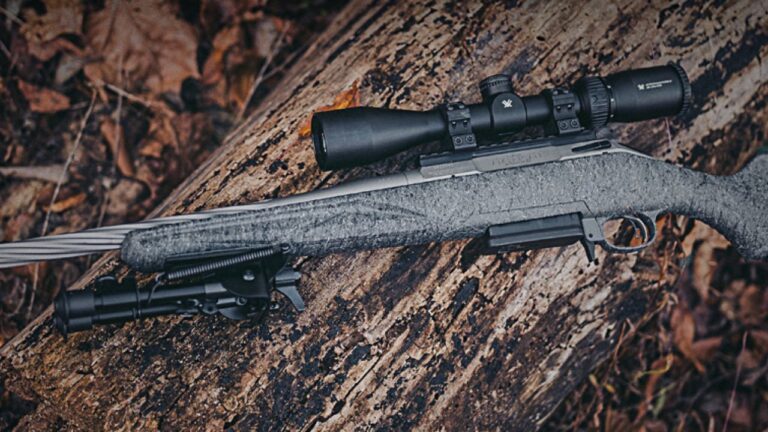
The short version? A carbine is a type of rifle, but not all rifles are carbines. The main factor is the barrel length—carbines typically have shorter barrels. Sounds simple, right? It is, but that one detail makes a big difference in performance, range, and handling.
I’ve got both in my collection, and I’ll tell you, each has its own strengths. Let’s figure out which one might work best for you.
What Exactly Is a Carbine?
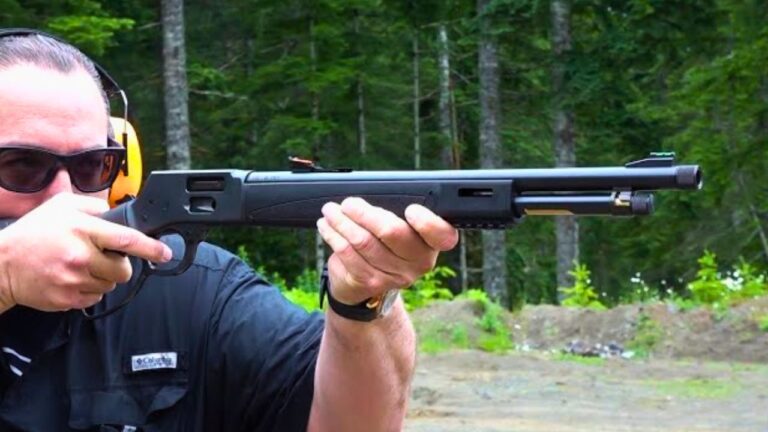
Think of a carbine as the smaller, more agile sibling of a full-length rifle. Typically, carbines have barrels shorter than 20 inches, which makes them easier to handle in tight spaces. But don’t let the compact size fool you—carbines are still full-fledged rifles, designed to be fired from the shoulder and built with rifled barrels for accuracy.
From my experience, carbines shine when you need something nimble. Whether I’m threading through thick brush on a hunt or keeping things close and manageable at the range, the smaller size just feels more natural.
That said, the shorter barrel does come with a trade-off: you’ll lose some muzzle velocity and long-range precision. But for most of what I do—close-to-medium range work—a carbine checks all the boxes.
The Story Behind Carbines
Carbines have been around for centuries. They were originally designed for cavalry troops who needed a shorter firearm to use on horseback. Ever heard of the term “carabinier”? That’s where the name comes from—French riflemen who prioritized mobility over heft. By the Civil War, carbines like the Spencer repeating rifle were game-changers for soldiers who needed to stay light on their feet.
Fast forward to today, and carbines are still the go-to for anyone who values agility. They’ve come a long way in terms of technology, but the core idea—compact, powerful, and easy to handle—remains the same. I love knowing that the carbine in my safe has a design legacy rooted in practicality and adaptability.
Barrel Length: Why It Matters
In the U.S., most civilian carbines feature barrels between 16 and 20 inches. Anything under 16 inches is classified as a Short Barreled Rifle (SBR), which means extra paperwork, ATF approval, and a $200 tax stamp. Military and law enforcement carbines, on the other hand, often go even shorter, with barrels as compact as 14.5 inches or less.
Here’s the deal: the shorter the barrel, the easier it is to maneuver. That’s great if you’re working in close quarters or hopping in and out of vehicles. But there’s a trade-off—less barrel length means lower muzzle velocity, which affects accuracy and energy at longer distances. For me, a 16-inch barrel hits the sweet spot. It’s short enough to handle easily but still offers decent performance downrange.
The Pros and Cons of Carbines
Carbines come with plenty of advantages. They’re lightweight, easy to move with, and excel in situations where space is tight. If you’ve ever tried to wrangle a full-sized rifle in a cramped deer blind or through thick undergrowth, you’ll appreciate how much more manageable a carbine feels.
But nothing’s perfect. The shorter barrel means you’re sacrificing some long-range accuracy and muzzle velocity. If I’m setting up for a shot across a wide-open field, I’ll always grab a full-length rifle. But for most situations—especially ones where quick handling is key—a carbine is my go-to.
Choosing the Right Firearm for You
So, how do you decide between a rifle and a carbine? It all boils down to how you’ll use it. If you’re hunting in dense woods, moving through tight spaces, or need something for close-quarters defense, a carbine is tough to beat. The shorter barrel, lighter weight, and ease of maneuverability are all big advantages.
On the other hand, if you’re shooting long distances or hunting in open terrain, you’ll probably appreciate the range and accuracy of a full-length rifle. I’ve got both in my collection for this exact reason.
My advice? Try a few out. Find what feels right in your hands and suits your needs. The “best” firearm is the one you’re comfortable and confident using.
*This article was created with the assistance of AI.