Photo credit: 1957Shep/YouTube
You can walk into a farm auction thinking you’re just there for fence stretchers, old hand tools, and maybe a post-hole digger that still has some life in it. Then you see a rifle leaning in the corner by the tackle boxes and coffee cans of bolts, and it’s tagged like it’s just another piece of shop clutter. That’s how good guns get sold cheap—mixed in with “miscellaneous” where nobody’s paying attention.
I’m not talking about rare museum pieces every time, either. I’m talking about rifles that flat work, rifles that have real history, rifles that got expensive to replace, or rifles that are getting harder to find in good shape. Here are 20 that show up at farm auctions and get priced like common tools… until you actually know what you’re looking at.
1. Winchester Model 94 (pre-1964)
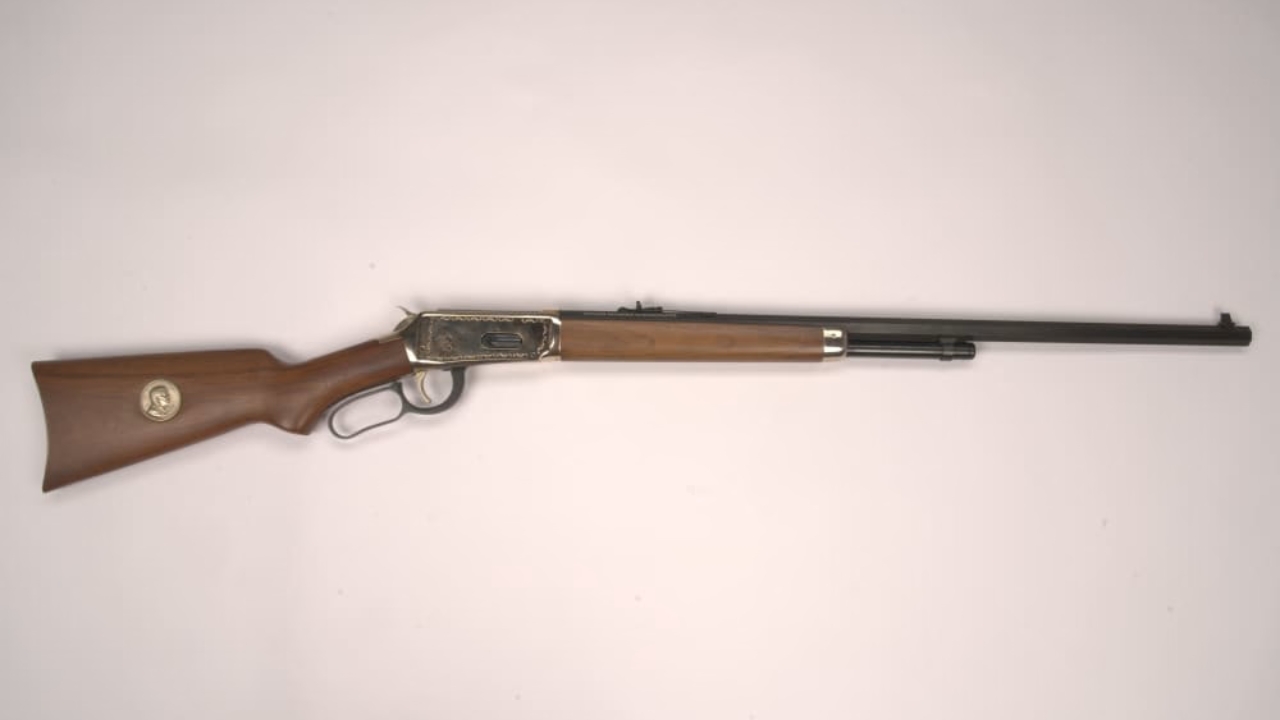
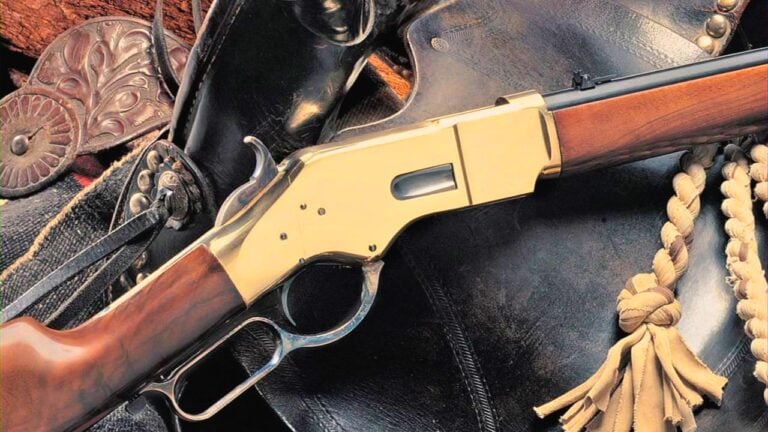
If you’ve been around rural auctions long enough, you’ve seen one: a well-worn lever gun with honest bluing wear, maybe a saddle ring, maybe not. Folks glance right past it because “it’s just a .30-30.” That’s a mistake when it’s a pre-’64. Those older guns have a feel that the later ones don’t, and the collector interest isn’t going away.
They also still hunt. A Model 94 carries like it was built for walking fencerows and creek bottoms, because it was. If the bore is decent and the action isn’t loose, it’s a rifle you’ll actually take out instead of just talk about.
2. Marlin 336 (JM-stamped)
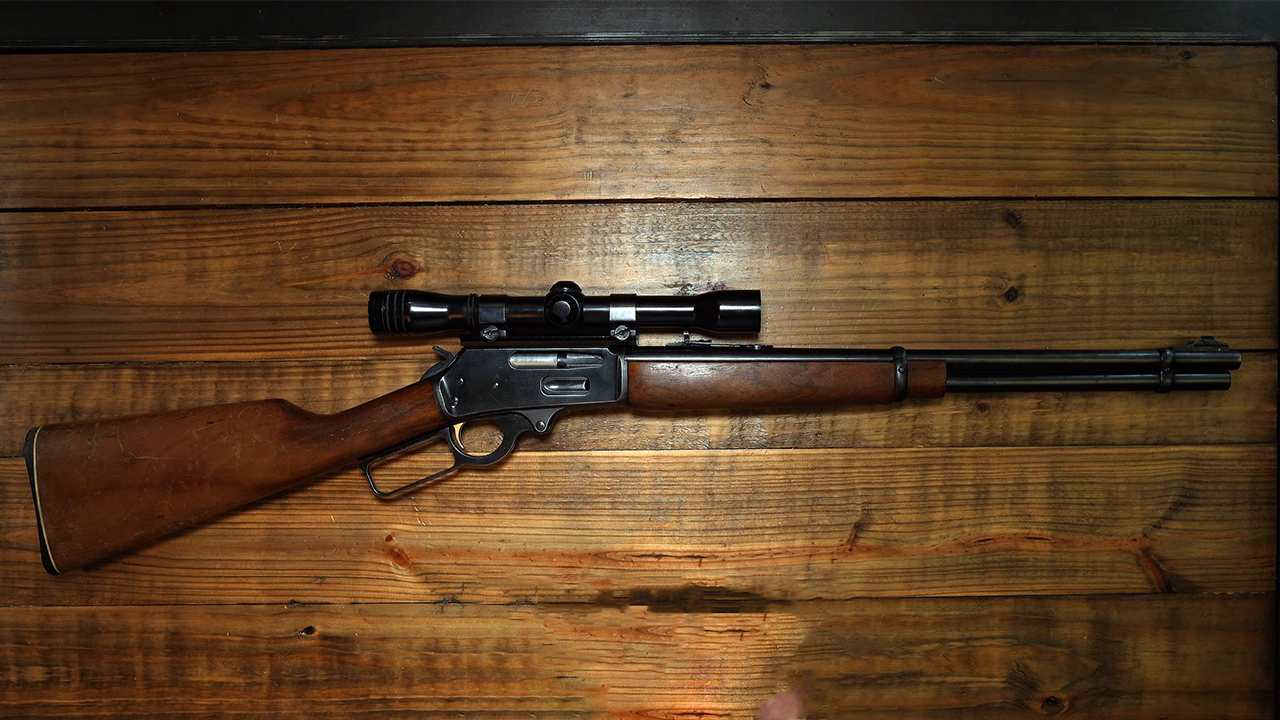
The tell is on the barrel: that little “JM” mark. At an auction, it might be sitting in a rack with a half dozen other lever guns and a tag that doesn’t reflect what it is. The JM-stamped Marlins have a reputation for good reasons—smooth actions, solid accuracy for what they are, and they hold up.
I’ve watched guys bid harder on a dented chainsaw than a clean 336 because they didn’t know what they were looking at. A good 336 is a lifetime deer rifle, and it’s also one of the easiest rifles in the world to live with.
3. Remington Model 700 (older BDL)
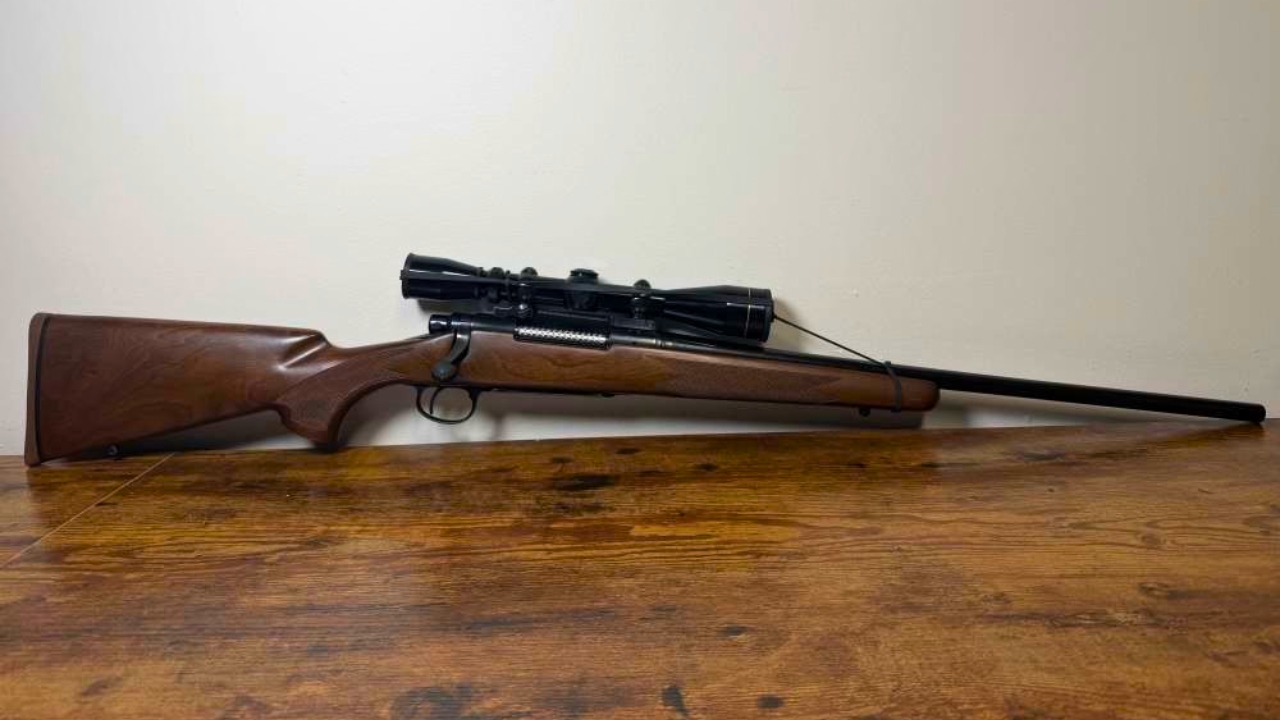
There’s a whole internet argument around Model 700s, and I’m not here to referee it. What I’ll say is this: older BDLs with decent wood and a clean barrel tend to shoot, and they tend to keep shooting. When they show up at auctions, they often get lumped in with “grandpa’s hunting stuff.”
Even if you plan to swap scopes or redo the stock down the road, the bones of the rifle matter. A solid older 700 action with a straight barrel channel is still a great foundation. And if it’s wearing a vintage Leupold, don’t toss that aside like it’s junk either.
4. Ruger M77 (tang safety)

The tang-safety M77 is one of those rifles that feels “right” the second you shoulder it. The safety is in a natural spot, the rifle balances well, and the controlled-round-feed versions have a loyal following for a reason. At auctions, they’ll be tagged like any other used bolt gun.
They aren’t fancy in the modern sense, but they’re tough. If you hunt in bad weather, drag rifles through pickups, and don’t baby your gear, this is the kind that doesn’t get moody about it.
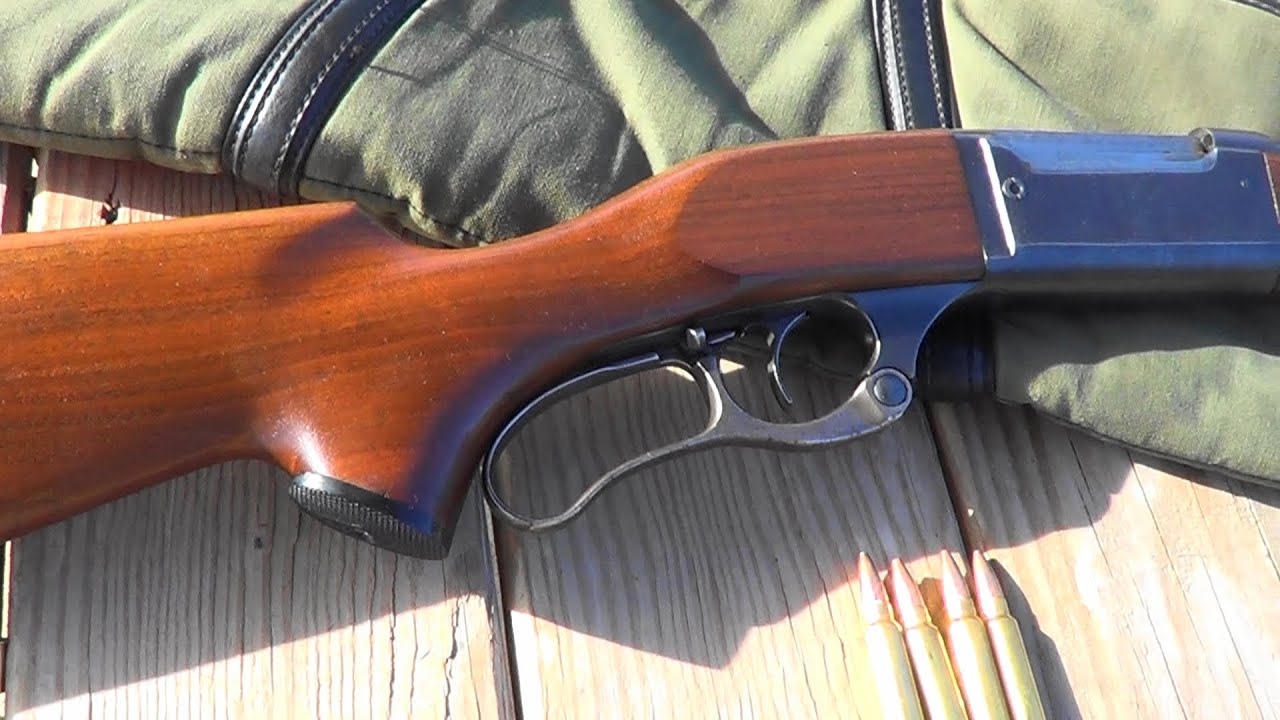
5. Savage Model 99

Plenty of people see a lever gun and assume it’s just a deer rifle from the old days. The Model 99 is different. It’s got a slick design, it’s often chambered in classic cartridges that still make sense, and it has a collector market that surprises folks who’ve never handled one.
They’re also not all the same. Variations matter, condition matters, and the difference between “tool” money and “real rifle” money can be huge. If you find one that hasn’t been drilled crooked or abused, you slow down and look closer.
6. Winchester Model 70 (pre-64 and early post-64)
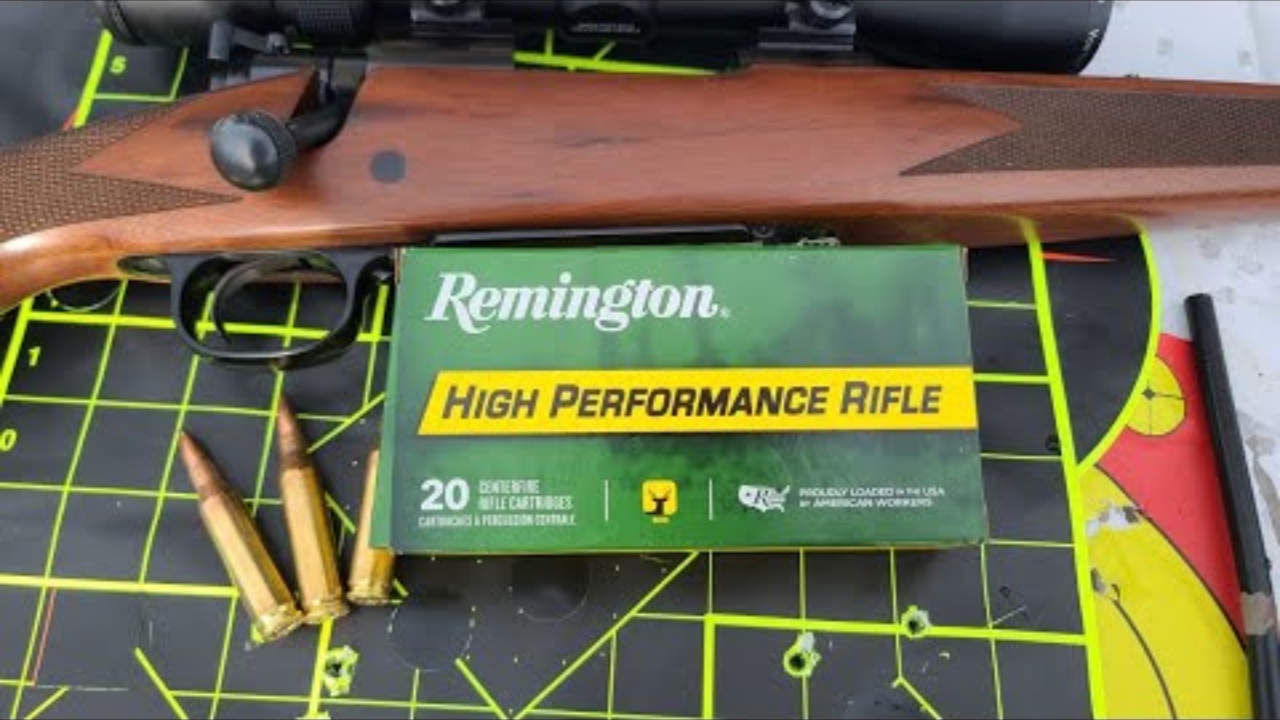
The “Rifleman’s Rifle” reputation didn’t come out of nowhere. A good Model 70 has an action that runs like it wants to feed, and the older ones have that classic fit and finish you don’t get at bargain prices anymore. At farm auctions, Model 70s sometimes slip through because the stock has a couple dings and nobody wants “an old .30-06.”
If the crown is clean and the bolt lugs look healthy, that rifle can be a cornerstone. You can hunt with it for the rest of your life and never feel undergunned for the kind of hunting most of us actually do.
7. Springfield Armory M1 Garand (CMP-era)
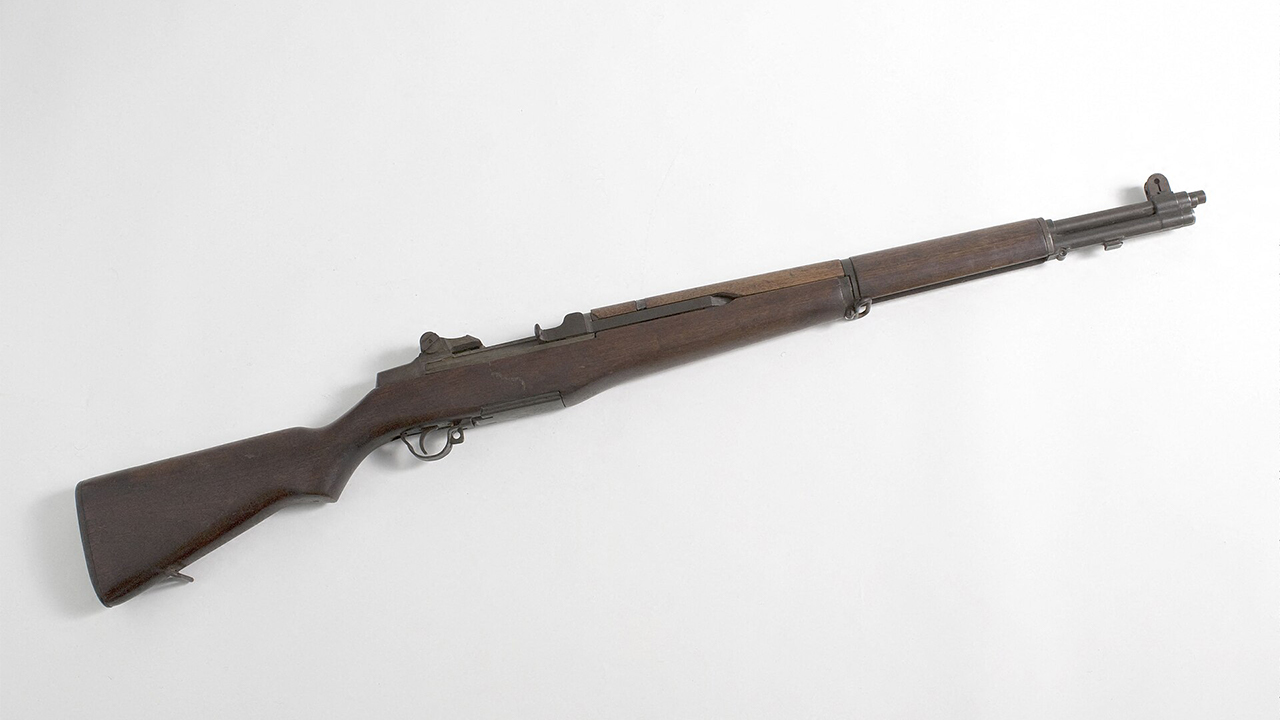
An M1 Garand at a farm auction can get weirdly underbid if the crowd is more “tractor parts” than “rifle people.” It might be sitting in a soft case, looking like a big clunky surplus gun. Then you remember what they cost now, and how fast the decent ones disappear.
They’re heavy and they’re loud, and they’re not the most practical deer rifle in the woods. But they’re history you can shoot, and a correct, un-messed-with Garand isn’t something you replace casually after you let it go.
8. U.S. Springfield 1903/1903A3
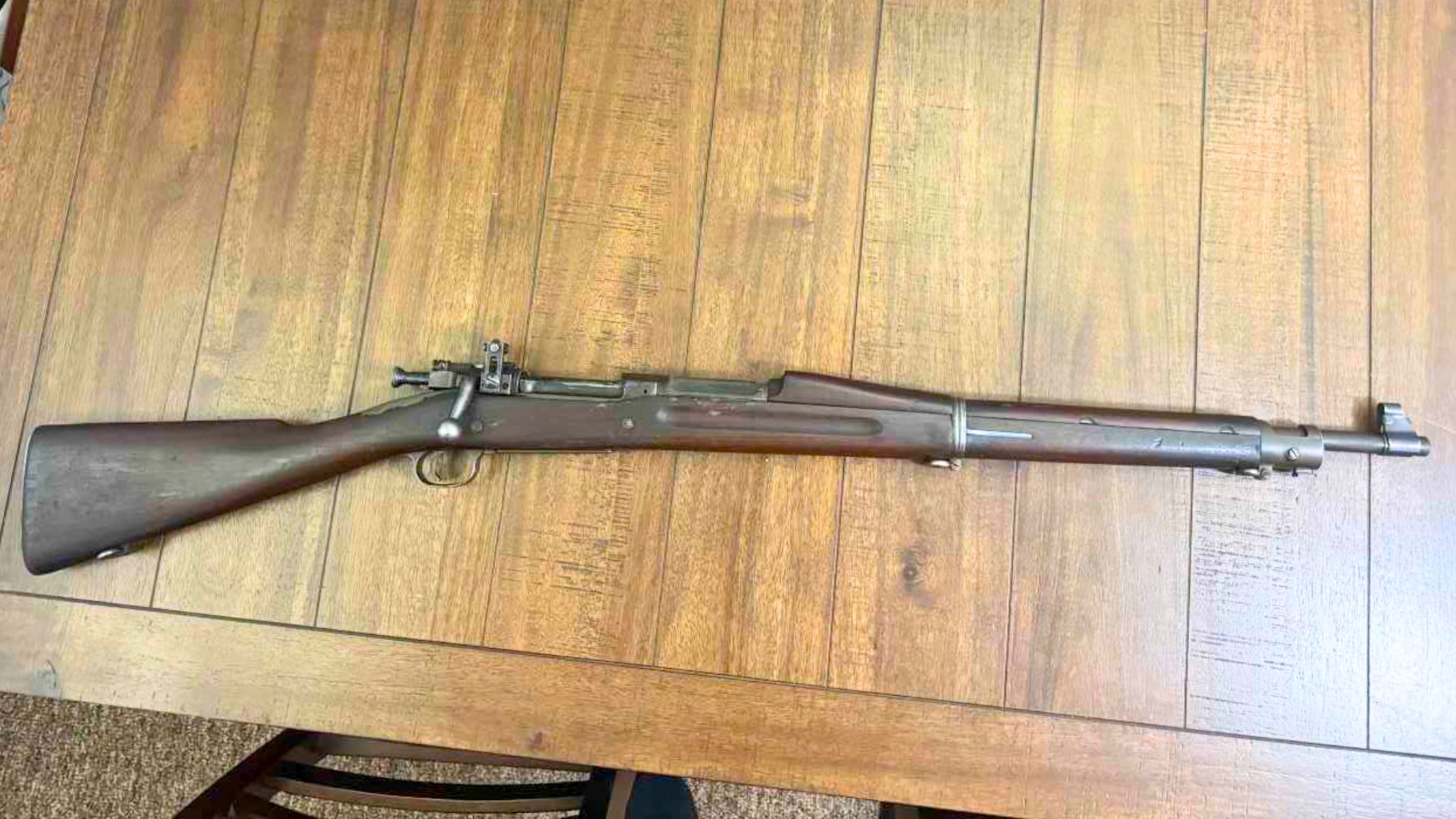
These get overlooked because they often look like “just another old bolt gun” to folks who don’t know. The receivers, markings, and overall condition matter, and farm rifles can be a mixed bag—some were treated like family heirlooms, some lived behind a truck seat for 30 years.
A good one is a joy. The sights are better than people expect, the action is smooth when it isn’t worn out, and it’s a piece of American riflecraft you don’t see every day anymore.
9. Swiss K31 (Schmidt-Rubin)

The K31 shows up in strange places. Sometimes it’s because somebody bought a surplus crate years ago and kept one, and now it’s getting sold off with the rest of the estate. It might be tagged cheap because the caliber doesn’t ring bells for the crowd.
They’re accurate. Like, “why is this old military rifle stacking shots?” accurate. If you find one with a good bore and matching parts, it’s not a wall-hanger. It’s a shooter, and it’s different enough that you’ll actually make time to take it out.
10. Finnish Mosin-Nagant M39

Not all Mosins are created equal, and the Finnish M39 is where a lot of folks finally understand that. At auctions, they get priced like the beat-up Russian ones people remember from the cheap-surplus days. The M39 is a better rifle—better barrels, better triggers, better overall build.
They’re still not light, and you’re not buying it for ergonomics. You’re buying it because it’s a rugged, accurate milsurp that has real collector interest and is a lot more satisfying than a bargain-bin beater.
11. CZ 452 (rimfire)
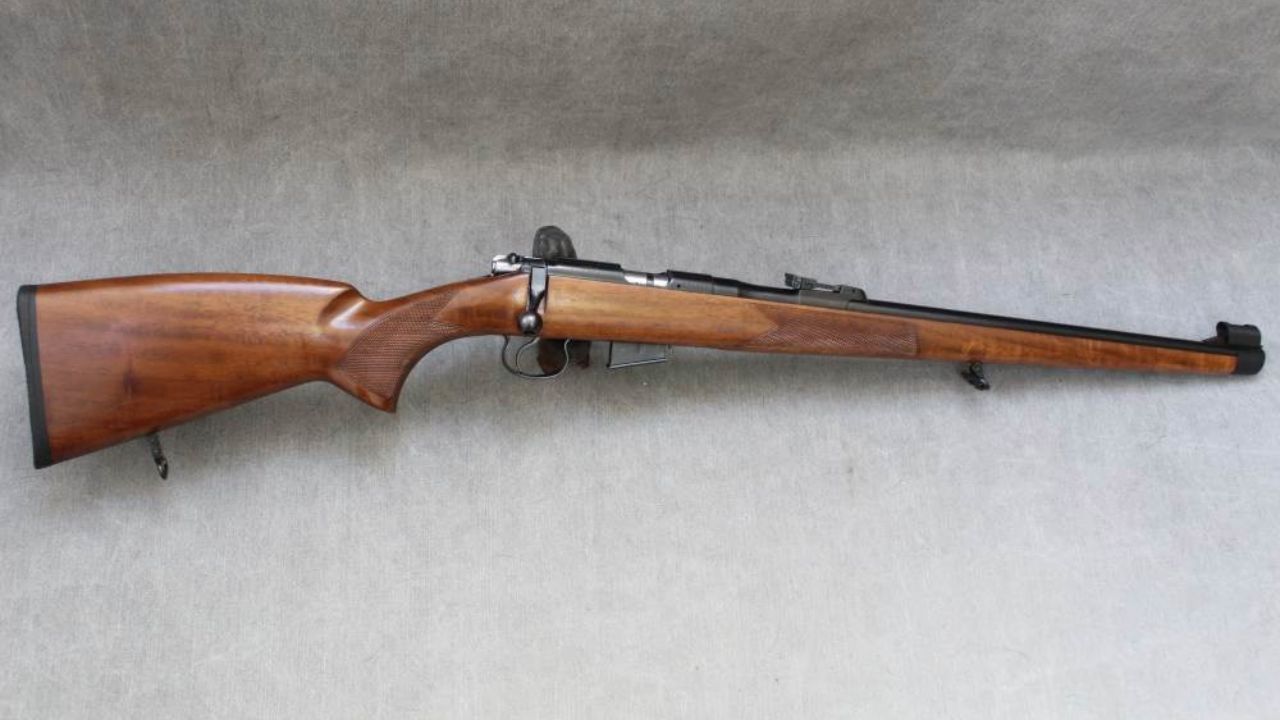
Rimfires are the easiest guns at an auction to misprice because everybody thinks a .22 is a .22. A CZ 452 is not “just a .22.” The machining, the trigger feel, and the way those rifles shoot with decent ammo make them stand out quick.
If you do any small-game hunting or farm pest control, a good bolt .22 is a working tool. The difference is a CZ will shoot like a serious rifle, not a toy, and that makes you calmer when the shot matters.
12. Ruger 10/22 (older walnut-stock carbine)

The 10/22 isn’t rare, but certain older carbines with walnut stocks and clean receivers bring more than people think. At a farm auction, you’ll see one with a dusty 4x scope and a couple old mags thrown in, and it’ll get bid like it’s a $100 plinker.
Here’s the truth: even a plain 10/22 is always useful. Magazines are everywhere, parts are everywhere, and it’s the rifle you lend to kids, keep behind the truck seat (legally and safely), and still shoot for fun when everything else feels too serious.
13. Remington Model 552 Speedmaster
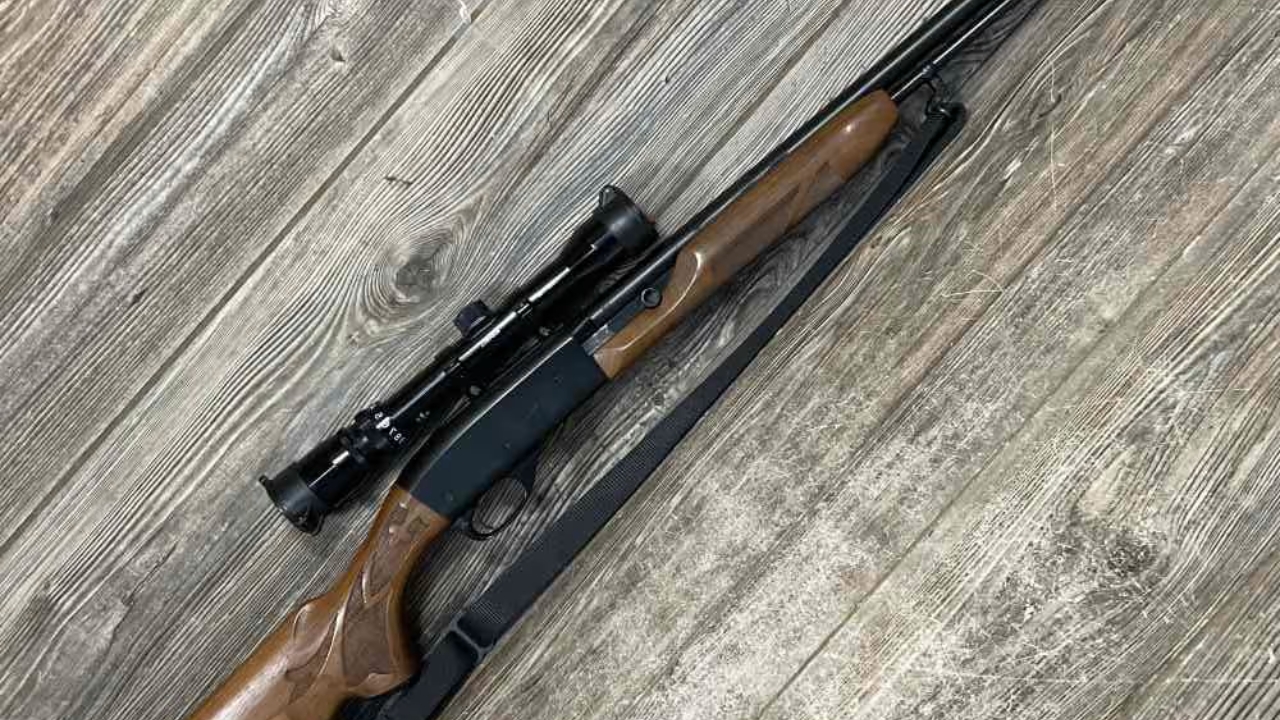
This is one of the sneakiest values out there if it’s in good shape. A 552 will run shorts, longs, and long rifles, and that makes it handy in a way that doesn’t show up on a tag card. At auctions, it often gets lumped in with generic .22 semi-autos.
They can be finicky if they’re filthy or worn out, so you do want to check function and overall condition. But a clean Speedmaster is a classy, useful rimfire that’s gotten expensive on the open market.
14. Browning BL-22
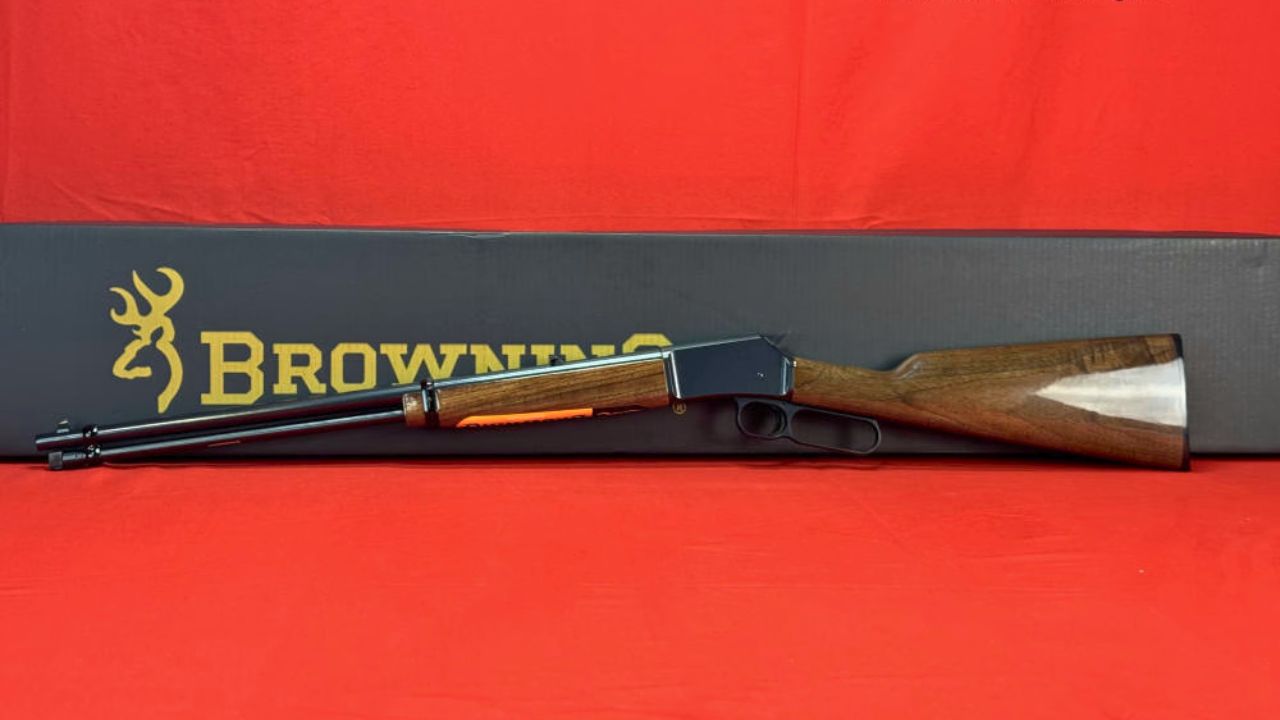
If you’ve ever cycled a BL-22, you know why people smile when they pick one up. The short throw is fast and smooth, and it’s the kind of rifle that turns an afternoon of plinking into something you remember. At farm auctions it can be treated like “just a lever .22.”
It’s not a tank like some old steel .22s, and it’s not what I’d choose to live in a tractor toolbox. But for a handy rimfire that’s fun and well made, it deserves more respect than tool pricing.
15. Ruger No. 1

A single-shot falling-block rifle doesn’t always light up an auction crowd. Some guys won’t bid because it’s “only one shot.” That’s fine by me. A Ruger No. 1 is a classy rifle with real accuracy potential, and the fit and finish on many of them is better than what you see in typical hunting rifles today.
They can be picky about loads, and some wear odd scopes or mounts that don’t help. Still, if you want a rifle that feels special every time you open the action, this is one of the easiest ways to get there.
16. Tikka T3 (early production)

Tikkas sometimes show up because somebody bought one, shot one box of ammo, and went back to their old rifle. At a farm auction, it might be priced like any other plastic-stock bolt gun. That’s where you can steal a real shooter.
The actions are smooth, they tend to shoot out of the box, and they’re light enough you’ll actually carry them all day. If you hunt big country, that matters more than internet arguments about finishes and “feel.”
17. Sako Forester (L579)

Every once in a while you see a rifle on the rack and you can tell it was built with pride. Older Sakos have that vibe. The Forester isn’t always recognized by the casual crowd, especially if it’s just tagged by caliber.
They’re not cheap to replace. The wood-to-metal fit, the smooth bolt, and the overall refinement make them feel like a step up from the average hunting rifle. If you want a “nice” rifle that still gets used, this is a good lane.
18. Colt AR-15 SP1
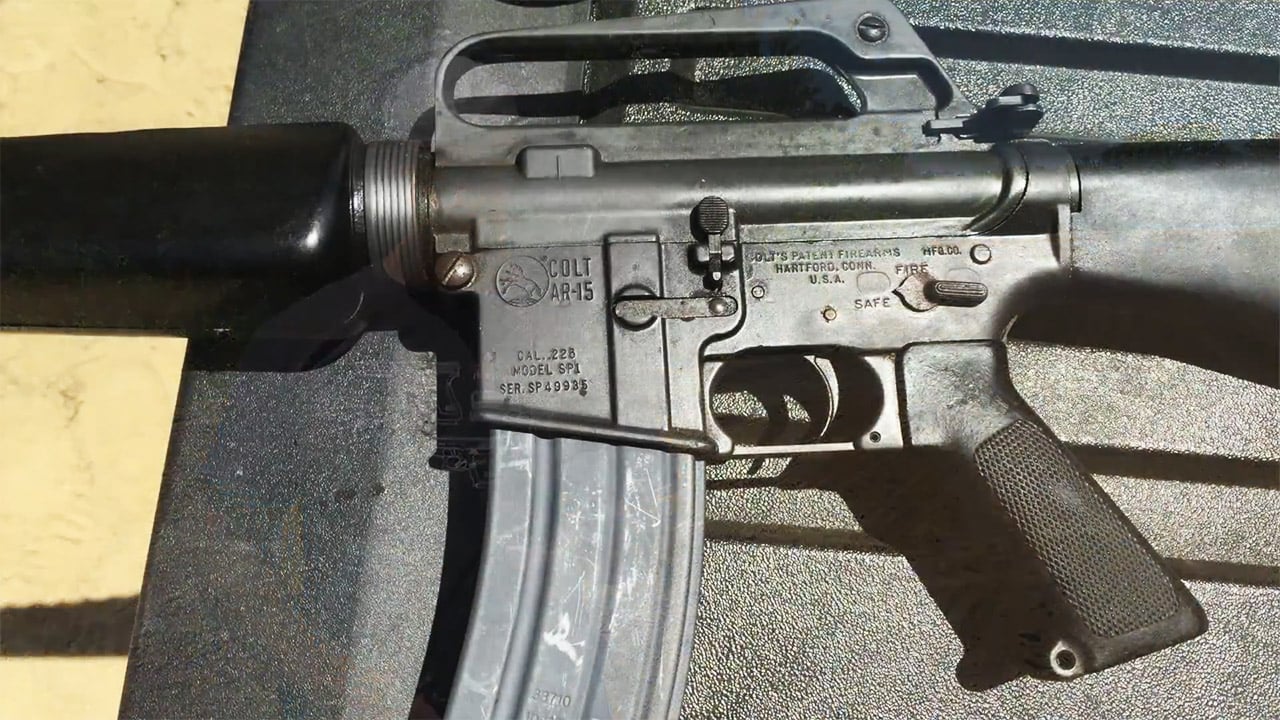
Old-school ARs at rural auctions can get treated like “some black rifle,” especially if the crowd isn’t made of AR guys. The Colt SP1 has collector interest because it’s a piece of early civilian AR history, and the details matter—furniture, markings, configuration.
This isn’t about “tactical.” It’s about not letting something with real market value get sold like a used socket set. If you don’t know what you’re looking at, bring a buddy who does.
19. Ruger Mini-14 (180/181-series early guns)

Mini-14s are funny. Some guys love them, some guys badmouth them, and a lot of that is tied to which era you’re talking about. Early 180/181-series rifles have collector pull, and even the ones that aren’t “collectible” are handy ranch rifles when you keep expectations realistic.
Mags can be the dealbreaker—factory mags matter, and cheap aftermarket ones can sour the whole experience. At an auction, if it comes with good magazines and the rifle hasn’t been messed with, it deserves more than a lowball shrug.
20. Winchester Model 88

This one gets missed because it doesn’t fit people’s mental categories. It looks like a lever gun, but it runs more like a bolt gun in how it locks up, and it was ahead of its time. If you find a clean Model 88 at a farm auction, it might be priced like “another deer rifle.”
They point well, carry well, and have a cool factor that’s hard to fake. Parts and magazines aren’t as casual as modern rifles, so you do want to check what you’re getting. But when you find one right, it’s a serious rifle hiding in plain sight.
Farm auctions are where working guns go to get sold alongside working tools, and sometimes the tag doesn’t match the reality. The best move is simple: slow down, handle the rifle safely, check the bore and action, and don’t let a dusty stock fool you. Every now and then, you’ll go home with something you’ll be glad you noticed.
Like The Avid Outdoorsman’s content? Subscribe to our newsletter so you never miss an article.
Here’s more from us: