Photo credit: CummingsFamilyFirearms/GunBroker
A rifle that won’t hold zero will make you question everything—your ammo, your bags, your trigger press—when the real culprit is usually boring hardware. Most “mystery zero shifts” come from loose action screws, cheap rings, scope bases that weren’t torqued right, or a stock that’s flexing enough to change how the action sits. Heat cycles and recoil do the rest.
The tricky part is that the rifle will often shoot a nice group while it’s drifting. You’ll see decent accuracy, but the point of impact walks a little every trip. That’s the difference between “this rifle is inaccurate” and “this rifle won’t stay zeroed.” If you’ve been chasing a wandering zero, these are rifles and setups that commonly show up in that conversation—usually because they’re sensitive to mounting hardware, stock rigidity, or how well the action is actually secured.
Savage Axis II

The Axis II gets blamed a lot for wandering zeros, and most of the time it’s not the barrel. It’s the system. The factory stock can flex, and that flex can change how the action sits under recoil or even how it behaves on a front rest. If the action screws aren’t torqued consistently, the point of impact can shift between trips.
A second issue is that many Axis rifles get paired with budget optics and budget rings. That combo can work, but it can also walk if the screws settle or the rings slip. You end up re-zeroing and thinking the rifle is losing accuracy, when it’s really losing consistency. If your Axis won’t stay put, treat it like a checklist gun: action screw torque, base screws, ring tension, then verify the scope isn’t the weak link.
Ruger American (standard models)

The Ruger American is often accurate enough to fool you into thinking everything is fine—until you realize your zero is moving a little each session. The rifle’s lightweight stock and bedding setup can be sensitive to torque. If your action screws loosen even slightly or you torque them inconsistently, the rifle can shift point of impact without giving you obvious warning signs.
Many Americans also live their lives with entry-level scopes and rings. That’s not an insult, it’s just reality. The rifle is priced to move, and people match it with affordable glass. When zero won’t hold, the mounting system is usually the first suspect. If you’re seeing a “drift” that doesn’t match wind or shooter error, check the bases and rings before you blame the barrel. The American can shoot. It just doesn’t forgive sloppy setup.
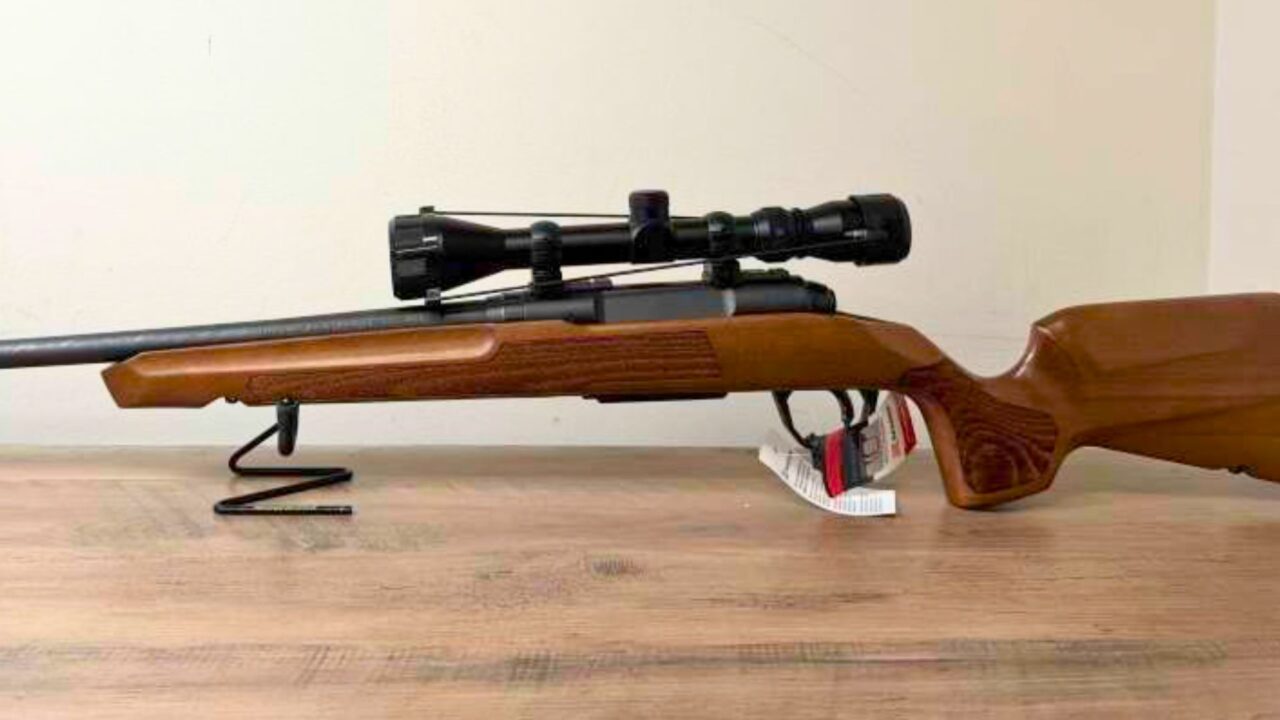
Mossberg Patriot (package setups)

Package rifles are magnets for wandering zero complaints, and the Patriot is a common example. The rifle itself can be fine, but the scope, rings, and base that come bundled are often built to hit a price, not to survive repeated recoil cycles without settling. After a few trips, screws can loosen or the optic can shift slightly in the rings.
The other issue is stock stiffness and how the rifle is rested. If you’re changing where you support the fore-end or you’re torquing the rifle differently into the bags each trip, you can create point-of-impact shifts that feel like a zero problem. The Patriot doesn’t always cause that by itself, but the overall setup can. When a Patriot won’t hold zero, most fixes start with better mounts and a careful torque job, not a new barrel.
Remington 700 ADL package rifles
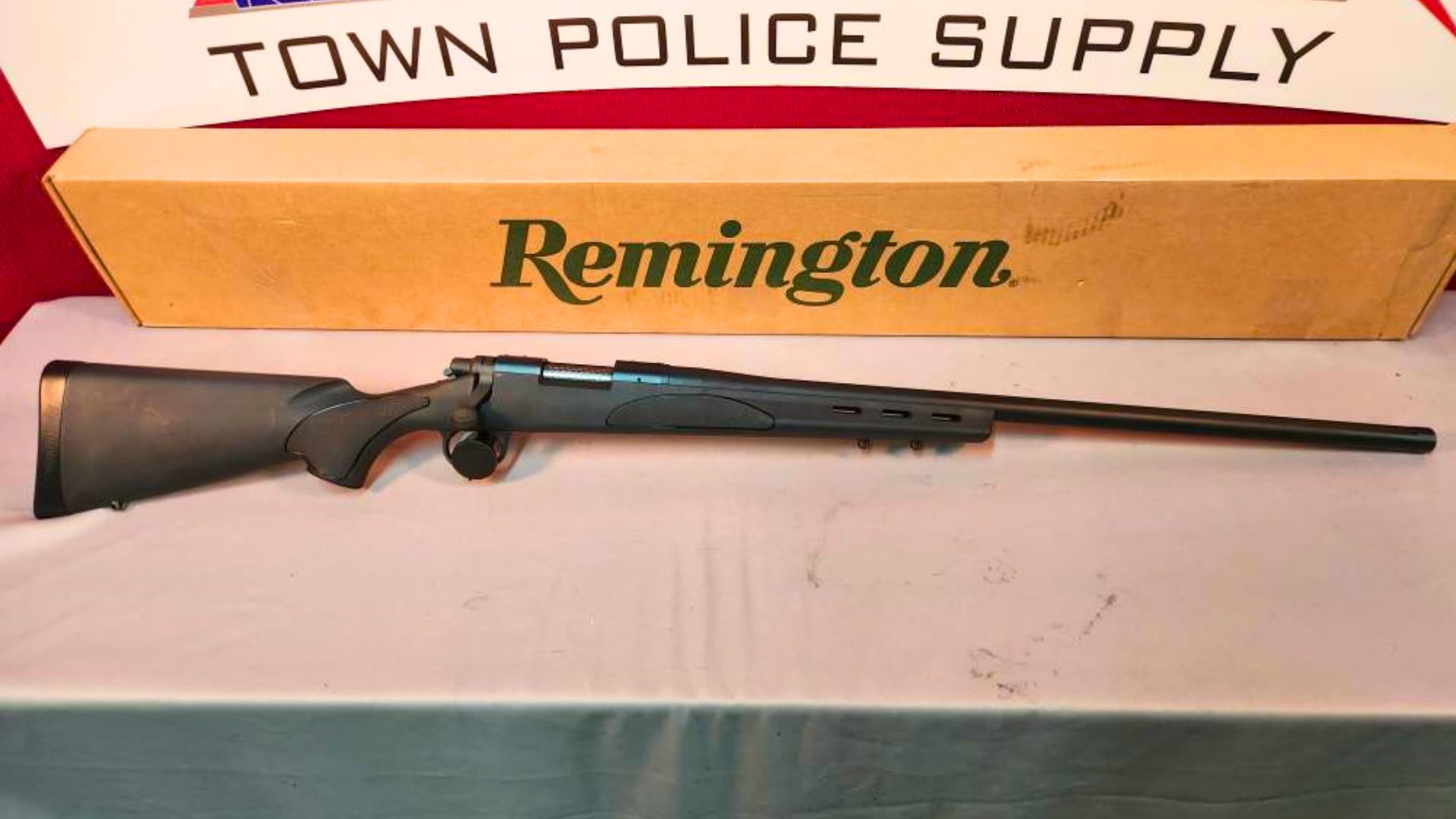
A 700 action can be a solid foundation, but the ADL package concept often introduces weak links. The factory stock can be flexible and the optics package can be the real culprit. If the scope base screws weren’t installed with proper torque or thread locker, or the rings are soft and slipping, you can get a slow zero shift that keeps coming back.
What makes it frustrating is that the rifle may still group decently. You’ll see a nice cluster—just not where it was last time. That’s a mounting problem until proven otherwise. The 700 also responds to action screw torque, and if you’ve ever pulled it from the stock for cleaning or tinkering and reinstalled it inconsistently, you can move the point of impact without realizing it. The rifle isn’t “bad.” It’s just sensitive to how well the whole stack is put together.
Remington 783

The 783 often shoots better than people expect, but it’s also commonly paired with cheaper glass, and that’s where zero can start wandering. If the mounts are marginal or the scope internals aren’t tracking consistently, you’ll chase a moving point of impact and blame the rifle.
The stock and bedding system can also contribute. If the action screws loosen or the stock compresses slightly over time, the rifle can shift enough to show up on paper. The 783 is a value rifle, and it asks you to be methodical. If you’re re-zeroing every couple of trips, start treating it like a system: verify the bases and rings, confirm action screw torque, then rule out the scope. Most “783 won’t hold zero” stories end with a better mounting setup, not a new rifle.
Thompson/Center Compass

The Compass is another budget rifle that can surprise you with accuracy while still giving you a wandering zero. That usually points back to how the rifle is bedded and how consistent the action screws are. Small changes in torque can shift the way the action sits in the stock and move the point of impact.
A lot of Compass rifles also get budget optics, and budget optics can be inconsistent under recoil or temperature swings. The rifle gets blamed, but the scope is the part that actually holds the zero. If your Compass is printing decent groups but they’re migrating session to session, you’re probably dealing with settling mounts, screws backing out, or a scope that isn’t holding its adjustments. The Compass can be a perfectly usable hunting rifle, but it rewards careful setup more than people expect.
Ruger Precision Rimfire
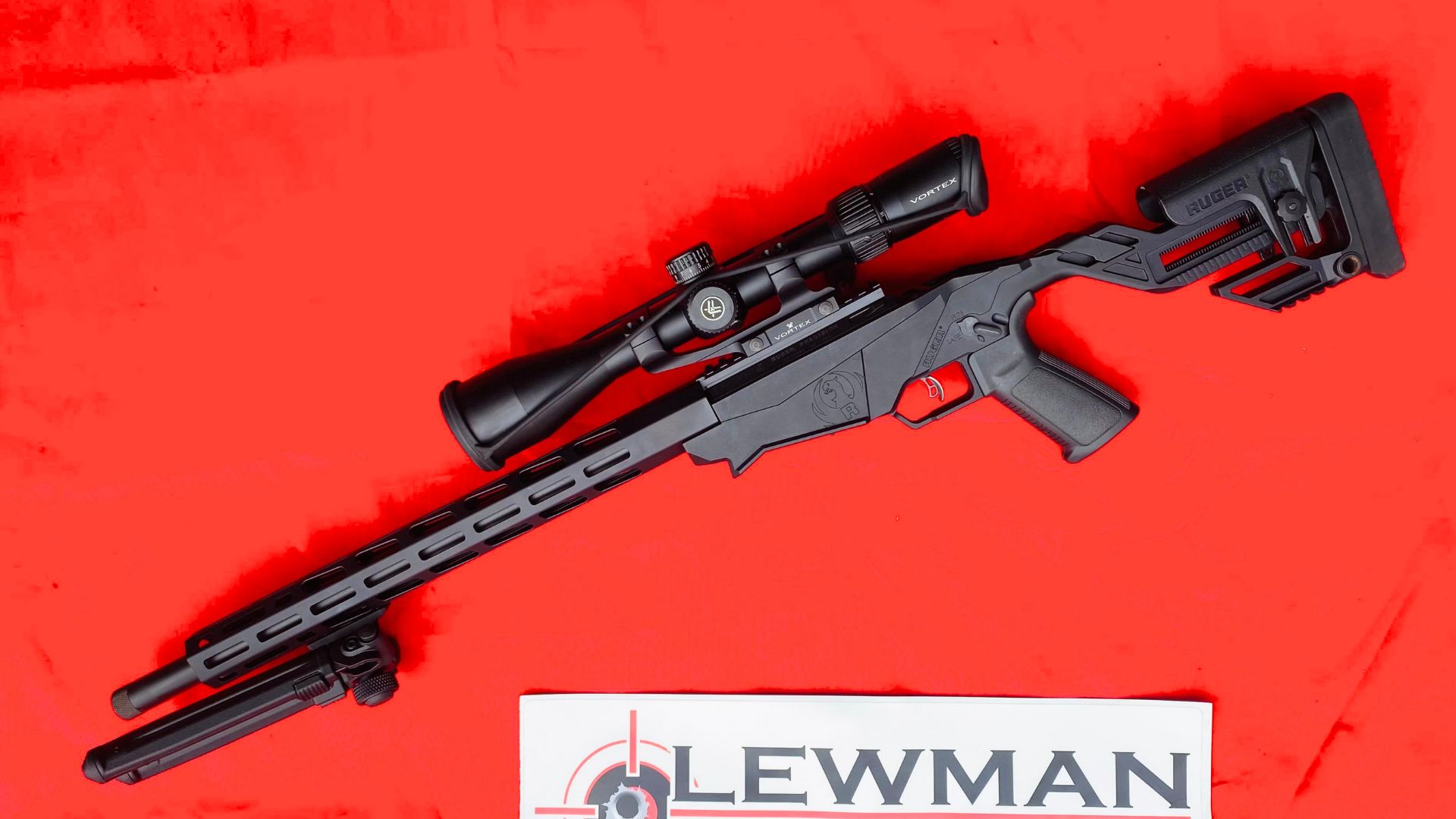
Rimfires can make zero problems look worse than they are because the trajectory is steep and small shifts show up fast. The Ruger Precision Rimfire also encourages tinkering—adjustments, optics swaps, chassis screws—and every time you mess with the setup you introduce the chance of something not being torqued consistently.
If your zero won’t stay, the culprit is often the optic mount or a scope that isn’t suited for rimfire abuse. That sounds strange until you remember how many rimfire scopes live on and off rifles constantly. The other culprit is stock/chassis hardware settling. A chassis rifle has more fasteners than a traditional stock, and if any of them loosen, the rifle can shift in subtle ways. The RPR can shoot, but it expects you to treat screws and mounts like part of your maintenance routine.
Marlin 336

A lever gun “losing zero” often isn’t the gun itself—it’s the way the sighting system is mounted. Many 336s wear receiver-mounted sights or optics on bases that can loosen, especially if they were installed without proper torque and thread locker. Recoil and vibration from a lever gun can work screws loose over time.
Another issue is that some lever guns get shot with changing support pressure, and that can shift point of impact enough to feel like the gun lost zero. If you rest the magazine tube or barrel on bags one day and rest the fore-end the next, you can create your own “zero shift.” The 336 can be consistent, but you have to keep the mounting hardware tight and your bench technique consistent. When a lever gun won’t stay zeroed, the fix is usually screws and support, not the barrel.
Winchester Model 94

The Model 94 has the same lever-gun reality: it’s not built around modern optics mounting, and that’s where problems creep in. Side mounts, top mounts, and various aftermarket solutions can work, but they can also loosen or shift if not installed carefully. A small movement in an optic mount on a lever gun shows up fast.
Iron sights can shift too if the rear sight dovetail is loose or the front sight isn’t secure. And just like with other lever guns, bench support matters more than people think. If you change how you rest it, you can change point of impact enough to feel like the rifle lost zero. The 94 can be dependable, but it’s not a rifle that forgives sloppy mounting hardware. If you want it to hold zero, you treat screws and dovetails like they’re part of the zero.
SKS (Norinco and similar)
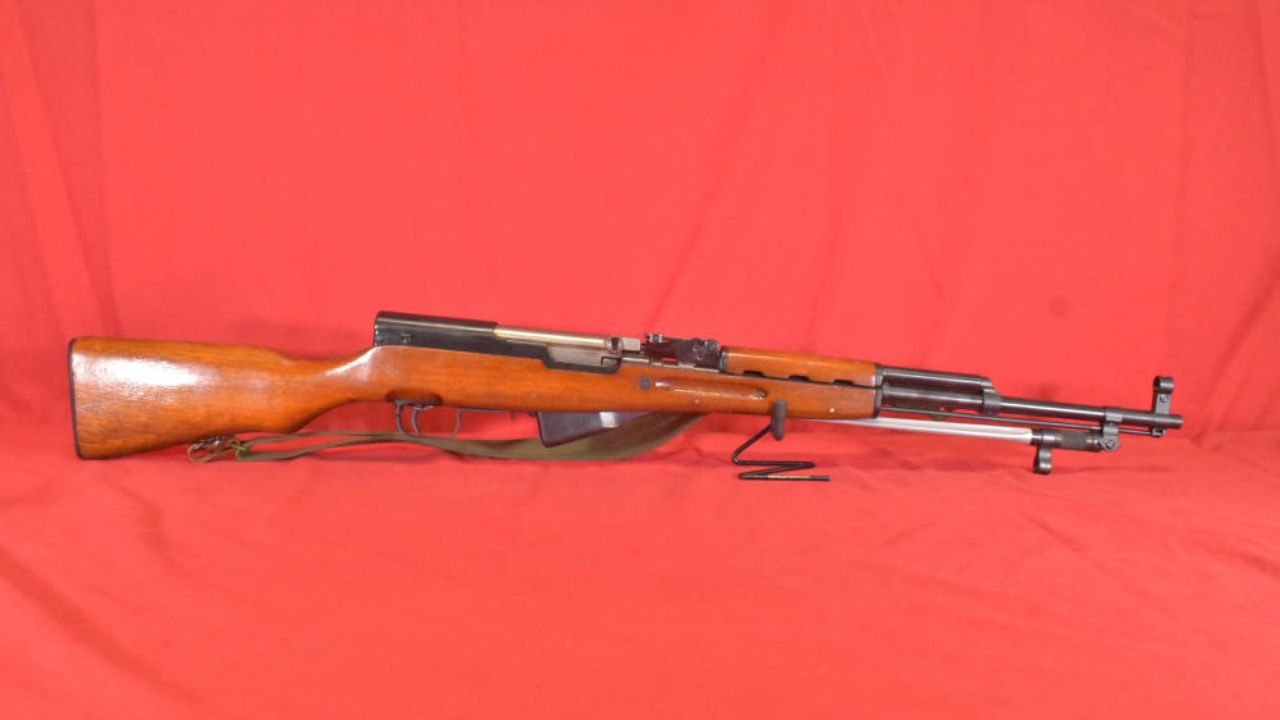
The SKS can hold a practical zero with irons, but the moment you start adding optics, the mounting solutions become the weak link. Many receiver cover mounts don’t return to the exact same position after removal, and some shift under recoil. That’s the classic SKS story: it “won’t hold zero,” but it’s really the mount.
Even with irons, an SKS can show point-of-impact changes if the action is removed and reinstalled without consistent fit, or if you’re using widely varying ammo lots. The rifle wasn’t built as a precision platform, so you have less margin for error. If your SKS zero wanders, assume the mount and hardware first. The gun itself usually isn’t changing. The stuff you bolted onto it is.
WASR-10 (AK pattern rifles)
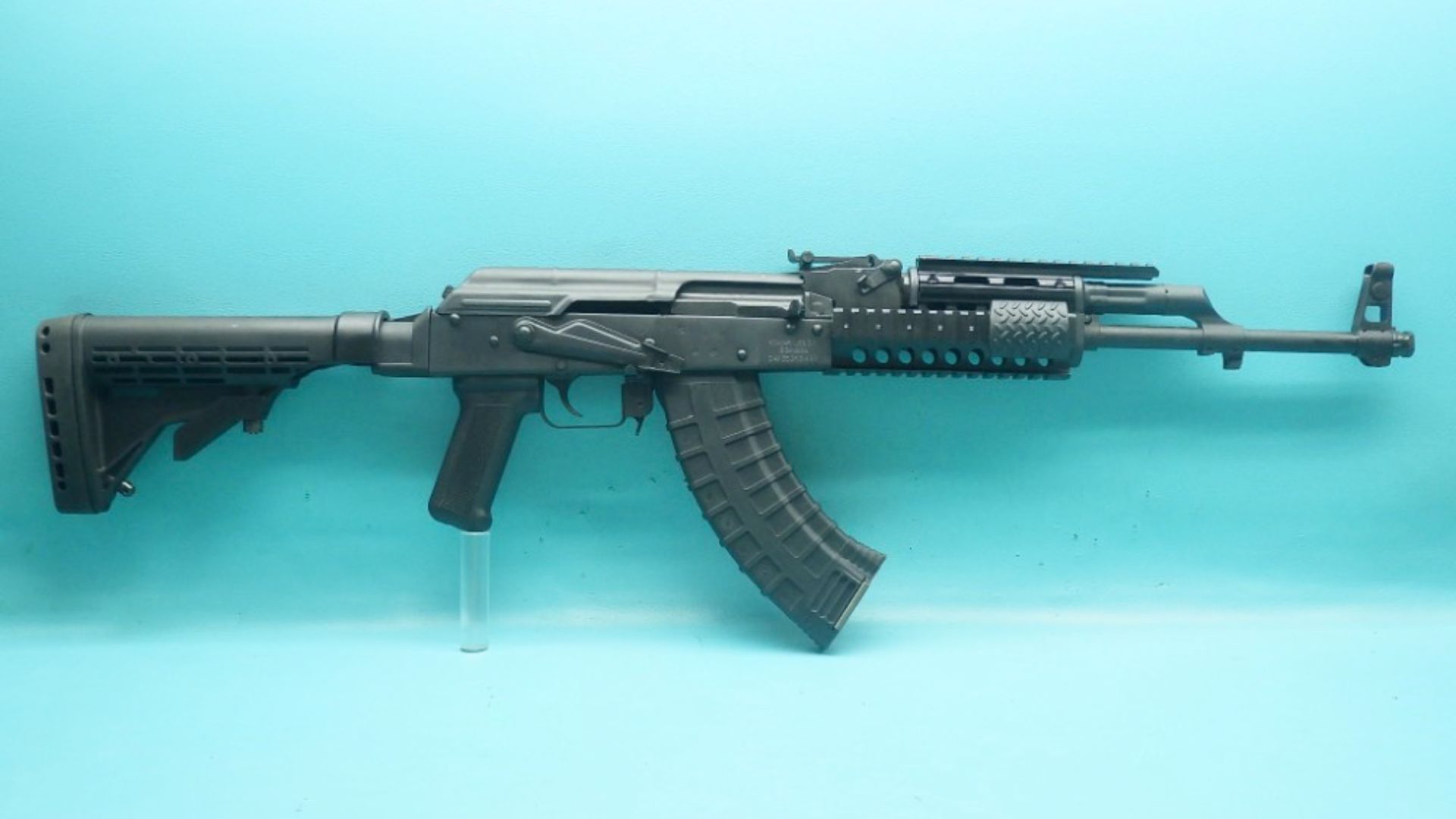
AKs are rugged, but they’re also not designed around keeping an optic perfectly centered through cheap mounting systems. If you’re running a side rail mount, quality matters. A marginal mount can shift, and the recoil impulse and vibration will exploit any looseness. That turns into a wandering zero that feels like the rifle is cursed.
Another factor is ammo and heat. If you’re shooting different ammo types session to session, point of impact can change enough to look like a zero issue. Add in a handguard or gas tube setup that changes pressure as it warms, and your groups can walk. The WASR itself usually runs, but “holding zero” depends heavily on the mount, optic, and consistency of your ammo. Most AK zero problems trace back to the stuff attached to the rifle, not the rifle.
DPMS Oracle (entry-level AR-15)

ARs usually hold zero well—until the optic setup is cheap or installed sloppy. The Oracle often gets paired with entry-level optics and rings, and that’s where the wandering zero story starts. If the mount isn’t torqued correctly, if the rings are soft, or if the optic itself has weak tracking, you’ll keep chasing the point of impact.
The other issue is non-free-float handguards. If you’re resting the handguard differently or loading a sling or bipod inconsistently, you can shift point of impact between sessions. That feels like “lost zero,” but it’s really changing pressure on the barrel. The Oracle can be perfectly serviceable. It just highlights how unforgiving ARs can be when the optic mount, handguard setup, or shooter support changes from trip to trip.
PSA PA-15 (basic configurations)
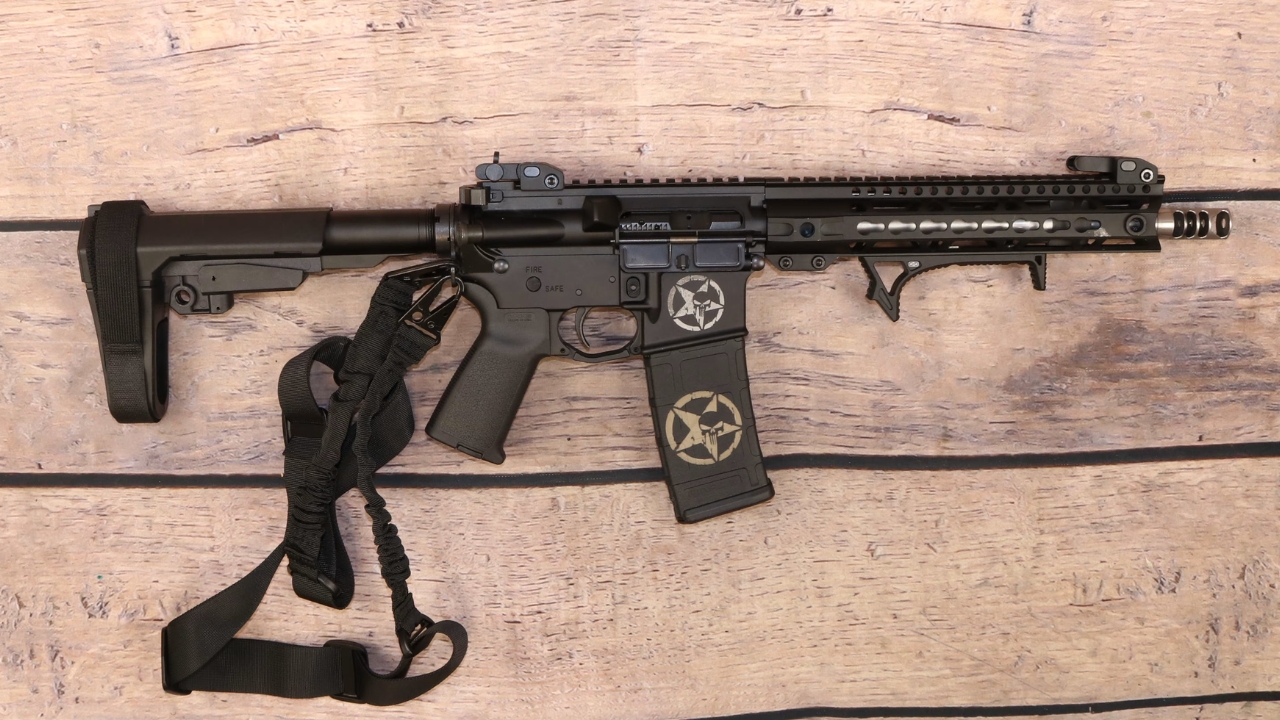
A PA-15 can run and shoot fine, but it often lives with budget mounts and optics because that’s the whole point of the rifle. When zero drifts, the most common culprit is still the optic system—loose mount screws, rings that slip, or a scope that doesn’t hold adjustments under recoil and handling.
Handguard setup can matter too. If it’s not free-floated and you rest it hard on bags or a barricade, you can change point of impact without realizing it. Another overlooked factor is how the rifle gets transported. Tossing an AR into a case with pressure on the optic can stress mounts over time, especially if they weren’t installed correctly. If your PA-15 keeps needing re-zero, don’t assume the barrel is wandering. Verify the mount and the handguard pressure first.
Ruger 10/22
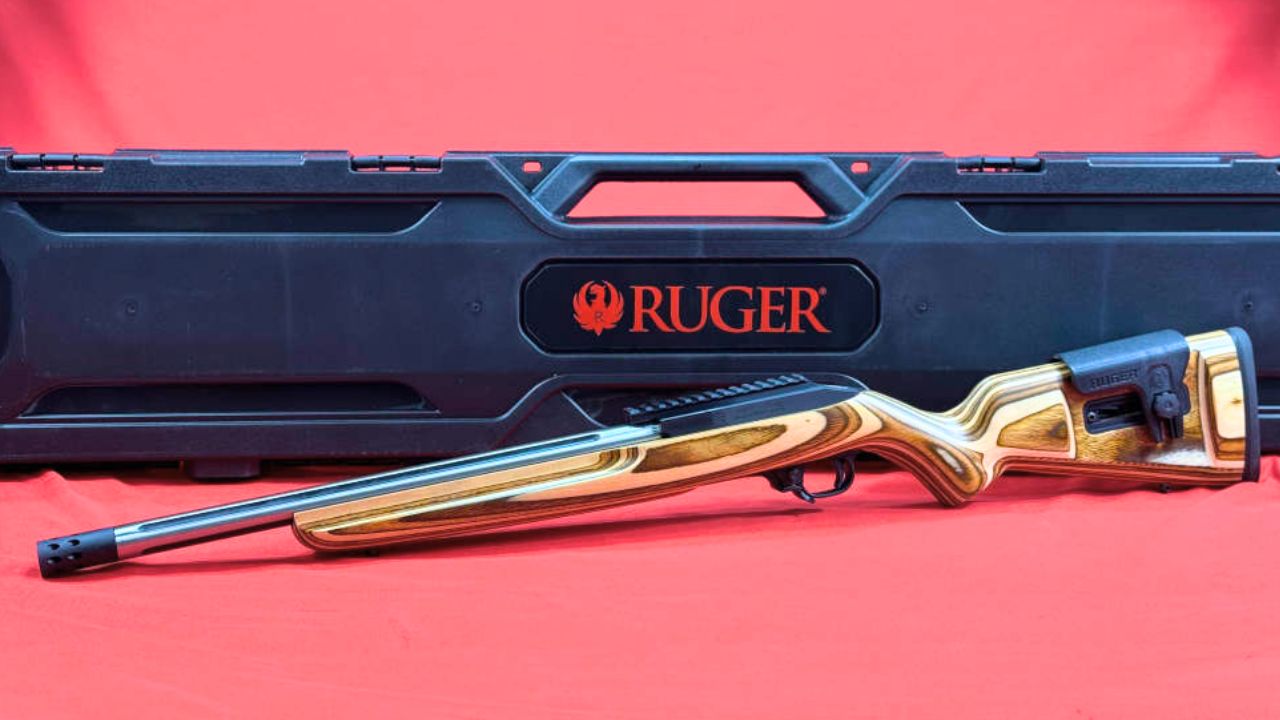
A 10/22 is notorious for “zero problems” that are really optic problems. Rimfire scopes and rings get swapped around constantly, and cheap mounts can loosen. Even a small shift is obvious at rimfire distances because you’re often shooting small targets and the gun has a steep trajectory compared to centerfire rifles.
The other culprit is stock and action screw consistency. If you remove the action from the stock, swap stocks, or change barrel bands, you can move point of impact. Rimfire ammo variability can also look like a wandering zero if you’re switching loads. The 10/22 is a great rifle, but it’s also a tinker platform, and tinkering creates variables. If your zero won’t hold, assume mounts, screws, and ammo consistency before you assume the rifle itself can’t stay put.
Henry .22 lever-action (H001)
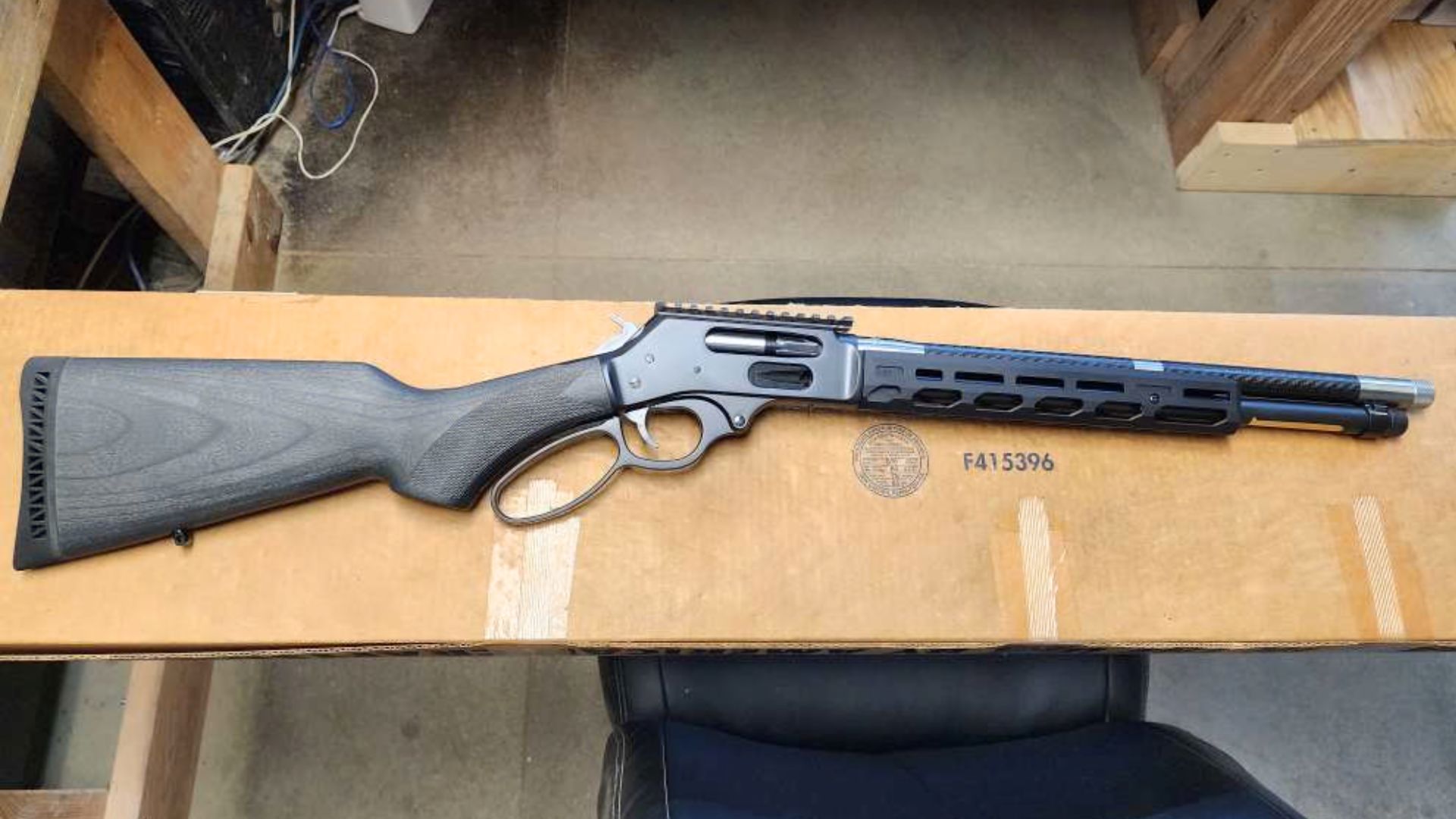
A Henry .22 lever gun can be steady with its factory sights, but zero shifts can happen when sights aren’t secure or when an optic is mounted with hardware that loosens over time. Rimfire rifles also make small shifts look dramatic because you’re often shooting tight groups and tiny targets.
Another factor is how you shoot it. Lever guns can be sensitive to rest position, and if you rest it on the barrel or magazine tube one day and the fore-end the next, you can change impact enough to feel like the rifle lost zero. The Henry is usually consistent when you’re consistent. If it won’t stay zeroed, it’s commonly a sight screw, dovetail fit, or a mounting setup that needs to be tightened correctly. The rifle rarely “forgets” its zero on its own.
Weatherby Vanguard (with loose factory-style setups)
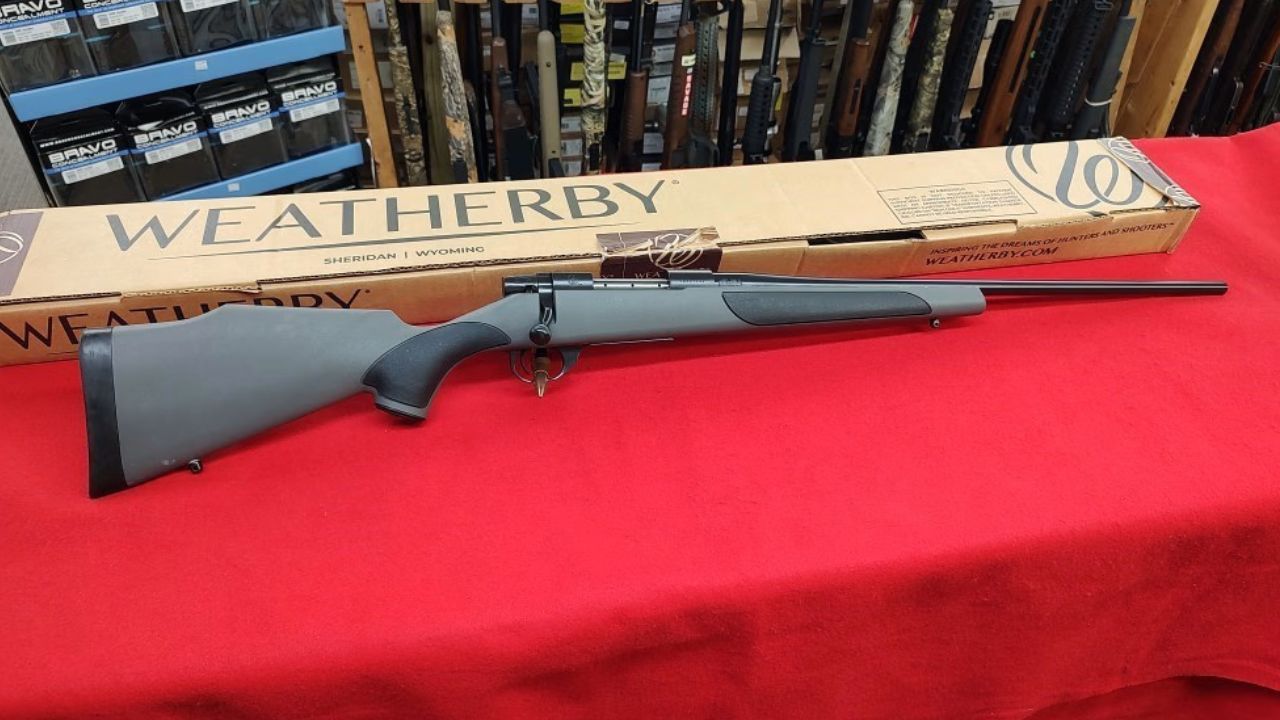
The Vanguard is generally known for solid performance, which is why a wandering zero feels so confusing when it happens. In most cases, the rifle isn’t the problem. It’s the setup: scope bases that settled, rings that weren’t torqued properly, or action screws that loosened slightly after a few trips.
A Vanguard can also be sensitive to how it sits in the stock if torque changes. If you’ve removed the action for cleaning or swapped stocks, inconsistent reassembly can move point of impact. The rifle may still group nicely, just not where it used to. When a “good rifle” won’t stay zeroed, that’s your sign to stop blaming the barrel and start auditing every screw. The Vanguard is usually the kind of rifle that holds zero well once the mounting and torque details are handled correctly.
Like The Avid Outdoorsman’s content? Be sure to follow us.
Here’s more from us: