Photo credit: Kentucky Afield/YouTube
Heat and dust are the two things that expose a pistol’s weak habits fast. When the gun’s hot, lubrication thins out, parts expand a hair, and spring tension starts working harder. Add dust and fine grit, and you’ve basically created lapping compound that loves slide rails, tight chambers, and anything that runs on close tolerances.
Most modern pistols will keep running if you keep them reasonably wet and you’re not burying them in sand. The ones that “choke” tend to share a few traits: tight fit, small slide mass, short travel, stiff springs, or rimfire-level fouling that piles up quickly. If you’ve ever had a pistol go from perfect to problem child halfway through a hot range day, these are the models that often get blamed—sometimes fairly, sometimes because they demand more attention than people expect.
Kimber Custom II (tight 1911 builds)
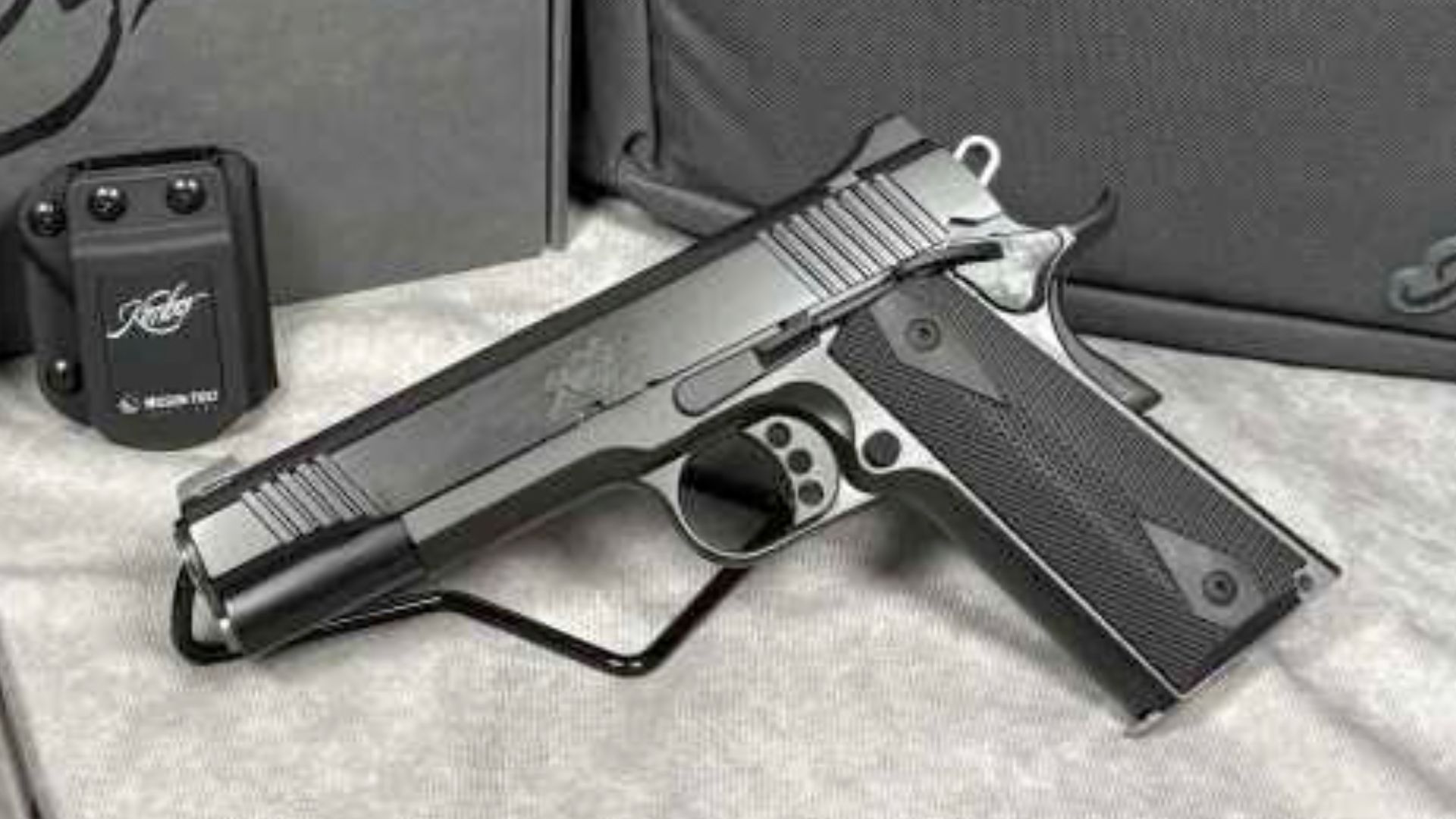
A tighter 1911 can feel great when it’s clean and lightly oiled. The trouble starts when the gun heats up and fine grit gets into the slide-to-frame fit. A 1911 that’s fit on the snug side has less tolerance for dry rails, powder fouling, and dust mixing together. That’s when you see sluggish cycling, failures to return to battery, or a gun that suddenly feels “slow” in recoil.
The other friction points are classic 1911 stuff: barrel bushing fit, link timing, and the way the extractor is tensioned. None of that is automatically wrong, but tight plus hot plus dusty is a rough combination. If you carry a 1911 like this, you usually learn to keep it lubricated and you learn which magazines and ammo profiles don’t add extra drag.
Springfield Armory TRP

The TRP is built to feel solid, and many examples are fit tighter than entry-level 1911s. That can be a good thing for consistency, but in dusty conditions it means grit has fewer places to “hide” without rubbing. When the gun warms up, the rails and barrel fit can feel less forgiving if you’re running it dry.
A lot of the hiccups you’ll see look like return-to-battery issues. The slide comes forward, slows at the last half-inch, and you get a stubborn stoppage that goes away after a tap or a rack. Heat and dust don’t create that out of nowhere, but they can push a tight pistol over the edge. If you want a 1911 that lives through ugly range days, the TRP usually prefers a little lubrication and a wipe-down more often than polymer duty pistols do.
SIG Sauer P210 Target
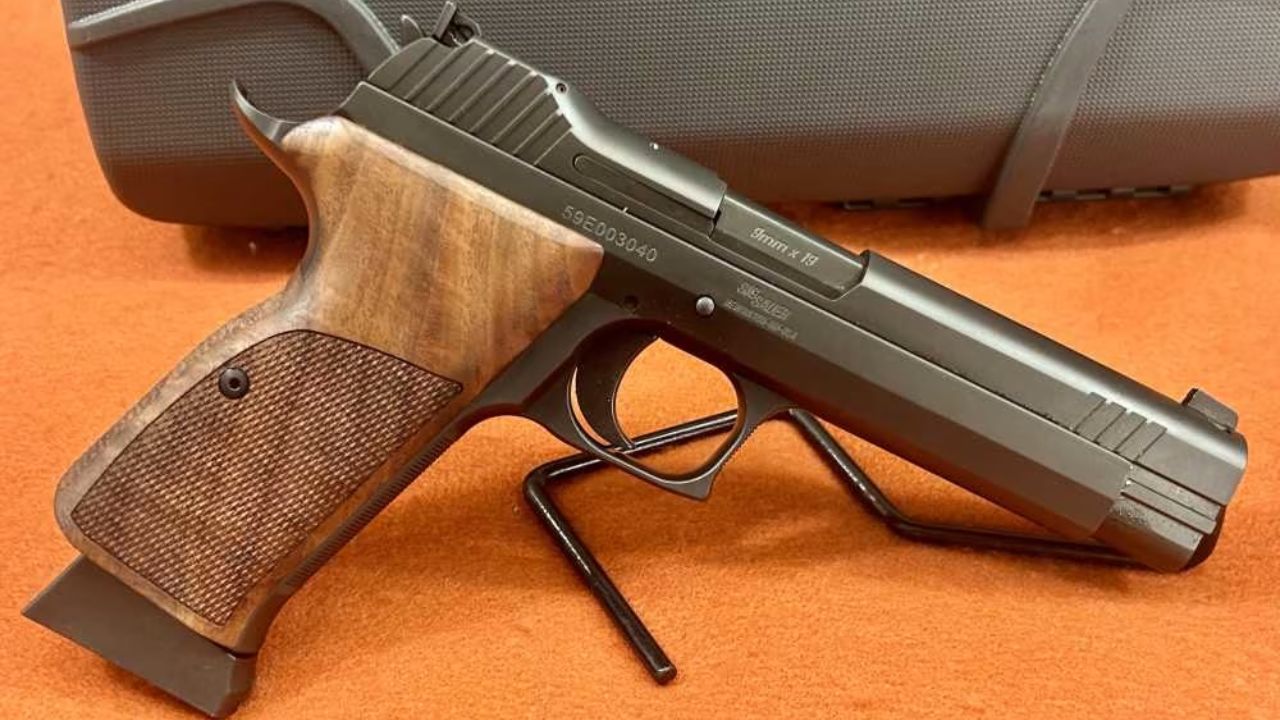
The P210 has a well-earned reputation for precision, and a big part of that is the way it’s fitted. That tight, smooth feel is also why dust can become a problem faster than you’d expect. Fine grit in the rails or around the barrel hood can turn “buttery” into “sticky” once the pistol is hot and the oil starts thinning.
When a P210 gets cranky, it usually does it in subtle ways first—slower slide speed, a failure to fully chamber, or a gun that starts feeling like it needs help returning to battery. It’s not fragile, but it’s a pistol that rewards care. If you treat it like a duty Glock and let it run bone-dry in dusty heat, you can end up with stoppages that feel surprising for such a high-end gun.
CZ Shadow 2

The Shadow 2 is a competition favorite for a reason, and it also carries long, full-length rails that give you a lot of surface area. More contact area can feel smooth, but it also gives dust more places to create friction. When the gun heats up and the lube starts burning off, that friction shows up as a sluggish cycle or a return-to-battery issue.
You’ll also see the Shadow 2 amplify magazine and ammo variables when it’s dirty. A slightly weak mag spring or a rough feed ramp that never mattered on a cool gun can start showing up after a couple hundred rounds in dusty conditions. The pistol can be extremely reliable, but it often likes to stay lubricated on the rails. When you keep it wet, it tends to run. When you run it dry and gritty, it can start reminding you it’s a tight, steel competition gun.
CZ 75 Tactical Sport
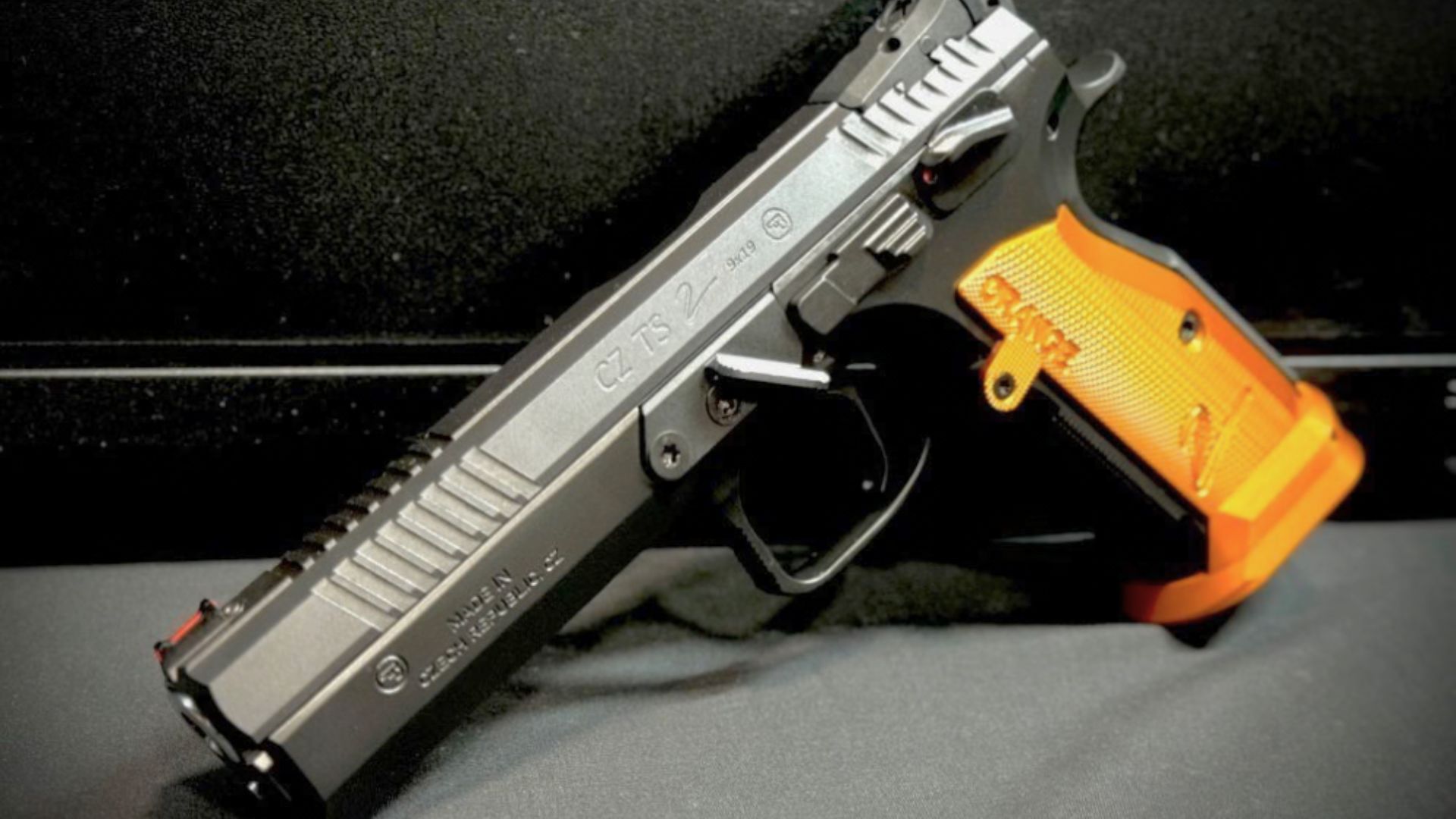
The Tactical Sport is another CZ that can run hard, but it’s built around a smooth, fitted feel that doesn’t always love grit. In hot, dusty conditions, the combination of long bearing surfaces and a tuned competition setup can turn into extra drag where you least want it—right as the slide needs to close with authority.
The symptoms usually don’t look dramatic at first. You’ll see a random failure to return to battery or an occasional feed hesitation that feels out of character. Then the gun cools, you wipe it down, and it behaves again. That pattern is common with tight steel pistols that are tuned for performance. If you carry or train with a TS, you learn that a little lubrication and clean magazines matter more than they do on looser-fitting service pistols.
SIG Sauer P226 X-Five
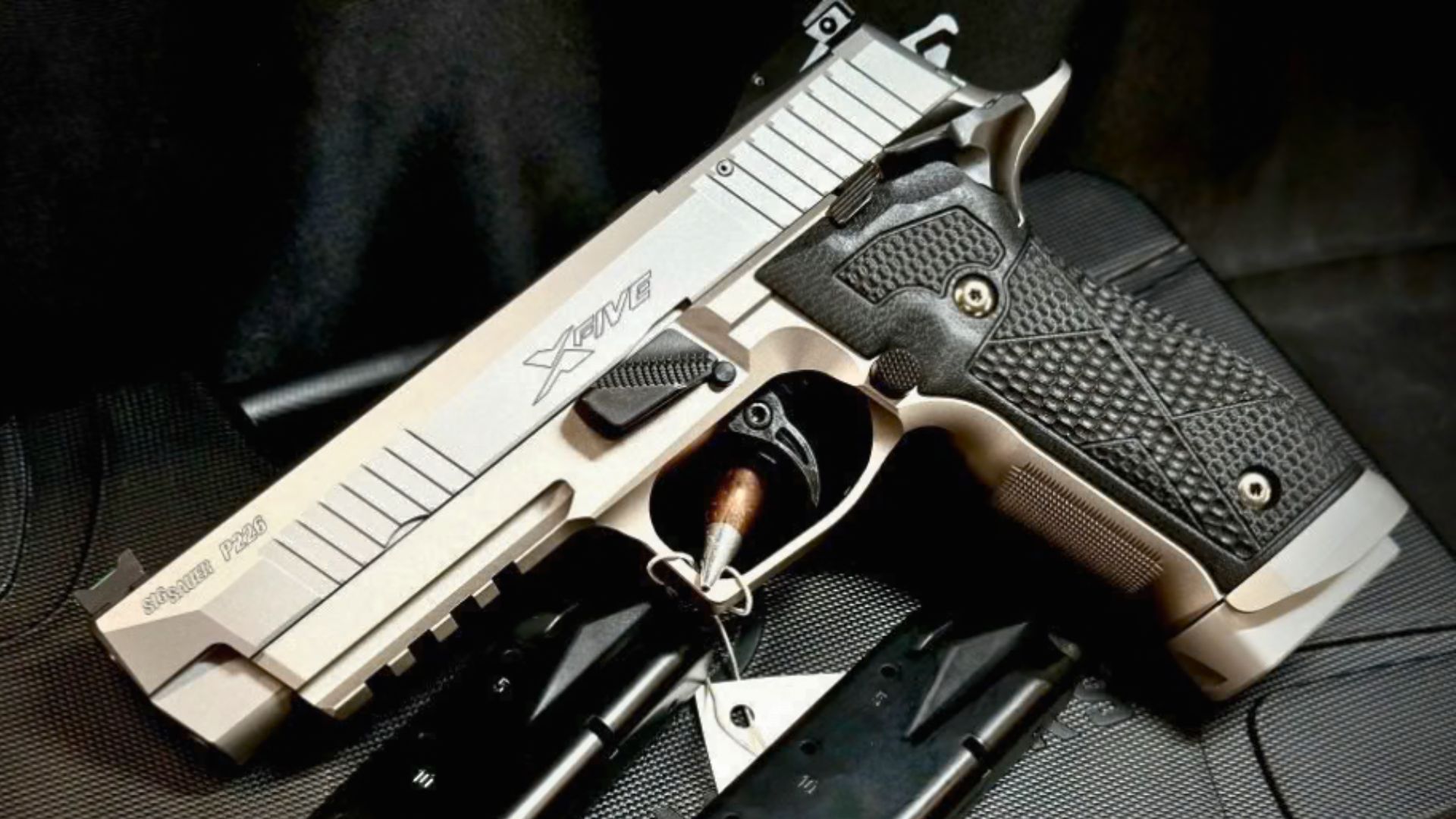
The X-Five line is built with match use in mind, and many examples feel tighter and smoother than a standard service P226. That refined fit is great until dust and heat team up. Fine grit can work its way into the rails and around the barrel lockup surfaces, and once the gun gets hot, the slide can start losing the extra speed it needs to muscle through debris.
When the X-Five stumbles, it often does it with a slow return to battery or a failure to fully chamber a round that would have fed earlier. It’s not that the design is weak. It’s that a match-style gun often expects a cleaner environment than a windblown outdoor range. If you’re running one hard, you’ll usually keep it lubricated and you’ll pay attention to magazine maintenance, because dusty mags can create their own feeding headaches.
Walther Q5 Match

The Q5 Match is built to shoot fast and flat, and many shooters run them with optics and lighter recoil setups. In hot, dusty conditions, anything that reduces slide energy or adds friction can show up quicker. Dust in the striker channel area, grit on the rails, and a dry slide can all combine into failures that feel random.
Most of the time the problems look like short-stroking or a failure to return to battery after the gun is heat-soaked. The pistol may run perfectly for the first few magazines, then start acting sluggish once grime builds up. That’s not unique to Walther, but match-oriented pistols tend to have less tolerance for being neglected. If you want the Q5 to keep humming on a gritty day, it usually responds well to clean mags, a lightly lubricated slide, and a quick wipe when the dust starts sticking.
Ruger Mark IV 22/45

Rimfire pistols can be accurate and fun, and they also get filthy fast. The Mark IV will run well, but .22 LR fouling builds quickly, and dust loves to cling to that dirty residue. Once the gun is hot and gritty, you can see sluggish cycling, failures to extract, or rounds that don’t chamber cleanly because the chamber is starting to crust up.
A Mark IV that’s running marginal often gives you a warning: it starts feeling “lazy” in the action, like the slide is moving through syrup. Add fine dust, and that syrup turns into grit. The fix is rarely mysterious. It’s maintenance and ammo selection. Some .22 loads run dirtier than others, and some magazines stay happier when they’re kept clean. On a hot, dusty day, a rimfire pistol can demand attention more often than centerfire guns.
Browning Buck Mark

The Buck Mark is another rimfire pistol that can go from great to annoying when it’s hot and dusty. Rimfire blowback operation throws grime into places you don’t always notice, and the combination of powder residue and fine grit can slow the slide and create extraction issues. When the gun is heat-soaked, it doesn’t take much extra drag to turn reliable cycling into occasional hiccups.
You’ll usually see failures to feed or failures to extract first. The gun runs, then it starts leaving empties behind or partially stripping rounds as the slide loses speed. Buck Marks can be very dependable, but they don’t love neglect in dirty environments. If you’re shooting in dust, wiping the rails, keeping the chamber reasonably clean, and paying attention to magazine cleanliness can make a bigger difference than people expect.
Smith & Wesson Model 41

The Model 41 is built like a target pistol because that’s what it is. It can also be less forgiving when you treat it like a field gun in heat and dust. Tight chambers, close fit, and rimfire fouling all add up. Once dust starts sticking to residue, cycling can slow and extraction can become inconsistent.
The Model 41’s issues often show up as failures to go fully into battery or a stubborn extraction that appears after the gun is warm and dirty. It’s not a knock on the pistol’s quality. It’s the reality of a precision .22 in harsh conditions. If you bring a Model 41 to a dusty outdoor range and shoot volume, you’re asking a match pistol to live outside its comfort zone. It can do it, but it usually asks for more cleaning and more attention than a looser, more utilitarian rimfire.
Beretta 92FS / M9

The 92-series has a long service record, but its open-top slide also means the gun is more exposed to the environment. In dry, dusty conditions, grit can find its way into places it wouldn’t on a more enclosed slide design. When the gun is hot and the lube has cooked off, that grit can add drag and slow the cycle.
A lot of the “dust” reputation with the M9 world has also been magazine-related. Dusty magazines, weak springs, and gritty followers can create feeding problems that look like the pistol’s fault. The 92 itself often keeps running, but it does better when the mags are clean and the slide rails aren’t run dry. If you’re training in dust and heat, the gun can stay dependable, but it may need more attention to magazines than people want to admit.
Walther PPK / PPK/S
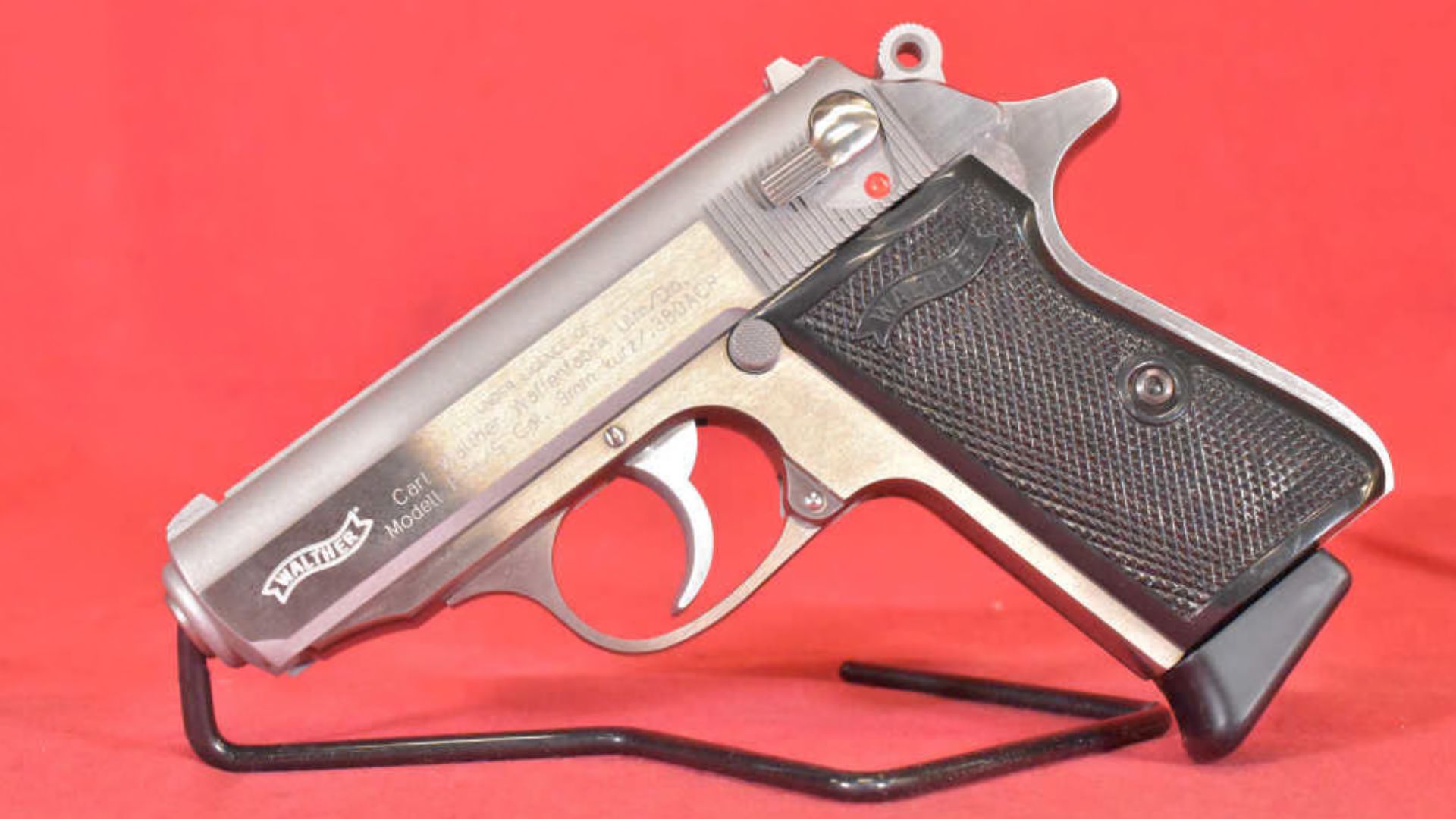
Blowback .380 pistols can be surprisingly sensitive to heat and grime because they rely on slide mass and spring tension rather than a locked-breech system. The PPK is also a compact design with tight spaces. Dust mixed with powder residue can create extra drag, and once the pistol is hot, that drag can show up as sluggish cycling or failures to fully chamber.
You’ll often see issues on the margin: a round noses into the feed ramp oddly, the slide doesn’t quite return to battery, or extraction becomes less consistent as fouling builds. The PPK can run fine when maintained, but it isn’t the pistol you want to run dry and dirty for high round counts in dusty heat. It’s better viewed as a classic carry pistol that rewards frequent cleaning and sensible lubrication.
Ruger LCP II
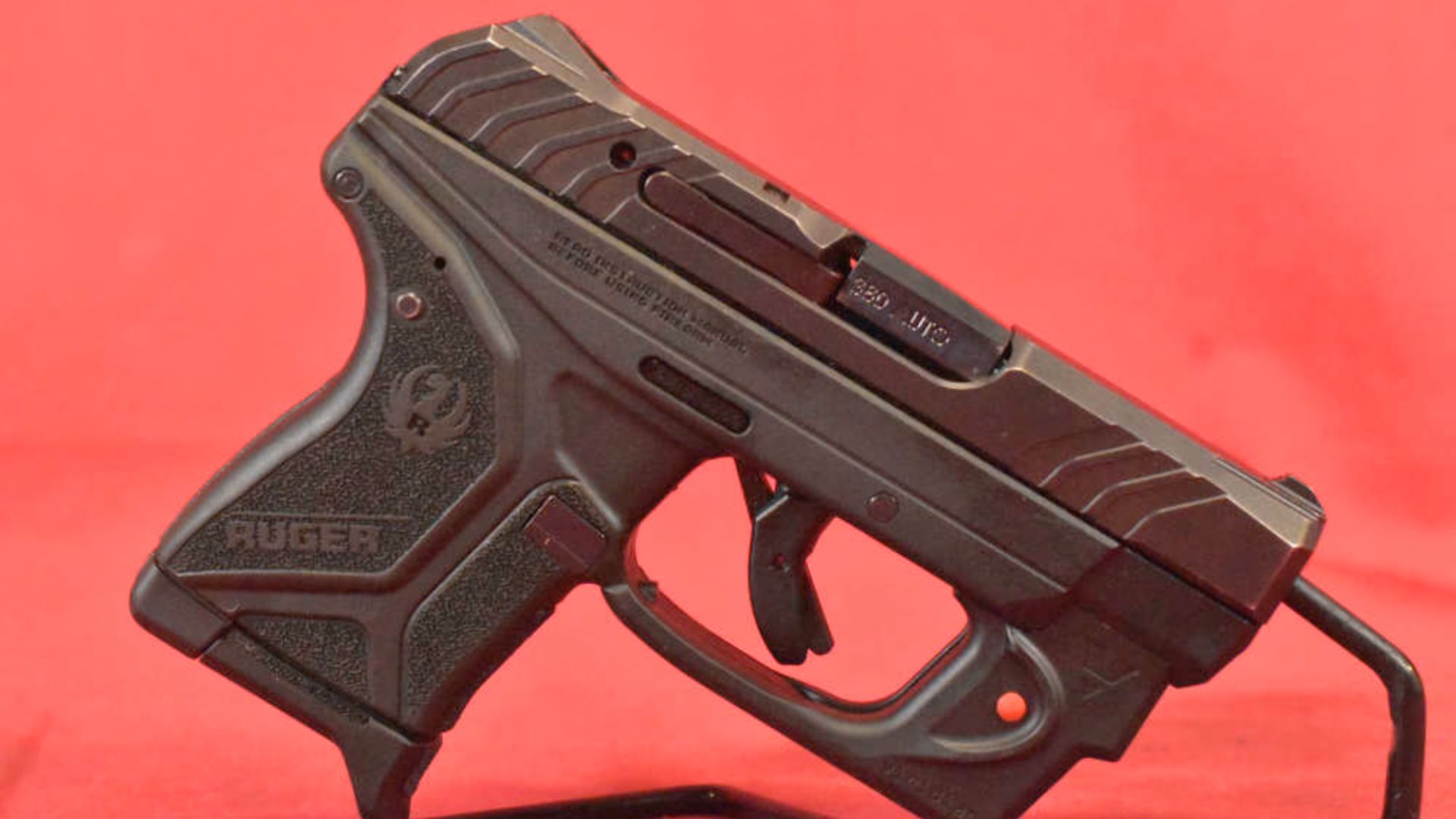
Tiny pistols live on tiny margins. The LCP II is light, the slide is small, and it doesn’t have much extra energy to push through friction when grit gets involved. When the gun is hot and dusty, any added drag—on the rails, in the chamber area, or around the extractor—can turn into failures to feed or failures to return to battery.
A lot of LCP II “choke” stories also come down to pocket reality. Lint, dust, and grit migrate into small guns, and they build up faster than people expect. If you carry one daily and rarely wipe it down, it can start acting up during long practice sessions when heat and fouling pile on. The pistol can be dependable, but it tends to demand a cleaner lifestyle than larger locked-breech pistols.
Smith & Wesson Bodyguard .380

The Bodyguard .380 is another compact .380 where heat and grime can stack up fast. Blowback operation and a small slide mean you don’t have much extra cycling energy in reserve. Add dust and fouling, and you can see short-stroking, failures to extract, or a slide that doesn’t return with the same authority it had at the start of the session.
The Bodyguard also tends to be more sensitive to ammo and maintenance than full-size pistols. When it’s clean, it can run fine. When it’s hot, dry, and gritty, the edges get sharper. The best way to think about it is this: a tiny carry .380 is a compromise tool. It will do its job, but it’s not built to run filthy the way a full-size service pistol often will. Dust and heat expose that difference quickly.
SIG Sauer P365

The P365 is widely trusted, but it’s still a micro-compact, and micro-compacts can be less forgiving when they’re run hot, dry, and gritty. The slide is short, the recoil system is compact, and the tolerances are tighter than older “chunky” service pistols. When dust mixes with fouling on the rails, slide speed can drop enough to cause a failure to return to battery.
Another factor is how much you ask of it in practice. If you’re doing high-round-count drills in dusty heat, you’re pushing a carry-sized gun into a duty-style workload. Most P365s handle it well with basic upkeep, but when they stumble, it’s often after they’re heat-soaked and filthy. That’s when you’ll see a random sluggish chambering or a failure to fully close. A little lubrication and clean magazines usually keep it out of that danger zone.
Springfield Hellcat

The Hellcat is tough, but like other micro 9s it doesn’t have endless tolerance for being run dry in harsh conditions. When it gets hot and dusty, friction starts to matter more. Dust on the rails, grit in the magazine, and fouling in the chamber can all add up until the slide loses the extra snap it needs to chamber rounds consistently.
When the Hellcat starts acting up, it often shows on the first hint of sluggish return to battery or a feeding issue that appears late in a long session. The pistol may run clean early, then start getting picky once the dust sticks to oil and residue. That doesn’t mean it’s a bad choice. It means carry pistols are small machines. If you’re training hard outdoors, you’ll get better results when you keep the gun lightly lubricated, keep the magazines clean, and don’t let grit build up until it becomes part of the action.
Like The Avid Outdoorsman’s content? Be sure to follow us.
Here’s more from us: