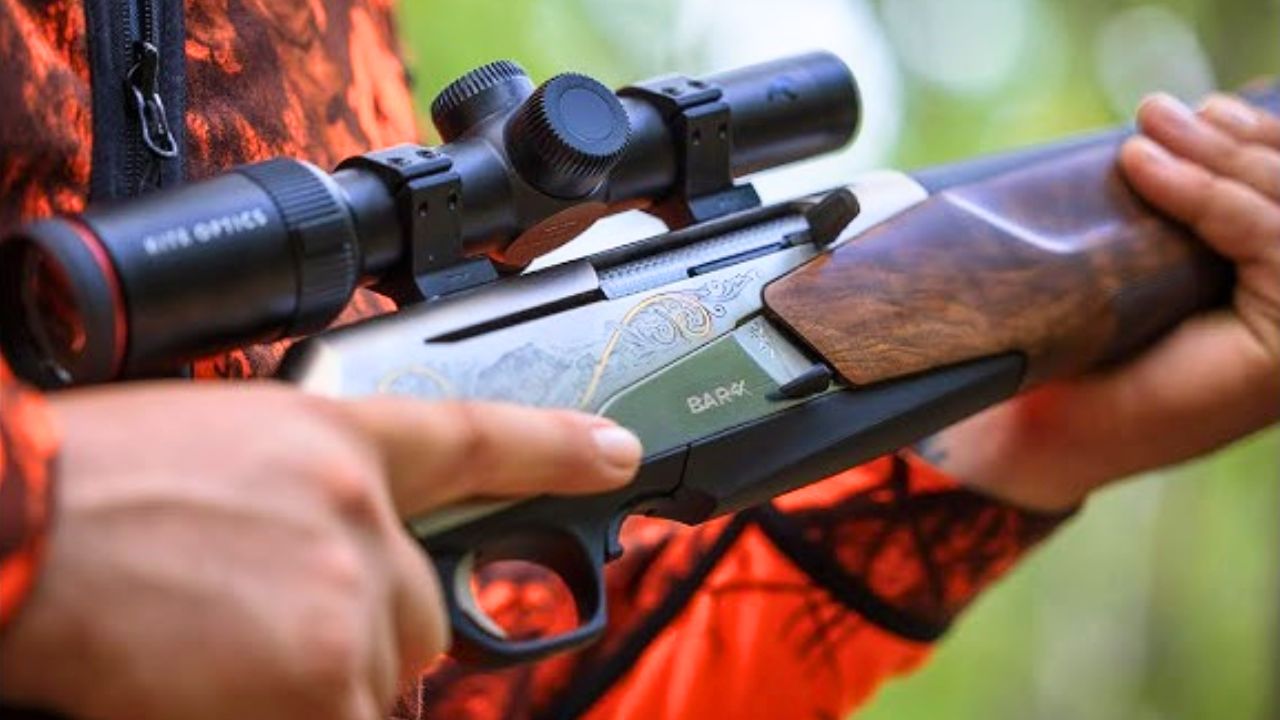
Photo credit: Browning Europe FR/YouTube
When a barrel starts to heat up, it quietly tells the truth about a rifle’s real precision. On a cool bore, nearly anything can print a respectable group, but once the metal warms, weak designs start drifting shots in unpredictable directions. You feel it in fast strings on the range and especially during long practice sessions where you’re working on cadence. Some rifles shift vertically, others walk sideways, and a few wander in every direction depending on how the stock and barrel interact.
Remington 742 Woodsmaster
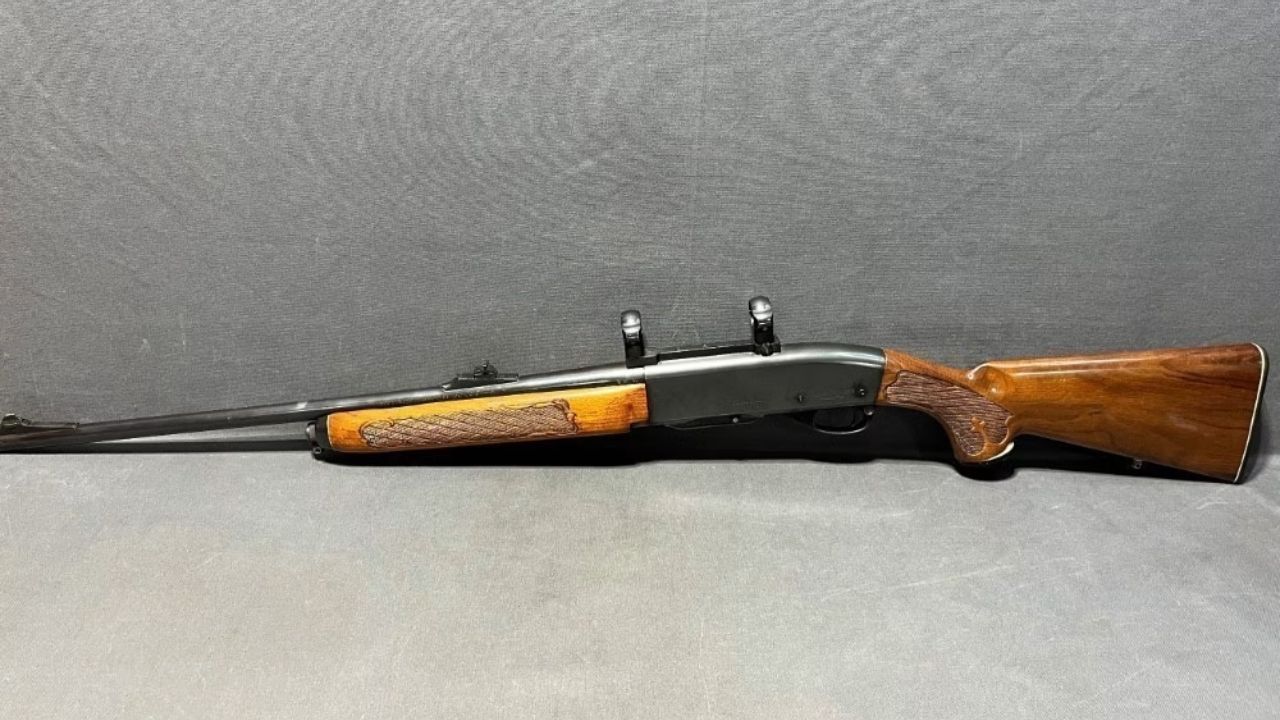
The 742 Woodsmaster can feel accurate when cool, but once the barrel heats, groups start opening quickly. The thin contour combined with the semi-auto gas system puts heat into the steel faster than it can dissipate. After a few shots, you’ll notice vertical stringing that only gets worse as the session continues.
The stock-to-barrel fit on many older rifles doesn’t help, either. Pressure points along the forend can push the barrel in different directions as it expands. It’s a rifle that works fine for a single cold-bore opportunity but struggles the moment you ask it to maintain consistency.
Ruger Mini-14 (early series)

Early Mini-14 rifles are well known for wandering once they warm up. The light barrel and action design were never meant for long strings of fire, and you’ll see groups shift several inches as the heat builds. The barrel whip becomes more pronounced with each round.
Wood-stocked versions magnify the problem because the forend can press against the barrel as humidity and heat change. When you’re shooting more than a couple of rounds at a steady pace, the point of impact moves enough that keeping shots centered becomes a chore.
Ruger American Ranch (early production)

The first waves of the American Ranch used light barrels that heated fast and drifted shots sooner than many expected. Shooters often reported their first three shots touching, with the next three sliding off in a diagonal pattern. You feel the barrel warm immediately in 5.56 and .300 BLK versions.
The flexible synthetic stock also contributes. Even a modest amount of forend pressure changes the barrel’s resonance as it expands. It’s accurate for slow, measured shooting, but once heat enters the equation, you work harder than you’d like to keep rounds together.
Browning BAR Lightweight Stalker

The Lightweight Stalker trades mass for portability, and that decision shows itself when the barrel heats. The thinner profile loses its stiffness quickly, especially with magnum chamberings. After a handful of rounds, you start seeing vertical lines form on your target.
The semi-auto system puts additional heat into the chamber area, which accelerates drift. If your practice involves shooting multiple groups back-to-back, you’ll spend more time cooling the barrel than learning anything useful. It’s a fine hunting rifle, but it’s not built for extended strings.
Thompson/Center Compass (early runs)

The Compass gained attention for value, but early rifles shipped with slim barrels that heated fast. Many shooters found their groups walking to the right as they approached the five-shot mark. The heat combined with a pliable stock made the issue even more noticeable.
Resting the rifle on a bipod or pack often caused the stock to flex slightly, and once the barrel warmed, those pressure inconsistencies widened dramatically. Accuracy is solid while cool, but it doesn’t take much to push it out of its comfort zone.
Savage Axis .308
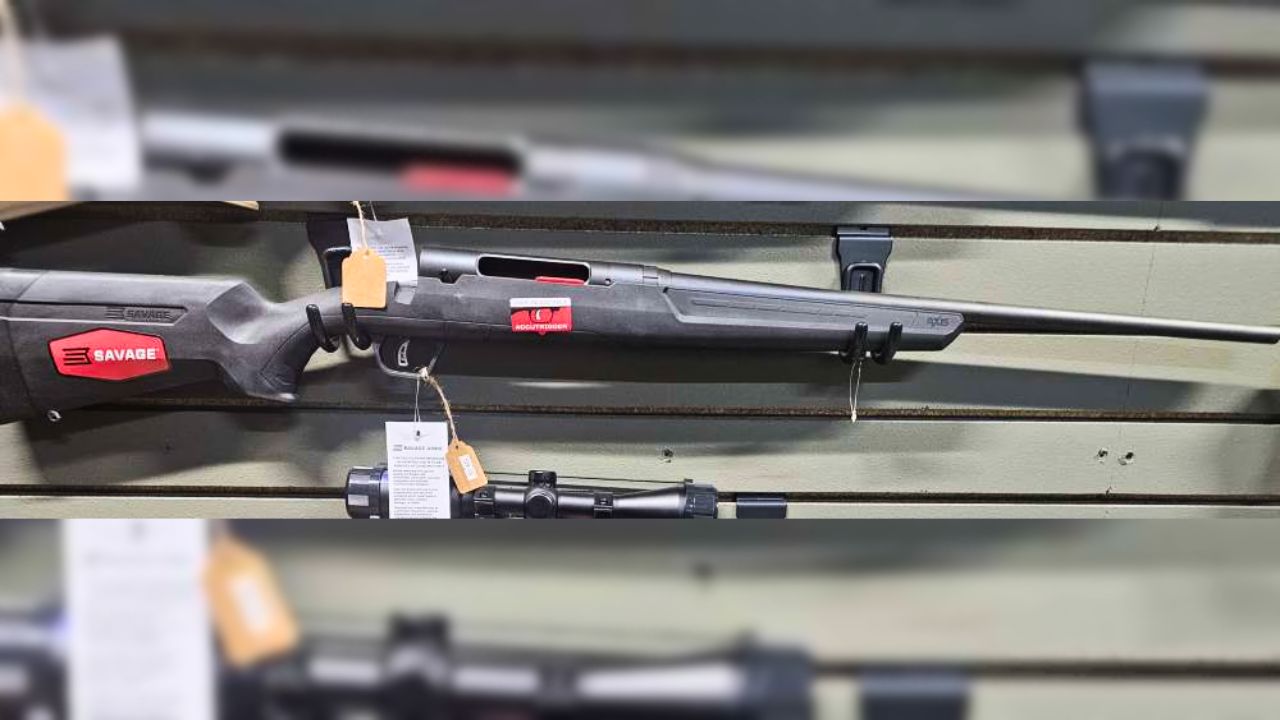
The Axis platform shoots better than its price tag suggests, but the .308 versions with the light barrel contour are prone to heat wandering. You’ll often see the first group tighten up nicely, then see the next one drift upward as the steel softens under heat.
The forend can flex enough that even a light grip or uneven rest creates tension. As the barrel expands, that tension translates into directional drift. For slow-paced hunting or occasional bench time, it’s perfectly functional, but heavy practice exposes its limits.
Remington 770
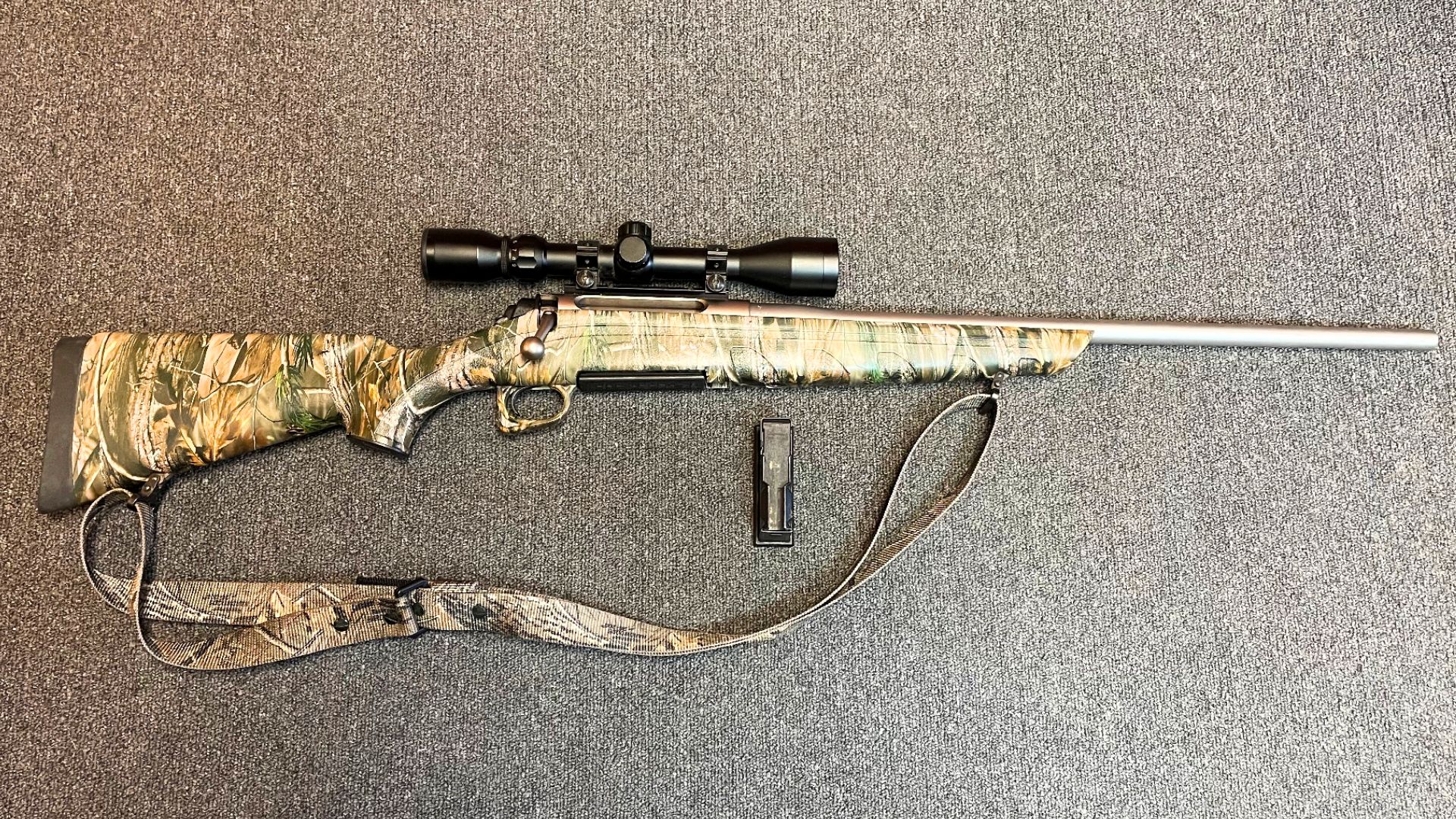
The Remington 770 has a thin barrel paired with a stock that doesn’t offer much rigidity. Once the rifle warms, the barrel and forend begin a subtle tug-of-war. Most shooters notice vertical walking first, followed by lateral drift as heat continues to build.
You almost always get a respectable cold-bore shot, but sustaining that accuracy is difficult. The rifle wasn’t engineered for long sessions, and when you push it past moderate heat, the groups spread enough that it becomes frustrating.
Weatherby Vanguard Weatherguard (light barrel variant)
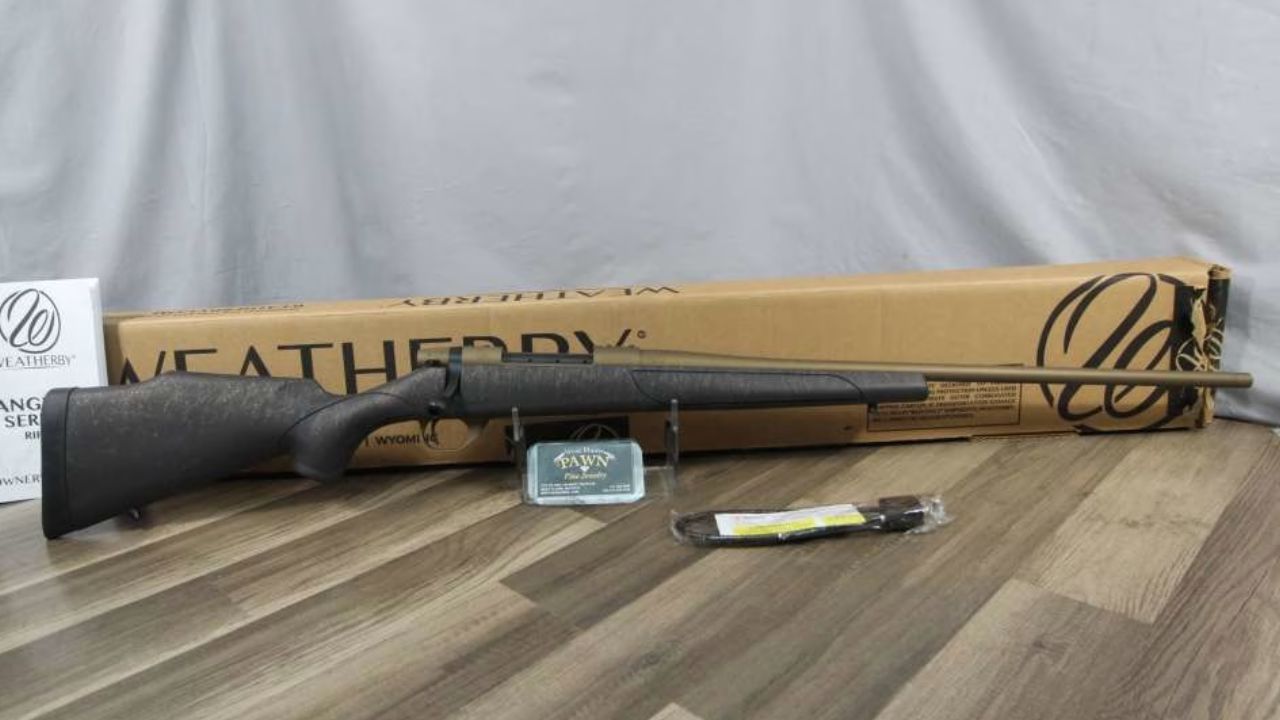
Certain Vanguard Weatherguard models with light contours show visible drift once the barrel heats. The neutral bedding helps when cool, but the moment steel expands, the harmonics change faster than expected. A few shots in a row will reveal a slow but steady migration of impact.
The long action amplifies heat retention, especially with higher-pressure cartridges. If you plan on shooting more than a couple of groups in a session, you’ll find the point of impact moving sooner than you’d expect from a rifle with this reputation.
Mossberg Patriot Super Bantam

The Patriot Super Bantam’s compact design and slim barrel make it a handy rifle, but they also leave little margin when heat enters the picture. A short, light barrel simply can’t maintain the same stiffness after several rounds. Groups often walk diagonally or climb.
The youth-oriented stock adds flex under pressure, further affecting how the barrel responds. Shooters quickly notice that consistency drops once the rifle has been fired a few times in a row. It’s fine for a first rifle but not for sustained practice.
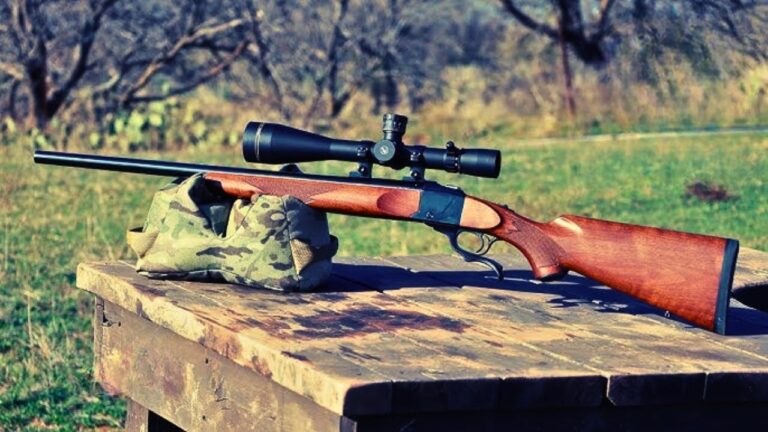
Ruger No. 1 Lightweight Sporter

The Ruger No. 1 Lightweight Sporter is elegant, but the combination of a single-shot receiver and a thin barrel makes heat a real issue. The rifle heats rapidly because there’s no magazine well or receiver mass to soak excess temperature.
As soon as the barrel warms, stringing appears—usually vertical, sometimes angled. It’s not a rifle designed for high-volume shooting. If you keep your pace slow, accuracy is excellent, but push the cadence and the point of impact drifts enough to surprise new owners.
Browning BLR Lightweight
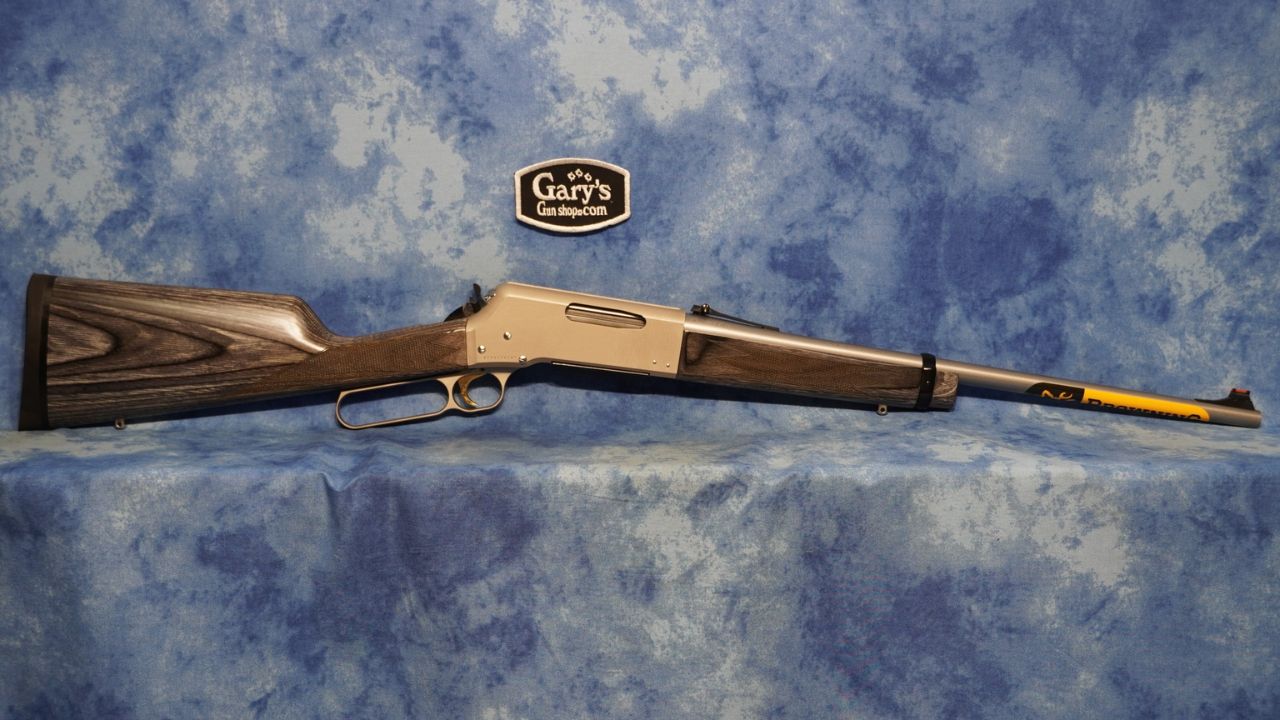
The BLR Lightweight carries wonderfully but gives up stability as heat rises. The pencil-thin barrel contour was meant for hunting, not long shot strings. After three or four rounds, you’ll see shots inch upward or drift to one side depending on how your hold changes.
Because it’s a lever action, the forend and magazine system also add heat in different ways than a bolt-action. That extra warmth builds quickly, leading to noticeable point-of-impact shifts before you even realize the barrel is hot.
Winchester XPR Compact

The XPR Compact handles nicely, but compact rifles with light barrels rarely excel in heat. You’ll notice the barrel warming after only a few rounds, and as the steel expands, the groups shift upward or begin to spray horizontally.
The short length of pull encourages a tighter front-hand grip, which can push the flexible forend into the barrel channel. As the rifle heats, that pressure shifts more dramatically. For hunting distances, it’s fine, but long sessions show its weaknesses.
Remington Model 600

The Remington 600 has personality, but the lightweight barrel and vent-rib design don’t cope well with heat. After a few shots, you’ll see clear signs of vertical climbing. The forend’s slim profile doesn’t stabilize the rifle much either, especially on awkward rests.
Its short length and lively recoil characteristics magnify inconsistencies once the barrel starts wandering. It’s a fun rifle to carry and shoot sparingly, but heavy practice sessions reveal accuracy limits quickly.
Savage Lightweight Hunter
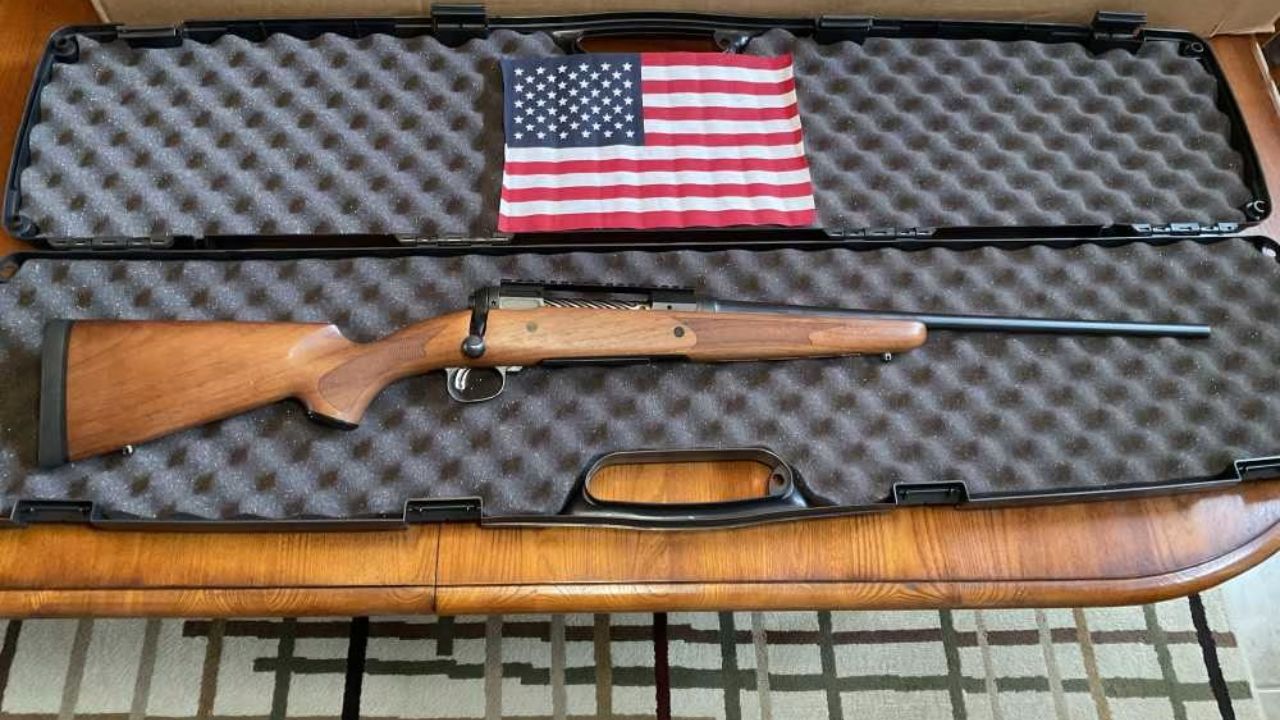
The Savage Lightweight Hunter was built for miles, not marathons. The extremely thin barrel heats in seconds and walks shots almost immediately. Most shooters report that three-shot groups stay tight, but five-shot groups nearly always spread or climb.
The combination of low rifle weight and warm steel produces noticeable wandering. In real terms, it means you need to slow your pace dramatically or accept that your groups won’t hold together once the barrel warms.
Kimber 84M Montana

The 84M Montana is loved for its weight, but its featherweight barrel makes heat hard to manage. It’s stable for the first couple of shots, but once the barrel reaches working temperature, drift becomes obvious—often moving vertically as the steel expands.
Because the rifle is so light, even small changes in barrel whip or heat harmonics are easy to feel. It’s a superb mountain rifle, but when you run strings during practice, it reminds you quickly why light barrels exist only for specific purposes.
Like The Avid Outdoorsman’s content? Subscribe to our newsletter so you never miss an article.
Here’s more from us: