Photo credit: Militarist/ShutterStock.com
Lever-actions weren’t just cowboy rifles—they were the trusted companions of frontier lawmen who needed firepower and reliability in an unpredictable world. From dusty cattle towns to wild mining camps, these rifles were carried by sheriffs, marshals, and deputies who had to face armed outlaws head-on. These weren’t showpieces; they were working guns that earned their reputation through hard service. Here are the lever-actions most tied to the men who kept order in the Old West.
Winchester 1873

Often called the “Gun that Won the West,” the Winchester 1873 was also the rifle of choice for countless lawmen. Chambered in the same calibers as popular revolvers of the day, it gave marshals and sheriffs the advantage of carrying one type of ammunition. Its rugged build and reliable action made it perfect for towns where gunfights could erupt without warning. Lawmen favored it because it balanced firepower, accuracy, and ease of use in one package.
Winchester 1892

Compact and handy, the Winchester 1892 quickly became a favorite among law officers who needed a lighter rifle for patrol. It shared design improvements from earlier Winchesters but was chambered in revolver rounds like .44-40 and .38-40. This meant faster handling in close quarters, which was important when moving through saloons, jails, or crowded streets. Lawmen appreciated its smoother action and durability, making it a trusted partner for everyday use in unpredictable towns.
Winchester 1866

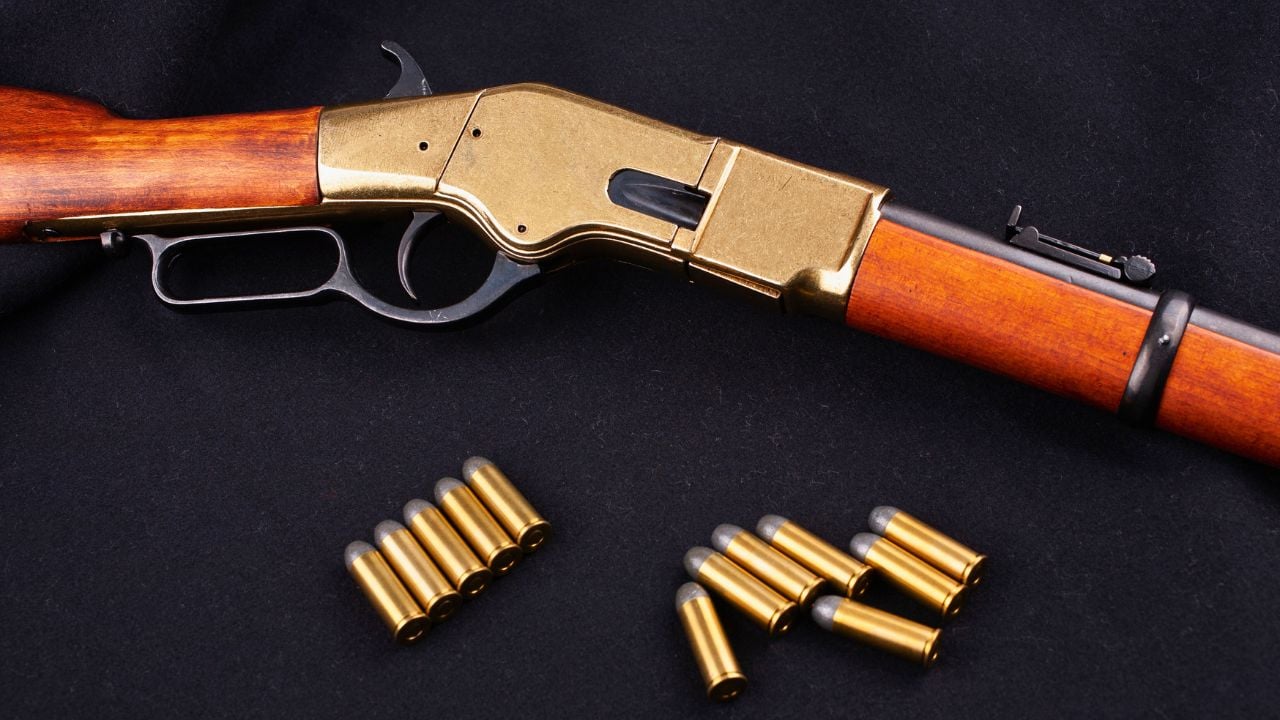
The brass-framed Winchester 1866 was among the first widely carried repeating rifles in the West. Nicknamed the “Yellow Boy,” it gave lawmen a serious firepower advantage over anyone still carrying single-shots. It chambered the .44 Henry rimfire, which wasn’t the most powerful round, but its lever-action speed more than made up for it. Sheriffs who needed to keep order in fast-growing settlements leaned on the 1866 because it was reliable, simple to maintain, and intimidating.
Marlin 1894

The Marlin 1894 stood out because of its solid-top receiver and side ejection, which protected it from dust and debris. Lawmen working in rough, windy country valued this feature since it meant fewer malfunctions during critical moments. Chambered in revolver cartridges, it was easy to pair with a sidearm. The rifle’s compact design and accuracy made it a natural choice for deputies riding horseback or covering narrow streets where quick shots could make the difference.
Winchester 1876

Bigger and more powerful than earlier models, the Winchester 1876 gave frontier lawmen a rifle capable of handling longer ranges and tougher targets. Chambered in heavier cartridges like .45-75, it provided the extra stopping power needed against outlaws wearing heavy coats or using cover. Famous figures like the Texas Rangers used it extensively, proving its worth in both law enforcement and frontier defense. It was a rifle that could reach further than most handguns or carbines of its time.
Colt Lightning Rifle
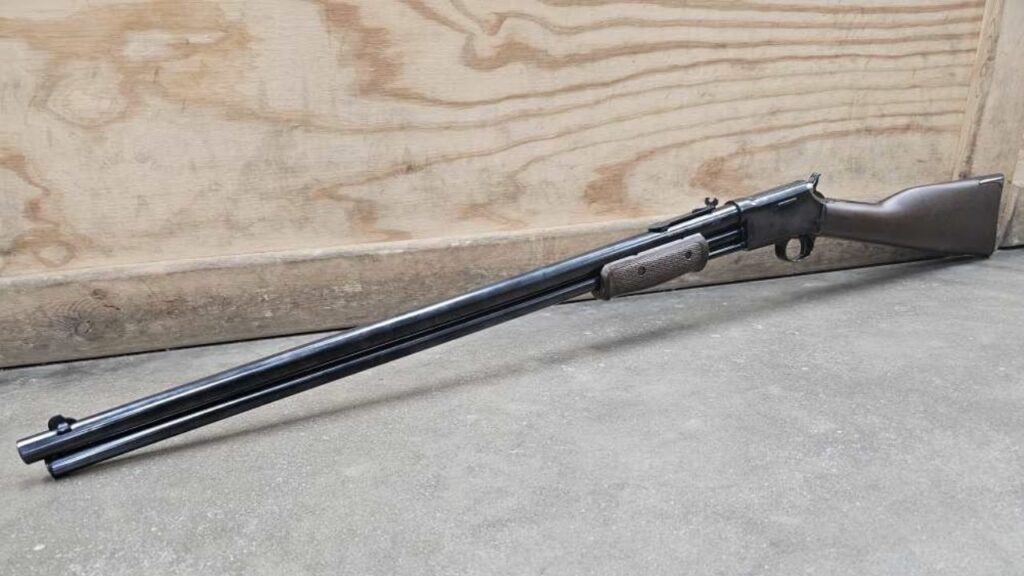
Though not technically a lever-action, the Colt Lightning was used by many lawmen in the frontier era and deserves a mention. Its pump-action design offered fast cycling and was chambered in revolver rounds, making it competitive with Winchesters. Some marshals carried it as an alternative to the standard lever-actions. While it didn’t gain the same iconic status, it was respected for its speed and firepower, especially in the hands of men who needed an edge in close fights.
Winchester 1894

The Winchester 1894 became one of the most successful rifles in history, and lawmen quickly adopted it after its release. Chambered in the newer smokeless powder cartridges, it offered flatter trajectories and better performance at range. Its rugged design made it dependable in rough frontier towns. Many sheriffs relied on the 1894 well into the 20th century, cementing its reputation as not just a hunting rifle but also a trusted tool for keeping the peace.
Evans Repeating Rifle
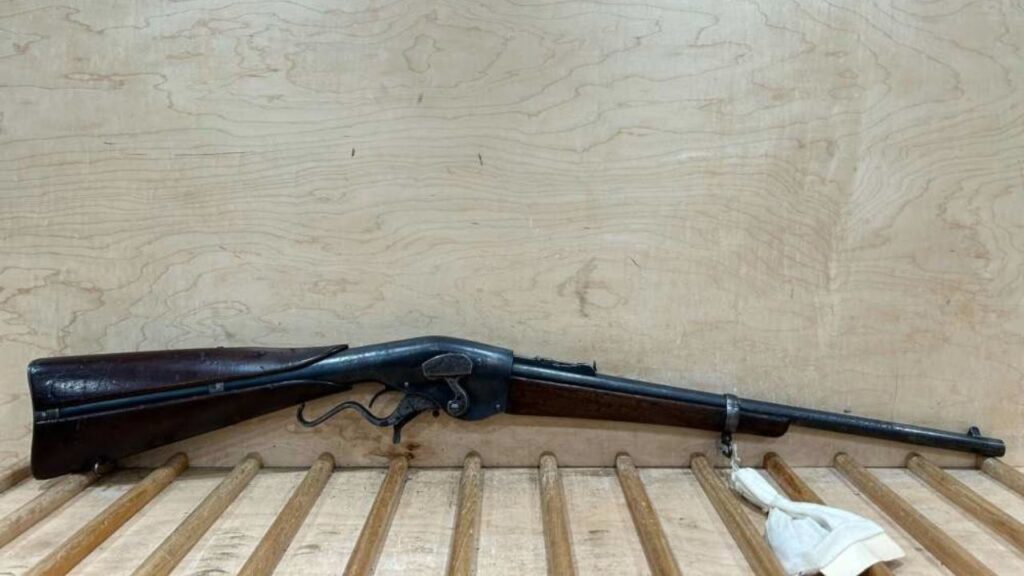
The Evans Repeating Rifle stood out with its unusual helical magazine, capable of holding more than two dozen rounds. Some frontier lawmen were drawn to its massive capacity, giving them a serious advantage in prolonged shootouts. Though it wasn’t as common as Winchester models, it made an impression in the towns where it was carried. The Evans showed that in the hands of a determined lawman, overwhelming firepower could change the outcome of a standoff.
Spencer Repeating Rifle

The Spencer had already proven itself during the Civil War, and its reputation carried into the frontier. Some lawmen carried Spencers, appreciating the reliability and seven-round magazine that was fast to reload with preloaded tubes. While heavier than the newer Winchesters, it was still seen as a dependable option for maintaining order. Lawmen valued it for its proven record, and in an era of uncertainty, the Spencer’s battlefield pedigree gave them confidence in the field.
*This article was developed with AI-powered tools and has been carefully reviewed by our editors.