Photo credit: The Avid Outdoorsman
A rural homeowner said a neighbor’s shooting had gone from ordinary gun noise to something that felt much harder to ignore.
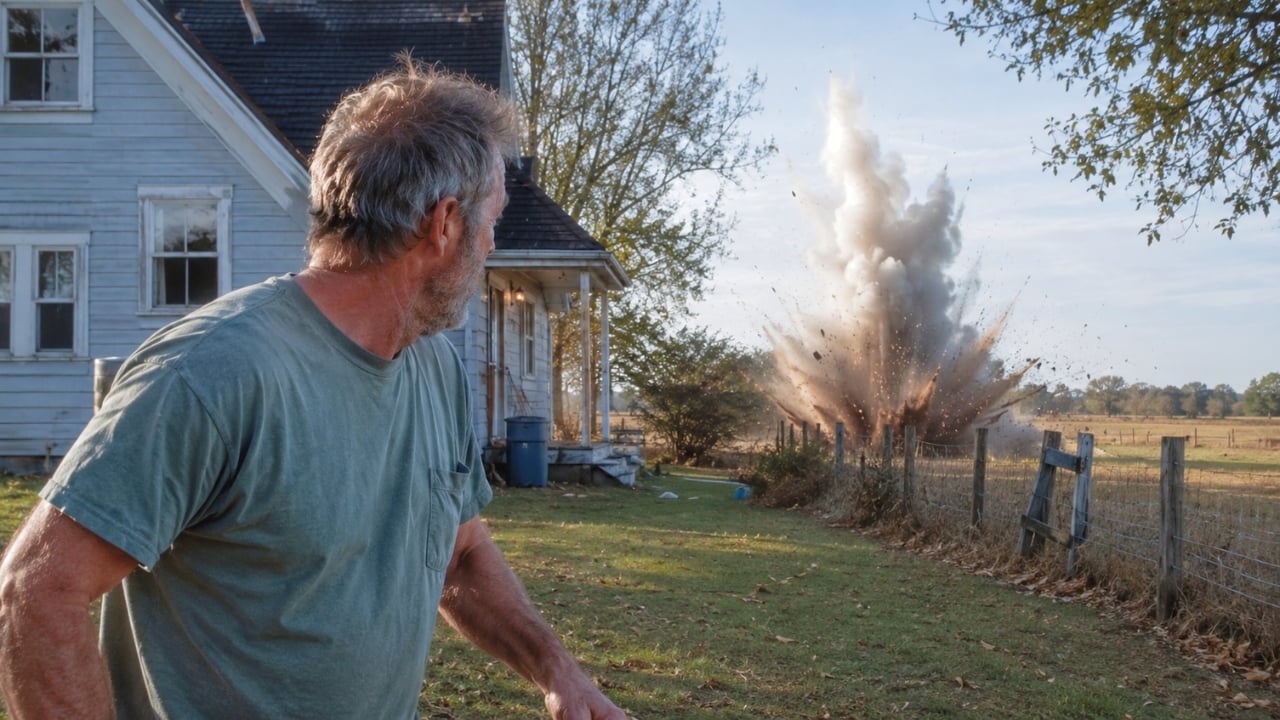
According to the Reddit post, the neighbor was shooting loud guns near the property line and setting off Tannerite, an exploding rifle target that can create a powerful blast when used in large enough amounts. The poster said the explosions were strong enough to shake the house.
That changed the situation from “my neighbor shoots guns” to “my neighbor is setting off blasts close enough to affect my home.”
The homeowner explained the situation in a Reddit thread and asked what could be done about a neighbor shooting and setting off loud explosive targets near the property line: https://www.reddit.com/r/legaladvice/comments/1ntukcc/neighbor_shoots_loud_guns_near_my_property_line/
The explosions were the main concern
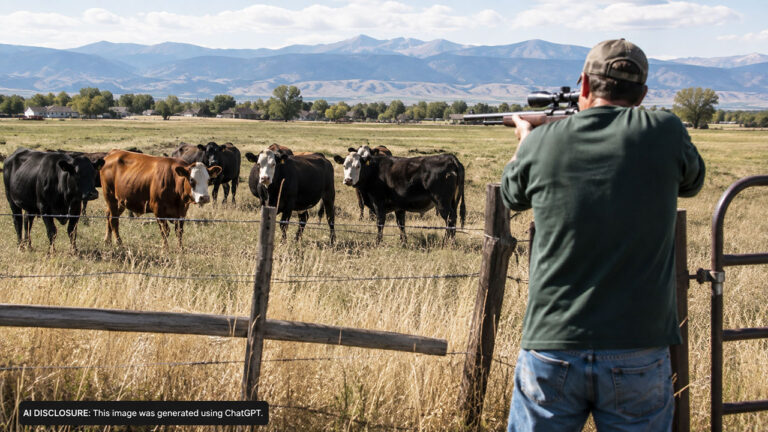
In rural areas, hearing gunshots is often part of life.
People sight in rifles, shoot targets, hunt, dispatch pests, or practice on private land. That does not mean every neighbor enjoys it, but the law often allows shooting if it is done safely and within local rules.
Tannerite made this feel different.
A gunshot is loud. An exploding target can rattle windows, shake walls, scare livestock, and make people feel like something much more serious is happening nearby.
The homeowner was not just complaining about occasional noise. They said the blasts were affecting the house itself.
Commenters wanted details about distance and safety
The big questions were where the neighbor was shooting, how close the blasts were to the property line, and what direction the bullets were traveling.
If the neighbor was shooting safely on his own land with a proper backstop, the legal options might be limited. But if rounds were crossing property lines, explosions were dangerously close, or debris was leaving the neighbor’s land, the situation could look very different.
Commenters also wanted to know whether the homeowner was inside city limits, in a county with discharge rules, or in an area with noise ordinances.
That matters because rural shooting laws can change dramatically from one county to the next.
Tannerite can create a separate legal issue
Exploding targets are not always treated the same as normal target shooting.
Depending on the state, county, amount used, and location, there may be rules about explosives, noise, fire risk, or reckless conduct. Even if small amounts are legal, using large amounts close to homes can draw attention from law enforcement or fire officials.
That was one of the practical points in the thread.
The homeowner did not need to prove that all shooting was illegal. They needed to focus on the specific conduct that made the situation dangerous or unreasonable: blasts near the property line strong enough to shake the house.
That is a more concrete complaint than “I hate hearing guns.”
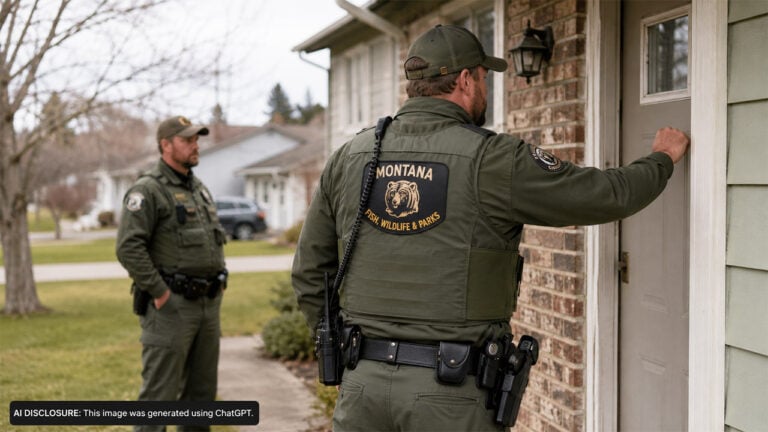
Calling the sheriff was a practical step
Several commenters in these kinds of situations usually point to the sheriff’s office.
That makes sense because local law enforcement can answer the question that Reddit cannot: whether the neighbor’s shooting setup violates local ordinances or safety rules.
The homeowner could call the non-emergency line when shooting was not actively dangerous, or call emergency services if blasts or gunfire seemed to be threatening people or property.
The key was to describe the issue clearly. Not just “my neighbor is shooting,” but “my neighbor is setting off explosive targets near my property line, and the blasts are shaking my house.”
That wording matters because it explains why this is more than normal rural noise.
Documentation could make the complaint stronger
Commenters would likely suggest keeping a log.
Dates, times, how many blasts, where they seemed to come from, whether the house shook, whether windows rattled, whether animals were affected, and whether any damage occurred could all matter.
If safe, video from inside the home might capture the sound or shaking. Photos of any damage would also help.
The homeowner should not walk toward active shooting or explosions to get evidence. That is not worth the risk.
But a documented pattern can help if law enforcement, code enforcement, or a local attorney gets involved later.
The homeowner needed to check local ordinances
The thread also showed why local rules matter so much.
Some counties have minimum-distance rules for discharging firearms near occupied homes, roads, or livestock. Others have noise rules. Some may have restrictions on explosive targets, especially if fire danger is high.
The homeowner would need to check county ordinances, state law, and possibly fire restrictions.
That last part matters because Tannerite use can be especially risky in dry conditions. If there are burn bans or wildfire concerns, the neighbor’s exploding targets may get more attention than ordinary shooting.
Property damage would change the conversation
A house shaking is alarming. Actual damage would make the complaint much stronger.
If the blasts cracked windows, damaged siding, knocked items off shelves, injured animals, or caused other physical harm, the homeowner should document that immediately.
Damage can shift the issue from annoyance to liability.
Even if the neighbor insists he is allowed to shoot on his land, he is not allowed to damage someone else’s property. That would give the homeowner a clearer path through insurance, civil claims, or law enforcement.
Without damage, the complaint may still matter, but it could be harder to force action unless a specific rule is being broken.
Direct confrontation could be risky
A homeowner may want to march over and tell the neighbor to stop setting off explosions.
That might work with a reasonable person. But it can also go badly, especially when the person is actively shooting guns and setting off Tannerite.
Commenters usually recommend avoiding confrontation during shooting. It is safer to call authorities, document the problem, and only consider a calm conversation later if the neighbor relationship is stable.
If the neighbor already seems reckless or hostile, direct contact is probably not worth it.
The homeowner’s goal should be to stop the unsafe conduct, not create a property-line standoff.
The complaint needed to be framed correctly
The strongest version of the complaint was not “I do not like guns.”
It was that a neighbor was setting off explosive targets near the property line with enough force to shake the house. That gives law enforcement or local officials something specific to evaluate.
Where were the targets? How much explosive material was used? Was there a safe backstop? Were fire restrictions in place? Was debris leaving the property? Were the blasts damaging nearby homes?
Those are the questions that matter.
A vague noise complaint may go nowhere. A safety complaint involving explosive targets near a residence may get a different response.
Rural living does not mean anything goes
The homeowner’s post hit a common rural tension.
People move outside town partly because they want freedom. That often includes shooting on private land. But rural freedom does not give someone the right to create danger or damage for the people next door.
Responsible shooters think about backstops, distances, fire danger, noise, and what their neighbors are being forced to live with.
Setting off Tannerite near the property line and shaking someone else’s house is not the same as quietly sighting in a deer rifle.
For this homeowner, the best path was to document the blasts, check county rules, call the sheriff or fire officials if needed, and focus the complaint on safety, distance, explosive targets, and any damage.
Because once the neighbor’s target practice starts shaking the house next door, it stops feeling like normal country noise.
Check out more from The Avid Outdoorsman here.