Photo credit: 22plinkster/YouTube
Some hunting rifles are incredibly easy to like under fluorescent gun-store lights. The stock feels substantial, the barrel looks serious, the bolt has all the right machining, and the rifle seems like it should instantly turn you into a better deer hunter. Then you carry it through wet timber for four hours, climb a ladder stand with it, try to maneuver it inside a blind, or discover that the impressive stock design is awkward from an improvised shooting position.
That does not make every rifle below bad. Several are accurate and well made. The problem is that deer hunting rewards different qualities than standing at a gun counter. Weight, balance, simplicity, weather resistance, magazine design, and how quickly a rifle comes to the shoulder often matter more than a heavy barrel or an elaborate stock. These 20 can look fantastic in the store while making much less sense once the season starts.
Bergara B-14 HMR
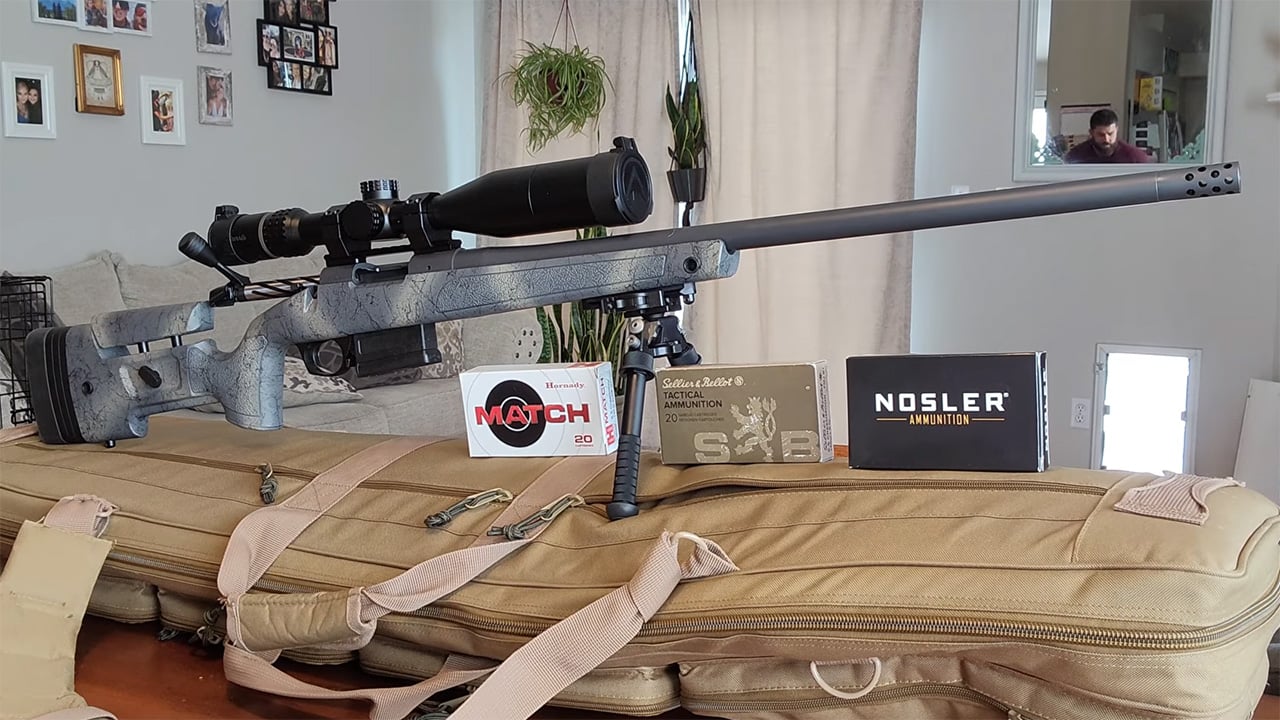
The HMR immediately feels like serious equipment. The stock has an adjustable cheekpiece, the mini-chassis bedding system feels solid, and the heavier barrel gives the rifle the kind of visual authority people associate with precision shooting. Put one on a counter next to a basic sporter and the Bergara usually looks like the more capable rifle.
Then you carry it through deer woods. The same weight that makes the rifle stable from a bench becomes far less attractive when you are climbing a hill or walking a long edge. The stock is excellent from prone and supported positions, but it is bulkier than necessary in a ladder stand or box blind. If most of your shots are inside 200 yards, I would rather carry a lighter sporter and leave the HMR for range work.
Ruger Precision Rifle

The Ruger Precision Rifle looks like it should solve every accuracy problem a hunter could ever have. The chassis, adjustable stock, heavy barrel, detachable magazine, and huge amount of mounting space make it feel like a purpose-built long-range machine.
For typical deer hunting, that is exactly the problem. The rifle is large, heavy, and awkward to maneuver through timber or inside a cramped blind. It is wonderful from a bench, bipod, or carefully prepared prone position, but deer do not always appear where your shooting mat is waiting. A lighter hunting rifle may look less impressive in the store, but it is far easier to carry and bring onto target quickly when a buck steps out unexpectedly.
Savage 110 Precision

The 110 Precision has the visual appeal of a serious competition rifle. The chassis gives you extensive adjustment, the barrel is substantial, and the whole package feels capable of much more than an ordinary hunting sporter.
That capability comes with a field penalty. The rifle is heavy, the chassis adds bulk, and the vertical-grip layout is much more comfortable from a bench than from some improvised hunting positions. If you regularly shoot deer at extended distance from a stable setup, the design may make sense. For somebody climbing stands and walking creek bottoms, though, the rifle gives you far more structure than you need. I would rather have less gun to carry.
Tikka T3x CTR
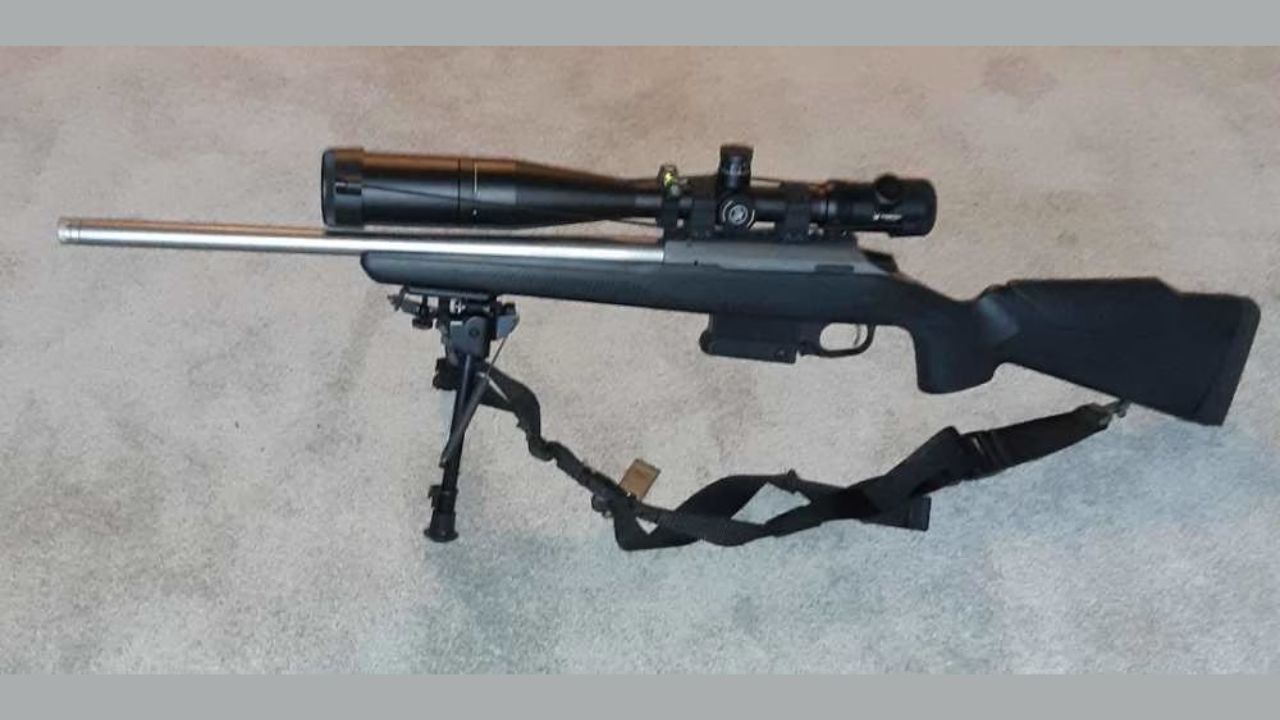
The CTR has an excellent reputation because it combines Tikka’s smooth action with a heavier barrel and detachable magazine system. At the gun counter, it feels like a meaningful upgrade over a basic T3x Lite. The barrel looks serious, the magazine feels substantial, and the rifle appears ready for longer shots.
The problem is that the extra weight and magazine setup are not always advantages in the woods. The rifle carries noticeably heavier than the Lite, and the protruding magazine can be more annoying when shooting from bags, blind rails, or awkward rests. It is a great crossover rifle, but if my main job is killing whitetails from normal distances, I would rather have the lighter Tikka and save the CTR for range-heavy use.
Remington 700 PCR
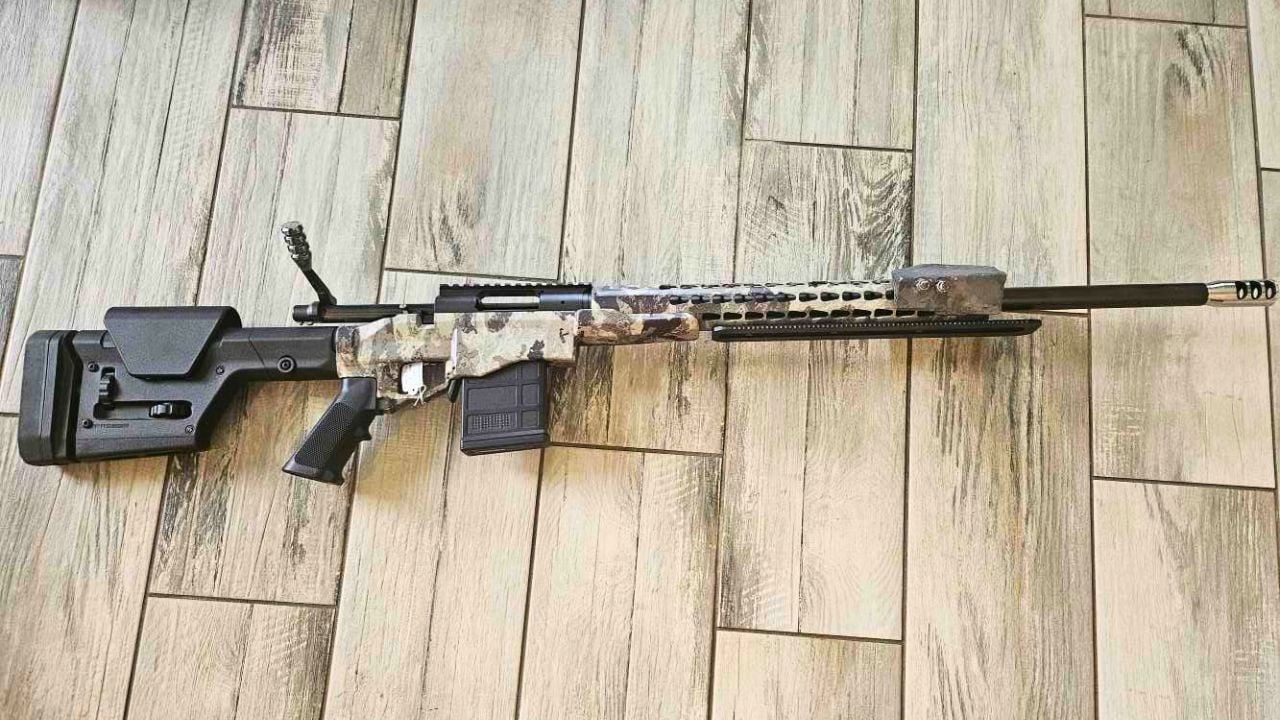
The PCR is visually impressive because it takes the familiar Model 700 action and drops it into a modern precision chassis. It looks dramatically more capable than an ordinary walnut-stocked deer rifle, especially once a large optic is mounted.
In the field, all that precision-rifle hardware can become a burden. The rifle is heavier, longer through the stock, and less comfortable to carry one-handed through brush. It is also overbuilt for the sort of shots most deer hunters actually take. A good sporter-weight Model 700 can kill the same deer while being much easier to maneuver. The PCR looks like an upgrade until you realize you are carrying range equipment through the woods.
Howa 1500 Oryx Chassis
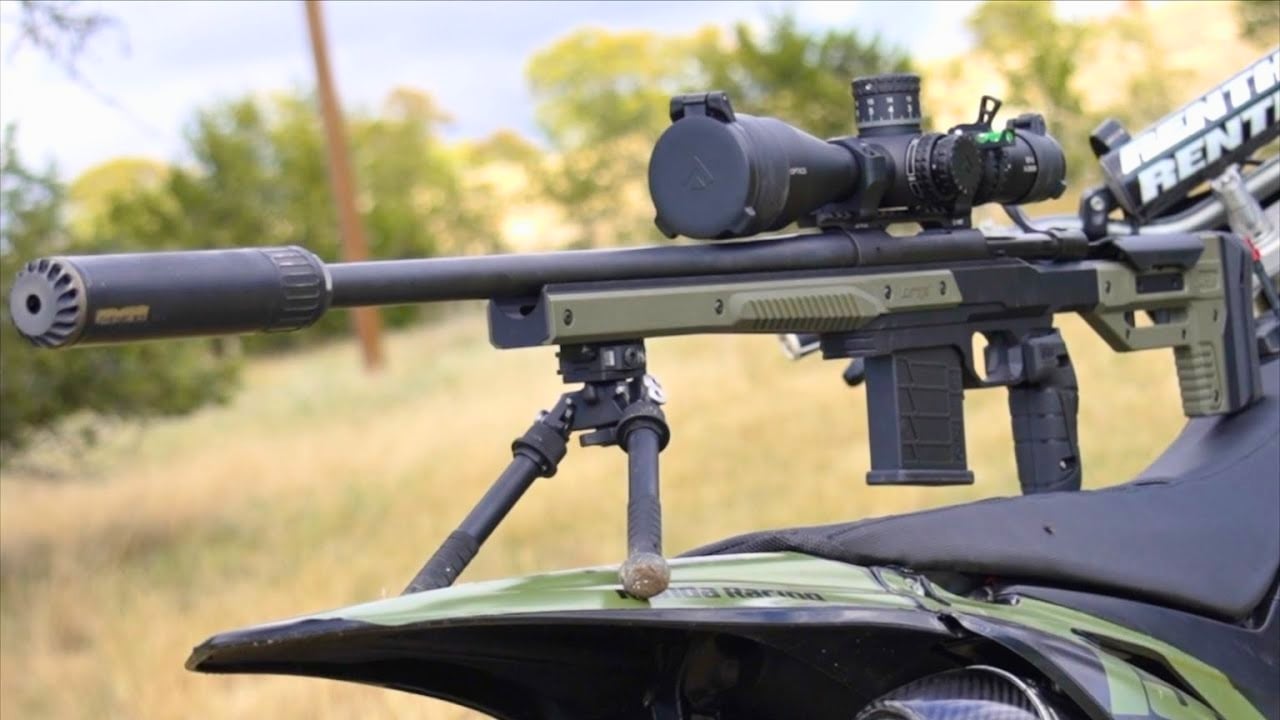
The Oryx chassis makes the Howa 1500 look like a far more expensive precision rifle. The aluminum backbone, vertical grip, adjustable cheekpiece, and detachable magazine system immediately give it a serious long-range personality.
That personality is less useful in thick woods. The chassis is not especially light, and its squared-off shape is less comfortable against the body than a conventional hunting stock. It is excellent from a bench or prone position, but deer hunting often means leaning against a tree, shooting off sticks, or resting over a blind rail. The standard Howa action is perfectly good. I simply think most deer hunters are better served putting it into a lighter stock.
Christensen Arms Ridgeline Scout

The Ridgeline Scout looks fantastic if you like compact tactical hunting rifles. The carbon-wrapped barrel, shorter configuration, rail system, and modern stock make it feel like a very expensive rifle designed to do almost everything.
The compromise is that the Scout concept can become a solution looking for a problem. Short barrels are handy, but they also give up velocity. Heavy optics and accessories can erase the weight savings from the carbon barrel. The compact dimensions look ideal on a rack, yet for ordinary deer hunting I would rather have a conventional sporter with a balanced barrel length. The Ridgeline Scout is clever, but I am not convinced all that specialization improves a normal deer season.
Mossberg MVP Scout
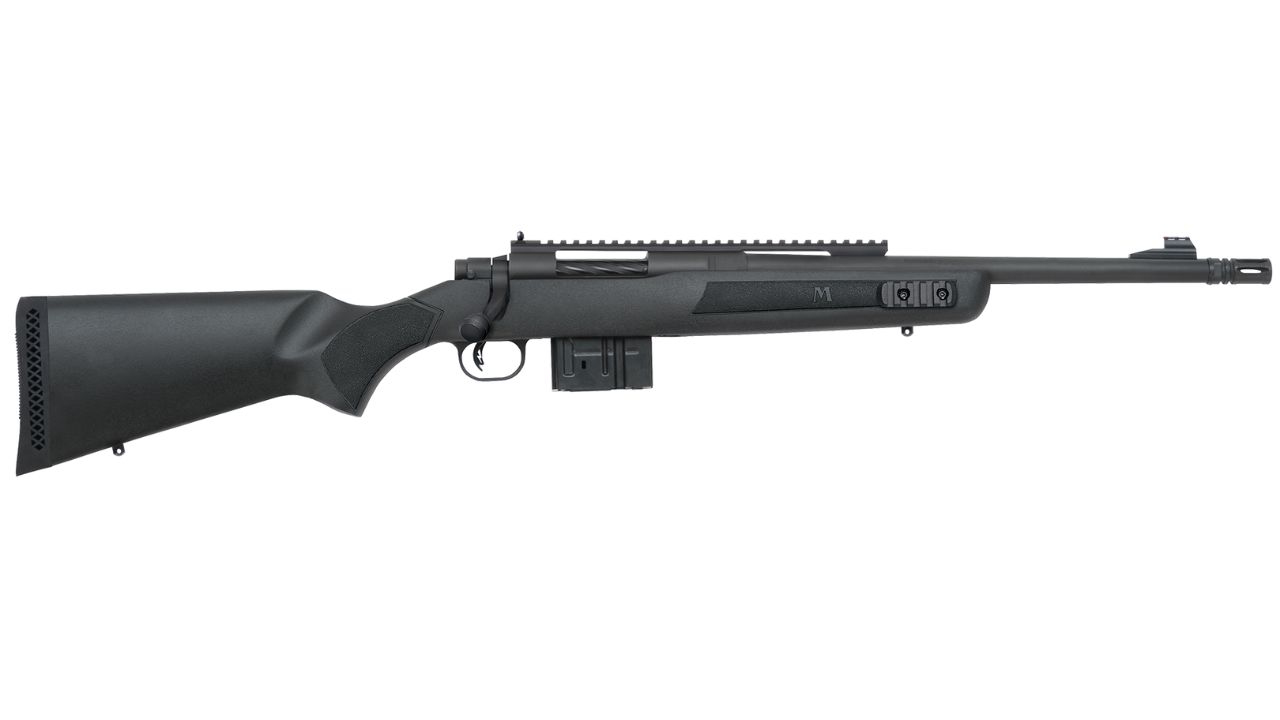
The MVP Scout looks extremely practical at first. You get iron sights, a forward rail, detachable magazines, a short barrel, and a bolt-action platform that seems ready for anything from deer hunting to general ranch use.
Once you actually hunt with it, some of those features start feeling less essential. The forward rail can interfere with ordinary scope placement preferences, the magazine protrudes below the rifle, and the stock and barrel setup make the whole gun feel more utilitarian than refined. It can absolutely kill deer, but I would rather have a conventional sporter that carries cleaner and mounts a normal hunting scope without working around the Scout concept.
Savage Impulse Predator
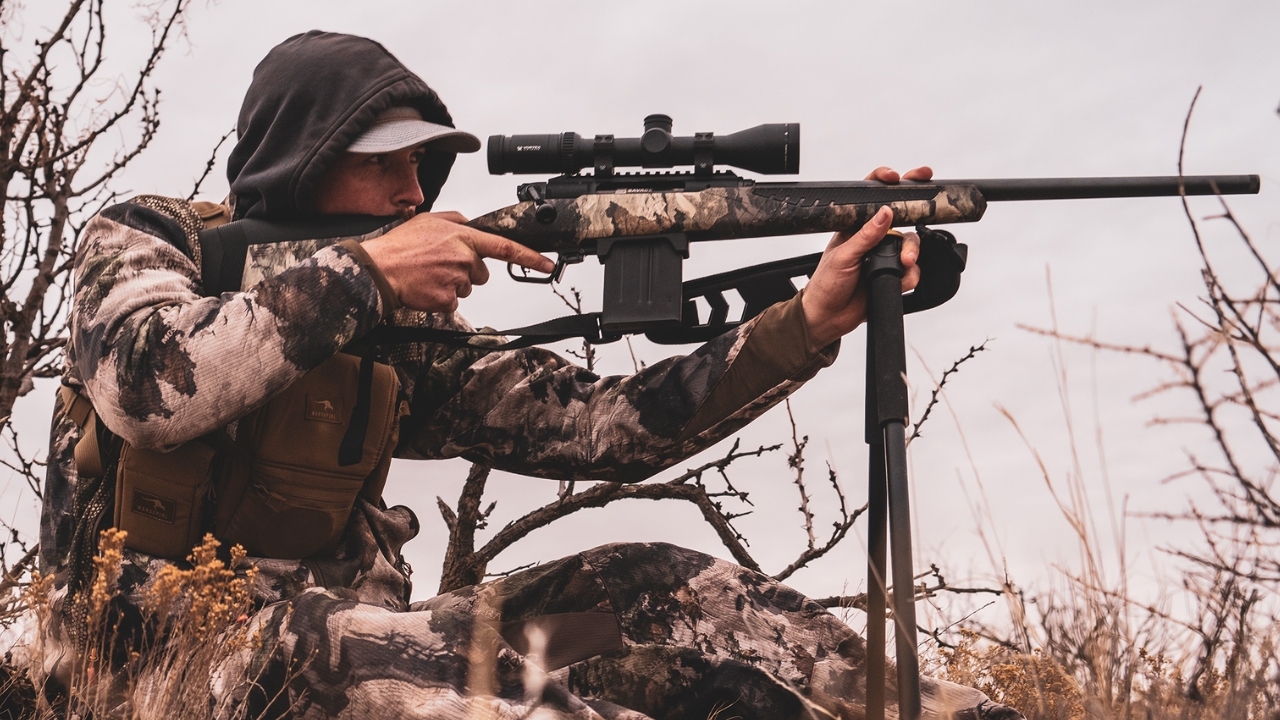
The straight-pull Impulse action is incredibly appealing when you cycle it at the gun counter. It is fast, different, and gives the rifle a mechanical novelty that makes conventional bolts suddenly feel old-fashioned.
In the woods, I question how much that speed matters. Deer hunting rarely demands cycling the rifle so quickly that a normal turn-bolt becomes the limiting factor. In exchange, you get a more unusual action, greater mechanical complexity, and a rifle that may be heavier than a standard sporter. The Impulse is interesting and capable, but I would rather spend my money on a lighter conventional rifle and practice working the bolt efficiently.
Browning X-Bolt Max Long Range
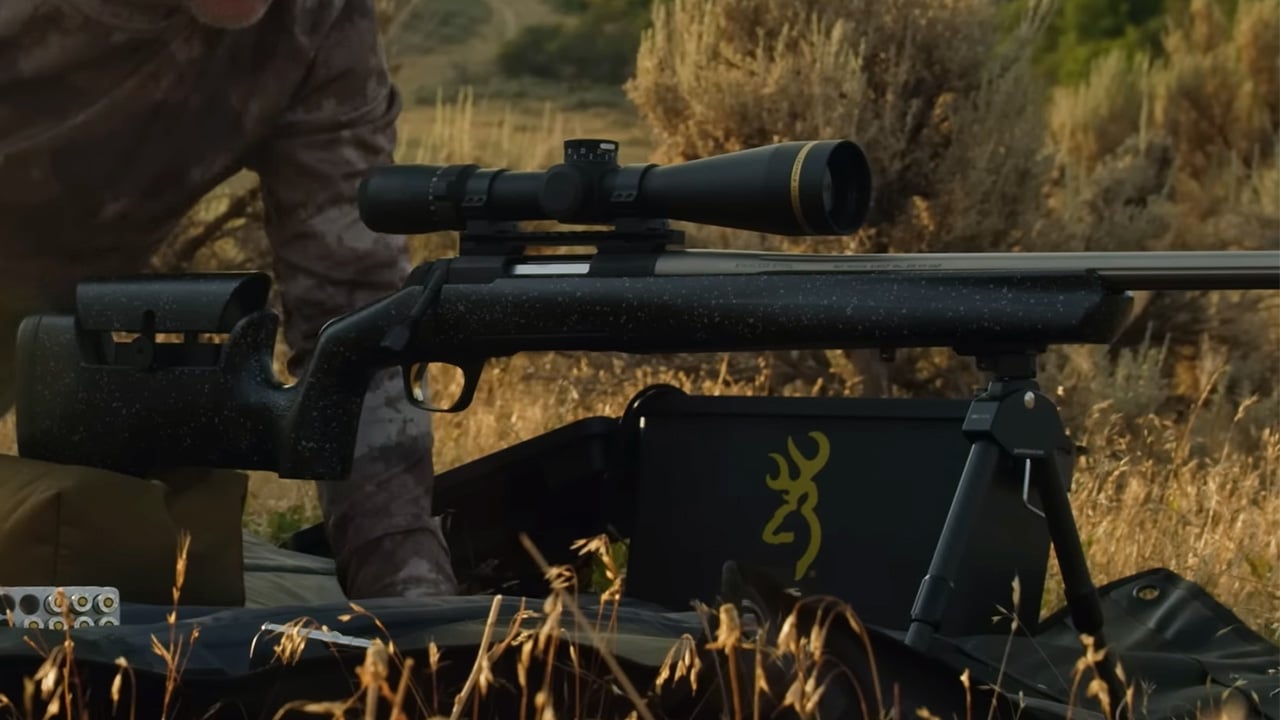
The Max Long Range immediately looks capable because of its heavier barrel, adjustable stock, and long-range-focused ergonomics. It is the kind of rifle that feels terrific when you settle behind it at a counter or shooting bench.
The issue is that many deer hunters never use the feature set enough to justify the bulk. The stock is more cumbersome than a traditional sporter, and the extra barrel weight becomes noticeable after a long carry. If you are regularly hunting open country where long shots and stable supported positions are normal, the rifle makes sense. If you spend most of November in timber or a box blind, the standard X-Bolt format is easier to live with.
Weatherby Vanguard Modular Chassis
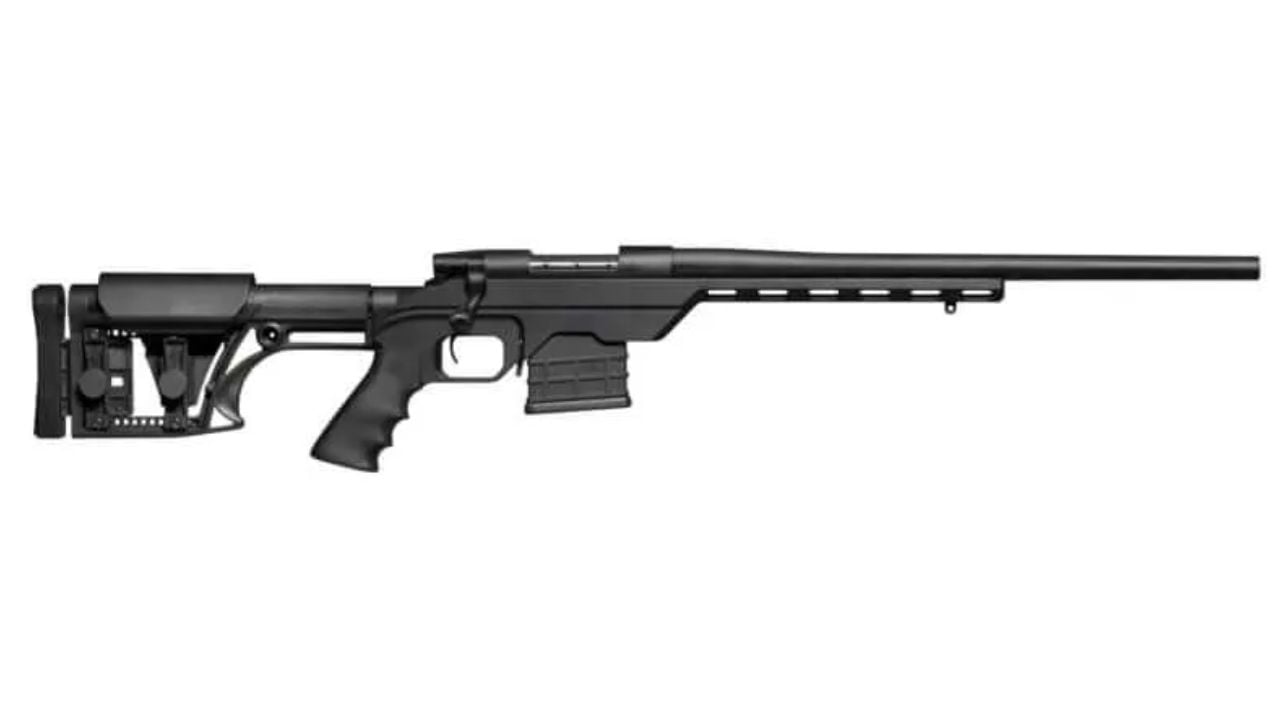
The Vanguard action is strong and proven, and putting it into a modern chassis creates a rifle that looks considerably more sophisticated than an ordinary Vanguard sporter. Adjustable components and a precision-style grip make the rifle feel ready for extended-range shooting.
The same setup is not especially friendly when carried. Chassis rifles tend to have more edges, protrusions, and overall mass than traditional hunting stocks. That is fine when the rifle mostly lives on a bench, but less appealing when it is crossing fences and riding in a truck. I like the Vanguard action. For deer hunting, I just want it in a lighter, smoother stock.
Winchester XPR Stealth
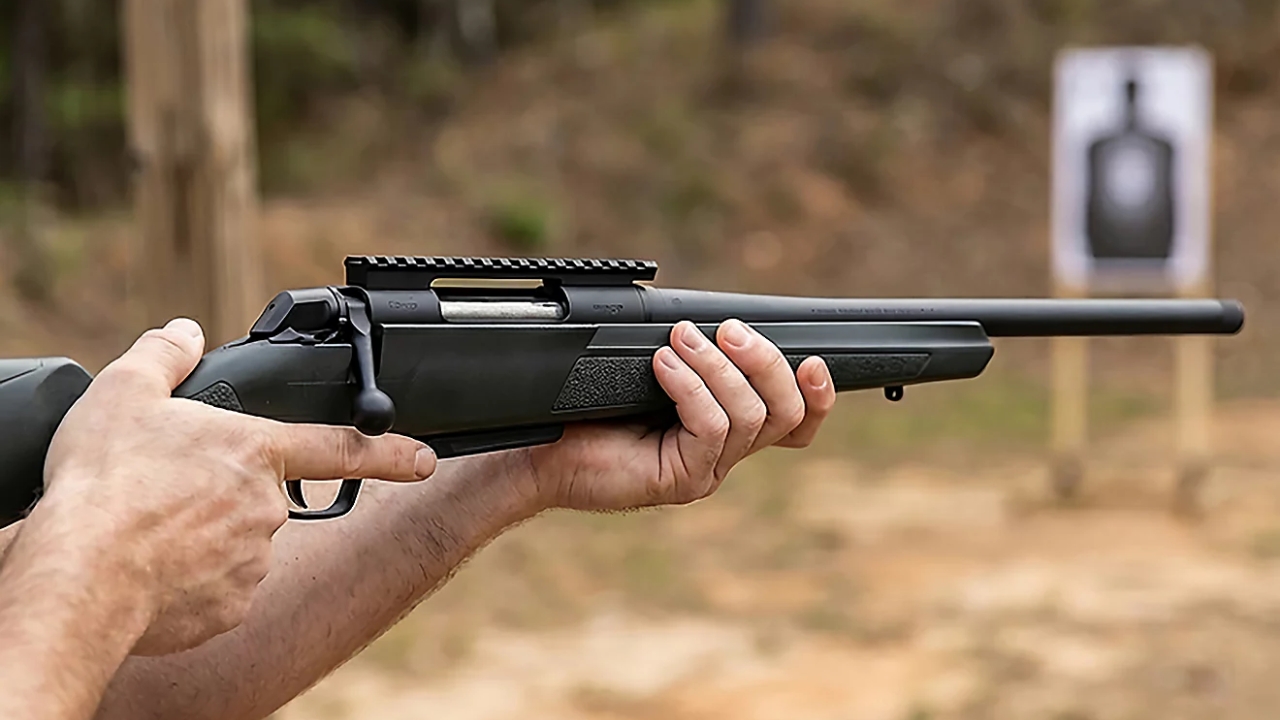
The XPR Stealth dresses Winchester’s affordable bolt action in a more precision-oriented configuration with a heavier barrel and tactical-style stock. On the rack, it looks much more serious than the ordinary XPR.
In practical deer hunting, the cheaper version may actually be the better rifle. The Stealth is heavier and more awkward to carry, while the extra accuracy potential often goes unused at common whitetail distances. If you are shooting steel frequently and deer occasionally, the design works. If deer hunting is the priority, I would rather have a lighter XPR that does not make me pay for precision-rifle features I barely use.
Ruger American Hunter
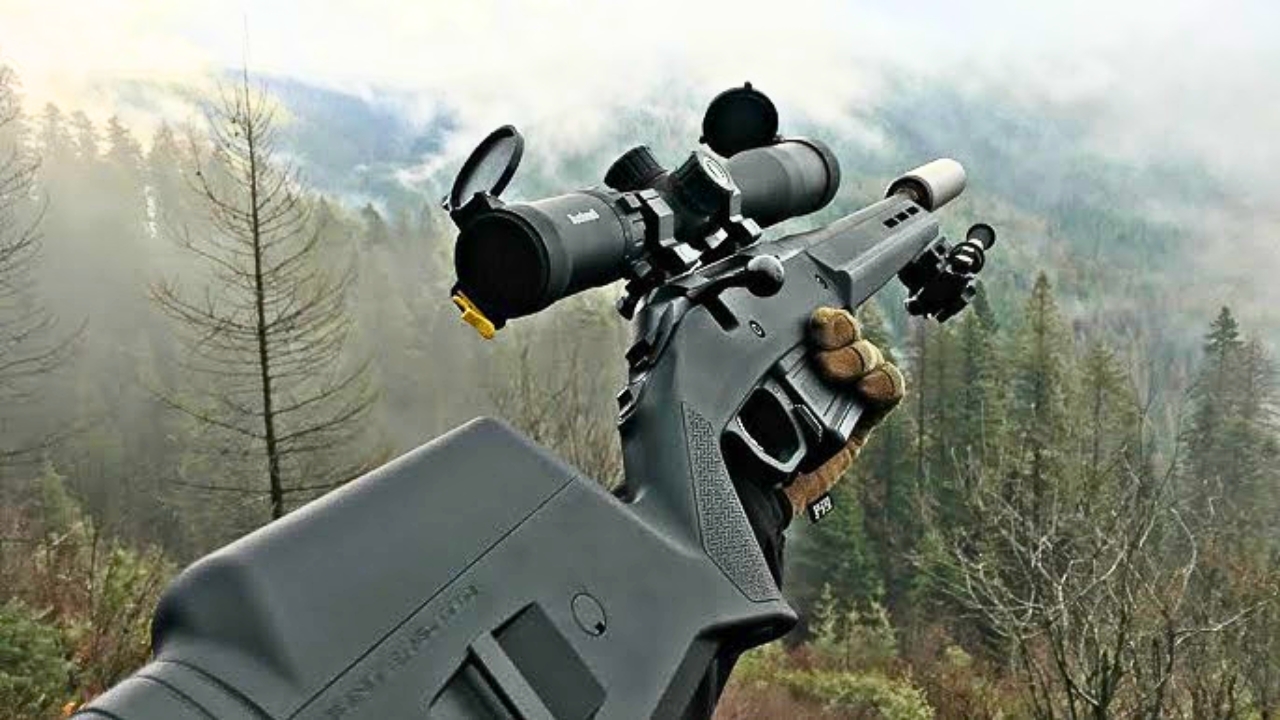
The American Hunter takes Ruger’s economical bolt action and upgrades it with a heavier barrel and Magpul stock. It feels much more substantial than the basic American and looks like a rifle that should outperform it dramatically.
The problem is that the transformation also removes one of the American rifle’s biggest strengths: light, uncomplicated portability. The Hunter is much heavier and more cumbersome. It shoots well from support, but so do plenty of lighter hunting rifles. If I wanted a range rifle that occasionally hunts, I could understand it. If I primarily wanted a deer rifle, I would rather carry fewer pounds through the woods.
Savage Axis II Precision
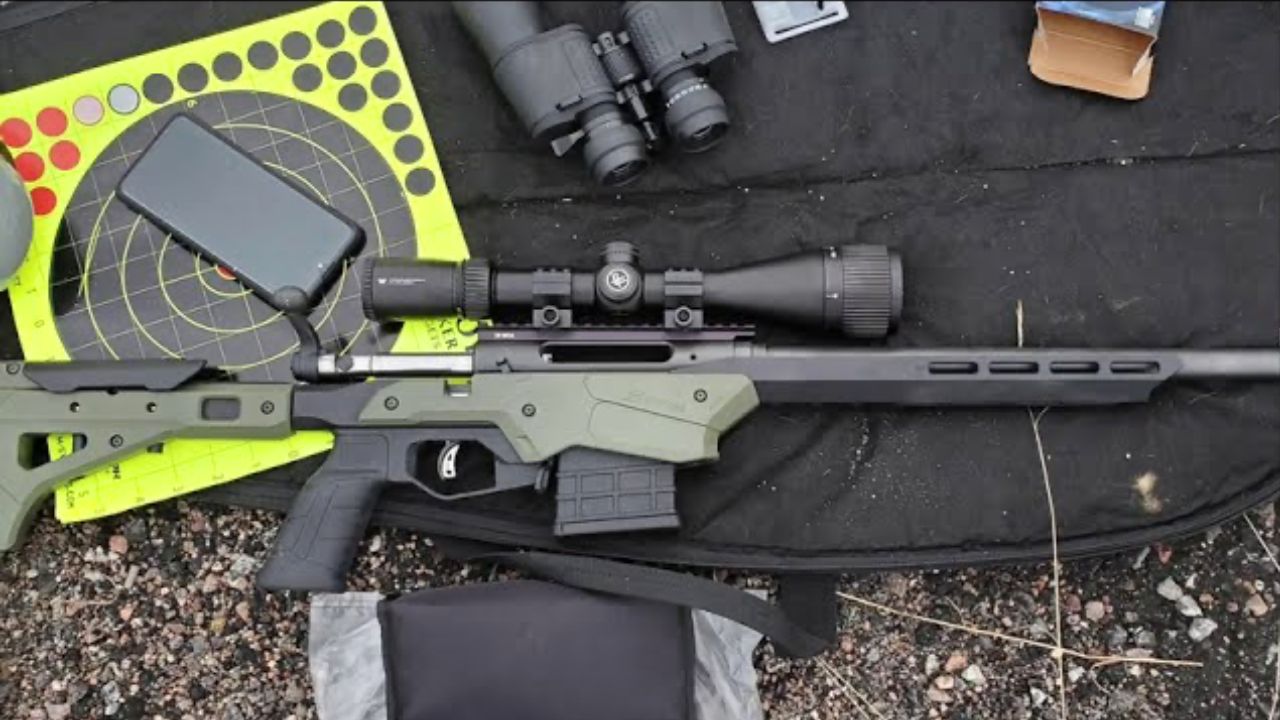
The Axis II Precision is a clever way to make an inexpensive action look and feel like a modern precision rifle. The chassis is adjustable, the heavy barrel inspires confidence, and the whole gun looks dramatically more expensive than the standard Axis.
That does not automatically make it a better hunting rifle. Once the weight goes up and the stock becomes more angular, much of the appeal of an inexpensive deer rifle disappears. You end up with a gun that is still based on a budget action but now carries like a much more expensive precision platform. I would rather buy the light Axis configuration for deer or move into a genuinely higher-grade rifle if precision work were the real priority.
Thompson/Center Compass II Compact

The Compact looks appealing for anyone wanting a short, maneuverable deer rifle. The dimensions are friendly, the stock is easy to shoulder, and the price historically made the platform attractive for younger or smaller-framed hunters.
The compromise becomes obvious for taller adults. The shortened stock and compact dimensions can make the rifle feel cramped, and a configuration designed to fit smaller shooters is not automatically ideal just because it is easy to maneuver in a blind. Compact rifles photograph well and feel wonderfully handy on the rack, but stock fit still matters. I would rather have a rifle that fits correctly even if it adds a couple of inches.
CVA Cascade SB
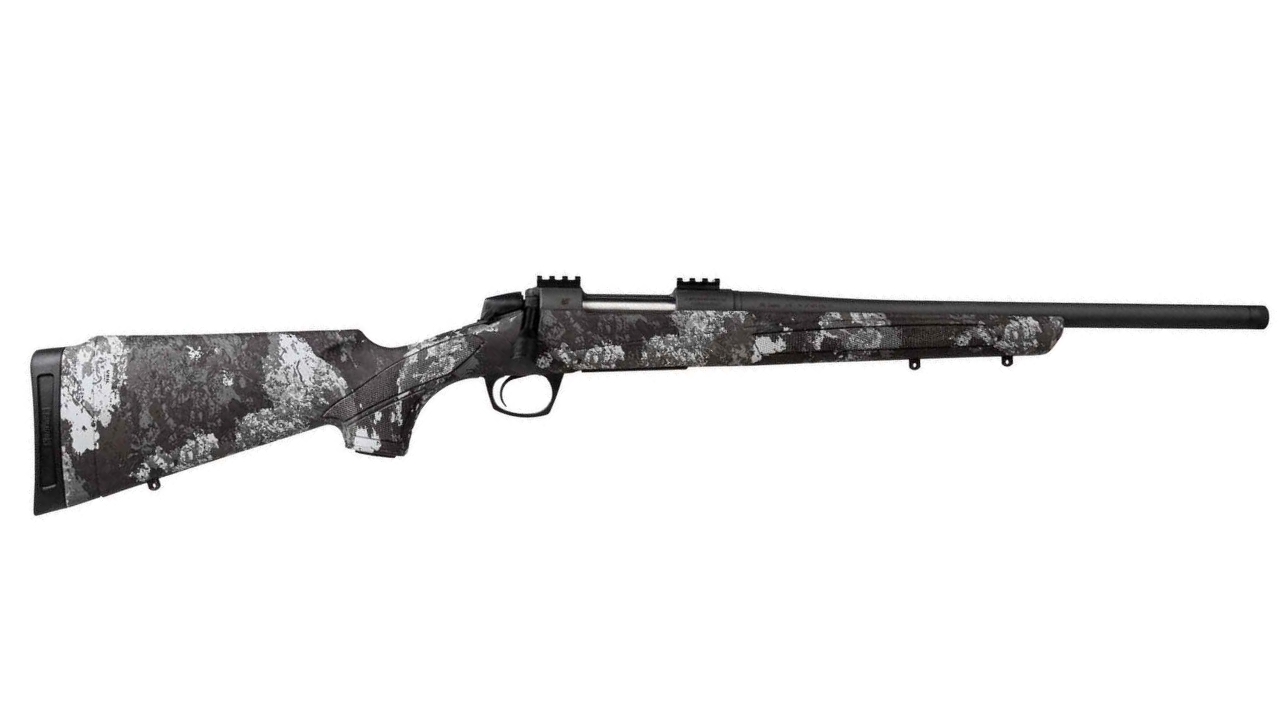
The short-barreled Cascade variants look fantastic if your deer hunting involves blinds, suppressors, or thick timber. The rifle is compact, easy to maneuver, and the threaded muzzle gives it obvious flexibility.
The short barrel is also the feature I would think hardest about. Depending on chambering, you can give up meaningful velocity, increase muzzle blast, and end up with a rifle that only makes full sense once a suppressor is attached. If you genuinely need a compact suppressed hunting rifle, it is useful. If you do not, a conventional barrel length gives you more ballistic margin without much extra inconvenience.
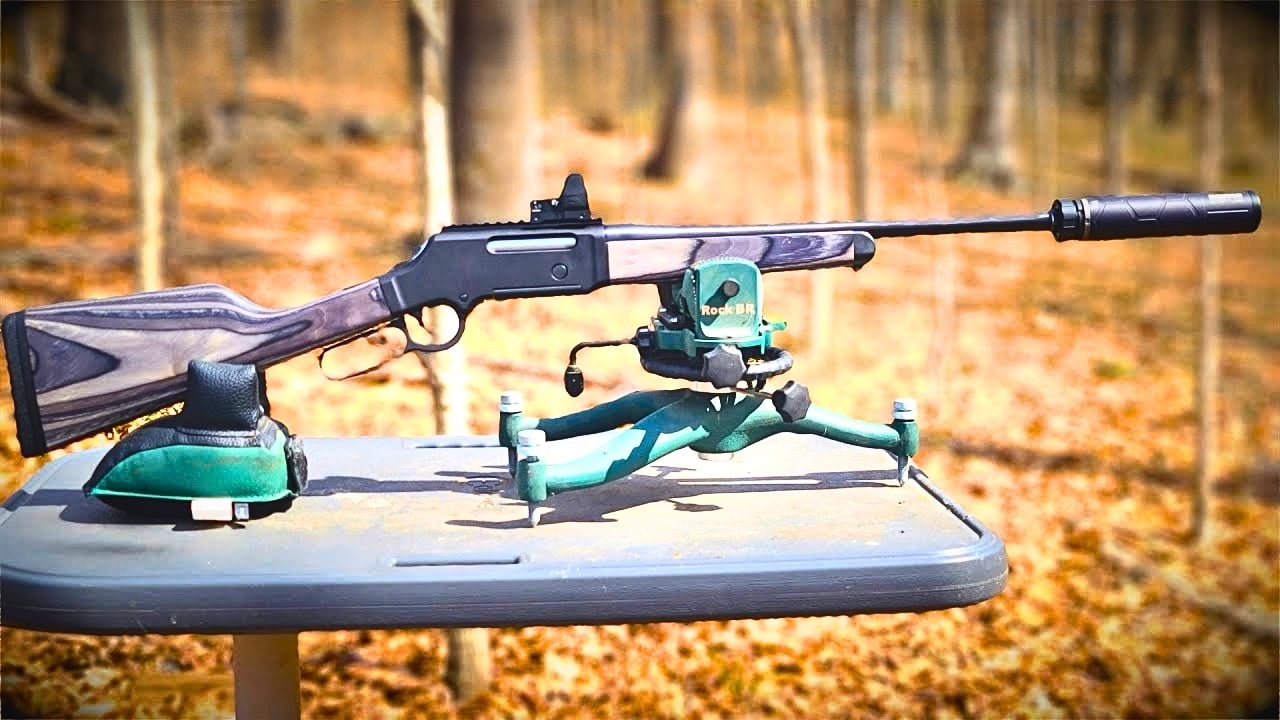
Henry Long Ranger Express
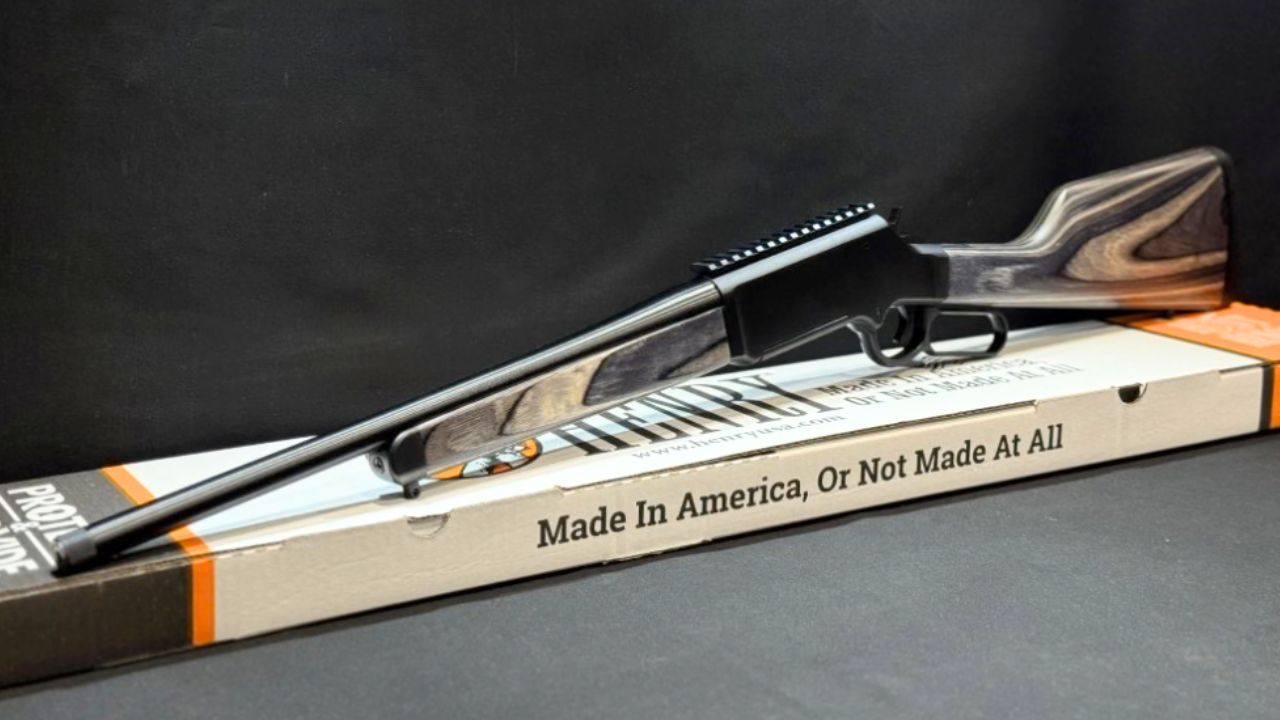
The Long Ranger Express is visually compelling because it combines lever-action handling with a detachable magazine, modern optic mounting, and cartridges normally associated with bolt rifles. It feels like a clever answer to hunters who want lever-gun speed without traditional cartridge limitations.
The field downside is that it can become heavier and more complicated than the lever rifle experience suggests. The box magazine and optics setup push the design closer to a conventional modern rifle while retaining a lever mechanism underneath. I like the concept, but if I am carrying a rifle for deer hunting, I would either take a traditional lever gun for handiness or a bolt action for simplicity. The hybrid design is less magical once you stop admiring it on the rack.
Benelli Lupo BE.S.T.
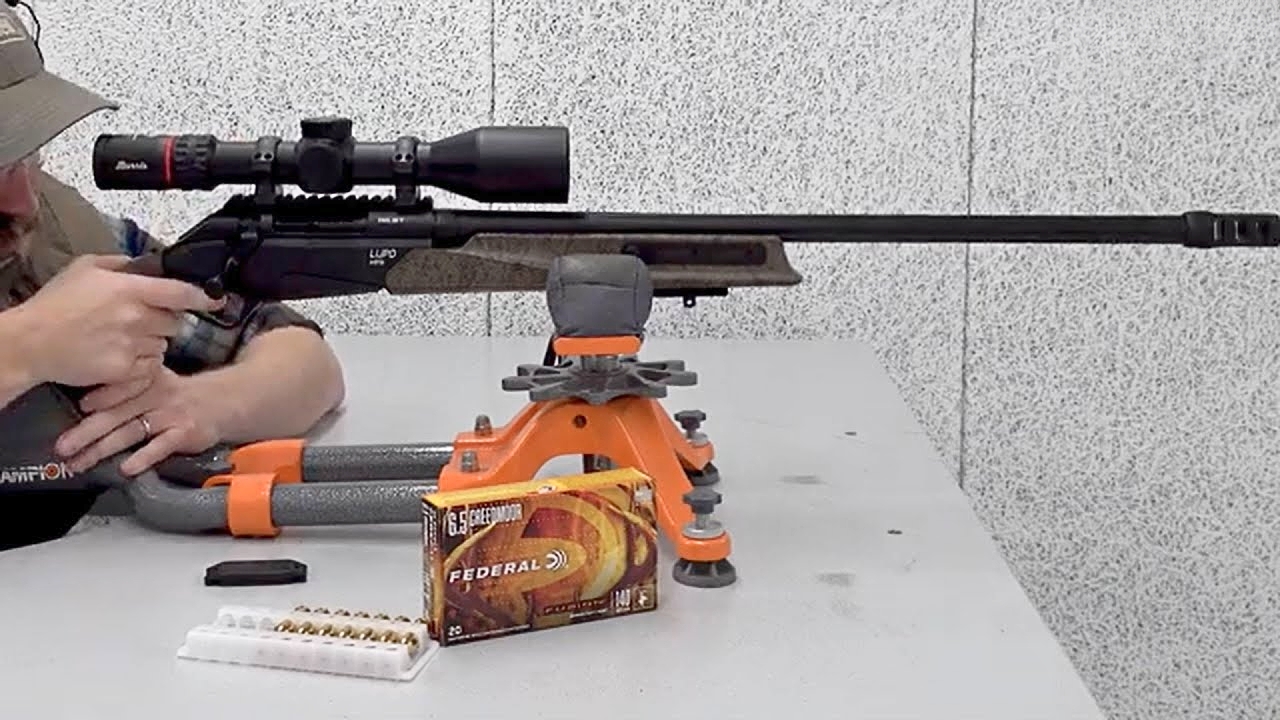
The Lupo BE.S.T. looks like a premium hunting rifle because that is exactly what it is. The corrosion-resistant finish, adjustable stock, distinctive receiver design, and polished ergonomics make it stand out beside ordinary bolt guns.
My issue is that a lot of the appeal is refinement rather than field advantage. The stock adjustment is useful, but once a rifle fits properly you stop thinking about it. The finish is excellent, but cheaper stainless and synthetic rifles already handle terrible weather well. The Lupo is very good; I simply think its showroom polish can make the practical advantage seem larger than it really is. Deer do not care how sophisticated the rifle looked at the counter.
Franchi Momentum Elite Varmint
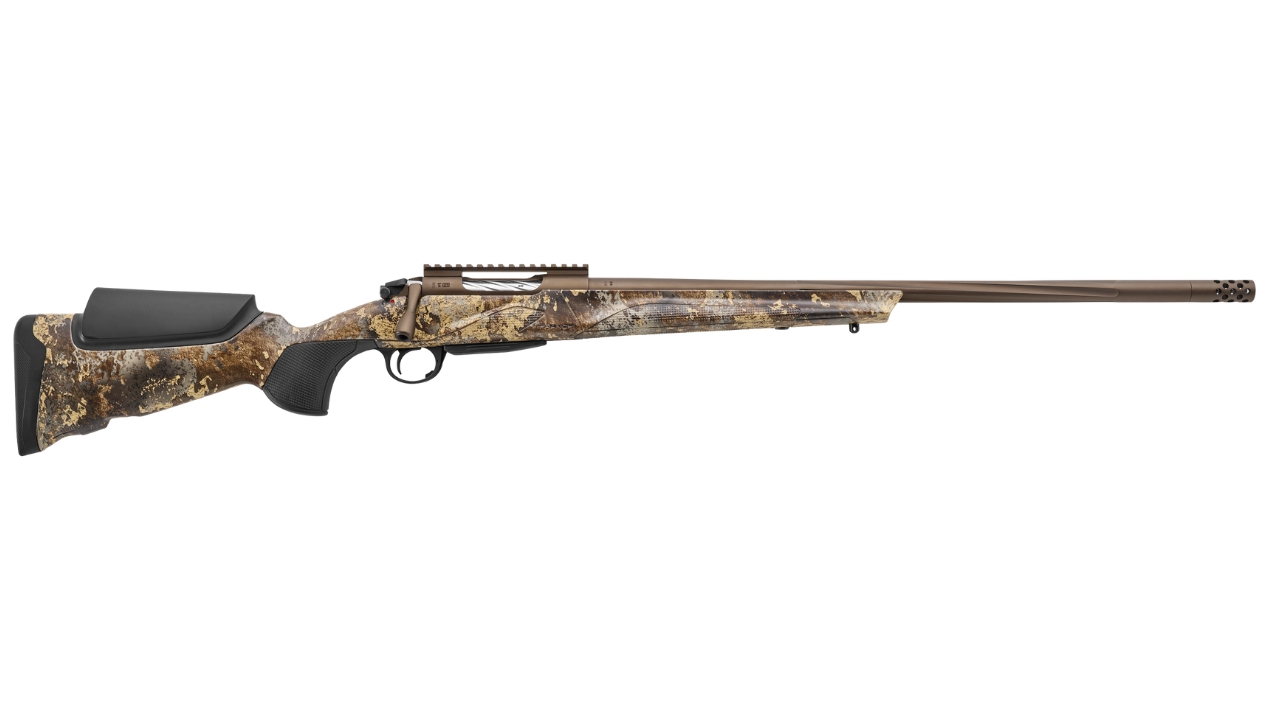
The Momentum Elite Varmint has a substantial barrel, modern stock, and the kind of precision-oriented appearance that makes it feel like a lot of rifle for the money. It looks especially attractive if you want one gun to cover varmints, range shooting, and deer.
The compromise is that a rifle built to sit steadily for varmint shooting is not always the rifle you want to carry during deer season. The heavier barrel adds weight exactly where you feel it most after hours of walking. If your hunting is mostly stationary, that matters less. For someone who moves through timber or covers ground, a lighter Momentum configuration makes far more sense even if it looks less impressive.
Sauer 100 Fieldshoot
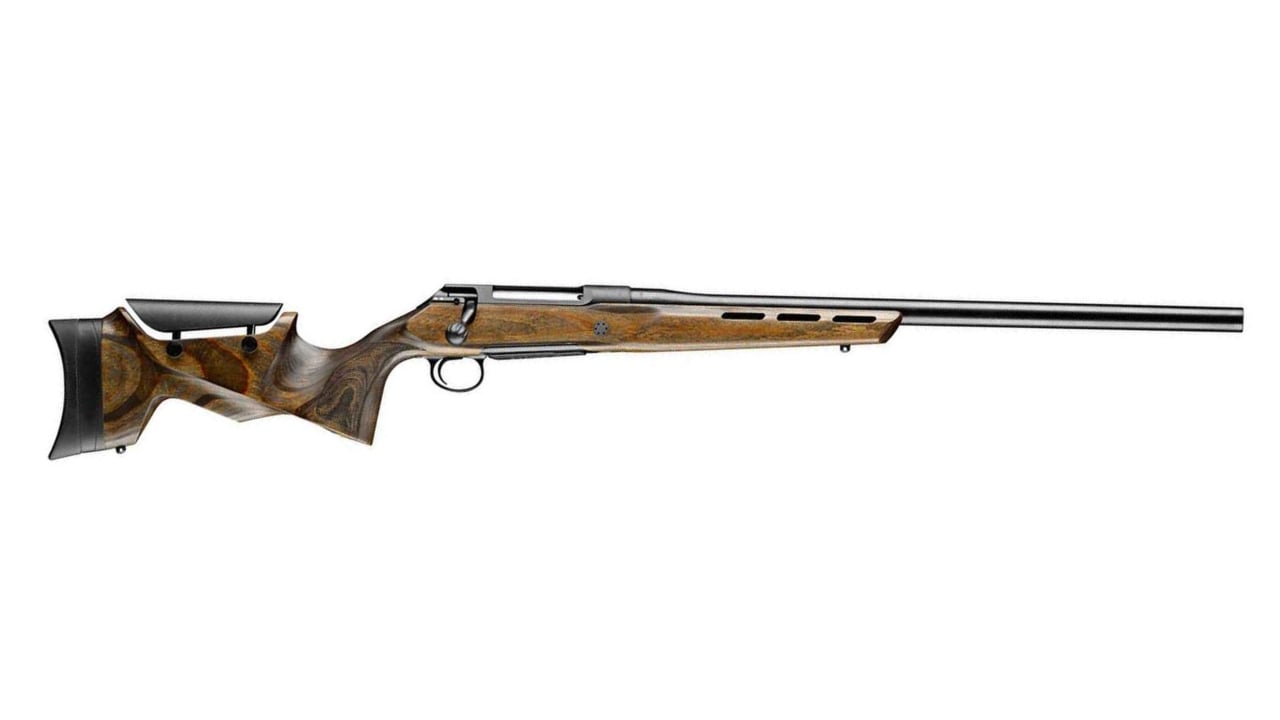
The Fieldshoot version of the Sauer 100 takes an already good action and surrounds it with a much more substantial stock aimed at supported precision shooting. It feels incredibly stable behind the rifle and gives the Sauer an expensive target-rifle personality.
That is also why I would skip it for normal deer hunting. The large stock and extra weight are useful when the rifle stays supported, but they become unnecessary baggage during ordinary field carry. Sauer’s basic hunting rifles already shoot extremely well, so I do not need to turn one into a semi-target rifle just to hunt whitetails. The Fieldshoot wins at the counter because it feels substantial. In the woods, I would rather have less.
Like The Avid Outdoorsman’s content? Subscribe to our newsletter so you never miss an article.
Here’s more from us: