Photo credit: Oleksandr Shatyrov/ShutterStock.com
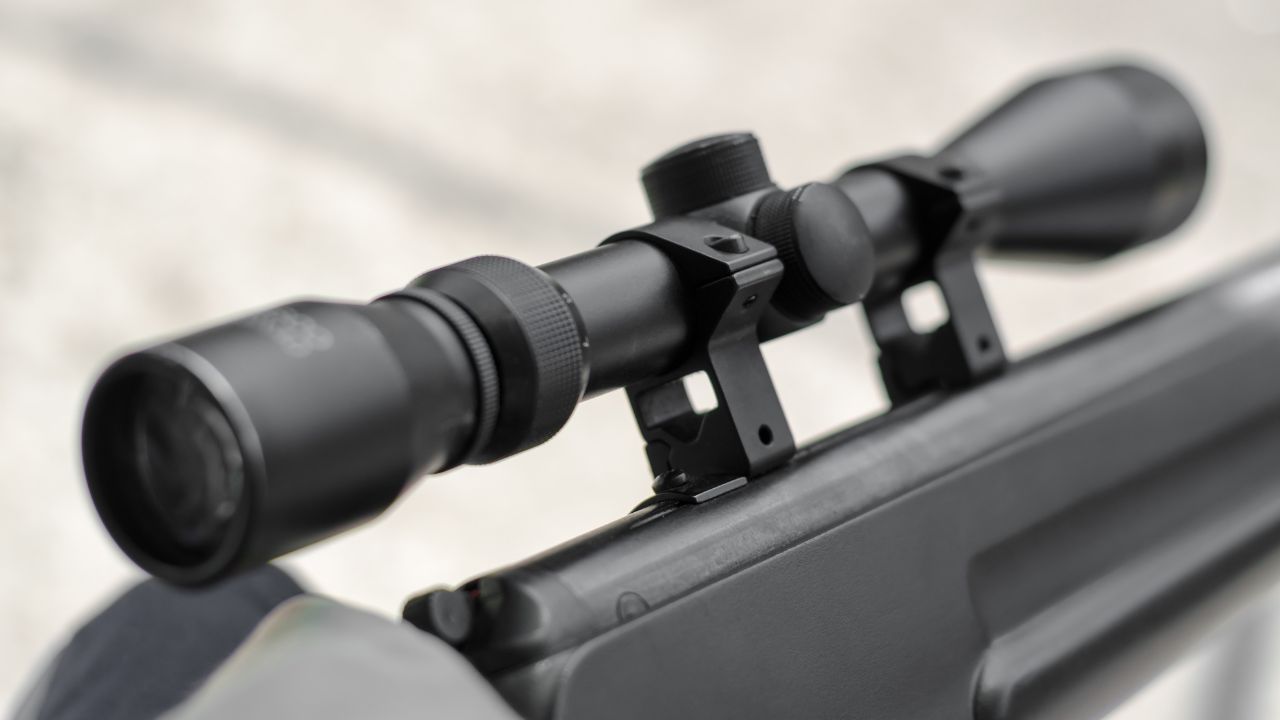
You can spend a fortune on a rifle and a scope, but if your mount setup isn’t right, you’ll never see the accuracy you’re expecting. A bad mount doesn’t always throw your zero completely off—sometimes it does worse. It causes drift, inconsistency, or fliers you chalk up to bad ammo or shaky shooting. The truth is, a lot of folks are walking around with rigs that never had a chance, all because of the wrong mount or something they overlooked during setup. These are the common offenders that mess with accuracy in ways most hunters and shooters never see coming.
Cheap two-piece bases with misaligned holes

Two-piece bases can work well, but cheap ones with inconsistent machining or mismatched mounting holes will throw off your alignment from the start. If the front and rear aren’t sitting level with each other, you end up torquing the scope when you tighten the rings.
You might zero fine at 100 yards, but by the time you stretch out to 200 or 300, your windage and elevation start doing strange things. It looks like the scope is the problem, but really, it’s the base causing uneven stress. Sometimes, one-piece bases are worth the extra weight and cost for peace of mind. At the very least, you need to lap the rings or use a scope alignment tool. Otherwise, you’ll be chasing ghosts on the range.
Over-torqued ring caps
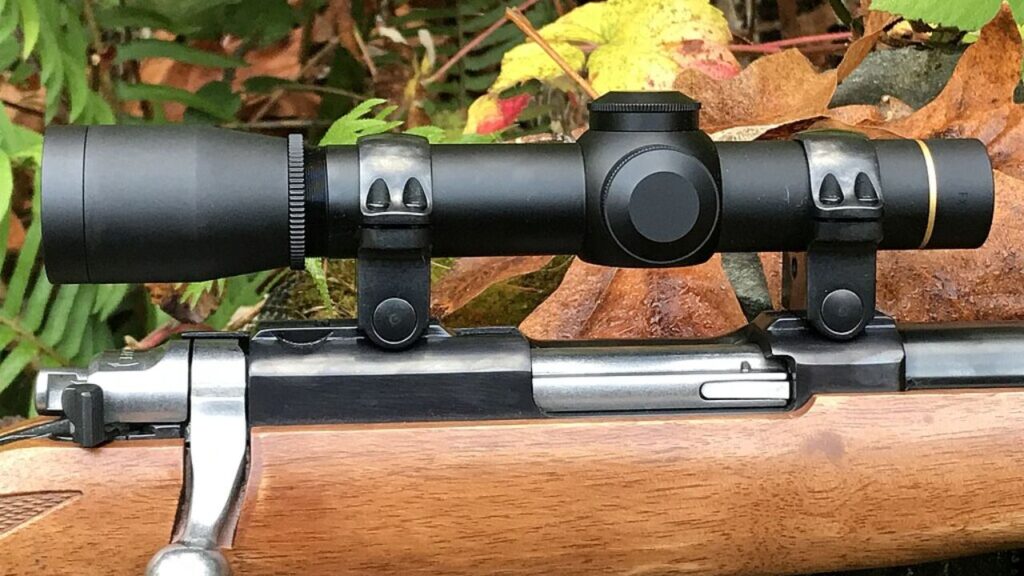
People love to crank down their scope rings like they’re installing a lug nut. The problem is, over-torquing ring caps can crush the scope tube or cause uneven pressure points that mess with how the internals respond to recoil.
Even small variations in tension from one screw to another can cause binding, especially on variable power scopes. It doesn’t always show up as obvious damage—sometimes it’s weird group shifts, erratic POI changes, or wandering zeros. The solution is simple: use a torque wrench and follow the scope manufacturer’s specs. Most are between 15–25 in-lbs. That’s it. You don’t need to make it “tight enough so it doesn’t move.” You need it torqued right so it tracks properly.
Soft aluminum mounts under magnum recoil
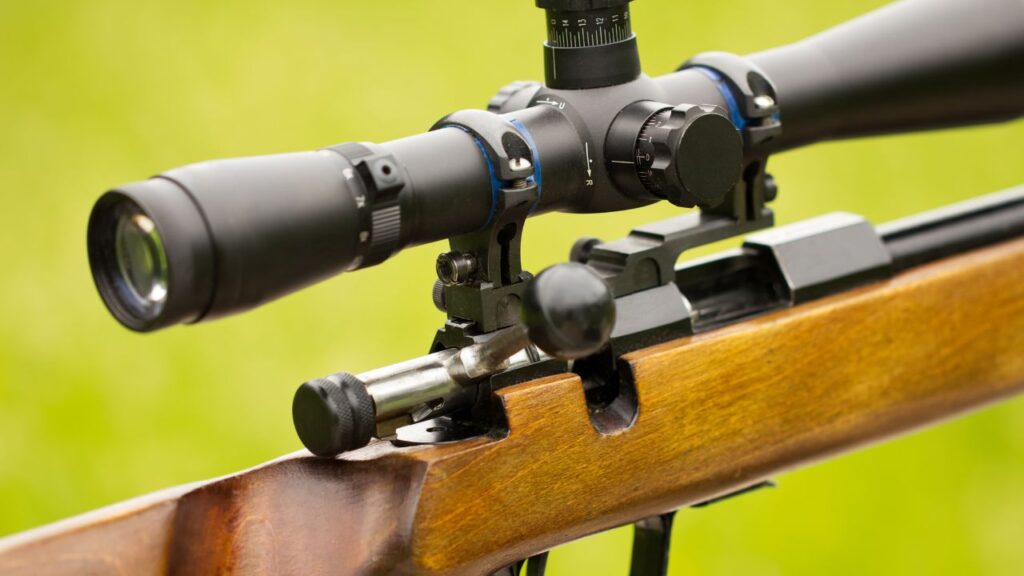
Aluminum mounts save weight, but not all aluminum is created equal. Cheap or overly soft mounts tend to shift under heavy recoil, especially on magnum rifles. Over time, that flex adds up, and your zero starts creeping.
The kicker is that this happens gradually, not all at once. So you’re not suspicious at first. You’re just adjusting more than you used to or missing shots you thought were solid. Steel mounts or higher-quality aluminum with solid hardware tend to hold better. If you’re running a .300 Win Mag, .338 Lapua, or even a hard-hitting lever gun, don’t cheap out on the mount material. That small weight savings up front can cost you big time when you’re walking back from a blown shot.
Picatinny rails with loose tolerances
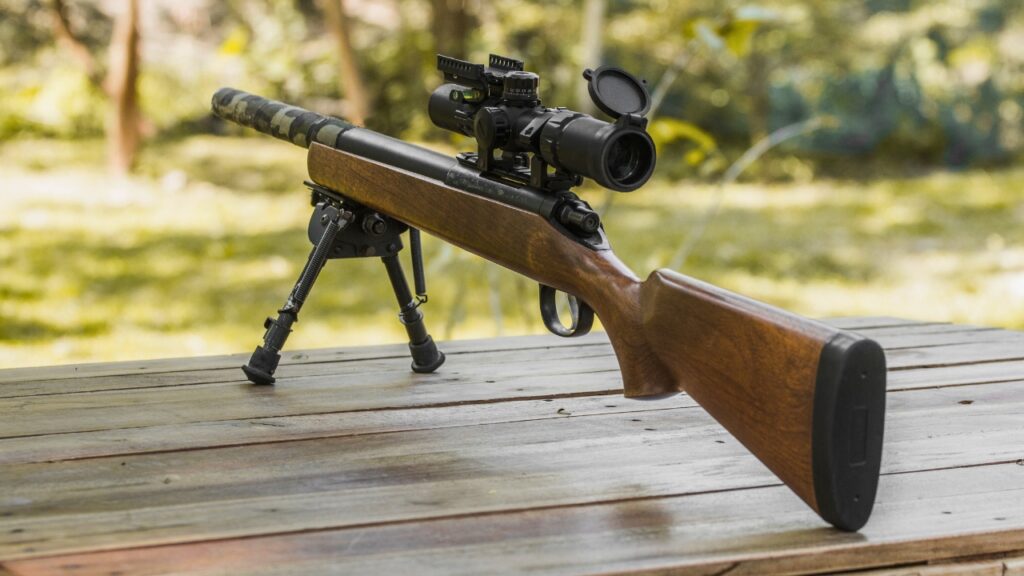
Not all Pic rails are made the same. Some budget rails have out-of-spec slot spacing or inconsistent machining that causes poor fit with your rings. Even if they look fine, that slight play or gap can lead to slippage under recoil.
You might torque it down tight and assume it’s rock solid, but as soon as you take a few shots, the zero begins to wander. Worse, if you move the scope back or forward in the rings later, it might not return to the same point-of-impact because the base itself isn’t consistent. Stick to known brands for your rail, and always check for movement after the first few rounds. One good test? Make index marks with a paint pen and see if anything shifts after a couple range trips.
Ring height that’s too tall for the stock
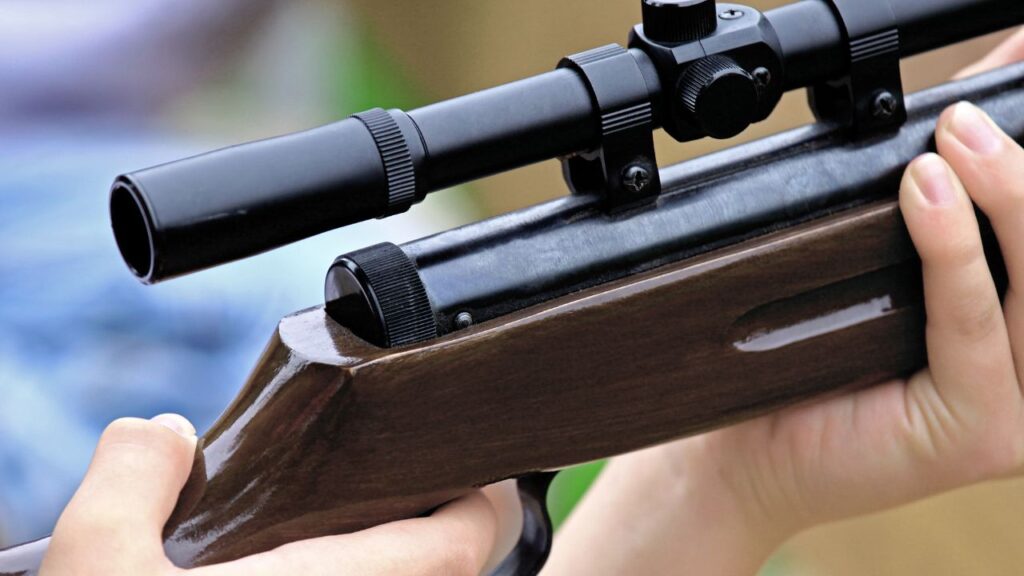
If your rings are too high, you end up with a poor cheek weld, and that inconsistent head position can cause your groups to scatter more than you’d expect. Every time your eye lines up differently behind the scope, you introduce error.
It’s not the mount failing mechanically—it’s ergonomics killing your consistency. Low rings with proper clearance over the barrel usually give you the best alignment with the stock. Add a cheek riser if needed, but don’t run high rings unless your rifle really demands it. A solid cheek weld is one of the most underrated accuracy boosters, and too many people sacrifice it for clearance that wasn’t necessary.
Scope rings with uneven internal surfaces

Cheap rings often have uneven or rough interior surfaces that grab the scope tube inconsistently. This creates pressure points that bind the tube and can interfere with how the reticle tracks when you adjust for elevation or windage.
The result? You make a clean dial-up, but your bullet hits somewhere weird. Then when you try to return to zero, it doesn’t come back right. Lapping the rings with a proper kit helps clean this up, but sometimes you’re better off replacing them entirely. Scope rings aren’t the place to pinch pennies. They need to grip evenly and cleanly, not chew up your glass or hold it crooked.
Mounts that loosen with thermal expansion
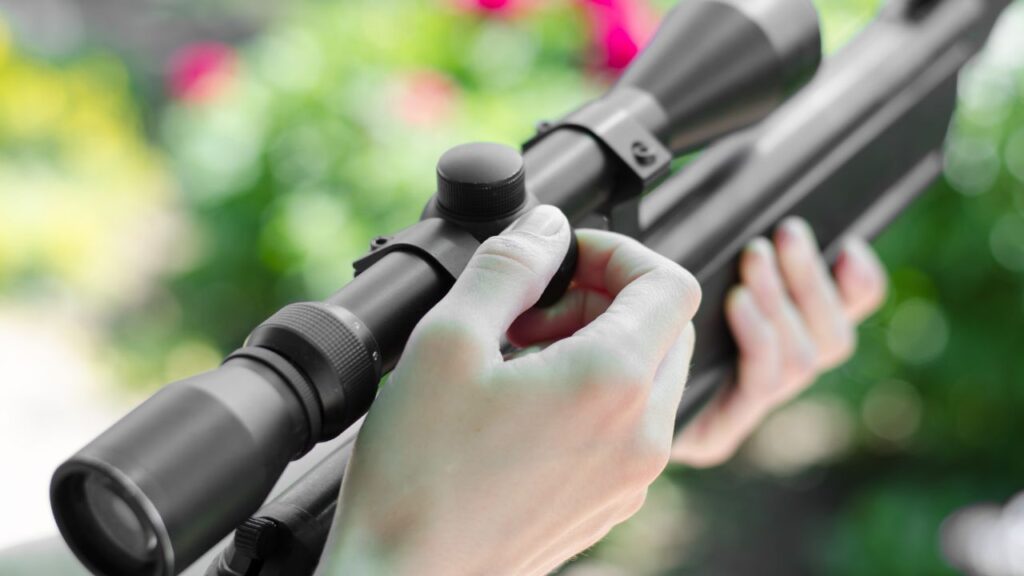
You sighted in your rifle in the garage at 70 degrees. Now you’re hunting in 10-degree weather or shooting under a blazing sun. Metal expands and contracts with temperature changes, and some mounts with poor tolerance control or mixed materials can loosen as the metal shifts.
This can throw your zero just enough to ruin a clean shot. The effect gets worse if you’re using mismatched rings and bases or swapping between aluminum and steel parts. Consistency is key. Stick with matched sets from the same brand when possible, and check your torque settings after a big temperature swing. It’s not something most folks think about, but thermal movement is real, and it’ll bite you if you’re not watching.
Single-screw rings on heavy recoilers

Those sleek, minimalist one-screw-per-side rings might look nice and save weight, but they often aren’t strong enough to handle heavy recoil. Over time, the scope can twist or shift forward in the rings, especially under repeated firing.
You may not notice it in casual range sessions, but under hard use or on a hunt where you’re firing from awkward positions, the zero starts to move. Double-screw rings distribute the load better and give you more margin for error. If you’re mounting anything on a .308 or up, especially if it’s a hard kicker, go with something stronger than one little screw on each side.
Cantilever mounts that don’t match rail height

Cantilever mounts are popular for ARs and modern rifles, but if the base height doesn’t match the rail or upper receiver specs, you end up with cant issues or a tilted scope. That throws off your trajectory, especially over longer ranges.
It also messes with your eye relief and causes weird parallax issues. Some budget cantilever mounts don’t even sit flush on both contact points of the rail. If it looks like it’s leaning forward or rocking under torque, you’ve got a problem. Make sure you’re using a mount designed for your platform’s rail height, and always check that the scope isn’t canted when you torque everything down.
Bases mounted directly to uneven receivers
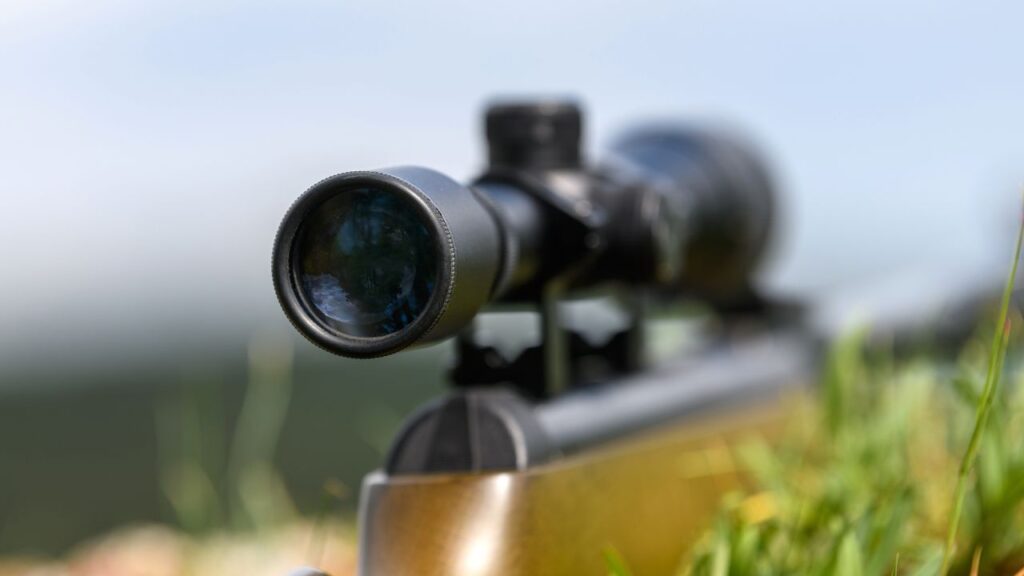
Not every rifle comes out of the factory perfectly flat. If your receiver isn’t true and you bolt your base directly to it without bedding or verifying alignment, you could be twisting your scope the moment it gets installed.
Some folks shim the rear to get better elevation range, but if you’re not careful, this can also introduce cant. The best way to avoid it? Lap the base to the receiver or use a lapping kit on the rings to even out any distortion. Or better yet, bed the base with epoxy to ensure it sits perfectly flat and square. It’s an extra step, but it saves a lot of frustration in the long run.
Mounts that loosen under hard use
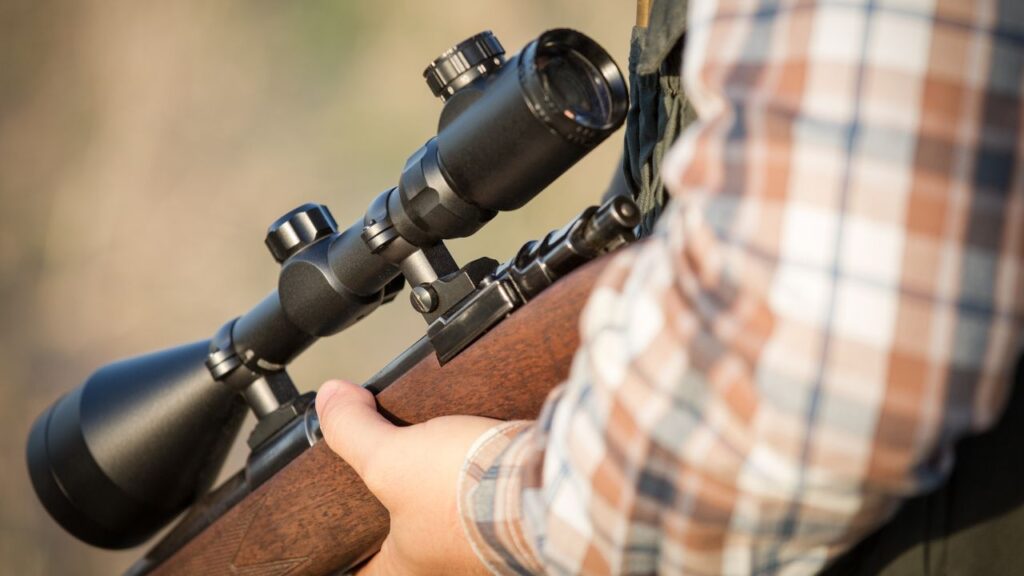
Even good mounts can walk loose if they’re not installed correctly. Whether it’s the base screws backing out or the ring caps loosening from vibration, it all leads to the same problem: unpredictable accuracy.
Thread locker helps, but only if the threads were degreased properly before you applied it. And even then, you need to recheck torque periodically if you’re using the rifle hard. Some guys torque once and never touch it again—then wonder why their rifle won’t hold zero anymore. Make it a habit to check your setup every few hundred rounds or before a hunt. A couple minutes with a torque wrench beats hours of frustration at the range or a lost opportunity in the field.
*This article was developed with AI-powered tools and has been carefully reviewed by our editors.