Photo credit: Bryant Ridge Co./GunBroker
One of the least glamorous parts of shooting is keeping up with springs. They’re small, cheap parts, but they make or break how a pistol runs. Some guns are built with durable recoil springs, hammer springs, or magazine springs that last for thousands of rounds. Others burn through them like candy. If you’ve shot enough, you’ve probably run into pistols that feel like they’re always needing a fresh spring kit. It’s not just inconvenient—it can be the difference between reliability and a malfunction at the worst moment. Here are the pistols that shooters know require spring changes far more often than they should.
Colt 1911

The 1911 is one of the most recognizable pistols ever made, but it’s also notorious for chewing through springs. The recoil spring in particular doesn’t hold up for long, especially if you’re shooting full-power loads. Most serious users recommend swapping it every 2,000 rounds, sometimes sooner if you’re running hotter .45 ACP or 10mm loads. Ignore that schedule, and you’ll start to see sluggish cycling, weak ejection, or even feeding failures.
It doesn’t stop with the recoil spring. The firing pin spring, magazine springs, and sear spring all wear faster than what you’ll find in more modern designs. Competitive shooters and those who carry a 1911 often keep spring kits on hand because staying ahead of the wear is the only way to keep it reliable. It’s part of the platform—if you’re running a 1911, you’re also running a calendar for when the next spring swap is due.
CZ 75

The CZ 75 is praised for accuracy and ergonomics, but owners quickly learn that recoil springs are consumables. These pistols run smoother than many of their contemporaries, yet that soft cycling comes at the cost of spring longevity. A recoil spring can feel worn after 3,000–5,000 rounds, and stretching it further risks battering the frame or slide.
Magazines for the CZ 75 also suffer from weaker springs compared to some competitors. If you’ve had one sitting loaded for too long, you may notice sluggish feeding or failures to lock the slide back. Enthusiasts who shoot them regularly tend to buy Wolff or aftermarket spring kits in bulk, rotating them out as part of routine maintenance. The CZ 75 is a pistol you can trust when it’s fresh, but you need to be proactive about spring care. Skip it, and the platform’s strengths quickly turn into headaches at the range or in competition.
Beretta 92FS

The Beretta 92FS has served militaries and police forces worldwide, but that doesn’t mean it’s free of spring issues. Its large slide and locking block system put a surprising amount of stress on the recoil spring, which often needs replacing around the 5,000-round mark or sooner under heavy use. Push past that, and the gun starts to feel sluggish, with erratic ejection patterns and occasional failures to feed.
Magazine springs in the 92FS also show fatigue earlier than some shooters expect. Keep a mag loaded for months, and you may notice reduced feeding tension, which leads to stoppages. Many service armorers treated recoil and magazine springs as routine replacements, keeping spares in bulk. Civilian shooters who pick one up for range use often find themselves on the same cycle—stocking extras just to keep it reliable. It’s a proven pistol, but one that reminds you springs are as critical as ammo if you want it to run.
Glock 22

Glocks have a reputation for being durable, but the .40 S&W chambered Glock 22 is a different story. That snappy cartridge pounds the recoil spring harder than 9mm ever will. Shooters often notice that springs feel tired in as little as 2,500–3,000 rounds, especially in older generations with lighter recoil assemblies. If you run duty ammo or high-pressure loads, it’s even quicker.
A worn spring in a Glock 22 leads to increased frame battering and reliability issues. The pistol will still fire, but you’ll notice harsher recoil, weak ejection, and feeding inconsistencies. Many law enforcement agencies issued strict schedules for spring replacements in these models, sometimes swapping them every year regardless of round count. The design isn’t inherently flawed—it’s the caliber pushing the limits of the system. If you shoot .40 out of a Glock, you either keep spare springs ready or accept that you’ll deal with problems sooner rather than later.
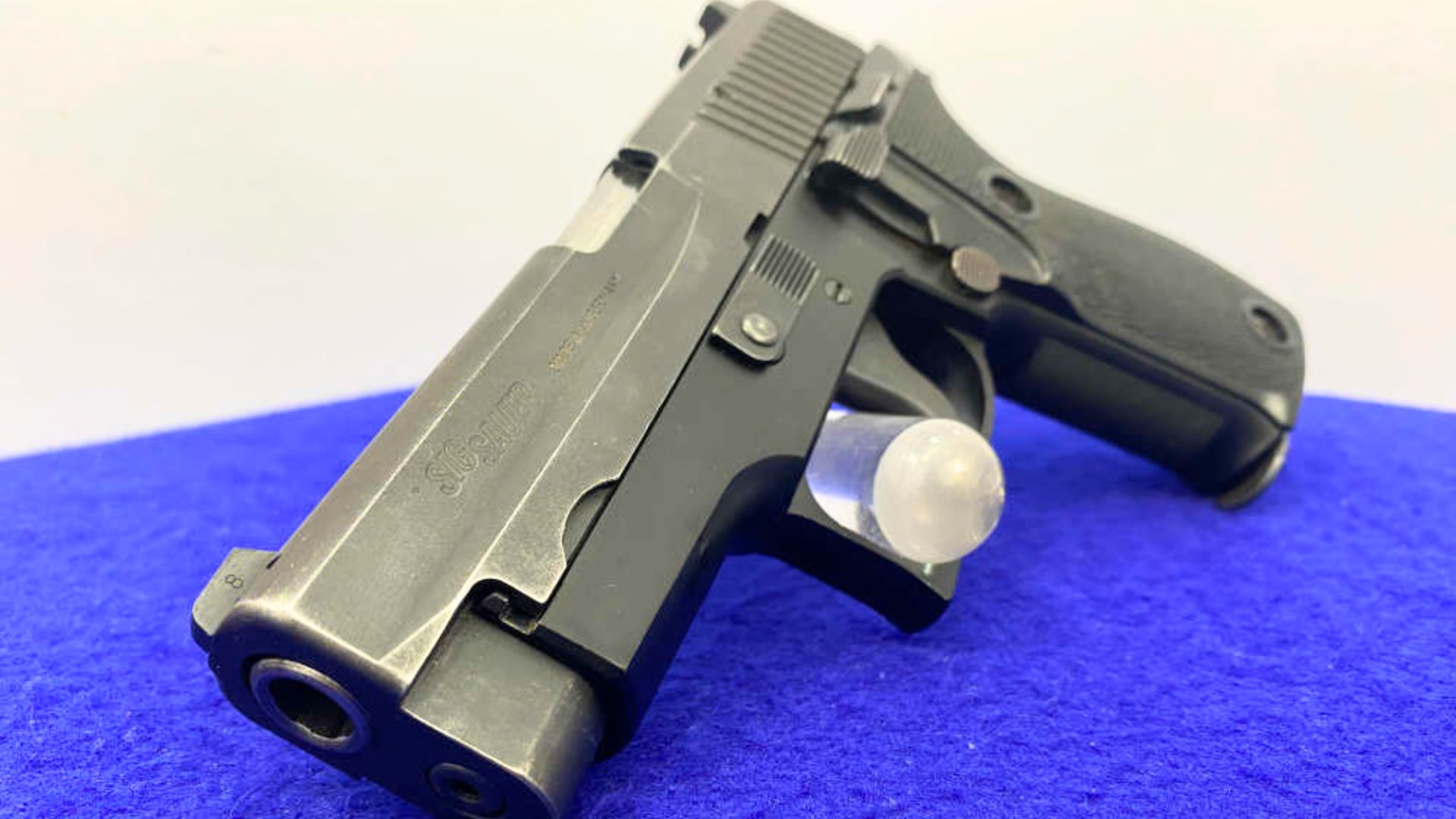
SIG Sauer P229

The SIG P229 is known for being rugged, but it’s also one that demands attention when it comes to recoil springs. With its compact size and chamberings like .357 SIG or .40 S&W, the gun generates significant slide velocity. That punishes the recoil spring, requiring replacements more often than many shooters expect. Some owners change them every 3,000 rounds to avoid accelerated wear on the frame and locking surfaces.
Magazine springs can also become an issue in .40-caliber and .357 SIG models. A fully loaded magazine left in storage sometimes loses tension quickly, leading to nose-dives or last-round failures. Armorers who maintain fleets of these pistols learned early on to treat springs like routine consumables, and civilian owners often adopt the same practice. The P229 can handle heavy use, but not without regular spring swaps. It’s reliable when cared for, but you can’t run it endlessly without replacing those key components.
Walther PPK

The Walther PPK might be iconic, but it’s not a pistol you can neglect. Its small size and blowback design mean the recoil spring is doing a lot of work to tame slide velocity. That spring tends to fatigue quickly, and shooters often report issues after a couple thousand rounds. Once it’s worn, you’ll see failures to feed and unreliable cycling.
Magazine springs are another weak spot in the PPK. Load them to capacity and leave them for a while, and they often lose tension, causing misfeeds. Owners who carry one for self-defense are usually advised to rotate magazines frequently and replace springs as part of regular upkeep. While the pistol has history and style, it demands more attention than most modern carry guns. If you’re putting serious range time into a PPK, keeping spare spring kits handy isn’t optional—it’s the only way to keep it trustworthy.
Browning Hi-Power

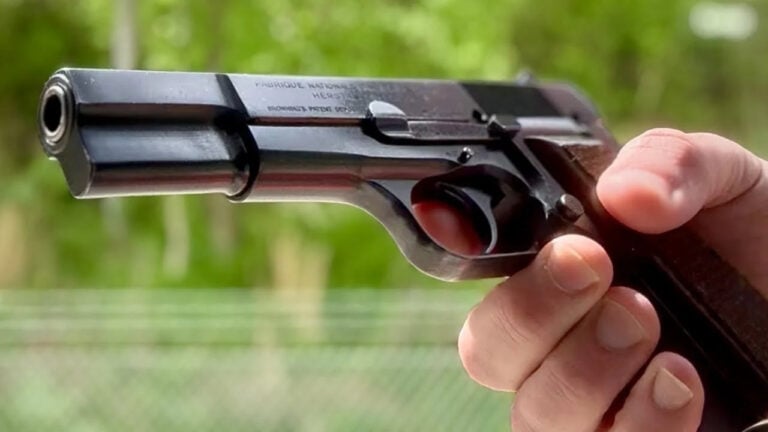
The Browning Hi-Power is a classic, but its recoil and magazine springs are known to wear faster than what shooters might expect today. The design dates back to the 1930s, and while it was advanced for its time, the springs simply weren’t built with the longevity you find in newer pistols. A recoil spring can start feeling soft around 3,000–4,000 rounds, especially with hotter 9mm loads.
Magazine springs are also a regular complaint. Fully loaded Hi-Power mags left for long periods often lose enough strength to cause feeding issues. Many owners replace both recoil and magazine springs routinely as part of their upkeep schedule. Aftermarket spring companies even market “extra power” versions because of how common the problem is. The Hi-Power is accurate and reliable when fresh, but it’s a pistol that demands more frequent spring maintenance if you want it to stay that way. Ignore it, and problems show up fast.
Springfield XD .40

The Springfield XD in .40 S&W earned a reputation for being a handful to maintain. That high-pressure cartridge beats up recoil springs quickly, and shooters often find themselves swapping them every few thousand rounds. Push the gun too long without a fresh spring, and the slide starts slamming hard into the frame, risking damage beyond just reliability issues.
Magazine springs in .40-caliber XD models also tend to weaken faster than those in their 9mm counterparts. It’s common to see nose-dives or sluggish feeding after keeping mags loaded over time. Many XD owners who run them regularly learn to buy spring kits in bulk, treating replacements as a normal part of ownership. The gun itself can run well, but only if you’re willing to stay on top of spring care. Ignore that maintenance, and you’ll find the XD .40 quickly becomes finicky, especially under heavier shooting schedules.
HK USP Compact .40

The HK USP Compact in .40 S&W is a solid pistol, but its recoil system requires closer attention than many shooters expect. The smaller frame combined with the snappy .40 round creates more stress on the recoil spring, leading to faster wear. Shooters often replace the spring every 3,000 rounds or so to maintain reliability and protect the gun’s internals.
Magazine springs in the compact models are also known to tire faster, particularly if left fully loaded for extended periods. Failures to feed and inconsistent slide lockback are the early warning signs. While HK builds durable pistols, the USP Compact in .40 highlights how caliber and size can work against spring longevity. Owners who put in range time quickly learn that a steady supply of springs is as important as spare magazines. It’s not that the gun is unreliable—it’s that it demands more maintenance than you’d expect from an HK.
Kimber 1911

Kimber 1911s are popular, but they’ve long had a reputation for being spring-hungry. Like all 1911s, the recoil spring is a short-life part, often requiring replacement every 2,000 rounds. Kimber pistols in particular seem to emphasize this schedule, with users reporting noticeable declines in reliability if springs aren’t swapped on time.
The tight tolerances Kimber is known for only make the problem more noticeable. A tired recoil spring leads to failures to return to battery, weak ejection, and feeding issues. Magazine springs are another recurring theme, as many Kimber mags lose strength faster than those from other 1911 makers. The end result is a pistol that performs well when maintained, but punishes you quickly if you slack off. Kimber owners often talk about stocking springs alongside ammunition—because one without the other means your range session is going to get cut short.
Desert Eagle

The Desert Eagle is impressive in size and caliber, but that firepower comes at a cost. The recoil springs work overtime handling magnum cartridges like .44 Magnum and .50 AE, and they fatigue quickly compared to springs in standard semi-autos. Shooters often find themselves replacing springs every few hundred rounds to keep the massive slide cycling correctly.
Magazine springs are also stressed hard in this platform. Feeding those oversized cartridges consistently requires strong tension, and it doesn’t take much use for springs to lose their bite. When they do, you get misfeeds that make an already heavy pistol even less practical. Desert Eagle owners who actually shoot theirs regularly often budget for spring kits right alongside ammunition. It’s a gun that can be fun and powerful, but keeping it running smoothly takes more work than many realize. Without frequent spring swaps, the Desert Eagle turns into a jam machine quickly.
SIG Sauer P6 (German Police Surplus)

The SIG P6, the police version of the P225, became popular when German surplus models hit the market. While solid in many ways, owners quickly noticed one recurring theme: weak springs. The recoil spring often felt soft, especially on older surplus pistols, and would need replacing almost immediately. Even after that, heavy use wore them out faster than expected compared to newer SIG models.
Magazine springs in the P6 were another weak link. Fully loaded magazines tended to wear down quickly, which led to feeding issues. Many owners found themselves replacing both recoil and mag springs as soon as they bought one. While aftermarket solutions solved some of the issues, the P6 remains one of those pistols that demands constant spring care. It’s a reliable carry piece when maintained, but anyone buying one from surplus stock quickly learned that keeping it healthy meant budgeting for spring kits right away.
*This article was developed with AI-powered tools and has been carefully reviewed by our editors.