Photo credit: Mister Revolver/YouTube
Revolvers still have their fans, and for good reason—they’re simple, reliable, and time-tested. But they aren’t without trade-offs, especially when it comes to everyday carry. While some folks are happy to accept those compromises, others find that modern semi-autos offer more advantages. If you’re thinking about carrying a revolver, here are some of the realities that might not show up in the brochure.
Low Capacity

Five or six shots might not sound bad until you consider what most modern carry pistols offer. When you’re carrying a revolver, you’re working with half—or less—of what a compact 9mm can hold. In a worst-case situation, that can start to matter quick.
And no, speedloaders aren’t magic. They take practice, time, and still don’t match the convenience of a simple magazine swap. If round count matters to you, capacity is hard to ignore.
Slower Reloads

Even with moon clips or speedloaders, reloading a revolver under stress is clumsy compared to dropping a mag and slapping in a new one. You’re fumbling with small pieces of gear instead of just pushing a button.
For most civilian defensive situations, you might never need a reload. But if you do, the time it takes to get those next rounds in the cylinder could feel like forever.
Heavier Trigger Pull

Double-action triggers on revolvers tend to be heavy and long. Some are smoother than others, sure, but they’re still more work than a striker-fired pistol. That can make accuracy harder, especially for newer shooters.
You can learn to run a revolver well, but it usually takes more effort to get good. If you’re looking for an easy-to-shoot option out of the box, a revolver might not be it.
Bulk for the Barrel Length

Revolvers may have short barrels, but the cylinder adds girth. That bulk can make concealed carry trickier than it needs to be, especially if you’re using an inside-the-waistband holster.
Compared to a slim semi-auto, revolvers just don’t tuck in as well. That means you’ve got to think more carefully about wardrobe and carry method, especially during warm months.
Recoil with Magnum Loads

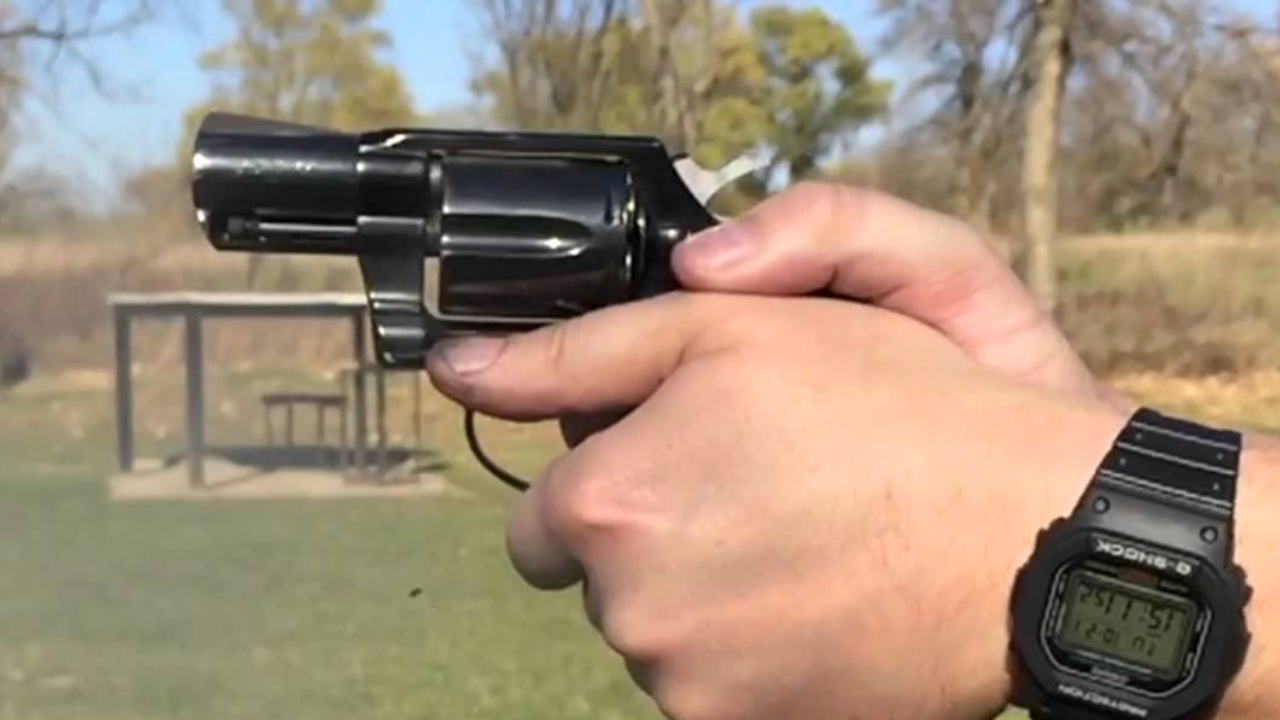
If you’re carrying a .357 snubby, you’ll feel every ounce of that magnum energy. Small-frame revolvers with big calibers are punishing to shoot, which can lead to flinching or limited practice.
Even in .38 Special, lightweight frames can sting after a few cylinders. And if a gun’s not fun to shoot, it’s not going to get carried confidently or trained with often.
Lack of Accessory Support

Finding good holsters, night sights, or aftermarket grips isn’t impossible—but it’s not as easy as it is for popular autos like Glock, SIG, or Smith & Wesson M&P. You’ll likely have fewer options.
That can matter more than you think when it comes to customizing your carry setup. And let’s be honest, some revolver sights just aren’t made for modern defensive shooting.
Harder to Mount Lights or Lasers

Most revolvers aren’t built with rails or factory support for weapon-mounted lights. That leaves you stuck with aftermarket workarounds or trying to make do without one.
In low-light situations, that matters. If you’re serious about carrying with a light, a revolver often isn’t the easiest path—especially without modifying the gun or grip.
Slower to Clear Malfunctions—If They Happen

Sure, revolvers don’t jam like autos do, but when they go down, they really go down. A piece of debris under the ejector star or a high primer can lock up the action completely.
And clearing it isn’t as simple as a tap-rack-bang. You’re popping the cylinder, possibly needing tools, and that’s not happening fast under pressure. Failure might be rare—but recovery is slow.
*This article was developed with AI-powered tools and has been carefully reviewed by our editors.