Photo credit: lifesizepotato – CC0, /Wikimedia Commons
Some pistols look great on paper—or on a table at the gun shop—but once you hit the range or start carrying them, the oddball features start causing problems. Whether it’s weird controls, fragile internals, or unconventional mechanisms, design quirks can turn a decent handgun into a frustrating one. Reliability matters more than flair. If you’re depending on a pistol for carry or hard use, these are the ones that tend to stumble thanks to design decisions that just didn’t hold up.
Remington R51

The R51 tried to stand out with a delayed-blowback system borrowed from a much older design. On paper, it sounded like it might offer soft recoil and low bore axis. In practice, it came with constant failures, hard-to-diagnose malfunctions, and a launch plagued by defects.
The disassembly process alone is enough to make most folks never want to shoot it again. Combine that with inconsistent cycling and feeding issues, and you’re left with a gun that’s more trouble than it’s worth. The odd internals didn’t translate into real-world performance.
Hudson H9

The Hudson H9 had a low bore axis and a 1911-style trigger in a striker-fired format, which drew a lot of attention. But the recoil system and striker setup were unconventional and ended up being the gun’s downfall.
Early adopters reported reliability issues, parts breakage, and inconsistent performance with various ammo types. When a company burns bright and fast, support dries up quickly too. If you’ve got an H9 and something breaks, good luck getting it fixed. The idea was interesting—the execution wasn’t up to the task.
Chiappa Rhino 200DS (in semi-auto lists)

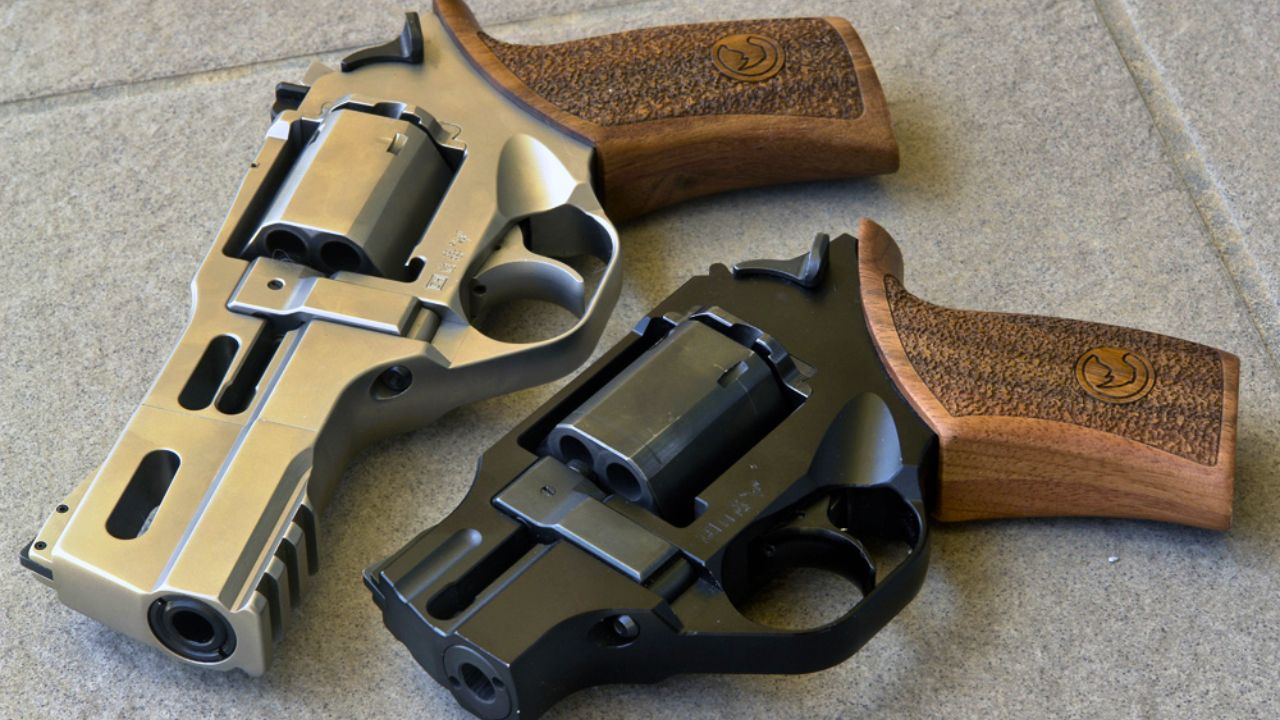
Yes, it’s a revolver—but it ends up in semi-auto discussions because folks expect it to behave more like a semi due to its unique mechanics. The barrel’s aligned with the bottom cylinder to reduce muzzle flip, but the overall layout introduces problems.
Light strikes are a common complaint, and the internal complexity makes it less reliable under hard use. If something goes wrong, it’s not an easy fix. The design grabs attention, but you’re trading durability and consistency for something that looks different.
Taurus Curve

The Curve was marketed as a pistol that could contour to your body. It had no traditional sights and featured built-in belt clips. What it didn’t have was consistent reliability. Feeding problems and failure to extract were common complaints from users.
The decision to make the entire gun curve—not just the name—left it with limited holster options and odd ergonomics. Accuracy suffered, and the design didn’t offer any real advantage in return. It was an attempt at something new, but one that didn’t earn much trust.
Glock 44

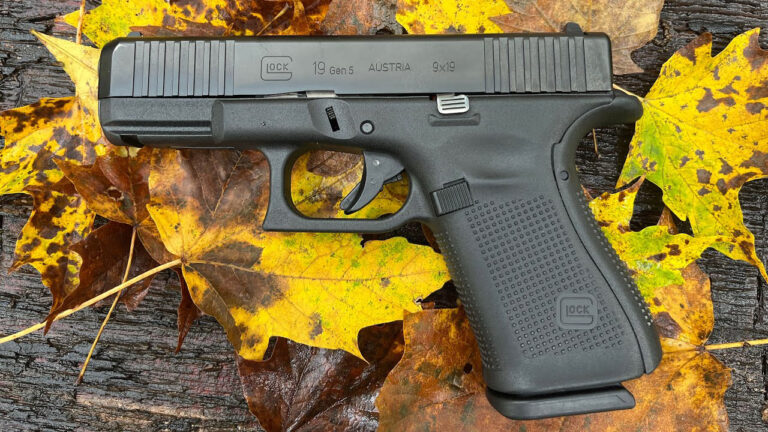
You’d think a .22 Glock would be a hit, but the G44 had early problems that shook confidence. It uses a hybrid polymer/steel slide to manage .22 LR recoil in a full-size frame. Unfortunately, some pistols struggled with extraction and light strikes, even with good ammo.
Rimfire ammo is already finicky, and the design didn’t help. While some shooters have good experiences, others found themselves dealing with jams and inconsistent cycling. The move to lighten the slide was necessary—but it brought along reliability compromises.
KelTec PMR-30

This .22 Magnum pistol holds 30 rounds, which is impressive. But in order to make that happen, KelTec had to build a very lightweight slide and a delicate feeding system. That’s where the problems show up.
The gun is highly sensitive to ammo selection. Soft points or inconsistent velocities cause frequent jams. The magazine feed lips are also known to wear quickly. You can get it running well with the right load and careful maintenance—but it’s a high-maintenance relationship most folks don’t want.
Beretta Bobcat/Inox 21A

The tip-up barrel design makes it easy to load without racking the slide, which seems helpful—until you run into the feeding and ejecting problems that often come with it. The blowback system doesn’t always play nice with bulk .22 ammo.
The lack of an extractor means stovepipes and stuck cases aren’t rare. If you’re using it for deep concealment or backup, that can be a problem. It’s charming in size, but the quirks in operation knock its trustworthiness down a peg when it matters most.
FN Five-seveN (early models)
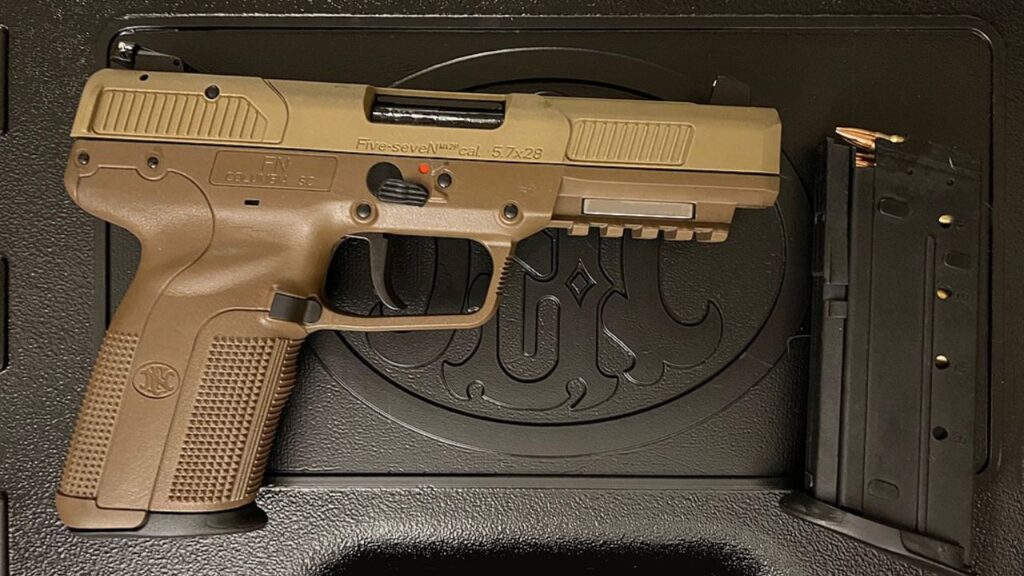
The Five-seveN gained attention for its high-velocity 5.7x28mm round, but early versions had cycling issues with certain loads. The lightweight slide and unique chambering left it vulnerable to feed problems when ammo wasn’t perfectly spec’d.
It’s also picky with suppressors, and the factory magazines can be sensitive to grit and debris. FN has improved things over time, but the early models earned a reputation for being more ammo-finicky than folks expected from a duty gun. It’s a case of design needing time to catch up.
Walther CCP (original version)

The original CCP used a gas-delayed blowback system that tried to soften recoil but ended up complicating everything. The takedown process was rough—requiring a special tool—and even then, it was easy to mess up reassembly.
Heat buildup during shooting was another problem. The internals would get hot fast, and that affected both shooter comfort and gun reliability. Walther later revised the design, but the first-gen left a lot of folks frustrated. It was a case of overengineering getting in the way of consistency.
*This article was developed with AI-powered tools and has been carefully reviewed by our editors.