Photo credit: ApocalypseSports. com/GunBroker
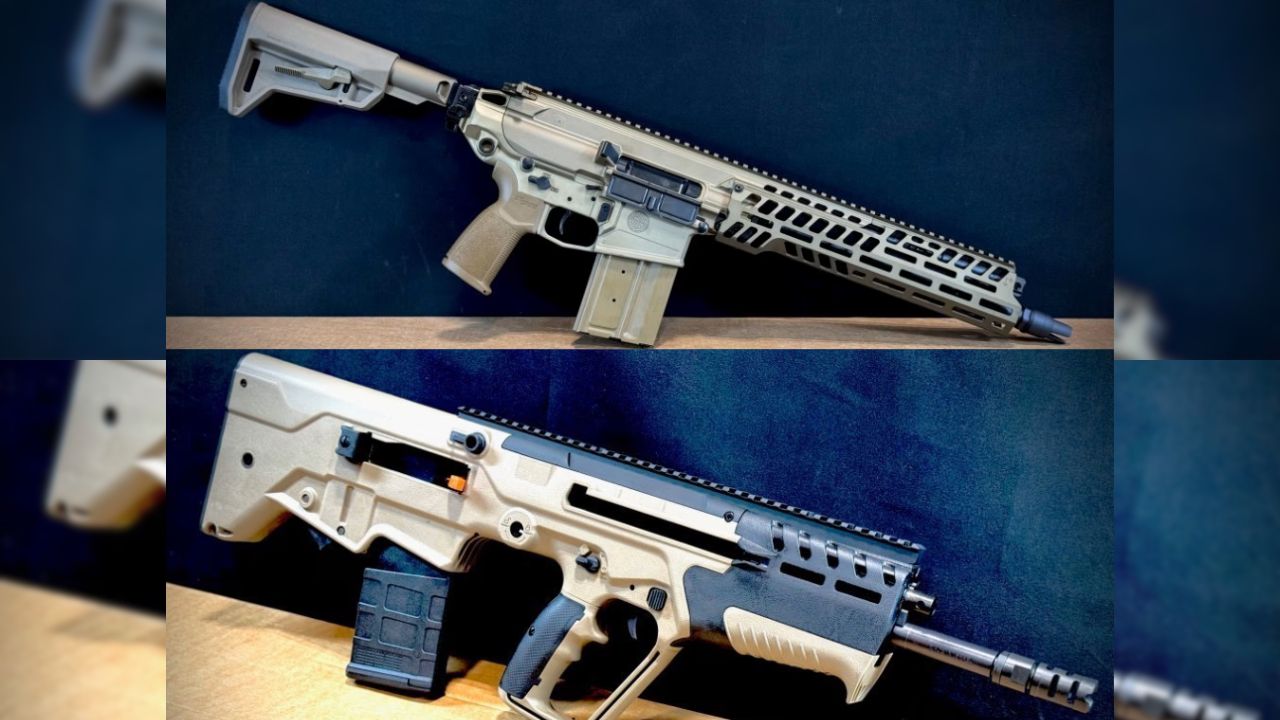
When you’re choosing a rifle for an SHTF setup, both the SIG MCX and IWI Tavor often make the shortlist — but they approach the job in completely different ways. The MCX takes an AR-style design and adds modern refinements, while the Tavor uses a bullpup layout built around compact maneuverability.
Understanding where each rifle shines will help you decide which one fits your survival strategy better. Let’s break down the key differences that actually matter when things get serious.
Reliability under extreme conditions
When the environment turns harsh, reliability becomes everything. The SIG MCX runs a short-stroke piston system designed to stay cleaner than a traditional AR, even in sandy or wet conditions. Hunters and operators alike have praised its consistent cycling under stress.
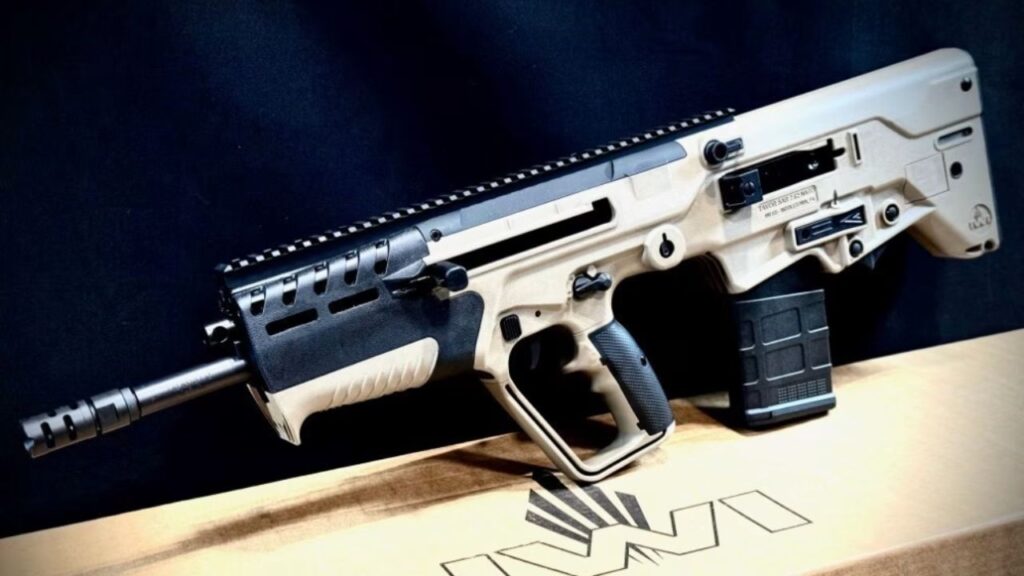
The IWI Tavor also uses a piston-driven setup, but its bullpup configuration keeps the action closer to the shooter’s shoulder, reducing exposure to dirt and debris. Both are solid performers, but the MCX tends to handle extended firing sessions better, especially when running suppressed.
Accuracy at different ranges
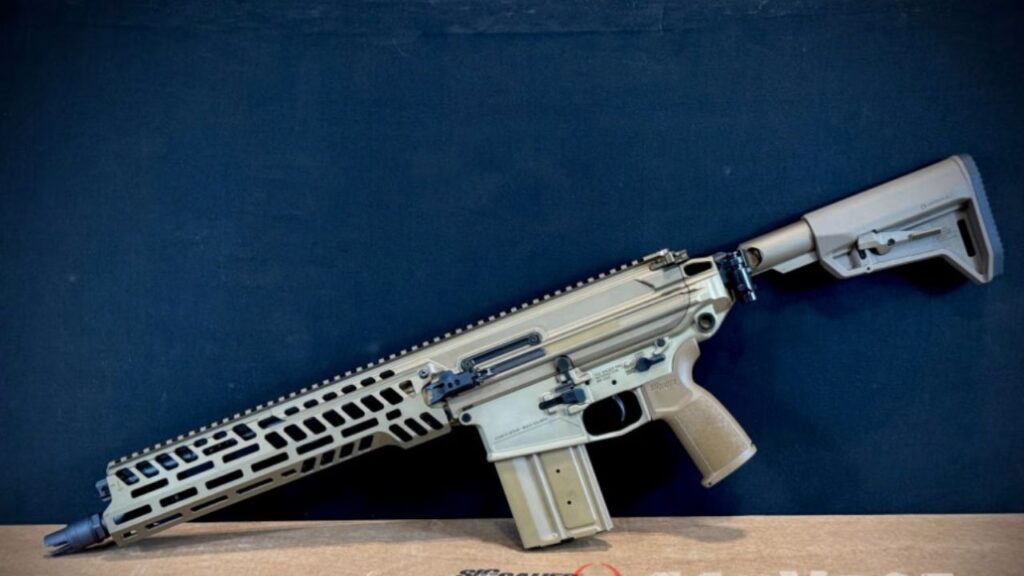
The MCX is known for impressive accuracy, especially when paired with quality ammo and optics. Its traditional AR-like ergonomics give it a stable shooting platform, making consistent groups at 300+ yards achievable.
The Tavor, on the other hand, prioritizes compact handling over long-range precision. While still effective at mid-range engagements, its shorter sight radius and bullpup trigger feel can make precision shooting more challenging. If your SHTF plan involves open spaces and longer distances, the MCX holds an edge here.
Handling and maneuverability
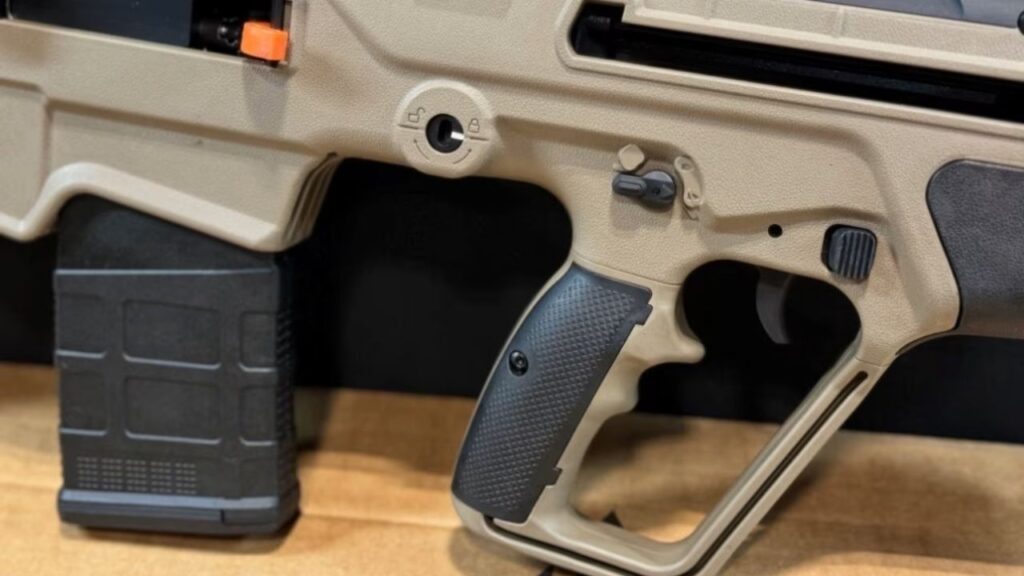
In tight quarters, the Tavor really starts to shine. Its bullpup design puts the barrel further back, giving you a shorter overall package without sacrificing barrel length. This makes it easier to move through buildings, vehicles, and close spaces.
The MCX isn’t oversized by any means, especially in its Rattler and Virtus configurations, but compared to the Tavor, it feels longer and less balanced in cramped conditions. If urban defense or close-range mobility is a priority, the Tavor delivers a noticeable advantage.
Weight and balance
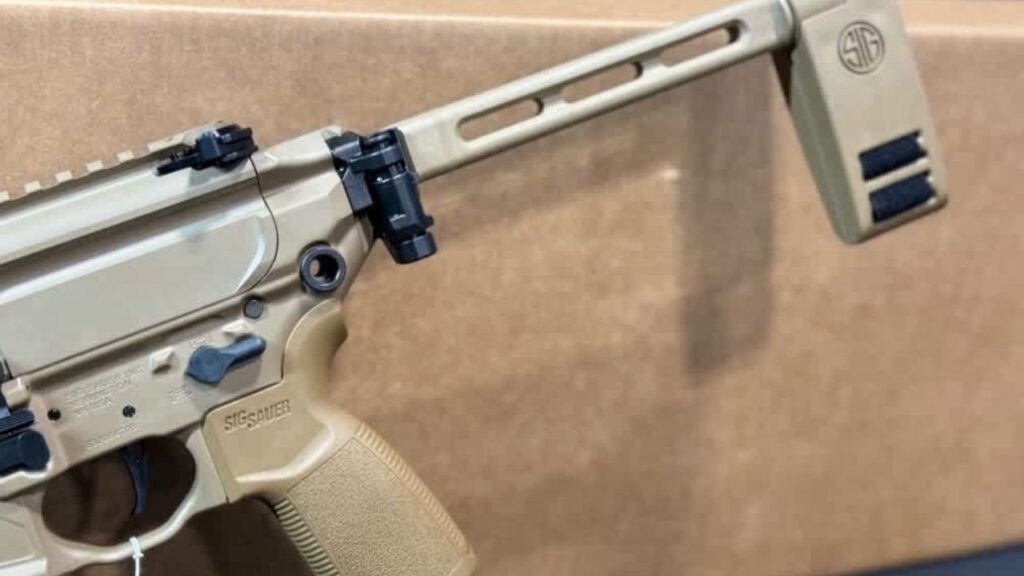
The Tavor places more of its weight toward the rear, which can make it feel lighter than it actually is when shouldered for long periods. This rear-heavy balance makes holding on target in standing positions more manageable.
The MCX distributes its weight more traditionally, which can feel more natural to those familiar with AR platforms. It’s not excessively heavy, but after hours of carrying, especially with added optics and accessories, the difference becomes clear. For extended patrol-style scenarios, the Tavor’s balance can reduce fatigue.
Trigger performance
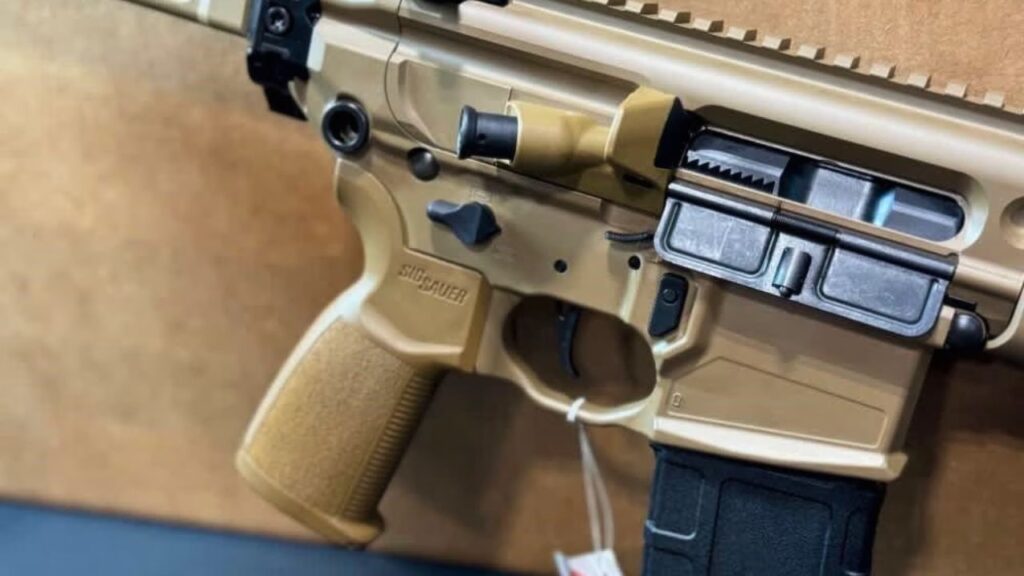
The trigger is one area where the MCX tends to outperform the Tavor. Out of the box, the MCX’s trigger offers a smoother, crisper break that lends itself to better shot control at longer ranges.
The Tavor’s bullpup layout forces a longer linkage between the trigger and the action, which often results in a heavier and less predictable pull. Aftermarket upgrades exist to improve it, but if you want solid performance right from the start, the MCX has the advantage here.
Suppressor compatibility
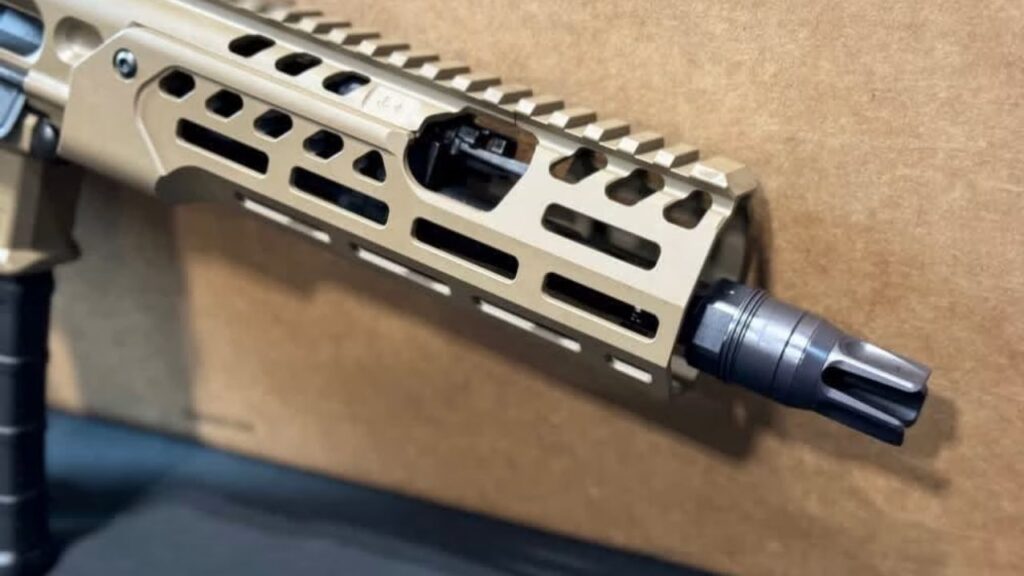
The SIG MCX was built with suppression in mind. Its adjustable gas system allows you to tune performance when running suppressed, maintaining reliability without excessive blowback. Many shooters consider it one of the best options for a suppressed SHTF rifle.
The Tavor can also handle suppressors, but its design isn’t quite as optimized for them. Excess gas and noise near the shooter’s ear are more noticeable. If running suppressed is part of your survival plan, the MCX will likely make your life easier.
Optics and accessory options
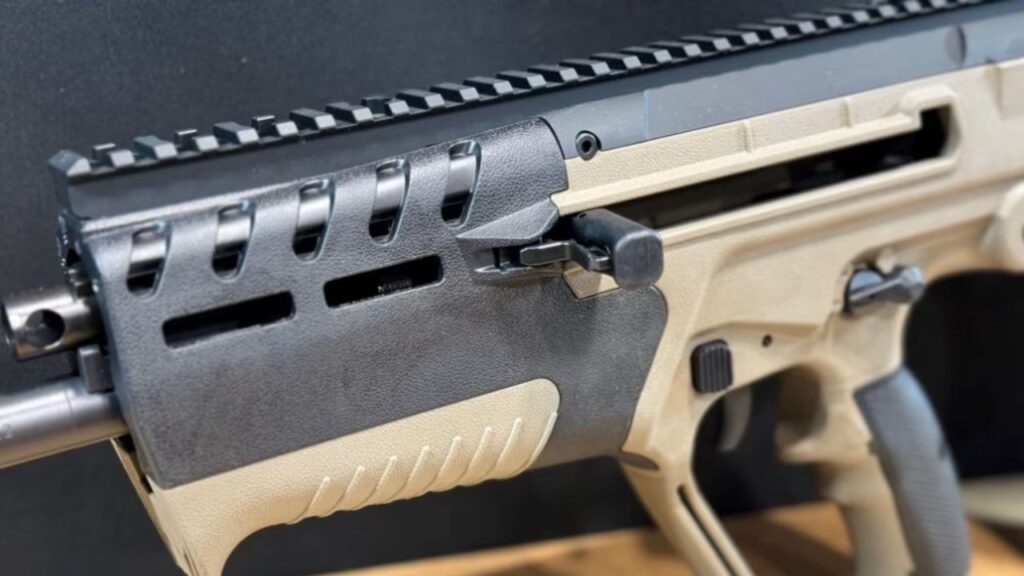
The MCX uses standard AR-style mounting systems, giving you near-unlimited options for optics, lights, grips, and other attachments. If customization matters, this is a huge advantage.
The Tavor does allow for accessories, but its design limits certain placements and configurations. While you can still mount optics and lights effectively, it doesn’t offer the same flexibility as the MCX. For shooters who want complete control over their setup, the MCX provides more room to build exactly what you want.
Which rifle comes out ahead

Both rifles bring real strengths to the table, but your environment and priorities dictate the winner. If you want modularity, suppression-friendly design, and better long-range accuracy, the SIG MCX stands out.
If you expect tight urban spaces and want a compact, durable rifle that’s comfortable to carry, the IWI Tavor delivers better handling. Neither platform fails under pressure, but your choice depends on what kind of fight you’re preparing for — distance and versatility versus compact power.
*This article was developed with AI-powered tools and has been carefully reviewed by our editors.