Photo credit: Browning
Some rifles do not look like much when you first see them. They may have plain stocks, modest price tags, old designs, or brand names that do not make anyone stop mid-sentence at deer camp. Then they get carried in bad weather, shot from awkward rests, bounced around in trucks, and asked to make real hits when the chance finally comes.
That is where expectations change. A rifle does not have to be expensive or flashy to earn trust. It has to feed, shoot, carry, and hold up when the field is less than perfect. These rifles surprised a lot of hunters by doing exactly that.
Ruger American Predator

The Ruger American Predator looked like another budget bolt gun when it first hit the rack. The stock felt plain, the price was approachable, and plenty of hunters assumed it would be “good enough” rather than genuinely impressive.
Then people started shooting them. Many American Predators turned out to be accurate, easy to carry, and practical in real hunting cartridges. The tang safety is simple, the rotary magazine keeps the rifle compact, and the threaded barrel adds flexibility. It may not feel expensive, but in the field, it often performs like a rifle that should cost more.
Howa 1500

The Howa 1500 has spent years being underrated because it does not always get the attention that Remington, Winchester, Tikka, or Browning receive. That is a mistake. The action is strong, the barrels often shoot well, and the rifle has a reputation for being more consistent than its price suggests.
In the field, the Howa’s plain dependability starts to matter. It feeds smoothly, holds zero, and handles a wide range of hunting chamberings without drama. It may not be the lightest rifle on the mountain, but for deer, hogs, antelope, or general big-game work, it keeps proving that quiet competence still counts.
Savage 110

The Savage 110 has always had a working-rifle personality. It does not usually win beauty contests, and older versions could feel a little rough compared with slicker bolt guns. But hunters kept using them because they shot.
That is where the 110 outperformed expectations. The barrel nut system, good triggers on later models, and broad chambering options made it one of the most practical hunting rifles around. A Savage 110 may not feel refined in the hand, but plenty of them put bullets exactly where they need to go. In the field, that matters more than polish.
Tikka T3x Lite
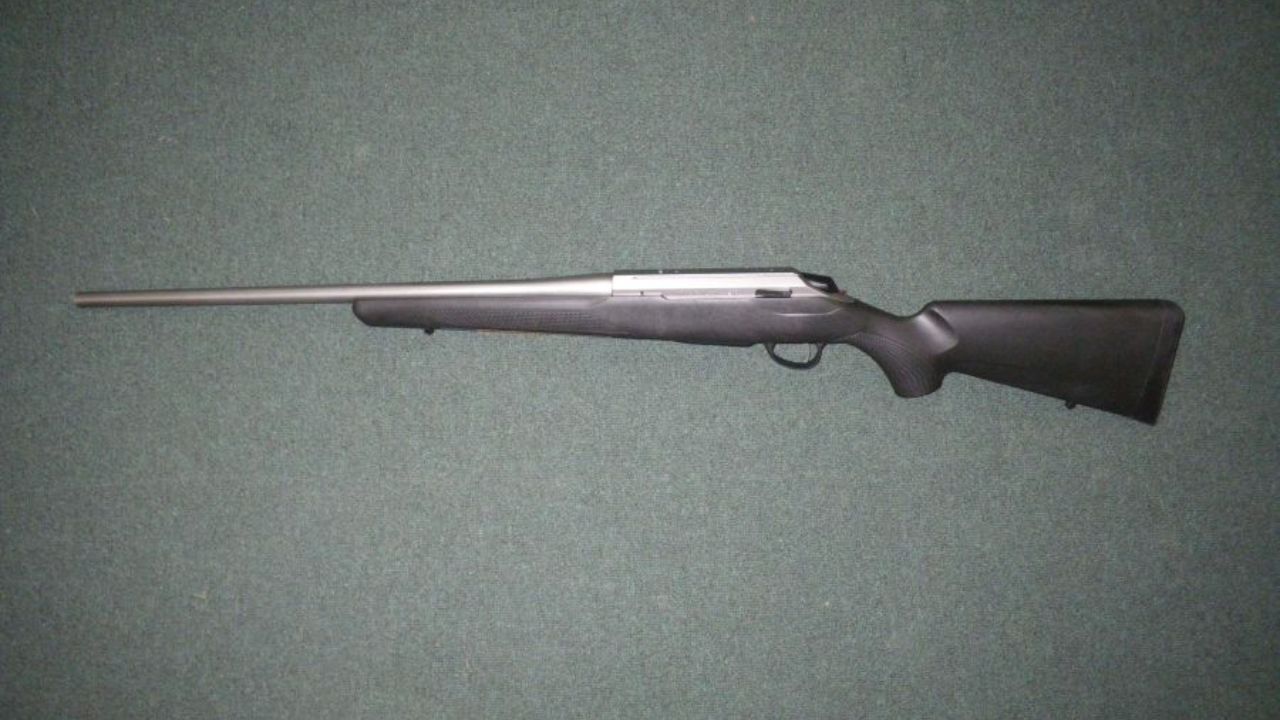
The Tikka T3x Lite is not exactly unknown anymore, but it still surprises hunters who expect such a light, simple rifle to feel cheap or fragile. Instead, it tends to deliver smooth cycling, good accuracy, and easy carrying in a very practical package.
The action is the part many hunters notice first. It runs cleanly and makes the rifle feel better than its plain appearance suggests. The stock is not fancy, and some buyers upgrade parts later, but the rifle’s basic field performance is hard to argue with. For a lightweight hunting rifle, it has earned its reputation honestly.
Mossberg Patriot

The Mossberg Patriot does not carry the same prestige as many established bolt-action names, which is why expectations are often modest. Some buyers see it as a starter rifle or a budget option, not something they expect to brag about later.
But in the field, the Patriot has surprised plenty of hunters. It is available in useful chamberings, often shoots well enough for real hunting distances, and comes in configurations that make sense for ordinary deer and hog hunters. It is not a luxury rifle, and nobody should pretend it is. Still, when a reasonably priced rifle keeps putting meat in the freezer, respect tends to follow.
Marlin XL7
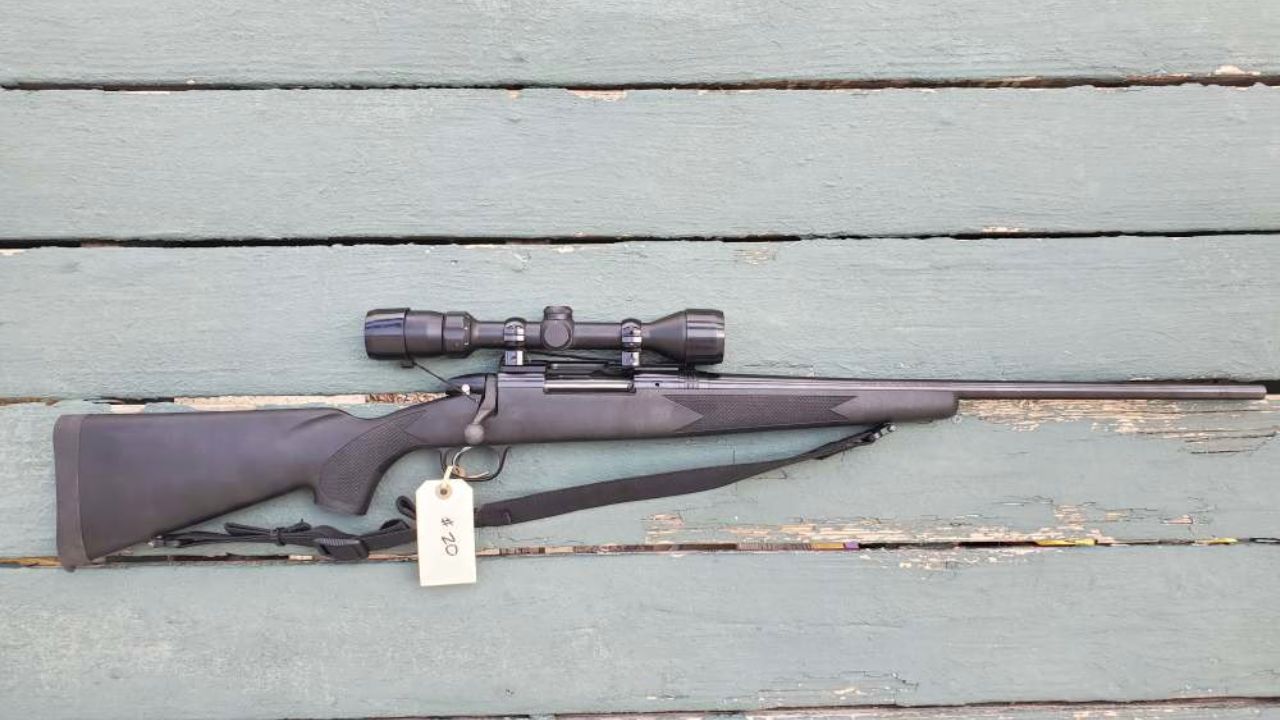
The Marlin XL7 did not stay around long enough to become a household name, but it earned a quiet following from hunters who bought one when they were still easy to find. It was affordable, plain, and easy to overlook.
Then owners found out many of them shot very well. The XL7 had a good trigger, practical hunting weight, and enough accuracy to embarrass rifles with bigger names. It never had the long market run it deserved, which is part of why people still talk about it. For a rifle many buyers treated casually, it proved itself in deer woods and open fields alike.
Thompson/Center Venture

The Thompson/Center Venture was another rifle that did not always get the attention it deserved. It looked like a straightforward modern bolt gun, and many hunters saw it as a value option rather than a serious long-term favorite.
In real use, the Venture often proved accurate, comfortable, and easy to trust. The bolt was smooth enough, the trigger was decent, and the rifle came in chamberings that covered common hunting needs. It was not flashy, but it did the work. Hunters who bought one at a fair price often ended up with a rifle that performed better than its reputation suggested.
Winchester XPR

The Winchester XPR had a tough job from the start because it shared brand space with the legendary Model 70. That made some hunters dismiss it as the cheaper Winchester rather than judging it on its own merits.
Field use gave it a stronger case. The XPR is rugged, weather-resistant in many versions, and accurate enough for real hunting. It may not have the soul of a walnut-stocked Model 70, but it was never trying to be that rifle. It was built as a practical hunting tool, and for hunters who wanted performance without paying classic-rifle money, it often delivered more than expected.
CVA Cascade

The CVA Cascade surprised a lot of hunters because CVA was still better known to many people for muzzleloaders than centerfire bolt guns. That made some buyers cautious when the Cascade started showing up as a serious budget-friendly hunting rifle.
The rifle proved it deserved attention. It offered solid accuracy, a good trigger feel, useful stock design, and practical hunting features at a fair price. In the field, it carried well and gave hunters confidence without feeling overcomplicated. The Cascade is one of those rifles that showed brand expectations can lag behind actual performance.
Bergara B-14 Hunter

The Bergara B-14 Hunter entered the market with more credibility than some budget rifles, but many hunters still did not expect it to shoot as well as it often does. Bergara’s barrel reputation helped, and the rifle backed it up.
In the field, the B-14 Hunter feels like a serious working rifle rather than a showpiece. It has enough weight to settle well, a familiar action footprint, and accuracy that often makes hunters wonder why they would spend much more. It is not ultralight, but that can be an advantage when you need steadiness. For the money, it has outperformed a lot of expectations.
Remington 783

The Remington 783 never had the romance of the Model 700, and that hurt it with buyers who judged it before shooting it. It looked like a budget rifle because it was one, and plenty of hunters assumed that told the whole story.
It did not. Many 783 rifles turned out to be perfectly capable hunting guns with solid accuracy and practical handling. The detachable magazine, adjustable trigger, and common chamberings made it useful for everyday hunters. It lacks refinement, and it will never replace the 700 in people’s hearts. But as a field rifle bought for honest work, it often did better than expected.
Stevens 200
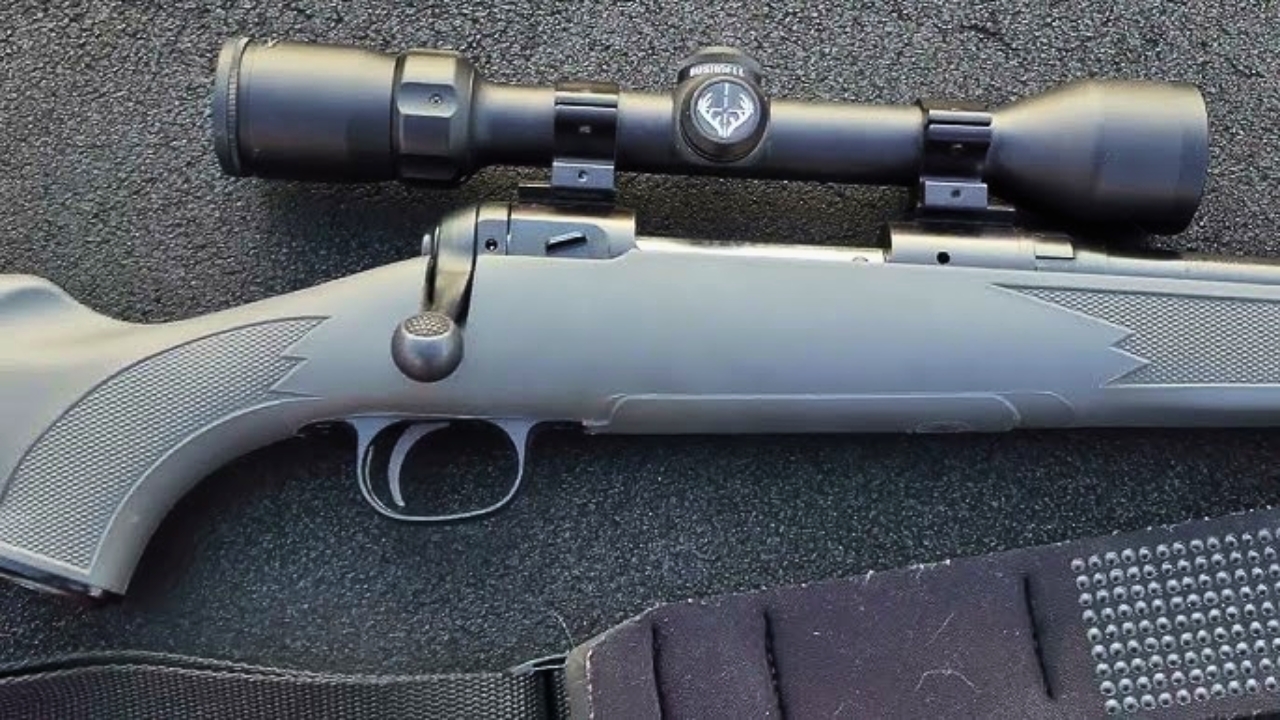
The Stevens 200 was about as plain as a bolt-action rifle could be. No fancy stock, no premium finish, no big marketing hook. It was basically a stripped-down working rifle for people who wanted to spend money on tags, gas, and ammo instead.
That plainness hid a lot of usefulness. The Stevens 200 often shot well because it shared plenty of practical DNA with the Savage 110 family. It was light enough to carry, simple to maintain, and accurate enough for deer and predator hunting. Hunters who bought one as a cheap backup sometimes found themselves reaching for it more than expected.
Ruger M77 Hawkeye

The Ruger M77 Hawkeye was never really underrated by hunters who knew rifles, but it has still outperformed expectations for people who thought it was just a sturdy old-school bolt gun. It is not always the smoothest rifle or the lightest rifle, but it feels built for abuse.
That matters in the field. The controlled-round-feed action, rugged construction, and practical chamberings make the Hawkeye a rifle you can trust in rough country. It may not print tiny groups with every load, but it tends to be dependable where it counts. For hunters who value reliability and field toughness over benchrest bragging, the Hawkeye keeps earning respect.
Browning AB3
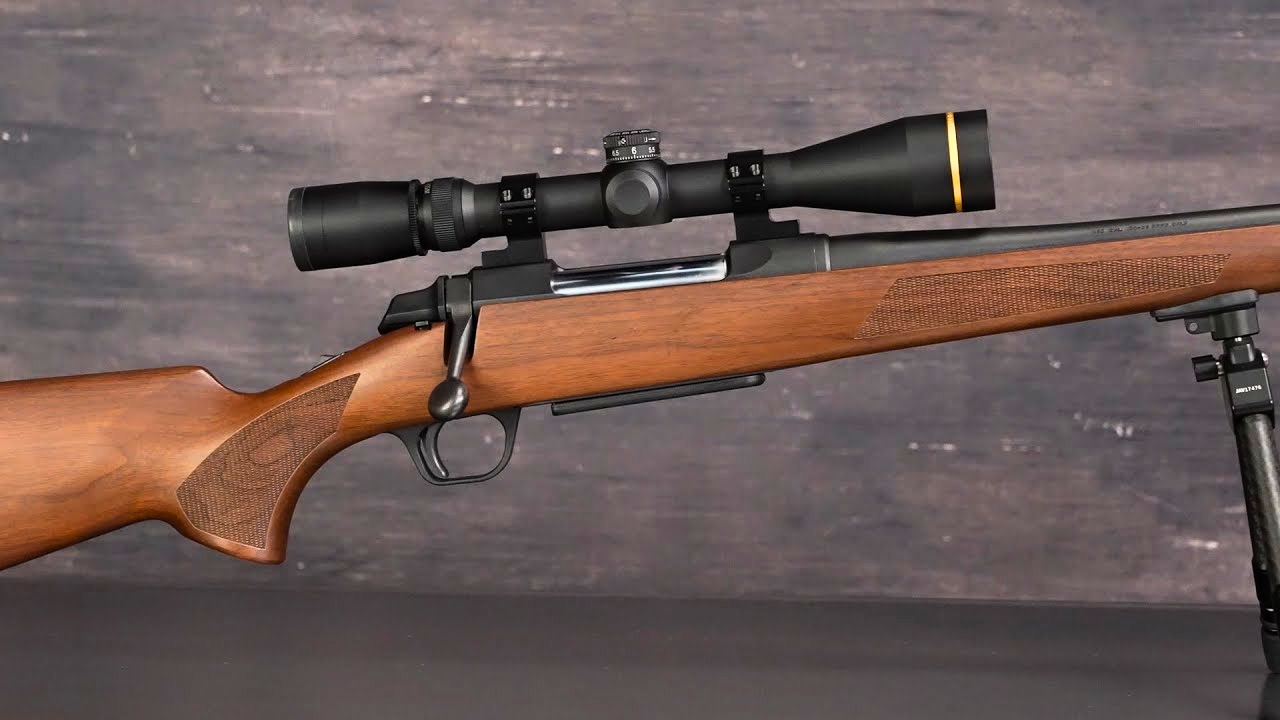
The Browning AB3 lives in the shadow of the X-Bolt and older A-Bolt rifles, which makes it easy to underestimate. It is positioned as a more affordable Browning, and some hunters assume that means it cannot be anything more than basic.
The field results are better than that. The AB3 is lightweight, accurate enough for most hunting, and comfortable to carry. It does not have the same refined feel as Browning’s higher-end rifles, but it gives hunters a useful bolt gun with smart features and solid performance. For buyers who want the Browning name without the higher price, it often does more than expected.
Remington 788

The Remington 788 is one of the classic examples of a rifle that outperformed its place in the lineup. It was introduced as a lower-cost bolt gun, and many buyers treated it as a plain utility rifle instead of something special.
Then people realized the 788 could really shoot. The rear-locking action, fast lock time, and practical chamberings helped it build a reputation for accuracy that outlasted its production run. It is not as polished as a Model 700, and spare magazines can be a headache now. But in the field, the 788 proved that inexpensive does not always mean second-rate.
Like The Avid Outdoorsman’s content? Be sure to follow us.
Here’s more from us: