Photo credit: Banana Ballistics/YouTube
A caliber can be a blast on the bench—flat, fast, accurate, low recoil, or just plain cool—then become a headache once you’re actually hunting or dealing with real conditions. Wind, brush, awkward positions, limited ammo availability, finicky terminal performance, barrel heat, and field-accuracy reality all show up fast. The bench is controlled. The field isn’t.
These aren’t “bad” calibers. They’re calibers that feel great in perfect conditions and then make you work harder than you expected when it matters.
.17 HMR

On the bench, .17 HMR is pure fun. Tiny recoil, easy hits on small targets, and it makes you look like a hero on calm days. In the field, wind turns it into a different cartridge. A little breeze that you’d ignore with a .22 can move a .17 enough to miss or hit poorly, especially on small game where inches matter.
It’s also not a “do everything rimfire.” It’s excellent inside its lane and frustrating outside it. If you hunt where the wind never stops, you’ll learn quickly that what looks easy at the bench gets complicated fast. It’s a specialty tool, not a magic wand.
.22 WMR

.22 Mag is fun because it shoots flatter than .22 LR and hits harder, and it’s still easy to shoot well. In the field, the frustration is inconsistency across loads and the gap between “paper performance” and real terminal performance. Some loads act great, some don’t, and it can take real testing to find what your rifle likes.
Wind also matters more than most people want to admit, and shot placement gets pickier as distance stretches. On the bench, it’s all smiles. In the field, it can be a “why didn’t that drop?” caliber if you’re pushing range or expecting centerfire behavior.
.204 Ruger
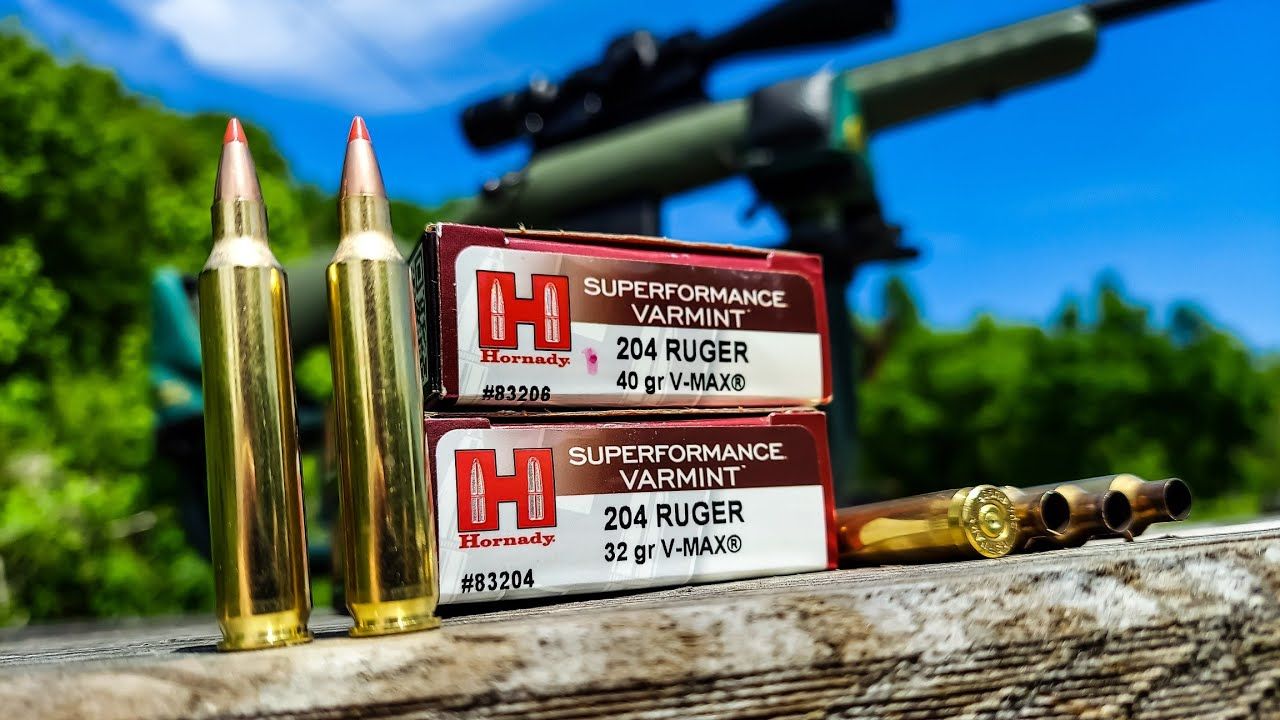
.204 is a laser on prairie dogs and paper. Low recoil, high speed, easy spotting of hits. In the field, it gets frustrating in wind and on tougher critters because bullet choice becomes everything. Some .204 loads are made to explode. That’s great for varmints and less great when conditions aren’t perfect or when you want deeper penetration.
It’s also a caliber that looks better on calm days. The moment the wind starts switching, you’ll work harder than you’d expect for how flat it feels at the bench. It’s a great round, but it’s not as “easy” as it looks once the air starts moving.
.22-250 Remington

Bench fun? Absolutely. Flat, fast, accurate, and it makes small targets feel easy. Field frustration usually comes from two things: wind and meat damage (if you’re hunting coyotes vs. something you want to keep), plus the reality that high velocity can make bullet performance unpredictable if you choose the wrong projectile.
Another frustration is barrel heating when you’re shooting strings in the field—like high-volume varmint days. Thin barrels get hot, POI can shift, and the “laser” starts acting less laser-like. On a calm bench, it’s simple. In real conditions, it demands more discipline than people expect.
.220 Swift

The Swift is fun because it’s fast and historically cool. The frustration comes from the same place: high velocity makes bullets and barrels work hard. Barrel life conversations get real, and load selection matters more than casual shooters want to deal with. If you’re not reloading, ammo availability can also be a pain depending on where you live.
In the field, it’s also easy to think you can ignore wind because it’s “so fast.” Then you miss anyway because wind is still wind. The Swift is awesome, but it’s not a free pass. It’s a high-performance round that asks you to pay attention.
6mm Creedmoor

6mm Creed is a bench favorite for a reason—easy recoil, great accuracy, and it makes you feel like you can’t miss. In the field, frustration comes from bullet construction and expectations. Some guys run match bullets because they shoot tiny groups and then get weird terminal performance. Others run very frangible varmint-style bullets and get shallow results on tougher hits.
It can also be a barrel-life conversation if you shoot a lot. It’s not “terrible,” but it’s not a forever barrel like some slower rounds. The caliber is great. The frustration usually comes from people using the wrong bullet because the bench told them it was the right choice.
6.5 PRC

At the bench, the PRC is a crowd pleaser—flat, accurate, and it makes long-ish shots feel easy. In the field, the frustration often shows up as recoil, muzzle blast, and real-world carry setups. In a light hunting rifle, it can be louder and sharper than people expect. That can make field shooting harder if you’re not truly comfortable with it.
Ammo availability can also be a real-world annoyance in some areas. If you don’t stock up, you can find yourself hunting with whatever you can get, not what your rifle actually likes. It’s a great round, but it can be less convenient than a more common chambering.
7mm PRC

7 PRC is fun at the bench if you like watching bullets stack and you’ve got the rifle set up right. Field frustration is usually ammo and rifle availability plus the tendency for people to buy it in light rifles that are miserable to shoot without a brake. Then they flinch in field positions and blame the cartridge.
It’s also a caliber where guys talk themselves into shots they haven’t earned. The bench makes it look easy. The field makes you pay for poor position, wind calls, and adrenaline. The round isn’t the problem—it’s the confidence it gives people before they’ve built the skill.
.257 Weatherby Magnum

.257 Wby is bench fun in the “this is ridiculous” way. Flat, fast, and it makes distance feel shorter. Field frustration comes from meat damage, bullet behavior at close range, and ammo cost/availability. Impact speeds can be high enough to make some bullets act violent, especially on closer shots, and that can lead to results that don’t match the clean little groups you were shooting on paper.
It’s also not the cheapest cartridge to practice a lot with unless you reload. And if you don’t practice a lot, field performance suffers. The .257 is a hammer. It’s just a hammer that asks for good bullet selection and real reps.
.25-06 Remington

The .25-06 is a classic “bench hero” because it shoots flat, recoils reasonably, and can be very accurate. In the field, the frustration is usually bullet performance variability and wind reality. It’s fast enough that fragile bullets can come apart, but not so heavy that you get automatic penetration on hard angles. So you can get great results… and then a weird one that leaves you scratching your head.
It’s also a cartridge that’s less trendy, so ammo selection on shelves can be uneven depending on your location. It’s still a strong hunting round, but it’s not always as convenient or predictable as people assume from the bench experience.
26 Nosler

On the bench, the 26 Nosler is pure speed fun. In the field, it can be frustrating because it’s overbore, hard on barrels, loud, and not always convenient to feed. Many guys don’t practice with it as much as they should because every trigger pull feels expensive. That’s where field frustration starts—less practice, more confidence than skill, and a cartridge that punishes mistakes with recoil and blast.
It can also be picky about bullet choice at extreme velocities. The bench doesn’t show you terminal behavior. The field does. If you run a 26 Nosler, you need to treat bullet selection like part of the system.
28 Nosler

28 Nosler is another “bench grin” caliber. It makes distance feel easy. Field frustration is the same family of problems: barrel life, recoil in hunting-weight rifles, ammo cost/availability, and the way high impact velocity can change bullet performance. You can absolutely hunt effectively with it. But it’s rarely the most practical choice for guys who don’t reload and don’t stock ammo.
A lot of owners end up “saving” it for hunting and not practicing enough. That’s the trap. If you’re going to carry a round like this, you need enough reps that it feels boring in field positions, not exciting.
.300 RUM

At the bench, it’s fun in a “big boy” way, especially if you like seeing steel ring hard. In the field, it can be a headache: recoil, blast, rifle weight, and the fact that many rifles in this chambering aren’t something you want to carry all day unless you’re committed. It also encourages bad decisions—guys start thinking the caliber will cover for poor wind calls or shaky positions.
Ammo availability can also be spotty depending on where you live. If you don’t reload, you’re often stuck with limited options. It’s capable, but it’s not convenient, and convenience matters when you’re actually hunting.
.338 Lapua Magnum

Bench fun? Absolutely. It’s a serious cartridge and it feels like it. Field frustration is that it’s heavy, expensive, and overkill for most normal hunting situations. Rifles are usually big and loud, and you’re not slipping one over your shoulder for a casual stalk. Even if you can shoot it well, the practical reality is it’s a specialized setup.
Ammo and component costs also mean many owners don’t shoot it enough to be truly comfortable with it outside the bench. In the field, comfort and speed matter. The Lapua is cool. It’s just not the easiest tool to live with when you’re moving.
.45-70 Government
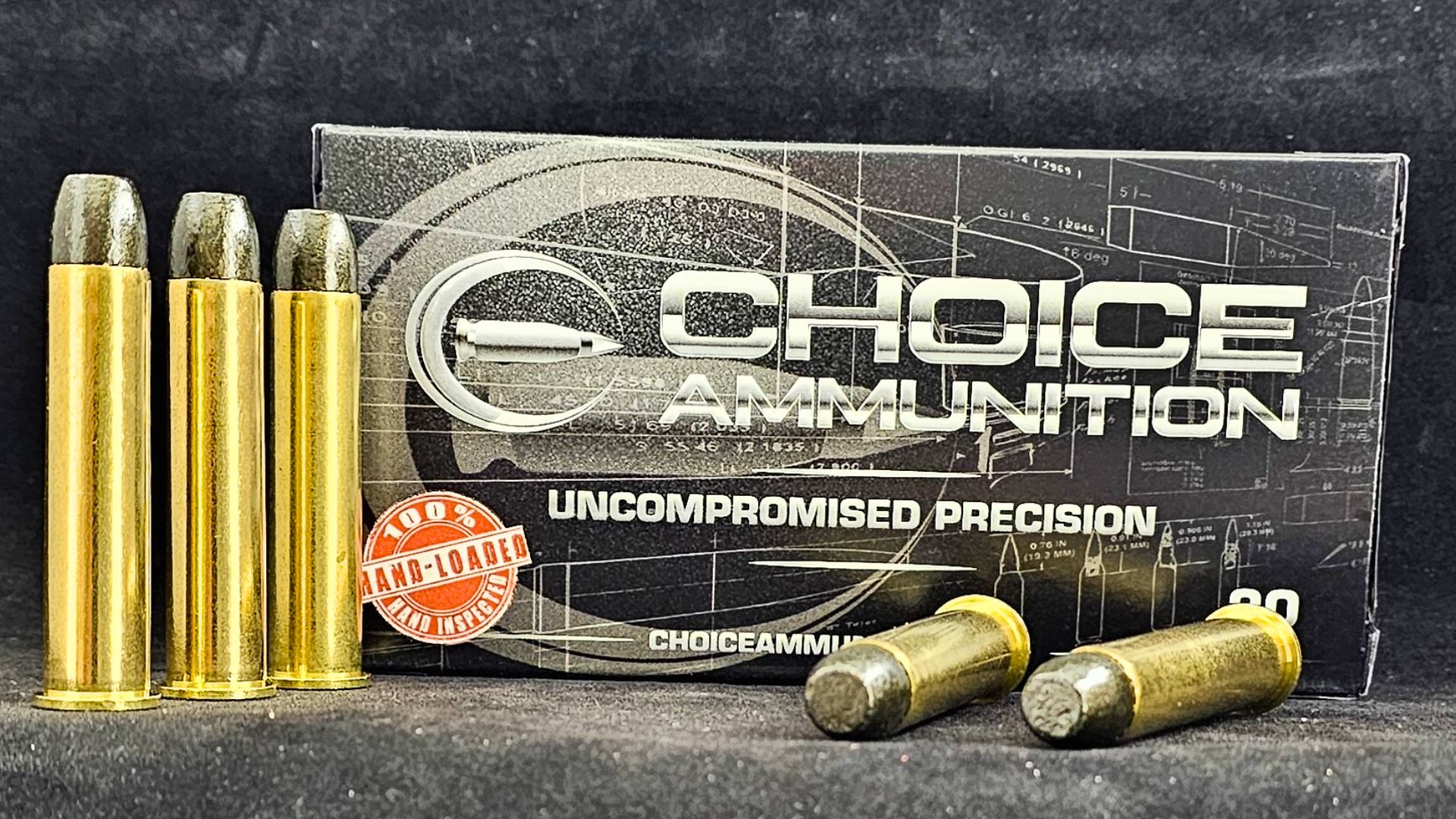
.45-70 is fun at the bench because it’s satisfying and different. In the field, the frustration is trajectory and range estimation. People shoot it on paper at 50–100 and think they’ve got it figured out, then they stretch it and realize drop becomes a real issue fast. That means your range and your holds have to be honest.
It’s also a caliber where bullet selection matters a lot depending on what you’re hunting. It can be incredible in the woods. It can also be frustrating if you try to make it something it isn’t. The bench makes it feel simple. The field makes you respect its arc.
.350 Legend

At the bench, .350 Legend is pleasant and easy, and it’s accurate enough to build confidence quickly. Field frustration comes from the limitations people ignore: it’s not a long-range round, wind and drop show up faster than many expect, and bullet performance can vary depending on load. In the wrong conditions, it can feel like it runs out of steam quicker than the bench suggested.
It’s a great straight-wall option where it’s needed. Just don’t let bench confidence turn into field overreach. Keep shots inside what the cartridge does well, pick a load that performs, and it’s a solid tool.
Like The Avid Outdoorsman’s content? Be sure to follow us.
Here’s more from us: