Photo credit: Jarhead6/YouTube
A snub-nose revolver doesn’t give you much time or much forgiveness. Under stress, you’re not thinking about sight radius or ballistic charts. You’re trying to get the gun out clean, build a grip fast, and see enough front sight to make the shot honest. That’s where “points naturally” matters. Some snubs come up on target like they’re reading your mind. Others feel like you’re steering a brick with two fingers.
Natural pointing isn’t magic. It’s grip shape, backstrap angle, weight balance, and sights you can actually see. It’s also the difference between a revolver you practice with and one you carry but avoid shooting. These snubs are the ones that tend to come up level, settle quickly, and feel intuitive when your heart rate spikes.
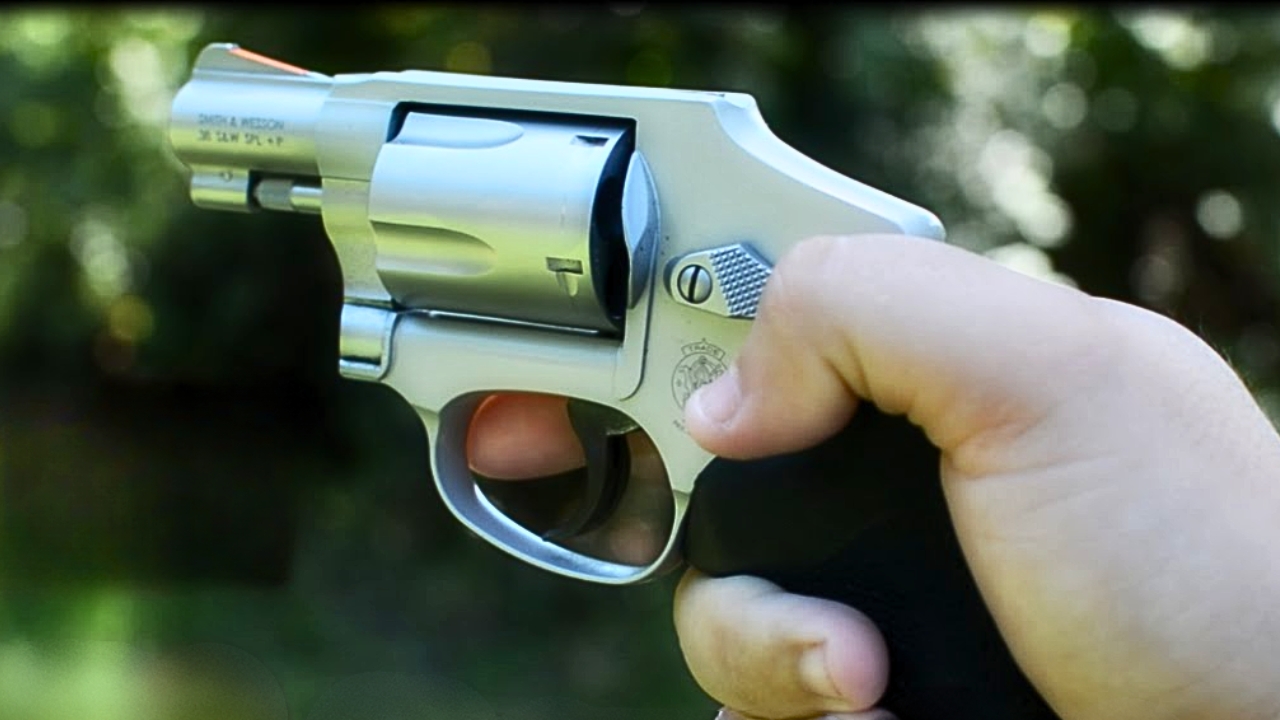
Smith & Wesson 642 Airweight

The 642 points naturally because it’s shaped to come out of a pocket or holster clean and land in your hand the same way every time. The enclosed hammer keeps it snag-free, and the smooth top strap lets you drive the gun forward without catching on clothing. When you’re rushed, that matters more than tiny accuracy advantages.
Once it’s in your hand, the grip angle and compact frame tend to put the front sight where your eyes expect it. You still have to do your part with the long double-action pull, but the gun doesn’t feel like it’s fighting you. With a grip that fits your hand and a front sight you can see, the 642 becomes a “draw and go” snub that comes up level under stress instead of needing a lot of correction.
Smith & Wesson 442 Airweight

The 442 has the same basic geometry as the 642, and that geometry is why it points well. It’s rounded where it should be, slick where it needs to be, and built around fast, uncomplicated presentation. It’s a snub that tends to land in the web of your hand consistently, which is half the battle when your draw is rushed.
Under stress, you’ll appreciate how quickly the gun settles into a repeatable sight picture. The grip frame doesn’t force your wrist into a weird angle, and the revolver tracks in a straight line when you bring it up. The double-action trigger still demands discipline, but the gun’s shape makes that discipline easier to apply. The 442 is one of those snubs that feels intuitive when things get messy.
Smith & Wesson 638 Bodyguard Airweight

The 638 points naturally because it gives you the same J-frame profile with a shrouded hammer that stays snag-resistant while still letting you thumb-cock if you have time. That blend makes it feel versatile without changing the draw stroke. You’re still presenting a smooth, rounded revolver that doesn’t hang up on fabric.
In the hand, the 638’s balance feels familiar, and the gun tends to come up level without you having to “hunt” for the front sight. Under stress, small differences in grip shape matter a lot, and the 638 tends to land where your hand wants it. You still need a good grip and a clean trigger press, but the gun’s natural pointability makes the hard part—getting aligned quickly—feel more automatic.
Smith & Wesson Model 640

The Model 640 points naturally because it adds weight without changing the basic J-frame shape. That extra steel gives you a steadier feel when you punch the gun out, and it helps the muzzle stop wobbling as your eyes pick up the front sight. Under stress, that steadiness can be the difference between a clean sight picture and a frantic one.
The enclosed hammer keeps the draw smooth, and the frame shape fits a lot of hands well. With the right grips, the 640 feels like it wants to settle into alignment instead of needing constant micro-corrections. It also tends to track predictably in recoil, which helps your follow-up shot feel like the next step instead of a reset. If you want a snub that feels planted and intuitive, the 640 is a strong choice.
Ruger LCR .38 Special
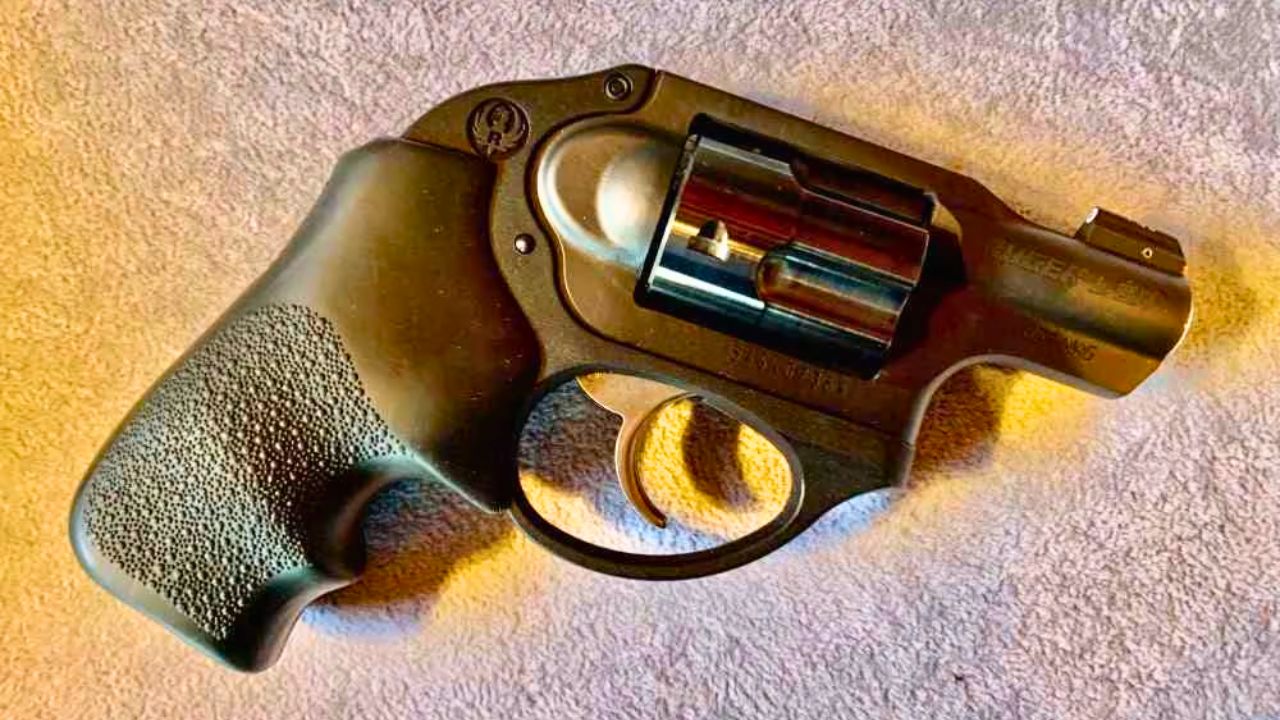
The LCR points naturally because Ruger nailed the grip geometry and trigger feel for a small revolver. The grip fills the hand better than many snubs, and that helps you lock in quickly without squeezing like you’re trying to crush the frame. A consistent, high grip makes the gun present the same way every time.
The LCR’s smooth double-action pull also matters under stress. When the trigger is predictable, you don’t start yanking shots as you fight the press. The gun tends to come up with the front sight already close to where you want it, and that makes fast, close shooting feel more manageable. It’s a small revolver, but it doesn’t feel awkward. That “easy to point” feel is exactly why so many people shoot the LCR better than they expect.
Ruger LCRx (3-inch)

The 3-inch LCRx points naturally because it gives you a bit more barrel and sight radius while keeping the same comfortable grip. That extra length helps your eyes find the front sight faster, and it gives the gun a more balanced feel when you punch it out. Under stress, your sight picture often comes quicker with that longer setup.
The exposed hammer also gives you options without changing the way the gun carries. You can run it double-action the way a defensive revolver should be run, and you can still take a careful shot if you ever need to. The LCRx tends to feel less “twitchy” than many snubs, which makes your presentation cleaner. It’s still compact, but it behaves more like a serious shooter’s revolver than a pocket novelty.
Ruger SP101 (2.25-inch)

The SP101 points naturally because it has enough weight to settle, and a grip frame that doesn’t force weird angles. When you bring it up, it tends to land on target without you feeling like you’re steering it into place. That weight also helps you keep the muzzle from bouncing as you acquire the sight picture.
The SP101’s shape works well with good grips, and a good grip is what turns a snub into something you can run under stress. With a grip that fills your hand, the gun presents predictably and recoil stays manageable enough for fast follow-ups. The trigger usually smooths out with use, and that helps you press without disturbing alignment. If you want a snub that feels sturdy, stable, and natural in the hand, the SP101 keeps earning that reputation.
Ruger SP101 (3-inch)

The 3-inch SP101 is one of the best “points like a real gun” snubs out there. The longer barrel gives you more sight radius, and the added forward weight makes the gun settle quickly when you extend it. Under stress, that extra steadiness helps your eyes and hands sync up faster.
It still carries compact, but it doesn’t feel like you’re holding onto a tiny, jumpy object. That matters when your grip isn’t perfect. The 3-inch SP101 also tends to recoil in a more controlled way, which keeps your second shot honest instead of rushed. With a good front sight and grips that fit you, it’s a revolver that comes up naturally and stays where you point it. For many shooters, this is the SP101 length that finally makes snub shooting feel intuitive.
Smith & Wesson Model 60 (2.125-inch)

The Model 60 points naturally because it’s a steel J-frame that carries its weight in a helpful way. It comes up steady, it doesn’t feel as twitchy as airweights, and the grip frame tends to land in the hand consistently. Under stress, consistent hand placement is everything, and the Model 60 usually delivers it.
The exposed hammer also gives you a familiar feel if you’ve spent time with classic revolvers, but you can still run it double-action the way you should in defensive work. The extra weight makes recoil more manageable and helps the sights return closer to where they started. With the right grips, the Model 60 becomes a snub that points quickly, settles fast, and rewards a clean trigger press instead of punishing you for being human.
Colt Cobra (2-inch)

The modern Colt Cobra points naturally because the grip shape and frame balance feel more like a “real revolver” than a tiny compromise gun. It’s still compact, but it gives you enough to hold onto, and that helps the gun come up level without you fighting it into alignment. Under stress, that immediate alignment is what you’re chasing.
The Cobra’s six-shot cylinder also changes the feel slightly in a good way, giving you a bit more mass and a more stable presence in the hand. The sights are generally more usable than many classic snubs, and that helps your eyes grab the front sight quickly. If you want a snub that doesn’t feel like a last-ditch tool, the Cobra is one of the better “comes up naturally” options in a modern carry revolver.
Colt King Cobra (2.25-inch)

The King Cobra snub points naturally because it has a little more barrel and a little more weight than most true snubs, and those two things make a big difference when your heart rate spikes. The gun comes up steadier, the front sight is easier to find, and the revolver feels less jumpy in the hand.
That extra stability also helps you press through the trigger without dragging the muzzle. A snub that points well still has to be shot well, and the King Cobra gives you a better platform to do it. The grip shape and balance tend to encourage a consistent presentation, which is what you want when you’re moving fast. If you want a compact revolver that feels intuitive and steady, this is one of the more natural pointing options in the class.
Kimber K6s (2-inch)

The K6s points naturally because it packs six rounds into a compact frame without feeling awkward. The grip shape gives you a solid purchase, and the gun balances well enough that it comes up level when you drive it out. Under stress, a snub that doesn’t roll in your hand is a snub you can actually use well.
The sights on many K6s variants are also more practical than what people associate with snub revolvers, and that matters when your vision is narrowed and you’re trying to pick up the front sight quickly. The trigger is generally workable, and a workable trigger helps you keep alignment while you press. The K6s isn’t light, but that weight contributes to steadiness, and steadiness is what makes the gun feel natural under pressure.
Taurus 856 (2-inch)

The Taurus 856 points naturally for a basic reason: it gives you more grip and a more stable feel than many tiny five-shots. The frame size and grip shape can feel more secure in the hand, which helps the gun present consistently when you’re moving fast. Under stress, that consistent presentation is a real advantage.
The six-shot cylinder also adds a little mass, and that mass helps keep the muzzle from wandering as you find the sights. It’s still a snub, so recoil and trigger control matter, but the 856 doesn’t feel like it’s actively fighting you. With a grip that fits and a front sight you can see, it can be a very practical carry revolver that comes up naturally. The key is running it double-action often enough that the trigger press feels automatic.
Smith & Wesson 36 (Chief’s Special)

The Model 36 points naturally because it’s built on the classic J-frame shape that a lot of people’s hands seem to understand instantly. The steel frame gives it a steadier feel than airweights, and that helps the gun settle when you extend it. Under stress, steadiness is what keeps your sight picture from turning into a wobble.
A clean Model 36 also tends to carry a trigger that rewards a smooth press, and smooth is what keeps you from yanking shots when you’re moving quickly. The sights are small compared to modern setups, but the gun’s natural pointability helps compensate. With grips that fit your hand, the Model 36 comes up in line and stays in line. It’s old-school, but it still points like a revolver that was meant to be carried and used.
Ruger LCR in .22 LR

A .22 LR LCR points naturally because the gun is light, the grip is excellent, and recoil doesn’t interrupt your sight picture. Under stress, that matters more than people admit. When you’re not fighting recoil, you can focus on presenting the gun, finding the front sight, and pressing cleanly without flinching.
The LCR’s trigger feel also helps. A smooth double-action pull makes it easier to keep the muzzle steady while you press, and the .22’s mild recoil lets you shoot faster without the gun jumping out of alignment. It’s not a powerhouse caliber, but the question here is pointability under stress, and this revolver makes that point well. If you want a snub that comes up naturally and lets you run clean, repeatable reps, the .22 LCR is one of the easiest ways to get there.
Like The Avid Outdoorsman’s content? Subscribe to our newsletter so you never miss an article.
Here’s more from us: