Photo credit: Patrick Hendry/Unsplash.com
The camper was already uneasy before the footsteps started.
That tends to happen on a solo road trip. You can love the freedom of it and still feel the weight of being alone once the sun goes down. Every little noise gets louder. Every shadow looks less harmless. And when you are sleeping by yourself in a tent, there is no one beside you to say, “It’s probably nothing.”
So when the camper heard movement around the tent at 3 a.m., “probably nothing” did not feel all that convincing.
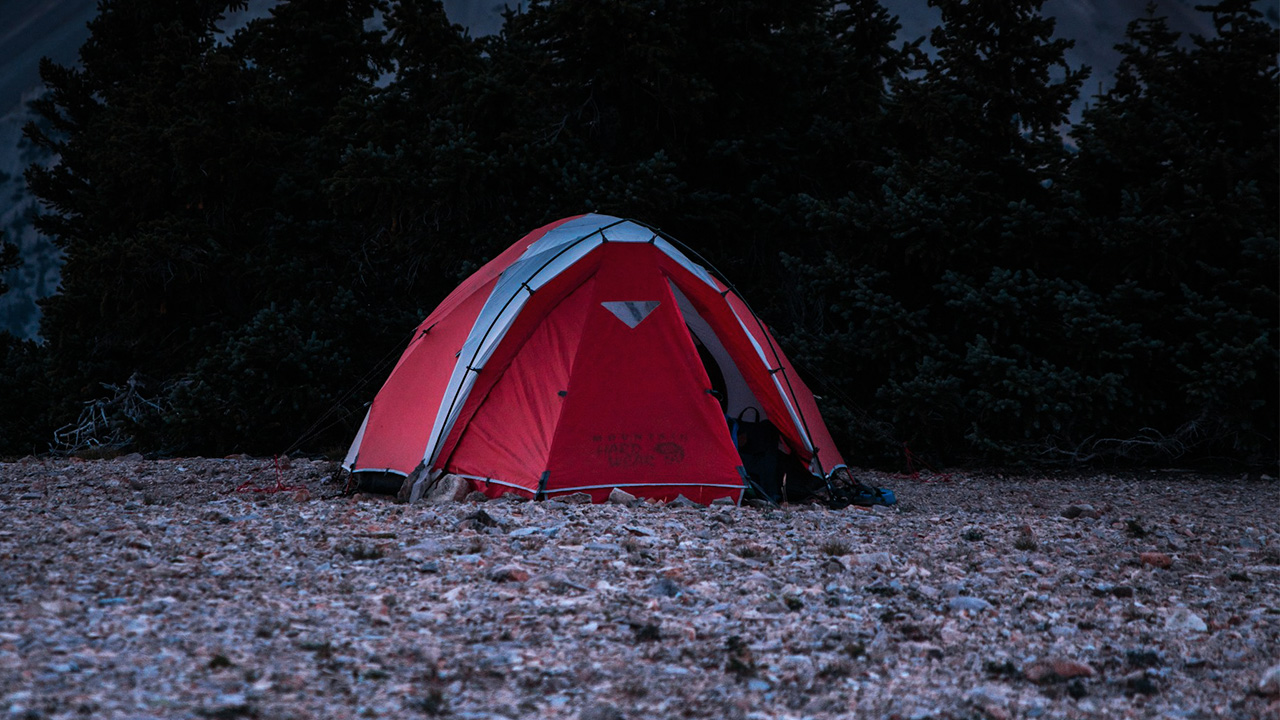
In a Reddit post, the camper described being on a solo road trip and spending the night outdoors when something started moving around the tent. At first, it sounded like footsteps.
That is about the last thing anyone wants to hear outside a tent in the middle of the night.
A raccoon rummaging around camp is annoying. A deer walking through dry leaves can be startling. Wind in the trees can make you feel silly once you realize what it is. But footsteps are different because your brain immediately wants to know one thing: animal or person?
And in the dark, without a clear view, both answers can feel bad.
The camper was inside the tent, listening to the movement, trying to make sense of it. That is the kind of moment where time slows down in the worst way. You do not want to panic, but you also do not want to ignore something that might be real. You lie there holding your breath, hoping the sound moves away, but it keeps happening close enough that you know you cannot just sleep through it.
Eventually, the camper turned on the light.
That is when the whole woods seemed to erupt with movement.
Instead of one clear answer, the light set off a burst of motion outside the tent. The camper heard animals running, scattering, crashing, or moving all around. What had sounded like a single scary presence suddenly became a whole mess of movement in the dark.
And honestly, that might be even more unsettling for a second.
A person expects one thing. One animal. One stranger. One explanation. But when the woods explode with noise around you, your brain has to redraw the whole picture. Maybe there were multiple animals. Maybe they had been close to the tent the whole time. Maybe they had been feeding, bedding, or moving through camp without caring that a human was inside a few feet away.
That is not necessarily dangerous, but at 3 a.m., it sure feels like it.
The camper’s post had the tone of someone who was trying to figure out whether the fear was reasonable. That is one of the awkward parts of camping alone. You can be scared and still know your imagination may be making it worse. You can understand that deer, raccoons, armadillos, rabbits, foxes, and other animals move around at night, but that does not make it fun when you are zipped inside a thin shelter and cannot see what is happening.
The tent is what makes everything feel more intense. In a house, footsteps outside are separated from you by walls, locks, windows, and lights. In a tent, the sound is right there. The fabric moves. The floor is on the ground. The zipper feels suddenly flimsy. Even if the animals outside are harmless, you feel exposed because you are exposed.
That is probably why the camper reached out to Reddit in the first place. It was not only about identifying the noise. It was about the feeling that came after it: the realization that sleeping outside alone can go from peaceful to nerve-racking in one sound.
There is a weird embarrassment that comes with those moments too. Once daylight comes and nothing happened, it can feel silly to admit how rattled you were. But most people who camp have had some version of it. Something walks near the tent. Something sniffs around. Something brushes against a guyline. You lie there fully awake, trying to decide if you are brave, stupid, or both.
The truth is, you do not have to be inexperienced to get spooked. The woods are full of animals that sound much larger than they are. A small critter in leaves can sound like a person. A deer can sound like a cow-sized ghost. A raccoon can turn a plastic bag into a full crime scene. And if you are already tired and alone, your brain is more than willing to upgrade every noise into a threat.
But the camper’s experience also shows why camp discipline matters. Keeping food, trash, and scented items put away reduces the chances of animals milling around camp. A good flashlight, a headlamp within reach, and a plan for what to do if something comes close can make the difference between panic and problem-solving.
Still, even a clean camp cannot keep every animal away. Sometimes you are simply sleeping in their woods, and they are going to move through whether you like it or not.
For this camper, the footsteps were enough to turn a solo night into a memory. The light came on, the woods exploded with movement, and whatever calm he had managed to hold onto disappeared right along with the animals scattering through the dark.
Commenters mostly understood why the camper was rattled, but a lot of them also tried to talk the fear down to something more manageable.
Several people pointed out that nighttime animals can sound huge when they are moving through leaves or brush. Deer, raccoons, possums, armadillos, rabbits, and even birds can make enough noise to convince a tired camper that something much larger is circling the tent. A few commenters said they had been scared half to death by animals that turned out to be harmless once they finally saw them.
Others focused on food storage. If animals were moving around camp, commenters wanted to know if food, trash, snacks, toiletries, or scented items had been left nearby. Even small smells can pull animals close, especially in areas where campsites are used often and wildlife has learned to check them.
A lot of people recommended keeping a bright flashlight or headlamp within reach. Not buried in a backpack. Not somewhere outside the tent. Right beside the sleeping bag. Being able to light up the area quickly can calm your nerves and help you identify whether you are dealing with a raccoon, deer, person, or something more serious.
Some solo campers also said the mental side gets easier with experience. The first few nights alone can be rough because every sound feels personal. After enough trips, you learn the rhythm of normal woods noise. You still wake up sometimes, but you do not always jump straight to the worst explanation.
That said, commenters did not tell the camper to ignore real concerns. If something sounds human, keeps circling, touches the tent, or makes you feel unsafe, it is fine to get up, move to your vehicle if you have one, or leave the site. There is no trophy for forcing yourself to stay scared all night.
The best advice was simple: keep camp clean, keep light and protection within reach, learn normal animal sounds, and trust your gut when something truly feels off. Most 3 a.m. noises are not dangerous. But when you are alone in a tent, it is okay if your heart needs a minute to believe that.