Photo credit: The Avid Outdoorsman
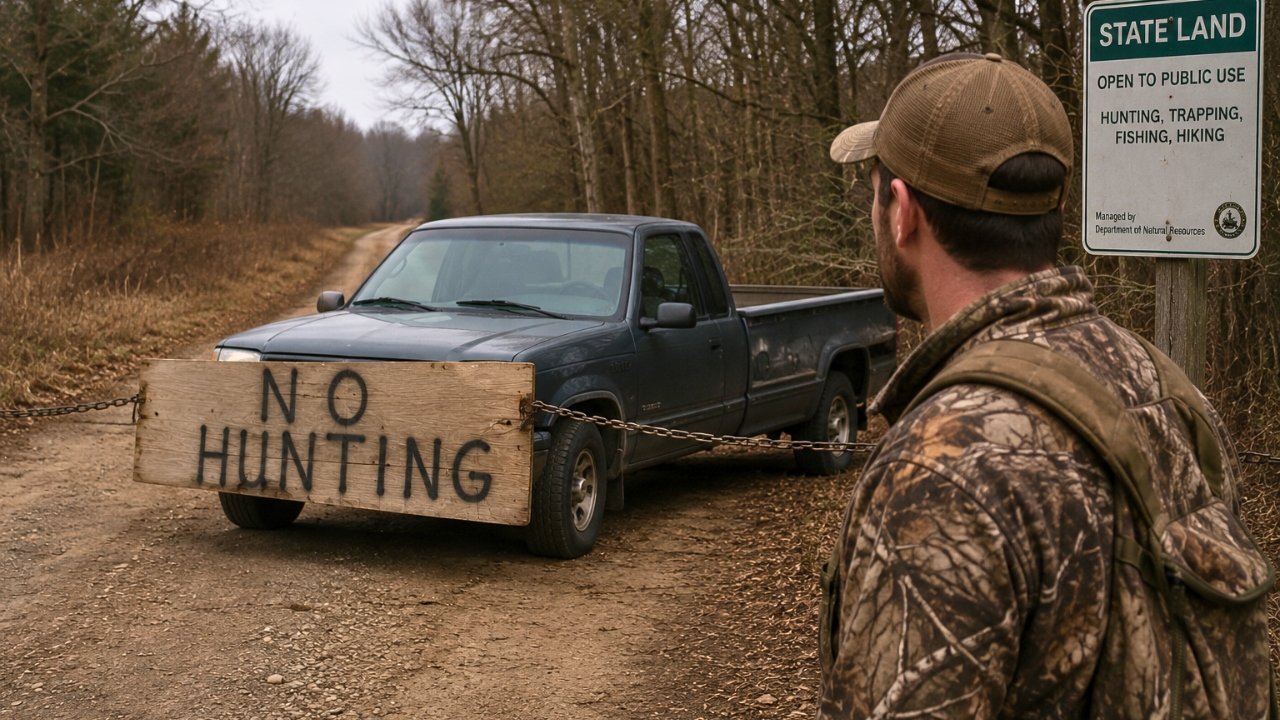
A locked gate is supposed to make things simple. It tells people where the property starts, where access is controlled, and who has business being there. But anybody who hunts long enough will eventually deal with somebody parked in front of one, blocking one, opening one, cutting around one, or acting like a gate is more of a suggestion than a boundary. That can ruin a morning in a hurry, especially when you are trying to get in before daylight and there is a truck sitting right where it should not be. The problem is, a blocked gate does not give you a free pass to lose your head. How you handle those first few minutes can decide whether this stays a frustrating access issue or turns into something with deputies, wardens, tow trucks, and a lot more trouble than the hunt was worth.
Do Not Start With a Fight
When a truck is blocking your gate, the first instinct is usually anger. That is fair. It feels disrespectful, especially if the gate is clearly marked, locked, posted, or tied to land you pay to hunt. But charging in, pounding on windows, yelling, or trying to physically force your way through can make the situation worse fast. You do not know who parked there, why they are there, or whether they are sitting nearby watching you react.
The better first move is to slow down and document the situation. Take pictures of the truck, plate, gate, signs, and where the vehicle is sitting. If it is safe, make a note of the time and whether the truck is occupied. That gives you something useful if you need to call the landowner, lease manager, sheriff’s office, or game warden. Losing your temper gives the other guy something useful against you.
Figure Out What Kind of Access You Actually Have
Not every gate situation is the same. If you own the land, that is one thing. If you lease the hunting rights, that may be another. If you are using an easement, shared road, timber company access, state land entrance, or a gate controlled by another landowner, the rules can get a lot more complicated. Before you start making threats or demanding a tow, you need to know what your access actually allows.
This is where written permission matters. A handshake agreement may feel fine until somebody else claims they were told the same thing. A lease should spell out who can access the property, where vehicles can be parked, whether gates stay locked, and who to call when there is a problem. If you are dealing with a shared access road, keep a copy of the agreement or landowner instructions handy. The guy who knows the rules usually has a much easier time getting help.
Do Not Block Them Back
It may be tempting to park them in, especially if you think they are trespassing. That is usually a bad move. Blocking another vehicle can escalate the situation and make you part of the problem. If the person comes back angry, now you are stuck in a confrontation at the gate with nowhere for anyone to go. If law enforcement shows up, you may have turned a clean access complaint into a mess involving both sides.
That does not mean you have to leave quietly and pretend nothing happened. It means you handle it through the right channel. If the vehicle is actively blocking your legal access, call the landowner or local law enforcement and explain the situation clearly. Give the plate number, location, and whether the property is posted or gated. Let the people with authority decide how to move it.
Watch for Signs It Is More Than Bad Parking
Sometimes a blocked gate is not random. It may be tied to trespassing, illegal hunting, dumping, theft, or somebody trying to keep you away from land they know they should not be using. Fresh tire tracks around the gate, cut chains, bent posts, broken locks, missing cameras, or boot tracks heading into the property all tell you this may be bigger than one poorly parked truck.
That is when documentation becomes even more important. Take pictures before anything is moved. Check cameras if you have them. Walk the gate area carefully and look for where people went in or out, but do not go charging deep into the property looking for a confrontation. If someone is hunting illegally or trespassing with a firearm, you want a game warden or deputy involved before you stumble into something ugly.
Keep the Landowner in the Loop
If you hunt land you do not own, call the landowner before making big decisions. That sounds obvious, but plenty of hunters skip this step because they feel like the lease gives them full control. It may not. The landowner may know the truck. It could belong to a utility worker, neighbor, family member, ranch hand, surveyor, or someone else with a reason to be there. Or it could be exactly what it looks like: someone who has no business being there.
Either way, the landowner needs to know. A blocked gate affects more than your hunt. It affects access for emergencies, livestock care, feed deliveries, fire crews, and anyone else who may need to get through. A landowner is a lot more likely to take the problem seriously when you send clear photos and explain what happened without turning it into a rant.
Put Better Access Rules in Place Before Season
The best time to fix gate problems is before deer season starts, not when you are standing there in the dark with a rifle, a thermos, and a truck in your way. Gates should be clearly marked, locks should work, signs should be visible, and everyone with permission should know exactly where to park. If the entrance has a history of problems, a camera watching the gate can save a lot of guessing.
For leases, access rules should be written down. Who has keys? Can guests use them? Can anyone park outside the gate? Who gets called if a vehicle is blocking access? Is there a backup entrance? Those little details feel boring until the first cold morning when somebody parks across the only way in. Then they matter a whole lot.
Stay Legal Even When They Are Wrong
This is the part that separates a good hunter from a hothead. Someone else may be completely wrong for blocking the gate, but that does not mean every reaction is fair game. Do not damage the vehicle. Do not hook a chain to it and drag it out of the way. Do not threaten the person if they show up. Do not post their plate online and turn it into a mob situation. Keep it clean.
A blocked gate is frustrating because it feels like somebody else gets to control your morning. But the right response puts control back in your hands. Document it, make the calls, keep the landowner informed, and let the record show who caused the problem. Missing one sit hurts. Turning one blocked gate into a legal headache can hurt a lot longer.
Like The Avid Outdoorsman’s content? Subscribe to our newsletter so you never miss an article.
Here’s more from us: