Photo credit: ImprovIzzy/Shutterstock.com
Catching somebody trespassing on land you hunt or own will light a fuse in just about anybody. You spend money, time, fuel, sweat, and weekends managing a place, then some guy strolls in like the rules do not apply to him. Maybe your camera caught him crossing a fence. Maybe you found fresh tire tracks at a locked gate. Maybe you walked up on him in person while he was carrying a rifle, dragging a deer, or acting like he had every right to be there. That kind of thing gets under your skin fast, and it should. But the first few minutes after catching a trespasser matter more than most people realize. Handle it wrong, and you can turn a clear trespassing problem into a safety issue, a legal mess, or a fight that makes you look like the unstable one.
Do Not Let Anger Run the First Conversation
A lot of landowners and hunters want to confront trespassers hard the second they catch them. I get it. Nobody wants to feel like a pushover on their own place. But walking in hot usually makes the situation more dangerous, not more controlled. You do not know who you are dealing with, what they are carrying, whether they are alone, or how they are going to react when they realize they have been caught. Some folks will apologize and leave. Others will lie, argue, play dumb, or get aggressive because they know they are in the wrong.
The smarter move is to keep distance, stay calm, and avoid turning it into a chest-thumping contest. If you can safely identify the person, vehicle, location, and direction of travel, that is worth more than yelling across a fence line. You are not there to win an argument in the woods. You are there to protect yourself, protect the property, and build a clean record of what happened.
Get Proof Before You Start Making Claims
A trespassing complaint gets a lot stronger when you have more than a bad feeling and a few boot tracks. Trail camera photos, gate camera footage, tire tracks, license plates, stand locations, bait piles, cut fences, and timestamps all matter. If someone was on your place once, there is a good chance they have been there before or will come back again. That is why documentation needs to start right away.
Take clear photos. Save the camera images. Write down dates and times while they are fresh. Mark locations on a map. If you found a stand, blind, feeder, or pile of bait, photograph it before you touch anything. This is where patience helps. A trespasser may give you one excuse in person and a different one later. Good proof keeps the story from turning into your word against his.
Do Not Touch Their Gear Until You Know the Rules
Finding a stranger’s stand, blind, camera, or feeder on your land can make you want to haul it straight to the scrap pile. That may feel fair, but it can also create problems if your state has specific rules about abandoned property, hunter equipment, or how law enforcement wants those situations handled. Even when you are clearly in the right about the trespassing, messing with someone else’s gear can muddy the water.
That does not mean you leave the problem alone. It means you document everything first and call the right person before moving anything. If you own the land, contact your local game warden or sheriff’s office and ask how they want it handled. If you lease the land, call the landowner or lease manager before touching anything. You want the trespasser dealing with consequences for what he did, not claiming you stole or damaged his property.
Avoid a Woods-Side Showdown
Confronting someone deep in the woods is different from talking to a neighbor across a driveway. Visibility is poor, cell service may be weak, and firearms may be involved. That is not the place to corner somebody, block them in, or try to force a confession. Even if you are armed and completely legal, the goal is not to create a standoff. The goal is to end the trespass safely and get the right people involved.
If the person is leaving, let them leave while you document what you can. If they are threatening you, back out and call law enforcement. If you have another person with you, have them stay back and record from a safe distance if your state’s laws allow it. Nothing about a trespassing problem gets better because two mad men decided to settle it at the tree line.
Make the Land Easier to Defend
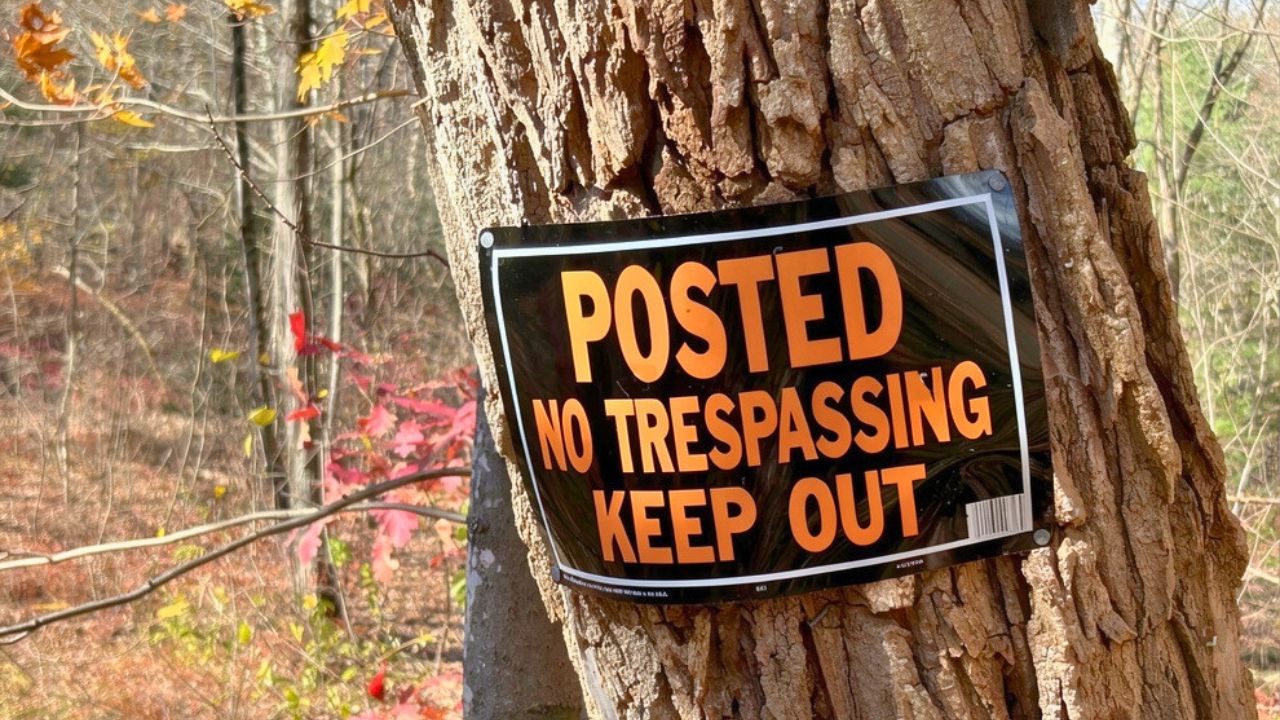
Trespassing problems get harder when the property is poorly marked. If your fence is down, signs are faded, gates are open, and access roads look like common paths, you are giving dishonest people room to play dumb. Good signs and clear boundaries do not stop every trespasser, but they remove excuses. A posted sign at every access point, locked gates, fresh paint markings where legal, and cameras watching key entrances can make a big difference.
You also need to keep permission tight. If five different people are casually telling friends they can hunt, things will get messy. Landowners should know exactly who has access, when they can be there, and whether guests are allowed. Hunters on a lease should have those rules in writing. A lot of “trespasser” situations start because somebody’s cousin’s buddy thought a vague invitation from three years ago still counted.
Call the Right Authority Early
Game wardens deal with this kind of thing all the time, and they usually know how trespassing, hunting violations, baiting issues, tag problems, and property access rules overlap in your area. If the situation involves hunting, wildlife, illegal bait, stands, feeders, or harvested game, a game warden may be the best first call. If it involves threats, vandalism, broken locks, cut fences, theft, or someone refusing to leave, the sheriff’s office may need to be involved too.
Do not wait until the tenth incident to start reporting. A record matters. Even if the first call does not lead to much, it establishes a pattern. The second or third call carries more weight when there is already documentation. Trespassers count on landowners getting frustrated but never formalizing anything. Do not give them that advantage.
Stay Calm Enough to Stay Credible
This is the part nobody likes, but it matters. If you lose your temper, threaten somebody, damage gear, post wild accusations online, or turn the whole thing into a public feud, you can hurt your own case. The trespasser may be wrong, but you still need to look like the steady one. That matters to law enforcement, landowners, lease partners, neighbors, and anyone else who gets pulled into the mess.
Being calm does not mean being weak. It means you are handling the problem like someone who knows the land is worth protecting. A trespasser wants you emotional. He wants you sloppy. He wants the story to become about your reaction instead of his behavior. Do not hand him that. Take the pictures, make the calls, tighten the access, and let the record do the talking.
Like The Avid Outdoorsman’s content? Subscribe to our newsletter so you never miss an article.
Here’s more from us: