Photo credit: Pew Pew Tactical/YouTube
Some pistols do not seem like a problem until you actually try to train with them. They may carry fine, look good in the case, or feel acceptable during a quick magazine at the range. But once you start doing reloads, longer strings, timed drills, malfunction work, and repeatable accuracy practice, the frustration starts stacking up.
That does not mean every pistol here is worthless. Some have a real lane. The problem is that training exposes what casual ownership hides. A pistol that is hard to grip, slow to manipulate, unpleasant to shoot, or picky about setup can turn good practice into a fight with the gun.
Ruger EC9s
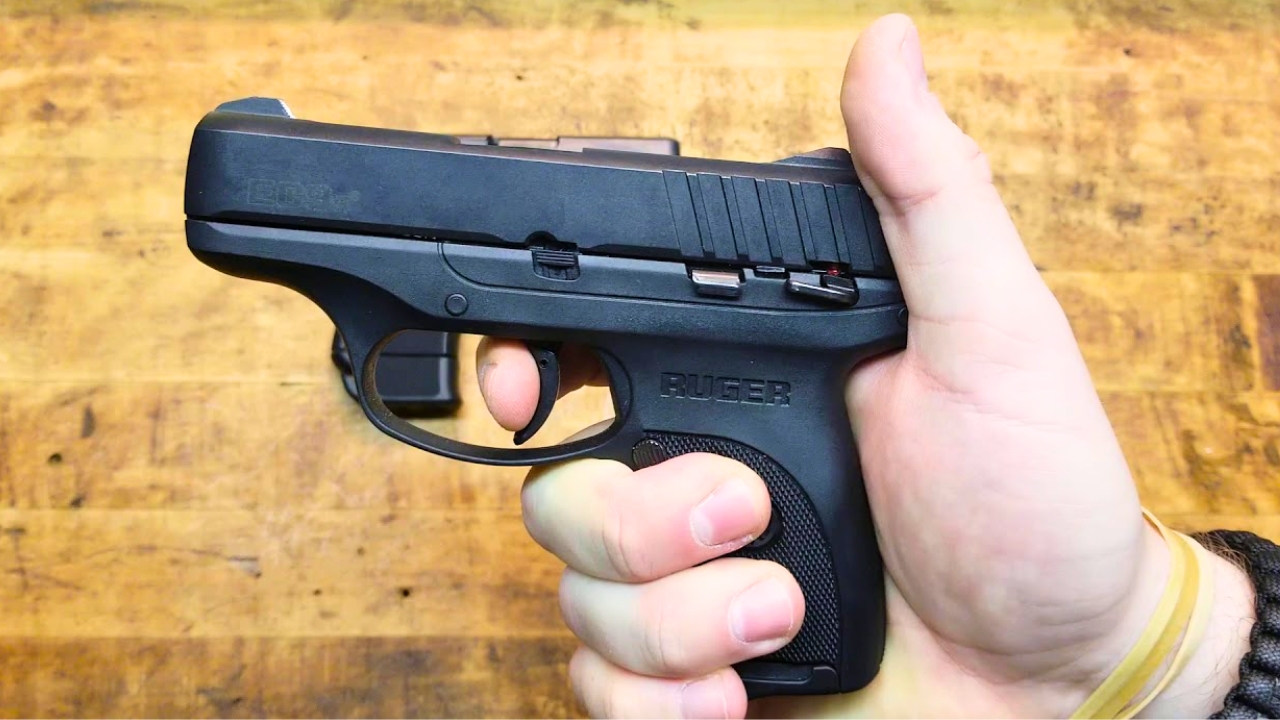
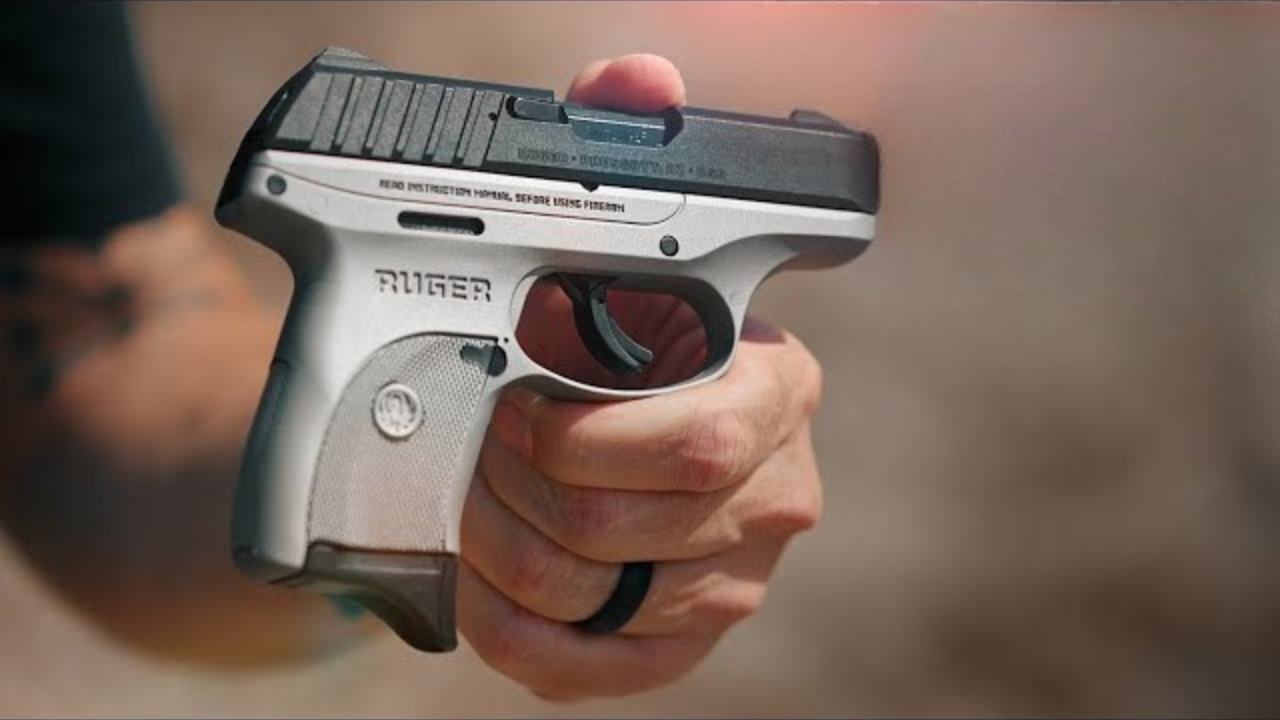
The Ruger EC9s makes sense as an affordable carry pistol, especially for someone who needs a slim 9mm without spending much. It is light, easy to hide, and simple enough for basic defensive use.
Training with it is where the rough edges show up. The sights are basic, the trigger is not especially clean, and the small grip can make recoil feel sharper than expected. It will do the job, but it does not make longer practice sessions enjoyable. A shooter trying to build confidence may outgrow it quickly.
Smith & Wesson SD9 VE

The Smith & Wesson SD9 VE has always appealed to buyers who wanted a full-size defensive pistol at a budget price. It gives you decent capacity, simple controls, and a familiar striker-fired layout.
The frustration usually starts with the trigger. It is heavy and not as clean as many shooters want when they start working accuracy or speed. You can train around it, but that is exactly the issue. Instead of focusing on skill, you spend too much time fighting the press. Better triggers make practice feel less like work.
Taurus G2C

The Taurus G2C has earned plenty of owners because it is affordable, compact, and easy to find. For a first carry pistol, it checks a lot of boxes without demanding a big investment.
Once training gets serious, though, the trigger feel and overall refinement can become annoying. The reset is not as crisp as some shooters prefer, the grip texture can feel harsh during longer sessions, and the pistol does not always feel as smooth as better-supported options. It can work, but it may not make you want to practice more.
KelTec P-11

The KelTec P-11 was ahead of its time in some ways, giving shooters a compact 9mm with good capacity for its era. It was small, light, and practical on paper.
On the range, it can feel like a chore. The trigger is long and heavy, the grip is cramped, and recoil feels sharper than the gun’s size suggests. It is the kind of pistol that may carry easily but does not encourage high-round-count practice. If a gun makes you dread training, that becomes a real problem.
SCCY CPX-1

The SCCY CPX-1 looks attractive because it offers a low-cost compact 9mm with manual safety and decent capacity. For buyers who want an inexpensive carry gun, the appeal is easy to understand.
Training with it can be frustrating fast. The long double-action trigger takes work, and the manual safety placement can annoy shooters who are trying to build a clean draw stroke. Add snappy recoil and a blocky grip, and the CPX-1 starts feeling like a pistol that asks more from you than it gives back.
Beretta APX Carry

The Beretta APX Carry seemed like it should have been a stronger small carry pistol. It had the Beretta name, a slim profile, and a simple striker-fired setup that looked right for concealed carry.
The problem is that the shooting experience often feels heavier and less refined than expected. The trigger can feel long and stiff, and the grip does not give much help during faster strings. When you are trying to build speed and accuracy, that matters. It is concealable, but training with it can feel like dragging the gun along.
Remington RM380

The Remington RM380 was built as a small defensive .380, and in that role, it has some logic. It is compact, smooth-sided, and easy enough to carry in places larger pistols do not fit.
But training with a tiny double-action .380 is rarely fun. The sights are small, the trigger is long, and reloads are not especially fast or clean. It is a close-range pistol that asks for realistic expectations. Try to push it like a larger training gun, and frustration shows up almost immediately.
Kimber Solo

The Kimber Solo looked like a premium answer to the small 9mm carry problem. It was sleek, compact, and nicer-looking than many polymer pistols in the same size range.
The issue is that training confidence depends on consistency, and the Solo developed a reputation for being particular about ammunition and maintenance. When a pistol makes you think too much about what it will or will not run, practice loses value. Even if yours works, the short grip and snappy feel still make longer sessions less inviting.
SIG Sauer Mosquito

The SIG Sauer Mosquito had the right idea: a rimfire trainer with SIG styling and cheaper practice costs. That should have made it a useful pistol for building fundamentals without burning through centerfire ammo.
Instead, many owners found it frustrating because reliability could be ammunition-sensitive. A .22 pistol that keeps choking interrupts the whole point of cheap practice. You end up diagnosing failures instead of working grip, sights, and trigger press. When a training pistol becomes the thing slowing training down, it misses its purpose.
Walther P22
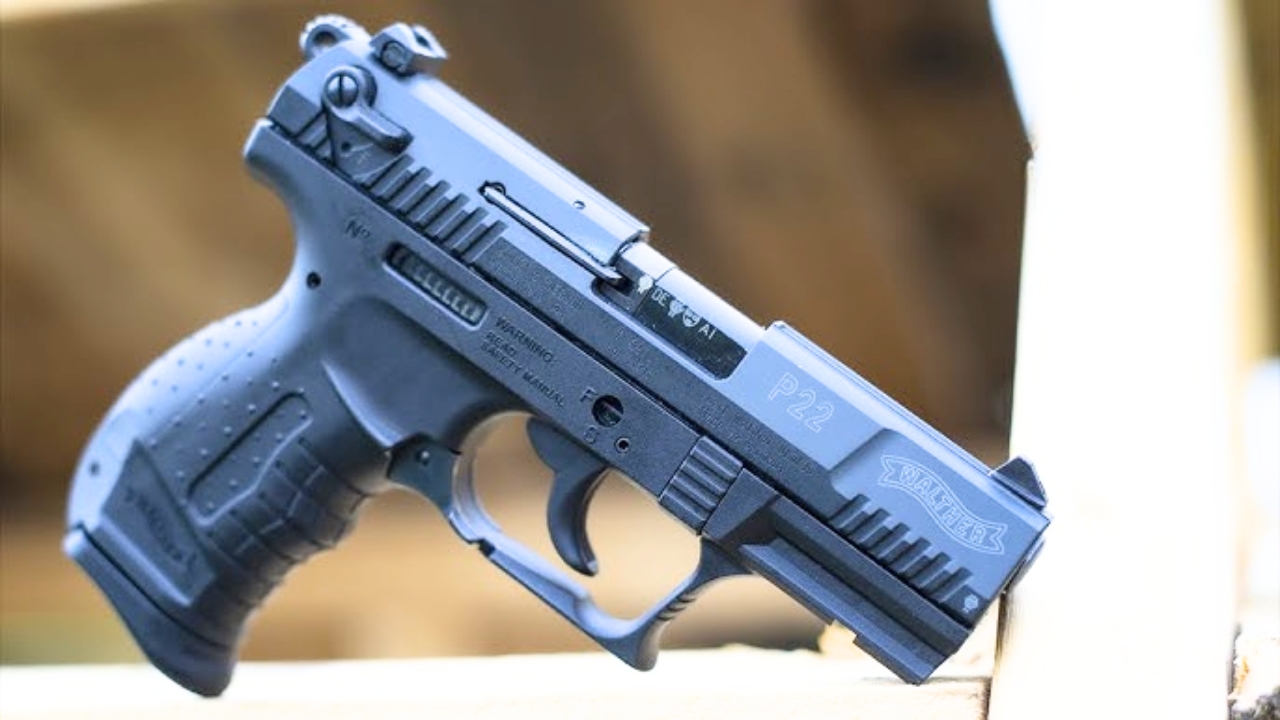
The Walther P22 is light, handy, and fun when everything is running right. It has introduced plenty of shooters to rimfire pistols and casual range time.
The frustration comes when you expect it to behave like a serious training pistol. Some examples can be picky with ammo, and the small grip and lightweight feel do not always translate well to centerfire practice. It is enjoyable as a plinker, but if you are trying to build repeatable handgun fundamentals, the P22 can feel more like a toy than a tool.
Ruger LCP II

The Ruger LCP II improved on the original LCP in several ways, especially with a better trigger and more usable sights. It is still one of the easiest pistols to carry when concealment is the main goal.
Training is where the size catches up. The grip is tiny, the sight radius is short, and recoil feels sharp for such a small caliber. You can run it well with practice, but few people enjoy putting a lot of rounds through it. It is a carry convenience, not a pistol that makes practice pleasant.
Springfield XD-S Mod.2 9mm

The Springfield XD-S Mod.2 9mm gives shooters a slim carry pistol with decent ergonomics and a familiar XD-style setup. For concealed carry, it can make sense.
The frustration comes from trying to train hard with a small single-stack that no longer feels competitive. Capacity is limited, recoil is snappier than larger options, and reload drills remind you how far the carry market has moved. It is not a bad pistol, but it can make practice feel dated compared with newer compacts that shoot easier and hold more.
Kahr CW9
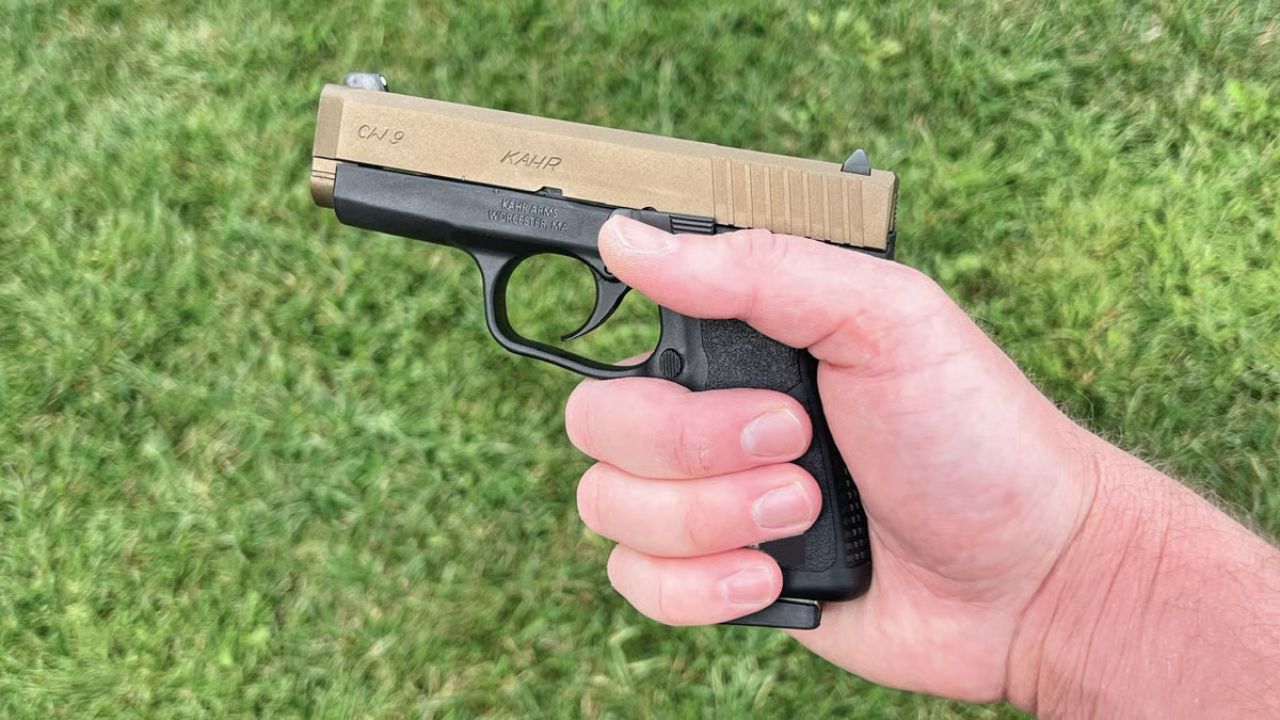
The Kahr CW9 is thin, smooth, and comfortable to carry, which is exactly why people buy it. The long, smooth trigger also gives it a deliberate feel that some carriers appreciate.
That same trigger can become frustrating during serious training. Fast follow-up shots take discipline, and the reset does not give the sharp feedback many shooters expect from modern striker pistols. You can learn it, but it rewards slow, careful work more than speed. For defensive drills, that can make progress feel slower than it should.
Rock Island GI 1911
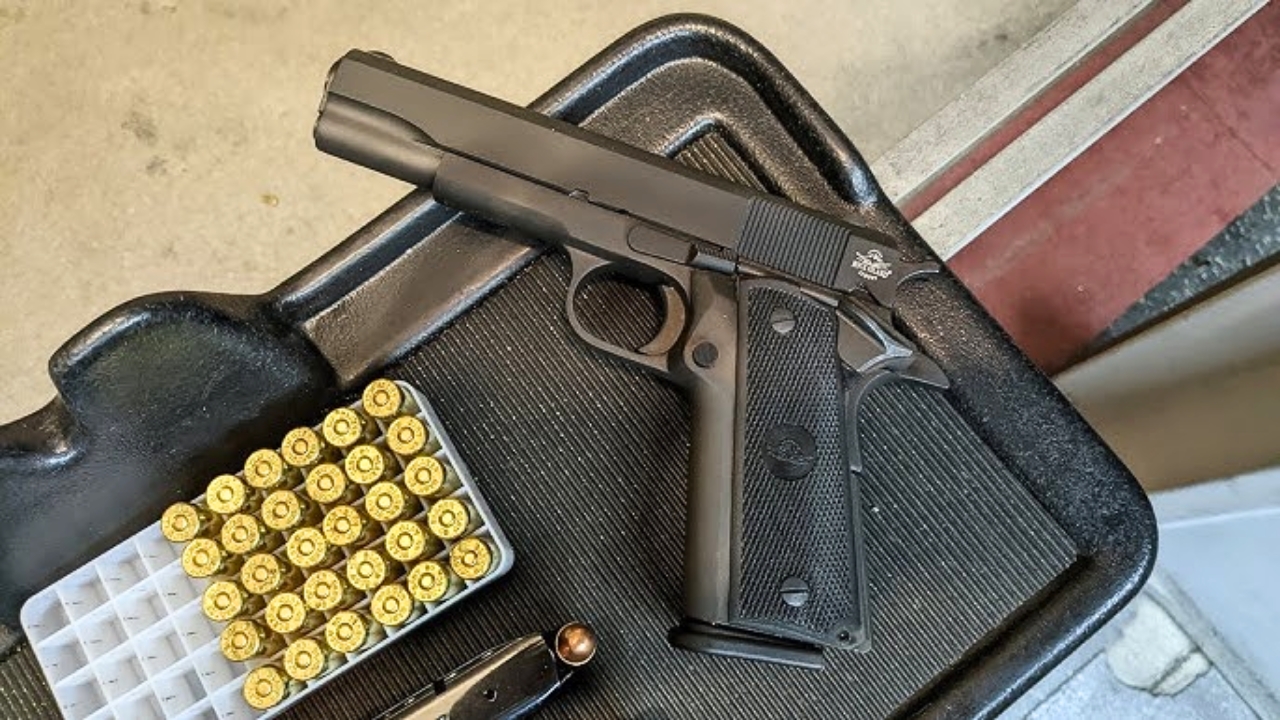
The Rock Island GI 1911 can be a fun entry into the 1911 world, especially if you like old-school .45 ACP pistols. It gives you the basic shape and feel without premium pricing.
Training with it reminds you why modern sights and controls exist. The tiny GI-style sights slow you down, the basic safety can feel small, and reliability may depend on magazines and ammo. It can be enjoyable, but it is not the easiest pistol for building practical defensive skills unless you accept its limits.
Desert Eagle Mark XIX

The Desert Eagle Mark XIX is a range spectacle, and that is exactly why many people want one. It is loud, heavy, powerful, and unforgettable.
As a training pistol, though, it is frustrating in almost every practical way. Ammo is expensive, recoil and blast are distracting, and the gun demands proper grip, lubrication, and load selection. You may learn something about managing a huge handgun, but you will not get cheap, repeatable, practical reps. It is fun, but fun is not the same as useful training.
Like The Avid Outdoorsman’s content? Subscribe to our newsletter so you never miss an article.
Here’s more from us: