Photo credit: GunBroker
Marlin is one of those brands that rifle guys defend with their whole chest. Not casually. Not quietly. You bring up a good JM-stamped Marlin, an old 336 in .30-30, a .35 Remington deer rifle, or a Ruger-made 1895 SBL, and you will find out fast that Marlin fans are not passive people.
That loyalty did not come from one rifle. It came from decades of practical lever guns that actually fit the way hunters used them. Marlin built its name around solid-top, side-ejecting lever actions that were easier to scope than many traditional lever guns, with models like the 336, 1895, and 1894 becoming favorites among deer hunters, big-bore lever-gun fans, and pistol-caliber carbine guys. Ruger bought Marlin’s assets in 2020 after Remington’s bankruptcy process, and modern Ruger-made Marlins are now manufactured in Mayodan, North Carolina.
1. Marlin Built Rifles Hunters Actually Used

Marlin loyalty starts with one simple thing: the rifles worked for normal hunting. They were not built only for collectors, cowboy matches, or wall displays. They were carried into deer woods, brush country, hog country, bear country, cabins, trucks, and stands.
That kind of use builds trust. A rifle that puts meat in the freezer year after year earns more loyalty than one that only looks good in a catalog. Marlin’s best lever guns became working rifles first. That is why so many owners talk about them like tools with memories attached, not just firearms with serial numbers.
2. The Model 336 Became a Deer-Woods Staple

The Marlin 336 is one of the most important rifles in the company’s history. Introduced in 1948 as the replacement for the Model 36, it became one of the classic American deer rifles. It was most commonly tied to .30-30 Winchester, but many hunters also loved it in .35 Remington.
That rifle fit real hunting. It was handy enough for brush, powerful enough for deer at normal woods distances, and simple enough to trust. Ruger’s own 2023 announcement about bringing the 336 Classic back called the Model 336 “legendary” and said it helped build Marlin into the iconic American brand it became.
3. Side Ejection Gave Marlin a Real Advantage

One of Marlin’s smartest strengths was side ejection. Traditional top-eject lever guns can be awkward to scope, especially with low-mounted glass. Marlin’s solid-top receivers and side-ejecting actions made scope mounting much easier and cleaner.
That mattered as more hunters started using scopes in the deer woods. A Marlin 336 or 1895 could keep the fast lever-gun feel while still accepting a practical optic. For hunters with aging eyes or low-light stands, that was a big deal. Marlin gave lever-gun people an easier way to use glass without leaving the platform.
4. The Solid-Top Receiver Feels Strong and Practical

Marlin’s solid-top receiver is part of why the rifles feel so trusted. It gives the gun a sturdy, practical look and helps support conventional optic mounting. It also separates Marlin from older lever-action designs that feel more tied to cowboy-era tradition.
That design choice helped Marlin carve out its own lane. Winchester had the frontier romance. Marlin became the more practical scoped lever gun for a lot of hunters. That is not a knock on Winchester. It is just why Marlin fans are so loyal. They feel like Marlin solved real hunting problems instead of only selling history.
5. The 1895 Gave Big-Bore Fans Something to Love
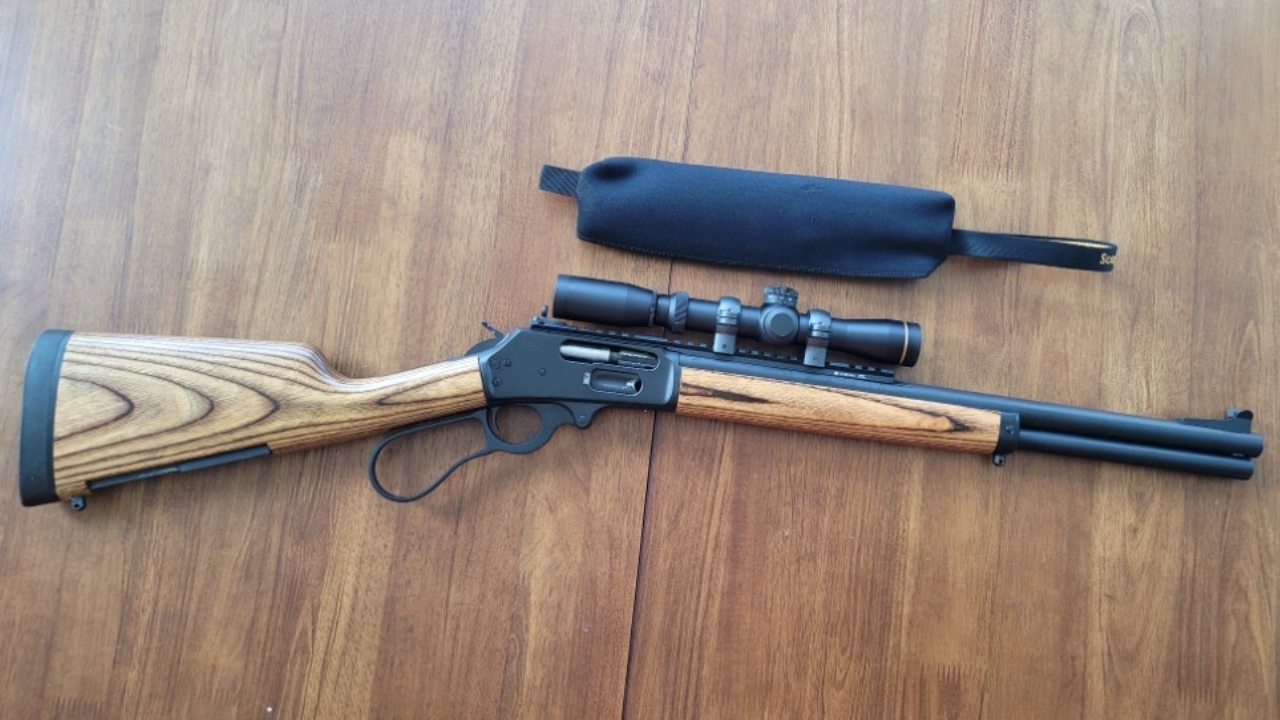
The Marlin 1895 is a major reason the brand still has such a strong following. Chambered in .45-70 Government in its best-known modern form, the 1895 gave hunters and big-bore fans a powerful lever gun for hogs, black bear, thick woods, and close-range authority.
That rifle has personality. A .45-70 lever gun is not casual in the way a .22 or .357 carbine is casual. It hits hard, recoils with purpose, and feels serious in the hand. Current Ruger-made 1895 models include SBL, Trapper, Guide Gun, and other versions, keeping that big-bore Marlin identity alive in a much cleaner modern form.
6. The 1894 Keeps Pistol-Caliber Lever Guns Interesting

The Marlin 1894 gives the brand another loyal crowd. Pistol-caliber lever guns in .357 Magnum, .44 Magnum, and related chamberings are fun, useful, and easy to understand. They can be range guns, property rifles, hunting rifles inside their limits, and natural partners to revolvers in the same caliber.
That is one of the reasons Marlin loyalty stretches beyond deer hunters. The 336 crowd, 1895 crowd, and 1894 crowd overlap, but they are not all the same people. A .357 Marlin 1894 scratches a completely different itch than a .45-70 1895. That variety keeps the brand interesting.
7. Marlin Fans Still Care About JM Stamps
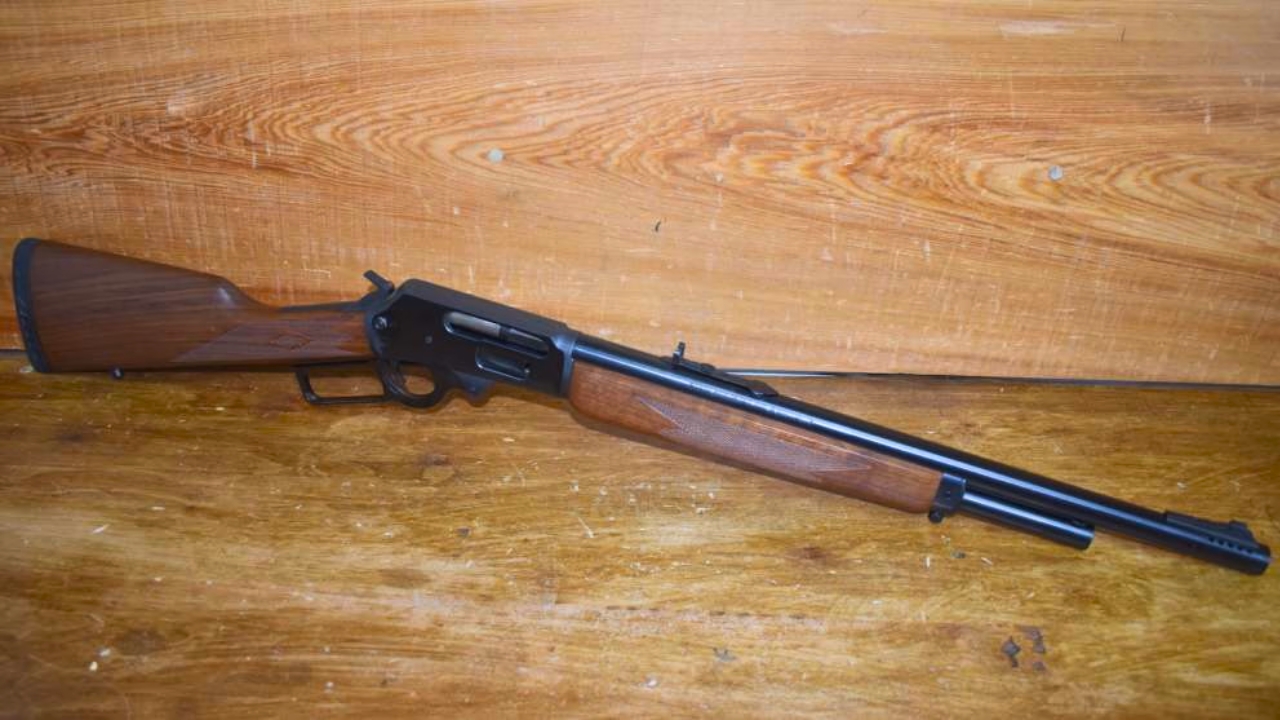
The JM stamp has become almost sacred among some Marlin fans. It marks older Marlins made before the Remington era, and many buyers see it as a sign of the quality they associate with the “real” Marlin years. Not every JM-stamped rifle is perfect, and not every non-JM rifle is bad, but the stamp carries real weight in the used market.
That tells you how deep the loyalty runs. People are not only buying the model. They are buying an era. They remember old fit and finish, smoother actions, good wood, and rifles that felt like they came from a company that understood lever guns. The JM stamp became shorthand for that memory.
8. The Remington Era Made the Loyalty Even Stronger

Marlin’s Remington era was rough enough that it actually made the old fan base more intense. Quality complaints, fit-and-finish concerns, and “Remlin” jokes became common among lever-gun people. A lot of shooters felt like something special had been mishandled.
That kind of frustration can hurt a brand, and it did. But it also showed how much people cared. If Marlin had been just another rifle name, shooters would have shrugged and moved on. Instead, they got mad because they wanted Marlin to be Marlin again. That is loyalty, even when it comes out sideways.
9. Ruger Buying Marlin Changed the Mood

When Ruger bought Marlin’s assets in 2020, Marlin fans immediately started watching closely. Ruger announced that its offer to buy substantially all Marlin Firearms assets had been accepted during Remington Outdoor Company’s bankruptcy process, with a $30 million purchase price.
That acquisition changed the mood around the brand. Ruger had its own reputation for practical, durable firearms, so many shooters hoped it could bring Marlin back properly. The first Ruger-made Marlins were judged hard because expectations were high. For many fans, the new rifles helped restore confidence that the Marlin name still had a future.
10. Ruger-Made Marlins Feel Like a Real Revival
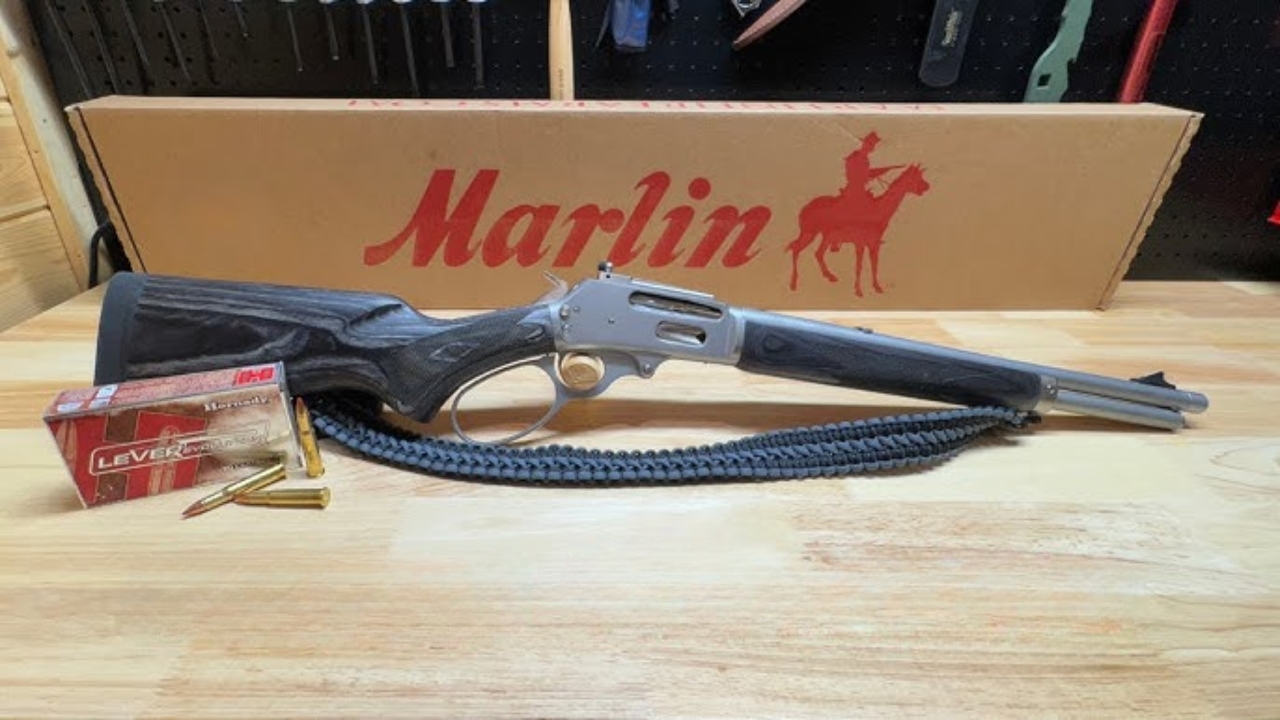
Ruger-made Marlins are not old JM Marlins, and pretending they are the same would be silly. But they have given buyers a new-production Marlin option with modern machining, careful finishing, cold hammer-forged barrels, and renewed attention to quality. Marlin’s current site says Ruger-made Marlin lever-action rifles are American-made and manufactured with attention to detail, keeping traditional Marlin features while raising them with Ruger’s quality standards.
That matters because the brand needed more than nostalgia. Fans wanted rifles they could actually buy, shoot, and trust again. The Ruger-made 1895, 336, and 1894 lines gave Marlin a second wind instead of leaving the brand stuck as a used-rifle memory.
11. The 336 Classic Coming Back Mattered
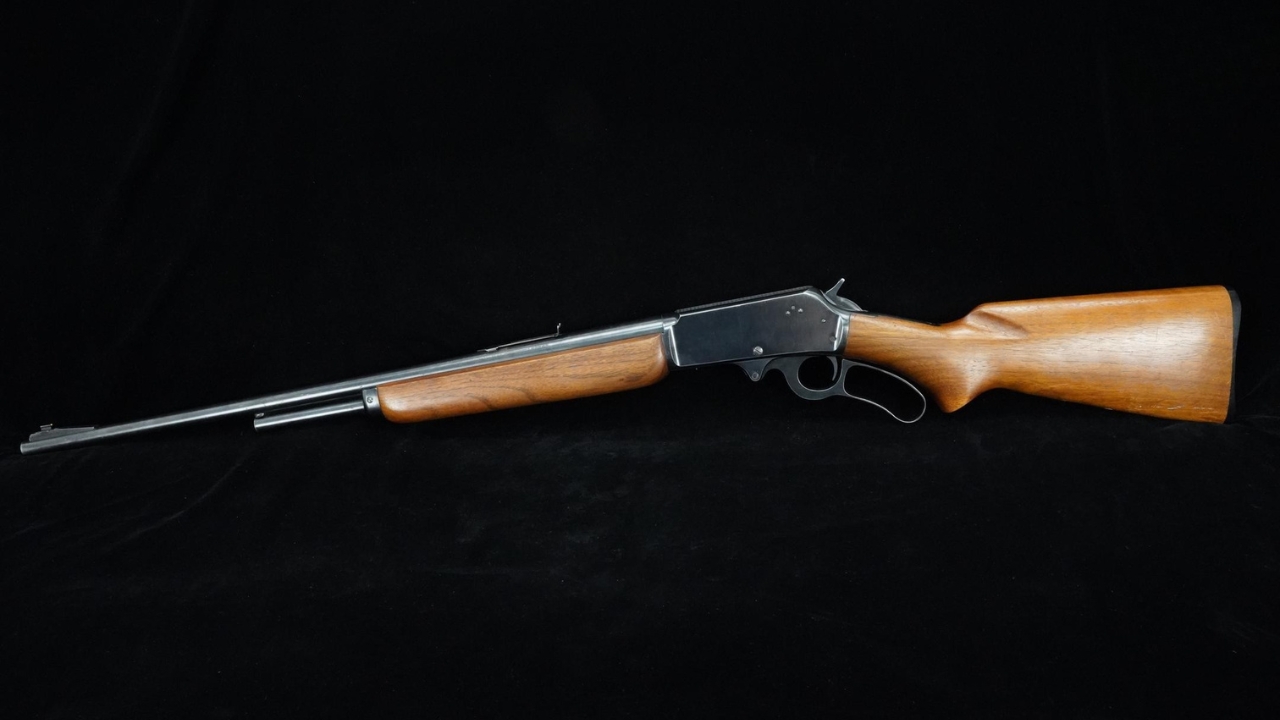
The return of the Model 336 Classic was a big moment because the 336 is the heart of Marlin for many hunters. Ruger reintroduced the 336 Classic in 2023, with Ruger’s CEO saying the company had worked for months on the details to make sure the reintroduction lived up to the rifle’s reputation.
That was smart. Bringing back the 1895 first gave Ruger a splashy big-bore rifle, but bringing back the 336 spoke directly to deer hunters. The .30-30 Marlin is the rifle many fans think of when they think “Marlin.” Its return told them Ruger understood the brand’s center.
12. The Brand Covers More Than One Kind of Lever-Gun Shooter

Marlin loyalty stays strong because the brand is not one-note. The 336 speaks to deer hunters. The 1895 speaks to big-bore lever-gun fans. The 1894 speaks to pistol-caliber fans. The Trapper, Guide Gun, Classic, SBL, and Dark-style modern variants all pull different buyers.
That range matters. A brand with only one famous rifle can get stale. Marlin gives people several ways in. You can be a traditional walnut-and-blued-steel guy, a stainless-and-laminate hunting guy, a threaded-barrel suppressor guy, or a .357 plinking guy and still find a Marlin that makes sense.
13. Marlin Rifles Feel Practical Without Feeling Boring
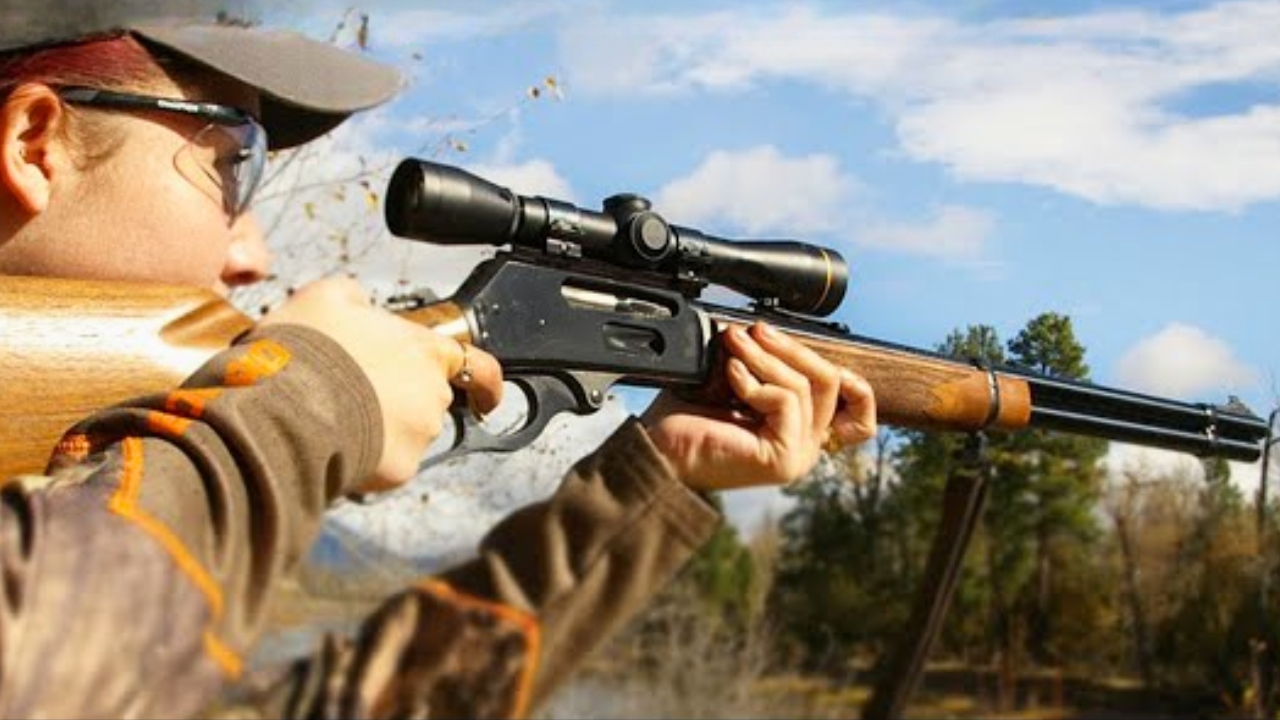
Marlin’s best rifles have a working-gun feel, but they are not boring. A 336 has deer-camp soul. An 1895 has big-bore attitude. An 1894 has pistol-caliber fun. The rifles are practical, but they still have enough personality to make owners attached to them.
That is a hard balance to hit. Some rifles are so plain they feel disposable. Others are so sentimental they barely get used. Marlin tends to sit in the middle. The rifles are good-looking enough to care about and useful enough to carry hard. That is exactly the kind of gun people keep.
14. The Used Market Keeps the Brand Alive

Even when new Marlin production slowed or changed hands, the used market kept the brand alive. Older 336s, 1895s, 1894s, Glenfield-branded rifles, .35 Remington guns, JM-stamped examples, and clean hunting rifles kept moving through gun shops and private sales.
That used-market strength says a lot. A weak brand fades when new production stops or stumbles. Marlin did not fade because too many people still wanted the old rifles. Used Marlins kept proving there was demand. Ruger’s revival worked partly because the audience never disappeared.
15. Marlin Loyalty Comes From Trust, Not Trendiness
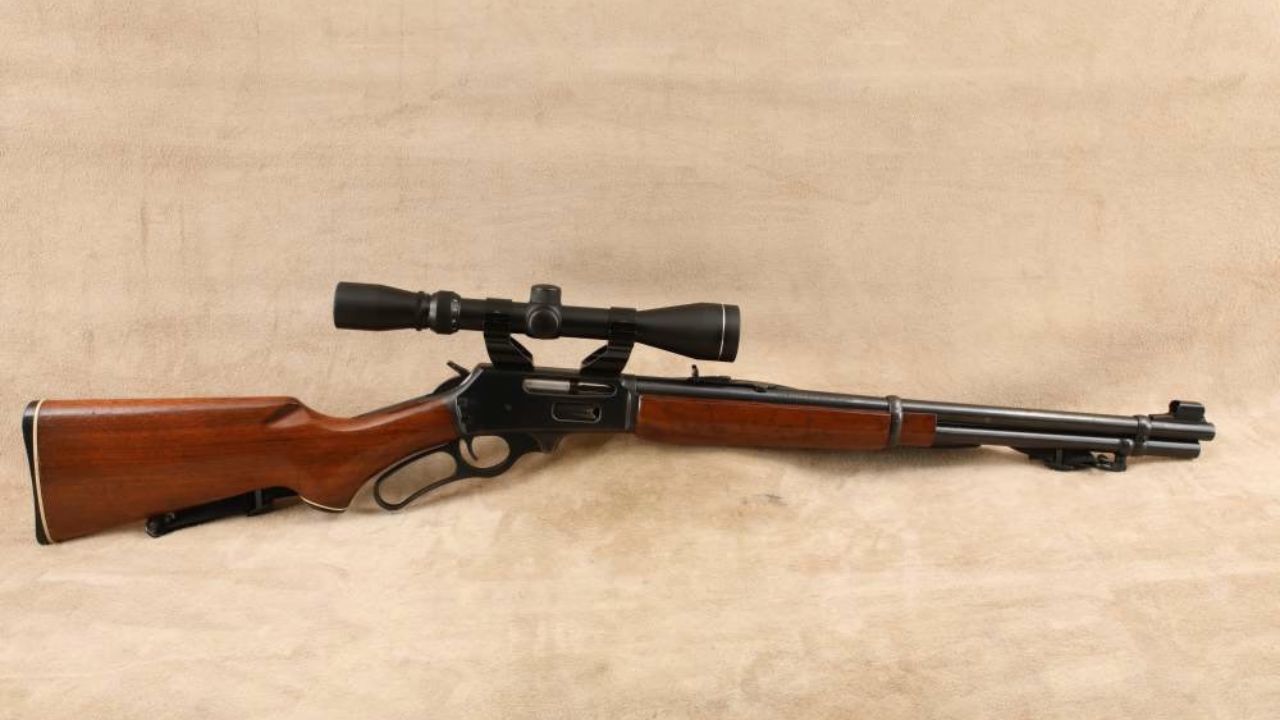
Marlin still has one of the most loyal followings in rifles because the brand earned trust in the places that matter. Deer woods. Hog country. Bear country. Family gun safes. Pickup racks. Cabins. Range benches. These rifles became part of people’s hunting lives.
That is stronger than trendiness. Lever guns are popular again right now, but Marlin loyalty existed long before the latest tactical lever-gun wave. The brand survived rough years because people remembered what a good Marlin was supposed to be. Now that Ruger-made Marlins are back in the conversation, that loyalty has somewhere to go again.
Like The Avid Outdoorsman’s content? Subscribe to our newsletter so you never miss an article.
Here’s more from us: