Photo credit: The Avid Outdoorsman
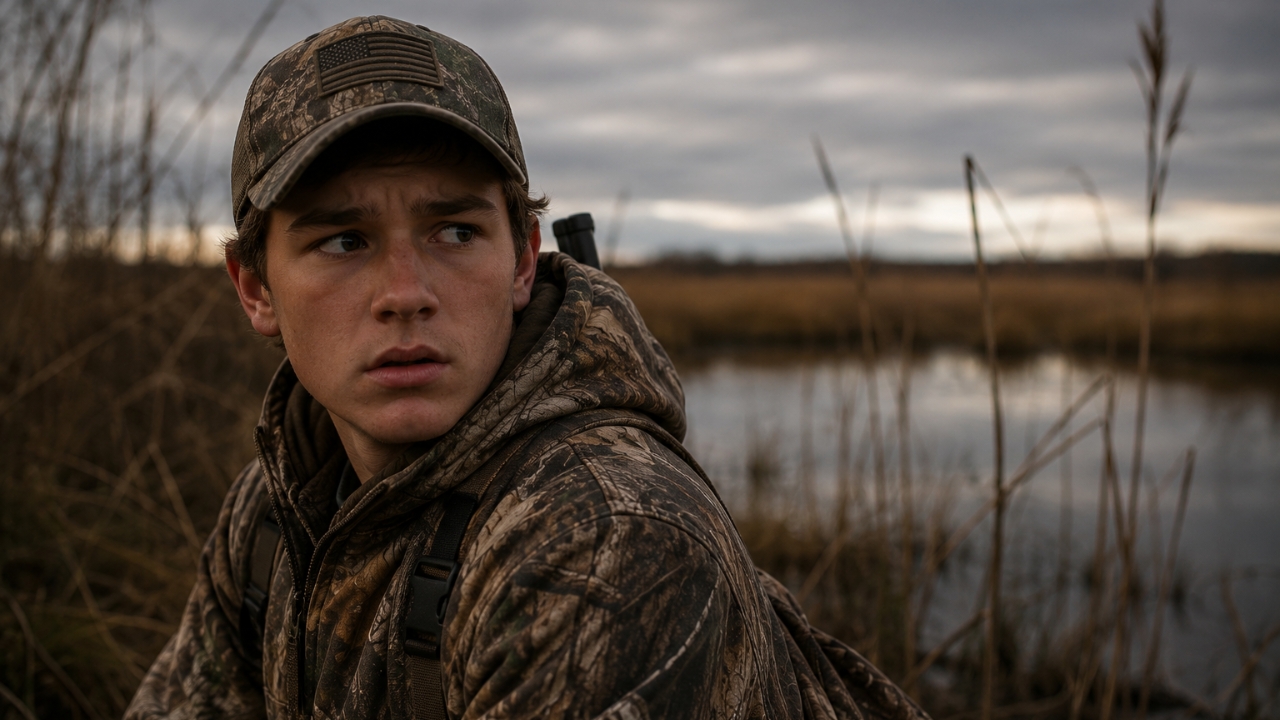
He was 15, sitting at the edge of a marsh, hunting deer the way a lot of young hunters learn to do it.
Quiet. Still. Waiting.
At that age, a hunt already feels big. You are old enough to be out there, old enough to understand what you are doing, but still young enough that every sound carries a little extra weight. The woods feel bigger. The marsh feels wider. Every twig snap makes you wonder if this is finally it.
Then a shot cracked from the public side.
The story came up in a Reddit thread where hunters were talking about the scariest things they had experienced in the field. One commenter described being a teenager near a marsh when someone on nearby public land fired too close for comfort.
That kind of scare can change a hunt instantly.
Public land near private or semi-private setups can be tricky. Everybody may be technically legal on their own side, but the bullets, sound, deer movement, and mistakes do not always stay neatly inside the lines people draw on a map. One hunter may be tucked into a stand or sitting by a marsh. Another may be moving through public ground, pushing brush, tracking deer, or taking a shot without realizing how close someone else is.
For the teenager sitting there, none of that mattered in the moment. What mattered was that a shot came close enough to scare him.
That is one of those hunting experiences that strips away all the excitement. A minute earlier, he may have been thinking about deer coming out of the reeds or whether the wind was right. After the shot, all of that is gone. Now he is thinking about where the bullet went, who fired it, and whether another one is coming.
That is a lot for any hunter. For a 15-year-old, it is even more.
Most young hunters learn safety rules before they ever get serious time in the field. Know your target. Know what is beyond it. Keep the muzzle pointed in a safe direction. Do not shoot at movement. Wear orange when required. Those rules get repeated so often they can sound almost boring.
Then something like this happens, and they stop sounding boring.
A close shot teaches the lesson in a way no classroom or safety card can. It shows that the danger is not always the shot you take. Sometimes it is the shot someone else takes. Someone you cannot see. Someone who may not know you are there. Someone who may have looked at a deer and failed to think past it.
That is the problem with shared hunting ground. You can be careful and still be affected by another person’s decision. You can pick your spot, sit tight, follow the rules, and have the whole morning shaken by a stranger on the other side of the marsh.
The marsh setting probably made the scare worse. Marshes can carry sound strangely. They can also create low, flat shooting angles if people are not careful. A hunter shooting across open water, reeds, mud, or low cover may not have the kind of backstop he should. Depending on the terrain, a bullet can travel a long way, skip, or end up somewhere the shooter never intended.
That is why “what’s beyond your target” matters so much in wet, open areas.
The teen hunter learned that the hard way. It was not a dramatic animal charge or a creepy voice in the dark. It was a gunshot from the public side that made him realize how little control he had over the other people out there.
And honestly, that realization can follow a hunter for years.
Once you hear a shot too close, you start paying attention differently. You look at public access points before you pick a stand. You think about where other hunters may walk in. You notice parking areas, road edges, ridges, marsh openings, and places where somebody might take a bad shot. You stop assuming the woods are empty just because you got there first.
That is not fear. That is experience.
The story was short, but it carried the kind of lesson every hunter understands. A young hunter sitting by a marsh should be thinking about deer, weather, and whether he packed enough snacks. He should not have to wonder if someone on nearby public ground is sending rounds too close to where he is sitting.
But that is the reality of shared land. Most people are safe. Most people mean well. But one bad decision can make the safest-looking morning feel dangerous in a hurry.
Commenters in the thread had a lot of similar reactions because public-land gun scares are one of those things hunters either understand immediately or eventually learn the hard way.
Several people said shots coming too close are scarier than almost any animal encounter. A deer blowing at you or a coyote yipping nearby might make you jump, but a bullet moving through the wrong area is different. It means another person made a decision that could have hurt someone.
Others talked about how hard it can be to know where everyone is on shared land. A hunter may be legal on public ground and still make a careless shot toward a private edge, road, marsh, trail, or another hunter’s setup. That is why people said they avoid crowded public parcels during busy rifle seasons whenever they can.
A few commenters focused on young hunters and how quickly one bad experience can change their confidence. Getting scared by another person’s shot at 15 is not the kind of lesson anyone wants, but it does teach awareness. The best outcome is that the young hunter becomes more careful, not more afraid.
The practical advice was familiar but important: wear orange, use lights when moving in low light, know where public boundaries and access points are, and do not be afraid to leave if the area feels unsafe. A hunt is not worth sitting through bad gun handling from strangers.
Several hunters also brought up backstops. Open marshes, water edges, flat fields, and low cover can tempt people into shots that look clear but are not safe. If there is no real backstop, the shot should not happen.
For the teen hunter, the lesson came early. Shared land can be a great place to hunt, but it also means trusting people you do not know. And once a shot comes too close, that trust gets a lot harder to give.