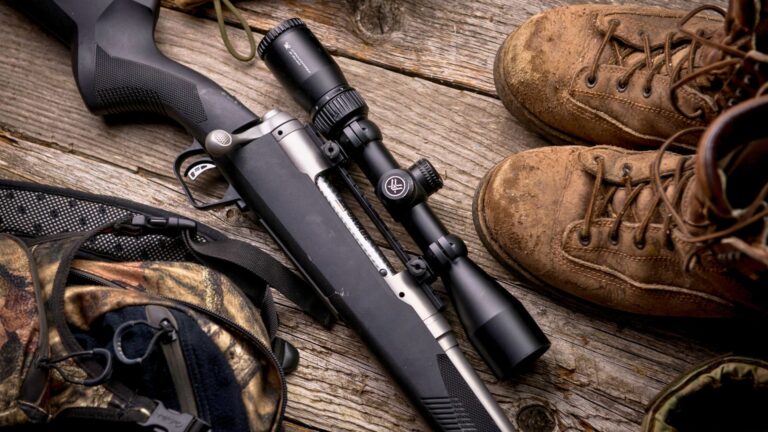
Photo credit: FirearmFreedom/YouTube
Mossberg has never really been the brand people buy because they want to impress somebody at the range. That is part of its appeal. The company built its name on guns that regular people could afford, run hard, leave in the truck, carry into a duck blind, keep by the bed, and not feel nervous about actually using.
That kind of trust is different from collector appeal. Mossberg earned it by making practical guns that did not need much explaining. The finish might not always make a guy emotional. The wood might not always be fancy. The catalog might not have the old-school romance of some other brands. But when regular shooters talk about Mossberg, they usually come back to the same point: the guns tend to work, and they tend to make sense.
Mossberg Built the 500 Into a True Working Shotgun

The Mossberg 500 is the center of the brand for a reason. Introduced in the early 1960s, it became one of the most common pump shotguns in America because it did almost everything a regular shooter needed without acting expensive about it. It could hunt birds, sit in a closet for home defense, ride in a truck, handle farm chores, and teach new shooters how to run a pump. That is a strong recipe when the buyer wants one shotgun to cover a lot of ground.
What Mossberg did right was keep the 500 simple enough to trust and affordable enough to spread. A shotgun does not become a household name by being delicate. It becomes one by showing up everywhere and doing its job. The 500 series has been produced in a pile of barrel lengths, stock setups, gauges, and hunting configurations, which made it easy for shooters to find one that fit their use. That flexibility helped turn Mossberg from a budget name into a trusted one.
Mossberg Made Affordability Feel Practical Instead of Cheap

There is a difference between a cheap gun and a practical gun. Mossberg has lived in that space better than most companies. The brand figured out that plenty of shooters do not need polished walnut, deep bluing, or a high-dollar badge on the receiver. They need a firearm that runs, patterns well enough, handles rough weather, and does not punish their wallet. Mossberg leaned into that without apologizing for it.
That is one reason regular shooters trust the brand. Mossberg guns often feel like they were built for people who actually have to think about the price tag. A guy buying his first shotgun, a dad setting up a youth hunter, or a homeowner looking for a defensive pump does not always want fancy. He wants something he can afford and still feel okay trusting. Mossberg made that normal. It gave working shooters a brand that felt realistic.
Mossberg Put the Safety Where a Lot of Shotgun Shooters Wanted It
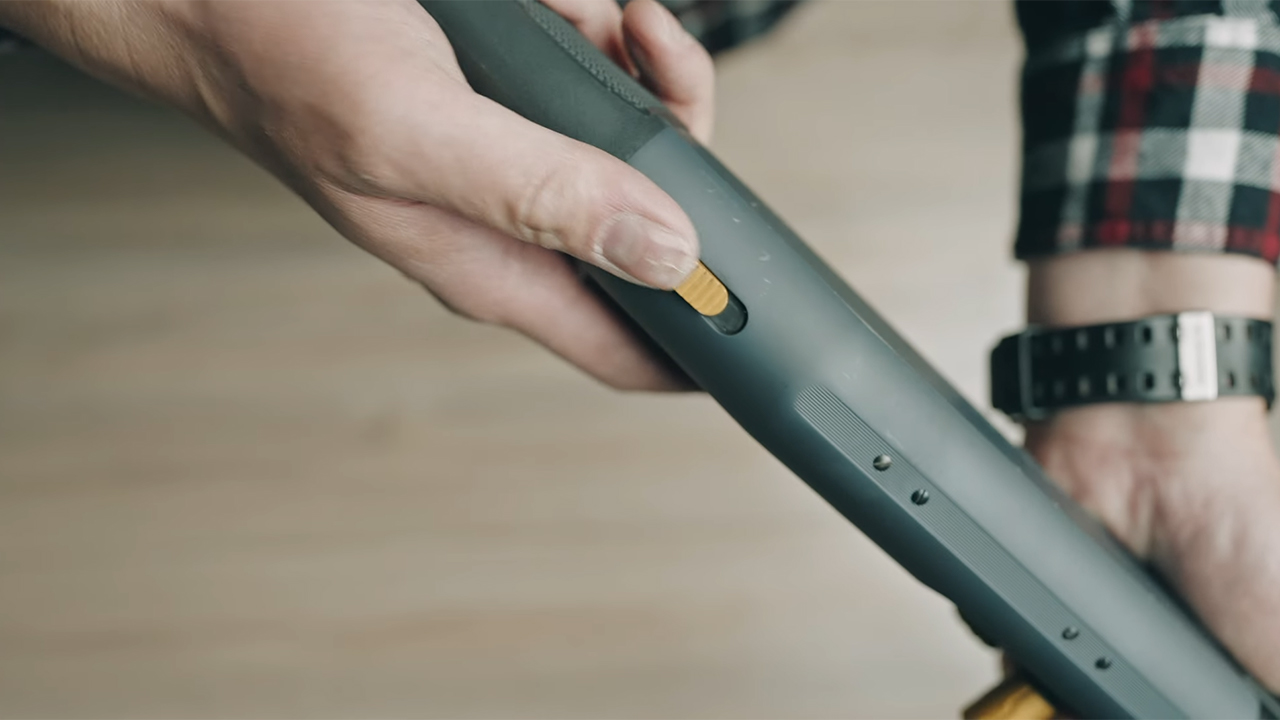
The tang-mounted safety on many Mossberg pump shotguns is one of those features people either love immediately or come to appreciate over time. It sits on top of the receiver, where the shooter can see and feel it easily. For hunters wearing gloves, left-handed shooters, and anyone who likes a safety that is easy to check without shifting the firing grip too much, it makes sense. It is not some gimmick. It is a practical layout.
That feature helped Mossberg stand apart from other pump guns. Cross-bolt safeties work fine for many people, but the Mossberg tang safety feels more natural to a lot of shotgun users, especially in the field. A duck hunter or turkey hunter needs to know exactly what condition the gun is in without fumbling around. Mossberg gave shooters a control setup that worked for right- and left-handed users without needing a special version. That matters more than people realize.
Mossberg Made the 590A1 Tough Enough for Serious Use
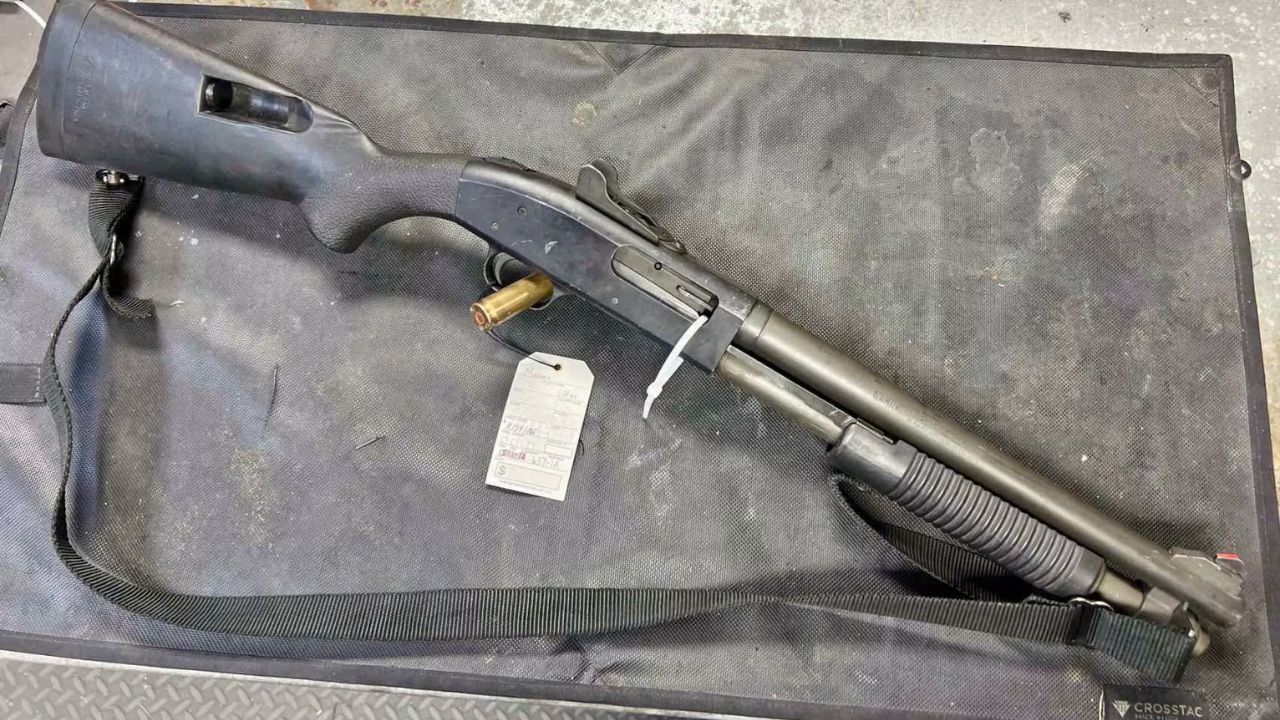
The 590A1 gave Mossberg a different kind of credibility. The company’s own description calls it the most durable of its pump-action shotguns, with a heavy-walled barrel, metal trigger guard, metal safety, clean-out magazine tube, and Parkerized finish. Mossberg also says the 590A1 meets MIL-SPEC 3443G, which is exactly the kind of detail serious shotgun buyers notice.
That mattered because Mossberg had already earned trust with hunters and regular homeowners, but the 590A1 helped prove the brand could build something with harder use in mind. Military-style credibility can get overplayed in gun marketing, but in this case, the construction changes were real. The 590A1 feels like a shotgun built for abuse instead of just catalog appeal. That gave defensive shotgun buyers, police users, and hard-use pump fans a Mossberg they could point to when somebody acted like the brand was only “cheap.”
Mossberg Understood That a Defensive Shotgun Should Be Simple
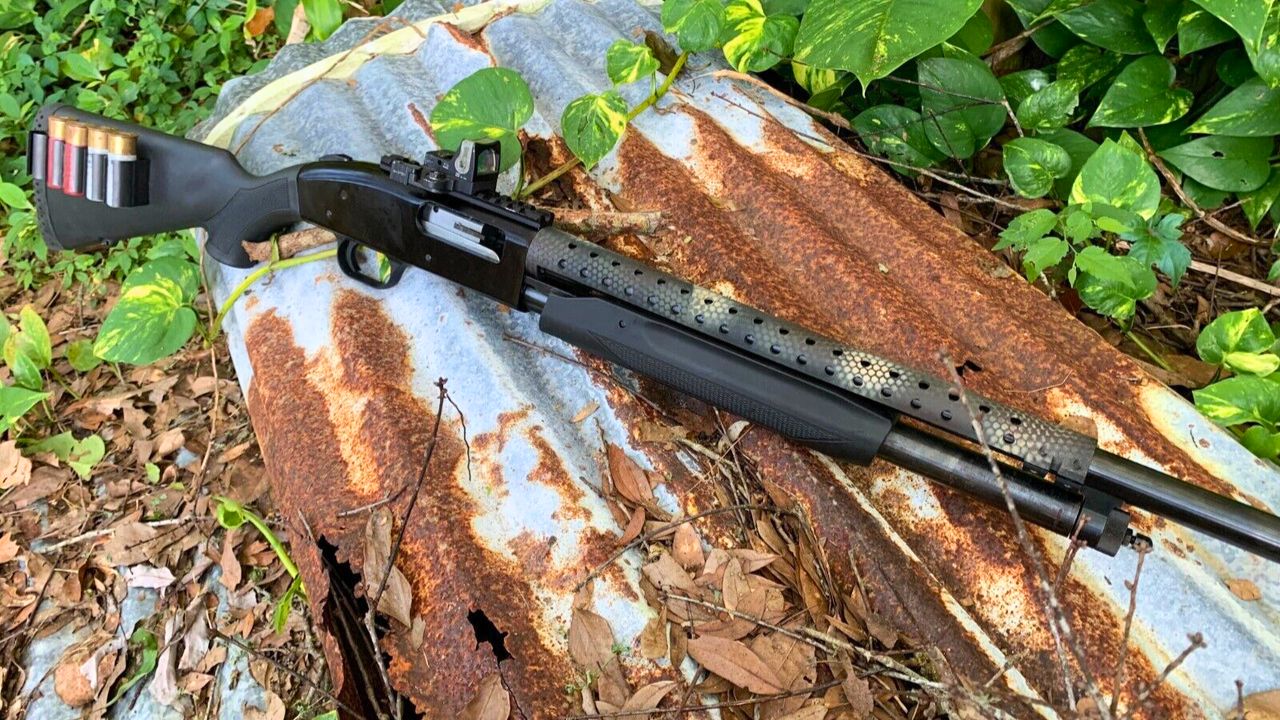
Mossberg has done well in the defensive shotgun market because it does not overcomplicate the basic pump gun. A good defensive shotgun needs to be easy to load, easy to clear, easy to maintain, and easy to understand under stress. The 500, 590, and 590A1 lines gave buyers several ways to get there, from basic bead-sight models to ghost-ring sights, extended magazines, heat shields, shorter barrels, and more modern accessory-ready versions.
The important part is that the core idea stayed simple. Pump shotguns are not magic, and they still require training. But Mossberg made them approachable. A buyer could start with a basic 500 or 590 and understand what he had in his hands pretty quickly. The controls were familiar, the price was reasonable, and parts or accessories were not hard to find. That helped the company earn trust with people who wanted a home-defense gun without turning the purchase into a science project.
Mossberg Gave Hunters a Shotgun for Almost Every Season
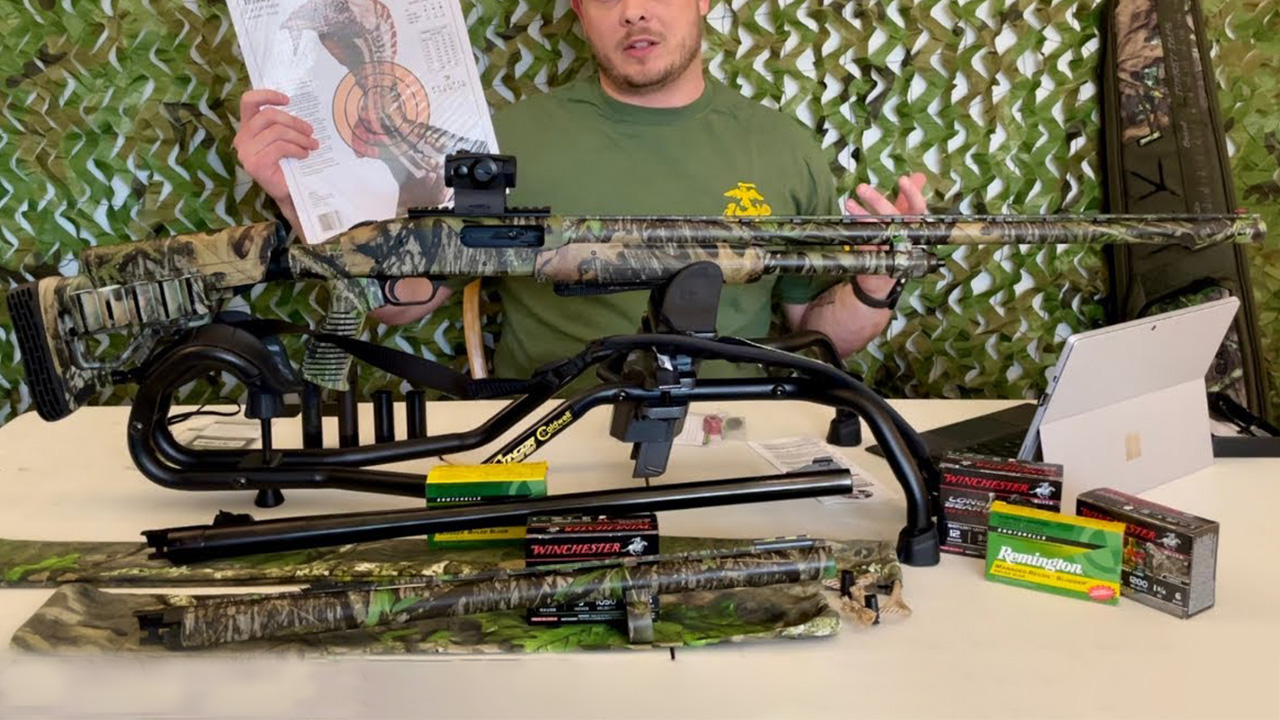
Mossberg did not build its shotgun reputation only on home defense. It built a huge part of it in the woods, fields, and marshes. The company made pump and semi-auto shotguns for turkey, waterfowl, deer, upland birds, and general hunting use. That kind of coverage matters because a brand becomes familiar when it shows up in multiple seasons. One guy might have a camo 500 for turkey, another might run a waterfowl 835, and another might keep a slug gun ready for deer season.
That helped Mossberg become the practical choice. Hunters like guns that do not need to be babied. Rain, mud, cold mornings, wet dogs, jon boats, and brushy ground are all part of real hunting. Mossberg leaned into finishes, stocks, and setups that made sense for those conditions. It did not always produce the prettiest shotgun in camp, but a lot of hunters were fine with that. They trusted the gun because it showed up ready for work.
Mossberg Took Turkey Hunters Seriously

Mossberg deserves credit for paying attention to turkey hunters before every company treated turkey guns like their own major category. Shorter barrels, camo finishes, turkey chokes, pistol-grip stocks, optics-ready receivers, and dedicated turkey models all helped the brand connect with hunters who needed a shotgun for one very specific job. Turkey hunting is not gentle on gear. Guns get leaned against trees, crawled through brush, carried in wet spring weather, and fired from awkward positions.
Mossberg understood that a turkey gun did not need to be elegant. It needed to be compact enough to handle in the woods, patterned tight enough to matter, and durable enough to survive spring conditions. The brand’s turkey-focused shotguns became common because they were practical and priced within reach. A lot of hunters who would never spend luxury money on a shotgun still wanted a dedicated turkey rig. Mossberg gave them that option without making it feel foolish.
Mossberg Made the 835 a Real Waterfowl and Turkey Tool
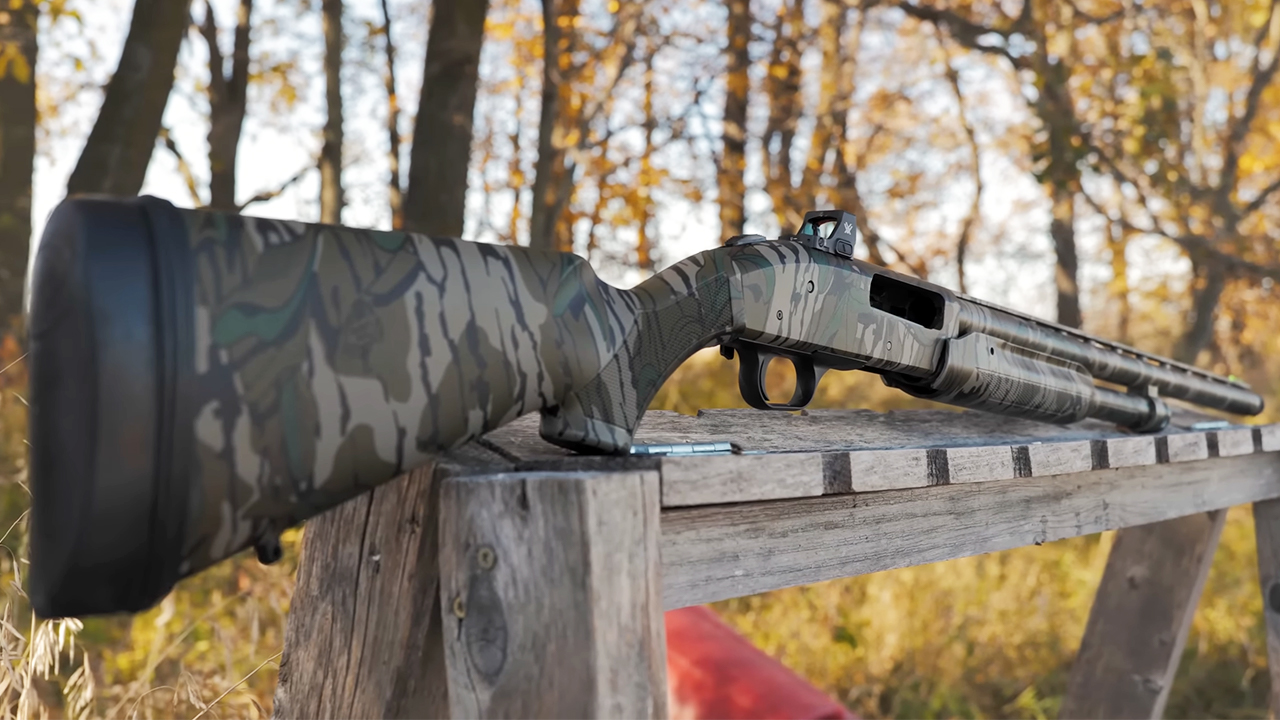
The Mossberg 835 Ulti-Mag gave the company another practical win. It was built around heavy 3.5-inch 12-gauge loads, which mattered to hunters chasing turkey and waterfowl performance before modern shotshell technology made some lighter setups more impressive. The 835 was not built for soft recoil or safe-queen treatment. It was built for hunters who wanted payload, pattern density, and a shotgun that could live in ugly conditions.
That is the kind of gun Mossberg fans defend because it fit a real need. Not everyone needed a 3.5-inch pump, and not everyone enjoyed shooting one. But for hunters who wanted that capability without spending semi-auto money, the 835 made sense. It gave Mossberg a serious place in the waterfowl and turkey market. It also reinforced the brand’s identity: functional first, pretty second, price still reasonable.
Mossberg Kept Making Guns for Left-Handed Shooters Without Making a Big Fuss
Left-handed shooters often get treated like an afterthought, but Mossberg’s control layout helped solve part of that problem naturally. The tang safety on many Mossberg shotguns is friendly to both right- and left-handed users, which gives the brand an advantage in households where more than one person may use the same gun. For a shotgun that might be used by a dad, spouse, older kid, or hunting buddy, that matters.
This is one of those small practical details that builds trust over time. A left-handed shooter who has spent years adapting to right-handed designs notices when a company makes something easier. The gun does not need to be marketed as some special lefty-only miracle. It simply needs to work without punishing the shooter for being left-handed. Mossberg did that with one of the simplest control choices in the shotgun world, and regular shooters remembered it.
Mossberg Let Shooters Customize Without Spending a Fortune

Mossberg pumps became trusted partly because they are easy to modify. Stocks, fore-ends, barrels, side saddles, optics mounts, sling setups, light mounts, shell carriers, and defensive furniture are widely available. That gives a regular shooter room to start simple and build the gun toward his actual use. A 500 or 590 can stay plain for hunting, turn into a defensive setup, or become a dedicated turkey or slug gun depending on the parts.
That kind of flexibility helps a gun stay useful longer. Instead of selling the shotgun when your needs change, you can often change the shotgun. Mossberg benefited from that because buyers saw the gun as a platform, not just a finished product. The company did not lock people into one setup. It made guns with enough aftermarket support and factory variety that a shooter could make practical changes without spending custom-shop money.
Mossberg Did Not Abandon the Budget Rifle Buyer

Mossberg is known mostly for shotguns, but the Patriot rifle showed the company still understood the value crowd. Introduced in 2015, the Patriot was built as a value-rich bolt-action rifle with multiple stock and finish options, a box magazine, and traditional styling. Mossberg describes the Patriot line as combining modern innovation with traditional looks, which is exactly the lane many budget-minded hunters wanted.
That mattered because the affordable bolt-action market got crowded fast. Mossberg had to give hunters a reason to care, and the Patriot did it by keeping the package familiar. It looked like a hunting rifle, not a tactical experiment. It came in practical chamberings and configurations. It was not trying to replace a high-end rifle, but it gave deer hunters and new rifle buyers another sensible option. Mossberg stayed in its comfort zone by giving regular people a gun they could actually buy.
Mossberg Made the MVP Interesting for AR-Magazine Shooters

The Mossberg MVP was one of the more interesting rifle ideas the company brought out because it gave bolt-action shooters compatibility with common detachable magazines in certain chamberings. That was a smart move. AR magazines were already everywhere, and shooters liked the idea of a bolt gun that could use mags they already owned. It was not a rifle for everyone, but it showed Mossberg was paying attention to how people actually use and set up their guns.
That kind of thinking builds respect even when a product stays a little niche. Mossberg did not simply copy another hunting rifle and call it good. It tried to solve a practical problem for shooters who wanted magazine commonality, especially in .223/5.56-style setups. Some buyers liked the crossover between bolt-action simplicity and AR-mag convenience. That made the MVP one of those Mossberg guns that proved the company could still think past the basic shotgun rack.
Mossberg Improved Its Semi-Auto Shotgun Game With the 940
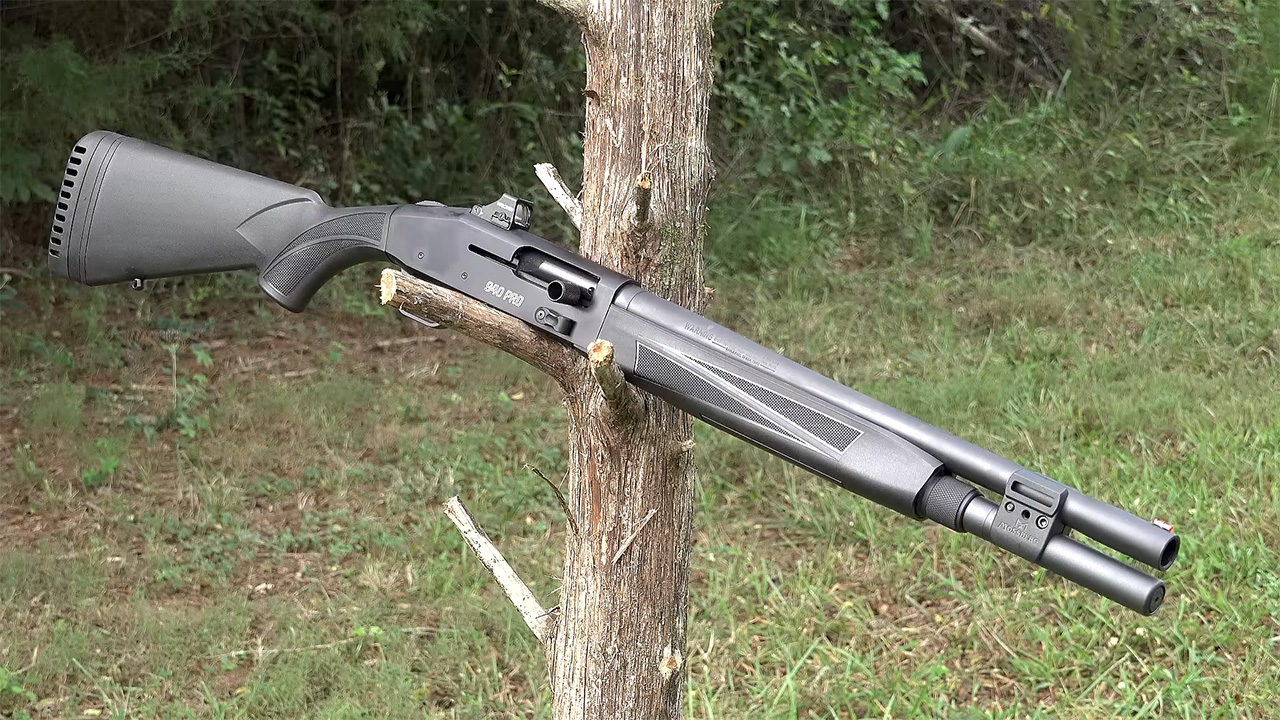
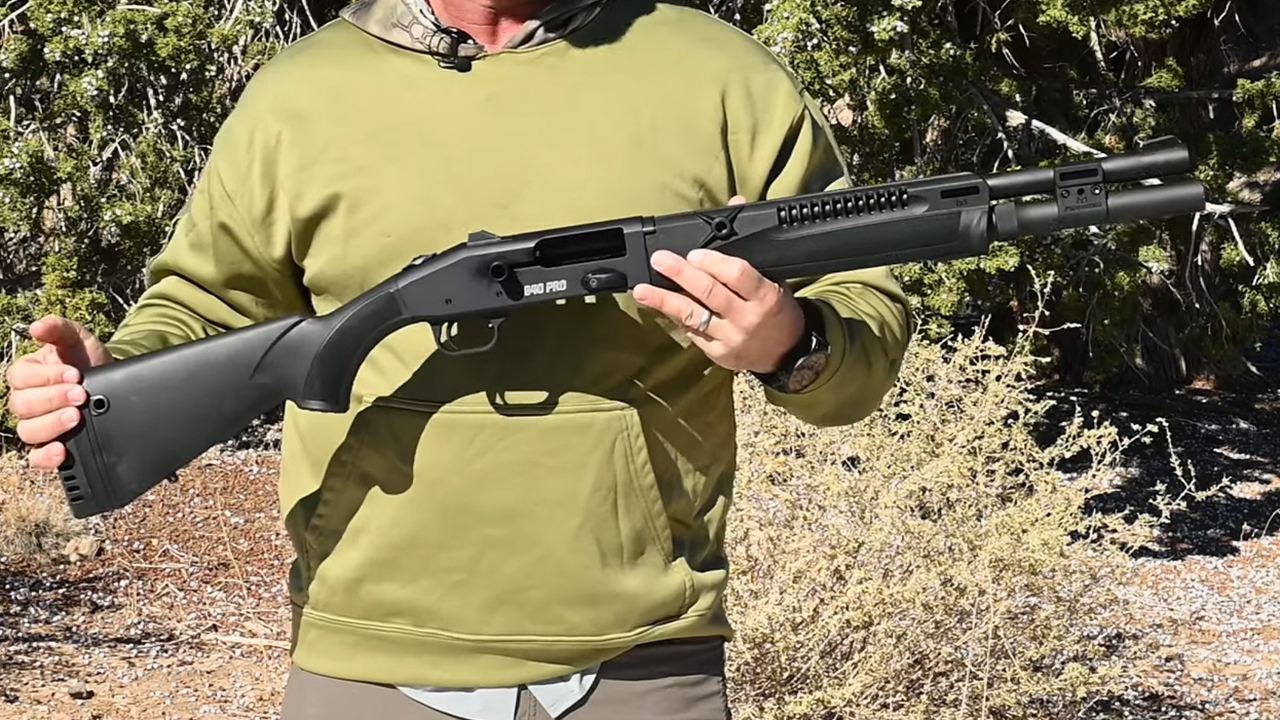
The 940 series helped Mossberg sharpen its semi-auto reputation. The 940 JM Pro was designed with Jerry Miculek, and Mossberg described it as a fast-cycling, competition-ready 12-gauge platform available in 10-shot models. That kind of collaboration mattered because competitive shooters expose weak points quickly. If a shotgun does not load well, cycle well, or handle fast, they notice immediately.
The bigger point is that Mossberg used the 940 to show it could move beyond the “basic pump gun” label. The company already owned a trusted place in pump shotguns. The 940 gave it a more serious semi-auto platform for competition, hunting, and defensive use. Not every shooter needs a semi-auto shotgun, but the 940 told buyers Mossberg was not content to live only on the 500’s reputation forever. That helped keep the brand current.
Mossberg Made Guns That Could Take Neglect Better Than They Should
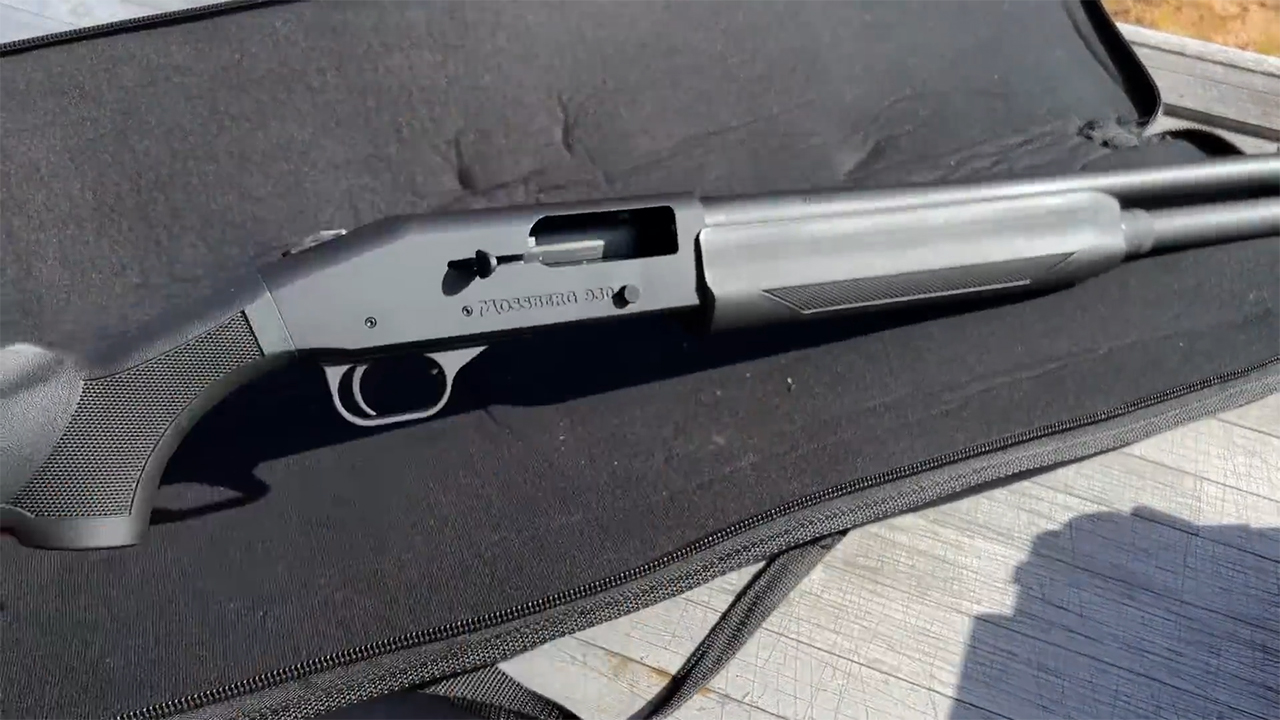
Regular shooters are not always gentle on guns. Some clean them religiously. Some do not. Some leave them in humid closets, dusty trucks, wet duck blinds, or muddy side-by-sides. Mossberg’s reputation benefited from the fact that many of its guns kept running even when owners treated them like tools instead of collectibles. That may not sound romantic, but it is exactly how trust gets built.
A shotgun that works after years of rough handling earns more loyalty than one that looks beautiful but acts delicate. Mossberg leaned into synthetic stocks, practical finishes, simple controls, and designs that could survive ordinary abuse. That does not mean a Mossberg should never be maintained. Every gun needs care. But Mossberg became the brand a lot of people were comfortable using hard because the guns did not feel precious. That made them easier to trust.
Mossberg Stayed Family-Owned Long Enough to Feel Different
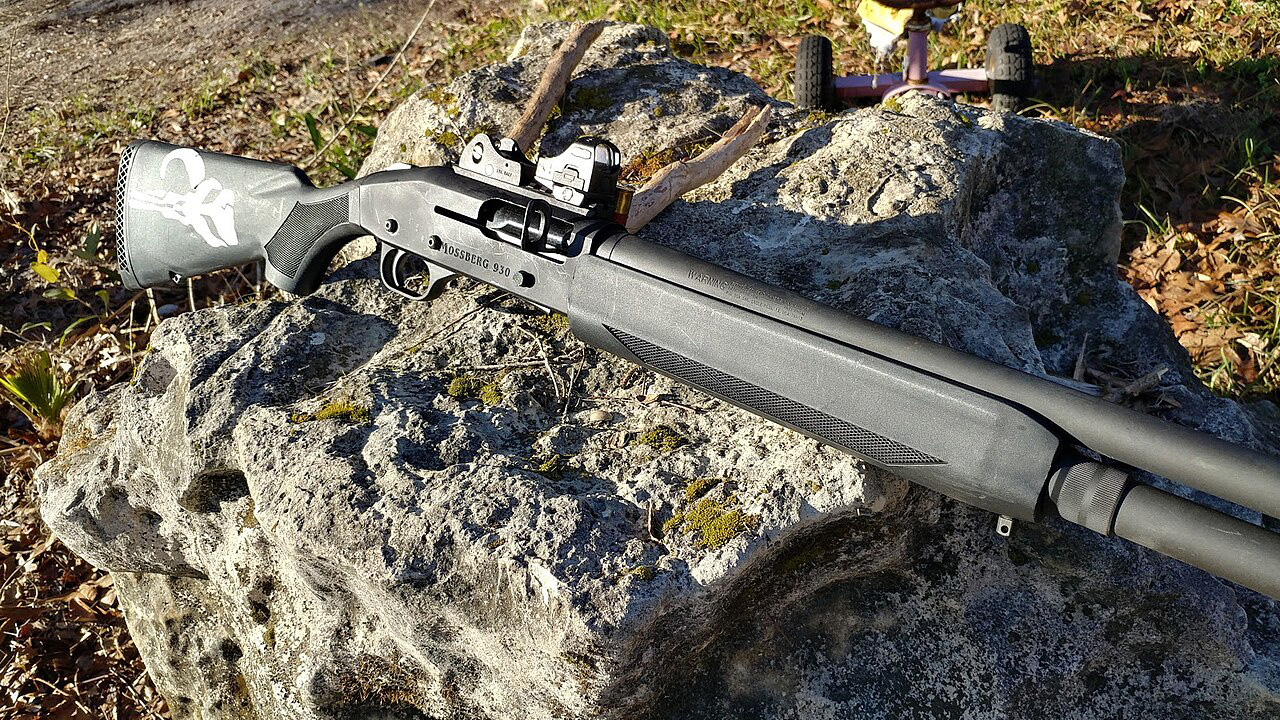
Mossberg’s long family-owned identity has helped the brand feel different from companies that got passed around through corporate ownership and private equity messes. Mossberg says the company has been an American firearms manufacturer since 1919, and that long run gives the name a kind of continuity shooters recognize.
That does not automatically make every gun better, but it does affect how people see the brand. Regular shooters watched other old names stumble through buyouts, bankruptcies, and quality swings. Mossberg kept feeling like Mossberg. The company stayed focused on practical firearms and did not lose the thread of what its buyers wanted. That consistency matters. A trusted brand does not have to be flashy. Sometimes it just has to keep making the kinds of guns people expect it to make.
Mossberg Earned Trust by Not Pretending to Be Something Else
The biggest thing Mossberg did right was stay honest about what it was. It built working guns for working shooters. That sounds plain, but it is harder than it looks. Plenty of brands chase trends so hard they forget why people trusted them in the first place. Mossberg has tried new things, but its core identity has stayed pretty clear: affordable, practical, durable firearms that regular people can use without overthinking the purchase.
That is why shooters still trust the brand. A Mossberg may not always be the smoothest, prettiest, or most expensive gun in the rack, but that was never really the point. The point was having a shotgun or rifle that could ride along, get dirty, do the job, and not make the owner feel like he had to baby it. Mossberg earned its place by understanding regular shooters better than a lot of fancier companies ever did.
Like The Avid Outdoorsman’s content? Be sure to follow us.
Here’s more from us: