Image Credit: GunBroker.
The muzzleloader-only deer window that opened on January 5 gives you one last, tightly regulated shot at a Texas whitetail, but it also narrows the list of gear you can legally carry. To stay on the right side of game wardens, you need to understand exactly what the state means by a muzzleloader, how that definition interacts with other hunting methods, and where county-level rules still apply. With the season clock already ticking, the details of legal equipment, bag limits, and safe field practices matter more than ever.
Texas regulations are specific about what qualifies as a muzzleloader, which firearms are excluded, and when archery or crossbows can substitute for a smoke pole. If you treat this late-season opportunity like an extension of the general rifle season, you risk a citation and a ruined hunt. Treat it instead as a specialized season with its own rules, and you can make the most of the January 5 opening while keeping your setup fully compliant.
How the Texas muzzleloader-only season fits into the deer calendar
By the time the muzzleloader-only window opens in early January, most Texas whitetail hunters have already worked through archery, youth, and general firearm dates. The state’s official tables for White show how the Deer Season is broken out by Zone and Dates, with a distinct General season followed by the muzzleloader-only period in certain counties. That structure is why the January 5 opener feels like a bonus round: it comes after the main rifle pressure, when deer are wary but still moving to recover from the rut.
Private land hunters in particular tend to treat this late slot as a clean-up phase, targeting specific management bucks or filling remaining doe tags. The statewide digest of White Deer General dates for the North Zone and South Zone makes clear that the muzzleloader period is a separate listing, not an informal extension of rifle season. That separation is your cue to reset your expectations, your gear, and your reading of the rulebook before you head back to the stand.
What Texas officially calls a muzzleloader
Everything about this season hinges on a deceptively simple definition: a muzzleloader is a firearm that is loaded only through the muzzle, the open end of the barrel. Texas spells that out in its dedicated Muzzleloaders hunter-education material, which also notes that these guns typically use loose powder or pellets, a projectile, and a separate ignition source. That definition is broader than the image of a flintlock long rifle, and it is the standard game wardens will use when they look at your setup.
To understand why the wording matters, it helps to zoom out to how training courses describe the category. One national study guide on Defining a Muzzleloader notes that the term covers a variety of firearms as long as the powder and projectile are loaded from the front of the barrel and fired by an ignition system that drives the projectile out. When you combine that broad concept with Texas’s specific muzzle-only loading requirement, you get a clear rule of thumb: if any part of your normal loading process happens at the breech or in a removable cylinder, it is not a legal muzzleloader for this season.
Legal muzzleloader types and the cap-and-ball carveout
Within that definition, Texas allows a wide range of designs, from traditional sidelock rifles to modern inlines, as long as they meet the muzzle-only loading test. The state’s hunter-education page on Muzzleloaders explains that these guns use special powder or a synthetic substitute, along with bullets or round balls, and that effective range is seldom beyond 100 yards. That performance profile is part of why Texas is comfortable giving muzzleloaders their own late-season window: they are inherently more limited than centerfire rifles, even when you add scopes and modern projectiles.
Where many hunters get tripped up is with cap-and-ball revolvers and similar handguns. The state’s general “Hunting Means and Methods” section on Muzzleloaders is explicit that muzzleloader deer seasons are restricted to firearms that load only through the muzzle, and that a cap and ball firearm with a removable cylinder is not a muzzleloader. That carveout means your blackpowder revolver might be legal for other purposes, but it does not qualify as legal gear for the muzzleloader-only deer season, even if you are loading loose powder and ball into each chamber.
How inline rifles, scopes, and modern features fit the rules
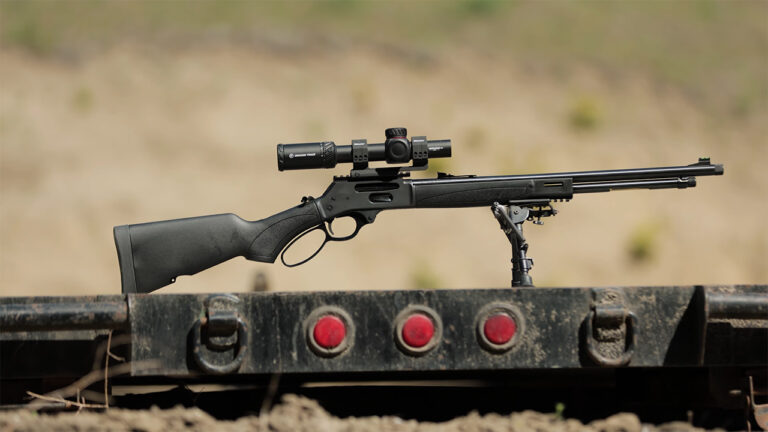
If you prefer an inline rifle with a 209 primer, you are still within the law as long as the powder and projectile go down the barrel. A popular commercial overview of Muzzleloaders in Texas underscores that muzzleloaders must load through the muzzle and confirms that inline muzzleloaders are legal. That aligns with the state’s own definition and gives you flexibility to run a modern, weather-sealed action, saboted bullets, and reliable ignition without stepping outside the primitive-arms framework.
Optics are another area where hunters sometimes assume restrictions that are not actually in the code. Texas does not treat scopes or fiber-optic sights as disqualifying features for a muzzleloader, and the hunter-education material on Muzzleloaders focuses on range and ballistic limitations rather than banning modern sighting systems outright. The practical takeaway is that you can set up a scoped inline rifle that looks and feels like a centerfire deer gun, as long as the loading process still happens entirely through the muzzle.
What counts as a legal firearm and what does not
Beyond the muzzleloader-specific rules, you still have to fit within Texas’s broader firearms framework for hunting game animals. The “Hunting Means and Methods” section on Firearms explains that Game animals and non-migratory game birds may be hunted with any legal firearm, with specific exceptions that include Rimfire Ammunition. Those general rules still apply during the muzzleloader-only season, they are just layered on top of the requirement that your deer gun be a true muzzleloader.
In practice, that means you cannot swap to a .22 rimfire for finishing shots or carry a centerfire sidearm as your primary deer weapon during this window. The same “Means and Methods” section that defines legal muzzleloader seasons also clarifies that the muzzleloader-only deer season is restricted to muzzleloaders and that other firearms do not qualify. You can still carry a lawful handgun for personal protection where allowed, but if you use it to take a deer during this season, you will be outside the regulations that govern the January 5 muzzleloader opener.
Where archery and crossbows fit during the muzzleloader window
Many Texas hunters wonder whether they can keep using their bows once the muzzleloader-only dates arrive. The state’s rules on Archery and Crossbows Lawful equipment specify that lawful archery gear includes compound bows, crossbows, longbows, and recurved bows, and that these tools are legal during general seasons and many special seasons. However, the same section notes that only lawful archery equipment prescribed there may be used for taking game animals or game birds, and it draws a line around the Muzzleloader-Only Deer Season.
The companion rule on Archery and Crossbows emphasizes that Only lawful archery equipment may be used when an archery-only season is in effect, which is a different construct from the muzzleloader-only dates. During the January muzzleloader window, the season name itself signals that muzzleloaders are the intended legal gear, not bows or crossbows, so you should confirm in the current Outdoor Annual whether your county explicitly allows archery during that period before leaving the rifle at home.
County-level muzzleloader listings and antler restrictions
Not every Texas county offers a muzzleloader-only deer season, and those that do often layer on local rules about what you can tag. The statewide page for Muzzleloader Only White-tailed Deer Season lists the counties where this late hunt is available and notes that you must still follow all county-specific bag limits and tagging rules. That means you cannot assume that a buck that was legal during the general season is still legal now, especially in areas with antler-based management goals.
Those goals are spelled out in the state’s Bag limit guidance for antler-restriction counties, which sets a bag limit of 2 bucks and specifies that no more than 1 buck may have an inside spread of 13 inches or greater. In those counties, at least one buck must have at least 1 unbranched antler, and those rules apply regardless of whether you are hunting with a rifle in November or a muzzleloader in January. A separate commercial summary of Special Antler Restrictions reinforces that these limits apply only in certain areas listed in the official Antler County Listings, so your first step before the January 5 opener should be to confirm whether your lease or property falls inside one of those zones.
Licenses, tags, and prep before you load the first charge
Even in a specialized season, the basics still apply: you need the right license, the right tags, and a clear plan for how you will hunt. A practical guide to Texas hunting emphasizes that, Apr reminders aside, you should make sure you have purchased the correct hunting license and any species-specific tags or endorsements Before heading into the field. That advice is especially relevant for the muzzleloader-only window, when you may be down to your last buck tag or trying to match a remaining antlerless tag to a specific county.
Preparation also means checking your gear against the official muzzleloader-season listing, not just your own memory. The state’s page on the Muzzleloader season type explains that this is a distinct category with its own dates and county eligibility, and that you must still follow all general hunting regulations. That includes confirming legal shooting hours, making sure your hunter-education requirements are satisfied, and verifying that your muzzleloader, powder, and projectiles all meet the state’s definition of legal equipment before you ever pour a charge down the barrel.
Practical field tips to stay safe and legal with a muzzleloader
Once you are in the field, the quirks of muzzleloaders demand a slightly different mindset than centerfire rifles. The hunter-education material on Muzzleloaders notes that effective range is seldom beyond 100 yards, which should shape how you pick stand locations and how you judge shot opportunities. You will need to get closer, account for slower lock times and heavier bullets, and be disciplined about passing on marginal angles that a modern rifle might handle more easily.
Safe loading and unloading are just as critical to staying legal and avoiding accidents. Because you are pouring powder and seating bullets by hand, you are responsible for ensuring that every charge is correct and that you never double-load a barrel. The broader “Means and Methods” rules for Muzzleloaders make clear that the state expects you to treat these firearms with the same respect as any other legal hunting gun, which includes keeping the muzzle pointed in a safe direction, using only approved propellants, and unloading before you transport the firearm in a vehicle or climb into a stand. If you combine that safety discipline with a clear understanding of what counts as legal gear, the January 5 muzzleloader-only window can be one of the most rewarding, and least crowded, hunts of your Texas season.
Like The Avid Outdoorsman’s content? Be sure to follow us.
Here’s more from us: