
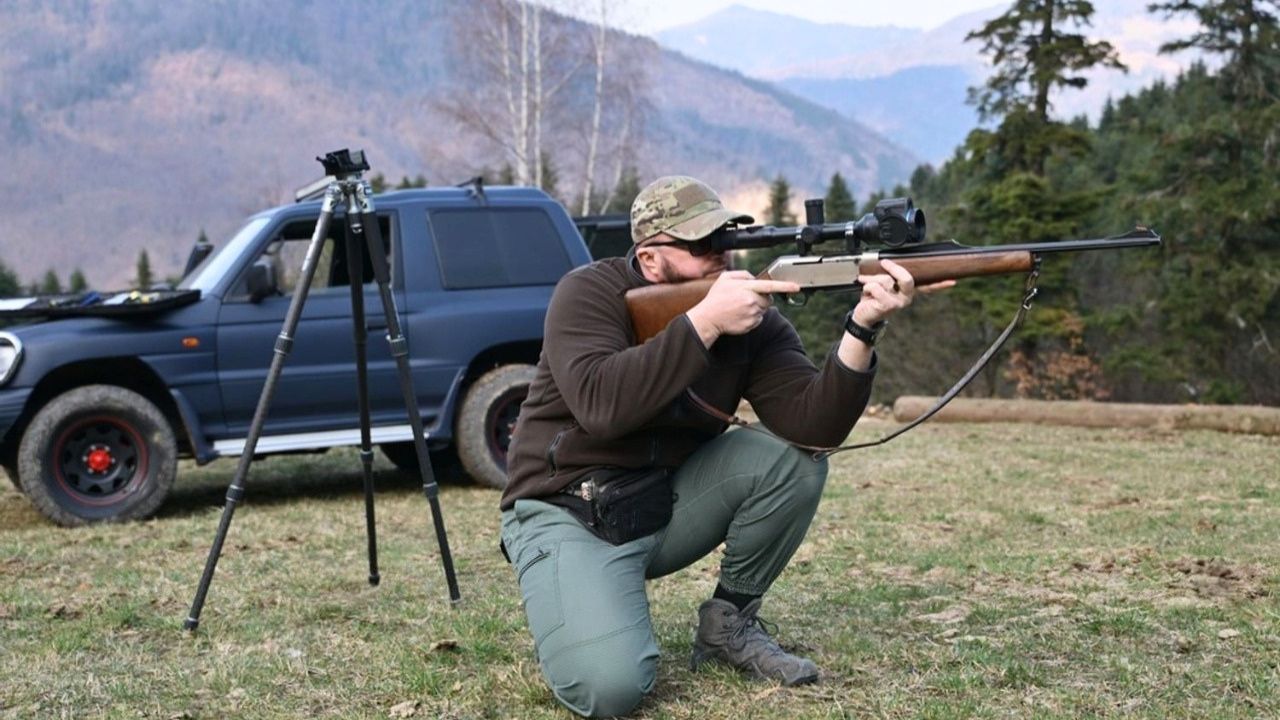
Photo credit: Dotshock/Shutterstock.com
There are few things more frustrating than getting into position, settling in, and then hearing footsteps coming straight through the exact area you’re trying to hunt. Maybe it’s the same person every time. Maybe it’s someone new who doesn’t realize what they’re doing. Either way, once it becomes a pattern, it stops feeling like bad luck and starts feeling like a real problem. A setup only works if it stays relatively undisturbed, and repeated foot traffic cuts right through that. It changes movement, spreads scent, and makes it harder to trust what you’re seeing—or not seeing—after the fact. The mistake a lot of hunters make is treating each incident like a one-off instead of recognizing when it’s turning into a habit. If someone keeps walking through your setup, it’s not just ruining a sit here and there. It’s actively breaking down the way that area functions over time.
What makes this tricky is that not every situation is the same. Sometimes it’s a shared property where access routes overlap. Sometimes it’s public land where multiple hunters are working similar areas. Sometimes it’s someone who truly doesn’t realize how their path lines up with your setup. But other times, it’s just poor awareness—or worse, someone who doesn’t care enough to adjust. Before you can fix the issue, you need to understand which kind of situation you’re dealing with. Reacting the same way to every scenario usually makes things worse. The goal isn’t just to stop the immediate disruption. It’s to figure out how to keep it from becoming the new normal.
Figure out whether it’s a route problem or a behavior problem
The first thing to sort out is why it keeps happening. Is this person using the same entry and exit route every time? Are they cutting through your setup because it’s the easiest path to where they want to be? Or are they moving unpredictably and just happening to cross your area again and again?
If it’s a route issue, then the problem might be less personal than it feels. They’re likely following a path that makes sense to them, even if it’s a terrible fit for your setup. If it’s a behavior issue—where someone is wandering, cutting through without thinking, or ignoring obvious setups—then you’re dealing with something that requires a more direct approach. Knowing the difference keeps you from overreacting to something that could be solved with better positioning or communication.
Accept when the setup is already compromised
One of the biggest mistakes hunters make is trying to force a hunt after it’s already been disrupted. Once someone has walked through your setup, especially at close range, the situation has changed. Movement patterns may shift, scent is spread, and the area is no longer as clean as it was.
Staying put out of stubbornness usually doesn’t fix anything. It often just leads to a long, frustrating sit where you’re hoping things go back to normal when they already won’t for that window. Recognizing when a setup is compromised allows you to make a better decision—either adjust your position, shift to a backup plan, or get out clean and save the area for another time.
Pay attention to timing patterns
If this keeps happening, there’s usually a pattern behind it. Maybe the same person comes through at a certain time each morning. Maybe movement picks up after daylight, or right before dark. Those patterns matter because they give you something to work with instead of just reacting every time it happens.
If you can anticipate when someone is likely to pass through, you can adjust your own timing or location to avoid the worst of the disruption. It’s not always ideal, but it’s better than being caught off guard over and over again. Hunters who adapt to patterns tend to stay more effective, even when dealing with pressure from other people.
Don’t let frustration turn into bad decisions
It’s easy to get irritated when this keeps happening, especially if it feels careless or disrespectful. But reacting emotionally—moving aggressively, trying to “hold your ground,” or making noise to push someone out—usually creates more problems than it solves.
The goal is still to hunt effectively, not to win a standoff. Letting frustration take over often leads to rushed decisions, poor movement, and situations that can escalate unnecessarily. Staying controlled keeps you thinking clearly and helps you make better adjustments instead of reacting in the moment.
Address it clearly if it’s a repeat issue
If the same person keeps walking through your setup and it’s clearly not just a one-time overlap, it may need to be addressed directly. That doesn’t mean turning it into a confrontation. It means making the situation clear enough that it can’t be misunderstood.
A simple, direct conversation about where you’re set up and how the current route is affecting things is often enough. Many hunters will adjust once they realize what’s happening. If they don’t, then you’re dealing with someone who’s choosing not to, and that tells you how to approach future situations.
A setup only works if you can protect it
At the end of the day, a hunting setup isn’t just about location—it’s about consistency. Repeated disruption breaks that consistency. If someone keeps walking through your setup, you either need to adjust how you’re hunting that area or address the situation so it stops happening.
Ignoring it won’t fix it. Getting frustrated won’t fix it. The only way forward is recognizing the pattern and making changes that keep your hunt intact.
Like The Avid Outdoorsman’s content? Subscribe to our newsletter so you never miss an article.
Here’s more from us:


