Photo credit: GUNS/YouTube
Estate sales are funny. You’ll see a stack of cast-iron skillets priced like they’re rare museum pieces, and then a perfectly good rifle sitting in a corner with a tag that makes you do a double-take. Most organizers are trying to move a house full of stuff in two days, and firearms are one of those categories where one little detail—an import mark, a pinned barrel, an oddball magazine, an “unfired” box—can swing the value hard.
What I’ve noticed is the same handful of guns get priced wrong over and over. Sometimes they’re tagged too high because they “look tactical” or old. Other times they’re basically given away because they’re “just a .22” or “just a pump shotgun.” If you’re the buyer, you still need to know your local laws, keep your muzzle discipline, and don’t get in a hurry. But if you’re walking estate sales this fall, these are the ones that tend to get mis-tagged the most.
1. Marlin Model 39A

Estate sale tags often treat this like any other .22 lever gun, and that’s where the mistake starts. A clean 39A has a smooth, slick action and a reputation that’s been earned over a lot of squirrel seasons. They don’t make them like they used to, and they sure don’t replace easy when you finally decide you “want one again.”
Condition matters a ton—especially the bore and whether it’s been “stored in a closet” with a little too much humidity. But even honest wear doesn’t automatically make it cheap. If you see one priced like a generic rimfire, that’s usually a sign the organizer doesn’t know what it is.
2. Winchester Model 94 (pre-1964)
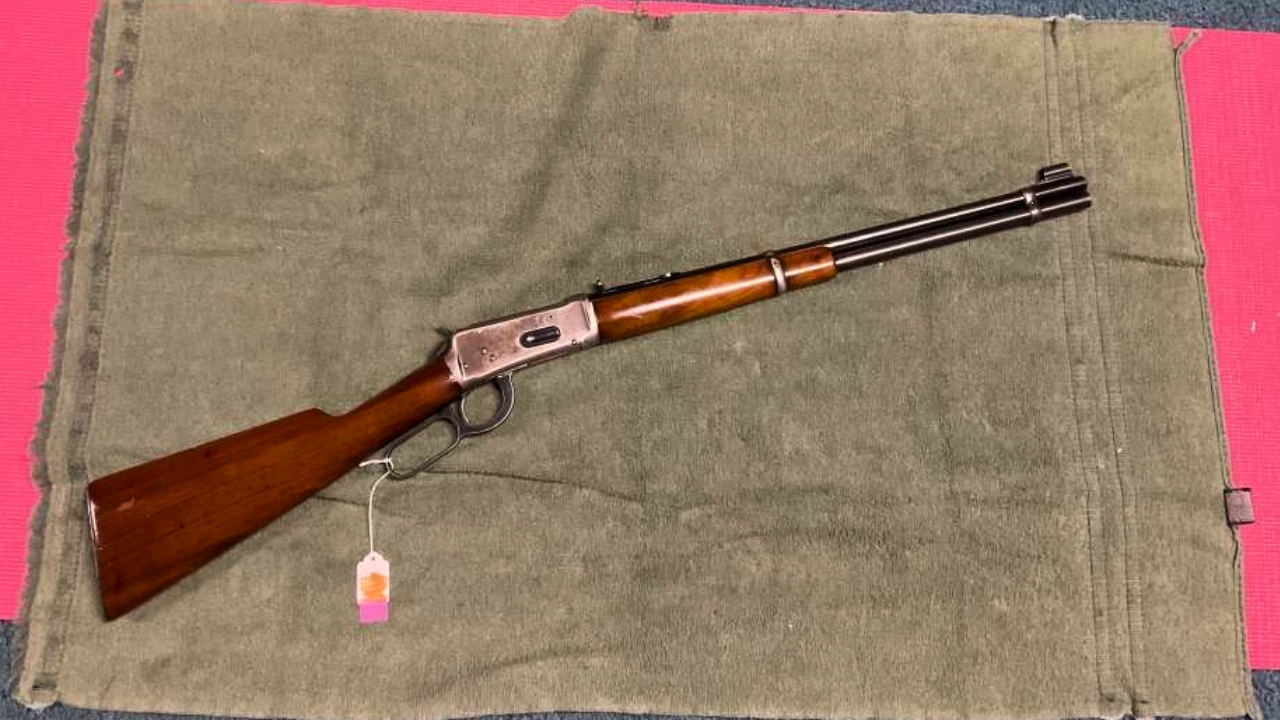
The Model 94 is so common that it gets shrugged off, but pre-’64 guns still carry a different feel. The metal finish, the fit, the way the lever closes up—there’s a reason folks hunt them. Estate sale pricing tends to swing wild here: either too high because “it’s old,” or too low because “it’s just a deer rifle.”
Look at the details. A pre-’64 in a standard chambering with decent wood and no hacksaw work belongs in the “think hard before you pass” category. A drilled-and-tapped, refinished, mystery-sling-swivel gun is a different story.
3. Ruger 10/22
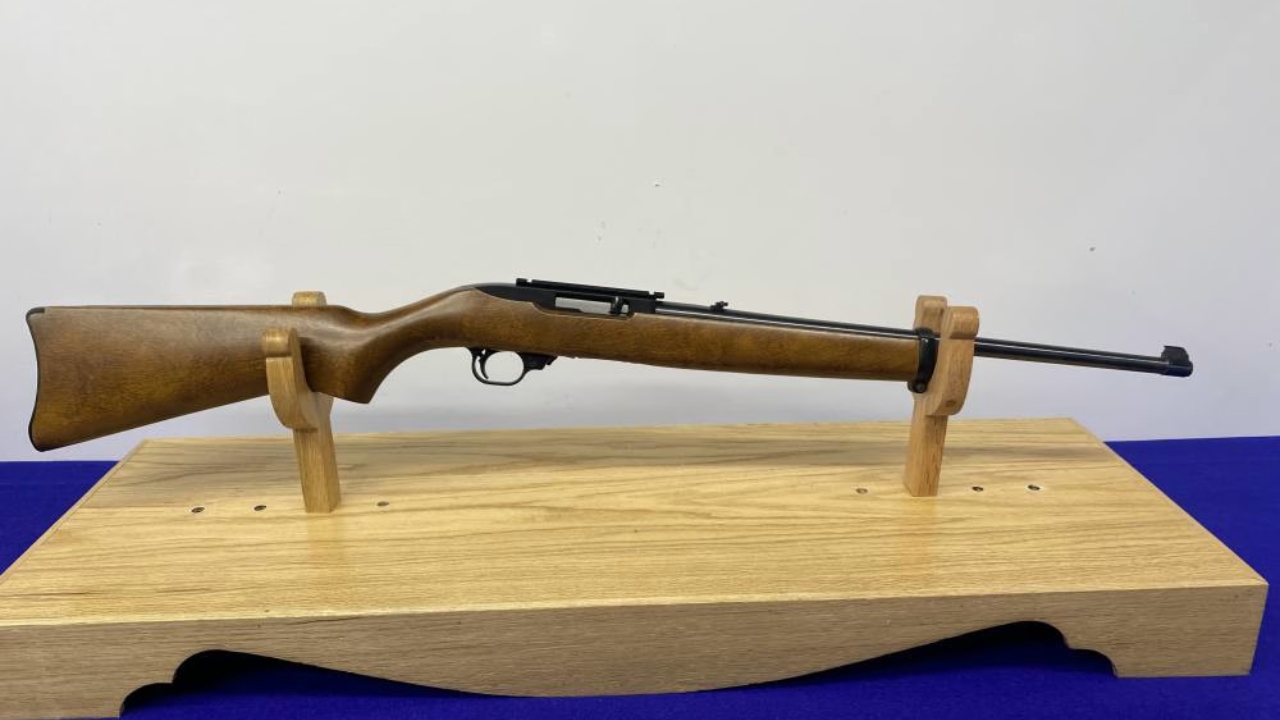
Organizers will price a used 10/22 like a toy, then slap a premium on a cheap scope that came with it. The reality is a basic 10/22 is always useful, and older walnut-stock guns are just nicer than the bargain-bin synthetic stuff a lot of us started with.
Here’s where the other mistake happens: they’ll see aftermarket parts and assume it’s worth a fortune. A beat 10/22 with a bargain barrel and a duct-tape cheek pad isn’t “custom,” it’s just been messed with. Original, clean, and simple is where the value is.
4. Colt Python

This one gets overpriced by people who’ve heard the name, but it also gets underpriced when it’s tucked in a drawer and written up as “.357 revolver.” Pythons have a look and a trigger feel that draws collectors and shooters alike, and the market has stayed strong even with new production out there.
Estate sales also miss the condition nuance. Finish wear, timing, and whether it’s been fanned or abused matters. Still, if you stumble into one tagged like a generic wheelgun, don’t stand there debating the internet.
5. Smith & Wesson Model 29
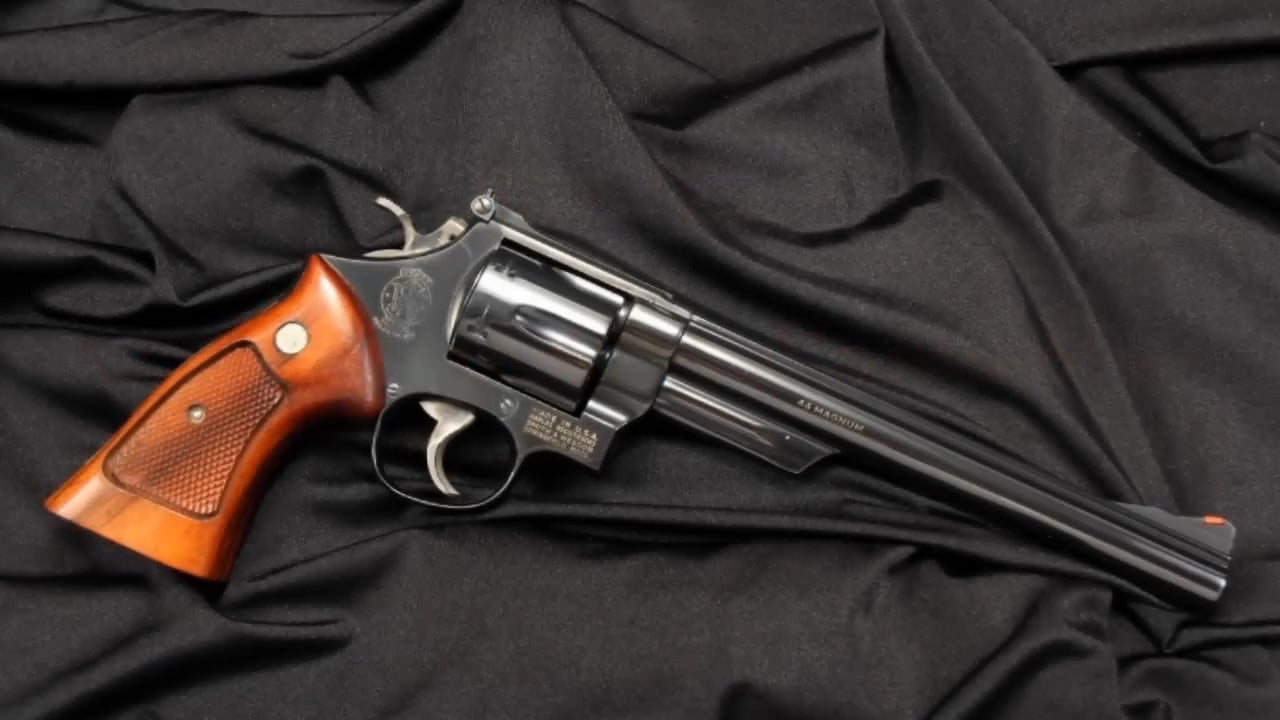
The .44 Magnum fame makes these easy to misprice, just in different directions. Some organizers crank the tag to the moon because they recognize “Model 29.” Others price it like any large-frame revolver because it’s “too big to carry,” which is true and also beside the point.
Older pinned-and-recessed guns, especially in clean shape, are where the collector interest lives. Even for regular shooters, they’re a joy with sensible loads. If it locks up tight and hasn’t been “gunsmithed” by somebody’s cousin, it’s not usually a throwaway buy.
6. Smith & Wesson Model 19
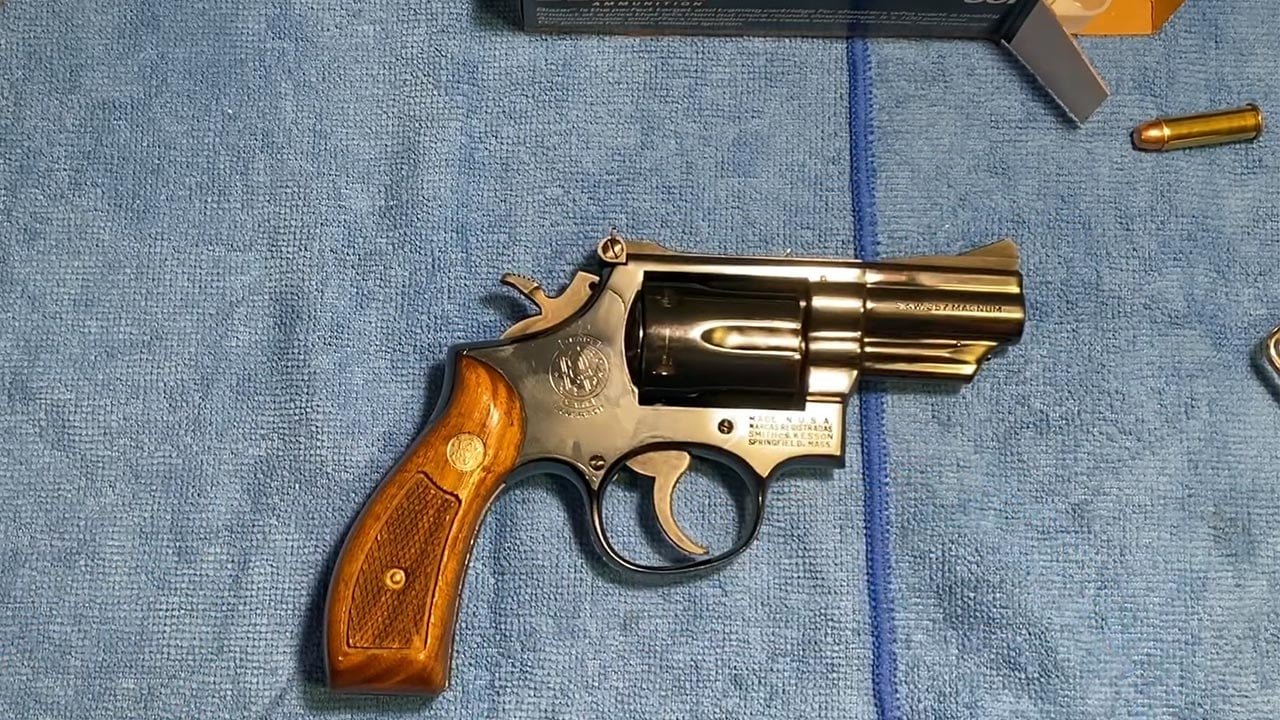
If you want a revolver that actually carries well on the hip and doesn’t feel like a boat anchor, the Model 19 is hard to beat. Estate sales constantly miss that it’s not just “another .357.” It’s one of those guns that balances right, points natural, and makes you want to shoot it.
They also get overpriced when sellers assume all “old Smiths” are gold. A lot depends on condition, barrel length, and whether it’s been run hard with heavy magnums for decades. But the pricing mistakes happen enough that it stays on my watch list.
7. Ruger Blackhawk (three-screw models)
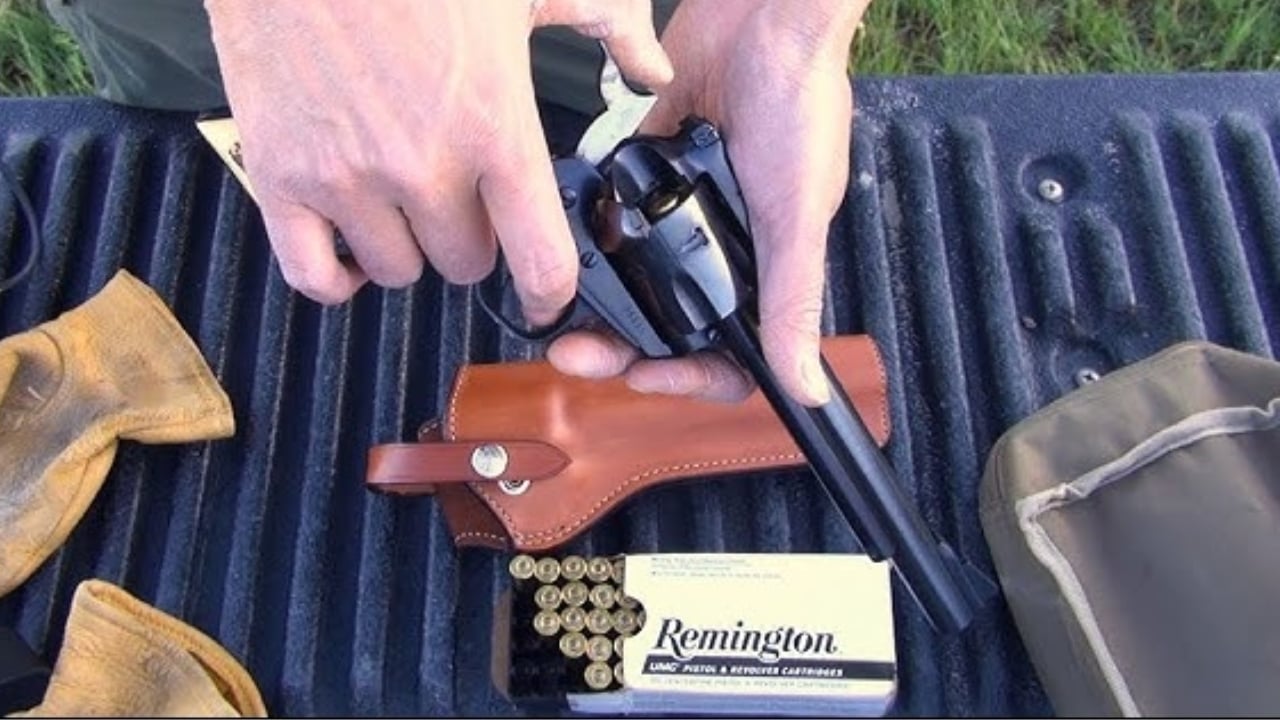
Single-actions get ignored at estate sales because they don’t look practical in a world full of polymer pistols. That’s exactly why the tags can be soft. Older three-screw Blackhawks have collector interest, and they’re also just plain fun in the field—especially as a trail gun.
Watch for the transfer-bar conversion note and any homemade action work. A clean, honest three-screw with the right box and paperwork can be a sleeper. And even without the extras, it’s often priced like a curiosity when it shouldn’t be.
8. Remington 870 Wingmaster
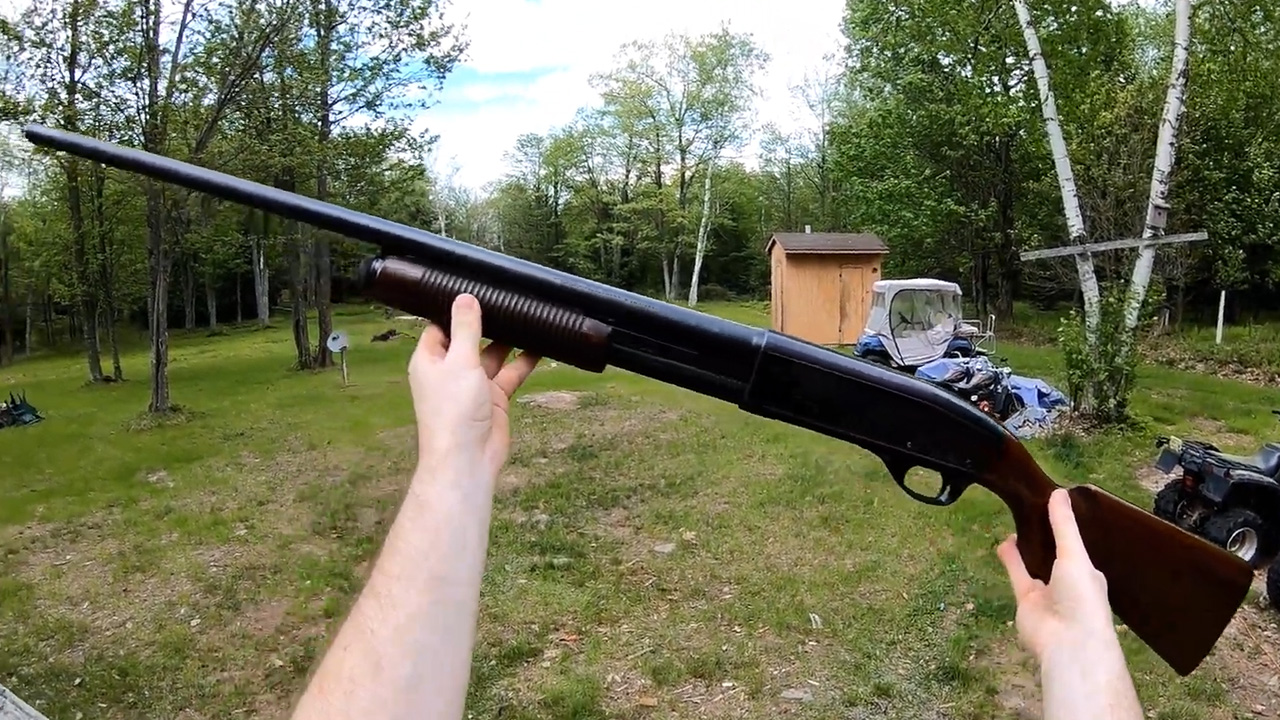
The words “Remington 870” make organizers think “common,” and they’re not wrong. But a Wingmaster is not the same thing as a later budget-grade Express that’s been rode hard. Older Wingmasters cycle like they’re on ball bearings, and they last through real use.
Estate sale pricing often treats all 870s the same. That’s where you can win or lose. If the tag doesn’t separate Wingmaster from Express, you need to do that homework yourself with a quick look at finish, markings, and overall fit.
9. Ithaca 37

Bottom-eject shotguns don’t get enough respect until you hunt in nasty weather or shoot from awkward positions. The Ithaca 37 is one of those “if you know, you know” guns, and estate sale crews often don’t know.
They see an old pump with a plain barrel and price it accordingly. But a clean 37 is light, quick, and slick. It’s a real bird gun, and it’s a real working gun, not just a nostalgia piece.
10. Browning Auto-5
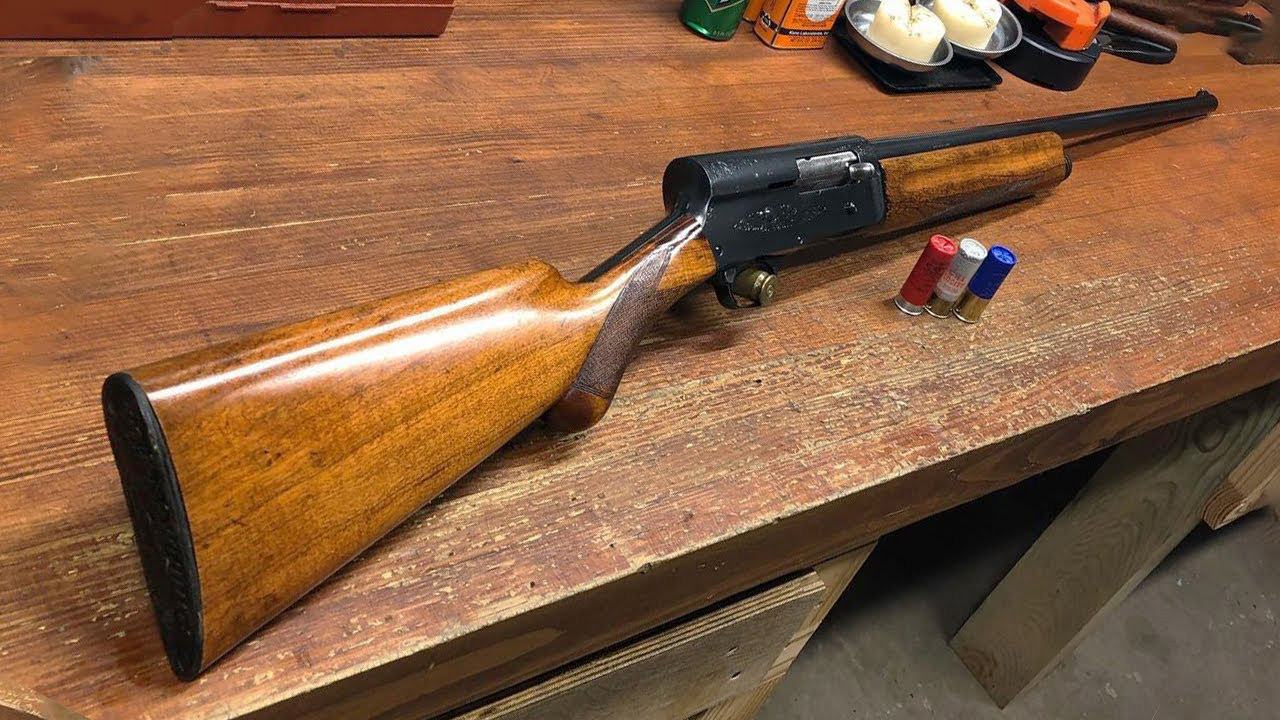
The A5 gets priced wrong both ways. Some tags are sky-high because it looks iconic and old-school. Other times it’s discounted because it’s “complicated” or “kicks,” and the organizer doesn’t want to deal with it.
Here’s the deal: condition, gauge, and country of origin matter a lot, and the friction-ring setup confuses folks who aren’t used to it. But a well-kept Auto-5 is still a serious shotgun. If it’s clean and complete, it’s rarely junk.
11. Browning BAR
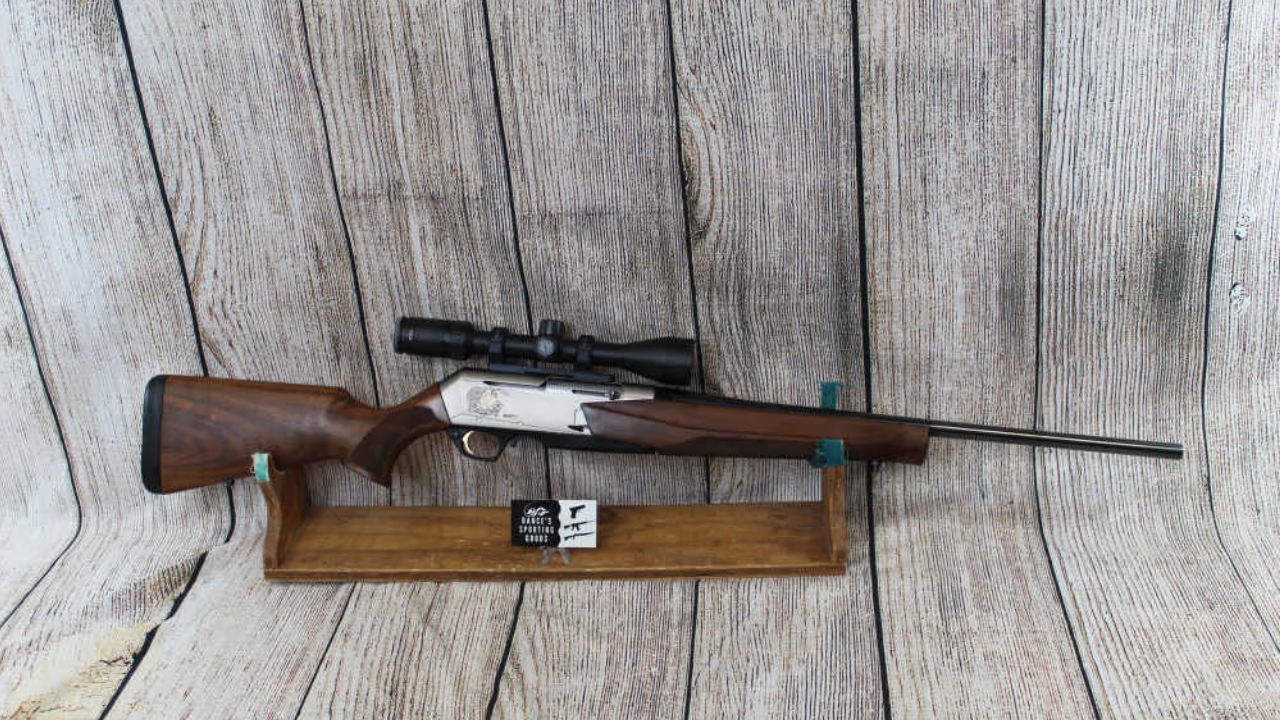
Not the modern sporting version—I’m talking about the classic hunting BAR. Estate sales regularly price these like any semi-auto deer rifle, which ignores how well they shoot and how expensive they are to replace. They’re not light, and they’re not trendy, but they flat work.
They also get overpriced when a seller assumes “Browning” automatically means premium money regardless of wear. Check the stock for cracks, look over the scope mounts, and make sure you’re not buying somebody’s neglected safe queen that was never cleaned.
12. Ruger Mini-14 (older series)
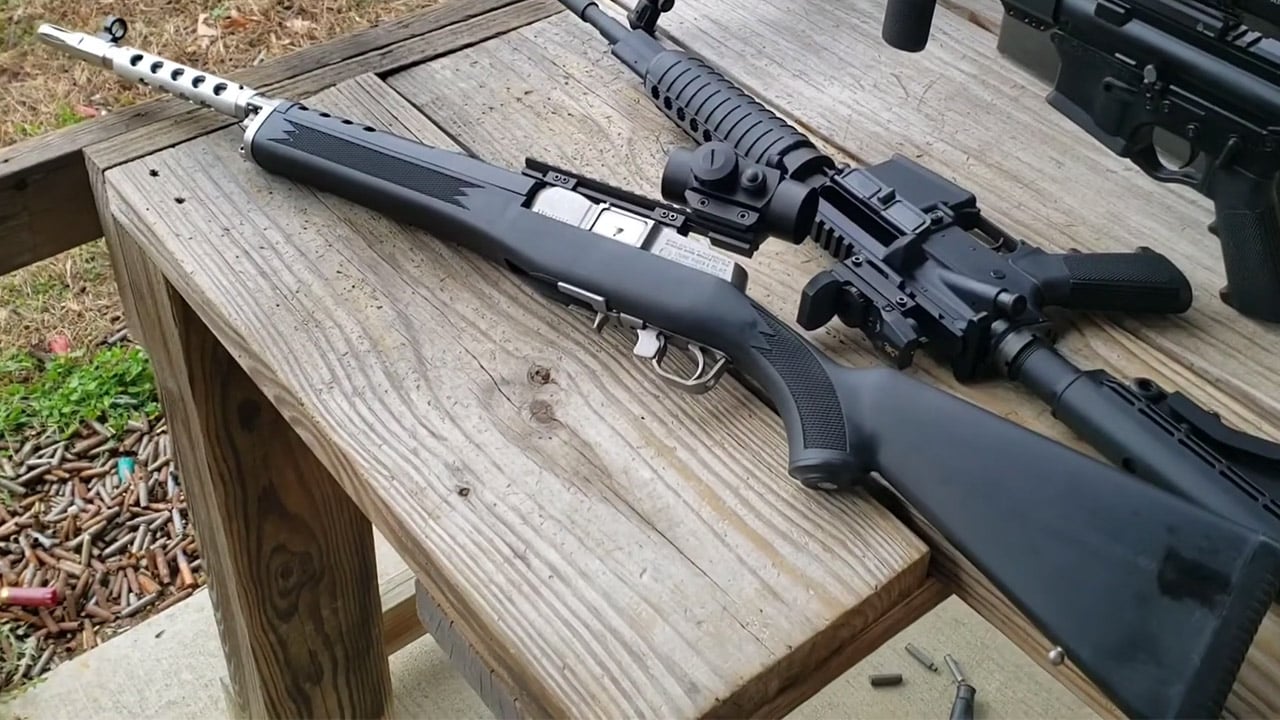
Organizers see a Mini-14 and think “little ranch rifle” and price it like a .22 on steroids, or they see anything semi-auto and go full panic-price. Minis live right in the middle. Older thin-barrel guns aren’t benchrest rifles, but they’re handy, reliable, and magazines are easier now than they used to be.
The estate sale mistake is ignoring which series it is and what comes with it. Original Ruger mags matter. A Mini with a couple factory mags and a decent mount setup is worth more than the same rifle with a cardboard box full of questionable aftermarket mags.
13. SKS (Russian and early imports)

The SKS is the poster child for “used to be cheap.” Estate sale organizers still price them like it’s 2005, especially if they see a plain wood stock and no “tactical” parts. Then someone else walks in, recognizes markings, and it’s gone.
On the flip side, a bubba’d SKS with a plastic stock and detachable mags isn’t a collector gem just because SKS prices moved up. Original configuration and matching numbers are the difference between a fair deal and a hard pass.
14. Mosin-Nagant 91/30

This is another one where the market moved and some folks didn’t get the memo. Estate tags still show “old Russian rifle” pricing, and then the ammo situation and general collector interest tells a different story. A decent 91/30 with clean markings and a good bore is not rare, but it’s not free either.
What also happens is organizers see a hex receiver or a neat sling and add a premium without understanding what actually drives value. If you’re buying one to shoot, bore condition and headspace history matter more than a dusty bayonet.
15. Swiss K31

A K31 at an estate sale is the kind of thing that makes me slow down and look twice. They often get priced like any old bolt gun because it “looks military.” But the Swiss didn’t build junk, and K31s tend to have excellent bores and surprising accuracy.
Ammo availability and cost is part of the equation, and so is matching numbers and overall condition. Still, the common estate sale miss is not recognizing it at all. If you’ve ever shot one, you understand why they don’t sit long when priced right.
16. M1 Garand (CMP-era rifles)
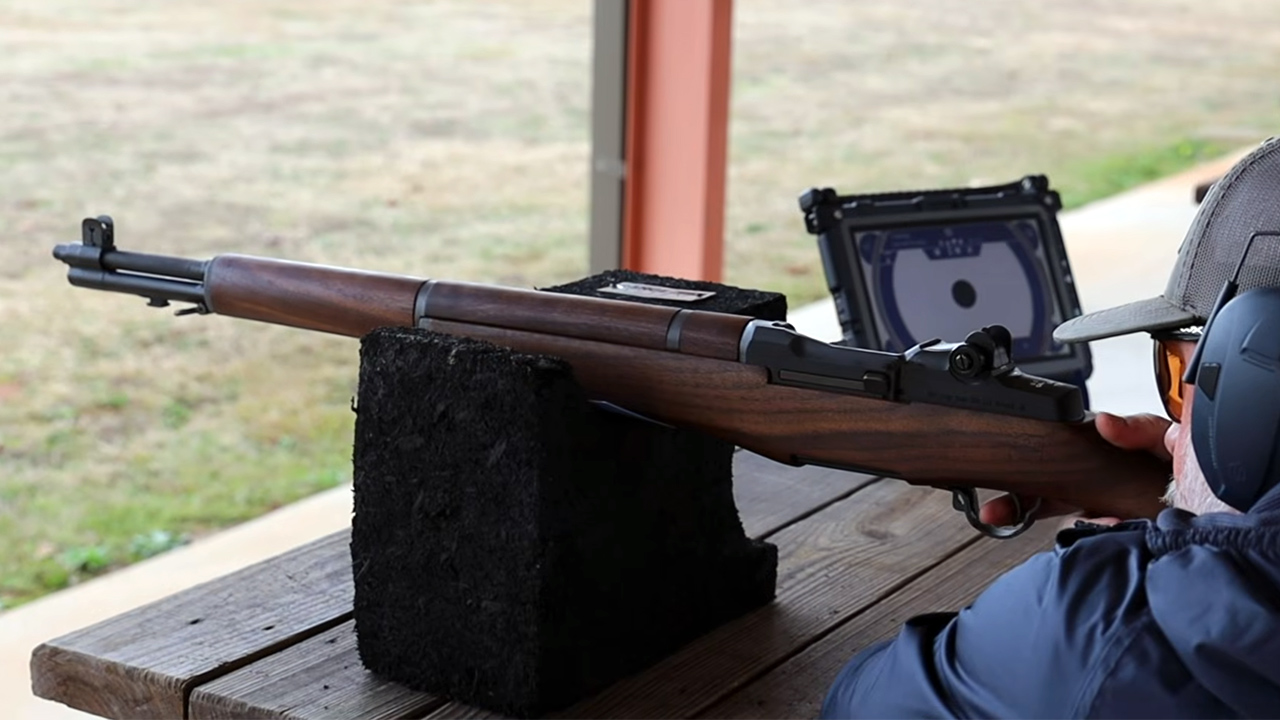
If an organizer knows what it is, it’s sometimes tagged like it’s made of gold. If they don’t, it can be written up as “old Army rifle” with a number that makes no sense. Either way, you need to be careful here because the details matter: manufacturer, parts, condition, and whether it’s been altered.
A Garand is also one of those rifles where “complete package” changes things. En blocs, slings, paperwork, and spare parts add up. If it’s a real, honest rifle and it’s priced like a generic surplus gun, that’s a rare estate sale mistake you don’t see every weekend.
17. Springfield Armory M1A (standard models)
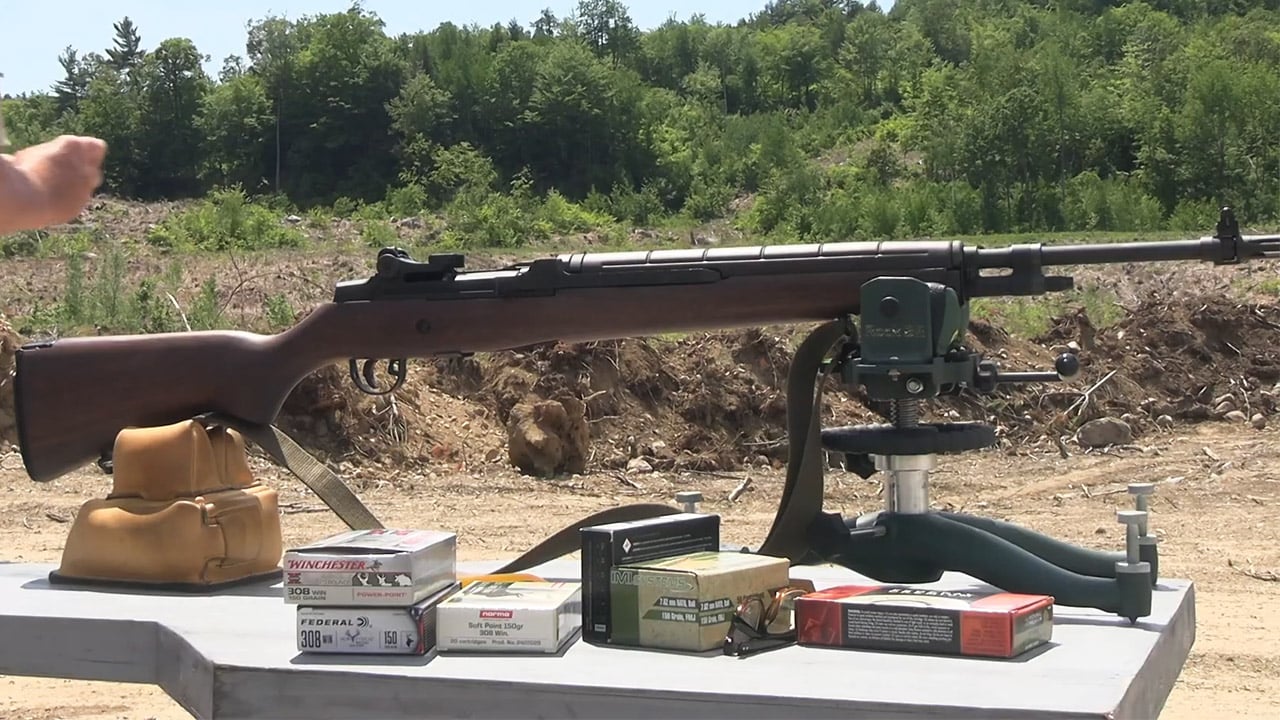
M1As get treated like an AR that someone forgot to modernize. Estate sale tags sometimes come in low because it’s “heavy” and “old school.” True. It’s also a capable rifle with a strong following, and the cost to replace a clean one isn’t small.
Where pricing goes sideways is optics and accessories. A cheap scope in a questionable mount doesn’t add real value, but good mags and a quality mount do. And if the rifle has been “tuned” by an unknown hand, price should come down, not up.
18. Colt AR-15 SP1

Vintage ARs are their own rabbit hole, and estate sale organizers usually don’t want any part of that. The SP1 in particular can be mis-tagged because it just looks like “an AR,” and to the untrained eye, all ARs look the same.
Collectors care about markings, configuration, and originality. A real SP1 in correct trim is not the same as a parts gun in an SP1-style. If you see one priced like a generic used AR, it’s worth a closer look before you walk away.
19. Glock 19 (Gen 3 and early Gen 4 packages)
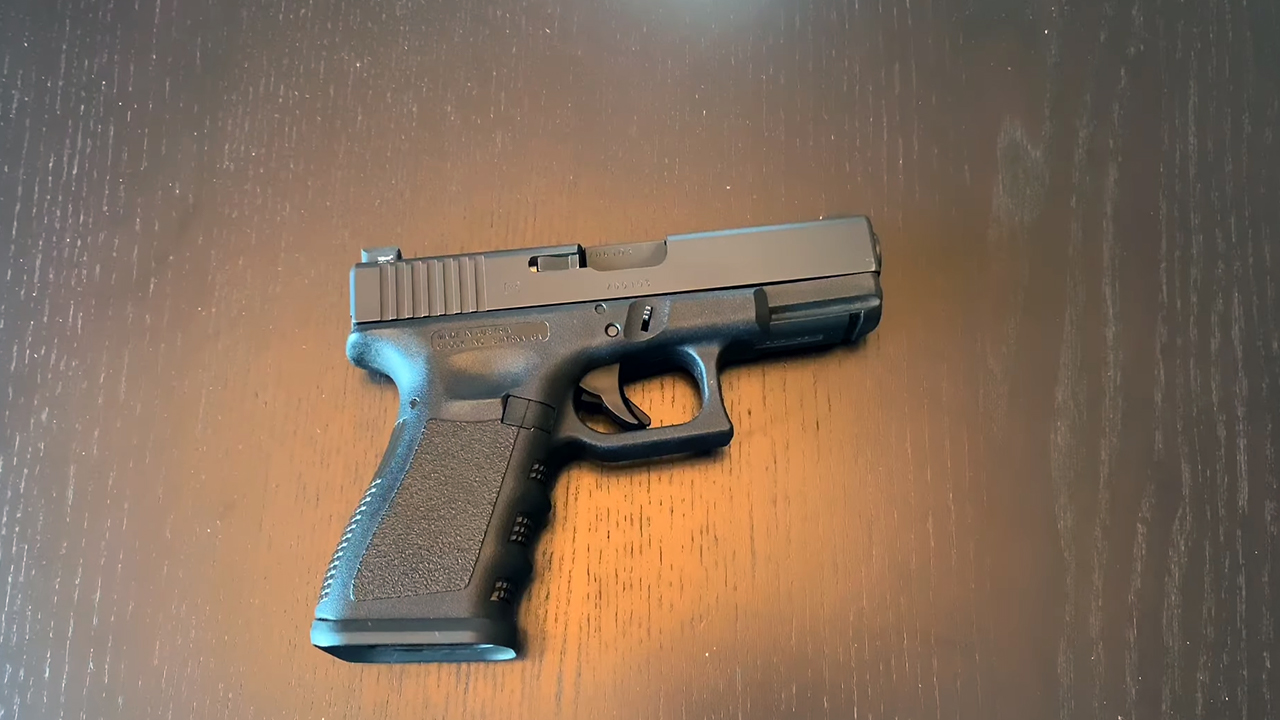
Modern pistols can still be estate sale bargains, and the Glock 19 is the classic example. Organizers often price it too low because it’s “used plastic,” or too high because it’s “a Glock,” like it’s a collector item. In reality, it’s a workhorse and the value is in condition and what’s included.
Extra factory mags, night sights that aren’t dead, and original case stuff can make a real difference. Also, beat-to-death police trade-ins exist for a reason. A clean Glock with minimal holster wear is a different animal than one that looks like it lived in a glove box for ten years.
20. Ruger SP101
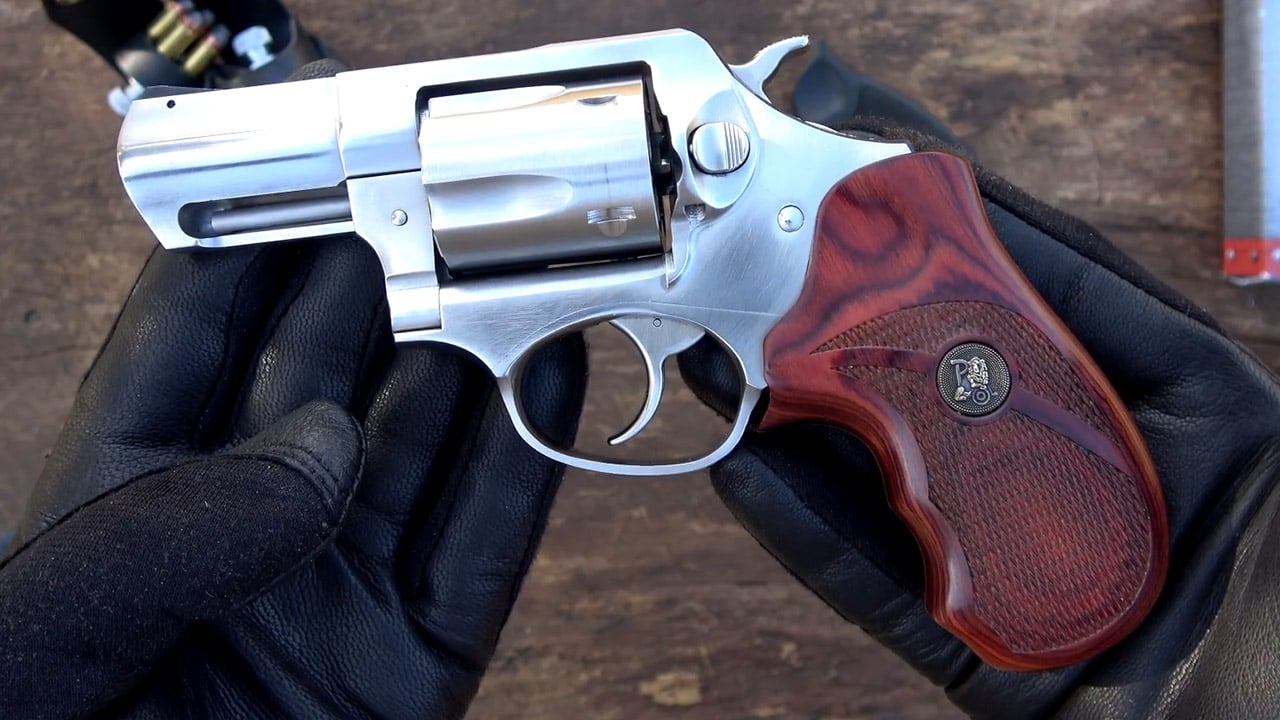
The SP101 gets underpriced because it’s not flashy. It’s not a big-frame .357, and it’s not a slick old-school K-frame, either. It’s just a tough little revolver that takes abuse, carries well, and keeps going.
Estate sale crews will lump it in with “small revolvers,” especially if it’s got a short barrel. But if you’ve ever tried to find a good used SP101 at a fair number, you know they don’t always sit. They’re the kind of gun you buy once and then wonder why you ever sold the last one.
If you’re hunting estate sales for firearms, don’t get hypnotized by the tag. Check the model markings, look for original configuration, and be honest about what you’re buying it for—collector piece, hunting tool, or just a range buddy. And if you’re the one helping a family price a safe, do them a favor and take five minutes to identify what’s actually there. That little bit of homework is the difference between fair value and an avoidable mistake.
Like The Avid Outdoorsman’s content? Be sure to follow us.
Here’s more from us: