Photo credit: 704 TACTICAL/Youtube
I have bought rifles for the same reason most of us do: a season is coming, a buddy is talking up a new cartridge, or I found a “deal” that felt like I was getting away with something. Then you carry it up a ridge, fight a sticky bolt in the rain, or realize your magazines are unicorns, and the shine wears off fast.
If I could go back and talk to my younger self at the gun counter, these are the rifles I’d steer him toward first. Not because they’re trendy, but because they’re the kind that keep working, keep making sense, and don’t turn into safe clutter after the new-gun excitement fades. Ask me how I know.
1. Ruger American Rifle (Standard model)

This is one of those rifles that feels almost too plain to recommend until you’ve owned one. The stock is basic, the finish isn’t fancy, and it won’t impress the guy who only buys rifles with high-gloss walnut. Then you start stacking decent groups with factory ammo and you realize boring can be beautiful.
It’s also light enough to carry without feeling like you brought a fence post to the woods. The rotary mags are easy to live with, the action is smoother than it has any right to be at the price, and if it gets a scratch you don’t need to hold a funeral.
2. Tikka T3x Lite
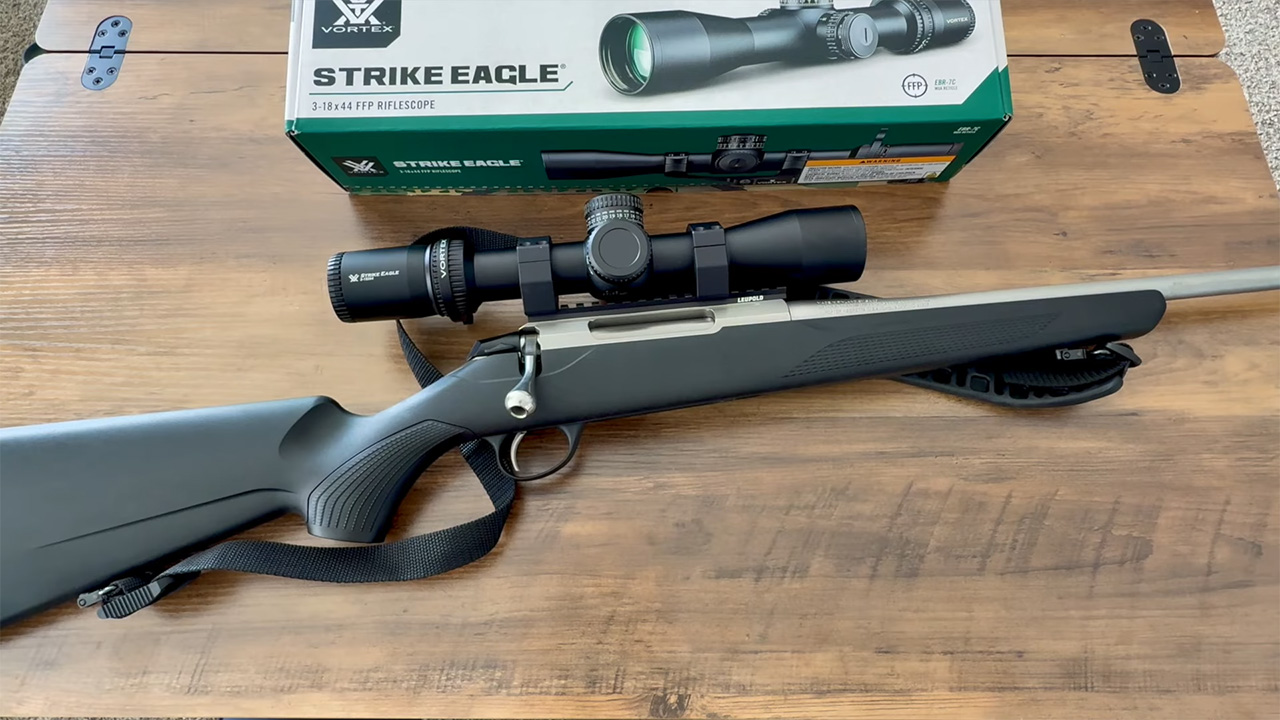
If you’ve ever fought a rough, gritty bolt on a cold morning with gloves on, a Tikka feels like somebody finally did you a favor. The bolt lift is easy, the feed is boringly reliable, and the trigger usually comes good right out of the box.
It’s not the cheapest route, but it’s often the cheapest way to stop buying “almost good enough” rifles. They carry well, they shoot, and they don’t make you chase fixes. The downside is you’ll start judging other actions harshly.
3. Savage 110 (modern AccuTrigger models)
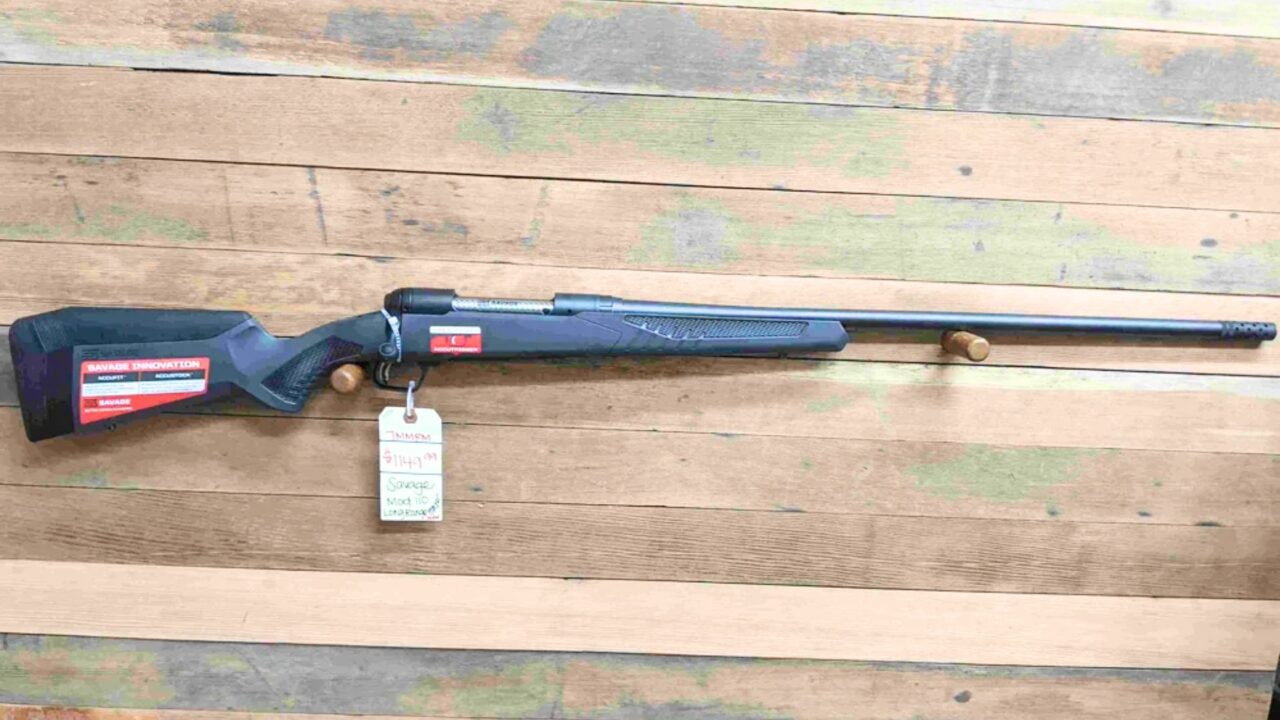
There’s a reason you see so many of these leaning in the corner of deer camps. They aren’t sexy, and they won’t win a beauty contest, but the accuracy-to-dollar ratio is hard to argue with.
The AccuTrigger helps a lot of shooters get the most out of the rifle without paying a smith. And if you’re the type who eventually changes stocks, swaps optics, and tinkers, the 110 is one of the easiest “regular guy” rifles to grow with.
4. Remington 700 (older, well-kept examples)
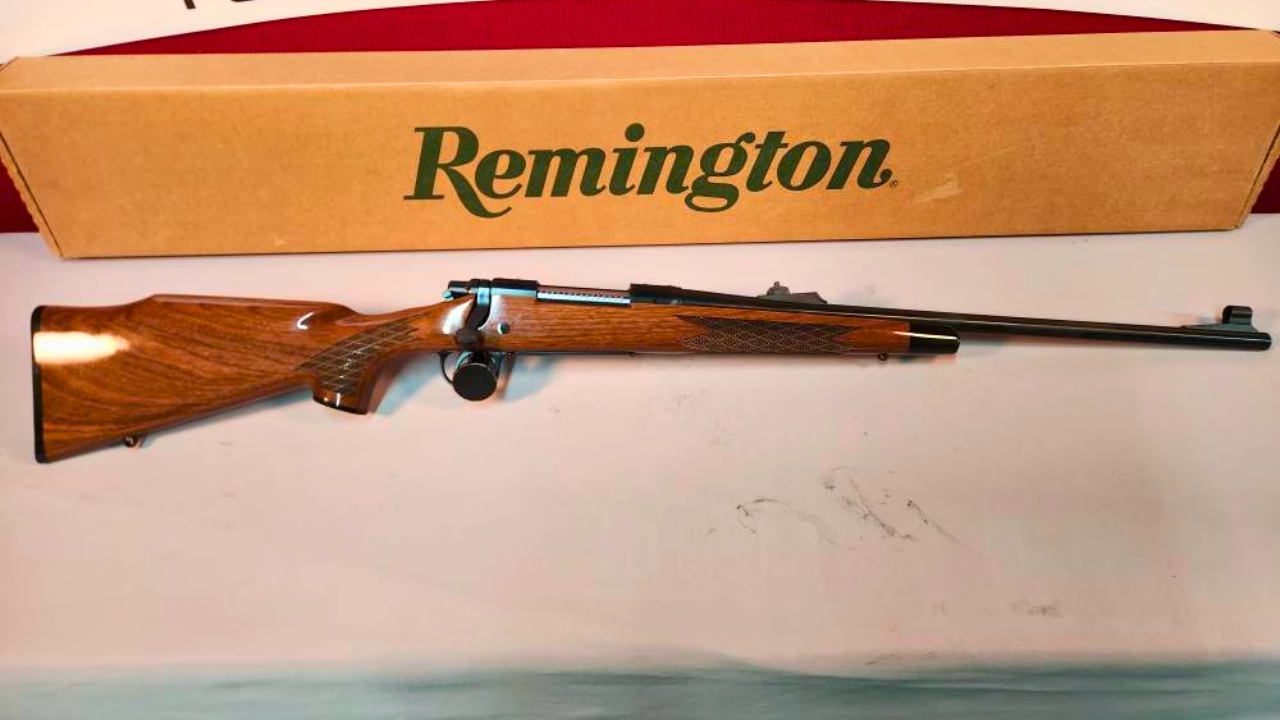
I’m talking about clean older rifles, not a mystery gun with a questionable past. When you find a good 700, it just points right. The safety and bolt feel are familiar to a whole generation of hunters for a reason.
Parts and support are everywhere, and if you ever decide to build something more custom later, the 700 footprint is still the highway everyone drives on. Just be honest about what you’re buying and give any used rifle a proper inspection before you trust it.
5. Winchester Model 70 (Featherweight)
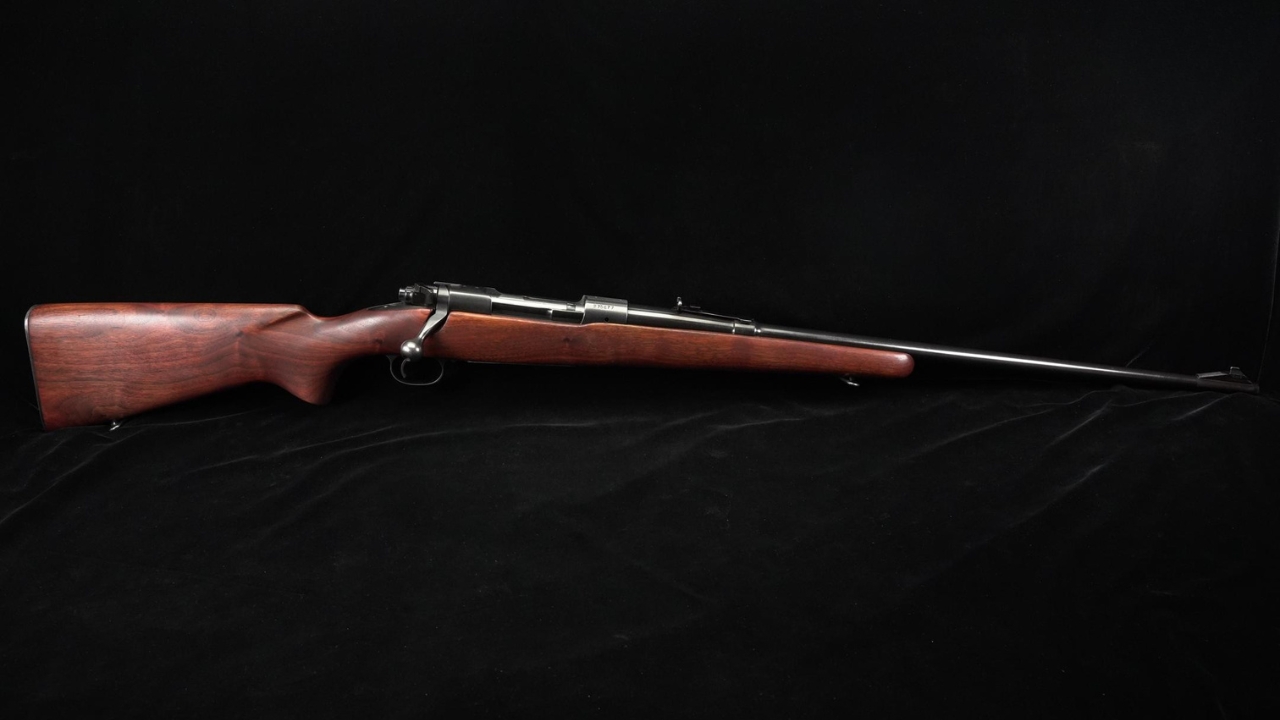
This is one of those rifles that makes you want to slow down and hunt right. It carries easy, balances well in one hand, and it feels like a real rifle instead of a tool made out of leftovers.
The controlled-round-feed setup has a reputation for staying reliable when things get dusty, wet, or rushed. Is it necessary for every hunt? No. Is it nice when you’re tired and a bull steps out and your brain turns into a dial-up modem? Yep.
6. Ruger Hawkeye (M77)
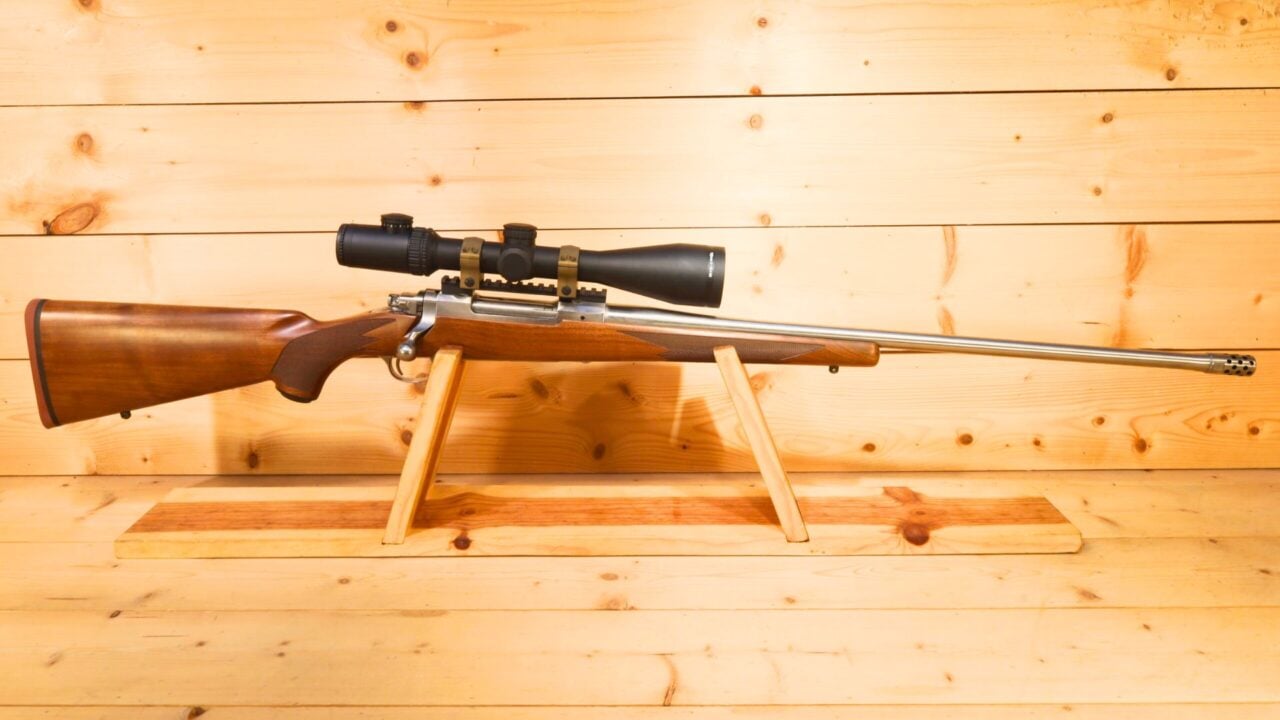
Rugers aren’t always the slickest actions, but they’re tough, and they handle being treated like a hunting rifle instead of a safe queen. If you hunt hard—truck racks, four-wheelers, rain, snow—this one fits that life.
The Hawkeye has a no-nonsense feel and usually feeds like it means it. It’s not the rifle I pick when I’m trying to win a benchrest match. It is absolutely one I’d pick when I want a rifle that just rides along all season.
7. CZ 457 (Varmint or American)

Every outdoorsman needs a serious .22 LR, and I took too long to admit it. A good rimfire gets you more trigger time for less money, and it sharpens you up in a way a centerfire never quite does.
The 457 line shoots, the magazines are easy, and the whole rifle feels tighter and more refined than the price suggests. If you hunt squirrels, shoot steel, or just want to stay practiced when ammo costs climb, this is a smart buy.
8. Ruger 10/22 Carbine
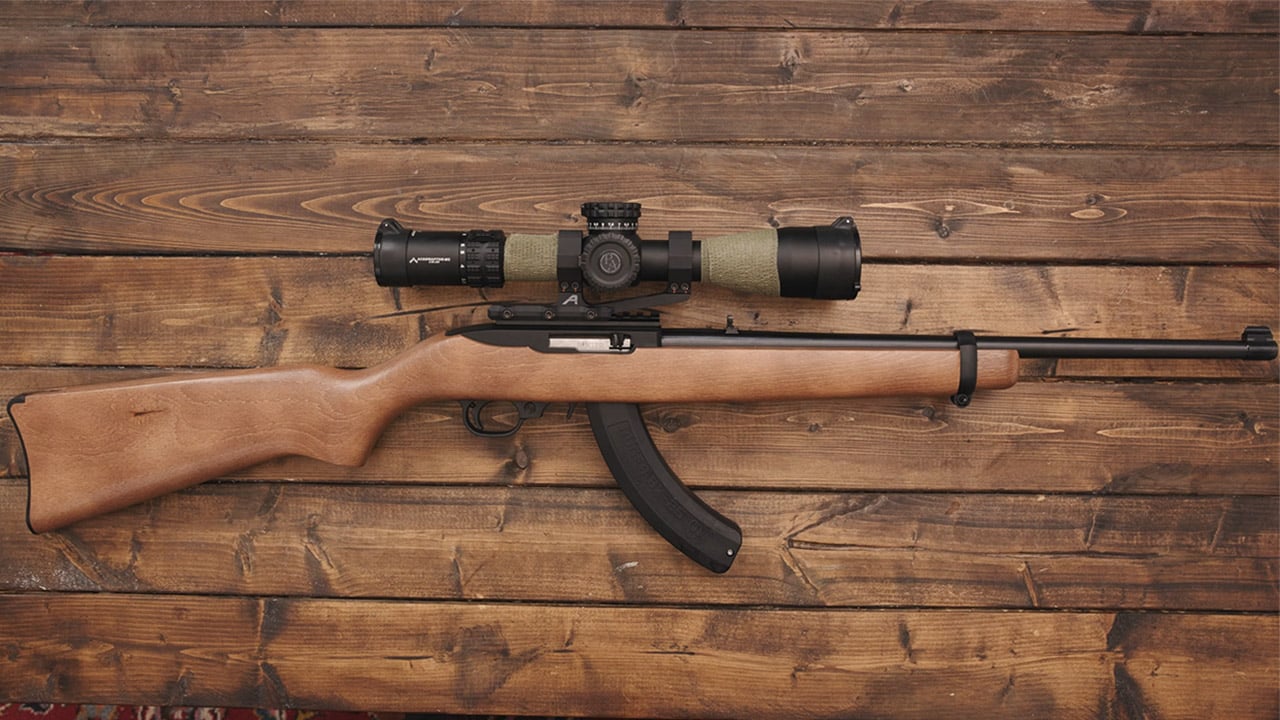
There’s nothing fancy about it, and that is kind of the point. It’s the rifle that goes behind the truck seat for pest control, gets handed to new shooters, and still ends up being the most-used gun on the property.
Mags are everywhere, parts are everywhere, and you can keep it stock or tinker forever. Just don’t let a cheap scope ruin the experience. A decent optic turns it from “fun” into “useful.”
9. Marlin 336 (JM-stamped, if you can find one)

Lever guns do something to a man’s brain. They carry like a walking stick, they come to the shoulder fast, and in thick woods they make a whole lot of sense.
A good 336 is the kind of rifle you regret selling the first time you have to push through brush with a long bolt gun. They aren’t all equal, so condition matters, but a solid one is still one of the best “real hunting” rifles ever made.
10. Henry Big Boy X Model
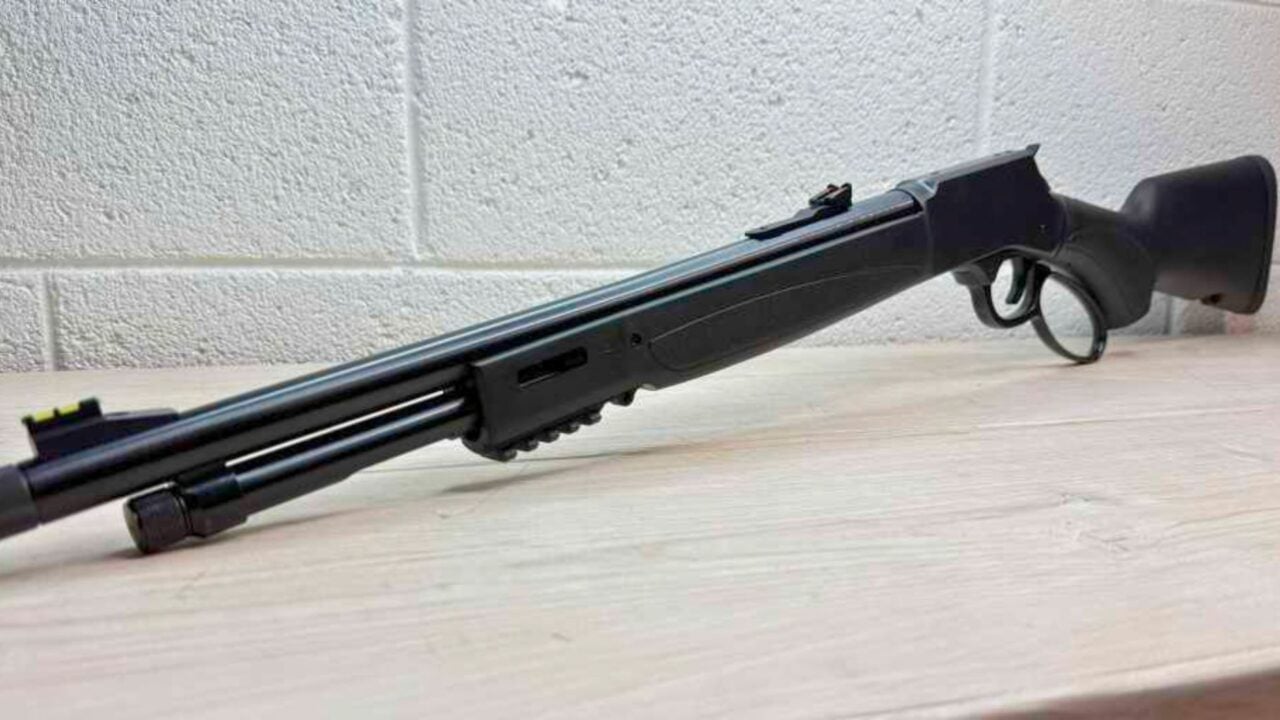
This is the modern lever gun that actually works for the way a lot of us hunt now—scoped, suppressed in some places, and carried in rough weather. It’s handy without feeling like a toy.
The furniture and sights are set up for practical use, not just nostalgia. If you want a lever gun that can play double duty around the place and still go to the deer woods, this is a strong answer.
11. Mossberg MVP Patrol

A bolt gun that takes AR magazines sounds gimmicky until you realize how easy it makes life. Magazines are common, replacements are cheap, and you can run the same mags you already own.
The Patrol balances well for a compact rifle and makes a solid “ranch” setup where the rifle might ride in a vehicle and still need to shoot straight when a coyote pops out. Not a bench gun, but it doesn’t need to be.
12. Ruger Gunsite Scout Rifle

I get why some guys roll their eyes at “scout” anything, but this rifle has saved a lot of people from their own bad buying habits. Short, handy, and built around practical shooting positions, not fantasy scenarios.
The detachable mags are a real advantage in the field and at the range, and it’s one of the few rifles that feels equally at home in the truck, on a sling, or leaned by the back door (stored safely, of course). It’s not the lightest option, but it carries better than the scale suggests.
13. Bergara B-14 HMR

If you want a rifle that can hunt and also let you learn real precision fundamentals, this one bridges that gap without acting fragile. The stock and barreled action combination tends to shoot, and it tends to keep shooting.
It’s heavier than a mountain rifle, no question. But from field positions, that weight can be your friend. It calms down wobble and makes extended range time less punishing.
14. Howa 1500 (Hogue or barreled action builds)
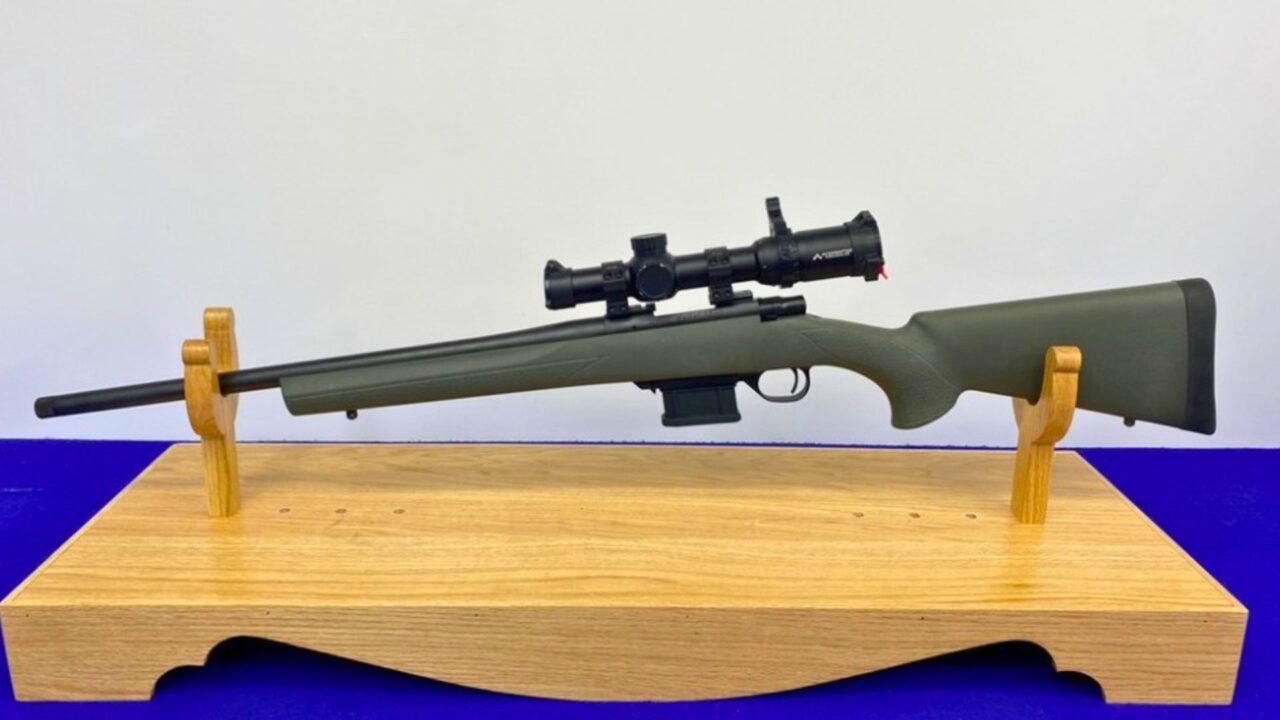
Howa rifles are one of the best “quiet wins” out there. The actions feel solid, they generally feed well, and the barrels have a good reputation for shooting better than the price tag suggests.
This is also a smart choice for the guy who might start with a simple hunting rifle and later drop it into a different stock or chassis. It’s an easy platform to build into something nicer without starting over.
15. Springfield Armory M1A (Standard model)
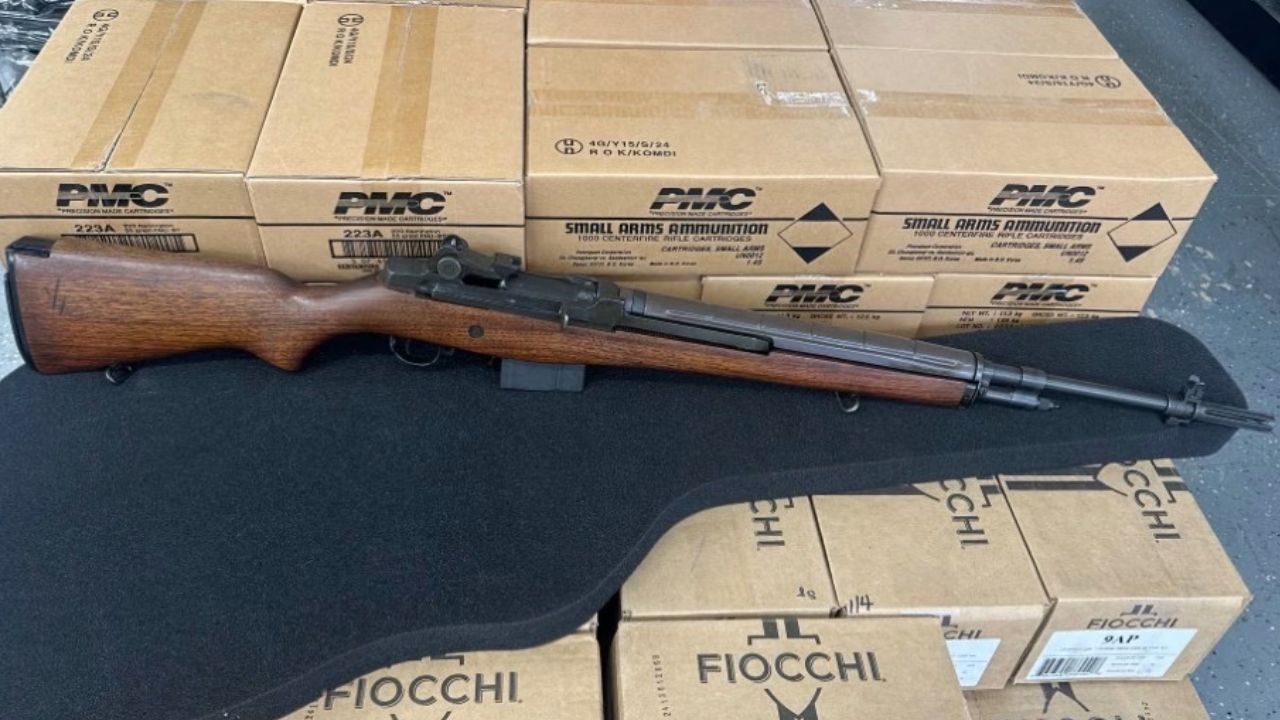
This one isn’t about being the most practical rifle per dollar. It’s about owning a rifle that feels like a rifle, runs with authority, and makes range days more satisfying.
It’s heavier, magazines cost more than you want them to, and it isn’t as easy to mount optics on as modern platforms. Still, the standard M1A has a way of sticking around once you buy it, because it does what it does well.
16. Ruger Mini-14 Ranch Rifle (580-series and newer)

Mini-14s used to get dumped for accuracy complaints, and some of that was deserved on older versions. The newer guns are a different story, and for a lot of rural properties a handy .223 that isn’t an AR fits the local vibe better.
They carry great, point fast, and are simple enough that you’ll actually grab them when something needs dealing with. The key is buying good magazines. Cheap mags turn a good rifle into a headache.
17. Colt LE6920
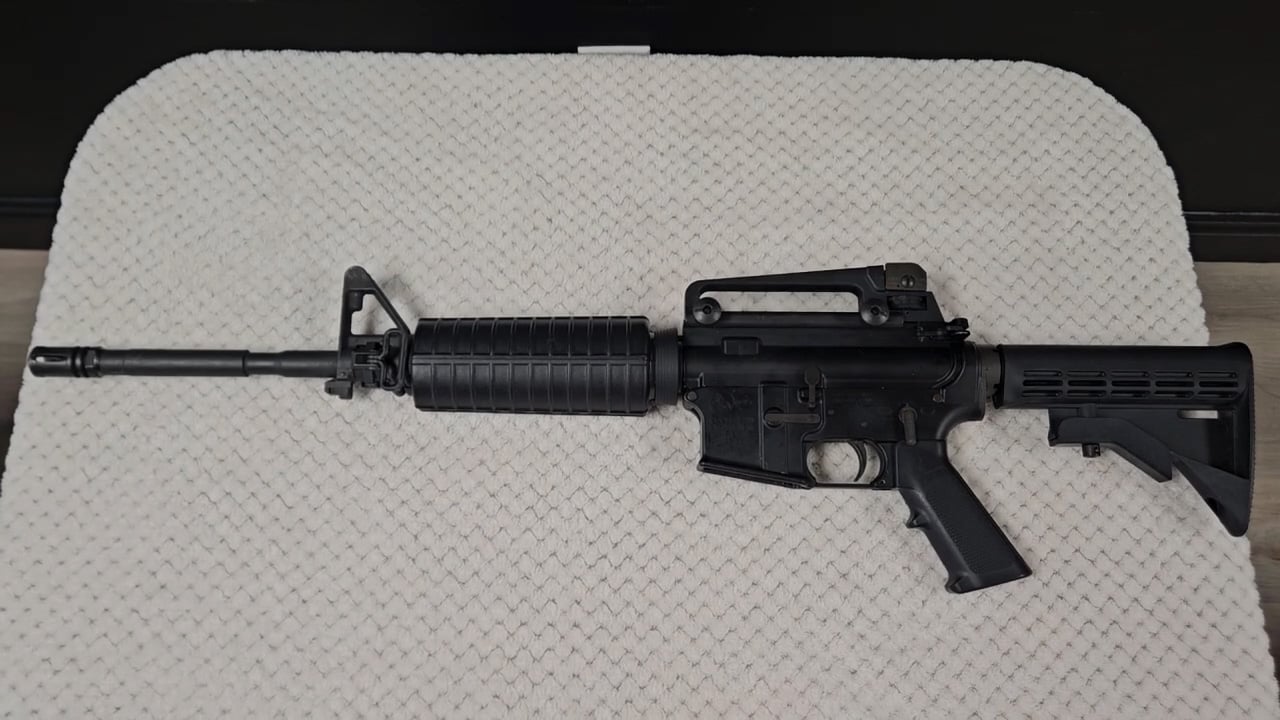
If you’re going to own one AR as a baseline, this is the kind of rifle that keeps you from learning hard lessons the expensive way. It’s not flashy. It’s just a known quantity.
Parts compatibility is as close to “standard” as it gets, and if something breaks, it’s not an Easter egg hunt for replacements. There are plenty of good ARs now, but a 6920 has been a steady reference point for years for a reason.
18. BCM Recce-16 (Bravo Company)
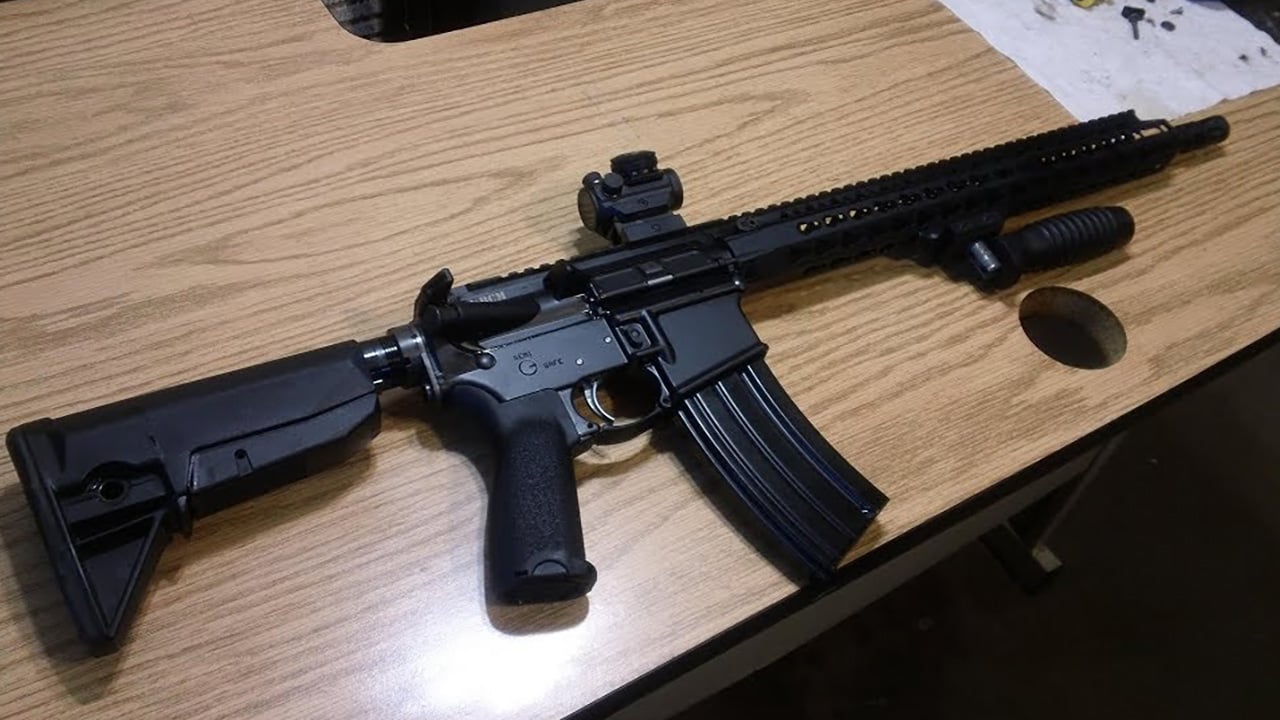
This is the AR I wish more folks would buy instead of three bargain rifles and a box of frustration. The build quality shows up in the little stuff: staking, fit, and how the gun runs when it gets hot and dirty.
It’s not cheap, and you can absolutely kill deer and coyotes without it. But if you want a rifle you can train with hard and trust, BCM has a track record that’s hard to ignore.
19. Daniel Defense DDM4 V7

I’ve watched guys buy an entry-level AR, chase malfunctions with different buffers and mystery magazines, and then end up here anyway. That one hurts because it’s money spent twice.
The DDM4 V7 is a “buy once, cry once” rifle for a lot of owners. It’s light enough to carry, accurate enough for realistic distances, and built in a way that doesn’t feel like it’ll shake loose after a few thousand rounds.
20. Christensen Arms Ridgeline

When weight matters and you’re hunting country that punishes extra pounds, a true mountain rifle is worth understanding. The Ridgeline isn’t for everybody, and it’s definitely not a budget pick, but the carry comfort is real.
The trick with lightweight rifles is accepting that they can be more finicky about shooting technique and recoil feel. Still, when you’re a couple miles in and climbing, you stop caring about internet arguments and start caring about ounces.
If you noticed a pattern here, it’s this: the “right” rifle usually isn’t the one with the most hype. It’s the one that carries without annoyance, shoots without excuses, and doesn’t require a side hobby in troubleshooting. Buy fewer, buy smarter, and spend the rest of your money on ammo, tags, and time outside.
Like The Avid Outdoorsman’s content? Be sure to follow us.
Here’s more from us: