
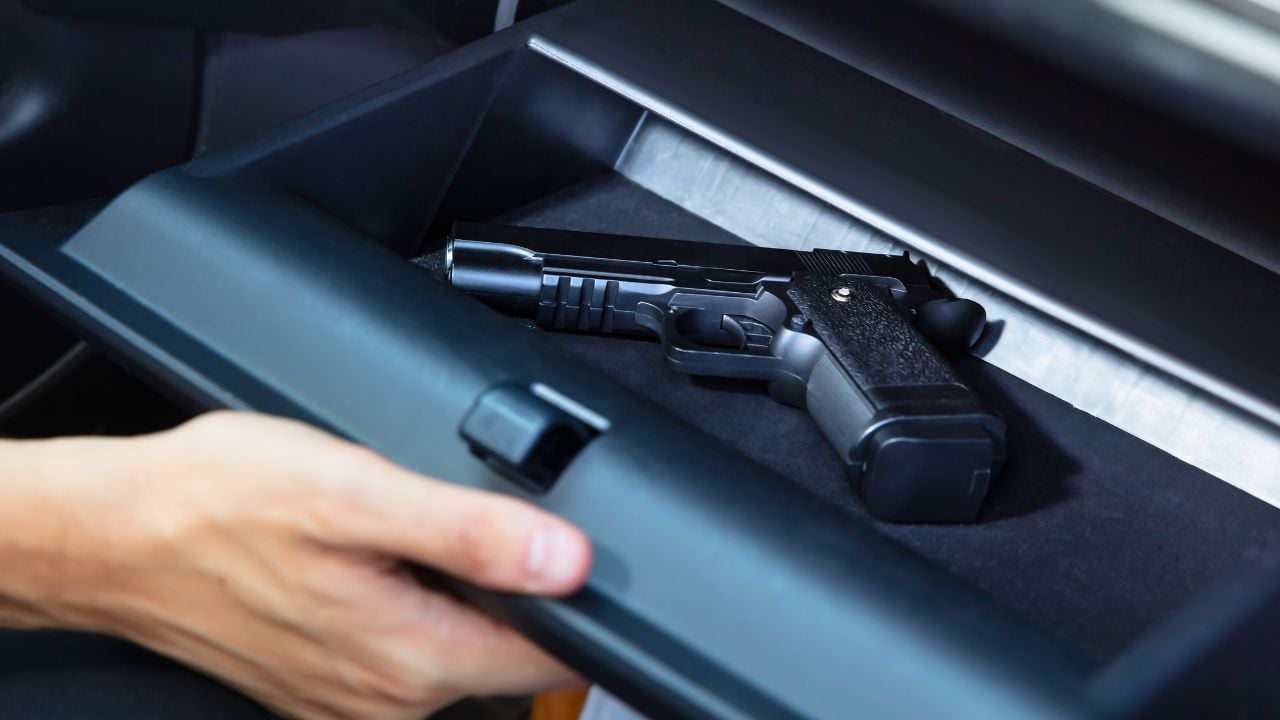
Photo credit: Andrey_Popov/Shutterstock.com
Remote mountain driving is funny that way. You can leave pavement with a full tank, a good attitude, and a thermos of coffee, and an hour later you’re staring at a washout, a dead cell phone, and weather rolling in like it owns the place. I like getting back in there for hunting and fishing access, but I also like getting home on Sunday with the same truck I left with.
This isn’t a “prepper” fantasy list. It’s the stuff that keeps a minor problem from becoming an all-day ordeal, and keeps a bad situation from turning into a real emergency. Here are the 20 things I want in the truck any time I’m heading through lonely mountain country.
1. Full-size spare tire (and the tool kit that actually fits)
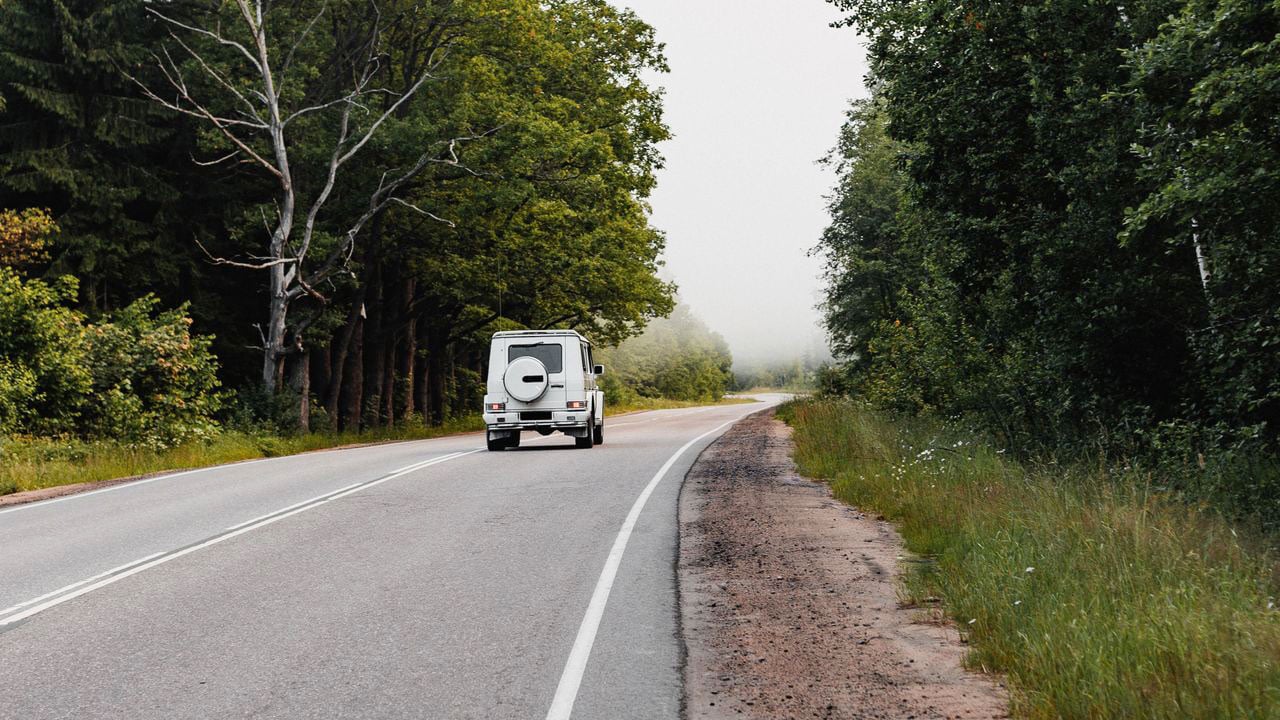
Don’t tell me you’ve got a spare if it’s a donut and you’re headed into rock country. A donut is for limping to the next exit, not crawling ten miles of sharp shale and ruts. I want a real spare with proper pressure, not a 12-year-old tire that’s been baking under the bed since the last administration.
And I want to know the jack works on uneven ground and that the lug wrench fits my lug nuts. Aftermarket wheels and swollen factory lug nuts have a way of making “simple” tire changes miserable. Ask me how I know.
2. Plug kit and a 12V air compressor
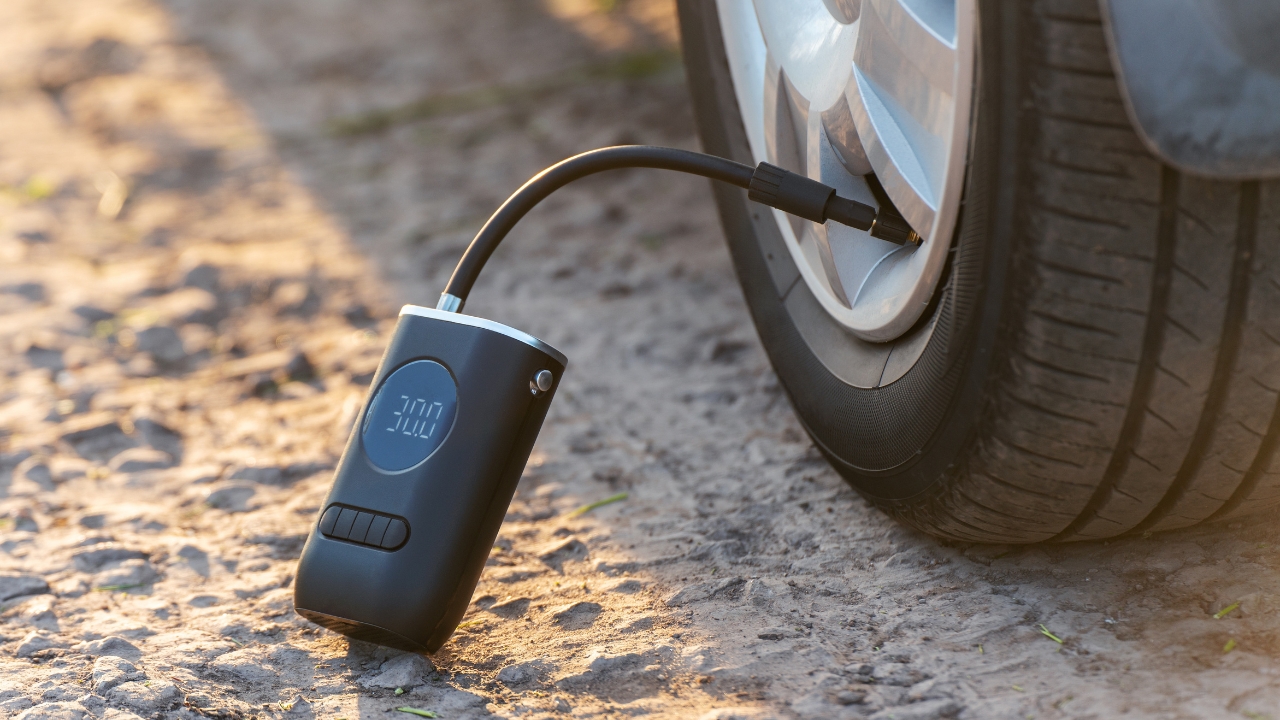
A plug kit is one of those unsexy purchases that ends up saving a whole trip. Most punctures in the tread can be handled well enough to get you back to town without chewing up the sidewall. The little sticky rope plugs aren’t glamorous, but they work.
A compressor matters just as much. A tire that’s down to 12 psi can destroy itself fast on gravel. Airing up after a plug, or after you’ve aired down for rough roads, keeps you moving.
3. Portable jump starter (not just cables)
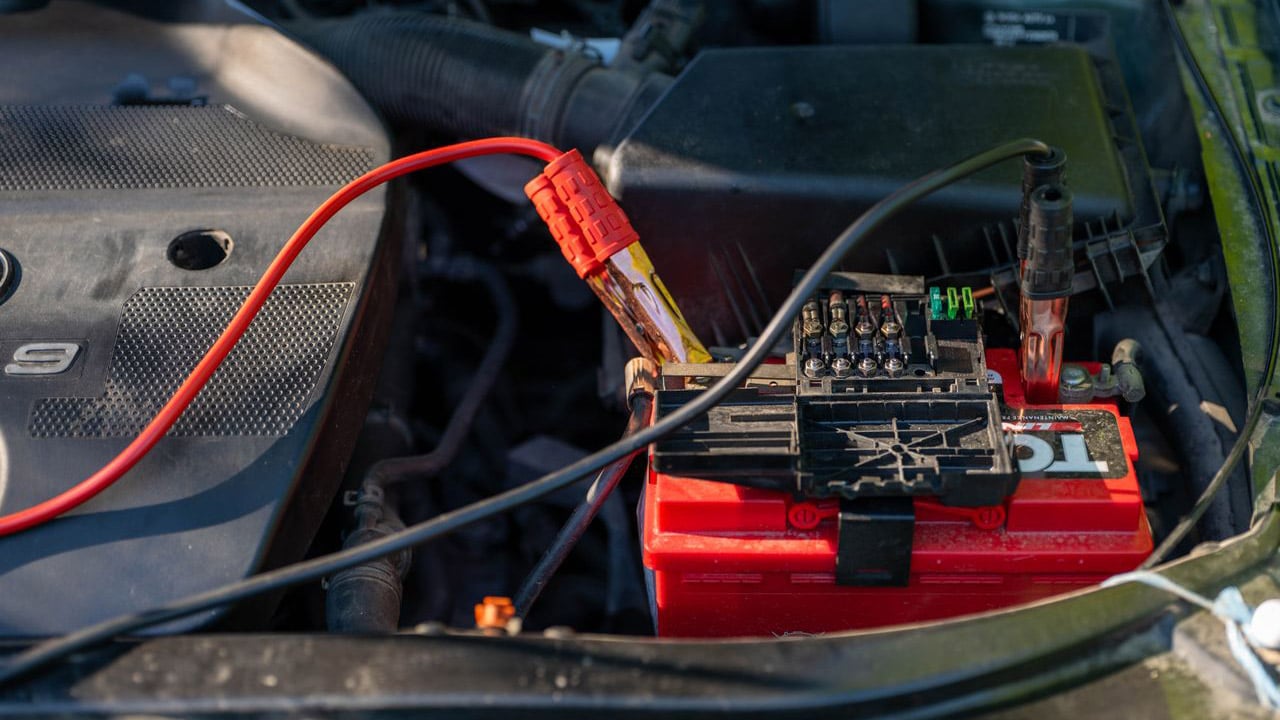
Jumper cables assume someone is coming along. In the backcountry, that assumption will let you down at the worst time. A decent lithium jump pack turns a dead battery from a disaster into a two-minute fix.
Cold nights, an old battery, or leaving a dome light on while you dig for gear can ruin your day. I keep the jump starter charged and check it before season like I check my headlamp batteries.
4. A real paper map plus a compass
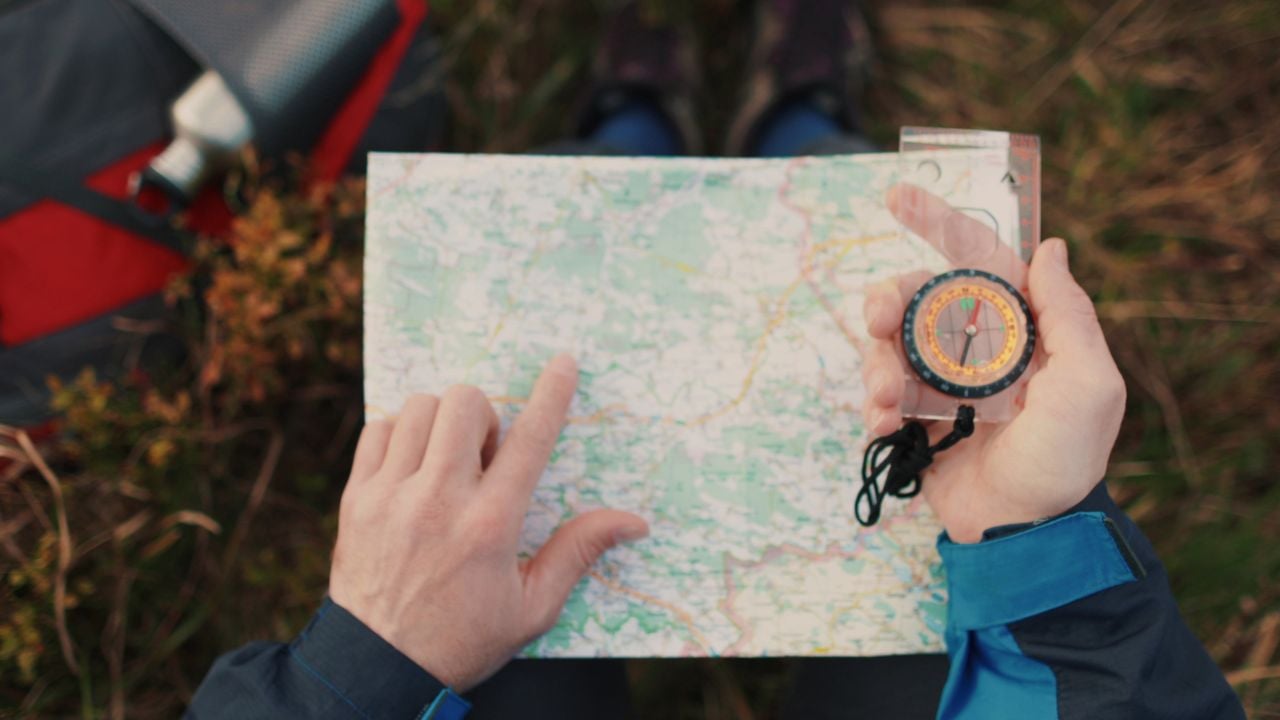
Phone maps are great until they aren’t. A paper map doesn’t care about service, dead batteries, or whether your navigation app decided that an old logging cut is a road you can drive at night in the rain.
A simple compass helps you make sense of terrain when everything looks the same in timber. You don’t need to be a land-nav wizard. You just need to know where you are and which drainage gets you back toward a main road.
5. Satellite messenger or PLB
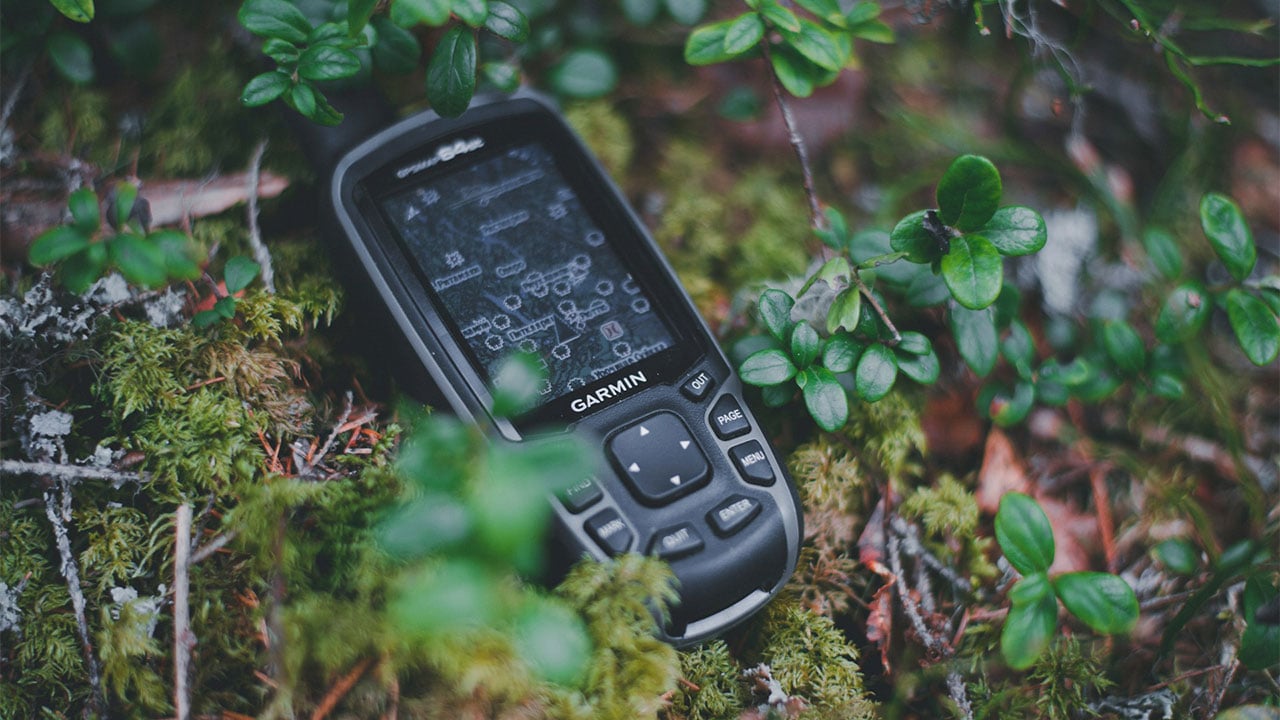
This is the one that people always mean to buy “next year.” Next year shows up fast. A satellite messenger lets you check in, send basic texts, and call for help when there’s no signal.
If you’re alone, it’s cheap insurance. If you’ve got family at home, it buys peace of mind. I’d rather carry it and never need it than need it once and not have it.
6. Headlamp and a backup flashlight

Mountain problems love the dark. You find the leak, the broken strap, the lost glove, or the downed tree right when daylight quits. A headlamp keeps your hands free while you work.
I still carry a handheld light too, because headlamps get left on tailgates, dropped in snow, or drowned in a creek crossing. Redundant light is one of those “boring” habits that pays off.
7. First-aid kit that matches real injuries

The tiny drugstore kits are fine for blisters and paper cuts. In the mountains, I want something that can handle a deep slice, a puncture, or a bad fall. I want gauze, wrap, tape, and a way to control serious bleeding.
If you carry anything more than bandaids, learn how to use it. It doesn’t take a hero course, just some basic familiarity so you’re not reading packaging instructions with shaking hands.
8. Extra water (and a way to make more)

I keep a couple gallons in the truck even when it’s cold. Getting stuck for half a day is one thing. Getting stuck with no water is another, especially if you’re doing recovery work or hiking out.
A small filter or purification tabs are worth tossing in the console. Creeks are everywhere up high, but “clear” doesn’t mean “clean,” and stomach issues in the backcountry are a cruel kind of bad luck.
9. Food that won’t freeze solid or melt into a mess

Granola bars sound great until they’re either a rock or a gooey brick. I like simple, durable calories: jerky, nuts, crackers, and something with a little sugar for quick energy.
The point isn’t a three-day survival menu. It’s having enough to stay sharp and calm if you’re delayed, and enough to help someone else who’s in a worse spot.
10. Warm layers in a dedicated bag

Even in early season, mountains flip the switch fast. A dry base layer, a warm mid-layer, gloves, and a beanie can keep a minor breakdown from turning into hypothermia, especially if you’re wet from snow, rain, or sweat.
I keep it all in one bag so it’s not scattered under decoys and empty brass. There is nothing fancy about it, and that is kind of the point.
11. Rain gear you can actually work in
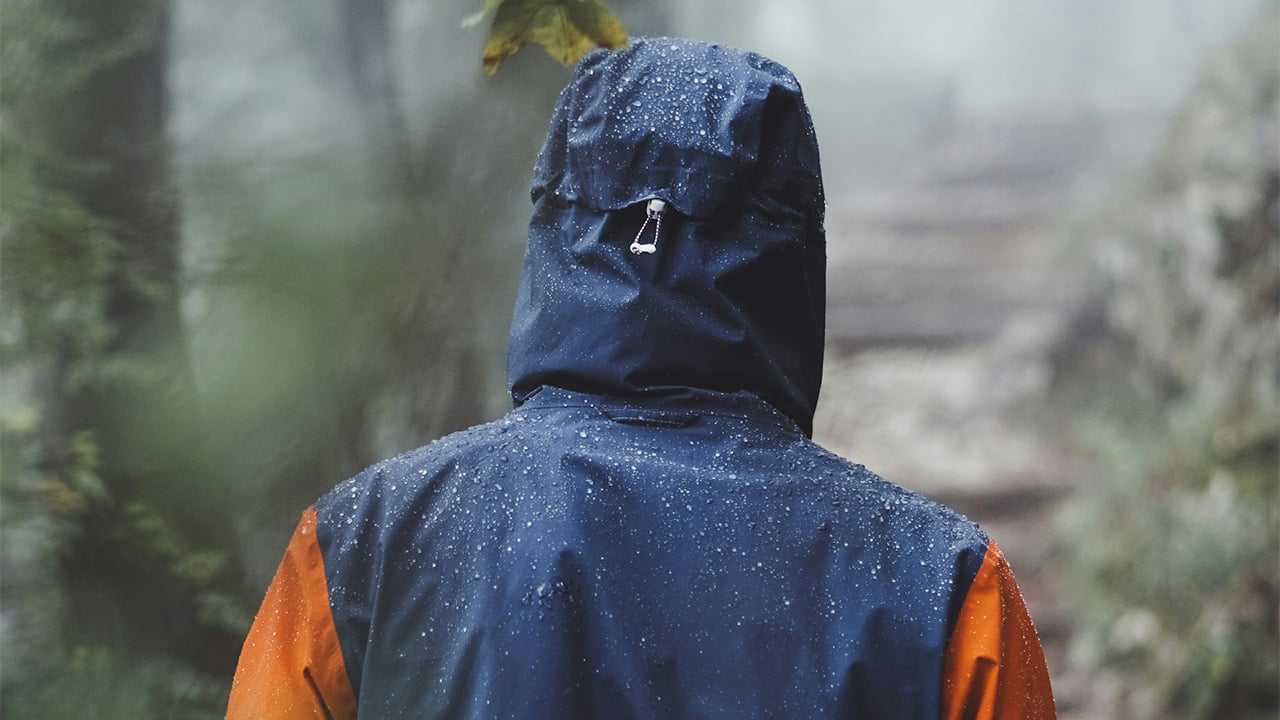
Some rain jackets are great for walking from the truck to the cabin and that’s about it. I want rain gear that can handle kneeling in mud, dragging a strap, or crawling under the rear end to check something.
Staying dry isn’t comfort. It’s keeping your core temperature up and your hands functional. Cold wet hands make dumb decisions.
12. Fire-starting kit in a waterproof container

Yes, you can start a fire with a lighter. Until that lighter is empty, wet, or lost. I like redundancy here: a lighter, waterproof matches, and a ferro rod, plus something that catches easily.
You’re not trying to build a bonfire every time you stop. You’re giving yourself an option if you’re forced to sit tight in bad weather. A small fire can change the whole situation.
13. Recovery strap and two rated shackles

A tow strap from the hardware store is not the same as a recovery strap. I want something rated for vehicle recovery, plus proper shackles that are also rated. The mountains are full of “almost stuck” spots that become “stuck stuck” with one wrong turn.
And if you’re helping someone else, you want safe gear. Improvised recovery with sketchy hooks can hurt somebody. No deer camp story is worth that.
14. Compact shovel and traction boards (or chains, depending on season)

A shovel is the difference between an hour of work and a night in the truck. Digging out a differential hung on snow, clearing a rut, or knocking down a berm in front of the tire is common mountain living.
Traction boards are pricey but effective, especially in sloppy clay or spring snow. In true winter conditions, chains win. The key is having something besides hope.
15. Basic tool kit and a roll of quality tape
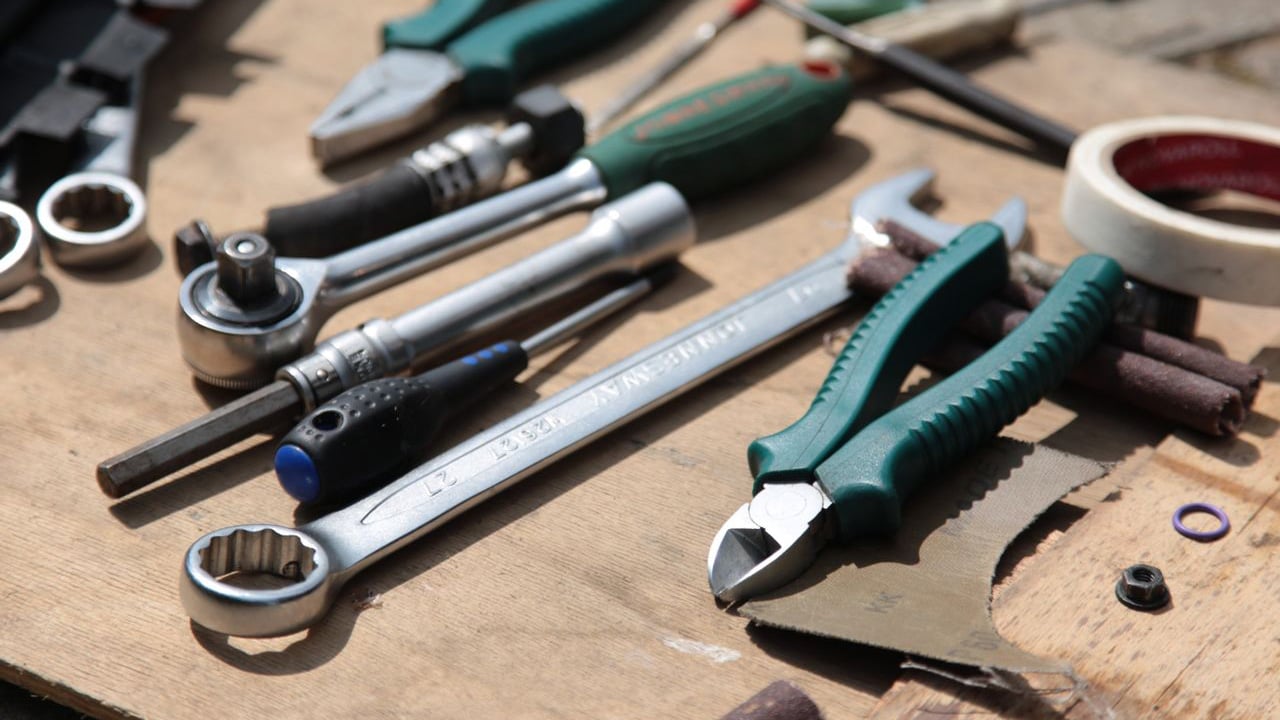
I’m not rebuilding an engine on the side of a mountain. But I do want sockets, screwdrivers, pliers, a knife, and a few odds and ends that fix the common stuff. A loose battery terminal, a rattling skid plate, a broken hose clamp—those are real-world problems.
Good tape solves more than it should. Duct tape, electrical tape, and a couple zip ties can keep you moving until you get back to a shop.
16. Spare fluids and a funnel
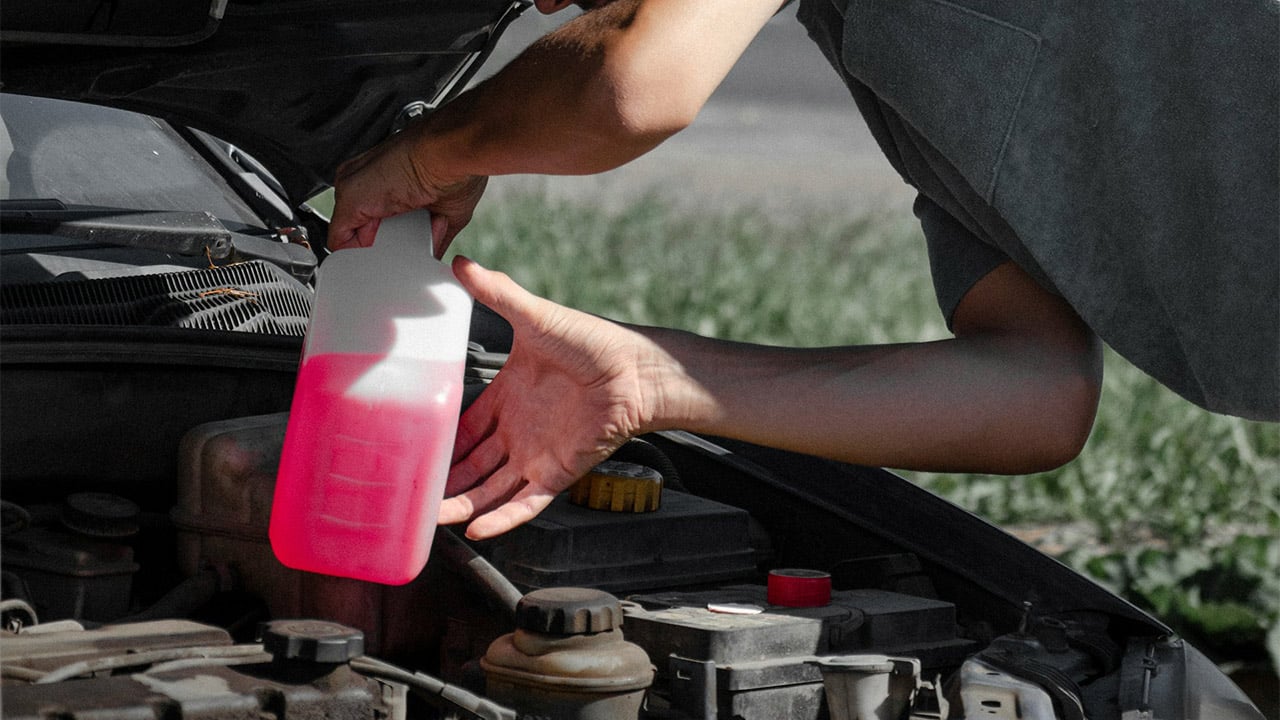
I keep oil, coolant, and windshield washer fluid in the truck, plus a small funnel that doesn’t disappear. Washer fluid sounds silly until you’re behind a logging truck on salty slush and you can’t see.
Small leaks become big ones when you’re climbing and descending for hours. Catching a problem early and topping off can save your motor and your trip.
17. Emergency blanket or a compact sleeping bag
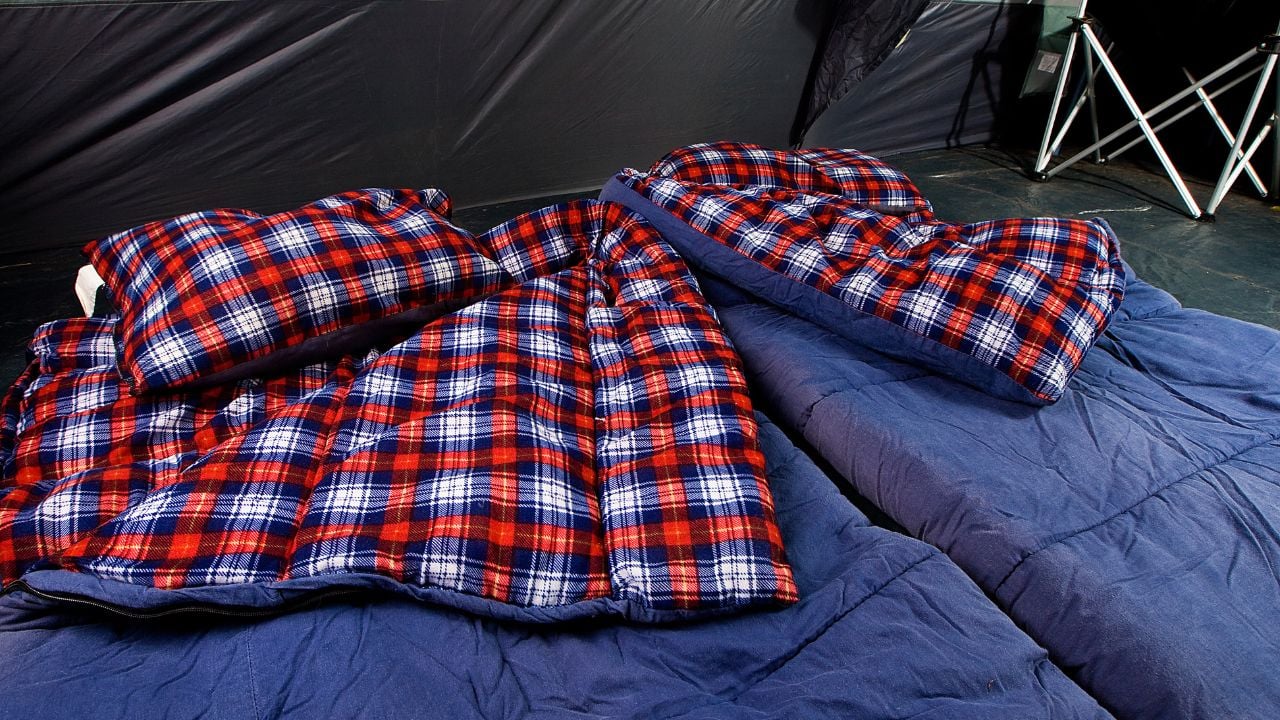
If you’ve ever waited out a closed pass or a rockslide cleanup, you know how fast “I’ll be home by dinner” turns into “I guess I live here now.” An emergency blanket is better than nothing, but a compact sleeping bag or quilt is actually comfortable and useful.
I’m not ashamed to say I’ve used mine just to grab a nap after a long hike. But it’s there for the nights you don’t plan.
18. A way to handle downed trees: folding saw or small chainsaw
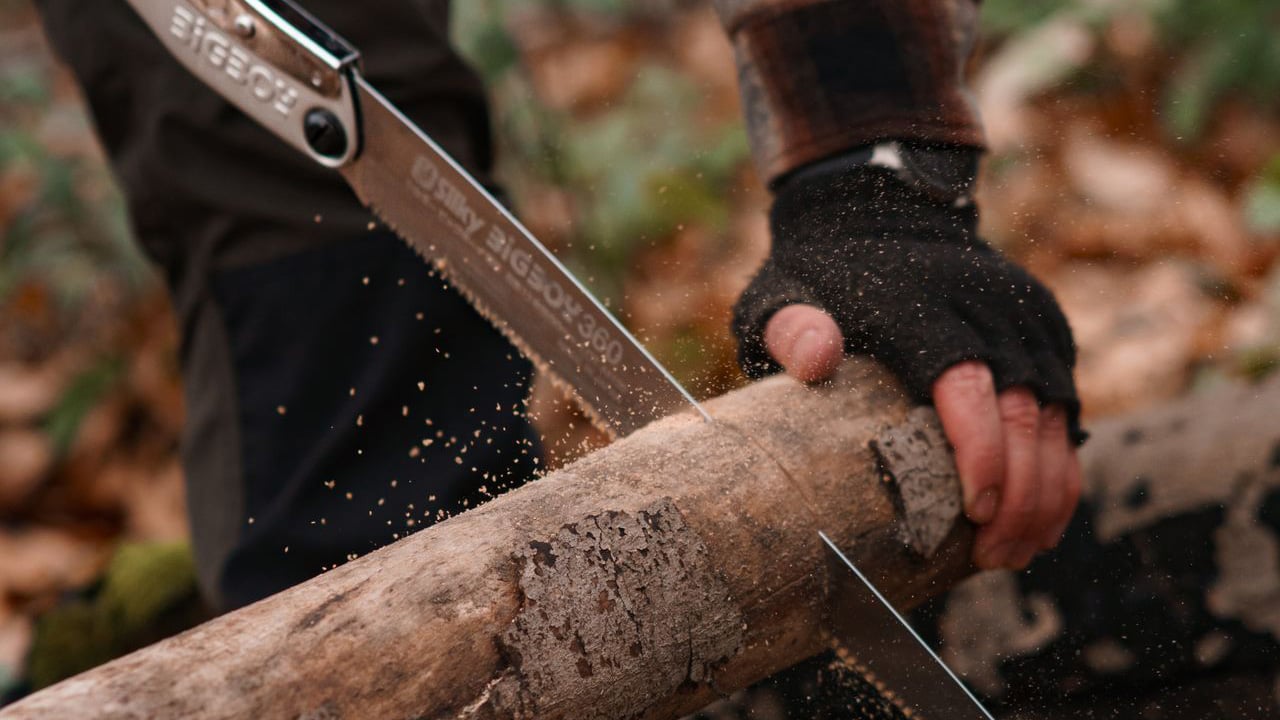
Storms and beetle-kill timber mean roads change overnight. A folding saw will clear small stuff and is quiet, simple, and reliable. If you’re deep enough and it’s the right season, a small chainsaw can be worth the space.
Just be honest about what you’ll maintain. A chainsaw with old fuel and a dull chain is dead weight. If you bring it, keep it ready and carry basic safety gear.
19. Paperwork: license, insurance, tags, and a pen
print/Pixabay.com
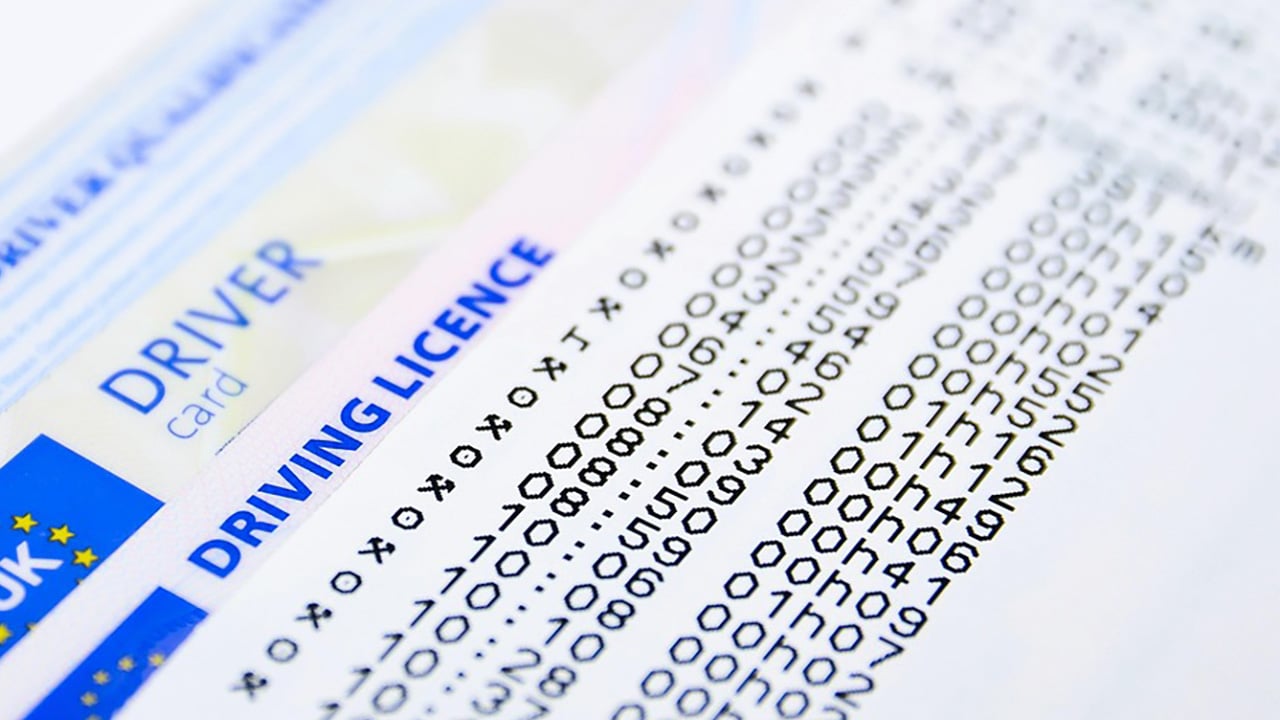
This is the least exciting item and the one that prevents the dumbest headaches. Remote areas are where you run into checkpoints, game wardens, and land access questions. Having your documents squared away keeps the interaction short and polite.
I also keep a pen and a small notebook. Writing down a mile marker, a gate number, or a trailhead time helps when you’re tired and trying to remember where you parked before daylight.
20. A safely stored firearm and a realistic plan for using it
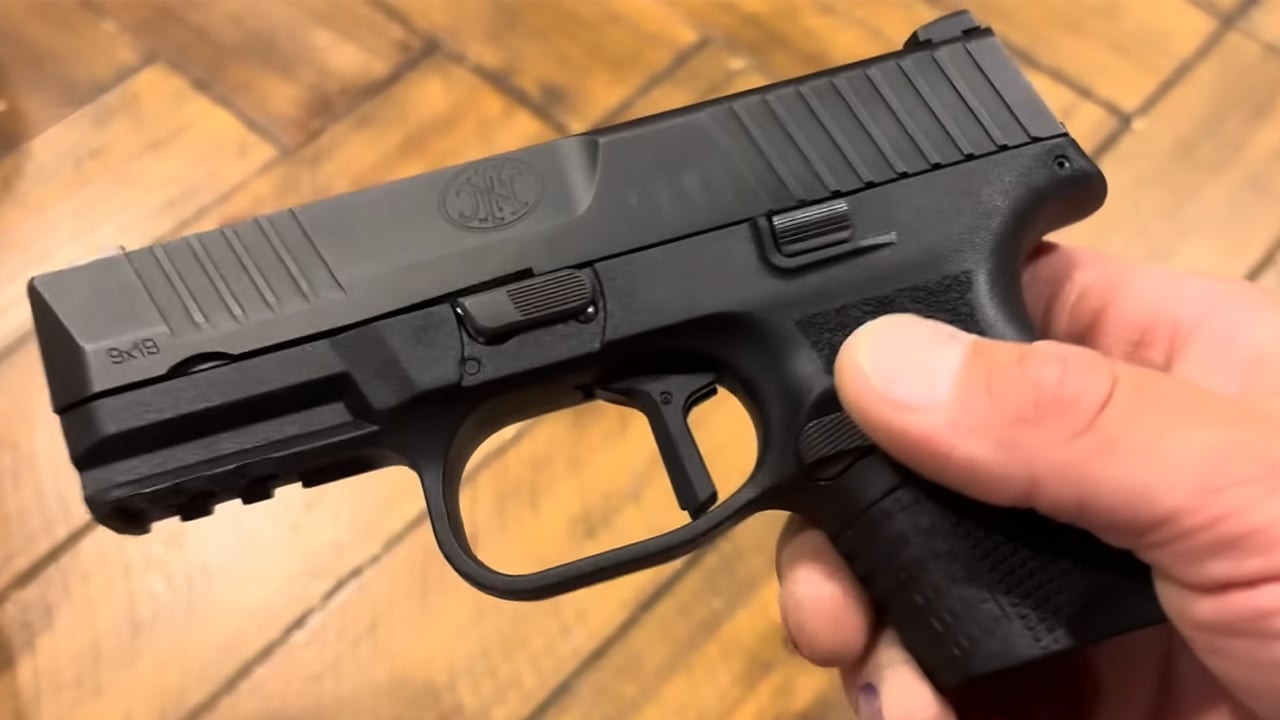
I’m not interested in turning a breakdown into a standoff. But I do like having a reliable sidearm or long gun available where legal, stored safely, and carried with some thought. Remote country has bears, coyotes, and the occasional two-legged problem, and you don’t get to schedule when you’ll meet any of them.
The bigger point is mindset: avoid confrontation, don’t go looking for trouble, and don’t let a gun replace good decisions. Still, I’m not heading deep into mountain country pretending nothing bad ever happens out there.
If you’ve spent enough time in the high country, you’ve either been stuck, helped somebody who was stuck, or you’re due. Most of this gear costs less than a tow bill and weighs less than the regret of being unprepared. Pack it once, keep it organized, and you’ll drive a whole lot calmer when the road gets narrow and the ridgelines start stacking up ahead.
Like The Avid Outdoorsman’s content? Be sure to follow us.
Here’s more from us:


