Photo credit: Ozzie Reviews/YouTube
There are guns that look great on a forum, feel great at the counter, and then turn into a headache the first season you actually lean on them. Mud, cold fingers, riding in a truck, getting banged off a treestand ladder, being wiped down with whatever rag is handy… real use has a way of exposing what a spec sheet hides.
This isn’t a list of “bad brands” or internet dunks. These are the kinds of firearms that tend to disappoint the folks who hunt, hike, trap, ride fence, and shoot enough to notice patterns. Some of them can be made to work. A few are even lovable. But if you’re buying with hard use in mind, these are the ones I’d think twice about.
1. Remington 710
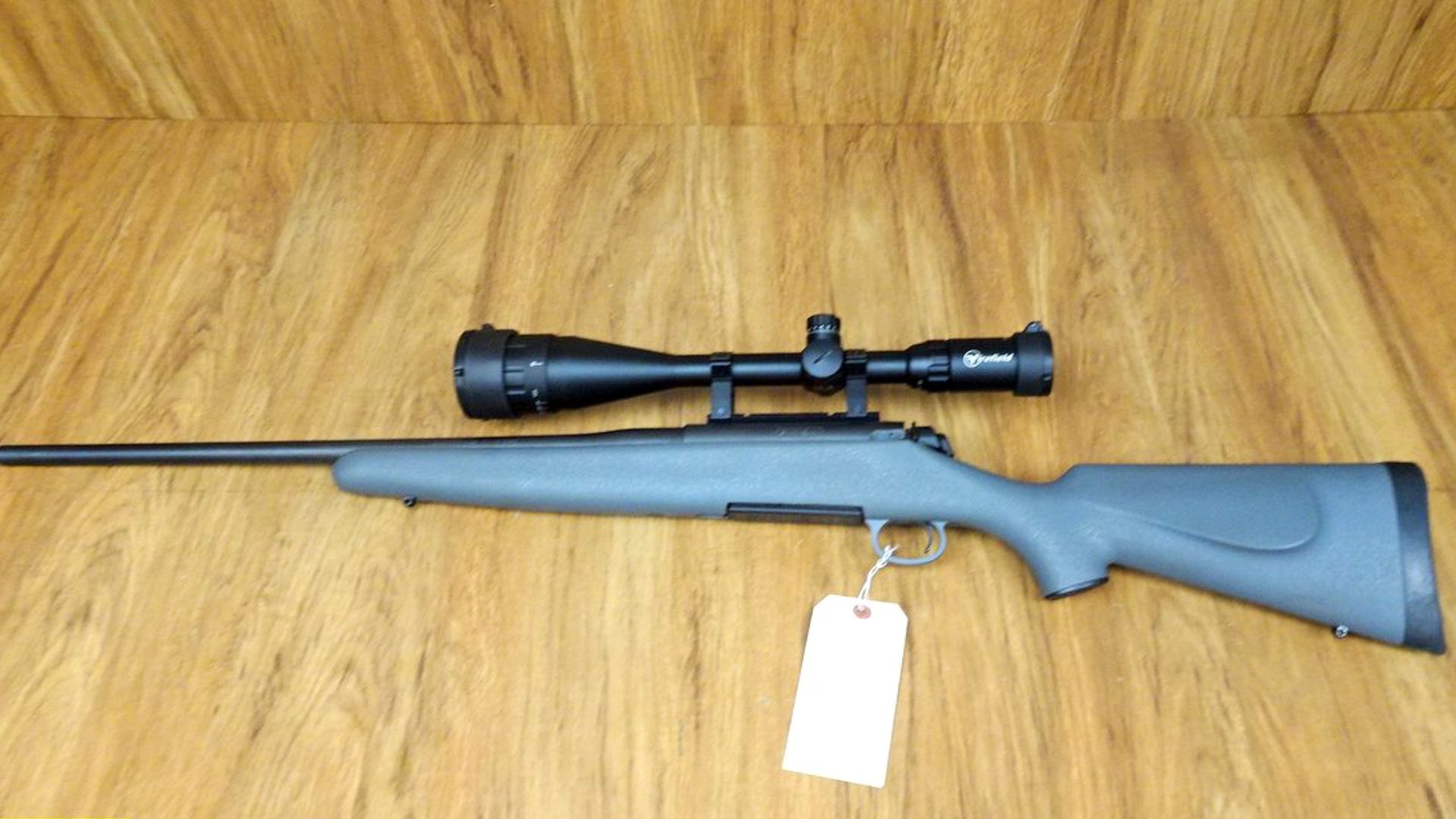
I’ve watched more than one 710 show up at deer camp because it was “a deal” and “it shoots fine at the range.” Then the bolt starts feeling like it’s dragging through sand, and suddenly the confidence is gone. The rifle was built to a price, and it shows when you run it a lot.
When you actually use a hunting rifle, you want something you can service, re-stock, re-scope, and keep running for years. The 710 tends to be a dead-end platform. Parts and long-term support aren’t what they are for a 700-pattern gun, and that matters once the new-gun glow wears off.
2. Remington 770

The 770 followed the same “package rifle” idea, and it runs into the same real-world problems. The included optic is often the weak link, and the rifle’s overall feel is more “disposable appliance” than “tool I trust when it’s 17 degrees and getting dark.”
Could it kill a deer? Sure. But when you’ve got one shot through a narrow lane and your bolt lift feels gritty, you start wishing you’d bought something boring and proven instead.
3. Rossi Circuit Judge (.45 Colt/.410)
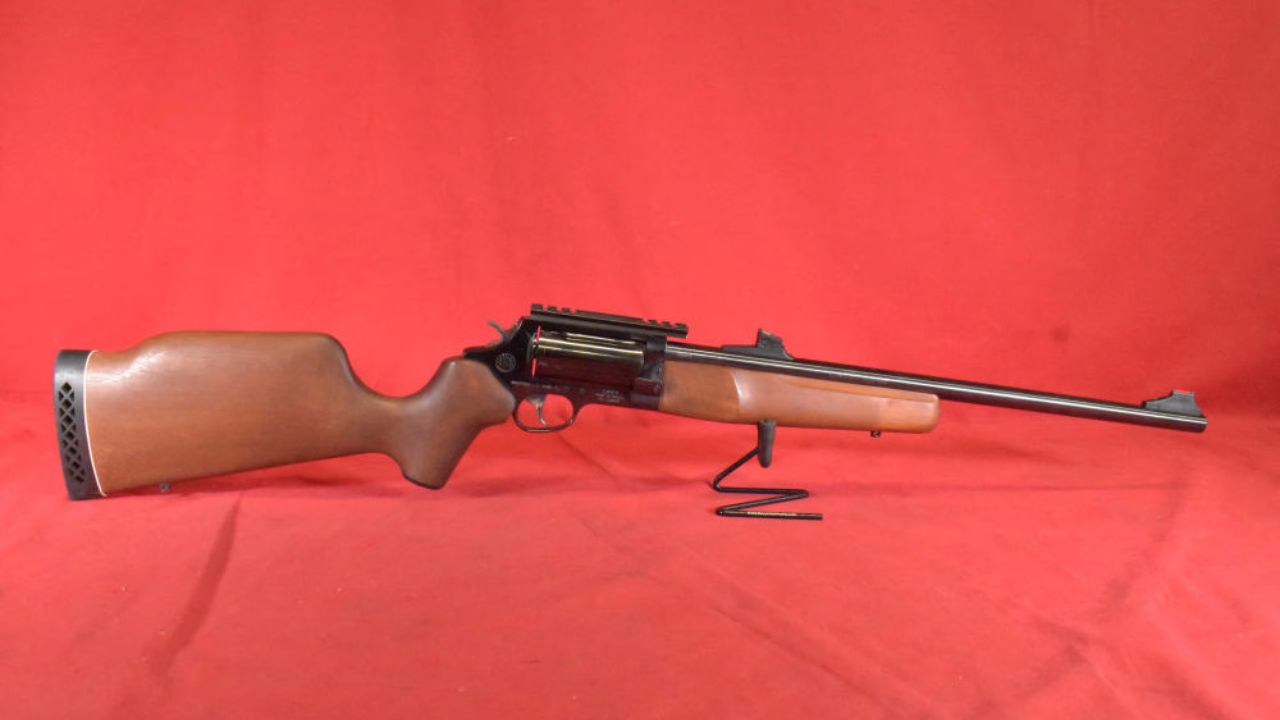
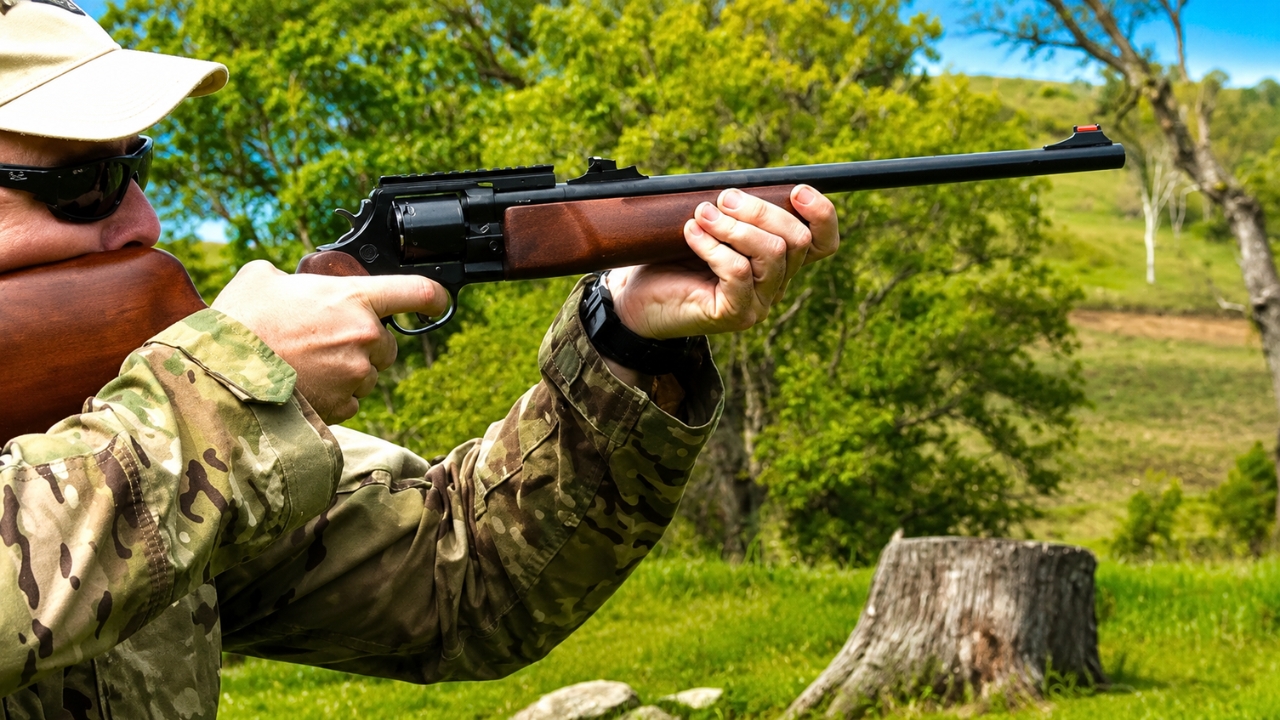
On paper, a revolving carbine that shoots .45 Colt and .410 sounds like the ultimate camp gun. In the woods, it’s a collection of compromises. Accuracy can be a mixed bag, the trigger isn’t usually anyone’s favorite, and .410 out of a long gun still doesn’t magically turn into a 12 gauge.
Then there’s the “what is this really for?” problem. It’s not a great bird gun, not a great deer rifle, and not a great defensive carbine. It’s fun. Fun isn’t nothing, but hard use asks for more than fun.
4. Taurus Judge (revolvers, .45 Colt/.410)

I get why these sell. They feel like a simple answer: snakes, camp threats, “one gun that does it all.” In practice, a big revolver that’s bulky to carry and expensive to feed tends to ride in the console more than on a belt.
.410 handgun patterns can be disappointing past very close range, and a lot of folks end up carrying a normal revolver or a compact 9mm instead. Ask me how I know how heavy those big frames feel by the end of a long day.
5. Kel-Tec P3AT
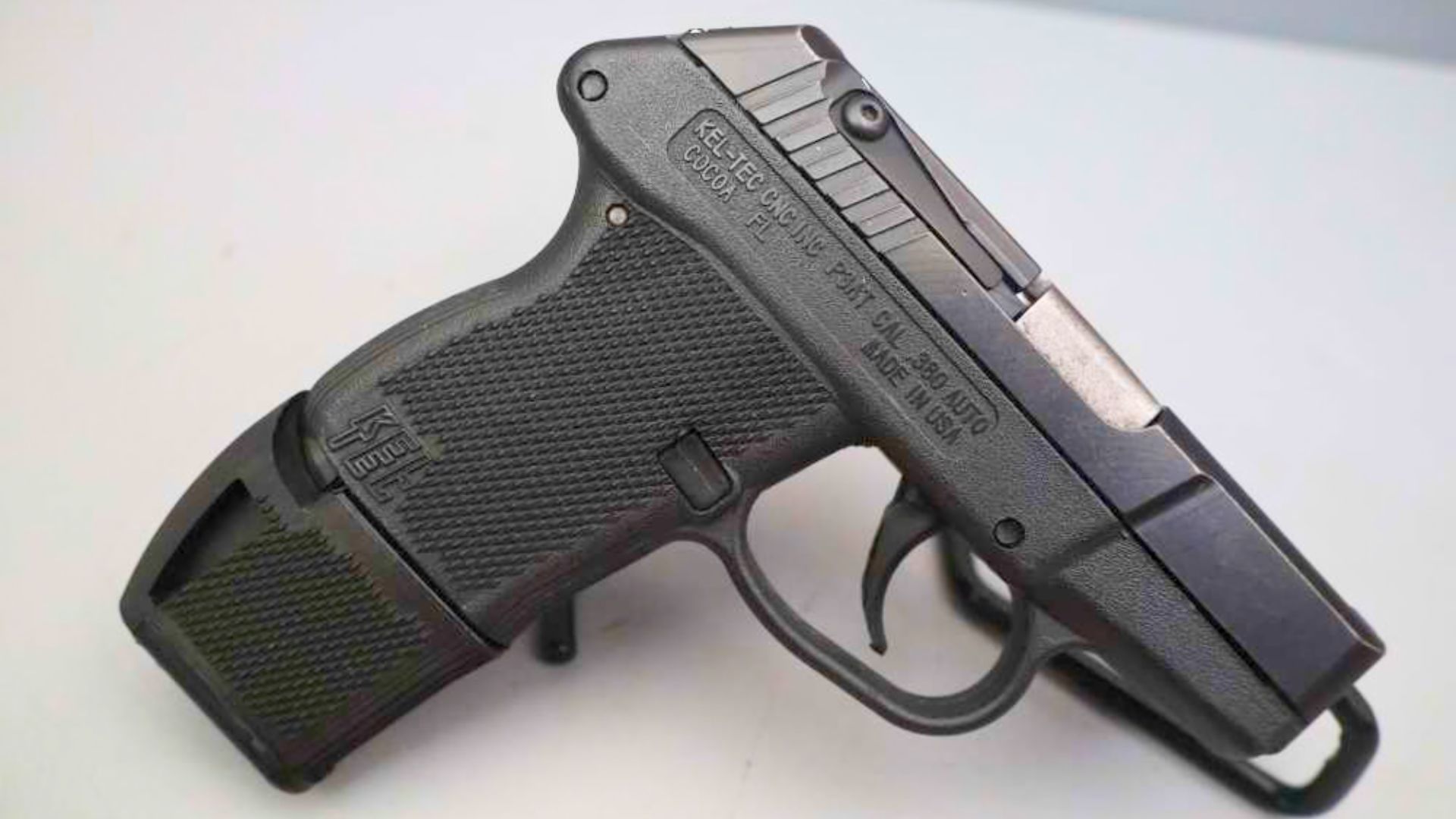
The P3AT is one of those guns that’s easy to buy and hard to love. It’s light, it disappears, and it’s cheap enough that folks treat it like a “better than nothing” option.
But hard use means lots of draw practice, lots of carry, and enough rounds downrange to trust it. Tiny .380s can be finicky, unpleasant to shoot, and difficult to run well under stress. If you won’t practice with it, it’s not really a solution.
6. Taurus Curve
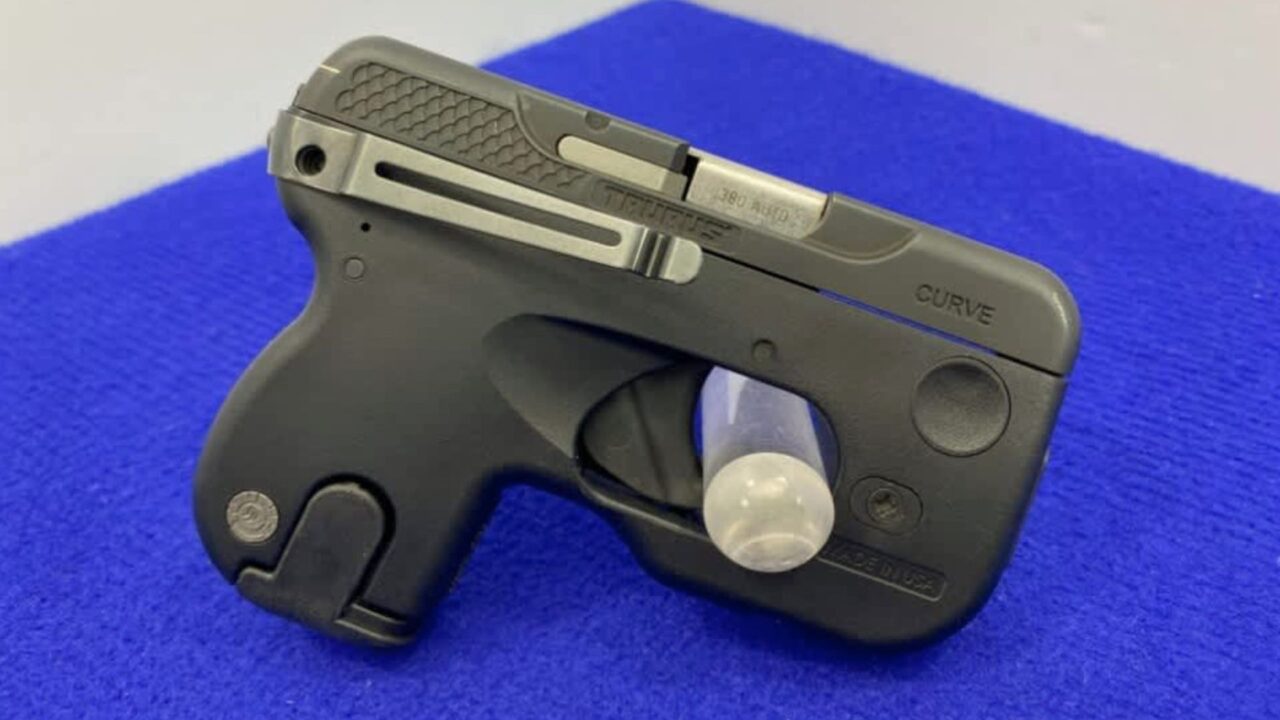
The curved-frame idea was supposed to make pocket carry easier. What it really did was create a niche gun with niche holsters, awkward ergonomics for many hands, and a “gimmick” feel that doesn’t age well.
When you actually use a carry gun, you want normal sights, normal handling, and normal support. Oddball designs can leave you stranded when you need a holster that works, magazines that are available, and sights you can see in real light.
7. Glock 44

A .22 Glock sounds like a perfect training companion. The reality has been uneven across ammo types and lots. Rimfire is already a little dirtier and more temperamental, and a .22 pistol meant to mimic a duty gun needs to be boringly reliable.
If yours runs, great—run it. But too many shooters end up spending range time diagnosing instead of practicing. A plain Ruger Mark IV or a good .22 rifle often makes more sense for real trigger time.
8. SIG Sauer P365

The P365 changed the concealed-carry world, no question. The early ones, though, taught a lesson: first runs can be rough. Striker drag talk, primer swipe worries, and general “is this normal?” conversations had a lot of folks nervous.
The newer guns are better sorted out, and plenty of people trust them daily. Still, if you’re buying a working gun, you want “proven boring,” not “beta test in your waistband.”
9. Kimber Ultra Carry II (3-inch 1911s)

Compact 1911s are good-looking trouble. The 1911 design can be extremely reliable, but it likes proper timing and enough slide travel to do its job. Shrinking it down to a 3-inch package tightens the whole system up.
Some run fine. Many get picky with magazines, springs, and ammo. When it’s a trail gun or daily carry gun, “mostly reliable” isn’t the kind of reliable you want.
10. Charter Arms Bulldog
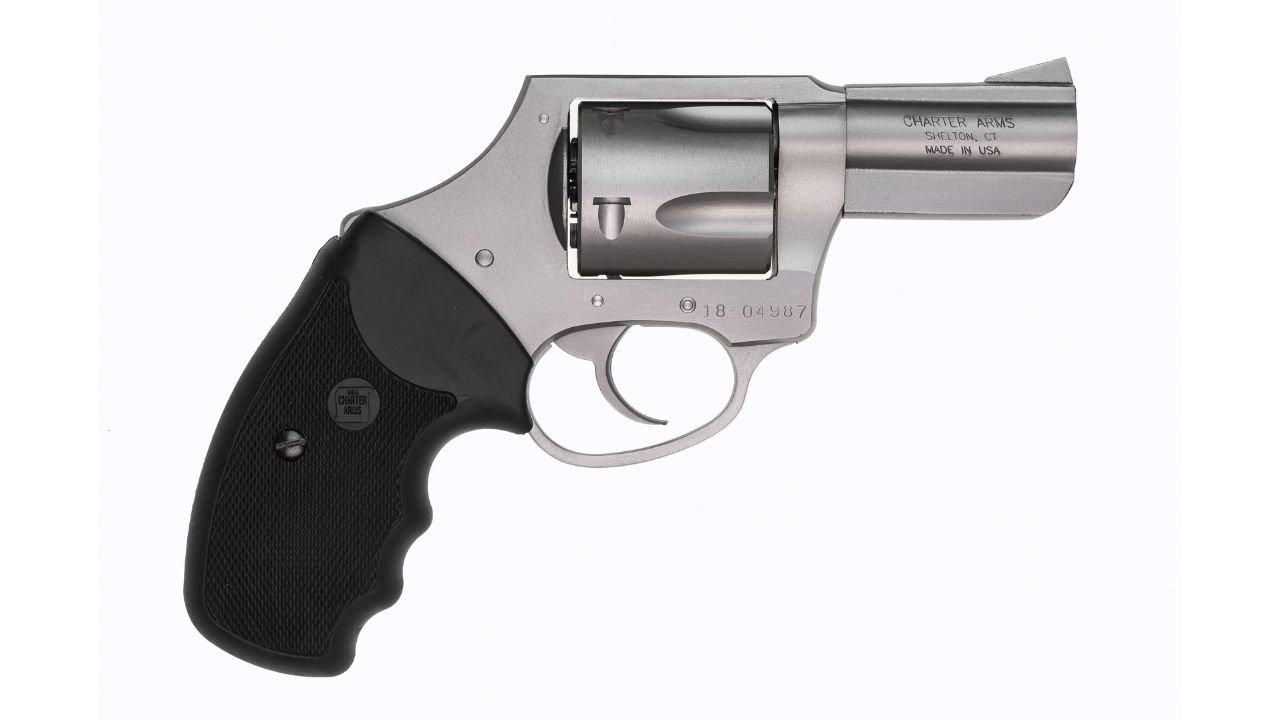
The Bulldog has a loyal following because .44 Special is a great cartridge, and the gun is easy to pack. The downside is that light, compact revolvers in bigger calibers are often a trade of durability and shootability for convenience.
Triggers and fit can be inconsistent, and heavy use can show you where corners were cut. If you shoot it a lot, you start thinking about a Ruger or a Smith that costs more but holds up longer.
11. Freedom Group-era Remington 870 Express (rough chamber guns)

This one hurts because the 870 name is supposed to mean something. Certain Express-era guns showed up with chambers rough enough that cheap promo shells would stick, especially after a little heat and grime.
A pump shotgun that doesn’t extract smoothly is not a “minor issue.” If you have one that runs, keep it clean and test your shells. If you have one that sticks, a polish job from a competent smith can help, but you shouldn’t have to “fix” a working man’s shotgun to make it work like one.
12. Mossberg 500 with the flexy bargain barrel/forend combos

The Mossberg 500 is generally a solid, honest shotgun. The problem shows up when the cheapest combo packages get run hard. Loose forends, rattly furniture, and a general “worn fast” feel make them less confidence-inspiring over time.
They’ll still kill birds and bust clays, but if you’re pounding a lot of shells or using it as a do-everything farm shotgun, spend the extra money on sturdier furniture and a setup you’re not constantly tightening.
13. Stoeger P3500
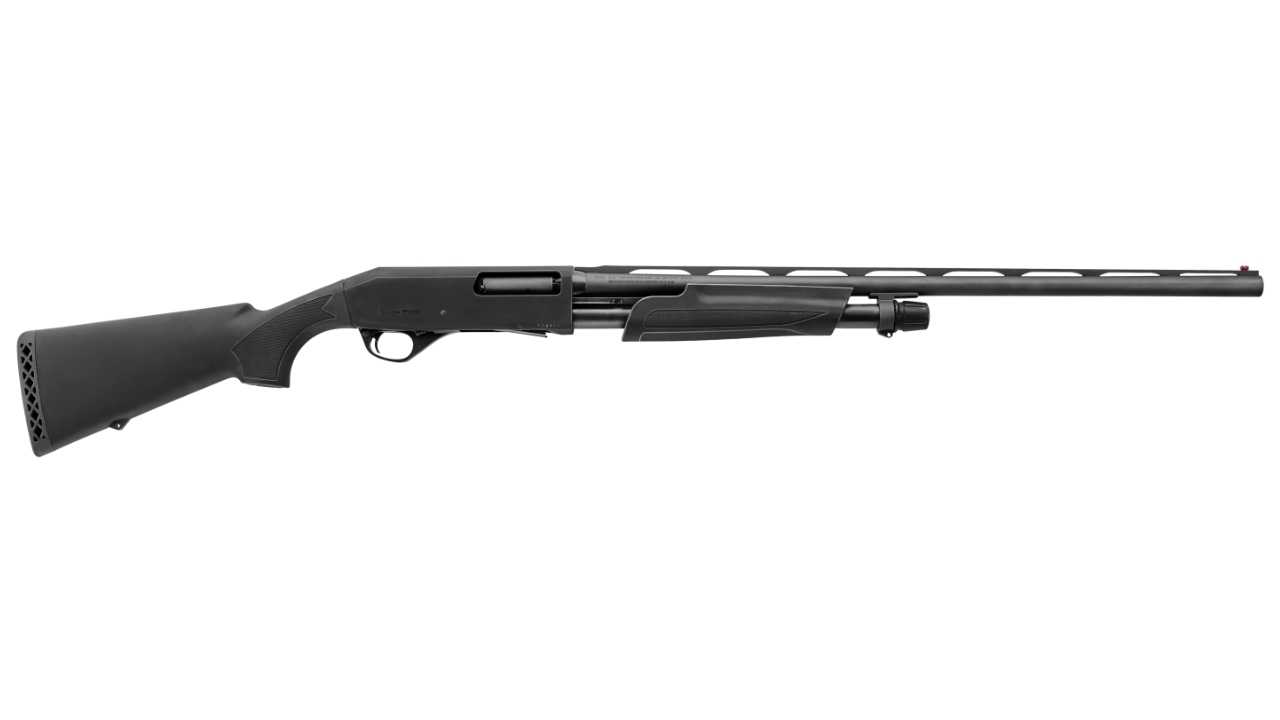
Three-and-a-half-inch capability sells guns. The issue is that a budget pump chambered for 3.5-inch magnums is often a recipe for punishment and disappointment. The gun is long, it’s heavy in the wrong ways, and it’s not exactly slick.
If you truly need 3.5s, you already know why. Most hunters don’t, and they end up with a clunky shotgun they don’t like shooting. A 3-inch gun you enjoy is more useful than a 3.5-inch gun you dread.
14. Benelli SuperNova

This isn’t a knock on quality. The SuperNova is tough. But it’s also big, and when you actually carry a shotgun all day—upland, snow geese, long walks to water—it can feel like you brought a fence post.
A gun can be reliable and still be wrong for how you hunt. Plenty of folks end up back with a lighter 12 gauge or even a 20, simply because it gets carried more and shot better.
15. Ruger Mini-14

The Mini-14 is handy, quick to the shoulder, and feels like it belongs behind a truck seat. Older thin-barrel versions can string shots as they heat up, and that surprises people who want it to behave like a heavy AR with a free-float handguard.
Add in pricier magazines and the constant temptation to “fix” accuracy with accessories, and you can spend a lot of money chasing something an AR does easier. The Mini still has charm, but it’s not always the best working rifle for the money.
16. AR-15s built from the cheapest parts-bin kits

A bargain AR can run fine, and a pricey AR can still choke. But the bottom-of-the-barrel kits are where I see the most “mystery problems”: gas issues, out-of-spec chambers, weak extractors, triggers that feel like gravel, and optics that won’t hold zero.
If you shoot a couple magazines a year, you may never notice. If you actually train, hunt coyotes, or keep it as a serious rifle, the cheap build starts eating your time. Reliability is a feature you either buy up front or pay for later.
17. .300 Remington Ultra Magnum (in lightweight hunting rifles)

The cartridge is a hammer. Put it in a light rifle and you’ve built a flinch generator. I’ve seen grown men turn into blinking statues behind a .300 RUM with a thin pad and a light scope.
Yes, it’s fast and flat. No, most hunters don’t need it for whitetails or elk inside normal distances. Hard use means shooting enough to be confident, and rifles that beat you up don’t get practiced with.
18. .450 Bushmaster (as a “do it all” rifle)
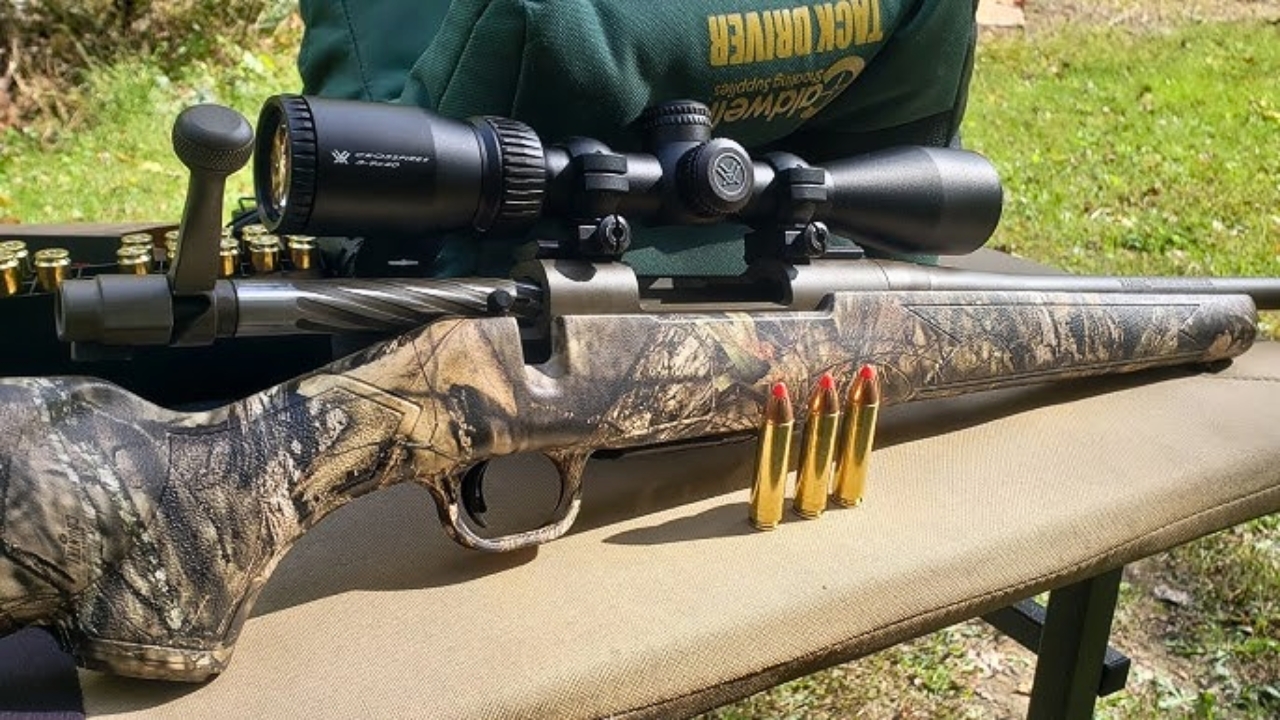
In the right lane—straight-wall states, thick woods, short-range thump—it makes sense. The problem is when it gets sold as a universal answer. Ammo can be expensive and not always on every rural hardware shelf, and recoil is real in lighter rifles.
Then there’s trajectory. If you don’t practice and don’t know your drops, it can humble you fast past typical woods ranges. Great specialty tool. Not a great only tool for most hunters.
19. .224 Valkyrie (for the average shooter)
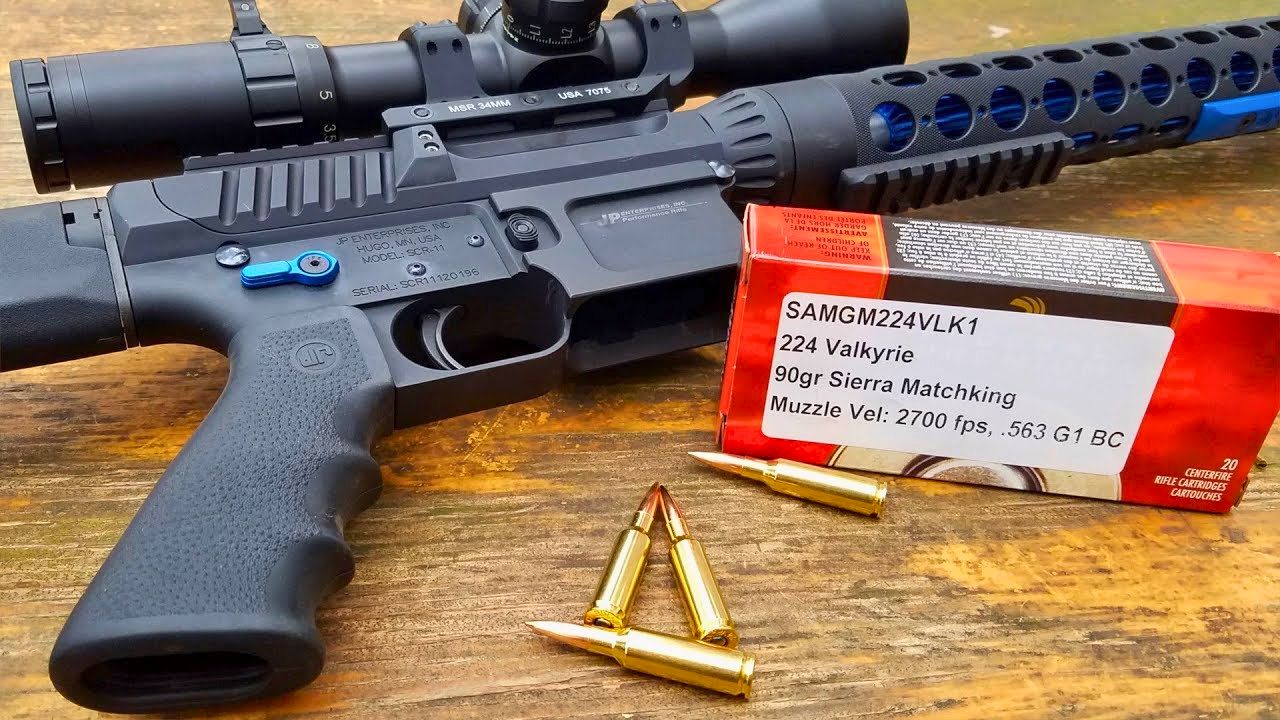
The Valkyrie launched with big promises about long-range performance. In real life, many shooters found themselves stuck between barrel twist questions, ammo inconsistency, and “why am I doing this instead of shooting 5.56 or 6.5 Grendel?”
If you’re a tinkerer and you like chasing loads, you can make it shine. If you just want to grab a couple boxes and hit the range or call coyotes, it can feel like extra effort for not much payoff.
20. Lightweight 12-gauge turkey guns built to punish you
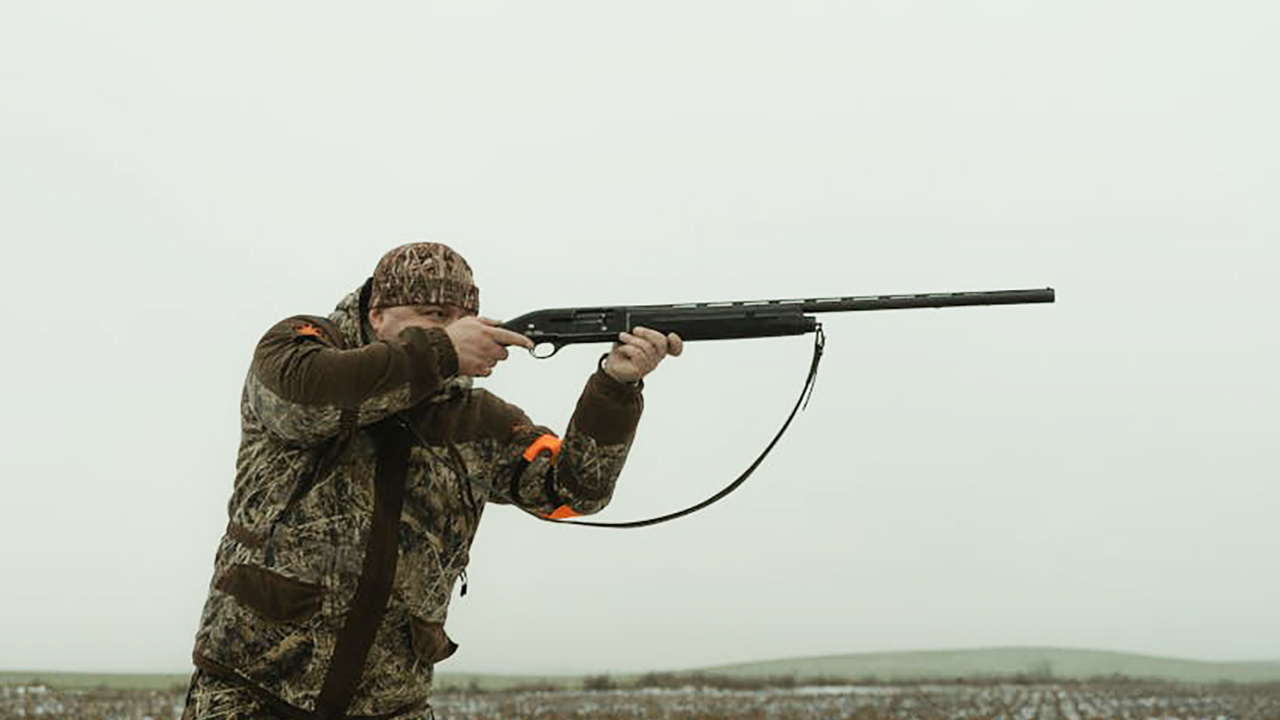
The modern turkey world loves tight chokes and heavy payloads. Put that in a featherweight gun and you get a shotgun that makes you dread patterning day. A gun you hate shooting is a gun you won’t pattern enough, and that leads to misses and wounded birds.
A slightly heavier shotgun with a good pad and a stock that fits is a better “actually used” turkey gun than the lightest thing on the rack. Your shoulder will agree, and your confidence will too.
None of this means you have to run out and dump what’s in your safe. It does mean you should be honest about what you’re asking a gun to do. The best outdoor guns aren’t always the most exciting ones. They’re the ones that keep working when you’re tired, cold, and a long walk from the truck.
Like The Avid Outdoorsman’s content? Be sure to follow us.
Here’s more from us: