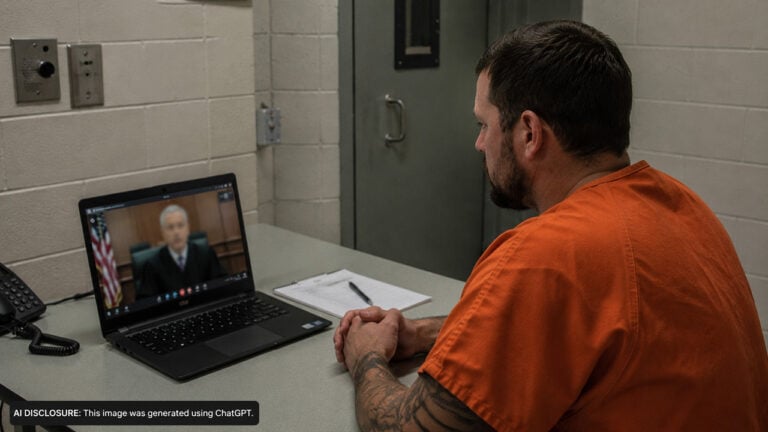
Photo credit: AI-generated image created using ChatGPT. Illustrative only
There’s a certain kind of peace you expect when you live out in the country. You’ve got space, you’ve got room to work, and—if you’re a gun owner who trains—sometimes you’ve got a safe spot to practice without driving to town.
That’s why one rural landowner’s situation is so aggravating. In the original post, he laid out how he’s been target shooting on his own property, legally and with a solid backstop, yet one neighbor has still called law enforcement on him three different times.
A rural setup that should’ve been simple
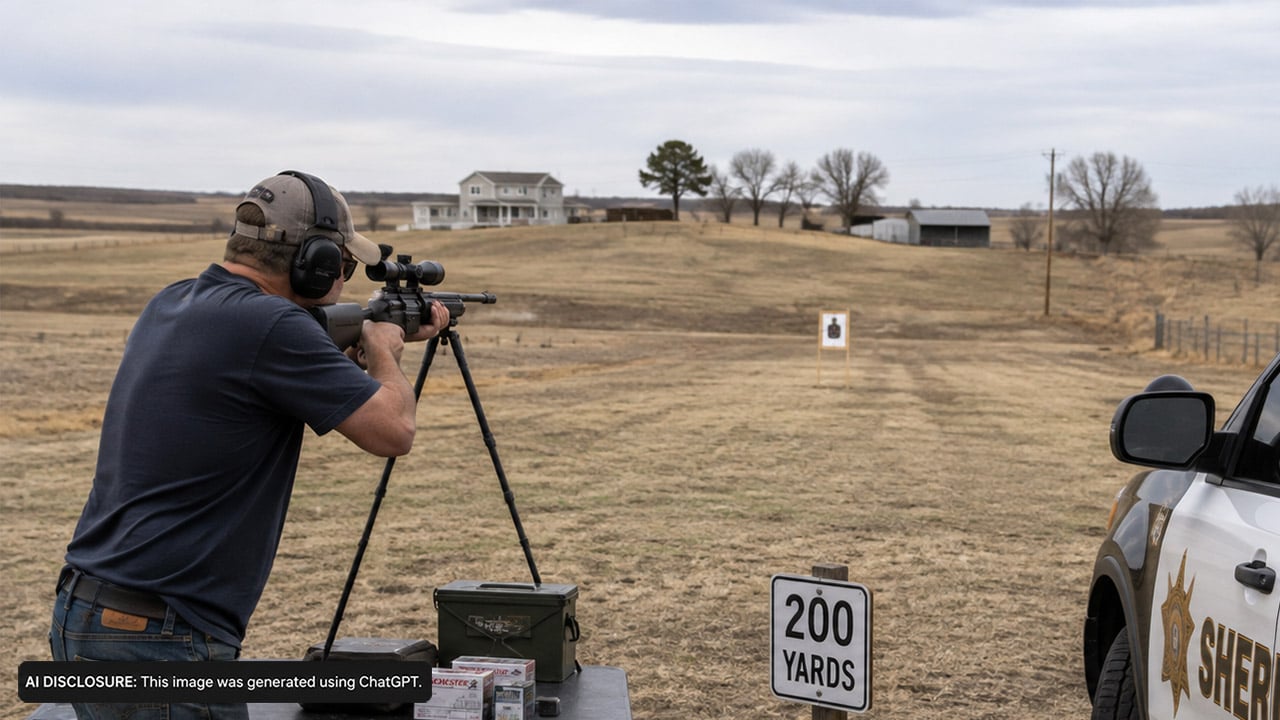
The landowner described a small rural neighborhood where the nearest homes sit about 200 yards away. That’s not “out in the middle of nowhere,” but it’s plenty of room for normal country life—tractors, chain saws, barking dogs, and yes, the occasional gunfire.
He also wasn’t acting like the stereotypical bad neighbor. He said he knows the neighbors and has spoken to them about shooting on his land, handed out his phone number, and asked them to call him if he ever picked a bad time. In other words: he tried to be the reasonable guy before it ever became a problem.
How he says he’s been practicing—and why it matters
According to his description, he shoots about twice a week and keeps it focused on drawing and hitting a target. He emphasized it’s not “fast” or “excessive,” and he also tries to keep the noise down by sticking with handguns because his rifle is “ungodly loud.”
Those details matter in the real world, because what gets neighbors worked up usually isn’t just that someone owns guns—it’s the tempo and tone. A handful of measured shots is one thing. Mag dumps that sound like a war movie are another. He’s saying he’s on the first end of that spectrum.
Three calls to the police, three times the same conversation
The frustration really kicked in when one neighbor—someone he says he’s talked to “a half dozen times”—kept calling the police anyway. The landowner said the latest visit marked the third time he’d had to explain what was going on.
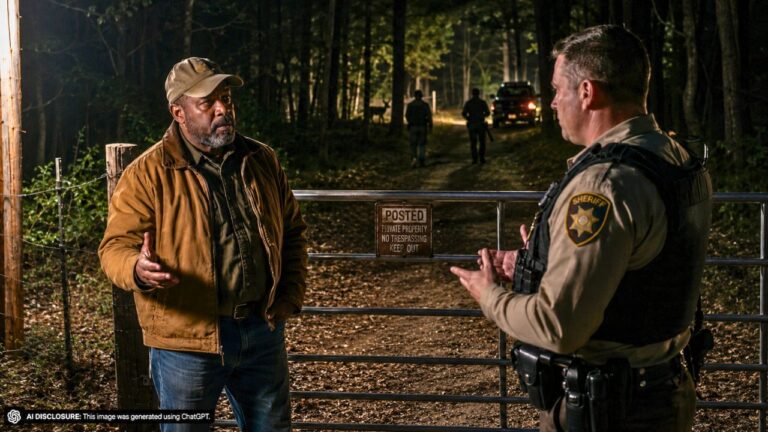
Each time, he says law enforcement verified the basics: he’s roughly 200 yards from the nearest residence, he’s shooting into sandbags, and he’s within his rights to shoot as long as it isn’t after sundown and before sunup. Then, after the officers confirmed it was legal, they also spoke with the neighbor who made the complaint.
For anyone who’s lived rural, that’s the part that wears on you. Even when you’re doing things right, repeated calls can turn your own property into a stage where you have to “perform” being innocent over and over. It eats time, raises stress, and plants a seed that maybe the next responding officer won’t be in such a patient mood.
He tried the neighborly route, and it didn’t work
After every police visit, the landowner said he went back over respectfully, gave the neighbor his phone number again, and explained he wasn’t trying to disrupt anybody. He even offered to delay his shooting to another day if they’d simply call him when it was a bad time.
That’s about as diplomatic as it gets. But he said it got him nowhere, and he’s now stuck in that familiar rural bind: keep living normally and risk the same complaint cycle, or stop a lawful activity just to keep the peace.
The problem with “just stop shooting” is that it rewards the behavior. You don’t have to be looking for a fight to understand the long-term issue—if one person learns that repeated calls get results, you may be dealing with the same tactic the next time it’s a burn pile, a generator, a late-night combine, or a new hunting blind.
Practical options that don’t involve escalating
He asked a straight question: what do you do when you’re legal, you’re safe, you’ve been civil, and it’s still going to be a constant issue?
The first move is usually paperwork, not arguments. When a neighbor keeps dialing the phone, you want your side of the story to be boring and consistent: times, dates, where you were shooting, what the backstop was, and what officers said when they arrived. You’re not building a “case” to punish anyone—you’re building clarity so the situation doesn’t get twisted later.
The second move is to keep safety airtight and obvious. He already mentioned shooting into sandbags; whatever the actual setup is, the goal is the same: a safe backstop, predictable direction of fire, and a routine that never drifts toward property lines. In rural life, perception matters almost as much as reality. The clearer your setup looks, the harder it is for anyone to paint it as reckless.
Third, it can help to communicate through the proper channels instead of door-to-door talks that go nowhere. If law enforcement has already been out multiple times and confirmed it’s lawful, it’s fair to ask what their advice is for handling repeat calls when nothing illegal is occurring. That’s not “telling on” the neighbor—it’s trying to stop everyone’s time from being wasted.
Finally, pick your timing like you’re trying not to wake a baby. The landowner already made an effort here by avoiding his loud rifle. If you’re going to practice twice a week, choosing mid-day windows and keeping sessions short can reduce friction. It won’t fix a determined complainer, but it keeps you in the “reasonable” lane if the story ever gets retold.
Out in the country, you can do everything right and still end up dealing with someone who doesn’t want to hear it. This landowner’s situation is a good reminder that being legal is only half the battle—being consistent, documented, and safety-focused is what keeps a minor headache from turning into a long-running feud.
Like The Avid Outdoorsman’s content? Be sure to follow us.
Here’s more from us: