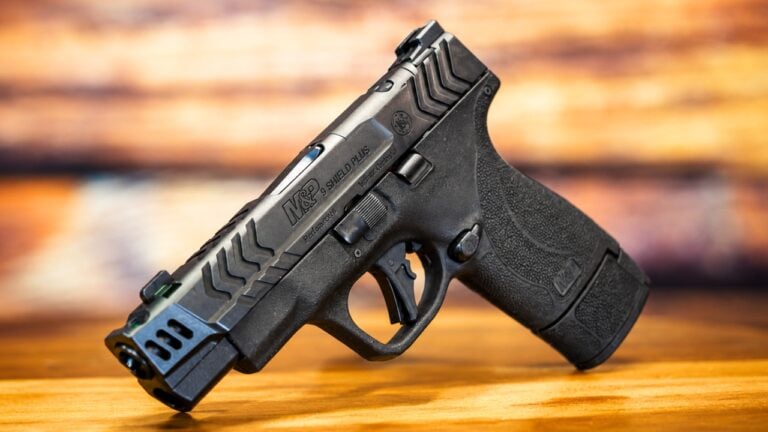
Photo credit: Dorota Szymczyk/Shutterstock.com
The dumbest malfunctions are the ones people could prevent with one simple habit change, and the most common one is treating magazines like they’re indestructible and interchangeable forever. The magazine habit that causes the dumbest malfunctions is running the same beat-up carry mags and range mags without tracking anything—then blaming the gun when the mag finally starts acting up. Most semi-auto “gun problems” are magazine problems. Feed lips spread, springs weaken, followers tilt, baseplates loosen, and bodies get dented. None of that announces itself with a warning label. It just quietly turns a reliable pistol into an occasional jam machine. And because the gun is the expensive part, people emotionally blame the gun instead of the $30–$50 box that actually feeds it.
This gets worse because people create their own chaos with how they handle mags. They drop them on concrete, stomp them into gravel, throw them loose in a range bag, and then carry them like nothing happened. They also mix ammo types in the same mag, top off constantly, and keep the same magazine loaded for months without thinking about spring life. None of these things are automatically catastrophic. The issue is the pattern. Over time, the magazine becomes the weak link, and the shooter has no clue because they never controlled variables.
The habit: never separating “training mags” from “carry mags”
If you do nothing else, do this: keep your carry magazines separate from your training magazines. Training mags get abused. They get dropped. They get dirt in them. They get slammed into the gun under time pressure. That abuse is normal and fine—because training is where mags should earn scars. The mistake is carrying those same mags afterward. That’s how you end up with the dumbest malfunction possible: a preventable feeding failure caused by a magazine that got wrecked in practice.
A lot of shooters will run one set of mags for everything because it feels efficient. It’s not. It’s gambling. Carry mags should be the boring ones that don’t get dropped in gravel. Training mags can be the workhorses. When you mix those roles, you eventually carry a mag that’s on the edge, and the first time it bites you will feel “random” even though it wasn’t.
The second habit: ignoring magazine maintenance because it feels unnecessary
Mags are simple, which is why people neglect them. But magazines are also consumable parts. Springs lose tension over time and use. Feed lips can spread if the mag is dropped or loaded hard repeatedly. Followers can start dragging if grit builds up. Dents in the tube can create friction that slows feeding. Any one of these issues can produce the classic “my gun randomly won’t feed” problem.
Basic magazine maintenance isn’t complicated. Keep them clean. Don’t let them live packed with sand and lint. Occasionally disassemble, wipe out, and inspect for cracks or weird wear. If you carry mags every day, pocket lint and dirt get into everything. You don’t have to baby them, but you do have to treat them like parts that can fail.
The third habit: constantly topping off and slamming fully loaded mags
A lot of new carriers top off constantly. They’ll load the mag full, chamber a round, then add one more to the mag so it’s always “maxed.” Doing that is fine, but the way people do it creates problems. They jam fully loaded mags into a closed slide with extra force, repeatedly, and they do it without checking whether that mag is starting to struggle. Over time, this can contribute to feed issues if the spring is marginal or if the mag is slightly out of spec. Then they get a failure to feed or a failure to go into battery and act surprised.
A healthy system handles this. A tired mag often doesn’t. The issue isn’t the concept of topping off—it’s doing it mindlessly, forever, with the same mags, while ignoring wear.
The dumbest malfunction: blaming the pistol for a magazine problem
Here’s the pattern that repeats: someone has a pistol they trust. It starts having occasional feeding issues. They change ammo. They change recoil springs. They start swapping parts. The issue persists. Then someone finally says, “Try a different mag,” and the problem disappears. That’s the dumbest part—because it was avoidable. The shooter didn’t track mags, didn’t label mags, didn’t separate mags, and didn’t suspect mags first.
A simple fix is marking magazines. Paint pen, tape, whatever. If a malfunction happens, note which mag was in the gun. If the same mag causes issues twice, it’s done for carry and probably done for anything serious. If you want to keep it simple, rotate it to training-only and keep an eye on it. Mag problems aren’t mysterious when you track them. They’re mysterious when you refuse to.
Practical way to stop this problem for good
Carry with a small set of mags you trust and don’t abuse. Train with a separate set and accept they’ll get beat up. Label all of them. Every few months, clean and inspect. If you’re carrying every day, rotate your carry mags occasionally and actually shoot them—not just your range mags. The whole point of carry gear is proven function, not theoretical trust.
If you need extra mags or simple mag pouches so your carry mags aren’t rattling around loose, Bass Pro Shops is an easy source—just don’t turn “buy more mags” into your solution. The real solution is controlling variables and treating magazines like the critical parts they are.
Like The Avid Outdoorsman’s content? Subscribe to our newsletter so you never miss an article.
Here’s more from us: