Photo credit: Weatherby
There’s no shortage of hunting rifles that look great on the rack and drain your wallet faster than a Vegas weekend, only to disappoint once you get them to the range. Price tags don’t guarantee precision, and sometimes the most expensive rifles are the ones that can’t hold a group worth bragging about. You’d think for what some of these cost, they’d print cloverleafs at 100 yards. But between finicky chambers, sloppy bedding, and overhyped marketing, a few rifles fall far short of their reputation. These are the ones that teach you an expensive lesson: you can’t buy accuracy. The best-shooting rifles are often the ones built with care, not price in mind. So if you’ve ever watched your “premium” rifle scatter shots like a shotgun while your buddy’s $600 rifle stacks them tight, this list will hit home.
Remington Model 700 Sendero SF II
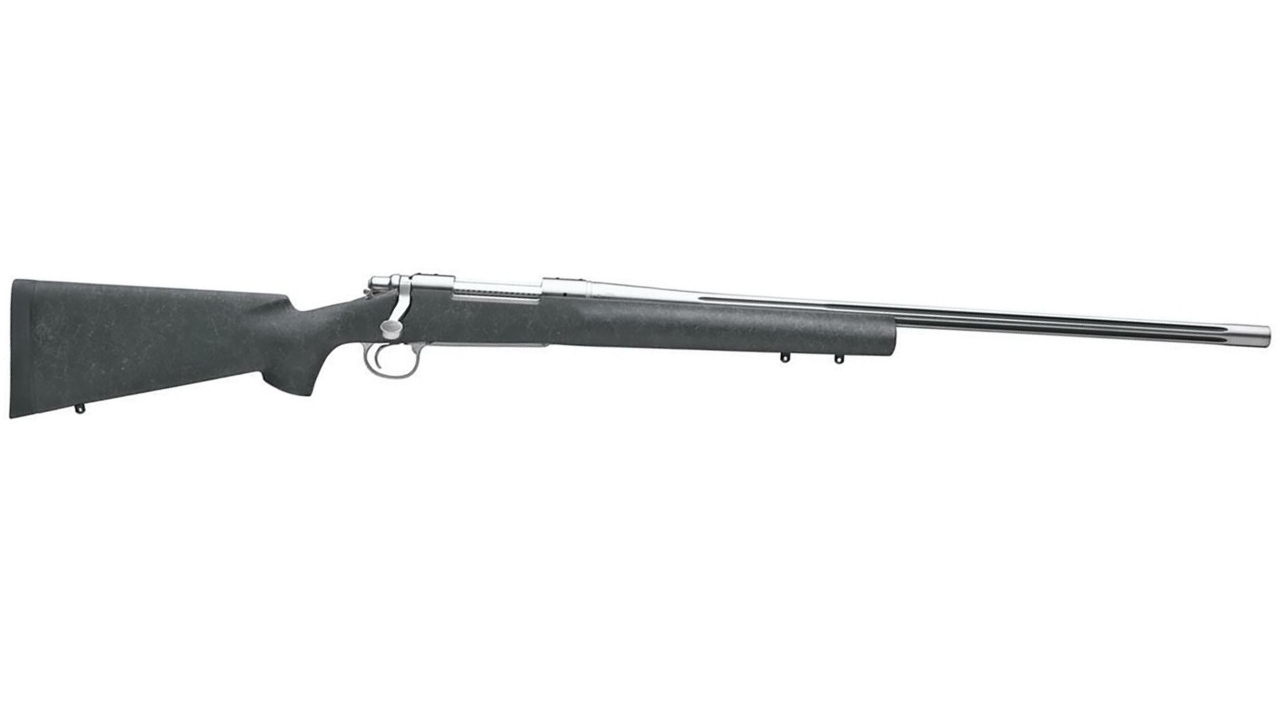
The Sendero SF II looks like a precision rifle built for long-range hunting, but performance doesn’t always match the promise. These rifles have nice barrels and stocks, but inconsistent factory bedding and torque issues plague accuracy. Some shoot lights-out, while others won’t hold a one-inch group no matter the load.
You’d expect better consistency for the price. The heavy barrel and fluted stainless steel look the part, but the average out-of-box performance is hit or miss. It’s not that the platform can’t be accurate—it often requires a gunsmith to bed the action properly or tweak the trigger before it shines. You shouldn’t have to spend another few hundred dollars on a rifle that already costs well over a grand. The Sendero can be great, but far too many leave the factory needing work to shoot like one.
Browning X-Bolt Pro

The Browning X-Bolt Pro has all the bells and whistles—carbon-fiber stock, fluted barrel, Cerakote finish—but all that polish doesn’t guarantee precision. Many hunters report subpar groups, even with premium ammunition. The rifles look incredible but can be frustratingly inconsistent, especially for the price.
Some Pro models show pressure sensitivity in the stock or inconsistent torque specs that affect harmonics. You might get a rifle that groups beautifully, or one that wanders after three shots. Browning’s quality control is hit and miss, and while the action is smooth, it can’t make up for the variability. When a rifle costs more than most people’s entire setup, you expect precision every time. The X-Bolt Pro delivers style and light weight, but not always accuracy worthy of its premium price tag.
Kimber Mountain Ascent

The Kimber Mountain Ascent is designed for ultra-light mountain hunting, but its featherweight design comes with real tradeoffs in accuracy. The rifle kicks harder, flexes more, and demands an experienced shooter to get the most out of it. On paper, it’s a backcountry dream; on the range, it can be humbling.
Even seasoned hunters struggle to keep consistent groups once the barrel heats up. The thin contour and carbon stock amplify shooter error and recoil sensitivity. Combine that with Kimber’s reputation for inconsistent quality control, and you get a rifle that too often fails to justify its cost. It’s beautiful, well-finished, and lightweight—but if you can’t keep a sub-MOA group from field positions, none of that matters. The Mountain Ascent proves that light and expensive don’t always equal accurate.
Christensen Arms Mesa

Christensen Arms rifles have become famous for their flashy carbon-fiber barrels, but the Mesa line—despite its price—has developed a reputation for inconsistent accuracy. While some shoot half-MOA groups, others scatter patterns more like a budget hunting gun. The inconsistency is the real issue.
Poor barrel tension, stock fit, and chamber tolerance can all affect group size, and Christensen’s production models have struggled to maintain uniformity. For a rifle that costs north of $1,200, you shouldn’t need to bed the action or chase handloads to get reliable performance. The Mesa feels like it should be a tack-driver, but too many owners report needing gunsmith work just to make it average. When a rifle looks custom-built but shoots like an off-the-shelf model, the disappointment runs deep.
Weatherby Mark V Weathermark

The Weatherby Mark V has a legendary name, but not every modern version lives up to it. The Weathermark is expensive, elegant, and often frustratingly inconsistent. Its nine-lug bolt design is solid, but it can also introduce unnecessary complexity that doesn’t always translate to better groups.
Some rifles shoot sub-MOA as advertised; others drift shot to shot, even with premium ammo. The problem often lies in the bedding and torque variation between production rifles. The recoil impulse on magnum models also makes it tough to stay steady. For the price, you’d expect laser precision, but it’s a coin toss whether you’ll get a tack-driver or a two-inch gun. The Weathermark remains a fine rifle in theory, but in practice, too many fall short of their premium pedigree.
Winchester Model 70 Extreme Weather SS

The Model 70 is a classic, but the Extreme Weather SS version often struggles to deliver on its premium price. The concept is great—a stainless, all-weather rifle with a Bell & Carlson stock—but the execution isn’t always there. Some rifles produce tight groups, while others show wandering impacts once the barrel warms.
Poor barrel-to-stock fit is usually to blame. The supposed “free-floating” design isn’t always consistent, and that kills repeatability. When you’re spending serious money on a hunting rifle, you shouldn’t have to sand down your stock to make it accurate. The action is smooth, the trigger excellent—but accuracy should come standard. The Extreme Weather has the looks and durability, but too many shooters end up disappointed when the groups don’t match the price tag.
Tikka T3x Lite Veil Alpine
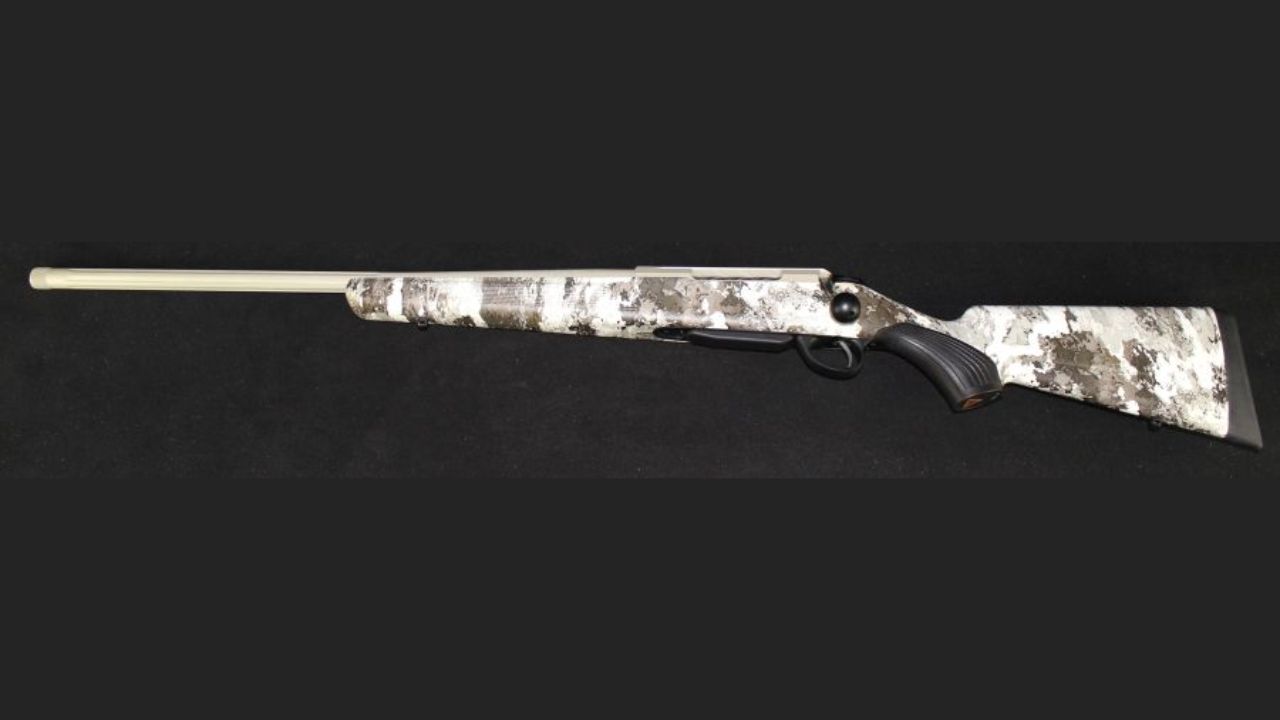
Tikka rifles have a solid reputation for accuracy, but the T3x Lite Veil Alpine is a reminder that even good brands can misfire. The lightweight barrel and carbon-fiber stock make it easy to carry, but those same features make it harder to shoot consistently. Thin barrels heat up fast and shift point of impact.
For the cost, you’d expect the rifle to hold a steady zero, but several users report inconsistent accuracy, especially in windy or hot conditions. The action and trigger are still excellent, but the lightweight platform magnifies shooter error and barrel whip. It’s a great rifle for packing deep into the mountains—but don’t expect benchrest precision. You’re paying for portability more than performance, and that tradeoff shows once you start shooting groups.
Benelli Lupo
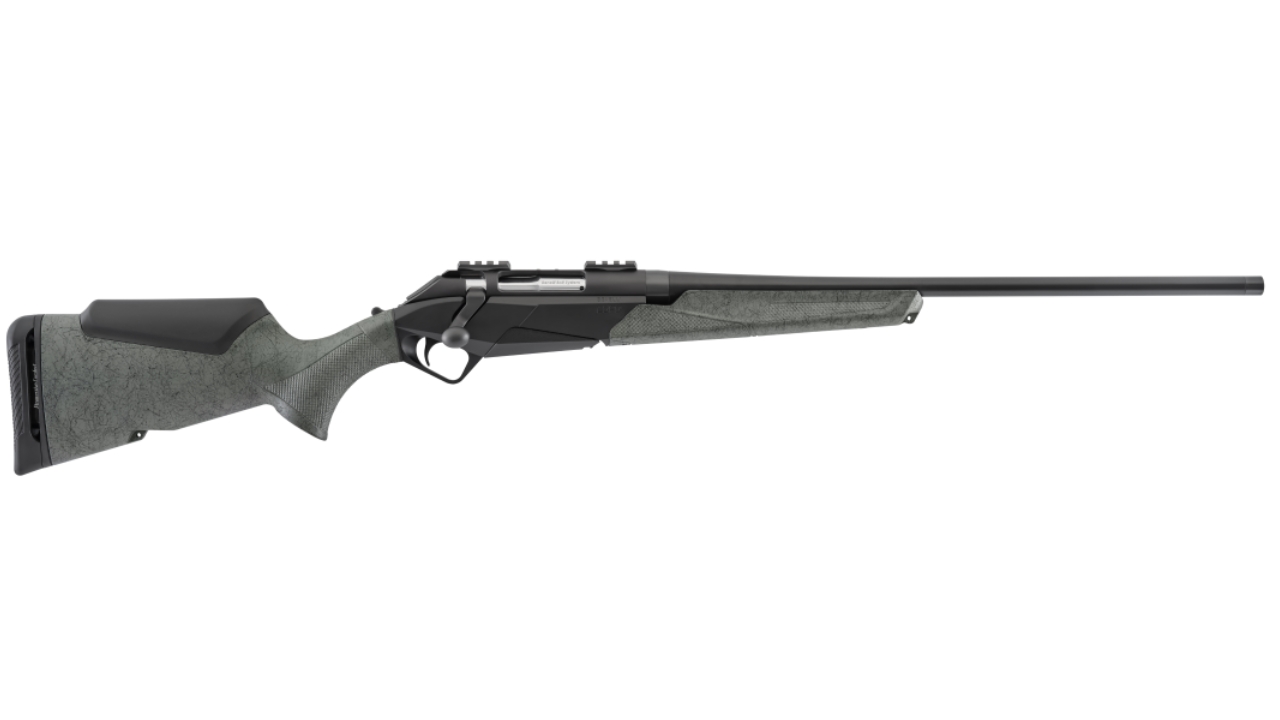
The Benelli Lupo looked promising—a sleek, modern, modular hunting rifle. Unfortunately, real-world accuracy doesn’t always justify its high-end price. Despite the Italian engineering and fancy ergonomics, some rifles simply don’t group well. The bedding system and barrel fit seem hit or miss depending on the production batch.
While some Lupos can produce MOA accuracy, others string shots unpredictably. The stock’s modular design and floating action can actually introduce inconsistencies rather than solve them. Add in the high price tag, and you start wondering where your money went. It’s comfortable, stylish, and unique—but those traits don’t mean much when the bullet won’t land where you want it. The Lupo feels more like a designer rifle than a serious hunting tool, and the target tells the truth every time.
Ruger Hawkeye Long-Range Hunter
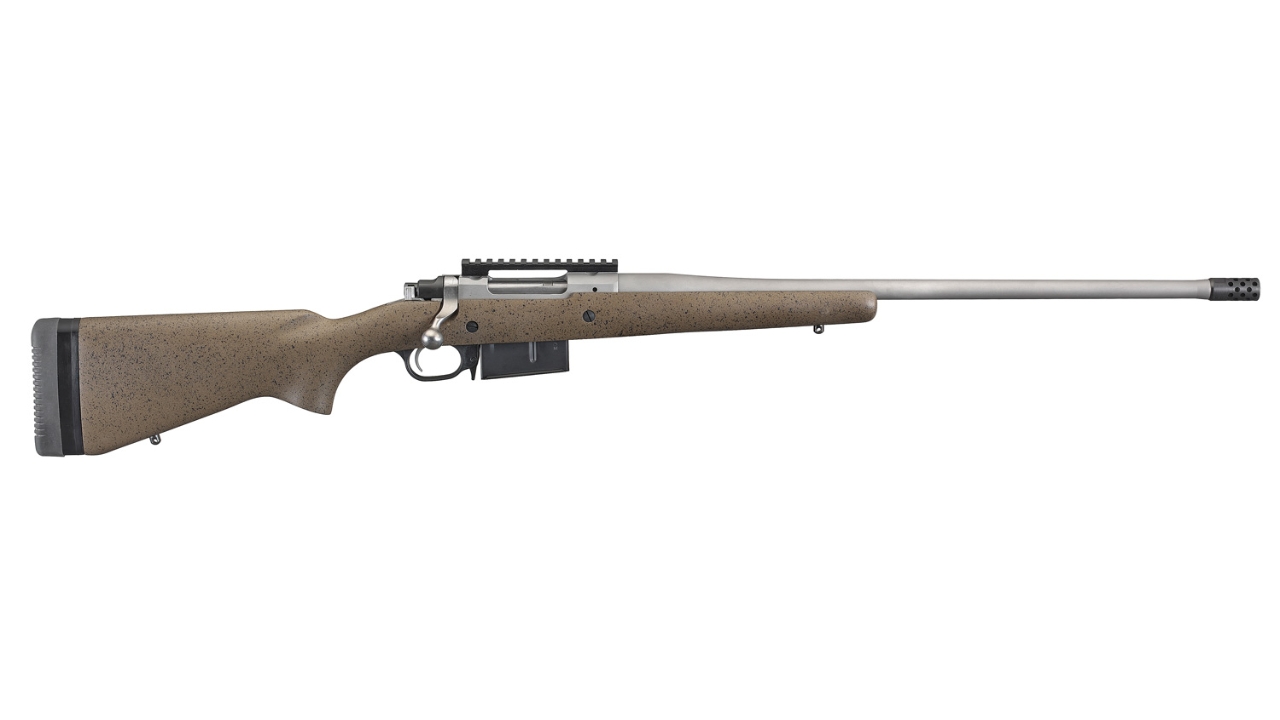
The Ruger Hawkeye Long-Range Hunter looks like it should be a precision platform, but its results often disappoint. The trigger is decent, and the barrel quality is fair, but inconsistent stock fitment and poor bedding often hurt accuracy. It’s a rifle that wants to be long-range capable but rarely lives up to the name.
At its price point, you can find rifles that shoot far better right out of the box. The Hawkeye’s laminate stock can shift slightly under torque, and it’s sensitive to humidity and temperature changes. Add in a heavy trigger pull on some models, and getting consistent groups becomes a chore. It’s reliable and durable, sure, but when you market a rifle as “long-range,” it needs to do more than hit paper at 100 yards.
Sauer 100 Atacama
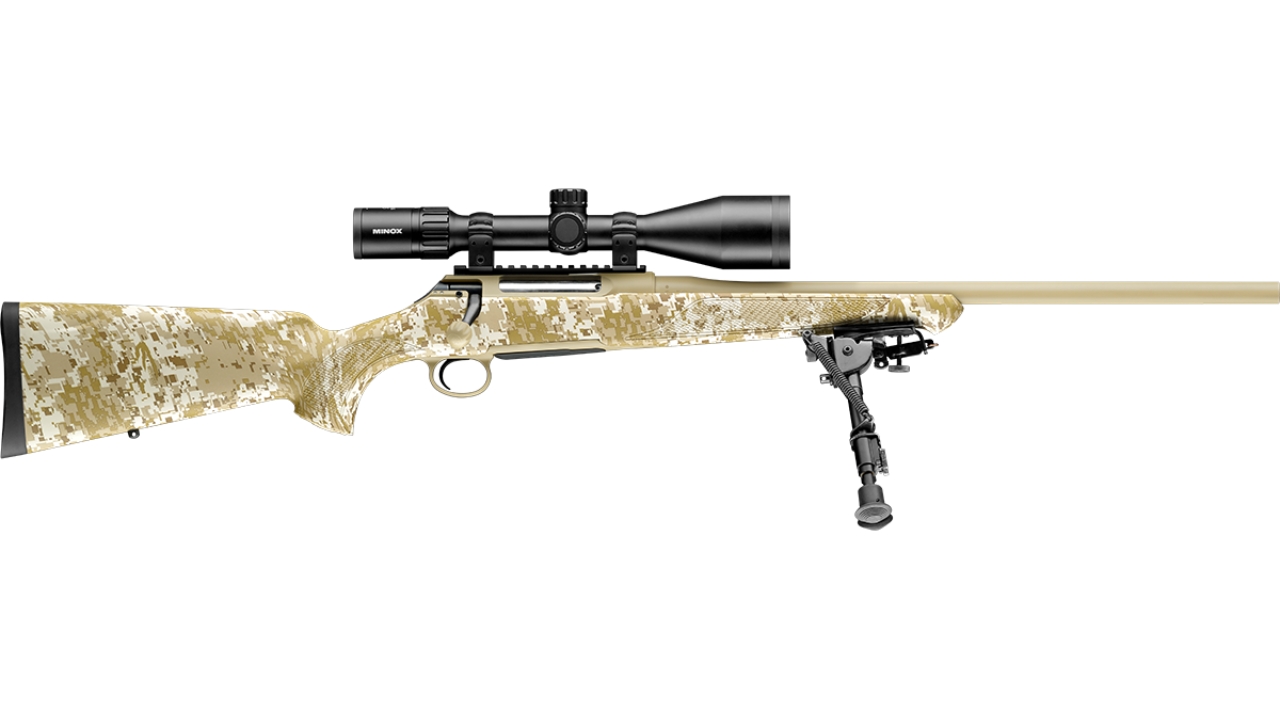
The Sauer 100 Atacama promises precision with a German pedigree, but accuracy can be underwhelming for what you pay. The rifle’s barrel is solid, but the synthetic stock flexes under pressure, leading to point-of-impact shifts. It’s one of those rifles that looks like a precision build but behaves like a mid-range model.
Some shooters see MOA groups, while others struggle to stay within two inches at 100 yards. Sauer’s action is smooth, but the overall consistency just isn’t there. You can get better performance from a cheaper rifle like the Tikka T3x Hunter or Bergara B14. The Atacama feels like you’re paying for branding and finish more than function—and in the field, accuracy always tells the truth.
Fierce Edge
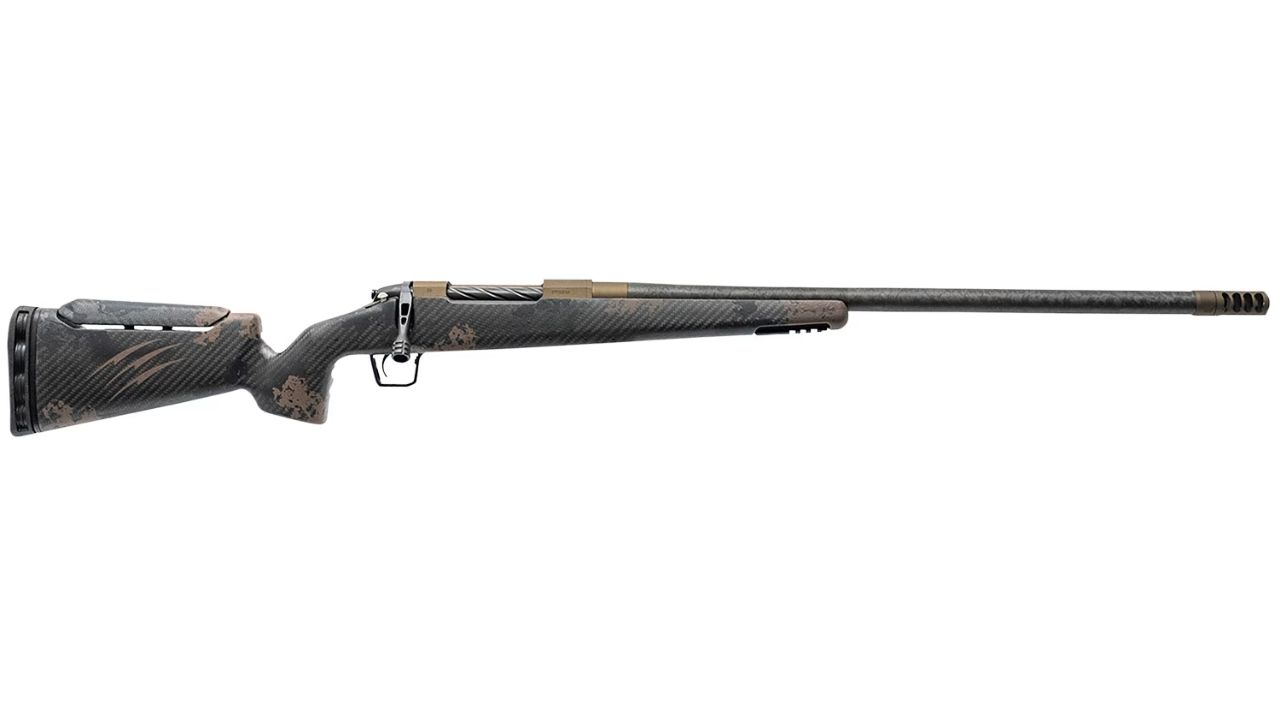
The Fierce Edge sells itself as a semi-custom precision hunting rifle, but many owners report lackluster accuracy for its premium cost. It’s beautifully made, but the inconsistency between rifles is alarming. Some shoot half-MOA, while others can’t hold two.
That’s a big issue when the rifle costs nearly three grand. For that kind of money, every rifle should shoot lights-out without tuning. The lightweight carbon design makes it even more sensitive to barrel temperature and stock pressure. Fierce markets heavily on precision, but too often, shooters end up chasing loads or bedding issues just to make it behave. It’s a rifle that looks custom, feels high-end, and too often shoots like something half the price.
Weatherby Vanguard Talon
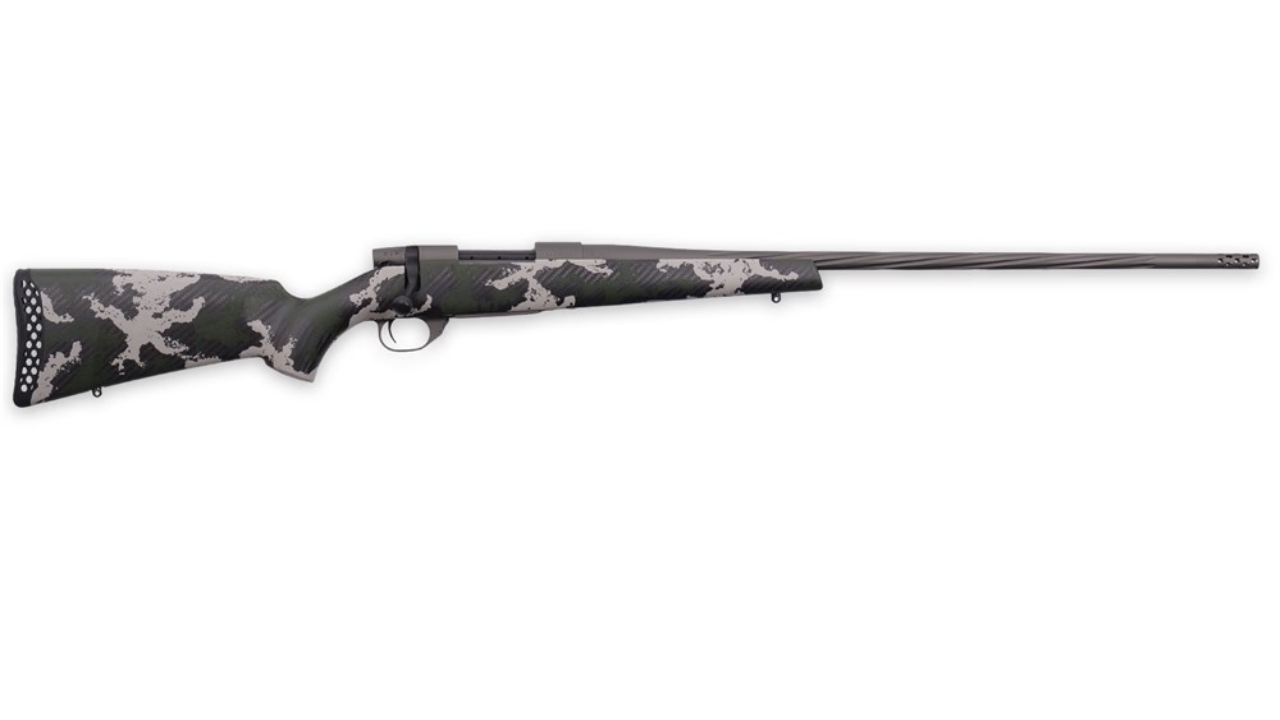
The Vanguard Talon takes a proven action and dresses it up with a fancy carbon-fiber stock and fluted barrel—but accuracy isn’t always what the price promises. The rifle’s bedding and pressure points sometimes interfere with consistency, especially under recoil.
It’s a shame, because the Vanguard line itself is solid, but the Talon feels like it’s trying too hard to justify its cost. Shooters expecting half-MOA precision often find themselves disappointed when the groups hover around 1.5 inches. It’s a fine rifle for hunting-sized accuracy, but it’s priced and marketed like a precision platform. For what you pay, there are rifles that simply shoot better, even if they don’t look as flashy doing it.
Nosler Model 48 Heritage
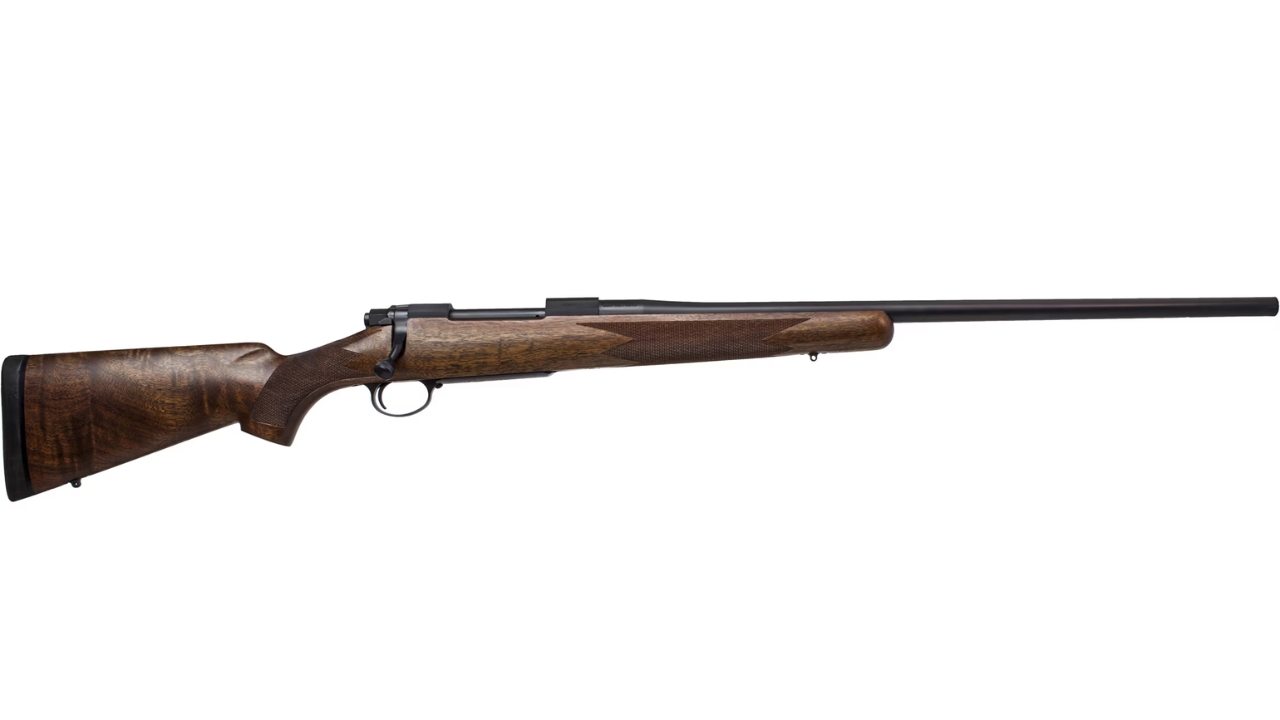
The Nosler Model 48 Heritage is a gorgeous rifle built with high-end materials—but performance doesn’t always match its elegance. The action is smooth, the finish flawless, yet group sizes vary wildly between rifles. Some shoot as advertised; others need bedding and trigger work to behave.
You’d think a rifle that costs over two grand would come ready to shoot half-MOA, but the Heritage doesn’t always deliver. Even when it does, it often takes handloads to get there. The trigger creep and inconsistent bedding compound the issue. It’s a rifle you want to love—it feels heirloom-worthy—but when you’re missing shots in the field with a rifle that costs as much as a used ATV, that admiration fades quick.
*This article was developed with AI-powered tools and has been carefully reviewed by our editors.